Top Tips for Finding Campground Real Estate Experts: How to Secure the Best Brokers and Agents for Selling Your RV Park or Campground
Selling a campground or RV park demands a unique expertise that sets it apart from residential or general commercial real estate. Finding the right campground real estate experts can be the key to a smooth, value-maximizing sale, or it could lead to a drawn-out, costly process. This guide walks you through what campground real estate experts are, why their specialized knowledge is crucial, and how to find, vet, and work with brokers, agents, and direct buyers as you prepare to sell. You’ll discover practical vetting checklists, essential questions to ask potential brokers, how valuation mechanics like Adjusted Net Operating Income (NOI) and cap rates influence offers, and where to find qualified specialists through industry networks and online resources. We also compare broker-mediated listings with selling directly to acquirers, outline best practices for sale preparation and due diligence, and address common seller questions about fees, quick valuation heuristics, and seller financing. Throughout, we incorporate buyer-perspective insights and hands-on checklists to help you make decisions that preserve your property’s legacy and maximize net proceeds, all while managing timing and confidentiality.
What Are Campground Real Estate Experts and Why Do You Need Them?
Campground real estate experts are specialists—think campground brokerages, RV park brokers, or direct acquisition teams—who truly understand how outdoor hospitality assets generate value, how to adjust NOI for discretionary owner expenses, and how cap rates apply to these unique properties. They translate site-level attributes like the number of sites, amenity inventory, and seasonality into compelling narratives that attract qualified buyers and lead to better negotiating outcomes. Partnering with a specialist significantly reduces execution risk by ensuring accurate pricing, targeted marketing to niche buyer pools, and coordinated due diligence that accelerates closing. The following sections will detail who qualifies as a specialist, the services they provide, and how they facilitate each stage of your sale.
Who Qualifies as a Campground Broker or RV Park Broker?
A qualified campground or RV park broker will have a proven track record of completed outdoor hospitality transactions, hold a commercial real estate license or relevant brokerage credentials, and be able to supply verifiable references and closing histories. Look for tangible evidence such as transaction lists with anonymized deal summaries, referral contacts from previous sellers, and a clear understanding of regional demand drivers like season length and local zoning. Specialists often possess hyponymous expertise—examples include dedicated campground brokerages, RV park brokers, and outdoor hospitality brokers—rather than being general residential agents. Always ask for recent comparable sales and a summary of how they adjusted financials to reflect true operating performance to verify their competence before moving forward.
What Services Do Campground Real Estate Agents Provide?
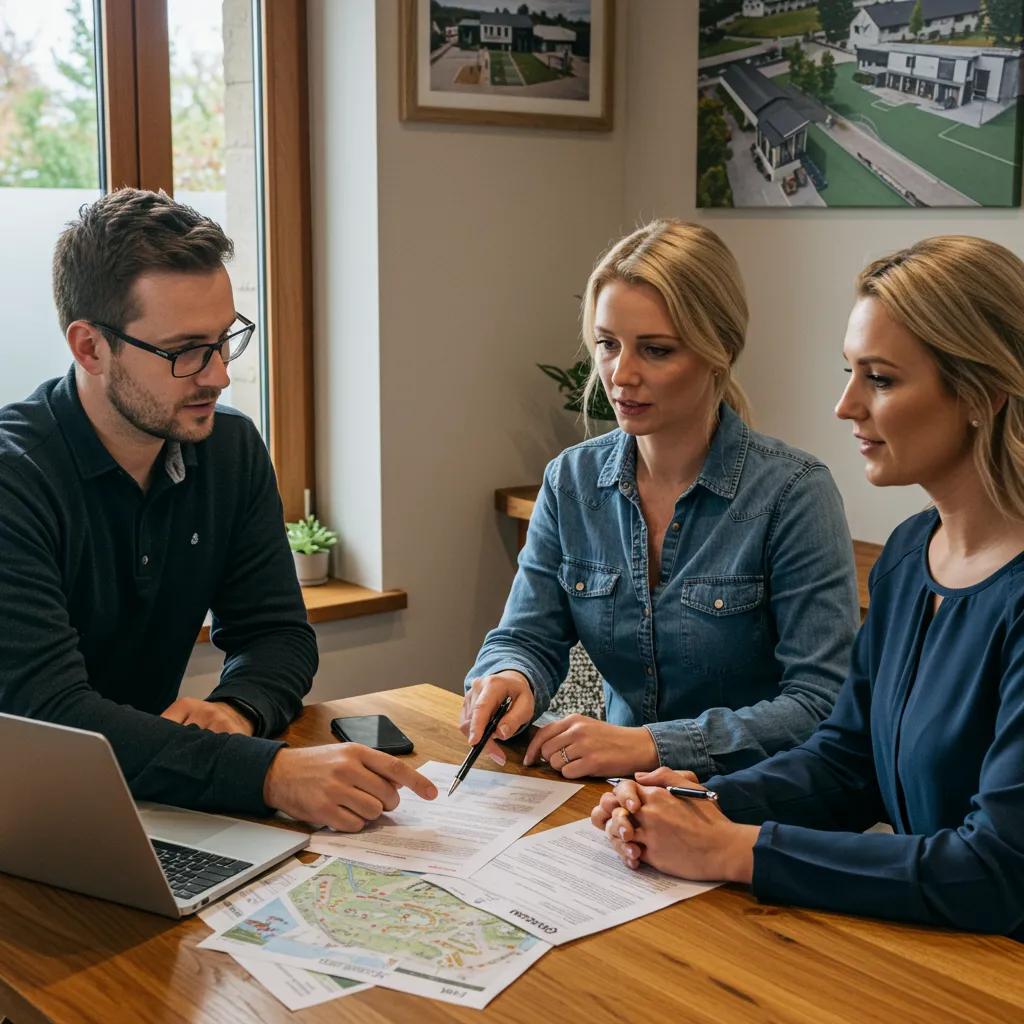
Campground real estate agents offer a comprehensive suite of services, including valuation, marketing, buyer qualification, and transaction management, all specifically tailored for outdoor hospitality properties. They expertly prepare Adjusted NOI analyses, craft compelling prospectus materials that detail per-site economics and amenity inventories, and conduct targeted outreach to diverse buyer pools such as family-owned operators, institutional acquirers, and specialty investors. Brokers manage confidentiality through NDAs, coordinate site tours, and expertly guide negotiation and closing logistics with legal and lending advisors. Understanding these service elements will empower you to request specific deliverables and compare proposals from multiple experts effectively.
How Do Real Estate Experts Facilitate the Campground Selling Process?
Real estate experts meticulously structure the sale lifecycle into distinct phases: preparation, marketing, buyer vetting, due diligence, negotiation, and closing. Each step requires specific documents and careful stakeholder coordination. During preparation, they will audit three-plus years of financials, assemble site maps and permits, and recommend repairs or staging to enhance buyer perception. In the marketing phase, they distribute an offering memorandum to vetted buyers and manage inquiries, while during due diligence, they coordinate access to records, third-party reports, and site inspections. The broker or buyer team then negotiates terms and oversees closing tasks, ensuring title, environmental, and transfer details are resolved before operations are handed over.
Different types of experts naturally emphasize different services, as illustrated in the following comparison table that outlines the core attributes of each specialist type.
Campground specialists vary in their focus and the outcomes they typically achieve, as detailed below.
This table helps clarify the trade-offs among different specialist types, enabling sellers to decide on the level of niche marketing and buyer vetting they need to pursue. The subsequent section will guide you on where to locate and validate these experts locally.
How to Identify Qualified Campground Brokers and RV Park Agents Near You

Finding qualified campground brokers requires a focused search that combines credential verification, transaction history checks, and referrals from industry associations and local commercial real estate networks. Seek out specialists who demonstrate consistent outdoor hospitality experience, possess knowledge of regional cap rates and seasonality, and have a documented pipeline of qualified buyers. Verification steps include requesting transaction abstracts, contacting references, and cross-referencing sale records in public filings to confirm claimed outcomes. The next subsection will detail the credentials to prioritize and the red flags to avoid when identifying local experts.
What Credentials and Experience Should You Look For?
Priority credentials include a commercial real estate license, a consistent record of campground or RV park transactions, and documented expertise in valuation methods like Adjusted NOI and cap rate application. Key experience signals include niche marketing materials, offering memoranda for past deals, and references from recent sellers who can attest to smooth closings. Conversely, a lack of specialized transactions or vague claims about experience should be treated as red flags, prompting further verification. These criteria will help you effectively shortlist candidates with genuine sector competence.
How to Verify Specialization in Campground and RV Park Sales?
Verification involves requesting a transaction list with anonymized deals, contacting references to confirm the broker’s role, and checking county sale records or commercial listing archives for corroboration. Ask specific questions about how they adjusted financials for owner discretionary items and how they marketed unique amenities to various buyer segments. Cross-checking their claimed listings against public records and past offering materials will reveal whether their specialization is substantive or merely marketing language. This rigorous verification process significantly reduces the risk of hiring an unproven generalist.
Where to Find Listings of Trusted Campground Real Estate Experts?
Your search priorities should include industry-specific broker directories, commercial MLS platforms with specialized outdoor hospitality filters, and referrals from campground owner associations or operator networks. LinkedIn profiles, association membership lists, and anonymized industry forums can help you identify specialists with proven reputations, rather than just one-off listings. When reviewing listings, pay close attention to the depth of the offering memorandum and whether the broker identifies comparable sales with adjusted NOI analysis. The next section will compare broker-led sales with selling directly to buyers, helping you choose the optimal path.
What Are the Key Differences Between Campground Brokers and Direct Buyers Like GatherGrounds Resorts?
Brokers and direct buyers represent two distinct routes to sale: broker-mediated listings prioritize market exposure and competitive bidding to maximize price, while direct buyers emphasize speed, certainty, and operational continuity through direct acquisition. Brokers charge fees for broad marketing and pursuing multiple bidders, which can yield higher sale prices but often extends the timeline and increases confidentiality risk. Direct buyers offer a more straightforward path—less marketing, faster closings, and typically a smoother operational handoff—making them particularly attractive for sellers prioritizing discretion or staff retention. The following table summarizes typical outcomes across key attributes to guide your decision-making.
Below is a concise comparison of typical outcomes between broker and direct buyer approaches.
What Are the Pros and Cons of Using a Broker vs. Selling Directly?
Engaging a broker offers broader exposure and the potential to create auctions or multiple-offer scenarios that can drive price, but it typically involves higher fees, a longer time-to-close, and more public marketing, which can impact staff morale. Selling directly to an acquirer reduces marketing friction, shortens timelines, and preserves confidentiality, but may result in fewer competing offers and a lower headline price in exchange for convenience and certainty. Hybrid strategies—such as limited-market listings or granting a direct buyer a right of first refusal—can blend advantages from both approaches. Understanding these pros and cons will help you align your strategy with your personal priorities and exit timing.
When Is Selling Directly to a Buyer Like GatherGrounds the Best Option?
Selling directly to a buyer like a family-owned acquirer is often the best choice when you prioritize a discreet, swift transition, wish to preserve the property’s identity and staff, or need a purchaser with proven operational experience in the sector. Owners nearing retirement, those seeking stewardship continuity, or sellers facing timeline constraints may find a direct sale preferable for streamlining due diligence and operations transfer. Direct buyers are also well-suited for properties that precisely match a buyer’s explicit acquisition criteria, such as a target site scale or regional focus. The next subsection will explore how to weigh fees against these direct-sale benefits.
How Do Broker Fees Compare to Direct Sale Benefits?
Broker fee structures vary and often reflect the breadth of marketing and transaction management provided; common models include percentage-based commissions or tiered success-fee arrangements tied to price thresholds. To evaluate your net proceeds accurately, calculate your expected sale price, subtract typical broker fees and estimated holding or transaction costs, and then compare the result to a direct-buyer offer, which often eliminates marketing expenses and shortens holding time. Factors such as multiple bidders, financing contingencies, and seller financing options can offset fees and influence net proceeds. Framing the analysis in terms of net-of-fee proceeds will clarify which path best aligns with your financial and non-financial priorities.
How to Evaluate Campground Real Estate Experts Before Hiring Them
Evaluate potential brokers or buyers through a structured interview and documentation checklist designed to test valuation competence, market knowledge, and transactional discipline. Essential vetting includes requesting references, transaction abstracts, a detailed marketing plan, and examples of how they compute Adjusted NOI and apply cap rates. Assess their buyer network, confidentiality protocols, and the resources they commit to your sale. The following planned EAV table maps common documents and metrics to their significance and what sellers should prepare for effective evaluation.
Below is a table mapping critical documents and metrics to their importance and the materials sellers should provide.
What Questions Should You Ask Potential Brokers or Agents?
Ask direct questions that reveal their experience and process: request examples of recent campground transactions, inquire how they adjust NOI for owner perks, ask about the specific buyers they target, and request a sample marketing plan and timeline. Also, ask how they vet buyers, manage confidentiality, and what metrics they use to set the asking price and negotiate offers. Request references and follow up with prior sellers to confirm the broker’s responsiveness and problem-solving capabilities during closing. These questions effectively distinguish specialists from generalists and help surface red flags early in the selection process.
How to Assess Their Knowledge of Campground Valuation and Market Trends?
A competent specialist can clearly explain Adjusted NOI adjustments, suggest appropriate cap rate ranges for your region, and cite recent comparable sales with a sound rationale for differences due to amenities or seasonality. Probe their expertise with a mini-case: present a set of anonymized financials and ask how they would adjust expenses and estimate a market cap rate, then carefully evaluate the logic and comparables they offer. Strong answers will reference per-site benchmarks, occupancy drivers, and local demand patterns, rather than generic commercial metrics. This depth of explanation demonstrates genuine valuation capability, which is critical for achieving top-dollar outcomes.
What Red Flags to Watch for When Choosing a Campground Broker?
Red flags include an absence of verifiable transaction history, an unwillingness to provide references, promises of unrealistic prices without supporting data, and high-pressure tactics to sign exclusive agreements without a clear, actionable plan. Other warning signs are vague answers about how valuation is determined or a lack of a targeted buyer network specifically for outdoor hospitality assets. Mitigate risk by demanding written marketing plans, requesting references, and verifying claimed deals through public records or third-party sources. Recognizing these red flags early will preserve your negotiating leverage and protect your timeline.
What Are the Best Practices for Working with Campground Real Estate Experts?
Adopt a proactive preparation and collaboration approach that involves organizing financials, prioritizing high-impact repairs, and establishing clear timelines and communication expectations with your chosen expert. Preparing a sale-ready packet—including three-plus years of P&L, tax returns, site maps, permits, and amenity inventories—will reduce friction during buyer diligence and support accurate Adjusted NOI calculations. Maintain confidentiality through NDAs, coordinate with counsel and tax advisors early on, and align on staging or small capital projects that enhance buyer perception with minimal expense. The following subsections will outline specific preparation steps, required documents, and negotiation collaboration tactics.
How to Prepare Your Campground for Sale with Expert Help?
Focus on high-impact, cost-effective improvements such as addressing deferred maintenance that affects safety, refreshing high-visibility amenities, and producing professional photography and a clean site map to enhance buyer perception. Create a comprehensive amenity inventory and highlight revenue-driving features like utility hookups, cabin inventory, or unique recreational offerings. Work with your broker or buyer to prioritize repairs by ROI and coordinate timing so improvements are verifiable during site tours. A clear presentation prepares buyers for valuation discussions and minimizes post-offer renegotiation.
What Documents and Financial Records Should You Provide?
Prepare a sale packet containing at least three years of P&L statements and tax returns, occupancy and revenue-per-site data, site maps, utility and permit records, and any capital expenditure histories. These documents enable valuation through Adjusted NOI and help buyers model forward cash flows, insurance, and capital needs. Include documentation of any seller financing arrangements or existing leases, and make permitting history and environmental reports readily available to accelerate due diligence. Well-organized records shorten the offer-to-close timeline and significantly strengthen buyer confidence.
How to Collaborate Effectively During Due Diligence and Negotiations?
Establish clear timelines, designate a single seller point of contact for documents and questions, and maintain consistent messaging to staff and the public to preserve operations and community goodwill throughout the process. Coordinate closely with your broker, buyer representatives, legal counsel, and financial advisors to ensure timely and accurate responses to due diligence requests. Utilize staged access to sensitive information under NDAs and agree on reasonable windows for inspections to prevent process fatigue. Clear collaboration minimizes surprises and improves the likelihood of closing on negotiated terms.
When preparing for negotiations, remember that a no-obligation conversation with a direct buyer can be a valuable part of your planning; owners may use this option to gauge market interest and timing without committing to an exclusive listing.
How to Use Online Resources and Industry Networks to Find Top Campground Brokers
Online platforms and industry networks are vital for locating specialists, but effective use requires targeted search strategies and verification, rather than relying solely on badges or marketing language. Prioritize industry directories, commercial MLS listings with outdoor hospitality filters, association membership lists, and peer referrals from owner networks. Evaluate profiles for transaction abstracts, offering memoranda samples, and client testimonials that reference verifiable deals. Cross-referencing profiles with public sale records will strengthen your confidence in a broker’s track record.
High-value resource types for locating campground specialists include the following:
- Industry-specific broker directories that focus on outdoor hospitality and campground listings.
- Commercial MLS platforms that support filtering by property type and specialty brokers.
- Owner and operator associations that provide referral networks and member directories.
Using these resources systematically will help you build a vetted shortlist of credible specialists, after which you should proceed with the verification steps previously described.
Which Websites and Platforms List Specialized Campground Brokers?
Specialized broker directories and commercial MLS platforms often maintain filters for outdoor hospitality or campground property types, allowing you to find brokers who list similar assets. Professional networks such as industry association directories and LinkedIn groups can surface brokers with a history of closed campground transactions. When evaluating listings, request offering memorandum samples and transaction abstracts to confirm real-world experience rather than promotional claims. Cross-referencing profiles with public sale records will strengthen your confidence in a broker’s track record.
How to Leverage Industry Associations and Referrals?
Industry associations and fellow owners are a reliable source of vetted referrals; reach out with concise requests detailing your property type and desired outcome, and ask for recommended brokers who have completed similar deals. Employ referral etiquette—provide a brief property summary and preferred timeline—to make it easy for peers to respond. Associations can also point you toward regional experts familiar with local seasonality and zoning. Following referrals with direct verification calls completes the vetting loop and significantly reduces selection risk.
What Role Do Reviews and Testimonials Play in Selecting Experts?
Reviews and testimonials offer valuable signals, but they require careful scrutiny: prioritize testimonials that reference specific transaction details, dates, and outcomes that you can independently verify. Look for consistent patterns in reviews—repeated praise for responsiveness or negotiation skill is far more valuable than a single glowing but unverifiable testimonial. Cross-check reviewer identities and ask for direct references where possible to confirm authenticity. Interpreting reviews carefully will help you distinguish substantive expertise from mere marketing language.
What Are Common Questions Campground Owners Ask About Real Estate Experts?
Campground owners commonly inquire about the existence of specialized realtors, what brokers charge, how to quickly estimate value, and how seller financing is handled; concise answers to these PAA-style questions will clarify expectations for sellers. Addressing these questions helps owners move from uncertainty to an actionable plan, whether they prefer listing with a broker, seeking direct buyers, or exploring hybrid pathways. The following Q&A subsections provide short, practical responses that sellers can use immediately when planning a sale.
Is There Such a Thing as a Realtor Specializing in RV Parks?
Yes; specialized outdoor hospitality brokers and RV park brokers absolutely exist, and they typically combine a commercial real estate license with a niche track record in campground or RV park transactions. These specialists understand sector-specific valuation drivers like per-site revenue, seasonality, and amenity economics. Look for evidence of relevant deals and references to verify specialization rather than relying solely on titles. Specialized brokers can translate site-level attributes into marketable financial narratives that general realtors might overlook.
How Much Do Campground Brokers Charge in Fees?
Campground broker fees commonly follow percentage-based commission models or tiered success-fee arrangements tied to sale price, and they usually reflect the scope of marketing and negotiation services provided. Instead of focusing solely on headline percentages, request a net-of-fee scenario that clearly shows estimated proceeds after commissions, holding costs, and transaction expenses. Ask for a detailed fee breakdown and precisely what is included—such as offering memorandum production, buyer outreach, and negotiation support—to compare true value. This net-proceeds framing clarifies the trade-offs between fees and expected sale outcomes.
How Can I Estimate the Value of My RV Park Quickly?
A quick estimate begins by gathering three years of revenue and expense data, computing Adjusted NOI by removing one-off or owner-specific discretionary expenses, and applying a market cap rate range appropriate to your region and property profile. As a heuristic, per-site benchmarks and recent comparable sales provide context, but regional seasonality and amenity mix can materially shift valuations. Use this rapid calculation to set realistic expectations and decide whether to pursue a brokered sale, a direct offer, or additional improvements before marketing. For precise pricing, obtain a specialist appraisal or broker opinion of value.
What Is Seller Financing and How Do Brokers Handle It?
Seller financing occurs when the seller provides a loan to the buyer for a portion of the purchase price, typically structured with defined amortization and security; it can effectively bridge valuation gaps and attract a wider range of buyers. Brokers can market seller-financed terms as part of deal structuring, assist in evaluating borrower creditworthiness, and coordinate legal documentation with counsel. While seller financing can enhance saleability and price, it also carries credit and administrative risk for the seller, so professional underwriting and legal review are essential. Brokers help strike terms that balance price enhancement with acceptable seller exposure.
After considering these practical answers, owners can confidently choose a path that aligns with their timing, financial goals, and stewardship priorities.
For owners interested in a no-pressure conversation about their options, GatherGrounds Resorts is a family-owned campground management and ownership group that acts as a direct buyer for quality campground and RV park properties. GatherGrounds emphasizes preserving property identity and retaining staff, engages in targeted acquisitions primarily in the upper Midwest states, and warmly invites owners to discuss potential transactions without obligation. If you prefer to explore a direct sale alongside brokered options, a confidential conversation with a direct buyer can clarify timelines and likely deal structures while you continue vetting brokers and preparing documentation.
Frequently Asked Questions
What should I consider when choosing between a broker and a direct buyer?
When deciding between a broker and a direct buyer, carefully consider your priorities such as sale price, timeline, and confidentiality. Brokers typically offer broader market exposure and the potential for competitive bidding, which can maximize your sale price but may take longer. In contrast, direct buyers provide a quicker, more straightforward process, often with less marketing and greater confidentiality. Assess your goals—whether you prioritize a higher price or a faster, more discreet sale—to determine the best approach for your unique situation.
How can I prepare my campground for a successful sale?
Preparing your campground for sale involves several key steps. Start by addressing any deferred maintenance and enhancing high-visibility amenities to improve buyer perception. Create a comprehensive amenity inventory and gather essential documents like financial statements, site maps, and permits. Professional photography can also make a significant difference. Collaborate with your broker to prioritize repairs and improvements that will yield the highest return on investment, ensuring your property is as appealing as possible to potential buyers.
What are the typical timelines for selling a campground?
The timeline for selling a campground can vary widely based on several factors, including the chosen sales method, prevailing market conditions, and the property’s readiness. Generally, a broker-mediated sale may take several months to a year, as it involves marketing, buyer vetting, and negotiations. In contrast, selling directly to a buyer can expedite the process, potentially closing within weeks. Understanding these timelines helps you set realistic expectations and plan accordingly for your sale.
What role do online resources play in finding campground brokers?
Online resources are crucial for locating qualified campground brokers. Industry-specific directories, commercial MLS platforms, and professional networks can help you identify specialists with relevant experience. When using these resources, look for brokers who have a proven track record in campground transactions. Additionally, cross-referencing broker profiles with public sale records can enhance your confidence in their expertise. Utilizing these tools effectively can streamline your search for the right broker.
How can I ensure confidentiality during the selling process?
To maintain confidentiality throughout the selling process, work closely with your broker to implement Non-Disclosure Agreements (NDAs) for all potential buyers. This is critical for protecting sensitive information about your campground from being disclosed. Additionally, limit the distribution of marketing materials to only vetted buyers and consider using anonymous listings that do not reveal your property’s identity. Clear communication with your broker about confidentiality expectations is essential to safeguard your business operations and staff morale throughout the sale.
What are common mistakes to avoid when selling a campground?
Common mistakes when selling a campground include overpricing the property, neglecting necessary repairs, and failing to prepare comprehensive financial documentation. Overpricing can deter potential buyers, while unaddressed maintenance issues can lead to lower offers. Furthermore, not having organized financial records can complicate due diligence and negotiations. To avoid these pitfalls, conduct thorough market research, invest in necessary property improvements, and prepare all relevant documents in advance to facilitate a smoother selling process.
How can seller financing benefit my sale?
Seller financing can be a valuable tool in your sale, as it allows you to offer potential buyers a loan for part of the purchase price. This can make your property more attractive, especially to buyers who may struggle to secure traditional financing. It can also help bridge valuation gaps and expedite the sale process. However, it’s essential to structure the financing terms carefully to mitigate risks, and working with a broker can help ensure that the terms are favorable for both parties.
Conclusion
Finding the right campground real estate expert can significantly enhance your selling experience, ensuring you maximize value while minimizing stress. By leveraging specialized knowledge and tailored services, you can navigate the complexities of the market with confidence. Take the next step in your selling journey by reaching out to qualified brokers or exploring direct buyer options. Start your search today to secure the best possible outcome for your campground or RV park sale.