Understanding Campground Cancellation Policies: How Changes to Reservations Impact Pricing and Fees
A clear cancellation policy lays out when you can cancel or change a reservation, why costs shift when bookings are altered, and what to expect regarding refunds and fees. This guide explains how cancellation windows, deposits, modification fees, seasonal rates, and site-type differences all play a role in the final price when you adjust a reservation. You’ll learn how cancellation windows connect to refund percentages, the common fees that reduce your refund amount, and practical steps to modify or cancel your camping reservation while keeping costs down. We’ll map these general rules to typical campground scenarios—changing RV sites, moving from tent to cabin, no-shows, weather events, and group blocks—and show how they apply to Walnut Hills Family Campground’s reservation process. Read on for step-by-step modification instructions, tables detailing refund tiers and modification comparisons, and quick answers to your most common questions about changing or canceling campground bookings.
What Is Walnut Hills Family Campground’s Cancellation Policy?

A cancellation policy defines your refund eligibility by setting specific cancellation windows, outlining deposit terms, and detailing any administrative fees. It works by linking the time before your arrival to the refund percentage you’ll receive. Essentially, the policy connects a cancellation window to a refund tier, meaning more notice usually means a bigger refund and keeping more of your deposit. The practical benefit for you is predictability: you can estimate your financial exposure if plans change or emergencies pop up. Below is a simple table illustrating common cancellation windows and outcomes that lodging providers use to make refund decisions clear and transparent.
This table shows standard refund tiers and conditions.
This refund-tier table clarifies how your timing before arrival affects your refund outcome and helps you decide when to cancel or modify. Understanding these tiers leads directly into how specific timelines impact refund eligibility and exceptions for no-shows or early departures.
How Does the Cancellation Timeline Affect Refund Eligibility?
Cancellation windows are the main factor determining refund eligibility because each defined window is linked to a specific refund percentage and fee structure. The process is straightforward: the earlier you cancel, the larger the portion of your prepaid amount that gets returned. Late cancellations or no-shows shift the cost risk to you. For instance, canceling 35 days out would typically get you a full refund minus a processing fee, while canceling just five days before your stay often means forfeiting your deposit and nightly charges. Modern reservation systems treat the deposit as part of the booking cost, which is frequently non-refundable or only partially refundable depending on the specific Refund Policy. Knowing these windows helps avoid surprises and supports informed rebooking or travel insurance decisions.
What Fees Apply When Canceling a Camping Reservation?
Cancellation fees commonly include an administrative cancellation fee, a card processing fee, and any non-refundable deposit component. These fees reduce the gross refund amount you receive. The purpose of these fees is to cover the operational costs of processing bookings and to discourage last-minute changes that might block inventory for other guests. Typical fee types and their effects are listed below to help you estimate your net refund after fees are deducted.
The most common fees for campground cancellations are:
- Administrative Fee: A flat processing charge to cover booking management.
- Card Processing Fee: A small percentage or fixed fee retained to cover payment processing costs.
- Deposit Forfeiture: A portion or the full deposit that is non-refundable depending on the cancellation window.
How Are No-Shows and Early Departures Handled?
No-shows and early departures are handled differently from cancellations because they impact occupancy and revenue in distinct ways, usually leading to stricter penalties. A no-show typically results in immediate forfeiture of the reservation deposit and the release of your site for resale. Early departures often mean you’ll be charged for the nights originally booked, though you might receive a prorated credit. The operational reason is that campgrounds can’t easily rebook a site that’s unexpectedly vacated during peak demand, so policies assign financial responsibility to the guest. If you anticipate a late arrival, early departure, or a potential no-show, it’s best to contact staff promptly to request a site hold or a partial credit, which might help reduce penalties.
This approach to no-shows and early departures connects directly to modification options and the best practices for changing reservations without incurring full penalties.
How Can Campers Modify Their Walnut Hills Reservations?
Modifying a reservation updates details like your dates, site type, or party size, and it may involve modification fees plus rate adjustments. Essentially, changing a reservation means checking availability for your new preferences, calculating any price difference, and applying any modification fee or waiver rules. The specific benefit for you is flexibility: well-structured modification policies allow campers to move dates or change site types with predictable costs and minimal disruption. Below is a comparison of common modification types and how they typically affect fees and execution.
This table compares change types, typical fees, and execution paths.
This comparison clarifies that modification costs often combine a modification fee with nightly rate differences, and it sets the stage for step-by-step how-to guidance below.
What Are the Fees for Changing Reservation Dates or Site Types?
Fee structures for changes commonly include a flat modification fee plus any difference in nightly rate between your old and new reservation. The final charge reflects both components. These fees apply to compensate for the administrative effort and potential revenue differences when you move to higher- or lower-priced dates. For example, moving from an off-peak weekend to a holiday weekend might require paying the full nightly rate difference plus a fixed change fee. You should request a modification as early as possible to reduce the chance that peak rates or blackout dates will increase your cost.
Understanding modification fee calculations helps you weigh your options between canceling and rebooking versus modifying an existing reservation.
How Does Changing from RV to Tent or Cabin Impact Pricing?
Switching your accommodation type changes the reservation’s pricing because RV sites, tent sites, and cabins are distinct categories, each with its own base rates and surcharges. When you change your site type, the reservation system calculates a new total by applying the target site’s base rate, any site-specific surcharges, and prorating for partial-night changes if allowed. The practical effect is that switching from an RV site to a cabin often increases the nightly charge, while switching to a tent site might reduce costs but could trigger a site-change fee. You should verify minimum-night rules and availability before requesting a site-type change to avoid unexpected rate or fee charges.
These site-type differences lead naturally into weather-related exceptions and refund rules when conditions force changes.
What Are the Policies for Weather-Related Cancellations and Refunds?
Weather-related cancellation policies differentiate between ordinary inclement weather and declared emergencies or mandatory evacuations, tying refund or rescheduling options to these distinctions. The process here is that operational closures or safety orders create exceptions to standard refund tiers, allowing pro-rated refunds or credits when the campground cannot safely operate. The benefit for you is clarity on what constitutes an eligible weather refund and the steps needed to request relief. The list below outlines common qualifying weather events and the documentation providers often request when evaluating weather-related refund requests.
Typical qualifying weather events and documentation include:
- Severe storms with official warnings: May qualify when local authorities issue advisories.
- Mandatory evacuation orders: Treated as emergency events that typically trigger pro-rated refunds or credits.
- Unplayable or unsafe conditions: Flooding or infrastructure damage that prevents safe camping.
When Does Walnut Hills Offer Refunds for Inclement Weather?
Refunds for inclement weather are generally offered when conditions significantly prevent the safe use of reserved facilities or when official advisories impact the campground’s operations. The reason for conditional weather refunds is that routine rain doesn’t typically warrant a full refund, whereas mandatory closures or unsafe conditions do. When eligible, refunds are usually prorated for unused nights and processed after verification of the weather impact. Rescheduling is often offered as an alternative to a cash refund. You should communicate promptly and provide any requested evidence so staff can evaluate your eligibility under the campground’s Refund Policy.
Prompt reporting of weather impacts helps staff make safety-first decisions and process refunds or rebookings efficiently.
How Are Mandatory Evacuations or Severe Weather Handled?
During mandatory evacuations or severe weather, campgrounds prioritize guest safety and implement an operational response that may include site closures, mandatory departure instructions, and streamlined refund or credit handling. The operational steps typically involve notifying affected guests, documenting the order or conditions, and issuing prorated refunds or credits toward future stays. This approach ensures that evacuation orders are treated differently from routine cancellations and that guests receive compassionate, safety-focused support. Clear communication during such events reduces confusion and enables smoother rebooking or credit issuance.
Handling these emergency scenarios links back to standard modification channels and the best practices for group coordination under similar circumstances.
How Do Group Reservation Cancellation Policies Differ?
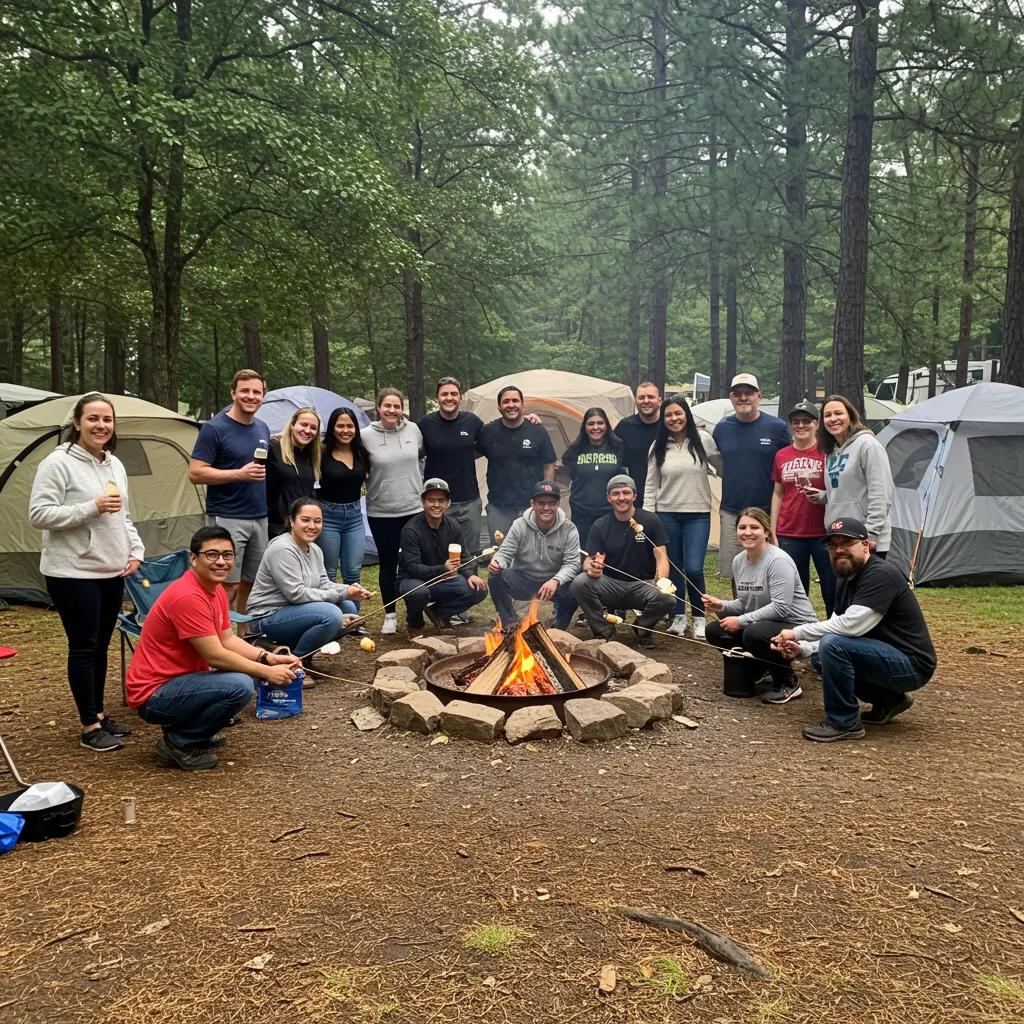
Group reservation policies use different lead times, deposit structures, and fee scales because group bookings reserve larger blocks of inventory and create higher operational commitments. The process is that group bookings often require larger deposits and longer cancellation lead times, shifting more financial risk to organizers to protect the campground’s ability to manage inventory and event logistics. The benefit for both parties is predictability: group coordinators understand the penalties for late changes and the steps required to adjust group size or dates. The table below outlines typical group booking attributes such as group size categories, cancellation deadlines, and common fee structures.
This table outlines group booking deadlines and fees for common group sizes.
What Are the Cancellation Deadlines and Fees for Group Bookings?
Group cancellation deadlines are longer and fees are often higher because larger blocks of sites have a greater revenue impact when released late. The reason is that reselling a large block at short notice is difficult, so campgrounds require earlier notice or higher forfeiture to compensate. For example, medium-sized groups might need a 60-day notice for full refund eligibility and smaller partial refunds within 30–59 days, while large group blocks often include contractual terms. Group coordinators should review deposit terms carefully and maintain clear communication with reservations to avoid unexpected costs.
These group-specific deadlines inform how changes to group reservations should be managed to minimize loss.
How Are Changes to Group Reservations Managed?
Changes to group reservations are managed through a coordinated process that typically involves the group coordinator, a reservations representative, and possibly a signed amendment to any original agreement. When you make changes, such as reducing participant count, shifting dates, or altering site assignments, it requires recalculating the group’s total charges, applying the group fee schedule, and updating deposits or final balances. Recommended lead times and clear documentation are essential because last-minute changes often trigger higher fees or limited reallocation options. Group coordinators who provide timely notice and work directly with the campground’s reservations service minimize penalties and secure alternative arrangements.
Direct coordination for group changes connects to the campground’s reservation channel and support resources, described next.
What Are Common Questions About Campground Cancellation and Reservation Changes?
This FAQ section answers common search queries about cancellation windows, online modification, no-show consequences, and change fees with concise, actionable responses. Each brief answer defines the concept, explains how the outcome is produced, and gives you a practical next step. Below are short Q&A entries that address the most frequent customer concerns and help you quickly find actionable guidance.
How Far in Advance Must I Cancel to Receive a Refund?
You generally must cancel within the defined refund window—often 30 days or more for full or near-full refunds—because refund percentages are tiered by cancellation timeline. The reason is that earlier cancellations allow the facility to rebook occupied nights and thus justify returning more of your payment. Exceptions may exist for peak-season reservations or special promotions that impose stricter windows. You should check the reservation terms before booking and cancel as early as possible to maximize refund eligibility.
This timing guidance naturally leads into whether online cancellation is possible and how to execute it.
Can I Cancel or Change My Reservation Online?
Many campgrounds permit online cancellations and modifications using your reservation confirmation and account credentials, enabling quick updates without staff assistance. The process typically requires you to identify your reservation, select new dates or site options, and acknowledge any modification fees or rate differences before confirming changes. For complex changes, such as group adjustments or site upgrades, direct contact with reservations may be required. Using the online system for simple date or site changes can expedite processing and reduce administrative fees in many cases.
When online options are limited, contacting the reservations service directly remains the recommended path.
What Happens If I Don’t Show Up for My Reservation?
If you don’t show up, most campgrounds classify the booking as a no-show, leading to deposit forfeiture and possibly a charge for the first night or the entire reservation, depending on the policy. This consequence exists because the site is held for your arrival and cannot be resold immediately, creating a lost opportunity for the campground. To avoid no-show penalties, notify reservations if your arrival will be delayed or if your plans change, which may allow staff to hold your site or offer a one-time courtesy. Proactive communication is often the difference between a full-forfeit outcome and a potential mitigation.
Avoiding a no-show outcome ties back to timely modifications and the reservation channels available.
Are There Fees to Change My Camping Dates?
Yes, changes often incur a modification fee and any difference in nightly rate. Fees may be waived under certain conditions, such as off-peak transfers or managerial discretion. The process is that the reservation system recalculates the new total and applies the published modification policy, which results in either an additional charge or a smaller refund. Situations like moving to lower-demand dates sometimes reduce or eliminate fees, while peak-date upgrades almost always require payment. Always ask the reservations team or check the booking terms for exact fee amounts before confirming a change.
This final FAQ item leads naturally to actionable steps and provider-specific instructions for making changes.
(How this applies at Walnut Hills Family Campground: Walnut Hills Family Campground supports reservations for RV sites, tent sites, and cabins and applies standard cancellation and modification frameworks that map cancellation windows to refund tiers. Guests using the campground reservation service should review their booking terms at confirmation, request modifications through the reservation channel, and contact reservations for group or weather-related exceptions. The campground’s reservation process centralizes changes and helps families shift dates or site types while accounting for deposits, modification fees, and rate differences.)
- Key steps to minimize fees: Cancel early, request date swaps instead of full cancels, and confirm any applicable waivers.
- When to contact reservations: For group changes, site-type upgrades, or weather emergency claims.
- Documentation to keep: Reservation confirmation number, payment receipts, and any evacuation or weather advisories.
These practical steps and the campground reservation service help you manage changes with clarity and reduce unexpected charges.
Frequently Asked Questions
What should I do if I need to cancel my reservation last minute?
If you find yourself needing to cancel your reservation within 14 days of your arrival, it’s important to understand that you may not be eligible for a refund, and your deposit could be forfeited. However, you should still contact the campground directly to discuss your situation. They may offer options such as rescheduling or applying your deposit to a future stay, depending on their policies and availability. Always communicate promptly to explore potential solutions.
Are there any exceptions to the cancellation policy?
Yes, there are exceptions to the standard cancellation policy, particularly in cases of severe weather or emergencies. If the campground is forced to close due to unsafe conditions or mandatory evacuations, guests may be eligible for pro-rated refunds or credits. It’s crucial to document any weather-related issues and communicate with the campground staff to understand your options and ensure a smooth process for obtaining any refunds or rescheduling your stay.
How can I ensure I receive the maximum refund possible?
To maximize your refund, always aim to cancel your reservation as early as possible, ideally 30 days or more before your arrival date. Familiarize yourself with the specific cancellation windows and associated refund tiers outlined in the campground’s policy. Additionally, consider purchasing travel insurance, which can provide coverage for unforeseen circumstances that may require you to cancel your trip. Keeping clear documentation of your reservation and any communications with the campground can also help in case of disputes.
What happens if I need to change my reservation to a different campground?
If you need to change your reservation to a different campground, you will typically need to cancel your current reservation first, which may incur fees depending on the cancellation policy. After canceling, you can then make a new reservation at the desired campground. It’s advisable to check the new campground’s availability and policies before canceling your current reservation to avoid any potential loss of deposit or fees. Always communicate with both campgrounds to ensure a smooth transition.
Can I transfer my reservation to someone else?
Transferring a reservation to another person is generally subject to the campground’s policies. Many campgrounds allow transfers, but they may require you to contact them directly to facilitate the process. This often involves providing the new guest’s information and confirming that they agree to the terms of the original reservation. Be sure to check the specific rules regarding transfers, as some campgrounds may impose fees or have restrictions based on the type of reservation.
What documentation do I need to provide for a weather-related refund?
For a weather-related refund, you may need to provide documentation such as official weather advisories, evacuation orders, or photographs showing unsafe conditions. The campground will typically require this information to assess your eligibility for a refund or credit. It’s important to report any weather-related issues as soon as possible and to keep records of all communications with the campground. This documentation will help expedite the review process and ensure you receive any applicable refunds.
How can I avoid no-show penalties?
To avoid no-show penalties, always inform the campground if you anticipate being late or unable to arrive as scheduled. Most campgrounds allow you to notify them of changes to your plans, which may help you avoid forfeiting your deposit or incurring additional charges. If you know in advance that you cannot make it, consider canceling or modifying your reservation according to the campground’s policies. Proactive communication is key to minimizing penalties and maintaining a good relationship with the campground.
Conclusion
Understanding campground cancellation policies empowers you to make informed decisions about your reservations, minimizing unexpected fees and maximizing potential refunds. By grasping the nuances of cancellation windows, modification fees, and weather-related exceptions, you can navigate your options with confidence. We encourage you to review your reservation terms and reach out to the campground for any specific questions or changes you may need. Explore our resources to ensure your next camping experience is enjoyable and stress-free.