

“`html
Michigan Seasonal Campground Rates: Your Essential Guide to Seasonal Site Fees
Seasonal site fees are your ticket to an extended-stay outdoor adventure, securing a spot at a campground for the entire warm-weather season. Think of it as having your own slice of nature, ready for you week after week, month after month.
This guide dives deep into what you can expect to pay for seasonal sites across Michigan. We’ll break down what influences those costs, what’s typically included, how payments and reservations work, and how to snag your perfect seasonal spot in Michigan.
We know comparing seasonal RV site costs in Michigan can feel like a puzzle, with different pricing for different sites, hookups, and perks. That’s why we’ve put together clear price ranges, policy insights, and planning tips to make it simple.
Get ready for straightforward answers to your burning questions—like “seasonal site fees Michigan,” “full hookup seasonal site Michigan pricing,” and “reserve seasonal campsite Michigan steps”—so you can budget with confidence and leave the surprises behind.
In the sections ahead, you’ll find typical rate ranges, what’s in and what’s out, how policies shape your experience, a step-by-step guide to booking, and a closer look at Walnut Hills Family Campground by GatherGrounds Resorts, a prime example of seasonal site value.
By the time you’re done, you’ll be a pro at understanding seasonal camping Michigan rates and ready to book your next great escape.
What Are the Typical Seasonal Site Fees at Michigan Campgrounds?
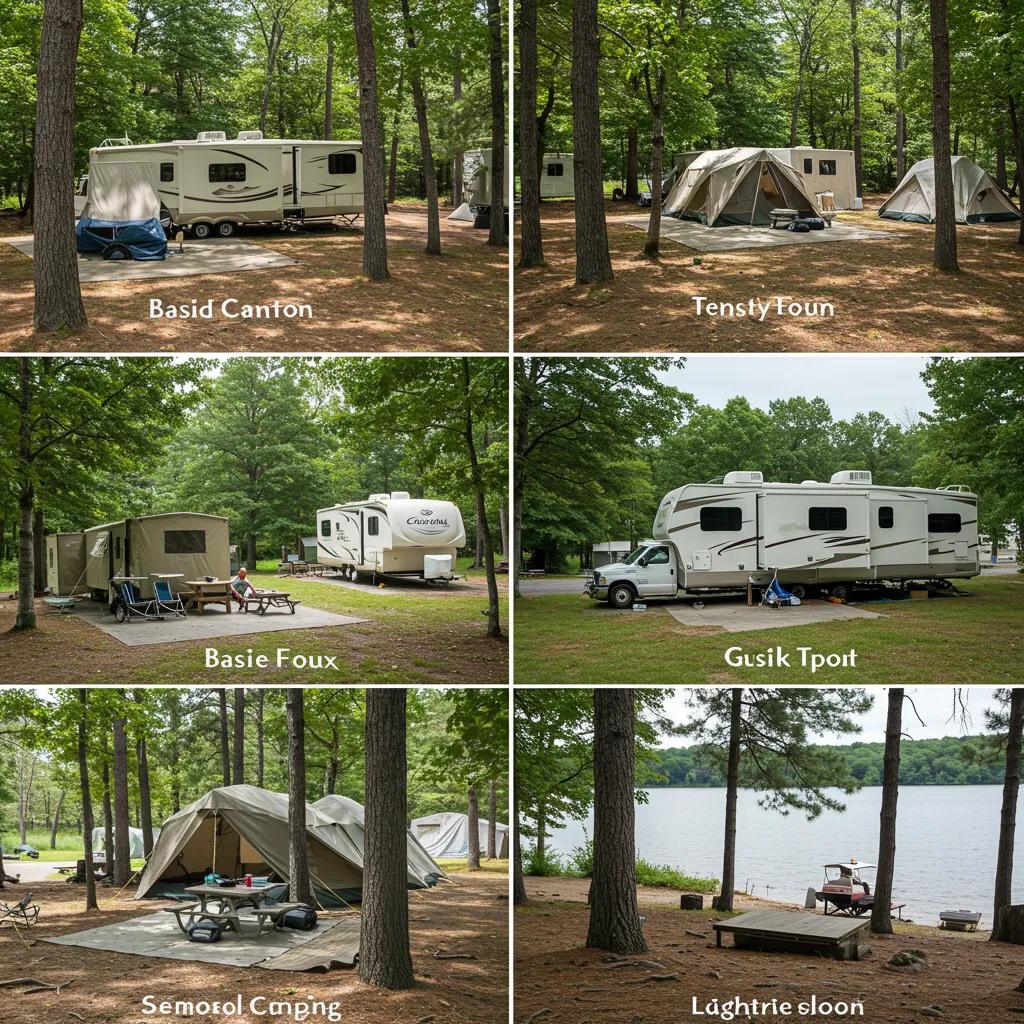
Your seasonal site fee at a Michigan campground is the all-in price for reserving your spot for an extended period. It’s shaped by how long the season lasts, the level of hookups you choose, and whether your site comes with a prime location premium. You’ll find everything from budget-friendly rates for basic tent sites or spots without hookups, to higher-end pricing for full hookup or lakefront seasonal RV sites, all influenced by demand and the amenities available. Understanding the different site categories and hookup options will help you estimate costs and compare seasonal RV site costs Michigan has to offer at private campgrounds and RV parks.
The table below gives you a quick snapshot of typical seasonal price ranges for common site types, making it easy to see how site type, season length, and hookups affect the cost.
Here’s a quick look at the rates: This table outlines common seasonal site types, the main factor that influences their price, and a typical price range, along with notes on what utilities are usually included.
This quick comparison highlights that hookups and location are the biggest cost factors. Let’s dive deeper into the specifics of seasonal RV site costs in Michigan in the next section.
How Much Does a Seasonal RV Site Cost in Michigan?
The cost of a seasonal RV site in Michigan largely depends on your hookup needs and desired location. Expect a range that scales from more affordable partial hookups to premium full hookup and lakefront sites. For a typical full hookup seasonal RV site, plan for a mid-to-high range fee that covers sewer, water, and electric. Partial hookup sites will generally fall at the lower end of the seasonal RV site cost spectrum in Michigan. Don’t forget that campground features and on-site amenities—like planned family events or easy lake access—also play a role in the final price. Always compare what’s included when you see a seasonal fee quoted.
What Factors Influence Seasonal Camping Prices in Michigan?
Several key elements shape seasonal camping prices in Michigan: the level of hookups, your site’s location (think lakefront versus tucked away inland), the size and type of your pad, the campground’s amenities and organized events, and even seasonal demand or policy updates. Hookup level is a baseline cost driver because full hookups require significant infrastructure and ongoing maintenance. Lakefront or other premium locations naturally command higher rates due to their desirability. Campground amenities—like playgrounds, water features, and family-focused events—add significant value and often justify higher seasonal fees. Keep in mind that policy shifts or regional price adjustments can also influence what you can expect to pay.
How Do Full Hookup Sites Affect Seasonal Camping Fees?
Full hookup sites typically come with a seasonal premium because they offer constant access to water, sewer, and electricity. This robust infrastructure means higher maintenance and more complex utility billing for the campground. Campgrounds manage utilities in various ways: some bundle a flat utility fee into the season price, others meter electricity and charge based on usage, and a few might require monthly check-ins for heavy users. The difference in price for full hookup seasonal sites compared to non-hookup sites can range from a few hundred to a few thousand dollars per season, depending on the campground’s policies and the site’s location. It’s crucial to confirm the billing method before you commit. This variability in billing naturally leads us to what amenities and utilities are commonly included in seasonal fees across Michigan campgrounds.
What Is Included in Seasonal Camping Fees at Michigan Campgrounds?
Your seasonal camping fee typically covers your site reservation for the entire season, and often includes basic utilities. However, the specifics can vary quite a bit from one campground to another and depend on your site type. Some packages are all-inclusive, covering water and sewer, while others might meter your electricity or charge for it separately. Access to common area amenities is usually part of the deal, or sometimes offered at a special seasonal rate for long-term guests. Clarifying what’s included versus what costs extra is key to avoiding surprises and accurately budgeting for your seasonal camping in Michigan.
The table below breaks down common amenity inclusion practices, giving you a clear picture of what to expect when you’re comparing seasonal offers.
Knowing which utilities and amenities are part of your package helps you compare seasonal site offers more effectively and sets clear expectations for any potential extra charges, especially for metered electricity or special events.
Wondering which amenities are covered in your seasonal site fees? Here’s a rundown of what’s most often bundled with seasonal sites, along with common add-ons.
Here’s what’s typically included with your seasonal site: This list highlights the amenities most often bundled with seasonal sites and notes common add-ons.
- Site reservation: Your seasonal fee always guarantees a reserved site for the entire season.
- Basic utilities: Water and sewer are commonly included for full-hookup sites.
- Common-area access: Enjoy access to playgrounds, the campground store, and basic facilities, usually covered.
These core inclusions form the foundation for comparing seasonal fees. Next, we’ll explore utility billing models, which are crucial for budgeting your electricity and water usage.
Which Amenities Are Covered in Seasonal Site Fees?
Seasonal site fees typically cover your reserved spot, access to shared amenities, and often water and sewer for full-hookup sites, offering immediate value for families and long-term guests. Many campgrounds include playgrounds, updated facilities, and basic store access as part of the seasonal package. More exclusive or limited-capacity activities might come with an extra charge. Seasonal guests often get priority access to organized family-friendly events and water features at many private campgrounds, significantly boosting the value of your seasonal fee. Understanding which amenities are included allows for a fairer comparison of seasonal site offers and helps you ask the right questions about any extras.
Are Utilities Like Electric and Water Included in Seasonal Rates?
Utility inclusion varies. Many Michigan campgrounds include water and sewer for their full-hookup seasonal sites. However, electricity is frequently handled differently—either through a flat seasonal allowance or via metered billing based on your actual usage. A flat-fee model makes budgeting straightforward but can be less economical for heavy users, while metering ensures fairness but adds administrative steps for both the campground and the camper. A practical budgeting tip: ask if your seasonal electricity will be metered and how often billing occurs to anticipate any extra charges or deposits. Understanding these meter-versus-flat models helps reduce the risk of unexpected fees and leads us to the value that family-friendly activities add to a seasonal reservation.
What Family-Friendly Activities Are Available for Seasonal Campers?
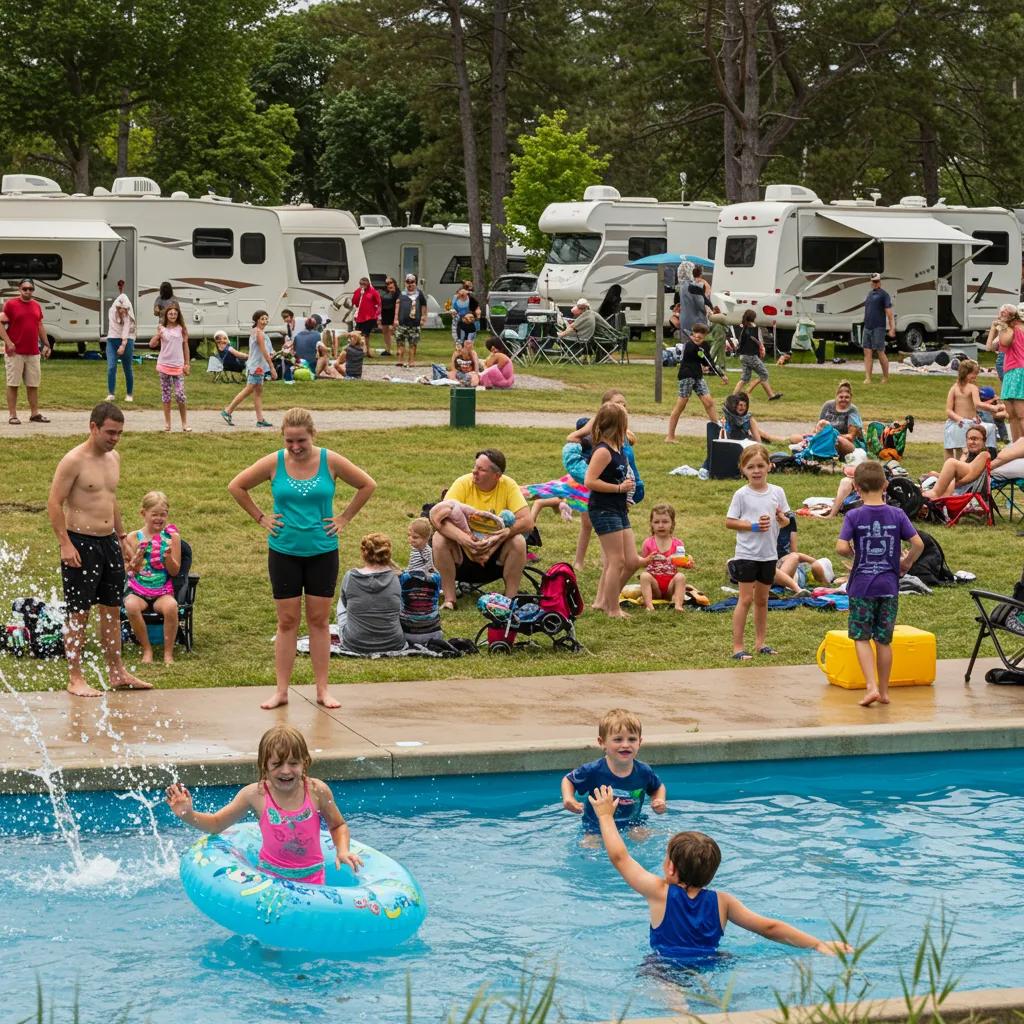
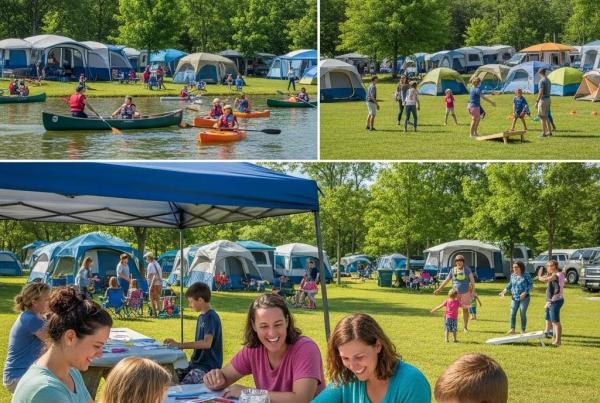
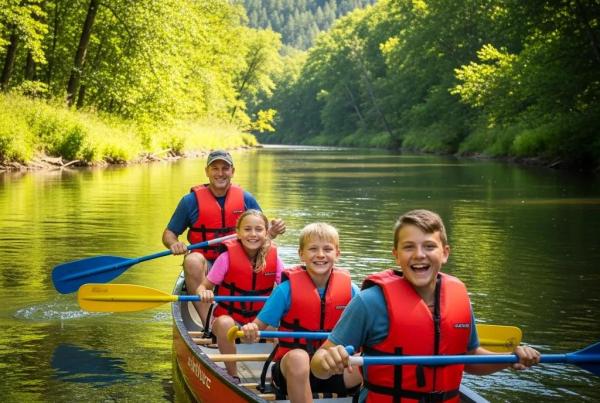
Family-focused campgrounds often bundle access to water parks, swimming lakes, playgrounds, and organized events into their seasonal packages. This means daily recreation opportunities that truly enhance the value of your seasonal fee. On-site attractions like a Wibit water park, a swimming lake with a beach, updated facilities, playgrounds, a game room, and scheduled family-friendly events provide ongoing fun that makes seasonal site fees a worthwhile investment. Some campgrounds even organize float trips on nearby rivers, adding even more outdoor adventure for seasonal campers. These activity offerings are a major reason why many families choose seasonal sites, and the next section will explain how campground policies can impact your payments and deposits.
How Do Seasonal Camping Policies Affect Your Stay and Fees?
Seasonal camping policies—covering everything from deposit percentages and payment schedules to cancellation windows and winter storage rules—directly influence the overall cost and your confidence in booking a seasonal site. Campgrounds typically require a deposit to secure your spot, set a firm final payment date before you move in, and have refund or cancellation terms that can be quite strict, especially for high-demand sites. Policies also outline site rules, guest limits, and seasonal responsibilities. Violating these can lead to extra fees or the forfeiture of your deposit.
The table below compares typical policy elements, helping you anticipate common payment and cancellation practices before you commit to a seasonal site.
Understanding deposit and cancellation norms helps you choose sites with payment schedules that align with your comfort level for financial risk. The next subsection will delve into typical deposit and payment schedules in more detail.
What Are the Typical Deposit and Payment Schedules for Seasonal Sites?
Deposits for seasonal sites commonly range from 10% to 30% of the total seasonal fee. The final payment is usually due before the season kicks off, which helps the campground manage its inventory and prepare sites effectively. Sometimes, payment schedules allow for installments on larger seasonal totals. Early-bird discounts or options for winter storage can also adjust the timelines and amounts you’ll need to pay. The best approach is to request a written payment schedule and inquire about the refundability of deposits, as this directly impacts your financial risk if your plans change. Understanding deposit expectations naturally leads to the common cancellation and refund policies you should confirm when booking.
What Are Common Cancellation and Refund Policies at Michigan Campgrounds?
Cancellation and refund policies can differ significantly, but many campgrounds have partial or non-refundable deposits within a specific timeframe—often 30 to 90 days. They may offer partial refunds if you cancel well in advance of the season. Policies for force majeure events or extreme weather situations are handled differently by each provider, so it’s wise to ask specifically how these scenarios affect refunds or credits. Some campgrounds offer the flexibility of transferring deposits to other sites or future seasons instead of providing a direct refund. Confirming these policies upfront helps avoid surprises and sets clear expectations for your financial commitment, which then connects to the rules seasonal campers must follow to maintain their privileges.
What Rules Should Seasonal Campers Follow at Michigan Campgrounds?
Seasonal campers are generally expected to adhere to rules regarding quiet hours, guest limits, pet conduct, site upkeep, and decorations. These guidelines are in place to maintain community standards and ensure safety throughout the season. Common rules include keeping your site tidy, respecting posted quiet hours, keeping pets leashed in designated areas, and adhering to maximum vehicle or guest counts. Violations can result in warnings, fines, or even the loss of your seasonal privileges. Understanding and following these rules helps protect your deposit and fosters the positive community atmosphere that many seasonal campers cherish. Clear knowledge of reservation steps and timing will help you secure a site that fits your needs while complying with these policies.
How Can You Reserve a Seasonal Campsite at Michigan Campgrounds?
Reserving a seasonal campsite usually follows a simple process: first, inquire about available sites, then select your preferred site type and location, submit the required deposit, complete the necessary paperwork (registration and any long-term requirements), and finally, schedule your move-in date. Following these steps ensures you’re clear on seasonal site deposit Michigan expectations and gives you ample time to prepare for utility hookups or storage needs.
Here’s how to reserve your spot: The numbered steps below outline the reservation process from your initial inquiry to your final move-in, providing a clear path for reserving your seasonal site.
- Contact the campground to ask about seasonal availability and the types of sites they offer.
- Choose a specific site and carefully review its inclusions, hookups, and policy terms.
- Submit your deposit and make sure to get a written payment schedule.
Your reservation roadmap: Following this process minimizes risk and ensures you understand all charges and timelines. The next subsection will cover typical season windows, helping you plan your reservation timing.
What Steps Are Involved in Reserving a Seasonal Site?
Securing a seasonal site begins with an inquiry about availability, followed by selecting your site—where you’ll confirm hookup levels, location, and exact inclusions—before placing a deposit to hold it for the season. After the deposit, you’ll complete registration paperwork and agree to the campground’s seasonal policies. Finally, you’ll finalize move-in logistics and any necessary utility setups. Always ask for a written payment schedule and cancellation terms to ensure absolute clarity on final payment due dates and the refundability of your deposit. These reservation mechanics lead directly to choosing the right time to reserve relative to the typical Michigan season window.
When Does the Seasonal Camping Period Start and End in Michigan?
Michigan’s seasonal camping periods generally align with the warmer months, typically running from late spring through early fall. Many private campgrounds operate their main seasonal periods from around May to October. The exact start and end dates can vary by campground, influenced by regional climate, the availability of amenities, and local policies. Therefore, it’s essential to check each campground’s specific calendar for precise move-in and move-out dates. Planning within the common May–October window helps you coordinate deposits, final payments, and site preparations without conflicts. Knowing the typical season timing also informs you about special requirements for long-term reservations, which we’ll cover next.
Are There Any Special Requirements for Long-Term Camping Reservations?
Long-term or seasonal reservations sometimes come with additional documentation requirements, such as vehicle registration, proof of insurance, or specific adherence to winter storage rules for RVs and boats, depending on the campground’s policies. Campers should have common documents ready and confirm whether winter storage or off-season removal is mandated. It’s also a good idea to ask about any long-term site maintenance responsibilities. Preparing these items in advance of your deposit can streamline the move-in process and prevent administrative delays that might affect site availability. With those logistical steps clarified, you can then focus on evaluating specific campgrounds for their family-oriented seasonal value.
Why Choose Seasonal Camping at Walnut Hills Family Campground in Michigan?
Walnut Hills Family Campground, proudly operated by GatherGrounds Resorts, is a fantastic example of how a seasonal site can offer the ultimate convenience for an entire season, combined with family-focused amenities that make the seasonal fees a great investment. Walnut Hills provides Seasonal Sites alongside RV Sites, Tent Sites, and Cabins across 42 acres in Durand, Michigan. They boast extensive amenities designed to elevate the seasonal experience for guests staying long-term. By comparing typical regional seasonal rates with the amenity package at Walnut Hills, you’ll see how access to on-site activities and events can more than justify the seasonal fees through consistent recreation and convenience. The following paragraphs highlight standout amenities, offer a brief rate-value comparison, and detail the direct benefits families gain from a seasonal spot at Walnut Hills.
What Amenities Make Walnut Hills Seasonal Sites Stand Out?
Walnut Hills is packed with family-friendly amenities that significantly boost the value of a seasonal stay: a Wibit water park, a swimming lake and beach, updated facilities, playgrounds, a dog park, sports courts, and a game room that appeal to all ages. Organized family-friendly events and float trips down the Shiawassee River provide continuous recreation, transforming your seasonal fee into a season full of memorable family experiences. On-site conveniences like a campground store and updated comfort facilities mean fewer trips off-site, making your seasonal stay easier and more enjoyable. Together, these amenities create a vibrant, community-focused seasonal experience that many families find incredibly valuable.
How Do Walnut Hills Seasonal Rates Compare to Other Michigan Campgrounds?
Walnut Hills’ Seasonal Sites are typically priced in line with regional seasonal ranges when you factor in the included amenity access and family events. While rates might be at or slightly above average for comparable hookups and locations, the sheer volume of bundled recreational features significantly increases the overall value. When you compare a campground that includes access to a Wibit water park, organized events, and river float opportunities against a lower-cost seasonal site with fewer amenities, the effective cost per day of recreation often favors the more amenity-rich option. This rate-versus-value perspective helps families prioritize what matters most—a lower base cost or a richer, more engaging seasonal experience—leading us to the benefits summary below.
What Benefits Do Families and Groups Enjoy at Walnut Hills?
Seasonal guests at Walnut Hills enjoy consistent access to family activities, a welcoming community atmosphere, modern facilities, and convenient on-site services. All of these elements contribute to a relaxed long-stay experience and abundant social opportunities. Families can establish reliable recreational routines—think water park days, lake swims, playground adventures, and organized events—while groups appreciate shared amenities that make gatherings and logistics a breeze. The seasonal site model at Walnut Hills is designed to help create lasting memories through continuous access to activities and an environment perfect for multi-generational enjoyment, making seasonal camping an appealing choice for many Michigan families.
Frequently Asked Questions
What is the best time to reserve a seasonal campsite in Michigan?
The sweet spot for reserving a seasonal campsite in Michigan is typically from late winter through early spring, roughly February to April. This timing gives you a great chance to lock in your preferred site before the main camping season kicks off in May. Many campgrounds open their reservations early, and the most popular spots tend to fill up fast. Booking early can also mean snagging early-bird discounts, offering you the best value for your seasonal stay.
Are there any discounts available for seasonal camping in Michigan?
You’ll often find discounts for seasonal camping at Michigan campgrounds, especially if you book early or if your family is looking to book multiple sites. Some campgrounds offer loyalty discounts for returning guests or special rates for extended stays. Keep an eye out for promotional offers during off-peak times or for specific groups, like military families or seniors. Always ask the campground directly about any available discounts to get the most out of your seasonal fees.
What should I bring for a comfortable seasonal camping experience?
To make your seasonal camping experience truly comfortable, pack items that enhance your stay. Essential camping gear includes your tent or RV supplies, cooking equipment, and comfortable outdoor furniture. Don’t forget personal items like clothing suitable for changing weather, toiletries, and a first-aid kit. Consider bringing recreational gear too, such as bikes, fishing equipment, or games for family fun. Creating a checklist beforehand can help ensure you have everything you need for an enjoyable and memorable camping season.
Can I have guests at my seasonal campsite?
Most Michigan campgrounds welcome guests for seasonal campers, but there are usually specific rules and limits to follow. Campgrounds often set guest limits to ensure safety and maintain community standards. Some may require guests to register upon arrival or pay a fee for access to certain amenities. It’s crucial to review the campground’s guest policy before inviting friends or family to ensure everyone stays within the guidelines and to avoid any unexpected charges. Understanding these rules helps create a welcoming atmosphere for all.
What are the typical rules regarding pets at seasonal campgrounds?
Pet policies at seasonal campgrounds in Michigan can vary quite a bit, but many campgrounds do allow pets, usually with specific rules in place. Common regulations include keeping pets on a leash, cleaning up after them promptly, and ensuring they don’t disturb other guests. Some campgrounds might designate specific pet-friendly areas or have restrictions on certain breeds. Always check the campground’s pet policy before your stay to ensure a smooth and enjoyable experience for both you and your furry companions.
How can I prepare for winter storage of my RV or equipment?
Getting your RV or camping equipment ready for winter storage involves several key steps to protect it from the elements. Start by thoroughly cleaning and inspecting your RV, making sure to remove any food or perishables. Drain all water systems to prevent freezing and potential damage. Use a breathable cover to shield your RV from snow and ice. Additionally, check with your campground about their specific winter storage policies, as some may offer dedicated storage solutions or require particular preparations for off-season equipment.
What are the benefits of seasonal camping compared to traditional camping?
Seasonal camping offers a host of advantages over traditional camping. You get the convenience of a reserved site for an extended period, eliminating the need for constant packing and travel. Seasonal campers can establish a home base for family activities, fostering a strong sense of community with fellow campers. Plus, many seasonal sites come equipped with amenities and organized events that significantly enhance the camping experience, making it easier to create lasting memories with family and friends throughout the entire season.
Conclusion
Choosing a seasonal campsite in Michigan opens the door to extended outdoor adventures, offering convenient access to a wealth of amenities and activities. By understanding the fee structures, what’s included, and the campground policies, you’ll be well-equipped to make informed decisions that enhance your seasonal stay. Exploring options like Walnut Hills Family Campground can help you find a site that perfectly balances cost with valuable recreational opportunities. Start planning your unforgettable camping adventure today!
“`