

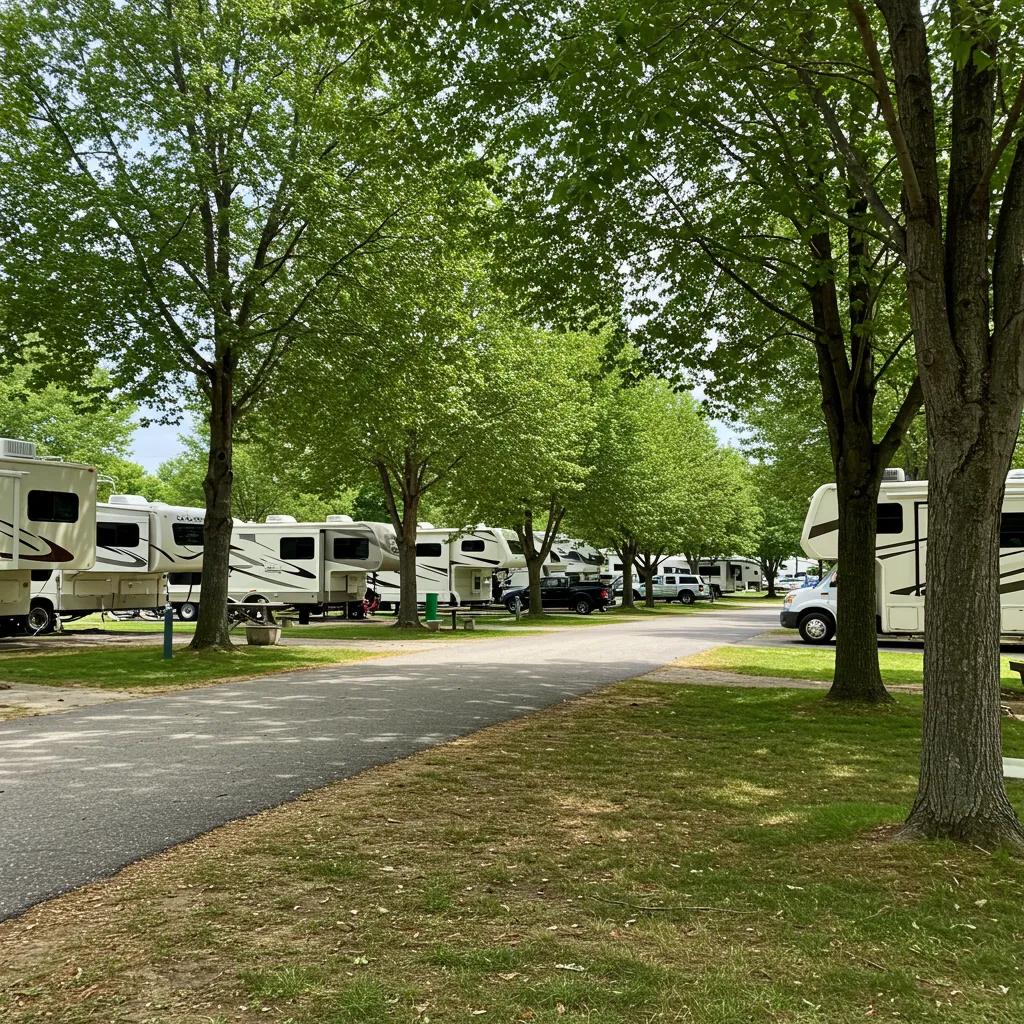
What Makes RV Park Sales Unique and Profitable: A Complete Guide to Selling Your Campground
Selling an RV park or campground is a blend of operational expertise and commercial real estate valuation. It’s a unique transaction that requires both hospitality insight and financial precision. This guide dives into why RV park sales differ from typical commercial property deals and what owners can do to maximize value when looking to sell or exit. You’ll learn about valuation frameworks, a step-by-step sales process, exit strategy options including seller financing, and what documents and diligence buyers will expect. We’ll cover market trends through 2023–2025 and practical upgrades that truly move the needle on price. This article maps out the entire journey, from preparing your financials and property improvements to marketing, negotiating, and closing. We pay special attention to how amenities, occupancy trends, and cap rates interact to determine price. Throughout, we’ll clarify value drivers using concepts like Net Operating Income (NOI), cap rate, comparable sales, and income multipliers. Owners considering a direct sale will also find guidance on working with family-owned buyers who prioritize legacy preservation and smooth transitions.
How Is an RV Park Valued for Sale?
RV park valuation is driven by three primary approaches—Income, Comparable Sales, and Cost—each answering a different question about a property’s worth. The income approach converts predictable net cash flow into value using Net Operating Income and a market-driven cap rate, making it the dominant method for operating parks. Comparable sales analysis looks at recent transactions of similar campgrounds to establish market multiples, while the cost approach measures land plus replacement cost and depreciation, which is useful for undeveloped or non-operating assets. Valuation hinges on accurate NOI calculations, realistic cap rate selection, and appropriate comparable adjustments. Understanding these mechanics lets owners target improvements that boost value. The following subsections detail each method, how underwriters use financial inputs, and which factors most strongly influence final valuation.
What Are the Key RV Park Valuation Methods?
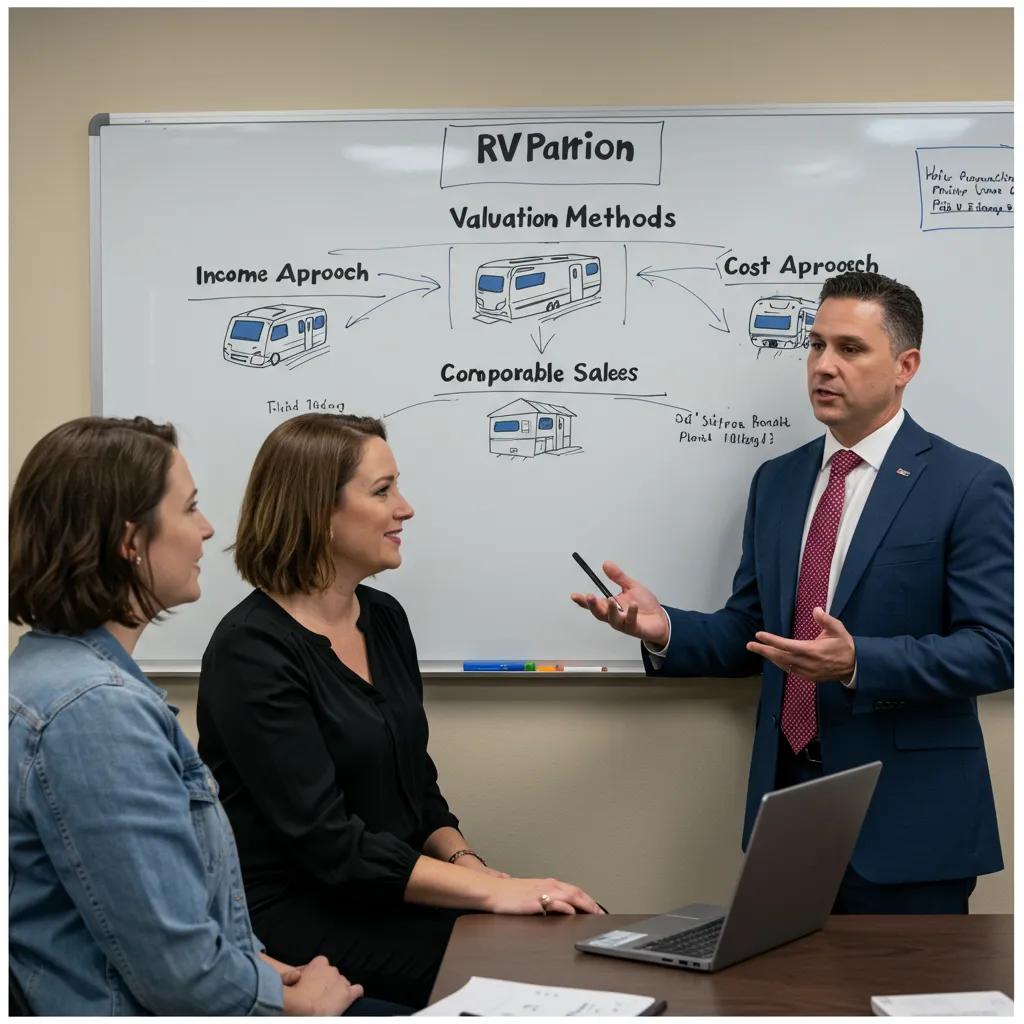
Key valuation methods for campgrounds include the Income Approach, Comparable Sales, and the Cost Approach, each suited to different asset circumstances. The Income Approach values the business as a going concern by capitalizing stabilized Net Operating Income using a cap rate that reflects market risk and asset quality. Comparable Sales relies on recent, similar-property transactions and adjusts for differences in site count, amenities, occupancy, and location to derive a market multiple. The Cost Approach calculates replacement cost less depreciation plus land value, typically used when income data are sparse or for special-purpose properties. Each method has trade-offs: income-based valuation emphasizes cash flow predictability, comparables capture market sentiment, and the cost approach grounds price in physical replacement economics.
How Does the Income Approach Determine RV Park Value?
The Income Approach determines value by converting Net Operating Income into a capitalized value using an appropriate cap rate, with the basic formula: Value = NOI / Cap Rate. NOI is calculated by subtracting operating expenses from gross revenue and adding back allowable adjustments such as owner perks and non-recurring expenses to normalize cash flow. Cap rate selection depends on factors like location, occupancy stability, amenity mix, and financing availability; healthier parks typically trade at lower cap rates due to lower perceived risk. For example, a park with $450,000 NOI and a 7.5% cap rate implies a value near $6,000,000, illustrating how small cap rate shifts materially affect price. Clear, audited financials and repeatable revenue streams reduce perceived risk and tighten cap rates.
What Role Does Comparable Sales Analysis Play in Valuation?
Comparable sales analysis provides a market check by examining recent transactions of parks with similar attributes to estimate price per site or revenue multiples. Appraisers and buyers select comparables based on site count, amenity parity, occupancy, and geographic proximity, then apply adjustments for differences in quality, seasonal demand, and operational systems. Limitations arise when truly comparable transactions are scarce, leading to wider valuation ranges and greater reliance on income approaches or localized judgment. When good comparables exist, they anchor buyer expectations and market multiples, helping sellers justify asking prices and positioning improvements that align with what the market rewards.
Relative Valuation: A Market-Based Approach for RV Park Sales
In previous chapters, valuation is referred to as “absolute valuation” because it is based on discounted cash flows—an income-based approach. This chapter presents a different valuation process known as “relative valuation”—a market-based approach. The general concept of relative valuation is comparability of companies operating in the same business environment in which market perceptions drive value. Comparable companies (known as peers) create a common benchmark from which a target company (in the peer group) is valued depending on performance indicators (known as value drivers). Relative valuation is more applicable for public firms because market values are observable. Nevertheless, private firms can be valued upon determining comparable public firms.
An Overview of Relative Valuation, 2023
When Is the Cost Approach Used in RV Park Valuation?
The Cost Approach estimates value by adding land value to the replacement cost of improvements minus accrued depreciation, and it is most useful when income data are unavailable or the asset is unique. This method helps for undeveloped parcels, parks with significant non-operational infrastructure issues, or insurance purposes where reproduction cost is a relevant metric. For going-concern RV parks, the cost approach often understates market value because it ignores intangible business value such as brand, repeat customers, and operational systems. Owners should consider the cost approach as a floor valuation or a secondary check, while prioritizing income and comparable methods for sale negotiations.
Which Factors Increase the Value of an RV Park?
Several property, operational, and market factors consistently lift an RV park’s sale price by improving NOI or lowering perceived risk. Location and accessibility drive demand and occupancy potential, while site quality, full hookups, bathhouse condition, and premium amenities directly increase attainable rates and length-of-stay. Operational attributes—consistent historical occupancy, diversified revenue streams like on-site stores or glamping units, and documented repeat guests—reduce risk and justify tighter cap rates. Improvements that reduce maintenance cost or add scalable revenue typically produce the clearest valuation lift, so owners should prioritize upgrades that both increase income and lower expense volatility.
What Is the Typical Campground For Sale Process?
The typical sale process for a campground proceeds through preparation, valuation, marketing, due diligence, and closing, each step requiring distinct documentation and timing. Preparation includes physical maintenance, a financial cleanup of P&L statements, and organizing operations records to present a turnkey asset. Valuation methods are applied to set a competitive asking price informed by NOI and comparable transactions, and marketing choices determine whether the sale is confidential or broadly listed. Due diligence involves buyer verification of financials, property inspections, permits, and title review, followed by negotiation, escrow, and closing logistics. Typical time-to-close varies with financing complexity and market conditions, but disciplined preparation and transparent records shorten the timeline and reduce negotiation friction.
How Should You Prepare Your RV Park for Sale?
Preparing a park for sale starts with a focused list of physical and operational tasks designed to maximize buyer confidence and sale price. Owners should address deferred maintenance, improve curb appeal of sites and common areas, ensure utilities and hookups are documented and functioning, and tidy bathhouses and amenity spaces for showings. Financially, reconcile P&L statements, normalize owner benefits and one-off expenses, and prepare occupancy and revenue reports covering multiple seasons to demonstrate consistency. Operational documentation—staffing plans, vendor contracts, and reservation systems—should be organized and summarized to allow buyers to assess continuity and transition risk quickly.
How Is Your Campground Marketed to Potential Buyers?

Marketing a campground requires matching listing materials and outreach to ideal buyer profiles while protecting confidentiality if desired. Sellers can choose confidential direct outreach to strategic buyers or broader listing via brokers to attract investor pools; both approaches benefit from professional photos, drone images, and a clear prospectus with financial summaries. Targeted marketing segments include independent operators seeking aggregation opportunities, family-owned buyers focused on legacy properties, and private investors seeking cash-flow assets. Well-prepared marketing materials that present normalized NOI, occupancy trends, and amenity descriptions speed buyer interest and more focused offers.
- The campground sale process usually follows five major steps:
- Prepare: Address maintenance, compile financials, and organize property documents.
- Value: Apply income, comparable, and cost approaches to set a market-informed price.
- Market: Choose confidential outreach or broader listings, using professional media and a prospectus.
- Due diligence and close: Support buyer verification, inspections, title work, and escrow to finalize the transfer.
This step-by-step timeline helps sellers anticipate tasks and timeframe pressures, improving readiness and negotiation outcomes.
What Are the Key Steps in Due Diligence and Closing?
Due diligence typically begins after an accepted offer and centers on financial verification, property inspections, and legal/title review to confirm representations and surface risks. Buyers commonly request P&L statements, tax returns, occupancy logs, vendor contracts, utility bills, and evidence of permits to validate NOI and operating assumptions. Property inspections examine site infrastructure, hookups, septic systems, and structural integrity of common facilities, while title searches address easements, liens, and access. Closing logistics include escrow coordination, resolution of contingencies, transfer of licenses, and formal handoff of operations and staff introductions to ensure continuity after sale.
How Long Does It Usually Take to Sell an RV Park?
Time-to-sale varies widely depending on market conditions, financing complexity, and property quality, but a typical range from preparation to closing is three to nine months in active markets. Well-prepared listings with organized documents and stable NOI tend to attract offers faster and move through diligence more rapidly, while properties needing substantial buyer financing or significant remediation can extend timelines. Financing availability and underwriting cycles also affect time-to-close; buyers using seller financing or direct buyers who can act quickly shorten the process. Proactive preparation and transparent record-keeping are the most reliable levers sellers can use to speed a sale.
What Exit Strategies Are Available for Campground Owners?
Campground owners have a set of exit strategies ranging from immediate sale for cash to phased transitions, seller financing, or partial transfers that preserve legacy while unlocking liquidity. Each option balances price, tax and estate planning, income replacement, and the seller’s desired level of post-sale involvement. Immediate sales offer quick liquidity but may require concessions on price or terms, while seller financing can produce higher effective sale proceeds through an income stream but introduces credit risk and administrative complexity. Thoughtful exit planning aligns personal retirement goals with property disposition choices, often blending strategies to achieve both financial and legacy objectives.
How Can Retirement Planning Influence Your Sale?
Retirement timelines and income needs shape whether an owner prefers a lump-sum sale, an installment sale, or phased transition arrangements that defer tax and provide cashflow. Sellers approaching retirement often favor structures that reduce immediate operational responsibilities, such as management transition agreements or earn-outs tied to performance. Tax considerations and estate planning can influence timing and deal structure, making it important to coordinate sale plans with financial advisors. Aligning sale milestones with retirement goals ensures proceeds support the intended lifestyle without unintended operational burdens during the transition.
What Are Seller Financing Options and Their Benefits?
Seller financing allows the seller to retain an income stream by financing all or part of the purchase price, enabling higher overall proceeds and expanding the buyer pool when traditional lenders are constrained. Common structures include a promissory note with interest, balloon payments, and amortization schedules tailored to the seller’s cashflow needs and risk tolerance. Benefits include potential for a premium sale price, ongoing income, and smoother buyer qualification, while risks include default exposure and the need for robust security such as mortgage or UCC filings. Properly structured, seller financing can bridge valuation gaps and facilitate a timely sale while preserving owner interests.
How Does Post-Sale Involvement Support a Thoughtful Transition?
Short-term post-sale involvement—such as consulting, seasonal management, or staged introductions to staff and vendors—preserves guest experience and transfers institutional knowledge that protects revenue during ownership change. Agreements can define duration, scope, compensation, and performance metrics to align seller contributions with buyer needs. These transitional roles enhance buyer confidence, reduce operational disruptions, and often allow legacy owners to see their property continue under stewardship aligned with their values. Clear contractual terms ensure both parties understand expectations and enable a respectful, orderly handoff.
Why Is Selling to GatherGrounds Resorts the Ideal Choice?
GatherGrounds Resorts positions itself as a family-owned, values-driven direct buyer that prioritizes thoughtful transitions and preserving the character of acquired campgrounds. We focus on enhancing guest experiences by adding modern amenities and a customer-service model that aligns with legacy operators who want continuity for staff and guests. GatherGrounds operates properties such as Walnut Hills Family Campground, Ridge Ranch Campground, and The Oaks Campground, demonstrating an operational approach focused on campground experience rather than purely transactional acquisitions. For owners seeking a confidential, no-pressure conversation about a potential sale, GatherGrounds offers direct acquisition of campgrounds and RV parks from owners with an emphasis on preserving legacy and ensuring a smooth handoff.
How Does GatherGrounds Preserve Family Legacy and Values?
GatherGrounds emphasizes commitments to staff continuity, guest experience, and maintaining property character throughout transitions to preserve the legacy of acquired campgrounds. Our approach typically includes retaining key employees where appropriate, communicating changes to regular guests, and investing in amenity upgrades that respect the park’s original identity. Operating existing properties under a consistent service model allows GatherGrounds to integrate improvements while maintaining the aspects owners cherish. This thoughtful transition reduces friction and supports long-term performance that benefits both sellers and the communities they served.
What Are GatherGrounds’ Acquisition Criteria for RV Parks?
GatherGrounds generally seeks campgrounds and RV parks that fit operational thresholds consistent with our growth model, including a preference for properties with over 130 sites, predictable revenue streams, and amenity potential for guest experience enhancements. Financial stability, documented NOI, and operational systems that enable a smooth handoff are preferred attributes that help pre-qualify sellers. Our direct-buyer approach can simplify transactions for owners who would prefer not to list through brokers, offering alternatives to traditional brokerage routes. Clear criteria help owners self-assess fit before initiating a confidential discussion.
What Do Sellers Say About Their Experience with GatherGrounds?
Sellers report themes of respectful communication, structured transitions, and an emphasis on preserving the park’s community and guest relationships during handoff, which aligns with GatherGrounds’ stated values-driven approach. Testimonials and case examples emphasize the benefits of working with a direct buyer focused on operations rather than a purely financial buyer, noting smoother staff handovers and continuity of guest services. GatherGrounds references our operational experience through properties we manage, using demonstrated approaches to upgrades and guest service models to reassure sellers. For owners interested in a confidential conversation about the acquisition of campgrounds and RV parks from owners, GatherGrounds offers no-obligation discussions tailored to retirement and legacy concerns.
What Are the Current RV Park Market Trends and Insights for 2023-2025?
Market trends through 2023–2025 show sensitivity to interest rates, evolving demand for premium outdoor experiences, and significant acquisition potential in a fragmented ownership landscape. Higher interest rates have affected underwriting and lengthened financing timelines, pushing some buyers to demand higher cap rates or more conservative purchase terms. At the same time, demand drivers such as glamping, EV charging, and remote-work-driven extended stays have created new revenue opportunities that can improve NOI and justify investment in upgrades. The fragmented ownership base—many parks owner-operated by individuals—continues to create acquisition opportunities for strategic buyers seeking portfolio growth and operational efficiencies.
How Do Interest Rates and Market Softening Affect Sales?
Rising interest rates increase borrowing costs and compress buyer leverage, which typically pushes buyers to require higher cap rates or larger down payments, affecting sale prices and negotiation dynamics. Underwriting becomes more conservative as lenders stress-test cash flows under higher rates, often extending time-to-close and increasing diligence requirements. Sellers may see price pressure in soft markets, particularly for parks with weaker documented NOI or higher capital needs, while well-performing parks with predictable cash flows remain more resilient. Understanding current financing constraints enables sellers to present stronger cases with clean financials and well-documented operational improvements.
What Emerging Opportunities Are Driving RV Park Profitability?
Emerging revenue opportunities include premium glamping units, EV charging infrastructure that supports longer stays by eco-conscious guests, and extended-stay demand from remote workers, each contributing higher ADRs or lengthened occupancy. Glamping and upgraded cabin-style offerings often command substantially higher nightly rates and appeal to a different guest segment, increasing revenue diversification. Investments in technology—reliable Wi-Fi, online booking systems, and digital marketing—drive repeat bookings and operational efficiency that enhance documented NOI. Owners who position properties to capture these trends can materially improve value in a relatively short timeframe.
How Does Industry Fragmentation Create Acquisition Potential?
The campground industry remains highly fragmented, with many owner-operated parks lacking scale and specialized operational resources, creating opportunities for consolidation by buyers aiming to apply professional management and capital improvements. Fragmentation means numerous owners may be amenable to selling when presented with a respectful, legacy-preserving buyer or compelling financial terms. Consolidation potential allows buyers to realize operational synergies, reduce per-park overhead, and standardize revenue-enhancing upgrades across acquired properties. For sellers, this environment provides multiple exit pathways, ranging from direct sales to strategized transitions that protect community value.
What Documents and Financial Records Are Needed to Sell an RV Park?
Sellers should prepare a prioritized dossier of financial, legal, and operational documents that buyers and appraisers use to verify income, assess risks, and expedite due diligence. Essential financial records include detailed Profit & Loss statements, tax returns, occupancy logs, and vendor contracts that support normalized NOI calculations. Property documents such as deed, title abstracts, surveys, and permits confirm legal standing and identify encumbrances, while operational records—utility bills, maintenance logs, reservation systems, and employee files—reduce buyer friction. Organized documentation builds buyer confidence and typically shortens the diligence period, improving the likelihood of closing on favorable terms.
Which Financial Statements Are Essential for Valuation?
Core financial statements for valuation include multi-year Profit & Loss statements, tax returns, balance sheets (if applicable), and detailed revenue ledgers documenting site-level and ancillary income. Buyers look for consistent revenue streams, seasonality patterns, and realistic operating expense breakdowns to calculate normalized NOI and to model future cash flows. Add-backs and adjustments must be supported with documentation; typical add-backs include owner perks, one-time capital expenditures, or non-recurring legal costs that distort true operating performance. Clear reconciliation between tax returns and P&Ls reduces buyer suspicion and speeds valuation and financing processes.
What Property and Legal Documents Should Sellers Prepare?
Property and legal documentation includes title and deed records, surveys, site maps, permits, environmental reports, vendor and vendor warranties, and any leases or easements that affect operations. Buyers require title searches to confirm clear ownership and to identify liens or encumbrances that could impede transfer. Permits and licensing—health department approvals for camp stores, septic permits, or conditional-use approvals—are critical to demonstrate lawful operations and reduce contingency risks. Having these documents ready minimizes surprises during due diligence and accelerates closing.
How Does Organized Documentation Speed Up the Sales Process?
Organized documentation provides transparency, reduces buyer uncertainty, and shortens the time spent resolving diligence questions, which increases the chance of a smooth close. A well-structured data room—organized folders for financials, legal documents, property reports, and operations manuals—allows buyers and lenders to move through underwriting with fewer requests and faster approvals. This speed translates into reduced negotiation leverage for buyers seeking credits or price reductions due to perceived risk. Sellers who anticipate diligence needs and proactively present documentation typically receive more reliable offers and faster closings.
How Can You Maximize Profitability When Selling Your RV Park?
Maximizing sale price combines targeted capital investments, disciplined financial performance, and professional marketing that highlights revenue stability and upside potential. Owners should prioritize high-ROI upgrades, maintain consistent records that show repeat visitation and diversified income, and present clean, professional listing materials to attract competitive offers. Strategic investments in amenities and infrastructure that increase rates or length-of-stay often deliver the best return on investment, while operational improvements that reduce expense volatility and demonstrate scalable systems also enhance buyer appeal. The following subsections list top upgrades, financial presentation tactics, and marketing best practices.
What Amenities and Upgrades Add the Most Value?
Certain amenities yield disproportionate value uplift by increasing achievable nightly rates, length-of-stay, or ancillary revenue, making them high-priority investments for sellers. Full-hookup site upgrades, renovated bathhouses, glamping units or cabins, reliable high-speed Wi-Fi, and EV charging infrastructure are commonly cited as top value drivers. Each upgrade should be evaluated for cost relative to realistic incremental revenue and market demand; for instance, glamping units often justify higher ADRs but require targeted marketing. Prioritizing improvements that both increase income and reduce maintenance saves operational expenses and makes the park more attractive to buyers.
How Does Consistent Financial Performance Influence Sale Price?
Consistent, documented financial performance reduces perceived risk and supports tighter cap rates and stronger offers from buyers and lenders. Buyers favor stable year-over-year NOI growth, predictable seasonality profiles, and diversified revenue streams, which all translate to lower discount rates applied in income-based valuations. Presenting KPIs—average daily rate, occupancy, revenue per available site, and repeat guest percentages—clarifies performance trends and highlights management competence. Regular, transparent record-keeping signals operational stability, often producing more favorable financing terms and faster closings.
What Role Does Marketing and Presentation Play in Attracting Buyers?
Professional marketing and clear presentation of financials and property assets attract more qualified buyers and stimulate better offers by reducing perceived unknowns. High-quality photography, drone footage, a clear prospectus with normalized financials, and virtual tours help buyers quickly assess fit and reduce the need for preliminary site visits. Targeted outreach to buyer segments and a concise information package tailored to investors, operators, or family-owned buyers increases the likelihood of competitive bids. A polished presentation demonstrates seller professionalism and often shortens negotiation and diligence timelines, contributing directly to transaction success.
Frequently Asked Questions
What are the common challenges faced when selling an RV park?
Selling an RV park can present several challenges, including accurately valuing the property, navigating complex financial records, and addressing potential buyer concerns about operational continuity. Sellers may struggle with presenting normalized financials that reflect true performance, especially if they have mixed revenue streams. Additionally, the emotional attachment to the property can complicate negotiations. Understanding market conditions and buyer expectations is crucial to overcoming these hurdles and achieving a successful sale.
How can sellers enhance the appeal of their RV park before listing it?
Enhancing the appeal of an RV park before listing involves both physical and operational improvements. Sellers should focus on addressing deferred maintenance, improving landscaping, and upgrading amenities such as bathhouses and utility hookups. Additionally, showcasing unique features like recreational areas or eco-friendly initiatives can attract buyers. Operationally, ensuring that financial records are organized and transparent will build buyer confidence. A well-maintained and appealing property can significantly increase interest and potential sale price.
What role does market research play in selling an RV park?
Market research is vital in selling an RV park as it helps sellers understand current trends, pricing strategies, and buyer preferences. By analyzing comparable sales and market conditions, sellers can set a competitive asking price and identify potential buyer segments. Researching local demand for RV parks, including seasonal trends and emerging amenities, allows sellers to position their property effectively. This knowledge can also inform marketing strategies and enhance negotiation leverage during the sales process.
What are the tax implications of selling an RV park?
Tax implications of selling an RV park can be significant and vary based on the seller’s financial situation and the structure of the sale. Capital gains tax may apply to the profit made from the sale, and the rate can depend on how long the property was held. Additionally, sellers should consider potential tax benefits from seller financing or installment sales, which can spread tax liability over time. Consulting with a tax advisor is essential to navigate these complexities and optimize tax outcomes.
How can seller financing benefit both the seller and the buyer?
Seller financing can be advantageous for both parties by facilitating a smoother transaction. For sellers, it can lead to a higher sale price and ongoing income through interest payments, while also expanding the pool of potential buyers who may struggle to secure traditional financing. Buyers benefit from more flexible terms and potentially lower upfront costs. This arrangement can also foster a collaborative relationship, as sellers may remain involved in the property’s operations, ensuring a smoother transition.
What should sellers expect during the due diligence process?
During the due diligence process, sellers should expect buyers to thoroughly review financial records, property conditions, and legal documents. This includes examining Profit & Loss statements, occupancy logs, and any existing contracts or permits. Buyers may also conduct property inspections to assess infrastructure and compliance with regulations. Sellers should be prepared to answer questions and provide additional documentation as needed. A well-organized presentation of records can streamline this process and enhance buyer confidence.
How can sellers ensure a smooth transition after the sale?
To ensure a smooth transition after the sale, sellers should consider offering post-sale support, such as training for new owners or staff introductions. Establishing clear communication about operational practices and guest relationships can help maintain continuity. Drafting a transition agreement that outlines the seller’s involvement and responsibilities can also clarify expectations. This thoughtful approach not only preserves the park’s legacy but also enhances buyer confidence, leading to a more successful handover.
Conclusion
Understanding the unique dynamics of RV park sales empowers owners to maximize their property’s value through informed strategies and targeted improvements. By leveraging key valuation methods and preparing comprehensive documentation, sellers can attract qualified buyers and facilitate smoother transactions. Engaging with a values-driven buyer like GatherGrounds ensures a respectful transition that honors the legacy of the campground. Start your journey towards a successful sale by exploring our resources and connecting with us today.