How to Determine If Your Campground Is Worth More Than You Think: Complete Valuation and Selling Guide

Campground valuation measures the market value of an outdoor hospitality asset by converting operational performance and site-level attributes into a sale price, and owners frequently undercount hidden revenue or scale benefits that lift value. This guide explains how to value a campground using income-based approaches, EBITDA and sales multiples, and practical per-site metrics that capture seasonality, transient versus long-term occupancy, and non-traditional revenue streams. You will learn step-by-step Net Operating Income (NOI) calculation, how cap rates translate NOI into value, which operational improvements typically deliver the strongest returns, and the documents buyers expect during due diligence. The article also compares selling partners—brokers, agents, and direct buyers—and highlights seller-first considerations for owners of larger properties (130+ sites). Finally, we cover 2025 market benchmarks, per-site valuation ranges, and how family-owned buyers approach thoughtful transitions so you can decide whether to market your campground or have a no-pressure conversation about a direct sale.

What Are the Key Campground Valuation Methods Used by Experts?

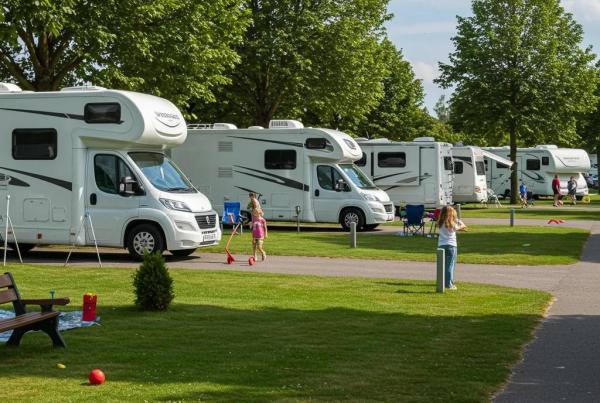
Professionals discussing campground valuation methods in a natural outdoor setting

Valuation methods translate campground cash flows and comparables into an estimate of enterprise value, and the primary approaches are the income approach (NOI ÷ Cap Rate), EBITDA multiples, and gross sales multipliers. Each method answers a different buyer question: NOI/cap rates focus on stabilized property returns, EBITDA looks at operating profitability and adjustments for owner-specific items, and gross sales multiples offer a quick proxy for smaller or atypical profit patterns. Choosing the right method depends on property scale, revenue mix (transient nights vs long-term leases), and available comparables; for large campgrounds (130+ sites) income and EBITDA approaches are usually preferred. Below is a concise comparison to help you decide which valuation lens to prioritize based on your campground’s characteristics and buyer pool.

Valuation MethodKey Metric UsedTypical Use Case / Strengths
Income Approach (NOI ÷ Cap Rate)Net Operating Income (NOI)Preferred for stabilized campgrounds with predictable seasonality and strong comparables
EBITDA MultipleAdjusted EBITDAUseful for operational buyers valuing profitability and potential cost synergies
Gross Sales MultiplierAnnual Gross SalesQuick-screen method for small or retail-heavy campgrounds; less precise for varied cost structures

This table clarifies when each method is most appropriate; the income approach is the most common for buyers focused on yield and long-term returns.

How Is Net Operating Income Calculated for Campgrounds?

Net Operating Income (NOI) is total campground revenue minus recurring operating expenses, and it represents the cash flow available to buyers before financing and taxes. Typical revenue streams to include are site fees (transient and long-term), utility surcharges, retail and food sales, event and group revenue, and ancillary services like storage or equipment rentals. Operating expenses include payroll, utilities, routine maintenance, property taxes, insurance, marketing, and management fees; exclude owner-specific discretionary expenses and debt service to present a normalized figure. To make NOI snippet-friendly, follow a stepwise calculation: list gross revenue lines, subtract direct costs to get gross operating profit, then subtract fixed operating costs to arrive at NOI—this normalized NOI is the input buyers use in cap rate valuation.

Campground revenue streams include:

  • Site Fees: Income from nightly and seasonal site rentals.
  • Utilities & Hookups: Surcharges or bill-backs for water, sewer, electricity.
  • Ancillary Sales: Retail, food/beverage, equipment rentals, and events.

These items form the core of a campground NOI and should be reconciled and seasonally adjusted for accurate valuation.

What Role Does the Capitalization Rate Play in RV Park Appraisal?

A capitalization rate (cap rate) converts NOI into an estimate of market value by reflecting required investor return and perceived risk; the formula is simple: Value = NOI ÷ Cap Rate. Cap rates are market-determined and vary by region, asset quality, amenity set, and buyer competition—lower cap rates reflect higher valuations for perceived lower-risk properties. For campgrounds, cap rates also respond to seasonality, occupancy stability, and the potential to increase NOI through operational improvements; buyers apply premiums for waterfront, strong drive-market access, or unique premium amenities. Understanding how comparable sales set cap rates allows sellers to translate their normalized NOI into a defensible asking price.

Key implications of cap rates:

  • Higher perceived risk → higher cap rate → lower value.
  • Stronger amenities and stable occupancy → lower cap rate → higher value.

How Does EBITDA Help in Understanding Campground Value?

EBITDA captures operating profitability before interest, taxes, depreciation, and amortization and is useful when buyers focus on operational performance and possible cost adjustments. For family-run campgrounds, EBITDA often requires adjustments for owner perks (personal utilities, family wages), one-off expenses, and non-recurring capital items to reflect sustainable cash flow. Buyers using EBITDA multiples compare your adjusted EBITDA to similar transactions to estimate enterprise value; this can be especially relevant when a strategic operator plans operational improvements post-acquisition. Provide a reconciliation showing GAAP/net income to adjusted EBITDA, and explain each adjustment so buyers can accurately assess normalized profitability.

When to favor EBITDA:

  1. Operational acquisitions where buyer will shift management.
  2. Properties with significant owner discretionary expenses needing normalization.
  3. When buyer multiples are available from comparable transactions.

What Are Gross Sales Multipliers and When Are They Used?

A gross sales multiplier is a quick valuation method that multiplies annual gross revenue by a market-derived factor to estimate value, and it’s most useful as an initial screening tool rather than a definitive appraisal. Multipliers vary by region and asset type; properties with high ancillary retail or events revenue may show misleadingly large valuations if costs are high. For campgrounds, gross sales multipliers are limited because they ignore operating expense structures and seasonality; use them only for quick comparables or when NOI data is unavailable, and always corroborate with an NOI or EBITDA approach. When applying a sales multiple, adjust for unusually high one-time events or owner-run revenue lines that may not transfer with a buyer.

Sales multiple pros and cons:

  • Pros: Fast, simple, good for small deals.
  • Cons: Ignores expense structure and seasonality, less accurate for operationally diverse properties.

What Factors Can Maximize Your Campground’s Sale Price?

Maximizing sale price depends on both physical assets and operational performance; key levers are location quality, on-site amenities, infrastructure reliability, and operational efficiency that boost stabilized NOI. Buyers pay premiums for waterfront access, proximity to major drive markets, EV charging, high-speed Wi-Fi, and glamping units that attract higher per-site rates. Improving reservation systems, refining pricing strategies, and documenting operational KPIs increase buyer confidence and can move a buyer from a sales-multiple mindset to an income-based valuation at a stronger multiple. Below is a practical table that maps common features to how they affect value and potential ROI for sellers wanting to prioritize improvements.

Feature/AttributeHow It Impacts ValuePotential ROI
Waterfront or Scenic AccessDrives higher ADR and occupancyHigh — lifts per-site value significantly
Utilities & EV ChargingAttracts longer stays, higher ratesMedium — moderate capex, solid yield
Glamping / Unique LodgingHigher ADR and broadened marketHigh — premium revenue per site
Reservation & Revenue ManagementImproves RevPAR and occupancyHigh — low-cost operational uplift

This comparison shows which investments typically yield the best uplift in per-site value; prioritize upgrades that increase ADR and occupancy without disproportionate capital costs.

How Do Location and Amenities Influence Campground Value?

Location determines the size of your drive market and seasonal demand patterns, and amenities shape the price premium different camper segments will pay—together they define achievable rates and occupancy. Accessible properties within strong regional drive markets or near major outdoor recreation nodes command higher multipliers, while amenities like waterfront sites, full hookups, EV charging, high-speed Wi-Fi, and glamping units attract Millennials and Gen Z travelers who spend more per visit. Mapping amenities to target customer segments helps quantify uplift: e.g., glamping units often command 2–4× campsite ADR, while EV charging may increase length-of-stay and attract higher–spend guests. Buyers evaluate how amenity mixes align with market demand when setting cap rates.

Amenities that matter most include:

  • Utilities & Hookups: Essential for RV-heavy guest mix.
  • Experience Amenities: Trails, waterfront, and event spaces.
  • Technology: Reliable Wi-Fi and EV charging increasing appeal.

Why Is Operational Efficiency Critical to Increasing Sale Price?

Operational efficiency directly increases NOI through higher occupancy, improved pricing, and lower operating costs; buyers scrutinize KPIs such as occupancy rate, average daily rate (ADR), and cost per occupied site. Implementing modern reservation systems, dynamic pricing, and streamlined staffing models often yields outsized NOI improvements relative to investment. A clean, audited set of financials showing consistent occupancy trends, stable payroll ratios, and documented maintenance schedules reduces perceived risk and can compress cap rate. Presenting KPI improvements and standardized operating procedures demonstrates to buyers that the property can be scaled or integrated with minimal friction.

Operational improvements checklist:

  • Standardize reservation and pricing systems.
  • Document SOPs for maintenance and guest services.
  • Track occupancy, ADR, and per-site expense trends.

How Do Market Trends and Growth Opportunities Affect Your Campground’s Worth?

Market trends in 2025—glamping growth, increased interest from younger cohorts, and technology adoption—translate into pricing power and new revenue lines that buyers value when forecasting future NOI. Sellers who can demonstrate a feasible plan to add glamping units, expand site count, or monetize events show tangible upside that reduces buyer execution risk and supports higher valuations. Regional timing matters: markets with rising outdoor participation and constrained land supply will see stronger buyer competition and lower cap rates. Use 2025 benchmarks to frame your asking price and to prioritize investments that align with buyer expectations.

Growth opportunities that buyers prize:

  1. Site expansion potential with permitting pathways.
  2. Alternative lodging that increases ADR.
  3. Tech and amenity upgrades that attract new demographics.

What Strategic Improvements Offer the Best Return on Investment?

Prioritize improvements with predictable increases to NOI and manageable capex: utility upgrades (water/sewer/electric), adding pull-through RV sites, and installing high-return glamping units typically lead the list. Low-cost process improvements—better yield management, packaging off-season events, and group sales—can lift NOI without large capital outlays. For each proposed improvement, model cost, incremental revenue, and payback period to decide whether to implement pre-sale or present as an upside to buyers. Often, moderate investments that improve guest experience and operational reliability produce the highest per-dollar value uplift.

Recommended prioritized investments:

  1. Utility upgrades — unlock more rentable sites.
  2. Glamping units or cabins — higher ADR, attract new guests.
  3. Reservation & pricing systems — improved RevPAR with low capex.

How Do You Navigate the Campground Selling Process Step-by-Step?

Campground owner preparing for sale with documents and financial records in a cozy office

A clear selling roadmap reduces time-to-close and improves outcomes; the process typically moves from preparation (documents and repairs) to valuation, marketing, offers, due diligence, and closing with a planned transition. Preparing transparent financials and unit-level performance data establishes credibility and speeds buyer due diligence, while identifying permitting or environmental issues early avoids surprises. Sellers should create a timeline that accounts for seasonality, buyer financing cycles, and necessary approvals; realistic planning often shortens markets and increases competitive offers. Below is an ordered step list that explains each phase and common time estimates.

  1. Prepare Documents (2–6 weeks): Assemble P&Ls, tax returns, guest ledgers, site maps, and utility records.
  2. Valuation & Marketing (4–12 weeks): Choose valuation approaches and market widely to targeted buyers.
  3. Offers & Negotiation (2–6 weeks): Evaluate terms beyond price—timing, contingencies, and transition plans.
  4. Due Diligence & Close (6–12 weeks): Title, environmental, permits, and finance workstreams.
  5. Transition (2–12 weeks): Staff handover, operational training, and phased ownership transfer if required.

This timeline provides typical durations; actual time-to-close depends on property complexity, buyer type, and seasonality.

What Financial Documents Are Essential for Selling Your Campground?

Buyers expect a standardized set of financial and operational documents to validate performance and reduce perceived risk; essential items include multi-year profit & loss statements, tax returns, balance sheet, guest ledgers, site maps with utility schematics, lease agreements (if any), maintenance logs, and permits. Normalize income by documenting owner discretionary expenses and provide reconciliations to show true operating performance; buyers will request adjustments for related-party transactions and one-off expenses. Presenting clean, well-organized documents speeds offers and reduces negotiation friction by demonstrating operational competence and transparency.

Key documents to prepare:

  • Three years of P&L and tax returns.
  • Guest ledger and reservation data exports.
  • Site maps, utility records, and permitting documents.

How Long Does It Typically Take to Sell a Campground?

Typical time-to-sale ranges from 3 to 9 months for well-prepared properties, but larger assets (130+ sites) or those requiring permitting can extend the timeline to 9–15 months; market conditions and buyer financing availability are decisive. Properties with complete documentation, stable NOI, and few title or environmental issues sell faster and often receive multiple offers. Accelerating sale timing requires proactive issue resolution: remediate known environmental items, update maintenance records, and provide clear site expansion plans. Sellers should plan for seasonal marketing windows—listings launched before peak booking season often attract higher buyer interest.

Factors that speed sale:

  • Complete financial records and minimized contingencies.
  • Attractive amenity mix aligned with market demand.
  • Clear route to financing for prospective buyers.

What Are the Legal and Due Diligence Steps in Selling?

Due diligence verifies title, environmental conditions, zoning and permitting status, utility capacities, and contractual obligations; legal review also covers leases, vendor contracts, and any special assessments. Hire experienced advisors—real estate attorneys and environmental consultants—to identify and remediate issues early, and prepare disclosure packages to avoid closing delays. Common diligence items for campgrounds include septic or sewer system compliance, wetland or floodplain considerations, and local permitting for additional sites or lodging units. Proactive resolution of these items reduces buyer contingencies and supports firmer offers.

Common diligence checklist items:

  • Title report and lien search.
  • Environmental site assessment and wastewater documentation.
  • Zoning, conditional use permits, and site capacity verifications.

How Can You Prepare Your Campground for a Smooth Sale?

Operational and physical preparation means cleaning and staging public areas, completing high-impact maintenance, training key staff for buyer meetings, and assembling marketing materials like high-quality site maps and amenity lists. Create a pre-sale checklist that prioritizes low-cost, high-impact tasks: safety repairs, aesthetic landscaping, updated signage, and digital reservation system exports. Presenting a trained on-site manager and documented SOPs reassures buyers about continuity and reduces perceived transition risk. Preparing showings to highlight operational strengths—stable occupancy, diversified revenue lines, and infrastructure condition—helps justify asking price and shortens negotiations.

Pre-sale prioritized tasks:

  1. Complete essential maintenance and safety fixes.
  2. Prepare marketing collateral and accurate site maps.
  3. Document SOPs and staff roles for a smooth handover.

At the end of this process, owners may choose to explore buyer options; for those interested in a direct-sale route, GatherGrounds Resorts provides acquisition services focused on campgrounds and RV parks. GatherGrounds offers a no-pressure conversation for owners exploring retirement or future options and focuses on properties with over 130 sites. Sellers can request an exploratory discussion to understand valuation drivers and potential transition approaches.

Who Should You Choose to Sell Your Campground: Brokers, Agents, or Direct Buyers?

Choosing between brokers, agents, and direct buyers depends on your priorities—maximum price, speed, certainty, and legacy preservation are common variables that change owner preferences. Brokers and specialized agents offer market reach and marketing expertise that can generate competitive bids, typically for a commission; they are useful when maximizing price is the primary goal. Direct buyers can offer speed and certainty with fewer contingencies, potentially simplifying transition logistics; for owners prioritizing legacy and a respectful handover, a family-owned direct buyer may be an attractive alternative. Below are factors to weigh when selecting your selling partner.

  • Price vs. Certainty: Brokers may maximize price; direct buyers often offer quicker certainty.
  • Control & Legacy: Direct sales to aligned buyers can preserve traditions and staff continuity.
  • Fees & Timeline: Agents charge commissions; direct offers may reduce transactional friction.

This decision framework helps owners choose the path that aligns with financial and non-financial goals.

What Are the Benefits of Selling Directly to a Family-Owned Company Like GatherGrounds Resorts?

Selling directly to a family-owned buyer like GatherGrounds Resorts offers a transaction pathway that emphasizes a thoughtful transition and legacy preservation, which can be as important as price for many owners. GatherGrounds is a family-owned company focused on acquiring and operating campgrounds and RV parks, with a core value proposition of preserving the heart, soul, traditions, and family values of acquired properties. Their acquisition approach includes providing a thoughtful and respectful transition for campground owners and is tailored toward properties with over 130 sites; they also provide a no-pressure conversation for owners exploring retirement or future options. For owners who want a cultural fit and continuity for staff and guests, this direct-buyer option can reduce uncertainty during ownership change.

Sellers choosing this path should consider:

  1. How much post-close involvement they want.
  2. Staff retention and programming continuity expectations.
  3. Whether a direct buyer’s timeline and transition plan meet succession goals.

How Do Campground Brokers and Real Estate Agents Compare?

Brokers and agents provide market exposure, targeted investor networks, and marketing campaigns that can attract multiple bidders and potentially drive up the sale price, but they introduce commission costs and longer processes due to broader marketing. Brokers typically have specialized experience in outdoor hospitality and may use auction or sealed-bid formats to optimize price; agents help with listing, negotiation, and transaction coordination. When valuation is straightforward and the market is active, brokers can maximize value; when sellers need speed and certainty, a direct buyer may be preferable. Choose an advisor with campground-specific experience and request references and recent transaction examples.

Comparison of seller partner types:

Partner TypeStrengthsTypical Trade-offs
Broker/AgentMarket reach, multiple offersCommission and longer sale process
Direct BuyerSpeed, certainty, simpler transitionPotentially lower market-driven price
Family-Owned Direct Buyer (e.g., GatherGrounds Resorts)Legacy focus, respectful handoverMay target specific property sizes and profiles

Summary: evaluate based on your priority mix of price, speed, and legacy preservation.

What Questions Should You Ask Potential Selling Partners?

Prepare a concise checklist of questions to evaluate potential partners on timeline, references, valuation methodology, transition commitments, and post-sale intentions; these inquiries reveal operational fit and transaction risk. Ask partners about typical timelines, recent comparable sales, how they normalize income for valuation, staff retention policies, and whether they require exclusive marketing agreements. For direct buyers, request details about transition plans, community engagement, and whether phased handovers or seller consulting arrangements are options. Answers to these questions help you compare offers beyond price and identify red flags like vague timelines or unwillingness to provide references.

Essential interview questions:

  1. What comparable transactions support your valuation?
  2. How will you handle staff retention and local programming?
  3. What contingencies and timelines do you require to close?

What Hidden Value Drivers Might You Be Overlooking in Your Campground?

Hidden value drivers often include non-traditional revenue streams, unique amenity appeal, and undeveloped expansion potential; quantifying these upside elements can materially change buyer perception and offers. Deferred maintenance masks opportunity: a modest capital investment that fixes a utility constraint or upgrades restrooms can unlock additional rentable sites or higher nightly rates. Unique amenities—event lawns, specialty lodging, or branded experiences—create buyer excitement and justify premium multiples. Identifying and documenting these drivers, then presenting simple NOI uplift models, helps buyers see potential and reduces discounting for perceived execution risk.

Common overlooked drivers:

  • Permitted but undeveloped sites.
  • Ancillary revenue opportunities such as events and memberships.
  • Unique guest experiences that command higher ADR.

How Do Deferred Maintenance and Unique Amenities Impact Valuation?

Deferred maintenance typically reduces offers because buyers build remediation costs into purchase price, whereas unique amenities can create premiums by expanding market appeal or enabling higher ADR. Quantify deferred maintenance by estimating repair cost and projected NOI uplift post-repair to show net value change; often small-to-moderate capex yields a positive net uplift. For unique amenities, calculate additional revenue per season and related operating costs to demonstrate payback and justification for a higher multiple. Present before/after scenarios to show a buyer how modest investments translate into higher enterprise value.

A simple net-value calculation helps:

  1. Estimate repair/addition cost.
  2. Project incremental annual NOI.
  3. Calculate value uplift using cap rate assumptions.

Can Adding New Services or Expanding Sites Increase Your Campground’s Value?

Yes—adding rentable sites, glamping units, or event-focused amenities usually increases NOI and per-site valuation, but timing and permitting risk matter; sellers should model payback and consider whether to implement pre-sale or present as buyer upside. Example: adding five glamping units with an incremental ADR of several times the campsite rate can produce fast payback if occupancy is strong; compare construction cost to incremental annual NOI and apply cap rate to estimate enterprise value increase. If permitting is uncertain, present a clear pathway and costs to buyers so they can price the upside appropriately or offer contingent pricing based on permit receipt.

Sample ROI model steps:

  1. Estimate capex per unit, incremental revenue, and occupancy assumptions.
  2. Compute incremental NOI and payback period.
  3. Convert incremental NOI to value uplift using an appropriate cap rate.

How Does Customer Demographic Shift Influence Future Worth?

Millennial and Gen Z preferences in 2025—favoring experiences, technology, and sustainability—directly affect amenity demand and pricing strategies, and buyers value properties positioned to capture these cohorts. Younger campers often pay premiums for curated experiences, reliable Wi-Fi, social spaces, and glamping offerings; properties that integrate technology and experience packages can increase per-guest spend and occupancy. Demonstrating demographic-aligned marketing strategies and guest data (age cohorts, spend per visit) shows buyers long-term revenue resilience. Positioning your campground to meet younger cohorts’ preferences may reduce cap rate and increase valuation by signaling higher future NOI.

Implications for sellers:

  1. Invest in experience-driven amenities that attract repeat visits.
  2. Use tech and social channels to demonstrate market traction with younger travelers.
  3. Highlight sustainability practices that resonate with emerging cohorts.

How Does GatherGrounds Resorts Ensure a Thoughtful and Respectful Transition?

GatherGrounds Resorts approaches acquisitions with family-owned sensibilities aimed at preserving legacy while enhancing amenities and operations, and their process focuses on respectful transitions that balance modernization with tradition. As a family-owned company focused on acquiring and operating campgrounds and RV parks, GatherGrounds emphasizes preserving the heart, soul, traditions, and family values of acquired properties. Their stated focus is on properties with over 130 sites, where scale allows for operational improvements while maintaining local culture and staff continuity. Sellers can expect a purchase conversation framed as a no-pressure exploration of retirement or succession options and an acquisition approach that communicates respect for community and legacy.

This company profile outlines what sellers can expect and why some owners choose a family-owned direct buyer over institutional buyers.

What Makes GatherGrounds Different from Large Investment Firms?

Family-owned buyers like GatherGrounds tend to prioritize legacy preservation, local staffing continuity, and community relationships, contrasting with large investment firms that may emphasize rapid scaling and cost optimization. GatherGrounds positions itself as a family-owned company focused on acquiring and operating campgrounds and RV parks, committing to a thoughtful and respectful transition for owners and communities. This approach can reduce seller anxiety about abrupt operational changes and offers options for phased handovers or continued involvement by legacy owners. In comparisons where preserving traditions and guest experience matter, a family-owned buyer may offer non-financial value that aligns with many sellers’ priorities.

Key differentiators include:

  • Emphasis on tradition and family values.
  • Focus on respectful seller transitions and community continuity.
  • Attention to balancing modernization with cultural preservation.

How Does GatherGrounds Preserve Your Campground’s Legacy and Traditions?

GatherGrounds commits to concrete practices aimed at retaining local programming, honoring long-standing events, and integrating modern amenities in ways that enhance rather than erase a property’s character. By focusing on operational improvements that improve guest experience—such as upgraded utilities or modest amenity additions—while keeping signature elements intact, the buyer seeks to preserve legacy elements that matter to owners and local guests. This balance helps maintain goodwill and often smooths the transition for staff and regular visitors. Sellers considering this route should discuss specific preservation priorities during initial conversations to document expectations.

Typical legacy-preservation practices include:

  1. Retaining key staff and preserving signature events.
  2. Phased modernization that respects historical character.
  3. Ongoing communication with local stakeholders.

What Can Sellers Expect During the Transition Process?

Sellers engaging with GatherGrounds can typically expect a dialogue focused on mutually agreeable timelines, staff handover planning, and options for phased involvement post-close, all delivered in a no-pressure conversation. GatherGrounds provides an acquisition pathway aimed at thoughtful transition and will outline reasonable timelines for closing, post-close integration steps, and staff training handovers. Sellers can negotiate terms for post-sale consulting, phased ownership transfer, or immediate handover based on personal preference. Clear expectations and documented handover checklists reduce friction and support continuity for guests and employees.

Transition checklist highlights:

  • Timeline and phased role options for the seller.
  • Staff retention and training plans.
  • Documentation and SOP handover schedules.

What Are the Current Market Trends and Statistics Affecting Campground Valuation in 2025?

In 2025 the campground and RV market continues to show resilience with growing participation from younger cohorts, rising interest in glamping and experience-driven stays, and steady demand for reliable utilities and tech-enabled stays; these trends affect buyer demand and valuation multiples. Cap rates for well-located, amenity-rich campgrounds commonly fall in ranges where lower cap rates reflect stronger markets and lower risk; per-site values vary widely based on location and amenities. Sellers should use current benchmarks and regional comparables to set realistic expectations and to quantify how amenity and demographic alignment can compress cap rates and increase per-site valuations. The table below summarizes key 2025 benchmarks and implications for sellers.

Market Indicator2025 BenchmarkWhat It Means for Sellers
Cap Rate Range~8–10% typicalLower cap rates in strong markets increase value for a given NOI
Per-Site Value RangeUSD 15,000–50,000+Wide range driven by location, amenities, and site mix
Demographic ShiftGrowing Millennial/Gen Z shareFavor amenities and tech upgrades that attract younger guests

This table provides sellers with frame-of-reference benchmarks to apply to NOI and per-site calculations when estimating market value in 2025.

How Is the Camping and RV Market Growing and What Does It Mean for Sellers?

Market growth in 2025 is driven by steady outdoor participation, demand for flexible travel, and interest in curated experiences—this supports stable occupancy and pricing power for well-positioned campgrounds. Sellers in markets with constrained supply and strong drive markets enjoy more buyer competition, which can lower cap rates and increase sale prices. Use growth indicators to justify reinvestment in amenities that capture forecasted demand; buyers will pay more for properties with clear paths to revenue growth. Timing a sale to coincide with positive market momentum can materially influence the final transaction economics.

Practical timing advice:

  • Evaluate regional demand and supply balance before listing.
  • Showcase occupancy and ADR trends to demonstrate momentum.

What Are the Typical Cap Rates and Per-Site Values in Today’s Market?

Typical cap rates in 2025 cluster around 8–10% for stabilized campgrounds, with lower rates in gateway or high-demand recreation markets; per-site values span roughly USD 15,000 to over USD 50,000 depending on amenities and demand. To estimate value, normalize NOI and divide by a market-appropriate cap rate, or apply per-site benchmarks adjusted for amenity and location. Sellers should present comparable transactions and justify chosen cap-rate assumptions with clear operational metrics to support pricing.

Example conversion: a normalized NOI of USD 500,000 at an 8% cap rate implies an enterprise value of USD 6,250,000, which can be compared to per-site benchmarks for scale context.

How Are Millennials and Gen Z Driving Changes in Campground Demand?

Millennials and Gen Z prioritize experiences, convenience, and technology; they signal willingness to pay premiums for curated stays, glamping, and tech-enabled services, and properties that cater to these preferences often achieve higher occupancy and ADR. Sellers who can demonstrate targeted offerings for younger cohorts—social spaces, events, reliable connectivity, and sustainability features—tend to attract buyers who will underwrite higher future NOI. Positioning your property to capture these segments means investing in guest experience and documenting early traction to support valuation claims.

Actionable positioning steps:

  1. Highlight guest experience metrics and repeat-visitor rates.
  2. Showcase tech and sustainability initiatives that appeal to younger guests.
  3. Provide demographic guest data to validate market fit.

This final guidance ties market trends to practical seller actions and positions owners to make informed decisions about valuation and potential sale paths, whether via market listing or a direct, thoughtful transition conversation with an interested buyer such as GatherGrounds Resorts.

Frequently Asked Questions

What are the common mistakes campground owners make when valuing their property?

Many campground owners underestimate the value of hidden revenue streams, such as ancillary services and event hosting, which can significantly impact overall valuation. Additionally, failing to accurately calculate Net Operating Income (NOI) by including all relevant income and excluding discretionary expenses can lead to undervaluation. Owners may also overlook the importance of market trends and comparables, which can provide context for setting a competitive asking price. Proper documentation and transparency in financials are crucial to avoid these pitfalls.

How can I improve my campground’s appeal to potential buyers?

Enhancing your campground’s appeal involves both physical upgrades and operational improvements. Focus on high-impact amenities like glamping units, reliable Wi-Fi, and EV charging stations that attract modern campers. Streamlining operations through better reservation systems and dynamic pricing can also boost profitability. Additionally, maintaining a clean, well-kept property and showcasing unique features can create a positive first impression. Documenting operational efficiencies and guest satisfaction metrics can further reassure buyers of the campground’s value.

What role does seasonality play in campground valuation?

Seasonality significantly affects campground valuation as it influences occupancy rates and revenue streams throughout the year. Campgrounds in regions with distinct peak seasons may see fluctuating income, which can impact the perceived stability of cash flows. Buyers often look for properties with strategies to mitigate seasonality, such as offering off-season events or unique experiences that attract visitors year-round. Understanding and presenting seasonal trends in revenue can help sellers justify their asking price and demonstrate potential for growth.

How do I determine the right asking price for my campground?

Setting the right asking price involves a comprehensive analysis of your campground’s financial performance, market conditions, and comparable sales in the area. Start by calculating your NOI and applying appropriate cap rates based on current market benchmarks. Consider factors such as location, amenities, and operational efficiency, as these can influence buyer interest and perceived value. Consulting with a real estate professional who specializes in campground sales can provide valuable insights and help you establish a competitive price.

What should I include in my marketing materials when selling my campground?

Your marketing materials should highlight key features and benefits of your campground, including unique amenities, location advantages, and revenue potential. Include high-quality images, detailed descriptions of facilities, and information on occupancy rates and financial performance. Providing a clear narrative about the campground’s history, community involvement, and guest experiences can also resonate with potential buyers. Transparency in financial documentation, such as profit and loss statements, will build trust and credibility during the selling process.

What are the benefits of working with a specialized campground broker?

Working with a specialized campground broker offers several advantages, including access to a targeted network of potential buyers and expertise in the unique aspects of campground valuation. Brokers can provide insights into market trends, help set a competitive asking price, and manage the complexities of the selling process. Their experience in negotiating terms and navigating due diligence can save sellers time and reduce stress. Additionally, brokers often have marketing strategies tailored specifically for outdoor hospitality properties, increasing visibility and attracting qualified buyers.

Conclusion

Understanding the true value of your campground is essential for maximizing its sale potential, as it encompasses hidden revenue streams and operational efficiencies that can significantly enhance buyer interest. By leveraging the right valuation methods and preparing your property for sale, you can attract competitive offers that reflect its true worth. If you’re considering selling, take the next step by exploring your options with a trusted partner like GatherGrounds Resorts, who values thoughtful transitions and legacy preservation. Start your journey today by reaching out for a no-pressure conversation about your campground’s future.