Luxury RV Resorts vs. Traditional Campgrounds in Michigan — A Practical Guide to Choosing the Right Camping Experience
Trying to choose between an upscale RV resort and a classic campground in Michigan? This guide helps you weigh the essentials—group size, budget, and the activities you care about most. We define both lodging styles, explain why the difference matters for families and RV owners, and walk through practical trade-offs like cost, amenities, and access to nearby natural areas such as Waterloo State Recreation Area. You’ll see how luxury RV resorts focus on convenience with features like full hookups and paved pads, while traditional campgrounds emphasize immersion in nature and lower costs. We map the decision criteria, list common amenities across Michigan, highlight hybrid properties that blend both approaches, and finish with a checklist and 2025 trends to help you plan stays near Ann Arbor, Detroit, or Waterloo. Important local keywords—like Michigan RV camping comparison, family friendly RV parks Michigan, and Waterloo State Recreation Area RV camping—are woven in to keep this guidance useful and locally relevant.
How do luxury RV resorts differ from traditional campgrounds in Michigan?
Luxury RV resorts are private, amenity-forward properties built for comfort and recreation; traditional campgrounds lean toward simple, low-impact stays that put you closer to the landscape. Resorts prioritize infrastructure—paved sites, full hookups, and recreation centers—to support longer visits, family programming, and large RVs. Traditional campgrounds favor trails, rustic sites, and minimal services to maximize solitude and affordability. Those differences shape typical guests: resort visitors seek convenience and activities, while tent and budget campers look for quiet and trail access. Knowing this core contrast—amenity-driven convenience versus nature-first simplicity—makes it easier to pick the right Michigan option.
This quick comparison helps you scan typical attributes at a glance.
The table shows how amenities and atmosphere line up with visitor goals and why some people prefer private resorts while others choose state parks. Next, we’ll list the specific luxury-resort features you’ll commonly find across Michigan and how they affect price and guest choice.
Which amenities set luxury RV resorts apart from traditional campgrounds?

Luxury RV resorts concentrate on guest-facing amenities that boost comfort and widen recreational options. Typical features include concrete or paved pads for level parking, full electric/water/sewer hookups, heated pools and hot tubs, clubhouses with scheduled programming, on-site dining or camp stores, and sometimes marinas or private lakes. These investments reduce setup friction and make resorts appealing to families, seasonal residents, and owners of large motorcoaches.
- Paved, level sites: Offer stability and easier hookups for big rigs.
- Full hookups: Let you stay longer with reliable water, sewer, and power.
- Recreation centers: Provide classes and family programs that keep people engaged.
Those amenities contrast with the leaner offerings at traditional campgrounds and explain why resort rates tend to be higher. Next we break down how cost and atmosphere trade off between the two models.
How do cost and atmosphere differ between resorts and traditional campgrounds?
Cost and atmosphere go hand in hand: resorts recover higher operating expenses through guest fees and, in return, deliver an active, service-oriented environment that many families and amenity-seekers prefer. Nightly resort rates vary with season and facilities, but the main cost drivers are land for amenities, staff for programming, and infrastructure for full hookups and paved pads. Traditional campgrounds usually charge less, accept shorter stays, and offer a quieter setting that suits tent campers and nature-first itineraries. For short 1–2 night getaways, resorts often give more bang for your buck with on-site activities; for longer, unplugged trips, traditional sites let you stay immersed in nature.
- Value note: A higher resort price can buy predictable comfort and built-in activities.
- Atmosphere trade-off: Resorts bring events and community; traditional sites deliver solitude and wildlife.
- Booking tip: For quick weekends close to the city, choose resorts; for unplugged vacations, pick state or tent campgrounds.
With those trade-offs in mind, let’s look closer at the specific amenities Michigan’s luxury RV resorts offer.
What amenities and features should you expect at Michigan’s luxury RV resorts?
In Michigan, luxury RV resorts blend infrastructure and programming to create full-service outdoor stays that appeal to families and experienced RV owners. Expect common offerings like full hookups, paved pads, heated pools, clubhouses, playgrounds, fitness areas, and on-site stores; higher-end properties may add marinas, Wibit-style water parks, or golf-cart trail systems. Together, these features provide convenience plus curated programming that keeps kids and adults entertained while cutting down on everyday hassles like gray-water disposal or finding potable water.
Use this amenity-frequency table to see what’s common versus occasional at upscale Michigan properties.
The table highlights which investments most resorts make and which amenities are true differentiators. Next we explain how those amenities translate into everyday comfort and recreation.
Which resort amenities improve comfort and recreation?
Amenities at luxury RV resorts are chosen to remove friction from the daily camping routine and expand options for guests of all ages. Paved pads and reliable hookups cut setup time and mechanical worry, while clubhouses, pools, and scheduled events give social and indoor choices if the weather turns. Play areas and water features keep children busy, and camp stores cut down on errands—boosting perceived value for families. For motorcoach owners, oversized pull-through sites and dedicated parking make stays easier and safer.
- Comfort gains: Full hookups reduce gray-water and power hassles.
- Recreation gains: Pools and water play areas lengthen daytime fun for kids.
- Operational gains: On-site services mean fewer trips off property.
Those benefits explain why many families and seasoned RV owners choose resorts for short, activity-packed trips. Next we cover how resorts specifically serve families and large RVs.
How do luxury RV resorts serve families and established RV owners?
Luxury RV resorts design infrastructure and programming to match the needs of families and long-term RV communities. You’ll often find seasonal perks, repeat-visitor benefits, and spaces that work for multigenerational stays. Family programming—think themed nights, kids’ crafts, and outdoor contests—creates safe, organized entertainment. For larger RVs and motorcoaches, resorts offer wider sites, reinforced utilities, and sometimes storage or winterization services to support long-season occupancy. These elements turn resorts into community hubs where predictable amenities and events bring returning guests back year after year.
- Family-focused: Regular events and shallow-play areas for little ones.
- Motorcoach support: Larger sites and reinforced hookups reduce wear and tear.
- Community spaces: Pavilions and shared areas encourage neighborly gatherings.
Knowing these priorities makes it easier to understand resort pricing and guest fit. Next we’ll contrast that with the character and appeal of traditional campgrounds.
What defines traditional campgrounds in Michigan and why do people love them?
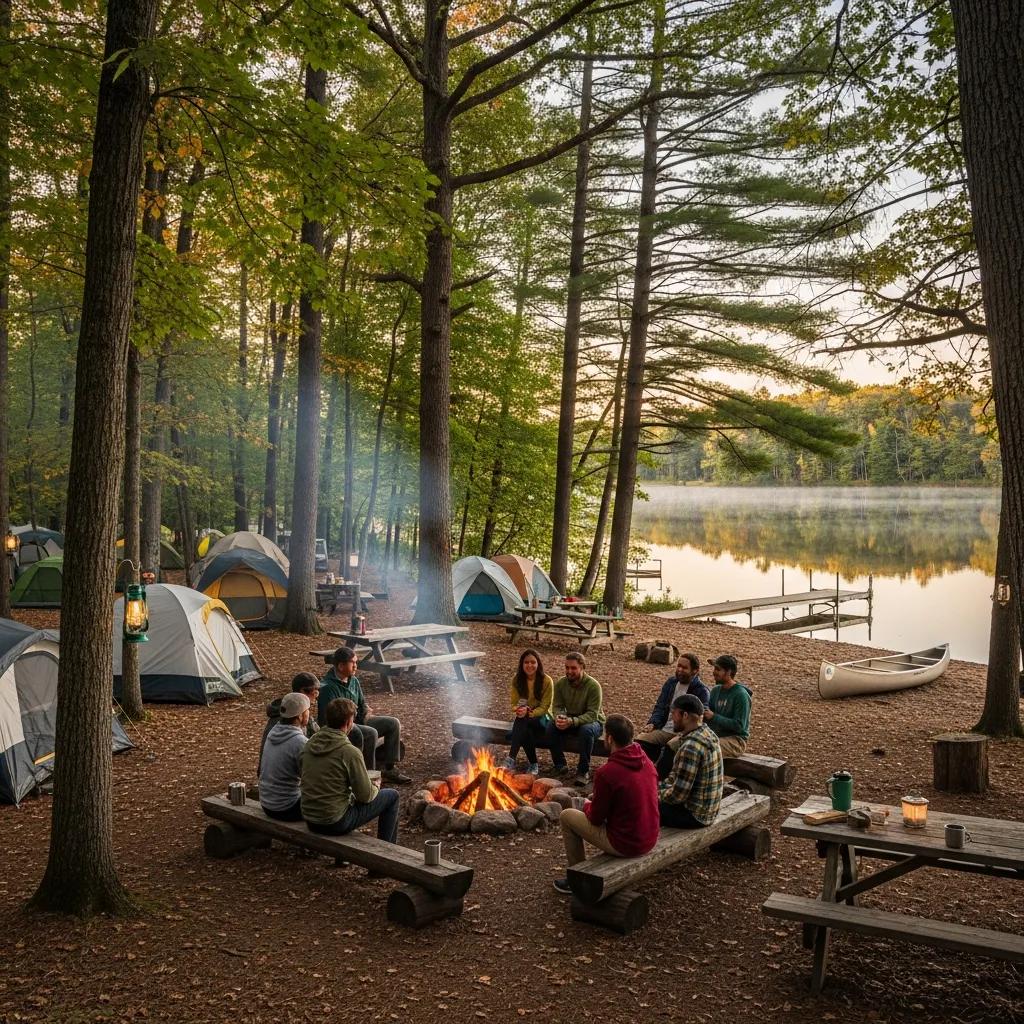
Traditional campgrounds emphasize simplicity and direct access to natural features, which makes them ideal for visitors who want immersion in Michigan’s forests, lakes, and trails. Typical sites are unpaved, with minimal infrastructure, communal restrooms or vault toilets, and straightforward access to hiking and fishing. The vibe tends toward solitude, wildlife watching, and low-cost recreation—attracting tent campers, minimalist families, and outdoor purists. That lighter footprint also helps keep nightly fees lower and preserves a more restorative outdoor experience compared with amenity-heavy resorts.
Common characteristics of traditional campgrounds include:
- Nature-first layout: Sites arranged to maximize tree cover and shoreline access.
- Basic utilities: Limited hookups or shared water points that encourage shorter stays.
- Low programming: Few organized events so quiet and self-guided exploration remain the priority.
These traits create a clear value proposition for campers who favor trail access and wildlife viewing over on-site entertainment. Next we describe how rustic charm shows up at ground level.
How do traditional campgrounds deliver rustic charm and nature immersion?

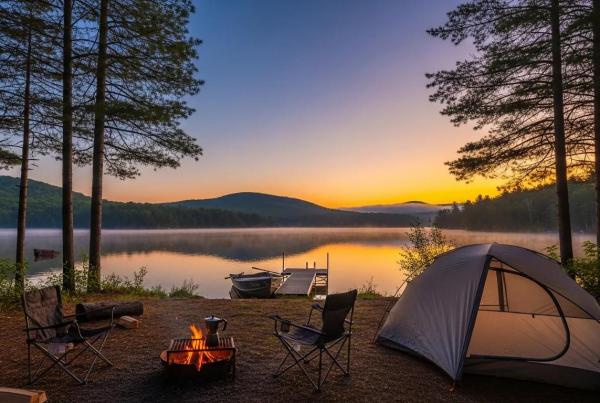
Rustic charm comes from campsites that open onto trails, lakeside spots with sunrise birding, and campfire evenings centered on unstructured outdoor time. Minimal infrastructure—primitive fire rings, natural-surface sites, and limited lighting—lowers human impact and improves stargazing and natural soundscapes. Activities like early-morning birding, shoreline fishing, and day hikes follow the local rhythm instead of a schedule. This immersive model rewards campers who accept fewer conveniences in exchange for uninterrupted time in nature.
- Example experiences: Sunrise fishing, trail wildlife viewing, and campfire storytelling.
- Environmental benefit: Less infrastructure helps preserve habitat and cut costs.
- Guest fit: Great for digital detoxers and budget-minded outdoor fans.
These experiences attract a distinct audience and set expectations for planning a visit. Next we cover budget-friendly activities and tips for traditional campers.
What budget-friendly activities and tips work well at traditional campgrounds?
Traditional campgrounds shine at low-cost activities that use the landscape—hiking, shore fishing, bird and wildflower ID, and campfire-cooked meals. To save money, pack multi-day meal kits, borrow or rent basic gear nearby if needed, and favor free trailheads for day trips. Many state and local campgrounds also offer off-season or midweek discounts; timing your trip around those can cut costs significantly.
- Pack simple meals: Prepped, multi-day options reduce grocery stops.
- Choose free activities: Hiking and fishing offer high value for little or no cost.
- Book midweek: Weekday stays usually mean lower fees and lighter crowds.
These strategies keep trips affordable without giving up the core nature experience. With both lodging styles mapped, let’s examine a property that intentionally blends resort amenities with rustic access.
How does The Oaks Campground bridge luxury resort features and traditional camping?
The Oaks Campground from GatherGrounds follows a hybrid approach that mixes amenity-rich offerings with family-friendly, accessible camping—ideal for quick getaways and nature-minded stays alike. Located in Munith, Michigan, The Oaks features full hookup sites, a large fishing pond, a swimming lake, 120 acres of golf cart riding trails, and a planned Wibit water park for 2025. That mix lets families enjoy on-site programming and water play while still being close enough to Waterloo State Recreation Area for longer trail outings. If you want convenience without completely giving up natural access, The Oaks is a practical middle ground for short stays and family fun.
This mapping shows how The Oaks turns infrastructure into clear family benefits and convenient on-site recreation—helpful when you’re deciding where to reserve. If you want a blend of amenities and nearby nature, The Oaks is a strong, family-oriented option in Michigan.
What unique amenities and family activities does The Oaks offer?
The Oaks focuses on family programming and conveniences that maximize play while minimizing logistics. Current features include full hookup sites for RV comfort, a sizable fishing pond and swimming lake for on-site water fun, and a 120-acre network of golf cart trails for safe exploration. Community pavilions and a camp store provide gathering space and essentials, and planned additions—most notably a Wibit water park in 2025—will grow the day-use appeal. Together, these elements make short weekend stays feel full of activities without long drives.
- On-site water recreation: Simple access to swimming and fishing.
- Golf cart trails: Safe mobility and supervised kid-friendly exploration.
- Community spaces: Ideal for events, crafts, and family gatherings.
These features make The Oaks especially appealing to families who want convenience and lively programming during their Michigan visits. Next we explain how nearby Waterloo State Recreation Area complements the on-site offerings.
How does being close to Waterloo State Recreation Area add to The Oaks experience?
Waterloo State Recreation Area expands the playground beyond The Oaks by offering miles of trails, additional lakes, and wildlife habitat for paddling, fishing, and hiking. A short drive to Waterloo lets guests split a day between on-site family activities and deeper nature excursions, then return to resort-style comforts in the evening. That proximity balances programmed daytime fun with real outdoor immersion—perfect for groups with mixed priorities.
- Top activities: Trail hiking, dawn bird watching, and lake fishing.
- Practical tip: Spend a day at Waterloo, then relax back at the campground for an easier balance of exertion and downtime.
- Guest benefit: Proximity gives you itinerary flexibility without sacrificing comfort.
Pairing resort amenities with nearby state-park access makes The Oaks a convenient base for families who want organized play and authentic outdoor time. With that hybrid model in mind, the next section helps you choose the right camping style for your trip.
How to pick the best camping experience in Michigan: RV resort, traditional campground, or glamping?
Your ideal choice comes down to a few priorities: comfort level, who’s coming, trip length, budget, and how close you want to be to services. Start by listing non-negotiables—do you need power and sewer hookups? Do kids need programmed activities?—then match those needs to lodging types. Resorts win when you want predictable comfort and many activities; traditional campgrounds win for solitude and cost savings; glamping sits between them by offering comfortable sleeping without an RV. Use the short checklist below to match your needs before you book.
- Duration: Short weekends favor amenity-rich resorts; longer stays suit campgrounds and seasonal spots.
- Party mix: Families with young kids often prioritize resorts with scheduled programming.
- Budget & comfort: If you need hookups and paved sites, expect higher nightly fees.
These factors help you quickly rule out mismatches and focus your search. The next section lists specific criteria to weigh when choosing a camping style.
Which factors should guide your choice between camping styles?
Start with the practical and experiential criteria that matter most: trip length, privacy needs, whether hookups are required, traveler ages, distance from urban centers, and tolerance for basic facilities. Emergency access and cell coverage may also affect safety-minded decisions—many amenity-rich resorts advertise dependable Wi‑Fi and support infrastructure that traditional campgrounds may lack. Match each criterion to a recommended style: resorts for short family weekends and motorcoach comfort; traditional campgrounds for solitude and low cost; glamping for comfort without an RV. This ordered approach reduces decision fatigue and leads to better-fit reservations.
- If convenience and programming matter: Choose a luxury RV resort.
- If immersion and budget matter: Choose a traditional campground.
- If you want comfort without owning an RV: Choose glamping options.
With selection criteria covered, the next section explains the appeal of seasonal RV sites and glamping in Michigan.
What are the benefits of seasonal RV camping and glamping in Michigan?
Seasonal RV camping and glamping create semi-permanent communities that emphasize convenience, social calendars, and cost efficiency for repeat visitors. Seasonal RVers can leave gear on-site, build friendships, and join ongoing activities—often lowering per-night costs over a season. Glamping gives non-RV guests a comfortable outdoor stay with furnished tents or cabins and basic utilities. Both options reduce packing and setup time, promote community engagement, and deliver predictable comfort during Michigan’s camping season.
- Community: Seasonal stays build social calendars and shared events.
- Convenience: Less setup and immediate access to amenities for frequent users.
- Cost: Seasonal leases can be cheaper than repeated nightly bookings.
These benefits make seasonal and glamping options attractive for people who value routine and community over one-off exploratory trips. With that in mind, here are the trends shaping Michigan camping for 2025.
What trends and insights are shaping Michigan camping in 2025?
In 2025, Michigan camping shows stronger demand for amenity-rich private campgrounds and shorter, activity-dense stays. Industry signals point to more online bookings, higher expectations for fast Wi‑Fi, and a growing share of one- to two-night trips near cities. Those trends favor private resorts that offer immediate entertainment, dependable utilities, and easy access from places like Detroit and Ann Arbor. Practically, that means booking early for peak weekends, picking properties with online reservation systems, and considering proximity to urban centers when planning short escapes.
Key 2025 trends and what they mean for you:
- Online booking growth: Makes short-stay planning easier—book sooner for popular weekends.
- Wi‑Fi demand: Drives private campgrounds to differentiate with reliable connectivity.
- Short-stay preference: Favors accessible, activity-rich campgrounds close to cities.
These trends help you anticipate availability and select properties that match evolving expectations. Next we look at how camper preferences are reshaping amenity demand.
How are camper preferences driving the move toward amenity-rich camping?
Campers in 2025 increasingly expect fast reservations, dependable utilities, and family programming so they can pack the most recreation into limited time. Guests want Wi‑Fi, clean facilities, and organized activities, prompting private campgrounds to invest in play assets and digital booking. That creates a feedback loop: as more travelers demand these features, private resorts expand playgrounds, water features, and community events to capture short-stay urban markets and family segments. Operators that meet these expectations are better positioned to attract those guests.
- Top expectations: Reliable hookups, on-site recreation, and easy online booking.
- Operator response: Investment in amenities and reservation tech to improve guest experience.
- Implication: Book early and prioritize the amenities that matter most to your group.
Those shifts explain why hybrid properties like The Oaks are competitive in 2025. The final subsection covers how rising fees and short-stay trends affect choices.
How do rising fees and short-stay trends influence camping decisions?
Rising fees at public parks and more short stays are nudging travelers toward private campgrounds that can bundle value with amenities and efficient online booking. As state-park charges climb, travelers weigh lower per-night fees against extra travel, time, and logistical costs; private resorts offset higher rates with convenience and predictable entertainment. Short stays amplify the value of on-site activities and proximity to urban centers—people want to maximize recreation without long commutes. So when planning, compare total trip cost—including time, fuel, and activity fees—not just the nightly rate.
- Economic pressure: Higher public fees can shift demand to private options with bundled value.
- Short-stay focus: Drive time and on-site amenities become key decision points.
- Booking advice: Evaluate total itinerary cost, not just per-night price.
Understanding these forces helps you balance budget and experience in 2025’s camping landscape. For families and local visitors ready to book an amenity-balanced stay near Waterloo, The Oaks Campground by GatherGrounds is an actionable option—check their reservation system to lock in family weekends and short getaways.
Frequently Asked Questions
1. What kinds of activities can I expect at luxury RV resorts in Michigan?
Michigan’s luxury RV resorts offer a mix of activities for all ages. Expect organized events like themed nights, kids’ crafts, outdoor contests, and fitness classes, plus amenities such as heated pools, playgrounds, and recreation centers that host social gatherings. Those features help families connect and get the most out of their time outdoors.
2. Are traditional campgrounds a good fit for families with young kids?
Yes—traditional campgrounds can work well for families who enjoy unstructured outdoor time. Many spots offer basic amenities like fire rings and picnic tables and provide direct access to hiking and fishing. Parents should plan for a more rustic experience without the organized programming or wide facilities found at luxury resorts.
3. How can I save money while camping at traditional campgrounds?
To cut costs, pack multi-day meal kits, focus on free activities like hiking and fishing, and book midweek when rates and crowds are lower. Off-season discounts and simple meal planning can significantly reduce your trip cost while keeping the outdoor experience rich.
4. What should I consider when choosing between an RV resort and a traditional campground?
Think about your desired comfort level, the amenities you need, and the activities you want. If you value convenience, community events, and hookups, a luxury RV resort is a strong choice. If you prefer solitude, closer contact with nature, and lower costs, choose a traditional campground. Match your group’s needs to the property’s strengths.
5. What are the benefits of glamping compared to traditional camping?
Glamping blends outdoor access with more comfortable sleeping and facilities—furnished tents or cabins with basic utilities, for example. It’s a great option for guests who want to enjoy nature without the hassle of full campsite setup or roughing it in a tent.
6. How do seasonal RV sites work and what advantages do they offer?
Seasonal RV sites let you rent a spot for an entire season, creating a semi-permanent base. Advantages include reduced setup time, the ability to keep equipment on-site, community connections, and potential cost savings versus repeated nightly bookings. Seasonals often become social hubs for repeat visitors.
7. What trends are shaping the future of camping in Michigan?
Key trends include growing demand for amenity-rich private campgrounds, more online booking, higher expectations for Wi‑Fi, and a rise in short, activity-packed stays near urban areas. As public park fees change, many campers are choosing private resorts that bundle convenience and entertainment—so prioritize the amenities and booking options that matter most to your trip.
Conclusion
Choosing between luxury RV resorts and traditional campgrounds in Michigan comes down to what you value: predictable comfort and activities, or quieter, nature-first time. Resorts bring convenience and built-in entertainment; traditional sites offer immersion and lower cost. With this guide, you can match your priorities to the right option and book a camping getaway that fits your family and plans. Ready to pick dates? Check our recommendations and reserve your ideal stay today.