How To Choose a Family Campground: Essential Factors to Consider When Comparing Local Campgrounds for Your Next Adventure
Picking the perfect family campground means finding that sweet spot between location, amenities, activities, and site features to craft a getaway that’s safe, fun, and totally stress-free. This guide walks you through what to compare when you’re looking for the best campgrounds near you and how to choose a family campground by breaking down each decision into simple, actionable steps. We know many families struggle with noisy sites, subpar facilities, or a lack of things to do; this article offers practical tips—from selecting the ideal campground site to spotting safety cues in reviews—to help you find your perfect spot. You’ll discover which location features truly matter, which amenities are absolute must-haves versus nice-to-haves, what activities will keep the kids entertained, how site types and hookups can make or break your stay, and how to use reviews and safety ratings to make your final choice. Walnut Hills Family Campground is a great local example of a family campground that checks many of these boxes, showing just how specific features can lead to unforgettable experiences. By the time you’re done, you’ll be ready to compare campgrounds with confidence and pinpoint the best campgrounds for families near you using a straightforward checklist.
What Location Features Should You Consider When Choosing a Family Campground?
Location is all about where a campground sits in relation to attractions, services, and the natural surroundings; its proximity can significantly impact convenience and the kinds of day trips you can easily take. Being close by means less travel time, which translates to more time exploring and less time driving, and it also ensures quick access to towns for any supplies or medical needs you might have. Think about the natural environment, how easy it is to get to, and whether the site is near water or scenic spots, as these elements influence shade, potential wildlife encounters, and the types of family-friendly activities available. Use the quick checklist below to weigh the pros and cons between convenience and seclusion before you book.
Here’s what to check regarding location features:
- Proximity to attractions and town services: Aim for sites that minimize long drives with the kids.
- Natural environment type: Forests offer welcome shade, while open fields provide plenty of space for play.
- Water and scenic access: Lakeside and riverfront sites open up opportunities for swimming and boating.
These location checks help narrow down your options quickly and lead you into a more detailed evaluation of the natural environment for family comfort and safety.
How Does Proximity to Attractions Impact Your Camping Experience?
How close a campground is to attractions really shapes your daily activity plans, determining whether short excursions or lengthy drives will fill your schedule. Being nearby cuts down on travel time, which is a huge plus with little ones, while slightly longer drives might grant access to a wider array of experiences like state parks or local festivals. When you’re assessing proximity, check the likely distances and travel times for day trips, and lean towards sites that minimize time spent on the road, especially if your family prefers shorter, more frequent outings. These proximity considerations naturally tie into the kind of natural environment you’re hoping for around your campsite.
Why Is the Natural Environment Important for Family Campgrounds?
The natural environment—think trees, terrain, and wildlife—plays a big role in your comfort, safety, and the opportunities for nature play for your kids, so it’s wise to consider shade, ground slope, and potential wildlife encounters before you book. Trees and shade offer relief from midday heat and create perfect spots for naps, while level ground makes setting up your tent and playing much easier; steep or rocky terrain can be a tripping hazard and limit activities. Consider how the environment supports supervised nature exploration for children and whether it aligns with your family’s comfort level regarding insects or animals. Thinking about the environment naturally leads to assessing water and scenic access, which often becomes a deciding factor for families.
What Are the Benefits of Choosing a Campground Near Water or Scenic Areas?
Having water access—like lakes, rivers, or designated swimming areas—opens up high-value activities such as swimming, splashing around, and simply relaxing by the water, all of which appeal to all ages and help create lasting memories. Water-based attractions definitely boost enjoyment but do require some safety planning: check for lifeguards, clearly marked swim zones, and supervision policies before you arrive. Keep in mind that seasonal availability matters; some water features might close during the shoulder seasons, so confirm the timing when you’re planning your trip. Assessing water access wraps up the location picture and smoothly transitions the decision toward the amenities that will support those activities.
Which Amenities Are Must-Haves for the Best Family Campgrounds?

Amenities are essentially the facilities and services that impact your comfort, hygiene, and entertainment; getting the right mix can significantly reduce stress and make longer stays much more enjoyable. Essential amenities usually include clean restrooms and showers, access to potable water, and play areas that are safe for families, as these directly affect health and daily routines. Bonus amenities like water parks and dog parks add extra value by expanding entertainment options for kids and pets, while modern conveniences such as updated bathrooms and an on-site store can improve convenience and simplify logistics. The table below compares must-have versus bonus amenities to help you prioritize what matters most for your family.
This comparison helps clarify which amenities you should definitely look for and which ones offer that extra bit of value, setting the stage for examples of how bonus features can lead to better stays at certain campgrounds.
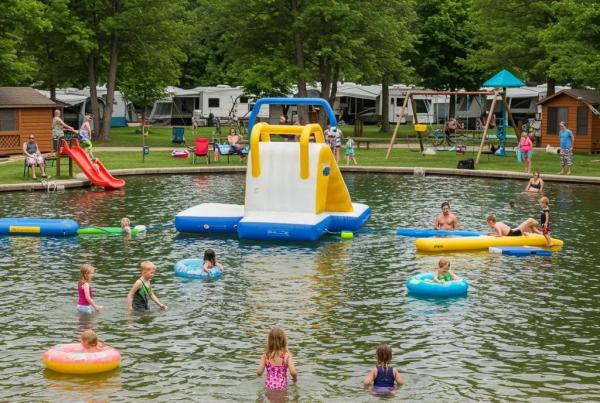
Walnut Hills Family Campground offers both essential and bonus amenities, including updated bathrooms and showers, a Wibit water park, and a large dog park, demonstrating how a combination of necessities and extras can significantly enhance family comfort and entertainment.
What Essential Amenities Should Family Campgrounds Provide?
Essential amenities are those that support basic family needs: clean restrooms and showers, reliable potable water, safe and age-appropriate play areas, and convenient waste disposal options to keep campsites hygienic. Clean restrooms are crucial for reducing health risks and boosting booking confidence; potable water means you won’t have to constantly run for supplies; and playgrounds with proper fencing and surfacing minimize the risk of injury while giving parents a chance for supervised breaks. When you’re checking listings, look for recent maintenance notes or photos and pay close attention to reviews that specifically mention facility cleanliness and water access. Understanding these essentials will prepare you to evaluate the bonus amenities that can really elevate the perceived value of a campground.
How Do Bonus Amenities Like Water Parks and Dog Parks Enhance Your Stay?
Bonus amenities really expand your entertainment choices and can often justify a slightly higher nightly rate by offering convenience and variety that appeal to different types of families. A Wibit water park or a similar attraction can keep kids happily occupied for hours and might even become the highlight of your trip, while a large dog park provides a safe space for pet owners to let their furry friends run off-leash. Bonus features can reduce the need for external day trips and extend the fun you can have right at the campsite, which is particularly valuable for weekend getaways. Comparing the bonus amenities across different campgrounds can help you pinpoint one that perfectly matches your household’s recreation preferences.
These comparisons make it easier to decide which bonus features are worth the extra cost and which are simply optional extras for your trip.
Why Are Modern Facilities and Convenience Amenities Important for Families?
Modern conveniences—like updated bathrooms, an on-site store, and generally well-kept facilities—can significantly reduce logistical headaches and support longer, more comfortable stays for families. Renovated bathrooms minimize hygiene concerns and often signal good overall maintenance; a campground store is a lifesaver for forgotten items or last-minute needs; and these convenience amenities simply lower the planning burden for parents. It’s about finding a balance between that desired rustic experience and practical needs, so prioritizing modern facilities is especially smart when traveling with very young children or campers who are less experienced. After amenities, the next critical area to consider is activities that will keep everyone engaged throughout the visit.
What Activities Should You Look for to Keep the Whole Family Entertained?
Activities are key to how much fun your family will have, both on and off-site; look for organized programming, outdoor adventures, and sports that cater to a range of ages. Organized events (like crafts, family movie nights, or scavenger hunts) add structure and create social opportunities for kids, while outdoor adventures such as river float trips and hiking can lead to memorable experiences for older children and adults. Sports facilities and playgrounds offer flexible options for casual or more competitive play across different age groups. The activity comparison table below helps you match expected activities to age ranges and seasonality so you can plan effectively.
Use this guide to prioritize campgrounds that offer a good mix of organized events and opportunities for self-led adventures for all family members.
Which Organized Events and Recreational Options Are Best for Kids and Adults?
Organized programming, such as scavenger hunts, arts and crafts sessions, family movie nights, and themed weekends, provides structured fun that appeals to various ages and frees parents from having to plan every single moment. Evaluate event schedules and their age-appropriateness by checking descriptions and asking about supervision ratios when possible. Consistent, varied programming increases the chances of keeping children occupied and adults relaxed, while optional adult-focused events—like casual tournaments—can broaden the appeal even further. These events perfectly complement outdoor adventures, which often become the absolute highlight of a family camping trip.
How Do Outdoor Adventures Like River Float Trips Add Value to Your Camping Trip?

Outdoor adventures like float trips create shared experiences that often define a family trip and encourage repeat visits, plus they teach kids valuable water-safety and outdoor skills. Safety considerations—like life jackets, proper supervision, and current water conditions—should guide whether an activity is suitable for your children’s ages and abilities. Make sure to bring the appropriate gear, check the seasonality, and confirm whether trips are guided or self-led to match your comfort level with on-water supervision. Memorable outdoor adventures often pair wonderfully with on-site amenities to create a truly complete vacation experience.
What Sports and Play Areas Should a Family Campground Offer?
Sports and play areas—think sand volleyball, basketball courts, horseshoe pits, gaga ball pits, and ball fields—offer low-cost, flexible activities that can engage both kids and adults across various skill levels. Well-maintained courts and fields encourage friendly competition and family tournaments, while game rooms can serve as a great backup plan for rainy days. Take a look at maintenance standards and equipment availability in reviews or photos to avoid facilities that are poorly kept. Good sports and play areas directly connect to the safety and supervision expectations we’ll cover in the reviews section.
These facilities give families plenty of options for active days and easy, on-site entertainment.
How Do Site Features Affect Your Choice of Campsite?
Site features such as the type of site, privacy, shade, level ground, and hookups all play a role in your comfort, convenience, and overall suitability for families; choosing the right site can significantly reduce day-to-day friction. Your site selection directly influences sleep quality, safety for children, and how easily you can access amenities. Assessing site types and utilities before booking ensures you pick RV sites, tent sites, or cabins that truly align with your family’s needs. The table below compares common site types and their typical hookups to help you match your vehicle and comfort requirements.
These comparisons help clarify when full hookups are essential and when a cabin or tent site might be a better fit for your priorities.
What Site Types Are Available: RV Sites, Tent Sites, and Cabins?
RV sites, tent sites, and cabins each cater to different family preferences: RV sites offer essential utilities and space for larger families, tent sites provide a closer connection to nature, and cabins offer a hybrid of comfort and outdoor living. When you’re choosing, check the site size, its proximity to restrooms and play areas, and whether the hookups match your RV’s electrical and sewer needs. Cabins eliminate the need for tent setup and often come with basic furnishings, making them a great option for shorter trips or groups with mixed abilities. Your site type selection is directly tied to privacy and ground conditions, which we’ll discuss next.
Why Are Privacy, Shade, and Level Ground Important When Selecting a Campsite?
Privacy, shade, and level ground all impact sleep quality, play safety, and how easy it is to set up camp; privacy helps reduce noise and visual interruptions, shade offers protection from the heat, and level ground prevents water pooling in your tent and generally improves comfort. Evaluate site photos and maps for spacing between sites and tree cover, and try to select sites that offer good sightlines for supervising children while still allowing some separation from neighbors. These physical attributes also influence where you might set up play areas and how to manage campfires safely. Considering these factors will lead you to the practical importance of hookups and utilities.
How Do Full Hookups and Utilities Influence Your Camping Experience?
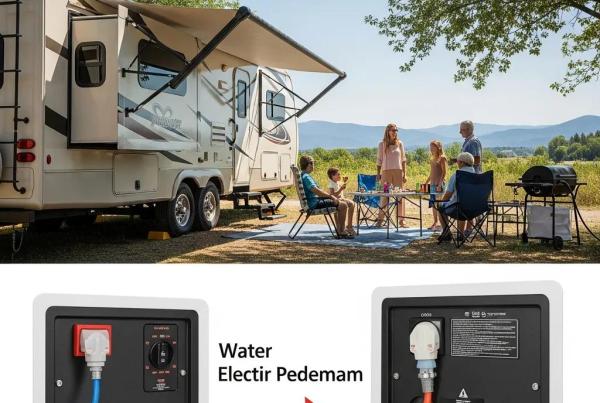
Full hookups—water, sewer, and electric—are key determinants of the convenience and complexity of RV camping, with amperage and cable options affecting appliance use and overall comfort. Full hookups significantly reduce the hassle of waste management and support longer stays by providing consistent power for refrigeration and climate control, whereas partial or no hookups require more careful planning. Be sure to confirm amperage ratings and sewer access when booking RV sites, and weigh the cost differences against your desired level of comfort. Understanding hookups ensures your site choice will support your family’s needs without any unwelcome surprises.
Why Are Reviews and Safety Ratings Crucial When Comparing Campgrounds?
Reviews and safety ratings offer real-world insights into cleanliness, staff responsiveness, and how well facilities are maintained; they help you verify claims and anticipate what your actual experience might be like. Camper reviews provide valuable signals—like recent comments about bathrooms, staff helpfulness, and lifeguard availability—that directly predict whether a campground will meet your family’s standards. Use systematic review checks and safety feature lists to spot potential red flags and green flags before you book. The short checklist below summarizes what to look for in reviews and safety data.
Here’s what to check in reviews and safety info:
- Recent mentions of cleanliness and bathroom condition: This is a top priority for family health.
- Notes on staff responsiveness and on-site supervision: This indicates the quality of management.
- Safety features like lifeguards and well-marked trails: These are essential for water and hiking activities.
These review checks help confirm that the amenities and activities are maintained and supervised just as advertised.
How Can Camper Reviews Help You Choose the Right Family Campground?
Camper reviews are incredibly helpful because they offer dated, experiential details about maintenance, service, and the actual availability of activities; prioritize recent, long-form reviews that include photos and show consistent themes across different platforms. Look for specifics like comments about updated bathrooms, whether lifeguards were present, or if family events were well-run, and give less weight to isolated negative reports that lack corroboration. Cross-reference multiple platforms to identify consistent praise or recurring issues, and pay attention to how staff respond to complaints, as this can be a good quality signal. Decoding reviews in this way leads to safer, more predictable family trips.
What Safety Features Should You Expect at a Family-Friendly Campground?
You should expect features like lifeguards or designated swim zones, clearly marked trails, lighting in common areas, and secure play areas with appropriate surfacing; these features are designed to reduce injury risk and support supervision. Confirm emergency access routes and whether staff offer basic first-aid or have clear emergency procedures in place, and ensure play areas have fencing or are separated from traffic. Visible signage and regular maintenance of trails and waterfronts are further indicators of a strong safety focus. Campgrounds with clear safety features often correlate with better-maintained facilities and superior customer service.
How Do Well-Maintained Facilities Reflect on Campground Quality?
Well-maintained facilities—like spotless bathrooms, fresh signage, and well-cared-for grounds—are a strong signal of attentive management and often predict a better guest experience, including quicker issue resolution and higher safety standards. Good maintenance reduces potential hazards, enhances the overall aesthetic, and supports longer stays by minimizing inconveniences; consistent upkeep is usually evident in reviews and recent photos. When facilities are well-kept, families can focus more on enjoying their activities and relaxing rather than dealing with logistical problems, which truly makes the difference between a stressful weekend and a memorable getaway. Walnut Hills Family Campground is a prime example of this approach, expertly blending modern conveniences with family-focused activities, helping families disconnect from daily stresses and create lifelong memories.
Frequently Asked Questions
What should I consider when planning meals for a family camping trip?
When planning meals for a family camping trip, think about the cooking facilities available at the campground, such as grills or fire pits. Opt for meals that are easy to prepare and require minimal cooking time, like pre-marinated meats, fresh fruits, and ready-to-eat snacks. Also, consider any dietary restrictions or preferences within your family. Packing non-perishable items and using coolers for perishables can help maintain food safety. Finally, involve the kids in the meal planning process to make it a fun activity and ensure everyone enjoys the food.
How can I ensure my family’s safety while camping?
To ensure your family’s safety while camping, start by choosing a campground with good safety ratings and visible safety features, such as lifeguards at swimming areas and well-marked trails. Educate your family about wildlife safety, including how to store food properly to avoid attracting animals. Always have a first-aid kit readily available and know the location of the nearest medical facility. Additionally, establish clear rules for children regarding staying within sight and understanding basic outdoor safety practices, such as not wandering off alone.
What are some tips for camping with young children?
Camping with young children can be a wonderful experience with a little preparation. Choose a family-friendly campground that offers amenities like playgrounds and organized activities. Pack familiar items, such as favorite toys or blankets, to help them feel secure. Plan shorter hikes and activities that match their energy levels, and maintain a flexible schedule to accommodate naps and downtime. Involve them in setting up the campsite to foster a sense of ownership and excitement about the adventure. Lastly, make sure you have plenty of snacks and hydration options easily accessible.
How do I choose the right tent for my family camping trip?
Choosing the right tent for a family camping trip involves considering its size, weather resistance, and how easy it is to set up. Look for a tent that comfortably fits your family size, with a little extra space for gear. Opt for a tent with good ventilation and waterproof features to handle various weather conditions. Also, consider the tent’s weight if you plan on hiking to your campsite. Ease of setup is crucial, especially when camping with children, so look for tents with simple assembly instructions or pop-up designs.
What activities can families do while camping to bond together?
Camping offers countless activities for families to bond, such as hiking, fishing, and sharing stories around the campfire. Organize scavenger hunts or nature walks to explore the surroundings together. Engage in outdoor games like frisbee or capture the flag, which can be fun for all ages. Cooking meals together over a campfire can also be a memorable experience. Lastly, consider stargazing at night, where families can share stories and learn about constellations, creating lasting memories under the stars.
How can I prepare for inclement weather while camping?
Preparing for inclement weather while camping involves checking the forecast before your trip and packing accordingly. Bring waterproof gear, such as rain jackets and tarps, to protect your family and equipment. Choose a campsite with good drainage and avoid low-lying areas that might flood. Have a backup plan for indoor activities, such as board games or crafts, to keep everyone entertained. Lastly, ensure your tent is properly secured and that you have a reliable way to stay informed about changing weather conditions during your stay.
Conclusion
Choosing the right family campground can truly enhance your outdoor experience by ensuring comfort, safety, and engaging activities for everyone. By carefully evaluating location features, essential amenities, and available activities, families can make informed decisions that pave the way for memorable adventures. Don’t hesitate to explore our curated list of family-friendly campgrounds to find the perfect spot for your next getaway. Start planning your unforgettable camping trip today!