Michigan State Parks Camping Costs 2025

Planning a Michigan camping trip for 2025? Start with the updated numbers: the Michigan Department of Natural Resources rolled out a rate change effective August 1, 2024 that affects nightly fees for campsites and park lodging. This guide lays out the 2025 fees, explains what modern, semi-modern, and rustic sites cost, and compares campsite rates with park lodging and nearby private campgrounds. You’ll learn which factors move prices, how seasonality and amenities change nightly costs, and how to estimate a 2–3 day trip budget. We also highlight a nearby private option for visitors to Waterloo State Recreation Area. Read on for quick tables, clear tips, and sample budgets to make booking easier—whether you’re driving in from Ann Arbor, Detroit, Jackson, or Toledo.

What Are the Updated Michigan State Park Camping Fees for 2025?

The DNR’s 2025 fee update clarifies price bands across campsite types and park lodging to better reflect maintenance needs, reservation demand, and seasonal patterns. Practically speaking, modern sites with hookups sit at the higher end of the range, rustic sites stay the most budget-friendly, and cabins or lodges cost significantly more because they include facilities and staffing. The table below summarizes the main DNR campsite categories and typical nightly ranges for 2025 so you can compare options quickly when planning weekend or summer stays.

The table below summarizes the 2025 DNR nightly ranges by campsite and lodging type with short notes on what each category generally includes.

Campsite / Lodging TypeTypical Nightly Rate (2025)Notes
Modern campsite (water/electric/sewer hookups)$26–$45Full hookups commonly found at higher-amenity sites and busy parks.
Semi-modern campsite (partial utilities or shared services)$22–$35Mid-level choice with some conveniences but fewer hookups than modern sites.
Rustic campsite (primitive, limited services)~$20Basic tent sites with no hookups—best for budget-minded campers.
State park lodging (cabins, lodges, group facilities)$60–$160Enclosed units vary widely by size, amenities, and popularity of the park.

Use this table as a quick budgeting snapshot. Final nightly rates vary by park, site features, and when you reserve. Expect lakeshore and peak-summer weekends to sit near the top of these ranges; weekday and shoulder-season stays usually land lower. Knowing these patterns helps you choose the right balance of cost and comfort for your trip.

How Much Do Modern Campsites Cost in Michigan State Parks?

Modern campsites offer water, electric, and often sewer or dump access—and they carry a premium for those conveniences. For 2025 the DNR’s range for modern sites is generally $26–$45 per night, with highly popular or lakeside parks leaning toward the top end during peak season. Extras like extra vehicle fees, group site surcharges, or proximity to park amenities can raise the effective nightly cost. Modern sites also fill up faster for holiday weekends, so reserving early is a good idea.

Modern sites are a solid choice for RVers and families who value hookups and small appliance power. If your dates are flexible, try off-peak or weekday stays to snag modern-site comforts at a lower nightly price. Comparing rates across parks and shifting dates often yields the best balance between comfort and cost.

What Are the Prices for Rustic and Semi-Modern Campsites?

Rustic campsites remain the most affordable option—typically around $20 per night under the 2025 schedule. These sites offer minimal services (no hookups) and suit campers who prefer a quieter, back-to-basics experience. Semi-modern sites sit between rustic and modern options, offering conveniences like nearby potable water or limited electric hookups, and are priced to match that middle ground.

Pick a rustic site to keep nightly costs low and enjoy a simpler camping experience. Choose semi-modern when you want some comforts without paying for full hookups. Seasonal demand and park popularity will push a semi-modern site higher or lower within its range, so consider lesser-known parks or shoulder seasons to get more value.

How Do Michigan State Park Lodging Rates Compare to Campsite Fees?

State park lodging—cabins, lodges, and group facilities—usually costs several times more per night than primitive campsites because lodging includes enclosed space, utilities, cleaning, and maintenance. In 2025 nightly lodging commonly runs $60–$160 depending on unit type and amenities, which can compare favorably on a per-person basis to multiple campsites plus rental gear, especially for short stays or in bad weather.

What Are the Nightly Rates for Lodging Options in State Parks?

Typical lodging options include basic cabins, deluxe cabins, and small lodges or group houses. Basic cabins often sit near the lower end of the $60–$100 range and provide basic beds and simple kitchenettes; deluxe or lakeside units with more space and amenities can climb into the $120–$160 range. Booking outside peak weeks usually lowers nightly costs; holidays and popular parks push prices and sometimes add minimum-night rules.

How Have Lodging Fees Changed with the 2025 Rate Increase?

The 2025 adjustments raised fees across campsites and lodging to better cover upkeep and consistent service levels. Lodging tended to see proportionally larger increases than primitive campsites because of higher fixed costs for maintenance and staffing. The DNR cited deferred maintenance and the need to keep facilities safe and clean as reasons for the change; the fee update took effect August 1, 2024.

Expect parks with more infrastructure—running water, heating, and staffed services—to have seen the larger increases. When planning multi-year trips or annual stays, build modest lodging increases into your budget to avoid surprises.

What Factors Influence Michigan DNR Campground Rates?

Nightly rates in Michigan state parks reflect a few clear drivers: location and demand, site amenities, and seasonal timing. Waterfront parks and those with strong recreational draws command a premium, while amenities like full hookups, restrooms, and showers add measurable per-night value. Seasonal demand—summer holidays, fall color weekends, and winter access—also shifts prices and availability.

This list highlights the most common rate drivers:

  1. Location and park popularity: Waterfront and high-amenity parks typically cost more per night.
  2. Amenities and site features: Hookups, showers, and on-site facilities raise nightly cost.
  3. Seasonality and demand: Peak dates and holidays increase both rates and competition for sites.

These factors interact: a popular lakeshore park with modern hookups will normally be the most expensive option. Knowing which features matter most to you makes it easier to pick a lower-cost option without giving up essential comforts.

How Do Location and Amenities Affect Camping Costs?

Location and amenities directly affect rates because they drive visitor demand and the park’s operating costs. Waterfront or trail-rich parks attract more guests, letting parks charge higher fees. Infrastructure like electric and sewer hookups requires investment and upkeep that the DNR recovers through higher nightly rates. Amenities that improve the stay—flush toilets, hot showers, maintained picnic areas—also typically mean higher fees due to increased staffing and maintenance.

To save money, consider parks a short drive from major attractions or sites farther from the main beach or boat launch. Accepting tradeoffs—like no sewer hookup—can lower your nightly fee while preserving the core outdoor experience you want.

When Do Seasonal Pricing and Peak Times Impact Rates?

Peak season—warm months and holiday weekends—creates the highest demand and pushes rates to the top of their ranges. Weekdays and shoulder seasons in spring and fall usually offer lower rates, and some parks provide off-peak discounts. Reservation timing matters too: book early for peak dates to secure current rates and site choice, while last-minute bookings often face limited options and higher effective costs.

To save, avoid holiday weekends, aim for midweek stays, or travel in shoulder months. Keep an eye on reservation calendars and be flexible with dates to get the best balance of price and access.

How Do Private Campground Prices Compare to Michigan State Park Fees?

Private campgrounds often charge more than basic state park sites, but they include extra amenities, year-round programs, and services that families value. Many offer playgrounds, swimming areas, scheduled activities, and site types built for RV full-hookup needs—features that can make a private campground more economical when you count bundled activities and convenience. For families and long-stay RVers, private sites can reduce incidental costs and time spent driving to off-site attractions.

The table below compares common amenity profiles and the different pricing approaches between state parks and private campgrounds, including a note on a nearby private option popular with Waterloo visitors.

Campground TypeCommon AmenitiesTypical Nightly Rate Range / Pricing Note
Michigan State Park sitesTrails, natural beaches, basic toilets/showers$20–$160 depending on site type; rates prioritize public access and natural resources.
Private campgrounds (general)Playgrounds, swimming areas, scheduled activities, service hookupsPricing varies; often higher base rates but includes more on-site activities and conveniences.
The Oaks Campground (Munith, MI)Full hookup RV sites, fishing pond, golf cart trails, playgrounds, swimming lake, planned Wibit water park (2026)Rates vary by site and season; check the campground’s booking info for current nightly prices.

Private campgrounds trade a higher nightly fee for bundled amenities and convenience, which can lower your total trip cost if your group uses those features. If your main goal is the lowest possible nightly price, state parks usually win. But for families who value on-site activities and easy logistics, private campgrounds can be the better overall value.

What Amenities Do Private Campgrounds Like The Oaks Offer?

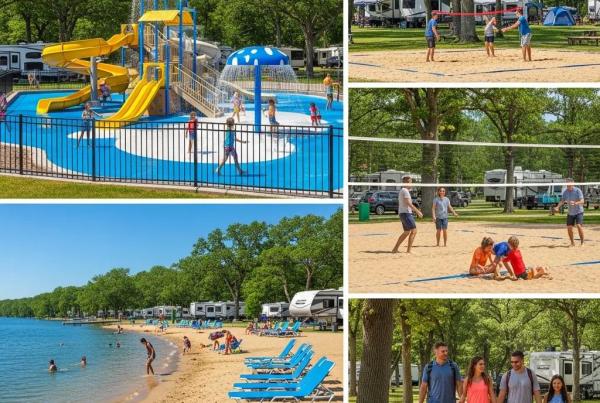
Private campgrounds focus on family comfort and entertainment, and The Oaks Campground is a good example. It offers full hookup RV sites, a fishing pond and swimming lake, playgrounds, and golf cart trails for easy on-site mobility. A planned Wibit water park (coming in 2026) shows continued investment in family attractions that keep guests entertained without leaving the property.

The Oaks Campground highlights include:

  • Full hookup RV sites: Water, electricity, and sewer access for RV travelers.
  • Family recreation features: Fishing pond, swimming lake, playgrounds, and golf cart trails for easy exploration.
  • Planned water attraction: A Wibit water park is planned for 2026 to expand on-site activities.

Those amenities create a self-contained vacation that many families prefer. For current nightly rates and availability at The Oaks, check the campground’s official booking channels.

Are Private Campgrounds More Cost-Effective for Families?

Private campgrounds can be more cost-effective for families when you measure value by activities and convenience rather than just nightly price. A private site that includes swimming, playgrounds, and programming cuts down on off-site attraction fees, fuel, and extra driving time—often offsetting a higher nightly rate. Longer stays or groups that need full hookups may find their per-person cost lower at a private campground once you factor in bundled benefits.

To decide, build a side-by-side estimate: campsite or lodging fees, activity costs, fuel, and food. Compare total trip cost between a state park and a private campground—often the convenience of a private site is worth the extra per-night charge for families prioritizing ease and entertainment.

How Can You Budget for a Camping Trip in Michigan State Parks?

Start with the nightly fee, then add predictable extras like fuel, food, reservation fees, and equipment rentals. A simple step-by-step method—estimate nightly costs, add per-day food and fuel, include rentals or permits, and tack on a small contingency—keeps your plan realistic and minimizes surprises. The table below gives typical ranges to help build a per-day and multi-day budget for campsite and lodging options.

Expense ItemTypical Cost RangeNotes
Nightly fee (campsite or lodging)$20–$160Depends on campsite type or lodging class and season.
Fuel / travel costs$20–$80 per travel dayVaries with distance from home and vehicle fuel efficiency.
Food and groceries$15–$75 per person per dayCamping meals can be economical but depend on cooking setup and dining choices.
Equipment rental / gear$20–$60 per dayIncludes canoe/kayak, bike, or other recreational rentals.
Firewood / supplies$5–$20 per purchasePark rules may require purchased wood; prices vary by vendor.

This framework helps you compare options—use it to stack a 3-day primitive campsite plan against a private-campground family package and see which fits your budget best.

What Are Typical Additional Costs Beyond Nightly Rates?

Beyond the base nightly fee, factor in fuel, food, activity or equipment rentals, and small on-site charges for supplies. Boat launches, group facility fees, reservation service charges, firewood purchases, or campsite upgrades can add modest costs. Anticipating these items helps you avoid underestimating and lets you choose cost-saving moves—like bringing your own wood or cooking more meals at camp.

Adding a 10–20% contingency to your calculated total usually covers unexpected expenses. Compare projected totals across site and lodging choices to find the most economical setup that still meets your trip goals.

What Tips Help Save Money on Michigan Camping Trips?

Small planning moves can cut costs without sacrificing the experience: book early, travel midweek or off-peak, share gear within your group, and prep meals ahead to avoid campground concessions. Choosing parks a little farther from big cities often lowers nightly fees, and bringing essentials like bedding and cookware avoids rental charges. If your schedule allows, watch reservation calendars for last-minute cancellations—those can be great savings.

  1. Book early and be flexible with dates: Early reservations secure better sites and often lower rates.
  2. Travel off-peak or midweek: Rates and competition drop significantly outside holiday weekends.
  3. Pack and share gear: Fewer rentals mean lower daily costs and easier logistics.

Use these tactics consistently and you’ll save money and often enjoy a better campsite choice with less stress.

Where Can You Find Affordable Campgrounds Near Michigan State Parks?

Affordable campgrounds near state parks are a matter of balancing proximity, nightly rate, and amenities. If price is the top priority, look for parks or private campgrounds a short drive from major metro areas rather than those right on the shoreline. For Waterloo State Recreation Area visitors, nearby private campgrounds and less-trafficked state parks can offer good value while keeping drive times reasonable from Ann Arbor, Detroit, or Jackson.

What Are the Best Campgrounds Near Waterloo State Recreation Area?

Waterloo visitors have options that mix convenience with family-friendly amenities and a range of site types. A notable private choice in Munith offers full hookup RV sites, a fishing pond, golf cart trails, playgrounds, and a swimming lake, with a Wibit water park planned for 2026. Drive times from cities like Ann Arbor, Detroit, and Jackson are generally around an hour for many guests, making these campgrounds practical bases for exploring Waterloo’s trails and lakes.

Top reasons these campgrounds work well for Waterloo visitors:

  1. Proximity to trailheads and water access: Short drives to the recreation area mean more time outdoors.
  2. On-site family amenities: Playgrounds and water features cut down on off-site activities and driving.
  3. RV-friendly site options: Full hookup sites simplify longer stays and family logistics.

Weigh driving time against nightly fees: a slightly higher nightly rate for a convenient, activity-rich campground can lower total trip costs by saving fuel and off-site activity expenses.

How Does Proximity to Major Cities Affect Campground Pricing?

Campgrounds near big cities usually charge more because they serve weekend travelers who don’t want long drives—higher demand means higher prices. Sites farther from metro areas tend to cost less but add fuel and travel time. For many families, the value of shorter drives and easy weekend trips makes paying a bit more per night worthwhile. Budget-minded campers who don’t mind the extra drive can save by choosing more remote sites.

Compare total round-trip fuel cost against nightly savings to see which choice is truly cheaper for your group. Finding the right mix of travel time and per-night cost helps ensure an affordable, enjoyable trip.

Frequently Asked Questions

What is the best time to book a campsite in Michigan State Parks?

Book as early as you can—especially for summer weekends and holidays. Reservations usually open six months ahead, and popular sites fill fast. Early booking locks in your preferred site and avoids potential rate increases. If you can, aim for midweek or shoulder-season dates for better availability and lower prices.

Are there any discounts available for camping in Michigan State Parks?

Yes. Michigan State Parks sometimes offer discounts for seniors, veterans, and certain groups, and some parks may run off-peak promotions. Check the Michigan Department of Natural Resources website or call the specific park for current discounts and eligibility rules. Using available discounts can make a big difference for families and larger groups.

What amenities are typically available at Michigan State Parks?

Amenities vary by park but often include restrooms, showers, picnic areas, trails, and water access. Modern sites may offer electrical hookups; rustic sites usually have minimal facilities. Many parks also provide boat launches, fishing areas, and playgrounds. Always check a park’s specific amenities before you go—especially when you need family- or accessibility-friendly features.

Can I bring my pet to Michigan State Parks?

Pets are generally allowed at Michigan State Parks, but rules apply. Pets must be leashed and owners are responsible for cleanup. Some areas—like certain beaches or trails—may restrict pets. Verify the pet policy at the park you plan to visit to avoid surprises.

What should I pack for a camping trip in Michigan State Parks?

Pack the basics: tent, sleeping bags, cooking gear, food, and weather-ready clothing. Bring toiletries, a first-aid kit, insect repellent, and any activity-specific gear for hiking or fishing. A checklist helps ensure you don’t forget essentials and keeps your trip comfortable.

How can I find out about campground availability in real-time?

Check the Michigan Department of Natural Resources website for real-time availability and reservations. Their online system shows available sites and lets you book or watch for cancellations. Some third-party camping apps and review sites also offer live updates and user feedback to help with decisions.

What are the rules regarding campfires in Michigan State Parks?

Campfires must usually be kept in designated rings or pits. Watch for fire bans during dry spells, and follow any posted restrictions. Use locally sourced firewood to avoid spreading invasive pests, and fully extinguish fires before leaving. Always follow park-specific rules to keep fires safe and legal.

Conclusion

Knowing the 2025 camping costs for Michigan State Parks makes trip planning easier. Compare campsite types, amenities, and seasonal pricing to find what fits your budget and priorities. Whether you choose a rustic tent site or a modern cabin, planning ahead—booking early, choosing the right dates, and factoring in extras—helps avoid surprises and makes your outdoor getaway more enjoyable. Start with these tips, check park and campground booking pages, and you’ll be ready for a great trip.