

Sell Your Campground or RV Park: Which Is Easier and How to Choose the Best Selling Option
Selling a campground or an RV park means you need to be clear about your asset type, what buyers are looking for, and the path that best fits your goals for speed, privacy, and legacy. This guide breaks down the practical differences between campgrounds and RV parks, the metrics buyers use to value them (like Net Operating Income and cap rate), and clear criteria for deciding whether to list with a broker or pursue a direct acquisition. Owners will learn how amenities, site mix, seasonality, and documentation affect saleability, plus actionable steps to maximize value before a transaction. We compare selling routes, outline market trends through 2025, and provide a seller checklist, valuation tables, and side-by-side comparisons to simplify your choice. Finally, owners who prioritize continuity and a thoughtful transition will find guidance on working with an acquirer like GatherGrounds Resorts and how to start a confidential conversation if your property fits our criteria.
What Are the Key Differences Between Selling a Campground and an RV Park?
Campgrounds and RV parks differ in their composition, typical revenue streams, and the types of buyers they attract, all of which influence how complex the sale is and how marketable the property is. Campgrounds often combine tent sites, cabins, and various recreational experiences; RV parks tend to focus on utility infrastructure like full hookups and spacious sites, which impacts operating costs and buyer due diligence. These structural and operational differences change how buyers calculate Net Operating Income (NOI) and which amenities they value, meaning the same sale process can be easier or harder depending on the asset type. Understanding these core distinctions helps owners choose whether to pursue a brokered listing, a private sale, or a direct acquisition, and prepares them to present the financial and operational metrics buyers expect. Below, we offer focused comparisons of valuation, amenities, location, and buyer profiles to guide you toward the right selling path.
How Do Campground and RV Park Valuations Differ?
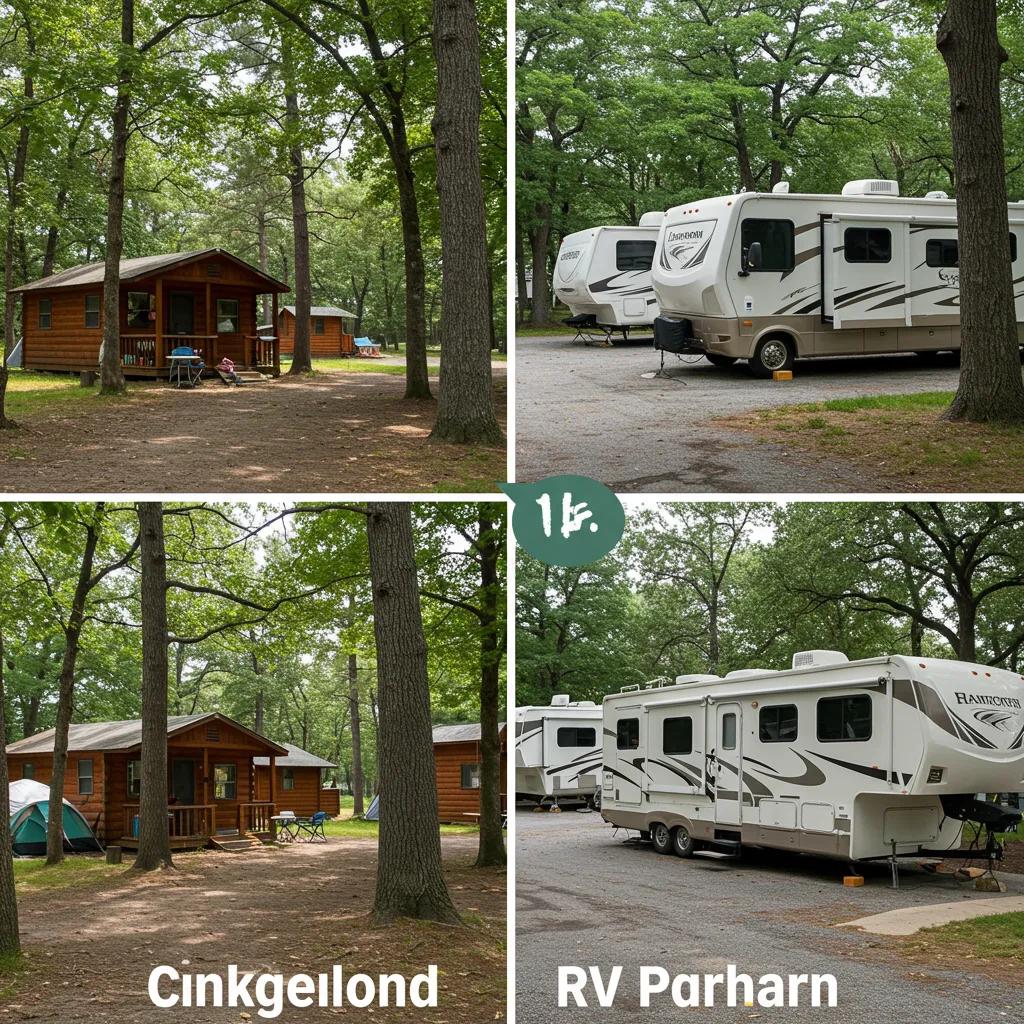
Valuation for both campgrounds and RV parks centers on Net Operating Income (NOI) and an applied cap rate, but the components of NOI differ based on site mix and amenity income. NOI is your total operating revenue minus operating expenses, and the cap rate reflects the buyer’s required return; higher, more predictable revenue streams generally lead to a lower cap rate and a higher price. Campgrounds often have diversified income—from cabin rentals, day-use fees, and seasonal activities—while RV parks may feature steadier monthly or nightly RV fees and utility surcharges, affecting revenue stability and financing. Buyers expect clear documentation of occupancy, average daily rate (ADR), and utility expenses; these elements drive projected NOI in their underwriting and influence whether an institutional investor, a lifestyle buyer, or an acquisition company will engage.
What Amenities and Features Impact Saleability?
Amenities and infrastructure directly affect buyer interest and price because they influence guest demand and operating costs; crucial elements include hookups, cabins, water access, and dependable restrooms. High-impact amenities that generally raise valuations are full electrical/water/sewer hookups, rentable cabins or glamping units, reliable broadband for remote-work guests, and recreational assets like lakes or pools that increase occupancy. Operational features such as proven direct-booking channels, modern reservation systems, and documented maintenance schedules also reduce buyer friction and can command a premium. Owners should prioritize investments that either increase NOI or reduce operating headaches for buyers, as these improvements produce the most measurable uplift in sale negotiations.
This list highlights amenities buyers commonly rank highest when evaluating properties.
- Full RV hookups (electrical, sewer, water) improve nightly rates and occupancy stability.
- Rentable cabins and glamping units diversify revenue and lower seasonality risk.
- Reliable high-speed internet increases appeal to remote workers and longer-stay guests.
- On-site amenities (lake, pool, playground) drive family bookings and repeat visitation.
These amenities combine to increase both top-line revenue and buyer confidence by demonstrating a property’s ability to generate repeat business and stable NOI.
How Does Location Influence Campground vs. RV Park Sales?
Location shapes demand through proximity to attractions, regional seasonality, and local regulatory environments, which buyers translate into occupancy forecasts and cap rate expectations. Campgrounds near national parks, trails, or lakes often command higher ADRs in peak seasons but also face concentrated seasonality; RV parks located near highways or urban commuter belts can attract longer-term or year-round stays with steadier cash flow. Local zoning, environmental restrictions, and development potential affect both valuation and buyer interest, as buyers assess expansion options and risk exposure. Sellers should compile market comparables showing occupancy, ADR, and seasonal trends to present a clear picture of location-driven revenue dynamics that inform valuation.
What Are Typical Buyer Profiles for Campgrounds and RV Parks?
Buyer profiles vary from lifestyle owners and owner-operators to institutional investors and acquisition companies, each bringing different expectations and timelines to a sale. Individual operators and lifestyle buyers often value experiential amenities and local reputation, while institutional investors prioritize predictable NOI, margin stability, and scalable operations. Acquisition companies and regional operators look for properties that fit strategic site-count or geographic criteria and may prefer a confidential direct sale to avoid market disruption. Understanding who is most likely to buy your specific asset type helps tailor marketing materials and negotiation strategy to the buyer segment most likely to offer the best combination of speed, price, and continuity.
Typical buyer types and what they prioritize:
- Individual owner-operators: value legacy, on-site management continuity.
- Lifestyle buyers: seek experiential assets and community integration.
- Brokered investors: focus on financial metrics and comparables.
- Acquisition companies: seek portfolio fit, speed, and discreet transactions.
These buyer archetypes determine whether a broker’s marketing reach or a direct sale to an acquirer will be the easiest path to closing.
Why Is Selling to an Acquisition Company Like GatherGrounds Resorts Easier Than Using a Broker?
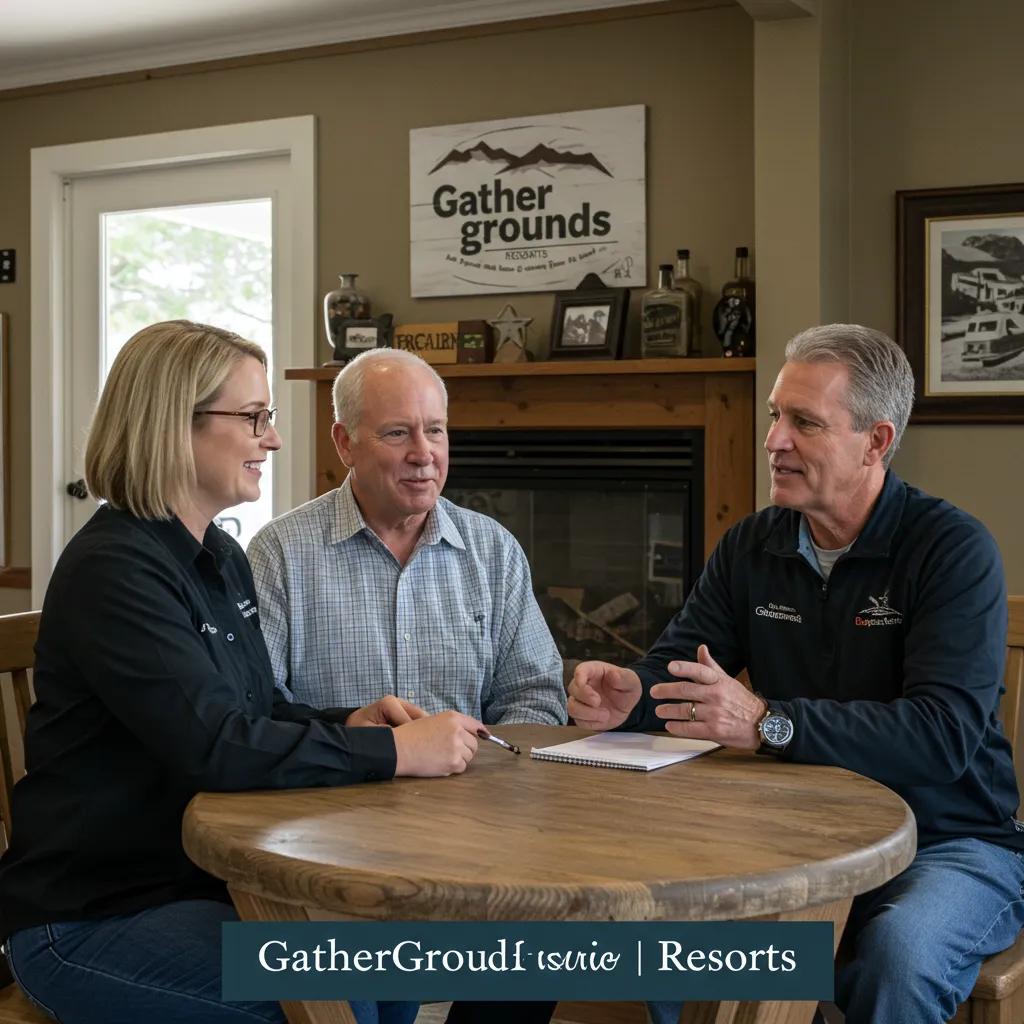
Selling to an acquisition company often simplifies timelines, preserves confidentiality, and reduces transaction friction compared with a public brokered listing because the process focuses on private negotiation, direct decision-makers, and fewer intermediaries. An acquisition buyer evaluates fit quickly, presents a tailored offer, and manages due diligence with fewer public disclosures, which limits disruption to staff, guests, and community. GatherGrounds Resorts, positioned as a family-owned acquirer that emphasizes legacy preservation and thoughtful transitions, can be particularly appealing to owners who prioritize continuity and a private, respectful sale process. Below is a direct comparison of brokered sales versus direct acquisition to illustrate trade-offs around fees, speed, and seller control.
How Does GatherGrounds’ Family-Owned Approach Simplify the Selling Process?
A family-owned acquirer generally reduces approval layers and enables direct conversations between owners and decision-makers, which speeds negotiation and allows flexible, personalized terms. This structure can shorten the response time to offers and reduce the need for standardized contract terms that large institutional buyers often require, enabling bespoke transition plans. GatherGrounds Resorts frames its approach around preserving the “heart and soul” and “legacy” of acquired properties, which often aligns with sellers looking to maintain traditions and staff continuity. That alignment reduces seller stress and creates a smoother handoff compared with more transactional corporate buyers.
What Are the Advantages of a Thoughtful Transition for Campground Owners?
Thoughtful transitions focus on staff retention, guest experience continuity, and preserving community relationships, yielding non-financial value that matters to many sellers beyond price. By planning phased operational changes, honoring local traditions, and communicating with the community, acquirers can minimize guest attrition and protect brand equity built by the seller. This smoother operational handoff also preserves revenue stability during the first seasons under new ownership, helping maintain the property’s NOI as ownership changes. Sellers who care about legacy often accept slightly different financial terms in exchange for a guaranteed, sensitive transition.
How Does Selling Directly to GatherGrounds Compare to Using Campground Brokerage Services?
Direct acquisition typically delivers faster timelines, lower out-of-pocket transaction fees, and higher confidentiality, while brokered listings provide broader market exposure and possibly higher ultimate price through competitive bidding. Brokers excel at marketing to a wide buyer pool, staging competitive offers, and handling escrow logistics, but listings can attract public attention and require significant seller time and disclosures. Direct sales favor owners who prioritize speed, privacy, and legacy preservation; brokered sales suit owners seeking maximum market exposure and potentially higher bids. The following comparison highlights key trade-offs in a concise table.
What Are the Typical Steps in GatherGrounds’ Acquisition Process?
The acquisition process typically begins with a confidential inquiry, followed by a rapid property review, a non-binding offer, and a focused due diligence period that culminates in closing and a planned transition. Owners can expect a timeline driven by documentation readiness and mutual alignment on transition plans, with the acquirer managing many operational handoffs. GatherGrounds Resorts emphasizes thoughtful communication and investment in guest experience post-close, aiming for a seamless sequence from initial interest to final transfer. For sellers, preparing clean financials and site documentation accelerates evaluation and enables quicker, more confident offers.
Typical acquisition steps owners should prepare for:
- Confidential inquiry and initial property summary.
- High-level review and indicative offer.
- Detailed due diligence and negotiated purchase agreement.
- Closing and transition planning with staff and community communication.
Preparing required documents and a clear transition plan helps compress each step, smoothing the path to a timely sale.
How Do Market Trends Affect the Ease of Selling Campgrounds vs. RV Parks?
Market trends through 2025 influence buyer demand, cap rate expectations, and which amenities are most valuable, so owners need current data to time and position their sale effectively. Growing interest in outdoor recreation, persistent demand for remote-work–friendly accommodations, and rising investor attention to experiential lodging have expanded buyer pools and increased competition for well-positioned properties. These dynamics make it easier to sell properties that demonstrate modern amenity sets, diversified revenue, and operational metrics showing resilient NOI. The next subsections summarize key statistics, explain how trends like luxury glamping impact buyer expectations, and outline why current market conditions may favor sellers.
What Are the Current Camping and RV Industry Growth Statistics?
Recent industry reports through 2025 show continued participation growth in camping and steady RV shipments, with private campground valuations benefiting from increased leisure travel and remote-work flexibility. Data indicate higher demand for weekend and extended-stay bookings, which drives ADR and occupancy in properties that offer quality amenities and online booking channels. Investors are watching NOI stability and growth trends carefully, preferring assets with demonstrated year-over-year revenue increases and diversified income streams. Sellers who can present clean operating histories and trend-aligned improvements often receive stronger, faster offers in this market environment.
How Do Emerging Trends Like Luxury Glamping and Remote Work Impact Sales?
Luxury glamping and remote-work demand shift buyer expectations toward premium amenities, reliable internet, and site designs that support longer stays and higher ADRs; these trends increase the value of experiential upgrades. Properties that add glamping units, quality cabins, or outdoor experiences can lift average spend per guest and reduce seasonality by attracting off-peak stays. Remote-work–friendly sites command longer visits and broaden the guest demographic to include digital nomads and working families, making the revenue streams more predictable. Positioning upgrades around these trends helps sellers justify higher valuations and appeal to a wider buyer set.
Why Is Now a Good Time to Sell Your Campground or RV Park?
Current market indicators—expanded outdoor recreation demand, available capital among specialty acquirers, and investor interest in experiential lodging—create favorable conditions for sellers who present clean financials and strategic amenities. Regional variance exists, so properties in high-demand corridors or near compelling natural assets will see the most benefit from current trends. Many owners motivated by retirement or succession planning find that active buyer pools and competition among acquirers make it an opportune time to market or pursue direct offers. Preparing documentation and aligning upgrades with market trends increases the chance of a timely, favorable transaction.
How Can Campground Owners Maximize Their Property’s Value Before Selling?
Maximizing value requires a focused mix of tidy financials, targeted capital improvements, and operational documentation that demonstrates predictable NOI and guest demand. Buyers evaluate historical revenue streams, expense controls, and asset condition when underwriting offers, so organized records and visible, cost-effective upgrades consistently improve sale outcomes. Owners should prioritize improvements that either increase average daily rate or occupancy or reduce operating costs—such as improving hookups, adding rentable lodging, or optimizing reservation and marketing channels. Below are practical checklists and a valuation driver table to guide pre-sale preparation.
What Financial Records and Maintenance Are Essential for a Smooth Sale?
Well-organized financial statements, occupancy and ADR reports, tax returns, and maintenance logs are fundamental to accelerating offers and reducing due-diligence friction. Buyers will request profit-and-loss statements, balance sheets, occupancy calendars, reservation platform data, vendor contracts, and documentation of capital improvements. Maintenance records for utilities, septic, and structures reduce perceived risk and speed inspections by showing consistent upkeep. Preparing these items in advance helps sellers move from inquiry to offer rapidly and supports stronger valuations by demonstrating reliable NOI.
Essential seller documentation and why they matter:
- Profit & loss statements and tax returns: verify historical NOI.
- Occupancy and ADR reports: demonstrate demand and pricing power.
- Maintenance logs and capital improvement records: show asset condition and reduce buyer risk.
- Contracts and vendor details: clarify ongoing operational obligations.
How Do Net Operating Income and Cap Rate Affect Valuation?
NOI and cap rate form the core valuation formula where Price = NOI / Cap Rate; buyers use NOI to assess cash flow and cap rate to apply market-required return, making both critical to sale outcomes. Improving NOI through revenue growth (price increases, new revenue streams) or expense reductions raises the theoretical sale price under stable cap rates. Cap rates vary by asset risk, location, and buyer appetite; lower perceived risk (through amenities, diversified revenue, and strong occupancy) often produces a lower cap rate and a higher sale price. Sellers should show projected NOI improvements supported by verifiable data to justify offers and negotiate cap-rate assumptions.
What Are the Differences in Preparing a Campground vs. an RV Park for Sale?
Preparing a campground often emphasizes guest experience, site design, and diversified revenue proofs like cabin or activity bookings, whereas RV park preparation focuses more on infrastructure reliability, hookup capacity, and utility records. Campgrounds benefit from refreshed communal spaces, marketing that highlights experiences, and documentation of event or recreation-driven revenue. RV parks benefit from verified hookup counts, utility upgrades, and clear long-term occupancy patterns. Tailoring preparations to the asset type and the expected buyer profile increases the efficiency of the sale and the competitiveness of offers.
What Are the Common Questions Campground Owners Ask About Selling Their Property?
Owners commonly ask about timelines, broker versus direct sale decisions, tax implications, and ways to enhance buyer appeal; concise, practical answers help owners plan and act. Each seller’s priorities—speed, price, confidentiality, or legacy—determine the optimal route and preparation level. Below are focused Q&A-style responses for common PAA items to guide immediate decision-making.
How Long Does It Typically Take to Sell a Campground or RV Park?
Sale timelines vary widely: brokered listings often take six to eighteen months depending on market and property complexity, while direct acquisitions can complete in a few weeks to several months when documentation is ready. Timeframes depend on property size, financing needs, regulatory checks, and buyer type; institutional buyers require longer underwriting, whereas strategic acquirers with cash can accelerate closings. Owners who prepare documentation upfront and choose a sale route aligned with their goals can significantly shorten timelines.
Should I Use a Broker or Sell Directly to an Acquisition Company?
Use a broker when maximizing market exposure and price is the priority and you are willing to accept longer timelines and public marketing; choose direct acquisition when speed, confidentiality, and a controlled transition matter more. Brokers excel at competitive bidding and wide buyer reach, while acquisition companies provide private negotiation, fewer intermediaries, and often simpler post-sale transitions. Owners should weigh expected fee structures, timeline needs, and legacy considerations when deciding between the two routes.
What Are the Tax Implications of Selling My Campground or RV Park?
Tax implications commonly include capital gains and possible depreciation recapture, and sellers should consult a CPA or tax attorney to model outcomes and explore strategies like structured sales or tax-deferral mechanisms where applicable. High-level planning may involve timing of sale, allocation of purchase price between real property and personal property, and exploring 1031 exchange eligibility for deferral, but professional advice is essential before making tax-dependent decisions. Early engagement with tax counsel can preserve value and prevent surprises at closing.
How Can I Make My Campground or RV Park More Attractive to Buyers?
Practical improvements include tightening financial reporting, completing essential maintenance, enhancing high-ROI amenities, and preparing professional photography and site maps for marketing materials. Operational wins such as strong direct-booking channels, updated reservation systems, and documented guest metrics increase buyer confidence. Packaging this information in a clear seller packet with market comparables and a concise property narrative enables faster, stronger offers from the right buyers.
Quick wins to increase buyer appeal:
- Organize financials and occupancy reports into a clear seller packet.
- Address deferred maintenance on utilities and structures.
- Invest in targeted amenity upgrades that raise ADR or occupancy.
- Produce professional imagery and a site map for marketing.
These actions reduce buyer perceived risk and often translate into higher valuations or faster closings.
How Does GatherGrounds Preserve the Legacy and Values of Acquired Campgrounds and RV Parks?
GatherGrounds Resorts positions itself as a family-owned acquirer with a stated emphasis on preserving the “heart and soul” and “legacy” of properties they acquire, which appeals to owners focused on continuity. The company frames its acquisition approach around thoughtful transitions, direct communication with owners, and investment in guest experience, differentiating it from larger corporate buyers that may prioritize rapid operational overhaul. For sellers who view the property as more than an asset—valuing staff, community ties, and traditions—this philosophy can be a decisive factor when choosing a buyer. The following subsections unpack the company’s philosophy, transition practices, and common seller outcomes observed in similar transactions.
What Is GatherGrounds’ Family-First Philosophy?
GatherGrounds Resorts articulates a family-owned approach that foregrounds owner empathy, personalized negotiation, and continuity of guest experience, which often leads to bespoke transition terms and retained staff relationships. This philosophy supports decisions that favor legacy preservation over aggressive rebranding or wholesale operational replacement, giving sellers reassurance about how their property will be managed post-sale. For owners who prioritize local continuity, the family-first stance can translate to protections for traditions and community engagement that corporate bidders may not emphasize. That cultural alignment often shortens negotiations by reducing concerns about the property’s future.
How Does GatherGrounds Ensure a Thoughtful Post-Sale Transition?
Thoughtful transitions include phased operational changes, staff retention plans, and a communication strategy for guests and local stakeholders designed to preserve revenue stability and community goodwill. GatherGrounds aims to work with sellers to map critical traditions, staffing needs, and guest expectations into a transition timeline that minimizes disruption. This structured approach helps maintain occupancy and NOI during the initial seasons under new ownership, and it reassures sellers that the operational integrity they built will be respected. Clear transition milestones and responsibilities are set early to ensure a smooth handoff.
What Do Sellers Say About Their Experience with GatherGrounds?
While specific verbatim testimonials are not reproduced here, sellers who prioritize confidentiality and a respectful handoff commonly report smoother negotiations and reduced personal stress when a buyer emphasizes legacy, continuity, and direct communication. Sellers often note that a private process with direct decision-makers reduces the emotional toll of public listings and preserves staff relationships. For owners whose primary goal is to entrust their property to someone who values its history and guest experience, such outcomes matter as much as, or more than, the headline financial terms.
Is Selling My Campground or RV Park to GatherGrounds the Right Choice for Me?
Deciding whether to sell to GatherGrounds depends on property fit, owner priorities, and preparedness to engage in a confidential direct-sale process; clear criteria and next steps help owners evaluate alignment. GatherGrounds publicly targets acquisitions of existing campgrounds and RV parks, particularly those with over 130 sites, and emphasizes legacy preservation and thoughtful transitions as core priorities. Owners should assess whether their goals prioritize speed, confidentiality, staff continuity, and legacy over maximizing exposure and potentially higher broker-driven sale prices. The following subsections list selection criteria, how to start a confidential conversation, and what to expect after expressing interest.
What Criteria Does GatherGrounds Use When Selecting Properties?
GatherGrounds seeks properties that align with its strategic focus—existing campgrounds and RV parks, typically larger assets (130+ sites), with strong guest experience potential and operational viability. Important selection factors include site count, amenity quality, documented financial performance, and community fit with the acquirer’s family-first approach. They evaluate properties for both current revenue generation and potential for guest experience investment that preserves legacy while enhancing long-term value. Owners whose properties meet these public criteria may find a direct acquisition route offers the confidentiality and transition planning they desire.
How Can I Start a Confidential Conversation with GatherGrounds Resorts?
To begin a confidential conversation, prepare a concise property summary that includes site count, basic revenue metrics (occupancy, ADR, annual revenue), and a brief description of amenities and recent capital improvements, and communicate your interest via the company’s inquiry channels. Confidentiality is a core part of direct acquisitions, and providing a high-level packet enables a quicker initial assessment without public disclosure. Sellers should be ready to supply detailed financials and maintenance documentation upon request to accelerate evaluation. Clear initial materials help GatherGrounds determine fit and respond with an indicative approach promptly.
What Are the Next Steps After Expressing Interest in Selling?
After initial contact, expect an expedited review and a potential non-binding offer followed by focused due diligence that targets financials, site condition, and transition planning, culminating in closing and a coordinated handoff. Timelines vary by documentation readiness and the complexity of the property, but proactive preparation of financials and maintenance logs shortens the process. Once terms are agreed, transition milestones are established to preserve staff and guest continuity, aligning with the seller’s legacy goals. A transparent but private sequence from inquiry to closing is one advantage of working directly with an acquirer focused on thoughtful transitions.
Frequently Asked Questions
What Should I Consider When Choosing Between Selling a Campground and an RV Park?
When deciding between selling a campground and an RV park, consider factors such as asset composition, revenue streams, and buyer expectations. Campgrounds often attract buyers interested in diverse recreational experiences, while RV parks appeal to those focused on utility infrastructure and steady cash flow. Additionally, evaluate your goals regarding speed, confidentiality, and legacy preservation. Understanding the unique characteristics of each type can help you align your selling strategy with the right buyer profile and maximize your property’s value.
How Can I Prepare My Campground or RV Park for a Quick Sale?
To prepare your property for a quick sale, focus on organizing financial records, addressing maintenance issues, and enhancing high-impact amenities. Ensure that your financial statements, occupancy reports, and maintenance logs are up-to-date and easily accessible. Consider making targeted improvements that can increase guest appeal, such as upgrading utilities or adding recreational features. A well-prepared property not only attracts more buyers but also facilitates faster offers and smoother negotiations, ultimately leading to a quicker sale.
What Role Does Seasonality Play in Selling Campgrounds and RV Parks?
Seasonality significantly impacts the sale of campgrounds and RV parks, as it affects occupancy rates and revenue potential. Campgrounds may experience concentrated seasonal demand, particularly in peak summer months, while RV parks can attract year-round visitors, especially those near urban areas. Understanding the seasonal trends in your region can help you present a more accurate picture of your property’s revenue potential to buyers. Highlighting strategies to mitigate seasonality risks, such as diversifying revenue streams, can also enhance buyer confidence.
What Are the Benefits of Working with a Family-Owned Acquirer Like GatherGrounds?
Working with a family-owned acquirer like GatherGrounds offers several benefits, including a focus on legacy preservation, personalized negotiation, and a smoother transition process. Family-owned companies often prioritize maintaining the property’s traditions and community ties, which can be reassuring for sellers. Additionally, the direct communication with decision-makers can expedite negotiations and reduce the emotional stress associated with public listings. This approach aligns well with sellers who value continuity and a respectful handoff of their property.
How Can Market Trends Affect My Selling Strategy?
Market trends can significantly influence your selling strategy by shaping buyer demand and expectations. For instance, the growing interest in outdoor recreation and remote work accommodations can increase the appeal of properties that offer modern amenities and diversified revenue streams. Staying informed about industry trends allows you to position your property effectively, highlighting features that align with current buyer preferences. Adapting your marketing strategy to reflect these trends can lead to stronger offers and a more favorable selling experience.
What Are the Common Mistakes to Avoid When Selling a Campground or RV Park?
Common mistakes to avoid when selling include inadequate preparation of financial records, neglecting property maintenance, and failing to understand buyer profiles. Sellers often underestimate the importance of organized documentation, which can lead to delays and lower offers. Additionally, overlooking necessary repairs or upgrades can diminish buyer interest. It’s crucial to tailor your marketing materials to the specific buyer segment you aim to attract, ensuring that you present your property in the best possible light to maximize its value.
Conclusion
Understanding the nuances of selling a campground versus an RV park can significantly impact your sale’s success and value. By leveraging insights on valuation, buyer profiles, and market trends, owners can make informed decisions that align with their goals for speed and confidentiality. Engaging with a family-owned acquirer like GatherGrounds Resorts can simplify the process while preserving the legacy of your property. Take the next step by exploring our resources or initiating a confidential conversation today.