Seasonal Camping with Your Dog: The Ultimate Guide to Benefits, Amenities, and Pet-Friendly Policies at Walnut Hills Family Campground
Choosing seasonal camping with your dog means settling into a campground for a significant part of the season, rather than just quick weekend getaways. This approach unlocks lasting advantages for your dog’s health, behavior, and your family’s routines. This guide will walk you through why seasonal camping is fantastic for your dog’s physical activity, mental engagement, and consistent daily life. We’ll connect these benefits to the practical amenities, rules, activities, and booking steps available at Walnut Hills Family Campground. You’ll discover the core perks of extended outdoor living, the specific pet-friendly features we offer, our clear policies designed for safety, and how to book a seasonal spot that perfectly suits your pet’s needs. Seasonal camping cuts down on the stress of setting up camp repeatedly, allows for reliable daily exercise schedules, and puts you right next to pet-friendly amenities that make long stays a breeze for families with dogs. Dive in to explore the key benefits, our campground’s pet-focused amenities, what to expect from our policies, fun activity ideas, local services, and a simple step-by-step guide to booking your seasonal stay.
What Are the Key Benefits of Seasonal Camping with Pets?
Seasonal camping offers your pets extended access to outdoor spaces and consistent daily routines, which significantly boosts their health and behavior. This means more exercise, less stress, and reliable schedules for feeding and potty breaks. It’s simple: regular, predictable exposure to the outdoors supports physical conditioning and mental stimulation through a variety of sensory experiences, leading to reduced anxiety and fewer problem behaviors over time. Practically, you’ll see better weight management, a calmer demeanor when you travel, and stronger family bonds forged through shared daily adventures. These advantages grow with longer stays, amplifying the benefits of routine and socialization.
Here’s a quick look at the core benefits seasonal camping typically brings to dogs and their owners.
- Consistent Exercise: Daily walks and play sessions boost cardiovascular health and help maintain a healthy weight.
- Mental Stimulation: New sights, sounds, and social interactions keep boredom and anxiety at bay.
- Stable Routine: Regular feeding, bathroom breaks, and sleep schedules reduce stress and unwanted behaviors.
These advantages make seasonal camping a truly valuable choice for owners looking to enhance their pet’s well-being and enrich family life. Now, let’s explore how this extended outdoor access specifically supports your dog’s health and behavior.
How Does Seasonal Camping Improve Your Dog’s Health and Well-Being?
Seasonal camping enhances your dog’s health by providing regular, varied physical activity that supports a strong cardiovascular system, healthy joints, and ideal weight. The magic happens through daily, consistent exercise combined with environmental enrichment—think trails, diverse terrain, and social play—all leading to improved stamina and fewer destructive behaviors. In practice, many dogs on seasonal stays become noticeably calmer, develop more predictable bathroom habits, and gain social confidence with other dogs in controlled environments. Understanding these outcomes helps you plan activity levels and veterinary check-ups to support your pet’s long-term wellness.
Why Is Extended Outdoor Access Important for Pets During Seasonal Stays?
Extended outdoor access is crucial because it allows you to maintain consistent walking schedules, frequent potty breaks, and ongoing play sessions that align with your dog’s natural activity rhythms. This consistency works wonders for their behavior: dogs thrive on routine and predictable environmental cues, which helps lower stress hormones and improve sleep quality. For seasonal campers, this translates to fewer accidents, easier training reinforcement, and more reliable socialization with other dogs and people. Understanding how this extended access shapes behavior naturally leads to choosing the right sites and amenities to support those routines.
How Does Seasonal Camping Enhance Family Bonding with Pets?

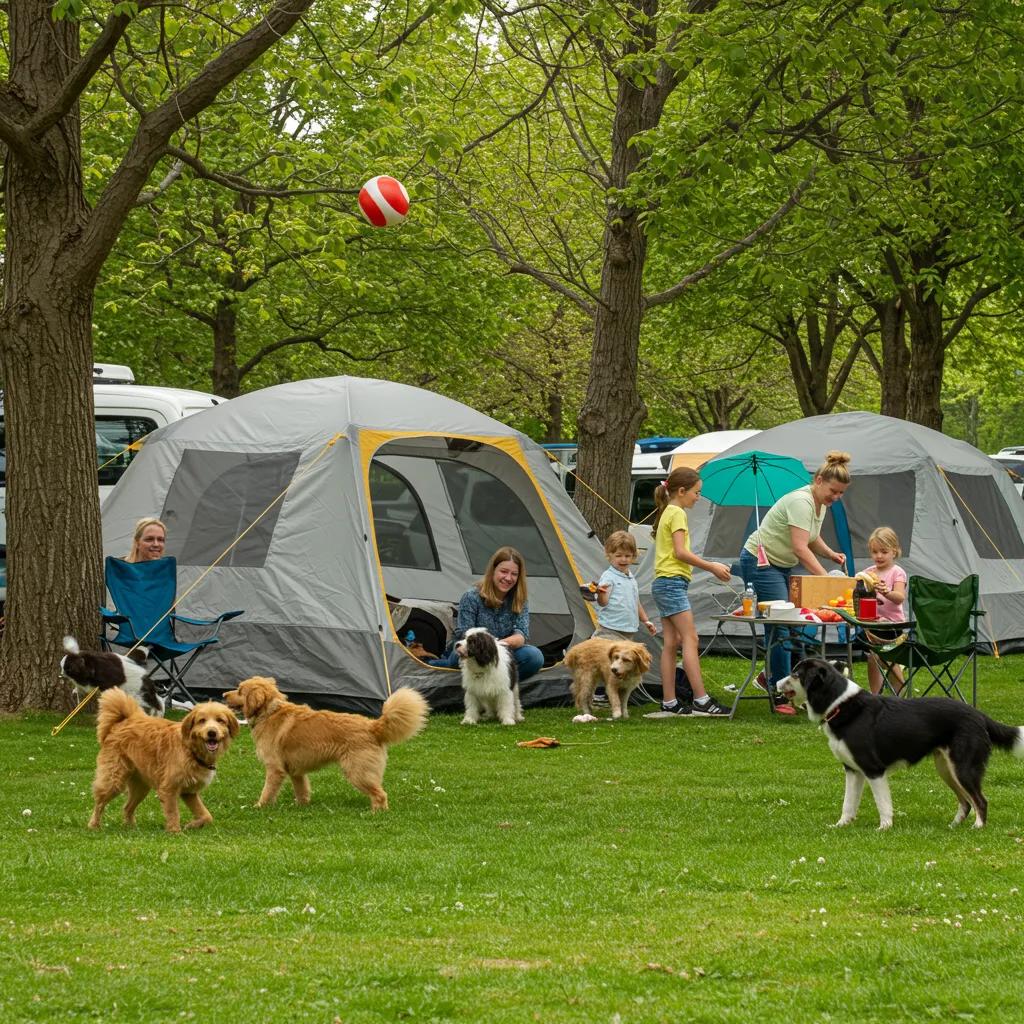
Seasonal camping deepens family bonds by creating shared, repeatable activities like daily hikes, lakeside strolls, and campsite chores that involve both children and pets in cooperative roles. The experience is built on shared moments—families and pets engage in predictable tasks that build trust, teach responsibility, and foster positive associations with outdoor living. Imagine children helping with leash walks, feeding routines, and supervised play in the dog park; these moments strengthen the human-animal connection. These shared routines also create cherished memories and traditions that extend far beyond the camping season.
This comparison clearly shows how extended stays translate into tangible, everyday benefits for both dogs and families. Now that you understand these advantages, let’s explore the specific pet-friendly amenities waiting for you at Walnut Hills Family Campground.
What Pet-Friendly Amenities Does Walnut Hills Family Campground Offer for Seasonal Campers?

A campground’s pet-focused amenities are key to making long-term stays enjoyable for both owners and animals. At Walnut Hills, we offer a blend of recreational and practical features designed for extended pet-friendly camping. Our amenities work by providing dedicated dog play spaces, water access for supervised fun, and modern facilities that simplify daily pet care during longer visits. These features reduce the everyday challenges for seasonal campers who need convenient options for hygiene, exercise, and safe socialization for their pets. Below, we list our primary amenities and describe their practical benefits to help you assess their suitability.
Here’s an introduction to our amenity highlights and how they’ll assist your seasonal pet camping experience.
- Large Dog Park: An enclosed space perfect for off-leash play and making new friends.
- Walking Trails & River Access: Miles of leashed trail options and supervised shoreline access for safe water enjoyment.
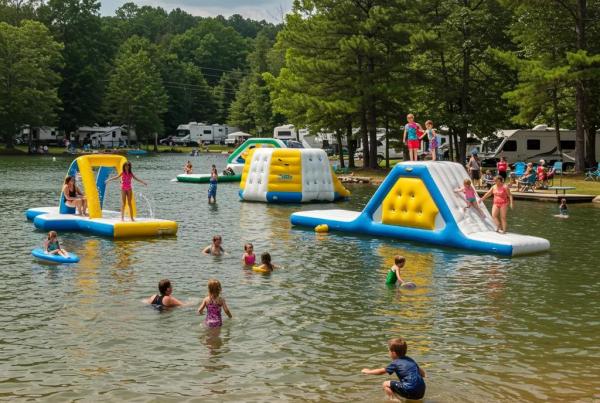
- On-site Recreation & Facilities: Enjoy our swimming lake, Wibit water park, convenient store, and renovated restrooms designed to make longer stays comfortable.
Together, these amenities support daily routines, hygiene, and fun for pets and families throughout your seasonal visit. The following table provides a closer look at key amenity features.
This table clarifies how each amenity addresses the specific needs of pet care during seasonal camping. For image ALT text guidance: use descriptive phrases like “Large enclosed dog park at Walnut Hills with grassy play area and shaded bench” to help visitors easily find visuals related to pet amenities. Now, let’s dive into the specifics of our fantastic dog park.
What Features Make the Large Dog Park Ideal for Seasonal Camping Dogs?
Our large dog park is ideal for seasonal campers’ dogs because it offers a secure environment for frequent, spontaneous play that perfectly complements daily walks and training sessions. Key features include robust, secure fencing, ample shaded areas, easy access to fresh water, and separate zones for small and large dogs to ensure safer, more harmonious play. These elements minimize the risk of escapes, overheating, and mismatched play styles, making socialization safer and more rewarding during extended stays. When choosing a seasonal site, prioritize parks with clear rules and attentive staff oversight to maintain a predictable and safe play atmosphere.
Which Pet Amenities Support Comfort and Safety During Long-Term Camping?
Comfort and safety amenities, such as dedicated pet wash stations, shaded campsite spots, and readily available veterinary contacts, significantly reduce the logistical challenges of extended stays and ensure your pets remain clean and healthy. The principle is simple: amenities that simplify grooming, provide shade, and offer easy access to emergency care prevent minor issues from escalating into major disruptions. Even if some services are off-site, our campground’s provided hygiene stations and updated facilities make routine pet care manageable for seasonal campers. Planning for these amenities before you arrive can save valuable time and minimize stress during your long-term stay.
How Do River Float Trips and Outdoor Activities Include Pets?
River float trips and many water-based activities can be enjoyed with your pets when you follow specific guidelines to ensure safety, proper supervision, and the use of appropriate gear, like canine life jackets. The critical process involves assessing water conditions, adhering to leash rules on shorelines, and opting for alternatives like supervised shoreline play when boats or floats aren’t suitable for pets. For seasonal campers, planning pet-friendly alternatives—short swims, supervised water access, or nearby dog-safe swimming spots—keeps pets engaged without compromising their safety. Always prioritize canine life jackets and close supervision during any water activity.
What Are the Pet Policies and Guidelines for Seasonal Camping at Walnut Hills?
Our clear policies are the foundation for a safe, comfortable seasonal campground environment. They outline leash rules, waste disposal expectations, and any limitations designed to protect all our guests and their beloved pets. The mechanism is straightforward: explicit rules reduce conflicts, ensure sanitation, and make social interactions predictable. For seasonal campers, understanding these policies in advance supports long-term compliance and helps you plan supplies, training reminders, and neighborly conduct. Here are the common policy elements with practical tips for adherence during your extended stay.
Here’s an introduction to our policies and how they help seasonal pet campers stay compliant and enjoy their stay.
- Leash & Supervision: Dogs must be leashed at all times when outside designated off-leash areas; owners must maintain direct control.
- Waste Disposal: Please use the provided waste bag stations and disposal points; carry extra bags and clean up immediately.
- Behavior & Limits: Adherence to quiet hours, limits on the number of pets per site, and expectations for well-behaved animals ensure a comfortable community for everyone.
In short: following these guidelines minimizes conflicts and keeps our shared spaces clean, which is especially important when you’re camping for the season. The next table details specific policy attributes and their rationale.
This policy overview demonstrates how our rules contribute to a safe and enjoyable environment for both pets and people. Following this, we’ll discuss how Walnut Hills enforces and supports these expectations.
What Are the Leash and Waste Disposal Rules for Pets?
Leash and waste rules are fundamental: dogs must be leashed outside designated off-leash areas, and owners must promptly pick up and dispose of waste at provided stations to maintain campsite hygiene. Enforcement typically involves staff reminders, clear signage, and community expectations that encourage compliance and courtesy. Practical tips for seasonal campers include keeping an ample supply of waste bags, a small waste bin at your site, and practicing leash transition cues. Adhering to these rules helps protect wildlife, water quality, and neighborly relations during your long stay.
Are There Any Breed or Size Restrictions for Dogs?
Some campgrounds may have breed or size restrictions, while others welcome all breeds with behavior-based rules. If a restriction isn’t explicitly stated, it’s always best to verify with us before booking your seasonal site. Many providers clarify these restrictions to balance safety with inclusivity, setting expectations regarding aggressive behavior, insurance requirements, or space limitations. Seasonal campers should contact the campground directly to confirm current rules and disclose details about large or multiple dogs when making their reservation to avoid any surprises upon arrival. Having documentation like vaccination records and current IDs ready can streamline this verification process.
How Does Walnut Hills Ensure a Safe Environment for All Campers and Pets?
We ensure a safe environment through a combination of attentive staff oversight, clear signage, designated pet areas, and community norms that champion responsible pet ownership. These measures work together to reduce incidents and foster peaceful long-term stays. Our staff plays a key role in monitoring high-traffic pet areas, enforcing rules, and guiding safe interactions. Facility design, such as our fenced parks and separate trails, also helps minimize cross-traffic and potential conflicts. For seasonal campers, understanding our reporting procedures and staff contact information ensures swift resolution of any concerns. Practicing calm, consistent pet management and following posted rules reinforces campground safety for everyone.
After outlining our policies, it’s important to note that Walnut Hills Family Campground’s seasonal arrangements include specific pet-friendly site options and policies thoughtfully designed to support long-term stays. GatherGrounds Resorts proudly lists pet-friendly seasonal camping sites, including RV, tent, and cabin options, at Walnut Hills in Durand, Michigan. We offer the infrastructure and amenities described above to ensure your family and pets have a wonderful experience. Reserving early and confirming our pet policies will guarantee your seasonal camping adventure is a positive one for everyone.
How Can You Engage Your Pet in Activities During Seasonal Camping?
Engaging your pet during seasonal camping involves a mix of structured events, daily trail and water activities, and access to local pet services to keep them healthy, entertained, and well-cared-for throughout your stay. The key is activity variety: blending social dog-park sessions, supervised water time, and trail walks keeps their interest piqued and fitness levels up, preventing boredom. Practically, this means planning a weekly schedule that balances high-energy play with restful downtime, and incorporating grooming and veterinary check-ins as needed. Below, we outline typical activities, safety practices for trails and water, and how to connect with local pet services.
This list summarizes the typical activity categories that seasonal campers can easily incorporate into their weekly plans.
- Organized Meetups: Enjoy playdates and dog-friendly events designed to encourage socialization.
- Trail Walks & Shoreline Play: Take advantage of leashed hikes and supervised water access for exercise and fun.
- Routine Care Activities: Schedule regular grooming, pet wash sessions, and necessary vet check-ins.
Summarizing these activity approaches highlights how a balanced schedule keeps pets engaged and healthy during long stays. Now, let’s explore event examples and participation tips.
What Dog-Friendly Events and Seasonal Activities Are Available?
Dog-friendly events often include meet-and-greets, organized play sessions, and seasonal gatherings that foster socialization and owner participation. Event schedules can vary by campground and season, so we recommend checking our event calendar. Owners benefit from signing up in advance when registration is required and ensuring vaccinations and behavior standards meet event rules. Participating in structured activities helps dogs build positive social skills and provides owners with predictable outlets for exercise. Event participation also creates wonderful opportunities to meet fellow seasonal campers and exchange pet-care tips.
How Can Pets Enjoy Walking Trails and River Access Safely?
Pets can safely enjoy trails and river access when owners diligently follow leash rules, select routes appropriate for their dog’s fitness level, and use safety gear like canine life jackets in deeper water. The safety mechanism involves careful route selection, pacing, and supervision—shorter loops are ideal for older dogs, while gradual water introductions suit dogs unfamiliar with swimming. Essential gear includes ID collars, bungee leashes for better control near the river, and portable water bowls to prevent dehydration. Planning routes that minimize exposure to steep drop-offs and fast currents ensures outings are both safe and enjoyable.
What Nearby Pet Services Support Seasonal Campers?
Seasonal campers can benefit from a handy directory of nearby veterinary clinics, pet supply stores, groomers, and pet sitters to address health, supply, and care needs throughout their extended stay. The practical step for seasonal visitors is to locate these services, call ahead to confirm operating hours, appointment availability, and whether clinics accept new patients or provide emergency care for onsite pets. Keeping a list of trusted local services and saving their contact numbers on your phone ensures quick access in case of health or supply emergencies. Proactive planning significantly reduces disruptions during your long-term camping experience.
How Do You Book a Pet-Friendly Seasonal Camping Site at Walnut Hills?
Booking a seasonal site involves selecting the right site type for your pet’s needs, following our reservation steps to secure availability, and confirming any pet-related fees or deposit policies to ensure a smooth experience. The process is about careful selection and verification: choose RV, tent, or cabin seasonal options based on space and proximity to pet areas, then verify pet policies during your reservation. Successful booking relies on preparing your documentation, declaring your pet’s details when requested, and inquiring about proximity to dog parks and trail access. The table below helps compare site types for pet suitability.
This comparison of site types helps owners match their pet’s needs with the right seasonal accommodation. The next section provides practical details on site options.
What Seasonal Site Options Are Available for RVs, Tents, and Cabins?
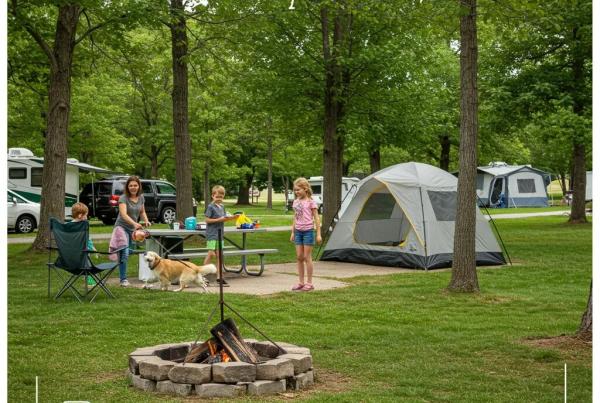
Our seasonal site options typically include RV pads with full utilities, tent sites nestled in wooded or open areas, and cabins offering enclosed shelter. Each option influences pet comfort, access to dog-friendly areas, and the management of waste and bedding. RV sites often keep pets close to their owners with easy access to dog parks and outdoor space. Tent sites offer an immersive outdoor living experience with immediate trail access, while cabins provide sheltered rest for older or more anxious dogs. Owners should consider space, proximity to pet amenities, and utility access when choosing a seasonal site. Selecting the right type minimizes daily friction for long-term pet care.
How Do You Reserve a Site Online for Your Pet-Friendly Stay?
Reserving a seasonal site generally involves checking seasonal availability, selecting your preferred site type, and declaring your pets during the booking process. This allows our campground staff to confirm suitability and any associated deposit requirements. The steps include browsing the seasonal availability calendar, choosing a site category (RV, tent, or cabin), providing pet details if requested, and securing your reservation with any required deposit. For seasonal campers, it’s important to verify pet policies during booking and inquire about proximity to the dog park or trails before finalizing. Having documentation like vaccination records ready can expedite the confirmation process.
- Check seasonal availability: Review our campground’s seasonal calendar for open sites.
- Select site type: Choose RV, tent, or cabin based on your pet’s needs and desired utilities.
- Declare pets: Provide your pet’s details and confirm any deposit or fee expectations.
These booking steps help ensure you select a seasonal site that perfectly fits your pet and family needs. Finally, let’s discuss rates and availability expectations.
What Are the Seasonal Rates and Availability for Pet Owners?
Seasonal rates and availability can vary based on site type, demand, and the time of year. Pet ownership may incur additional fees or deposit requirements, so prospective seasonal campers should always verify exact pricing during their reservation. Rates differ due to a combination of site amenities, the duration of your stay, and the campsite’s location relative to pet areas. We encourage owners to ask about any pet-specific charges and whether discounts or multi-month rates apply. If precise rates aren’t readily posted, please contact campground reservations to confirm seasonal pricing, pet fees, and deposit policies before committing. Being prepared for potential pet-related extras helps avoid surprises when booking your long-term stay.
After reviewing the booking details, owners ready to commit to a seasonal pet-friendly stay should prepare their documentation, choose a suitable site type, and reserve their spot. Walnut Hills Family Campground offers clear expectations regarding rules and proximity to dog amenities. GatherGrounds Resorts operates Walnut Hills Family Campground in Durand, Michigan, where seasonal options include RV, tent, and cabin sites. Pet owners can plan long-term stays that take full advantage of the campground’s large dog park, river float opportunities, and modernized facilities. Reserving early and confirming our pet policies ensures your seasonal camping experience is a positive one for both pets and families.
Frequently Asked Questions
What should I pack for a seasonal camping trip with my dog?
When preparing for a seasonal camping trip with your dog, it’s essential to pack items that ensure their comfort and safety. Bring a sturdy leash, a comfortable harness, and a portable water bowl for hydration. Don’t forget food, treats, and any necessary medications. A pet first-aid kit, grooming supplies, and waste bags are also crucial. Additionally, consider bringing a dog bed or blanket for comfort, toys for entertainment, and a life jacket if you plan on engaging in water activities. Proper preparation enhances the camping experience for both you and your pet.
How can I keep my dog safe from wildlife while camping?
Keeping your dog safe from wildlife during camping involves several proactive measures. Always keep your dog leashed, especially in areas known for wildlife activity. Avoid letting them roam freely, particularly near water sources or dense vegetation. Educate yourself about local wildlife and their behaviors, and be cautious during dawn and dusk when animals are most active. Additionally, ensure your dog is up-to-date on vaccinations to protect against potential wildlife-borne diseases. Lastly, consider using deterrents like bear bells or whistles to alert wildlife of your presence.
What are the best activities to do with my dog while camping?
There are numerous enjoyable activities to engage in with your dog while camping. Daily hikes on pet-friendly trails provide excellent exercise and mental stimulation. You can also explore swimming opportunities in lakes or rivers, ensuring your dog wears a life jacket if needed. Organizing playdates with other dogs at the campground’s dog park can enhance socialization. Additionally, consider setting up a scavenger hunt or agility course using natural obstacles. These activities not only keep your dog active but also strengthen your bond through shared experiences.
How can I manage my dog’s behavior during long stays?
Managing your dog’s behavior during long camping stays requires consistency and routine. Establish a daily schedule that includes regular feeding, exercise, and playtime to help your dog adjust. Use positive reinforcement techniques to encourage good behavior, rewarding them for following commands and being calm. If your dog shows signs of anxiety or restlessness, provide them with engaging toys or puzzles to keep their mind occupied. Additionally, ensure they have a comfortable space to retreat to when they need downtime, which can help reduce stress and promote relaxation.
What should I do if my dog gets lost while camping?
If your dog gets lost while camping, remain calm and act quickly. Start by retracing your steps and calling your dog’s name in a calm voice. Check nearby areas, including bushes and under tents, where they might be hiding. Use treats or toys to lure them back if they respond to specific sounds. Inform campground staff and fellow campers about your lost dog, providing a description and any identifying features. It’s also wise to have your dog microchipped or wear a collar with an ID tag to increase the chances of a safe return.
Are there any specific health precautions I should take for my dog while camping?
Yes, taking specific health precautions for your dog while camping is essential. Ensure your dog is up-to-date on vaccinations, especially for diseases common in wildlife. Bring a first-aid kit tailored for pets, including items like antiseptic wipes, bandages, and any necessary medications. Protect your dog from parasites by using flea and tick prevention treatments. Additionally, keep your dog hydrated and monitor them for signs of overheating, especially during warm weather. Regularly check their paws for cuts or irritations from rough terrain, and provide a shaded area for them to rest.
Conclusion
Seasonal camping with dogs at Walnut Hills Family Campground offers numerous benefits, including improved health, stable routines, and enhanced family bonding through shared activities. The campground’s pet-friendly amenities and clear policies ensure a safe and enjoyable experience for both pets and their owners. By planning ahead and reserving your seasonal site, you can create lasting memories with your furry companions. Explore our options today to secure the perfect spot for your family and pets.