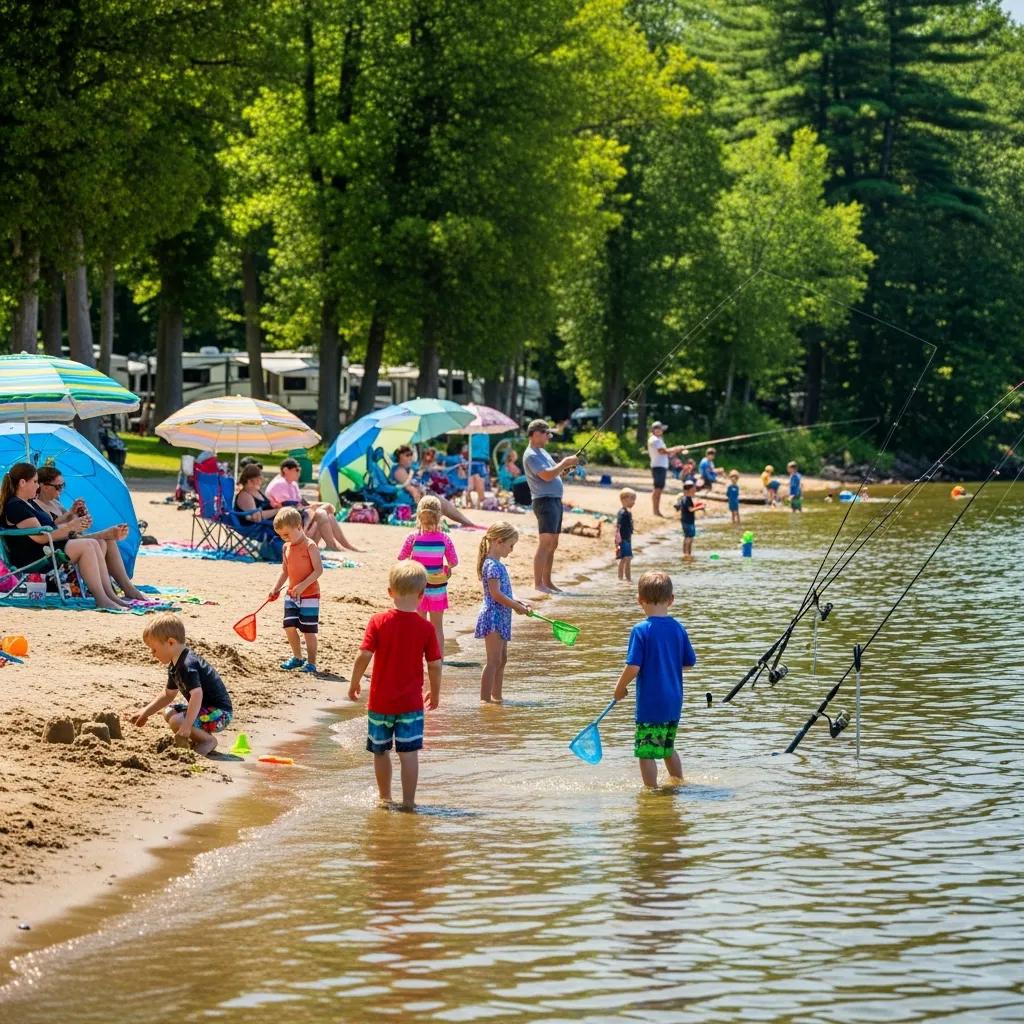
Explore Michigan Campgrounds With Swimming and Fishing Access: A Family-Friendly Water Guide
Finding Michigan campgrounds that combine safe swimming and easy fishing can turn a regular weekend into a family memory. This guide shows how to spot sites with both water access and angling options, what to expect from lakes, beaches, ponds, and seasonal features, and practical planning steps for families traveling from nearby cities. If you want shallow sandy beaches for young kids and stocked ponds or nearby lakes for beginner anglers, this piece helps you weigh those trade-offs and pick the right spot. You’ll find a curated list of regional favorites, a clear breakdown of common water amenities, a close look at a nearby campground, activity ideas to pair with water time, and step-by-step planning checklists. Read on for quick comparison tables, short ‘what-to-know’ lists, and practical tips to make the most of swimming and fishing at Michigan campgrounds.
Which Michigan Campgrounds Are Best for Swimming and Fishing?
Top campgrounds that do both well offer safe shoreline access, marked swim areas, family-first safety features, and on-site or nearby waters suited to all ages. Typical selection factors include drive time from metro areas, a sandy beach or gradual swim entry, a dedicated fishing pond or easy lake access, and family amenities like playgrounds or supervised events. Below are common campground types that often meet those needs for southeast Michigan and regional travelers, with notes on why each works for different families.
Quick picks by park type and why they matter:
- Family-focused lake campgrounds: Sandy beach access and gentle swim spots ideal for toddlers and novice swimmers.
- Campgrounds with fishing ponds: Low-pressure, kid-friendly fishing close to campsites.
- State-park adjacent sites: Access to larger lakes and trails for day-trip fishing beyond the campground shoreline.
- Resort-style campgrounds: Scheduled family events and extra water features to keep kids busy when the weather shifts.
The quick comparison below helps you scan typical offerings and decide which campground type fits your priorities.
This table clarifies which amenity mixes support different family goals and leads into the regional options below. The next two subsections focus on practical choices for families near Ann Arbor and Detroit and explain how drive time and amenities shape the decision.
Top Family Campgrounds Near Ann Arbor With Water Activities
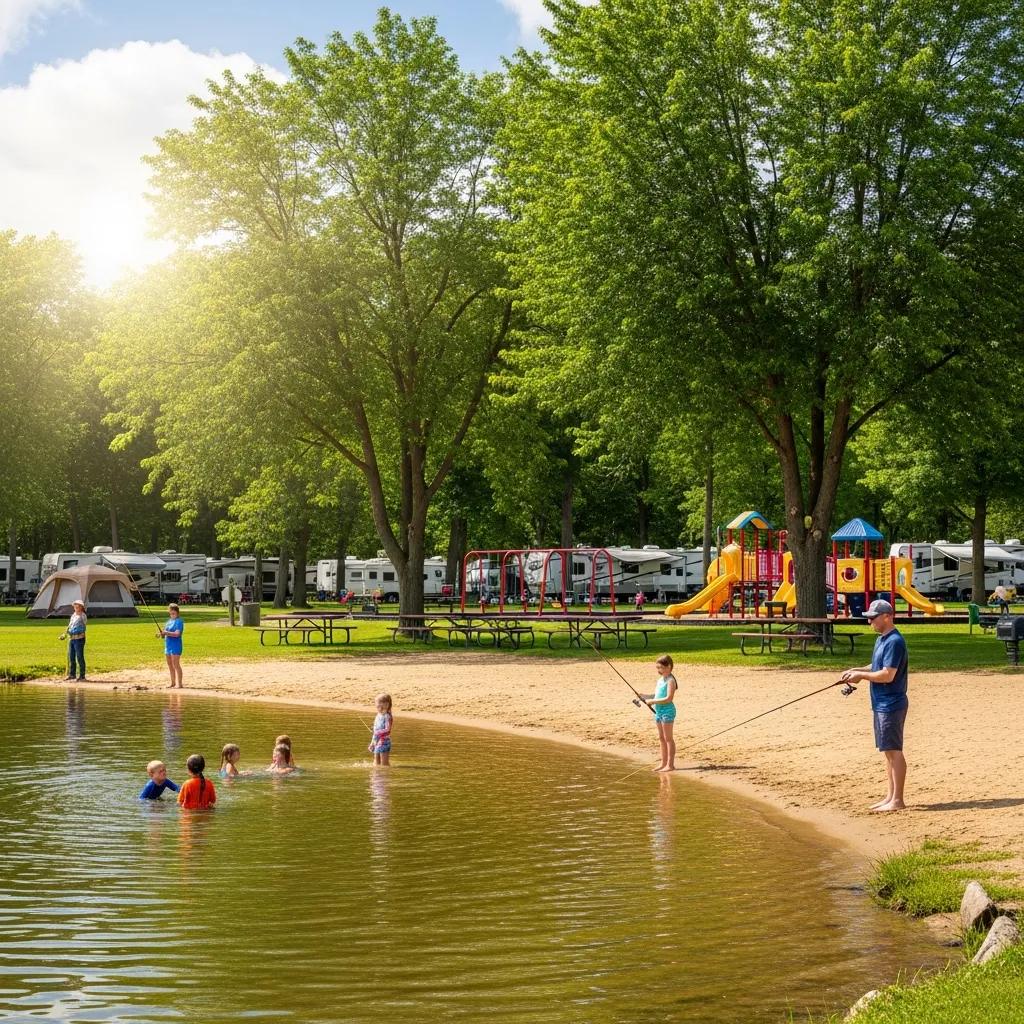
For families in the Ann Arbor area, the best campgrounds balance short drives with safe swim access and easy fishing—either on-site or a short drive away. Look for sandy beaches, clearly defined swim zones, and calm pond fishing that reduce supervision stress for parents and offer quick wins for kids learning to fish.
Also consider nearby services—grocery stores and bait shops—so quick resupplies are simple, and prioritize campgrounds with playgrounds or weekend activities to keep children busy between swims and fishing trips. Drive times under an hour work best for frequent weekend getaways, while sites near larger state recreation areas give anglers more species and shoreline types to explore. Choosing a campground with both on-site swim areas and nearby lake access gives flexibility if weather or water conditions change.
Popular Campgrounds Near Detroit Offering Fishing and Swimming
Families from the Detroit metro often prefer campgrounds within about 90 minutes that still provide a clear swim beach and accessible fishing. Good choices pair a maintained swim shoreline or swim lake with a family-friendly fishing pond or a short drive to larger fishing lakes.
When comparing options, check for weekend family programming and whether swim windows are supervised during peak season. Anglers gain value from nearby state recreation areas with varied species and longer shorelines; swimmers benefit most from shallow entries and well-kept beaches. Easy access from major routes and simple parking tend to make a campground your go-to for repeat weekend trips.
What Water Amenities and Features Can You Expect at Michigan Campgrounds?
Water amenities usually fall into a few clear categories—natural lakes with sandy beaches, small man-made swim lakes, fenced pools, and dedicated fishing ponds—each with different safety, maintenance, and family-fit profiles. Knowing the differences helps you pick a campground that matches your children’s ages, an angler’s experience level, and comfort with natural water conditions. Supporting infrastructure—restrooms, changing areas, docks, and lifeguards—also affects how long families can comfortably spend at the water. Below are concise feature descriptions and why they matter for family stays.
Common water features and family benefits:
- Natural lakes with sandy beaches: Wide shorelines and gradual depth changes that are great for play and supervised swimming.
- Man-made swim lakes: Engineered depths and clearer water for predictable swim conditions and easier lifeguard coverage.
- Fishing ponds: Often stocked and easy to fish from the bank or a dock—perfect for getting kids hooked on fishing.
The table below explains typical offerings and why families value them.
Once you understand feature types, compare safety and seasonal availability so visits line up with lifeguard schedules, water quality, and stocking cycles. The next sections break down what to expect from swimming beaches and fishing ponds specifically.
Swimming Lakes and Sandy Beaches at Michigan Campgrounds
Sandy swimming lakes give families a familiar waterfront experience—shallow wading, soft sand for play, and space to spread out. Many beaches are maintained by campground staff and have marked swim zones and nearby restrooms or picnic areas. Safety basics include checking posted lifeguard times, scanning shorelines for sudden drop-offs, and following any water-quality advisories. Bring life jackets for weak swimmers and water shoes for rocky entries.
Sandy beaches support activities like sandcastles, gentle swimming, and supervised floating. Knowing when swim zones are staffed helps you schedule water time for maximum safety and fun.
Fishing Ponds and Lakes Suitable for All Ages
Campground fishing ponds are often placed close to campsites, with docks or cleared bank spots and a history of stocking that boosts success for novice anglers. These ponds are ideal for teaching kids rod handling, casting, and catch-and-release in a low-pressure setting. Larger nearby lakes add variety for anglers wanting different species or boat fishing, but ponds are perfect for short, child-friendly outings. Before you go, check licensing rules and species limits and pack small hooks and bobbers to improve the odds of a positive experience. Supervision is essential near ponds since banks and depths can change quickly.
How Does The Oaks Campground Stand Out for Swimming and Fishing Experiences?

The Oaks Campground, operated by GatherGrounds / GatherGrounds Resorts, highlights several water and family features that make it a practical option for southeast Michigan campers who want both swim and fish in one stay. The property lists a swimming lake with a sandy beach, an on-site fishing pond, golf cart trails to ease movement across the property, and playgrounds for children. Weekend family events and a planned Wibit water park for 2027 add to on-site options. The campground is conveniently reachable from Detroit, Ann Arbor, Jackson, Toledo, and Fort Wayne. Ownership and operations will transition to GatherGrounds Resorts at the end of the 2025 season, which the campground notes as part of its upcoming management plans.
Below is a brief overview of The Oaks’ water-related strengths and booking guidance for families considering a stay.
- Swim-friendly beach and lake: Sandy shoreline with defined swim areas ideal for family beach days.
- On-site fishing pond: Easy bank and dock access for beginner anglers and children.
- Family amenities and events: Golf cart trails, playgrounds, and weekend programming that complement water activities.
If your family is ready to plan a stay, reservations for The Oaks Campground go through the campground’s official booking page; we recommend checking availability early for summer weekends and holidays. After you decide which water features matter most, The Oaks is a nearby example of a campground that combines swimming, fishing, and family programming in one visit.
Swimming Lake and Sandy Beach at The Oaks Campground
The Oaks’ swim lake and sandy beach support family swim sessions with easy shoreline entry and nearby restrooms and changing areas. The shallow beach is ideal for young children to wade while adults supervise close by or join in foreshore activities. The facility typically posts swim rules and lifeguard hours during peak times; plan standard safety measures like life jackets for weaker swimmers and a first-aid kit on hand. Beach activities—sand play, shallow floats, and group swimming—pair with picnic spaces and trails, making the lake a natural gathering spot during the day. These features help families decide whether a beach-focused stay fits their needs.
Dedicated Fishing Pond and Nearby Waterloo State Recreation Area
The Oaks’ on-site fishing pond provides simple bank and dock access suited to teaching kids basic angling without the need for boats. The pond’s manageable size, accessible walkways, and likely stocking or maintenance make it friendly for small tackle and short sessions. For anglers wanting more variety, nearby Waterloo State Recreation Area offers trails, larger lakes, and different shoreline fishing opportunities. Pairing quick, supervised pond lessons at the campground with a day trip to Waterloo gives a balanced itinerary: short learning sessions and longer exploration for more experienced anglers. Planning both options into a stay extends activity choices and suits groups with mixed abilities.
What Family Activities and Events Make a Camping Trip Better in Michigan?
Water is often just one part of a full family camping experience. On-site options like golf cart trails, playgrounds, scheduled weekend events, and seasonal attractions turn a short visit into a multi-day getaway. These activities let families alternate between active exploration and relaxed water time, preventing burnout and keeping kids engaged throughout the trip.
Common family activity types and their benefits when paired with water amenities:
- Guided or self-guided trails: Encourage nature discovery and offer alternatives to nonstop water play.
- Organized weekend events: Provide structured entertainment that frees caregivers and helps kids make friends.
- On-site playgrounds and sports areas: Give active play options when water access is limited or for non-swimmers.
Comparing these activity types helps families plan a daily rhythm that balances swim time, fishing, and land-based play—making the trip more relaxed and fun for everyone.
Golf Cart Trails and Nature Exploration Opportunities
Golf cart trails and short nature routes make getting around easier for families with young children and lots of gear, and they expand activities beyond the water. Trails that allow golf carts cut walking time between campsites, restrooms, and activity hubs, so transitions between fishing and beach time are quicker. Nature exploration along these paths—scavenger hunts, birdwatching, or short interpretive walks—engages kids with local ecology and creates calm windows for adults. Keep safety in mind with age-appropriate cart rules and clear signage; short loop routes work well for younger children to build confidence. Trails connect water features with other amenities and broaden what a stay can include.
Weekend Family Events and the Planned Wibit Water Park for 2027
Weekend family events usually include crafts, group games, kid tournaments, and short sessions that teach fishing basics or swim safety—activities that add structure to a stay and extend its value beyond free play. The planned Wibit water park for 2027 will add an inflatable, obstacle-course-style attraction to the swim lake, creating a new draw for families seeking more active aquatic play.
Wibit-style inflatables blend physical challenge with supervised play but also require clear age, height, and safety rules that parents should review once details are available. Pairing weekend programming with expanded water attractions makes campgrounds more resilient to weather changes and keeps multi-day stays interesting for kids of different ages.
How to Plan Your Michigan Camping Trip With Water Access and Fishing
Planning a water-focused camping trip means matching site type, booking timing, gear, and regulations so swimming and fishing are safe and enjoyable. Decide whether you need RV hookups or tent sites near the water, then match site slope, privacy, and proximity to facilities with your group’s comfort. Pack safety and fishing gear and verify Michigan fishing license requirements for everyone in your party. Finally, consider seasonality—water temperatures, lifeguard schedules, and stocking dates—that can affect whether a campground’s swim or fishing offerings meet expectations on your travel dates.
The short checklist below covers the essentials with clear recommendations:
- Choose the right site: Pick RV hookups and flat pads for mobility needs; choose tent sites closer to swim areas if you want instant beach access.
- Pack essential gear: Life jackets, a first-aid kit, sun protection, basic fishing tackle, and shore-friendly rods keep water days safe and productive.
- Confirm permits and rules: Check Michigan fishing license requirements and campground-specific fishing rules before you go.
Refer to the table below for itemized planning notes and suggestions.
Once gear and permits are set, book early for summer weekends and holidays—beach-front and pond-access sites fill up fast. The sections that follow expand on campsite selection and must-have gear.
Choosing Between RV Sites and Tent Camping Near Water
Choosing RV versus tent camping near water depends on comfort, supervision needs, and how close you want to be to the swim area. RV sites offer hookups, level pads, and conveniences that simplify supervision and quick trips between campsite and beach—ideal for families with small kids or mobility concerns. Tent sites closer to the water put you steps from the shore for constant supervision but usually mean more gear to carry and longer walks to restrooms.
Waterfront sites are in high demand in peak season, so early reservations improve your chances of getting the spot you want. Multi-family groups often reserve adjacent RV pads for convenience, while minimalists may choose primitive lakeside tent sites for a quieter shoreline experience.
Essential Gear and Fishing Regulations for Michigan Campgrounds
Packing well makes swimming safer and fishing more fun. Essentials include life jackets for non-swimmers, a basic first-aid kit, sun protection, small fishing rods with bobbers, and child-sized vests. For fishing, bring basic terminal tackle, a few baits or lures, and a landing net to ease catch-and-release with young anglers. Michigan requires fishing licenses for most anglers aged 17 and up, and rules vary by species and water body—so check state guidance before fishing on-site or at nearby lakes. Above all, supervise children closely around water, designate a watcher during swim times, and follow posted swim and fishing rules to keep everyone safe and having fun.
Where Are Michigan Campgrounds With Unique Water Features and New Attractions?
Campgrounds with standout water amenities and upcoming attractions are increasingly popular with families who want more than basic swim-and-fish stays. Unique offerings include inflatable water courses (Wibit parks), multi-zone swim lakes with play structures, and sites that combine on-site ponds with nearby lakes. Watching for announced upgrades helps families plan around new attractions like a Wibit park, which can change booking demand and programming. Knowing which campgrounds plan improvements or sit near top fishing lakes helps you pick stays that match your interests.
How to evaluate future-focused water campgrounds:
- Planned attractions: Track announced installs like Wibit courses and expanded event calendars to time visits when new amenities open.
- Unique water features: Look for multi-zone swim lakes, diving-free splash areas, and combined pond-lake access for varied activities.
- Fishing access: Choose properties near notable lakes or with on-site stocked ponds for layered angling options.
The next sections explain Wibit parks and outline notable lakes for anglers who want to combine camping with strong fishing options.
Campgrounds Featuring Wibit Water Parks Coming in 2027
Wibit water parks are inflatable obstacle courses placed on a swim lake that offer dynamic, supervised aquatic play for older kids and families. They often become marquee attractions that boost a campground’s family appeal. A Wibit requires safety protocols, trained staff, and clear age/height rules that parents should review. The planned Wibit rollout for 2027 will likely increase demand at participating properties, especially on summer weekends—so plan ahead and confirm operational policies once a site opens the attraction.
Best Lakes and Water Access Points for Fishing in Michigan
Michigan’s lakes vary by species and shoreline type; campgrounds with direct access or short drives to prime lakes give anglers flexibility. Smaller lakes and stocked ponds are best for family outings and quick success, while larger lakes open up casting and boat techniques where launches are available. Season matters: spring and fall often bring different species activity than midsummer, and water temperature affects where fish are active. Combining short pond trips with day trips to nearby lakes gives families quick wins and longer angling adventures in a single stay.
Frequently Asked Questions
What safety measures should families consider when swimming at campgrounds?
Prioritize safety by checking for lifeguards and posted swim-zone boundaries, and inspect the shoreline for sudden drop-offs. Bring life jackets for non-swimmers and keep children supervised at all times. Review any posted swim rules and local water-quality advisories before heading in. A well-stocked first-aid kit is a smart addition for minor injuries or emergencies.
Are there specific fishing regulations families should be aware of in Michigan?
Yes. Most anglers aged 17 and older must carry a valid Michigan fishing license, and rules vary by species and water body. Check size and bag limits and any campground-specific fishing rules before you fish. Packing the right gear and following local regulations helps ensure a positive outing.
What types of family activities can enhance the camping experience beyond swimming and fishing?
Guided or self-guided trails, organized weekend events, and on-site playgrounds broaden the camping experience beyond water activities. Crafts, games, and small tournaments give kids structure and help parents get a break. Simple nature activities like scavenger hunts or birdwatching add variety and learning opportunities.
How can families prepare for changing weather conditions during their camping trip?
Check the forecast before you leave and pack layers, rain gear, and sun protection. Have a backup plan for indoor activities in case of storms, and make sure your campsite offers sturdy shelter. Emergency supplies—first-aid kit, flashlights, and extra food—help you stay safe and comfortable if conditions shift.
What are the benefits of choosing campgrounds with both swimming and fishing amenities?
Campgrounds with both swimming and fishing give families a balanced outdoor agenda that suits different interests and skill levels. Swimming is great for play and cooling off; fishing builds skills and creates quiet bonding time. Having both on-site cuts down on travel and makes it easier to mix activities across a single stay.
How can families find campgrounds that meet their specific needs for swimming and fishing?
Use campground websites and reviews, filter search tools on reservation platforms, and reach out to local tourism offices or camping groups for recommendations. Look for detailed amenity descriptions—sandy beaches, fishing ponds, lifeguards, and family programming—to find places that match your priorities.
What should families consider when planning their camping meals near water activities?
Plan for convenience, nutrition, and safety. Choose easy-to-prepare meals—sandwiches, salads, and simple one-pot dishes—that travel well. Use a reliable cooler for perishables and pack foods that hold up in heat. Align meal times with activity schedules so everyone has energy for swimming and fishing and enough downtime to relax.
Conclusion
Choosing Michigan campgrounds that offer both swimming and fishing gives families a flexible, activity-rich getaway that appeals to different ages and interests. By understanding water features, safety considerations, and what to pack—and by booking early for peak dates—you can plan a smooth, memorable trip. Ready to explore? Start with our curated list of top campgrounds to find the right spot for your family’s next outdoor escape.