

Why Michigan Campgrounds with Equestrian Trails Make Great Horse‑Camping Destinations
Horse camping at Michigan campgrounds with equestrian trails blends long, well‑marked riding routes, varied terrain, and family‑friendly recreation into one easy getaway. This guide walks you through why Michigan stands out for horseback trips, how trail systems and campground amenities work together to support horses and families, and practical steps for planning a safe, enjoyable stay. Riders value trailer‑friendly parking, reliable water and tie‑up options, and nearby support services — and Michigan’s mix of state recreation areas and private campgrounds delivers those basics while offering scenery that ranges from hardwood forests to wetland corridors. Read on to learn what to expect on the trails, which campground features matter most for horse comfort and safety, how to prepare gear and trailers, and where the most useful trail systems and parks are. We then map those points to real logistics — trailhead access, staging, permits, and family activities — so you can move from plan to reservation with confidence.
Why Michigan Equestrian Campgrounds Work So Well for Horse Camping
Michigan’s equestrian campgrounds succeed because they pair extensive trail mileage with campground sites that accommodate rigs and basics for horses. Large public recreation areas often include miles of signed equestrian trails, and nearby campgrounds commonly offer trailer parking, water access, and places to tie up. That proximity reduces haul time, gives riders more saddle hours, and eases logistics like feed runs or veterinary care. Families appreciate this setup because it lets riders enjoy long outings while non‑riders take advantage of lakes, playgrounds, and short walks—making a single trip appealing to everyone. Below we break down how trail scenery and surface types influence route choice for different experience levels.
Michigan’s equestrian advantages—simply put:
- Extensive trail systems that support long rides and flexible loop trips.
- Scenic variety—from forests and dunes to wetlands—that keeps rides interesting.
- Nearby services and family amenities that streamline planning and broaden appeal.
Next, we look at how specific trail characteristics translate to what you’ll feel under saddle and how to pick routes that match your goals.
How Michigan’s Scenic Trails Improve the Riding Experience
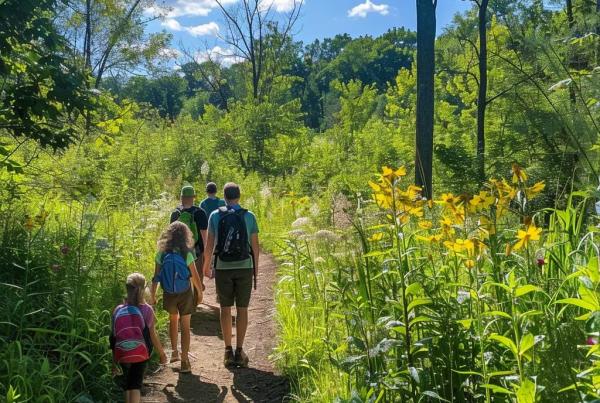
Michigan’s trails move through different ecological zones—hardwood forests, pine stands, river corridors and sandier soils—so footing, sightlines and pace change as you ride. Surface and drainage influence hoof health and effort: packed dirt and firm singletrack favor a quicker pace, while soft or sandy stretches need gentler, slower work. Families usually choose shorter loops with frequent scenic stops and minimal elevation change; advanced riders may seek longer loops with technical sections to test balance and stamina. Understanding these variations helps you plan daily distances, rest breaks and shoeing or boot choices to keep your horse sound and your ride enjoyable.
Noticing how terrain shifts on a ride also points you toward a few straightforward pre‑ride checks and warm‑up routines — which we cover next — along with tips for choosing family‑friendly versus advanced routes.
Family‑Friendly Amenities That Support Equestrian Campers

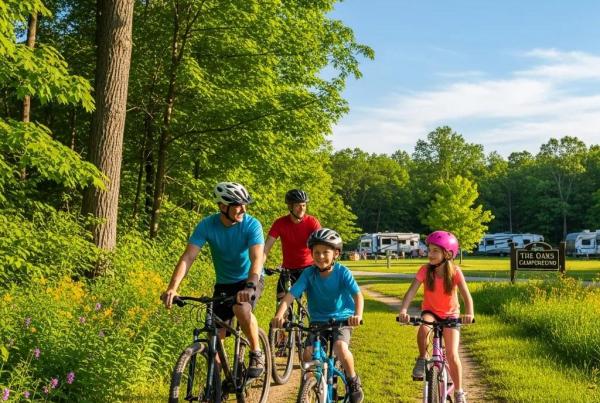
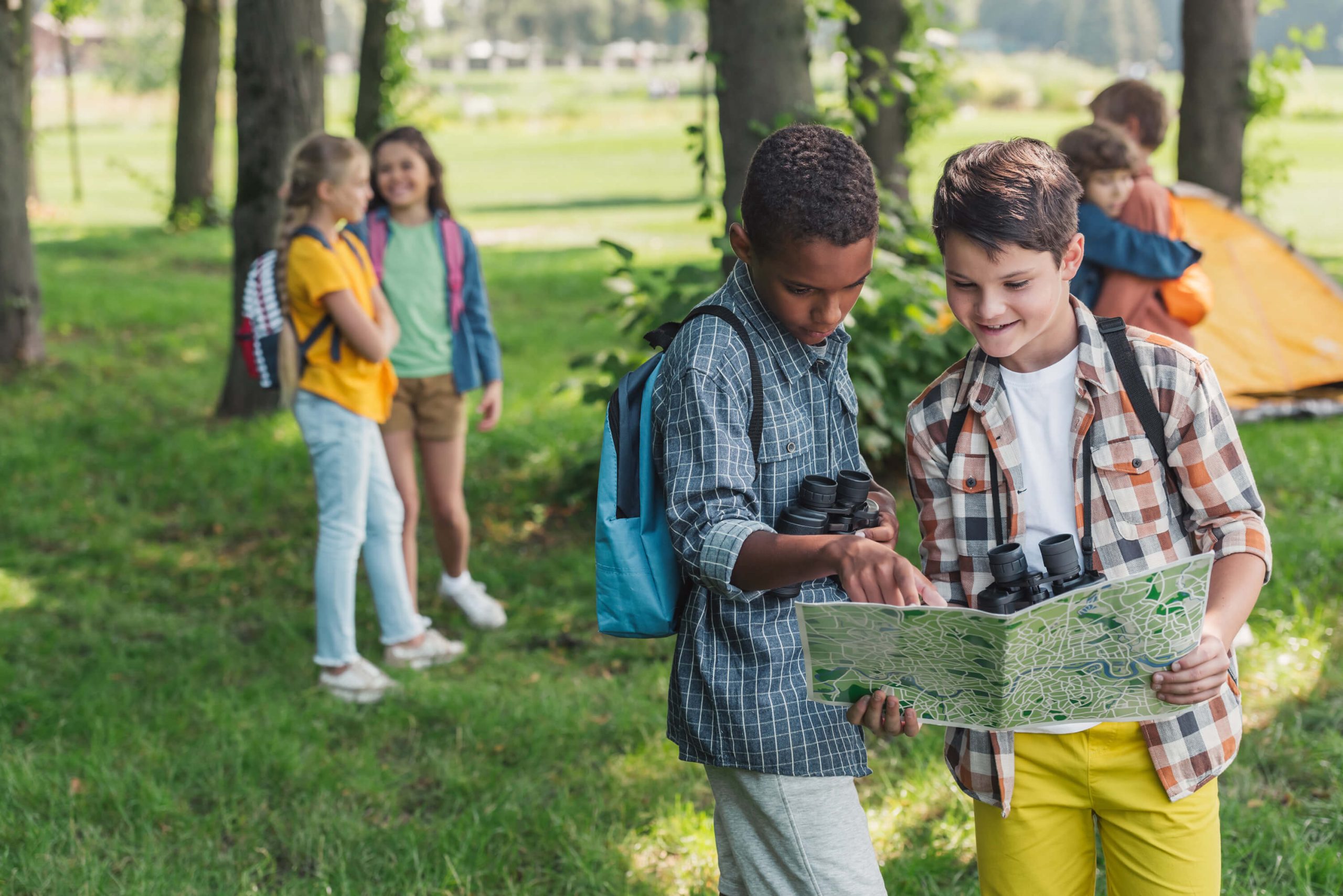
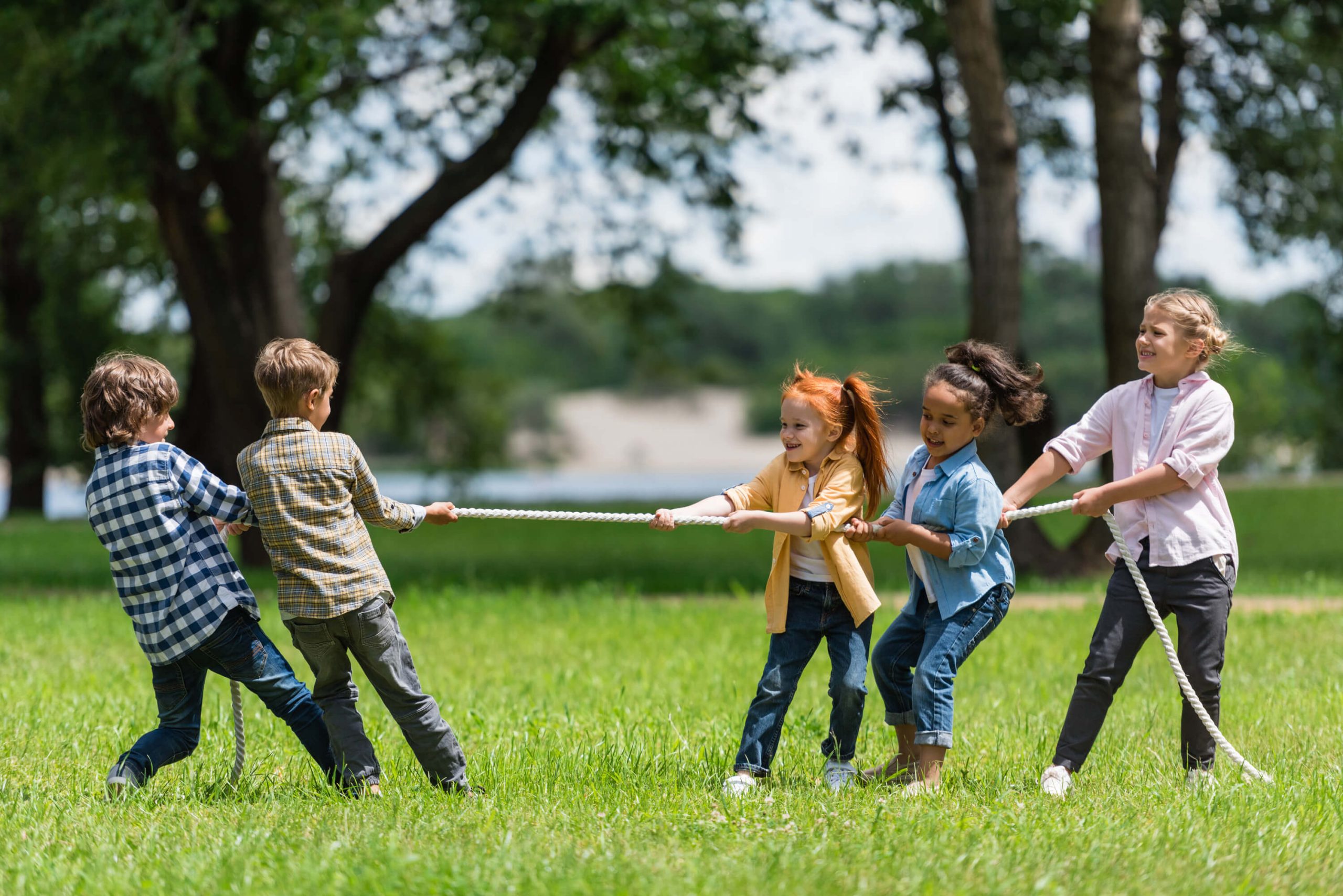
Campgrounds that balance equestrian needs with family amenities make multi‑day stays practical for everyone. While riders tack up and hit the trails, non‑riders can swim, fish, picnic, or play nearby—keeping the group happy and occupied. Safety features like clearly marked pedestrian paths, fenced play areas and well‑maintained picnic spots let families split time without constant supervision. Many campgrounds also offer short loop trails or multi‑use paths close to camp, which are perfect for pony rides or short family loops with little elevation change.
These family facilities lead into how individual campgrounds—public and private—handle trailer parking and staging, which we cover next.
How The Oaks Campground Connects You to Premier Equestrian Trails
The Oaks Campground serves as a convenient gateway to the Waterloo State Recreation Area, which offers a large network of marked equestrian trails and multiple trailheads for day rides. In practice this means you can park your trailer at campground‑recommended staging areas, tack up nearby, and be on a well‑signed trail quickly. That close relationship between campground and trailhead cuts transit time, adds saddle hours, and simplifies logistics for horse owners hauling from the metro area. On‑site amenities and nearby services make The Oaks a practical basecamp for equestrian‑focused stays.
For riders planning a trail‑centered stay, The Oaks Campground by GatherGrounds in Munith, Michigan, is an easy reservation option; book a site close to staging to take advantage of nearby trail access and family amenities. Remember to check Waterloo’s trail rules and seasonal notices before you go.
Which Equestrian Trail Systems Are Near The Oaks Campground?
The main system near The Oaks is the Waterloo State Recreation Area trail network, which offers many miles of marked riding routes and multiple trailer‑friendly trailheads a short drive from campground staging areas. Trails range from short family‑friendly loops to longer routes for experienced riders; always consult posted maps and trailhead notices for current conditions and seasonal closures. Nearby public lands and local parks can provide alternative routes if primary sections are closed. Knowing which trailheads have ample trailer parking and clear signage helps you start and finish your rides efficiently.
Next, we cover practical staging at The Oaks and how it affects daily routines and safety while you’re on site.
How The Oaks Campground Supports Horse Campers
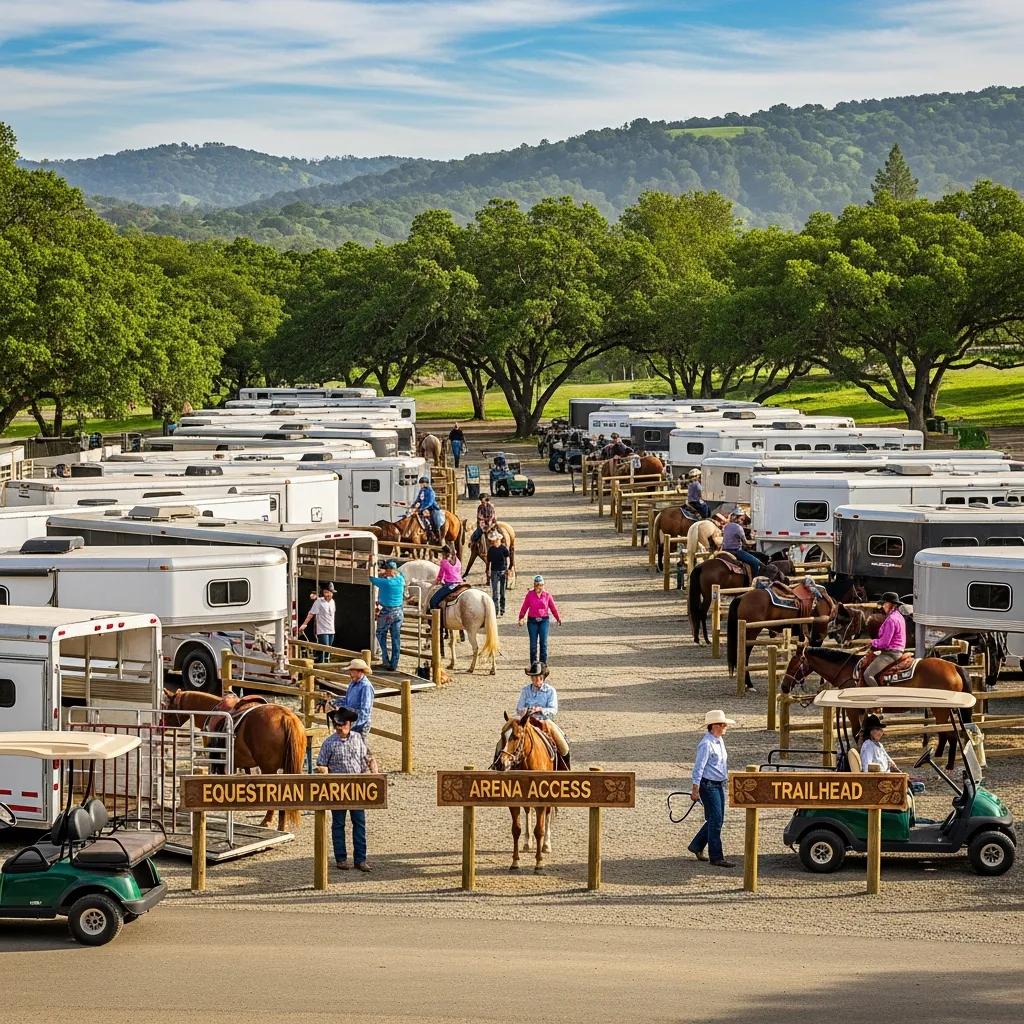
At The Oaks, staging for horse campers focuses on common‑sense practices: pick larger pull‑through or back‑in sites for trailers, use designated parking for rigs, and follow campground guidance for water access and waste disposal. Private campgrounds sometimes have limited equestrian infrastructure, but you can use nearby Waterloo staging areas for warm‑ups and secure hay/feed in your vehicle. The Oaks also offers family amenities—swimming lake, fishing pond and golf‑cart trails—that let non‑riders enjoy camp while horses rest. Letting staff know your arrival time and trailer needs ahead of time usually helps secure an appropriate site on busy weekends.
Those staging tips lead into a practical checklist of horse‑focused amenities to expect at Michigan campgrounds.
Essential Amenities to Expect at Horse‑Friendly Campgrounds in Michigan
When you evaluate horse‑friendly campgrounds in Michigan, look for trailer parking, reliable potable water, tie‑up posts or hitching rails, and secure manure disposal. Those basics protect horse health and campsite cleanliness: level parking reduces stress unloading, water and wash stations aid recovery after rides, and proper manure management limits flies and environmental impact. Campgrounds that cater to equestrian visitors often list nearby feed stores, farriers and veterinary contacts, which shortens response time in an emergency. Checking these features before booking helps ensure your rig, your horse and your family have what they need for smooth trail days.
Common amenities to confirm before arrival:
- Trailer‑friendly parking with level sites and room to maneuver.
- Fresh water access and wash areas for cooling and cleaning horses.
- Tie‑up posts, hitching rails, or corrals for short‑term holding.
- Manure disposal options and accessible restrooms for owners.
- Nearby feed stores, farriers, and veterinary services for support.
Below is a quick comparison that shows how typical campgrounds (including The Oaks) line up on horse‑specific amenities.
Next we highlight specific facilities that add comfort and where to find nearby professional services during your trip.
Facilities That Improve Comfort and Convenience for Horse Campers
Helpful facilities include dedicated wash racks, elevated and well‑drained trailer parking, secure corrals or paddocks, and covered hay/tack storage. A good wash rack (or at least clean water for hosing) aids post‑ride care and reduces the risk of skin or hoof issues. Corrals or temporary paddocks let you leave horses safely while you join family activities. When full corrals aren’t available, shaded tie‑up areas with sturdy rings and nearby water are practical alternatives. Knowing what to expect shapes your packing list and arrival plan.
Finding Support Services Near Michigan Campgrounds
Identify local veterinarians, farriers and feed suppliers before you go and confirm hours and emergency availability. Regional equine associations and state park offices often keep vetted lists; park bulletin boards or visitor centers may post contacts at trailheads. Consider pre‑ordering hay or arranging a local drop if you’ll need extra feed. Carry a vet card, save nearby clinic contacts in your phone and on paper, and ensure your trailer insurance or roadside assistance is current — that preparation shortens response time if something goes wrong.
Use this compact checklist as a quick reference before you head out for a Michigan equestrian camping trip.
How to Plan a Successful Horse‑Camping Trip to Michigan
Successful horse camping in Michigan comes down to three things: confirm rules and reservations, prepare your rig and gear, and plan conservative daily riding that matches your horse’s conditioning and trail conditions. Combine regulatory compliance (permits, closures) with practical readiness (equipment, feed, emergency contacts) to reduce surprises on the trail. Reserve gateway campgrounds in advance to ease arrival, and run pre‑ride checks on shoes, girths and hydration so your horse starts each day ready. Break planning into stages—pre‑departure, en‑route, and daily routines—so you can adapt quickly to weather or trail changes.
- Confirm campground reservations and any equestrian‑specific requirements.
- Do a full trailer inspection and pack a comprehensive emergency kit.
- Plan feed/water logistics and map nearby support services.
- Review Michigan DNR trail permits and seasonal restrictions for your route.
The checklist above leads straight into practical gear tips for packing and preparation.
Gear and Preparations for Michigan Horse Camping
Pack a complete trailer maintenance kit, weatherproof feed storage, adequate water containers and hoses, and first‑aid kits for both horse and rider. Test trailer lights, verify axle and brake condition, and bring a recovery kit to limit roadside delays. For horses, bring protective boots, ensure proper shoeing and follow a conditioning plan that matches planned mileage. Riders should pack a helmet, layered clothing for Michigan’s variable weather, and a personal first‑aid kit. These steps keep your trip on schedule and your horse comfortable.
Michigan DNR Regulations for Equestrian Camping
Michigan DNR rules typically define where horses may ride, list animal welfare expectations, specify designated rig camping locations, and note seasonal closures in sensitive areas. These regulations protect trails and habitat while keeping users safe. Check permit requirements for individual parks, follow manure and feed storage rules, and observe trail etiquette—yielding, speed control, and staying on marked routes. Consult official DNR pages or call park offices before you travel to avoid unintentional violations.
With these items covered, you’re ready to choose the right park for your trip.
Which Michigan State Parks Offer the Best Horse Trails and Equestrian Camping?
Some of Michigan’s best horse trails and equestrian campgrounds are found in large state recreation areas and select parks that pair long trail mileage with trailer‑friendly campsites. When choosing a park, match your goals—distance, technical terrain, scenery—to park features like corrals, parking, water access and nearby services. Parks dedicated to equestrian use typically provide mapped trails and clearer staging; others allow horses on multi‑use trails during set seasons. Evaluate trail length, footing and on‑site facilities to find the right fit for your group.
The next section names trail types and seasonal recommendations, followed by a comparison of parks by amenities so you can pick by preference.
Top Equestrian Trails in Michigan State Parks
Top trails often feature long loops or river‑corridor rides with varied surfaces, reliable wayfinding and seasonal highlights like fall color or spring wildflowers. Look for trail segments offering multiple loop options to adjust mileage and trailheads with ample trailer parking and clear signage. Best seasons vary by region—spring and fall often have cooler temps and better footing inland, while summer rides near lakes are best done early to avoid heat. Trails with maps and designated camping make multi‑day plans most reliable.
From there, compare parks on amenities to match facility levels with your needs.
How Parks Compare for Horse‑Camping Amenities
Parks differ in corrals, trailer parking, potable water and access to nearby services, creating profiles that suit either family campers or long‑distance riders. Some parks offer formal equestrian campgrounds with corrals and dedicated spaces—ideal for multi‑day staging and turnout—while others provide basic parking and rely on nearby towns for supplies. Travel time from metro areas like Detroit or Ann Arbor affects emergency service availability and convenience, which matters for families and for those hauling big rigs. Choose based on rider type: families typically prefer parks with shorter loops and nearby amenities; seasoned trail riders prioritize mileage and uninterrupted trail time.
These comparisons help you pick a park, and they set up why horse camping in Michigan makes a memorable family adventure.
Why Horse Camping in Michigan Is a Memorable Family Adventure
Horse camping in Michigan is uniquely family‑friendly because it pairs quality riding with non‑riding recreation—lakes, playgrounds and multi‑use trails—so everyone gets something from the trip. Co‑location of equestrian trails and family amenities lets groups run parallel schedules: riders can do long morning rides while others swim or explore, then regroup for shared meals and downtime. That mix reduces friction, creates multi‑generational memories and supports both focused riding days and relaxed family time.
- Morning: Early trail ride to catch cool air and maximize riding hours.
- Midday: Return to camp for horse cooling, lunch and a supervised swim at the lake.
- Afternoon: Short family loop or nature walk while horses rest; kids enjoy the playground.
- Evening: Shared dinner and light grooming—split duties so everyone can relax.
This simple itinerary shows how to balance riding and family activities for a smooth, enjoyable day.
How Combining Equestrian Activities with Family Amenities Improves Your Trip
Pairing equestrian activities with family amenities creates flexible days, lowers caregiver stress, and lets riders enjoy longer outings while others stay close and engaged. Practically, it means less driving between activities, horses are tended near camp, and families get shared evening time. Safety features—supervised play areas and shaded tie‑ups—help caregivers rotate responsibilities. Structuring days around early rides and midday family activities keeps horses comfortable in warm weather and helps everyone end the day together.
Those combined benefits also bring measurable health and wellness gains.
Health and Wellness Benefits of Riding in Nature
Riding outdoors offers physical benefits—improved balance, stronger core muscles and gentle cardiovascular work—and mental benefits like reduced stress, clearer focus and better mood from time in nature. The activity engages posture and coordination while the environment lowers cortisol and boosts positive feelings. For families, shared outdoor activity strengthens bonds and models active habits for children. To keep these benefits safe, condition horses progressively, use proper protective gear, and limit daily mileage to avoid overexertion for both horse and rider.
After discovering these benefits, many guests return to a dependable campground gateway. For reservations and details about staying near Waterloo and enjoying family amenities, consider The Oaks Campground by GatherGrounds in Munith, Michigan—an accessible base for trail riders and families alike.
Book your equestrian‑friendly stay at The Oaks to reserve sites near staging areas and enjoy family‑focused facilities during your Michigan riding getaway.
Frequently Asked Questions
What should I pack for a horse camping trip in Michigan?
Bring a well‑maintained trailer, secure feed storage, ample water containers, and first‑aid kits for both horse and rider. Pack protective horse gear (boots, appropriate tack), a rider helmet, layered clothing for variable weather, grooming tools, and spare tack items. A clear checklist helps you avoid last‑minute runs and keeps everyone comfortable on the trip.
Are there specific regulations for horseback riding in Michigan state parks?
Yes. State parks set rules about permitted trails, seasonal closures, animal welfare, and camp locations for rigs. Many parks require permits or trail passes and expect proper manure and feed storage to protect habitat. Always check the Michigan DNR website or call the park office for the latest rules and permit requirements before you arrive.
How can I ensure my horse stays healthy during the trip?
Keep your horse hydrated and fed, monitor condition after rides, and schedule regular rest. Make sure your horse is fit for the planned mileage and terrain, carry a horse first‑aid kit, and know the location of nearby veterinary services. Regular cool‑downs, clean water and sensible daily distances go a long way toward avoiding problems.
What types of trails are available for different skill levels in Michigan?
Michigan offers everything from easy, well‑marked loops for families and beginners to longer, more technical routes for experienced riders. Trail surfaces vary—packed dirt, singletrack, and sand—so choose routes that match your skill and your horse’s condition. Always consult trail maps and signage before heading out.
What family‑friendly activities are available for non‑riders at equestrian campgrounds?
Non‑riders can swim, fish, hike, picnic, or play on nearby playgrounds at many campgrounds. Short walking loops and nature trails near camp let families stay close while riders are on the trail. These options help everyone enjoy the trip without feeling left out.
How do I find local support services for my horse while camping?
Research veterinarians, farriers and feed suppliers ahead of time and verify hours and emergency availability. Park offices and regional equine groups often provide local contact lists. Consider arranging hay or feed drops if needed and save emergency contacts in both your phone and on paper to reduce stress if issues arise.
Conclusion
Choosing Michigan campgrounds with equestrian trails gives you a reliable mix of riding opportunities and family‑friendly amenities. With broad trail networks, varied scenery and essential support services nearby, horse camping here can be comfortable and memorable. Plan ahead, use local resources, and pick a gateway campground that fits your needs—then enjoy the ride. Start planning your next equestrian getaway and consider The Oaks Campground for easy access to Waterloo trails and family recreation.