
Plan Your Michigan Horse‑Camping Getaway: Trails, Campsites, and Family-Friendly Tips
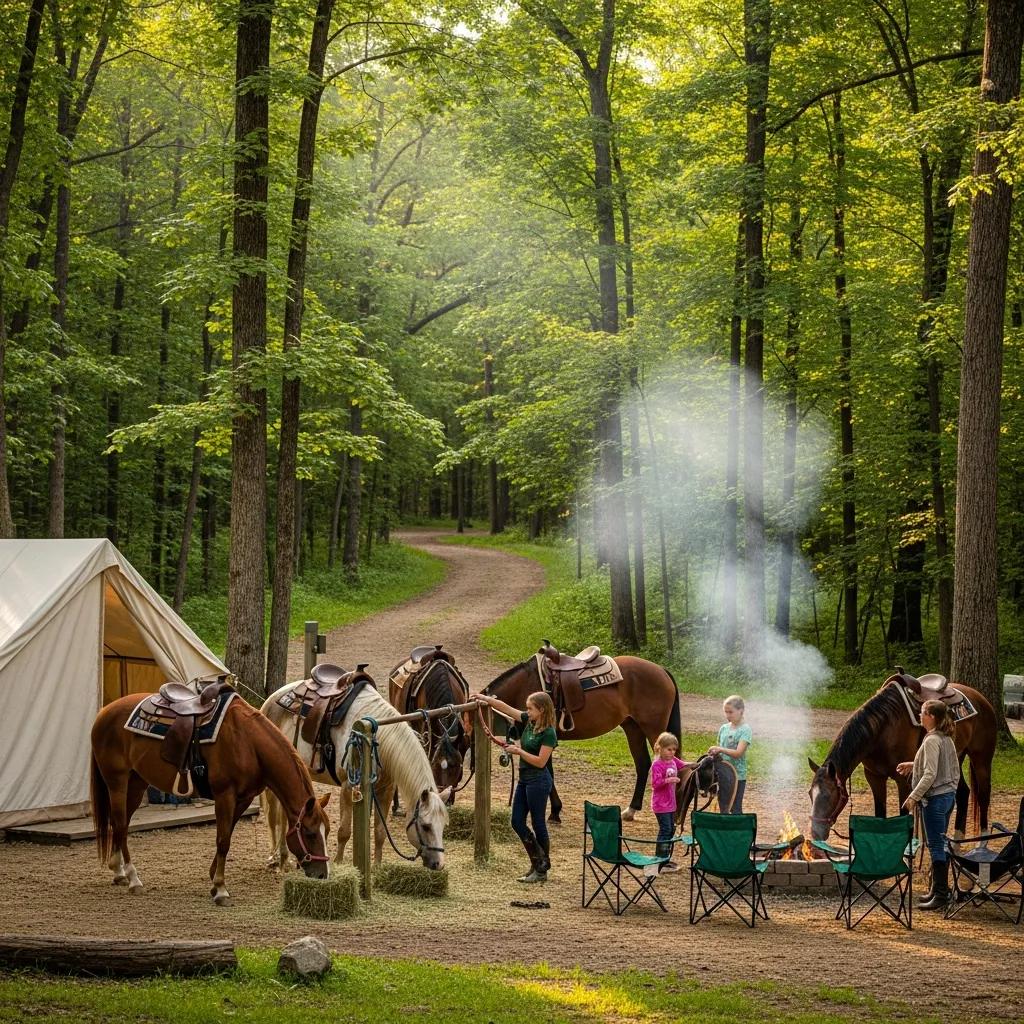
Camping with horses blends classic outdoor overnighting with the extra planning that comes from traveling and staying with equines. Michigan is an excellent choice thanks to its connected trail systems, varied terrain, and campgrounds that welcome families. This guide shows you how to find and evaluate Michigan sites with equestrian access, how to reach and ride the best routes, which rules to respect, and what to pack and arrange so the whole group has a smooth trip. Many horse campers wrestle with finding reliable trailer access, suitable tie‑up areas, and on‑site features that keep non‑riders happy; this article gives clear comparisons, step‑by‑step trail access tips, an overview of permit and manure rules, and a practical packing and services checklist tailored to Michigan. We’ll reference The Oaks Campground as a handy, family‑focused base near Waterloo State Recreation Area and offer rider‑friendly staging notes. Read on for route ideas, safety advice, and season‑based planning to help you book the right site and enjoy Michigan’s trails.
Top Michigan Campgrounds for Horse Camping
Michigan hosts a range of campgrounds that work well for horse campers—from dedicated equestrian loops in state recreation areas to private, family‑oriented parks that provide easy staging to nearby trails. To choose the right base, compare equestrian amenities, distance to trailheads, trailer parking and turnaround, plus on‑site comforts for non‑riding family members. Below we highlight common campground types (not every specific park) and provide a comparison table to help you weigh what matters most. After the overview, we’ll note how The Oaks Campground fits as a nearby option for riders who want Waterloo access plus family amenities.
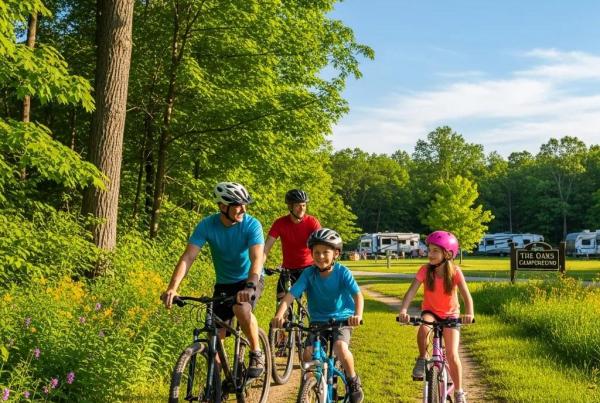
The Oaks Campground (part of GatherGrounds Resorts) is family‑focused and borders Waterloo State Recreation Area, making it a practical staging point for riders wanting access to thousands of acres of trails. On‑site perks for non‑riding guests include a swimming lake, playgrounds, and golf cart trails, while Waterloo supplies the riding opportunities. The campground address—7800 Cutler Rd, Munith, MI 49259—helps when planning directions and trailer routes. Use The Oaks as a real example when comparing trailer parking, reservation needs, and proximity to trailheads.
When evaluating sites, prioritize trailer and rig access first, then look at tie‑up/watering options and finally trail mileage and terrain. The table below compares common campground types to help you pick the best base for your riding style and family needs.
Different campground types trade off equestrian infrastructure and family amenities; this table summarizes those differences so you can match priorities to options.
This comparison highlights how private family campgrounds can balance horse access with recreational features for non‑riders, while state sites often provide more direct equestrian infrastructure. With those trade‑offs in mind, the next section breaks down the specific facilities to look for at any campground.
Which Campgrounds Offer Horse‑Friendly Amenities and Facilities?
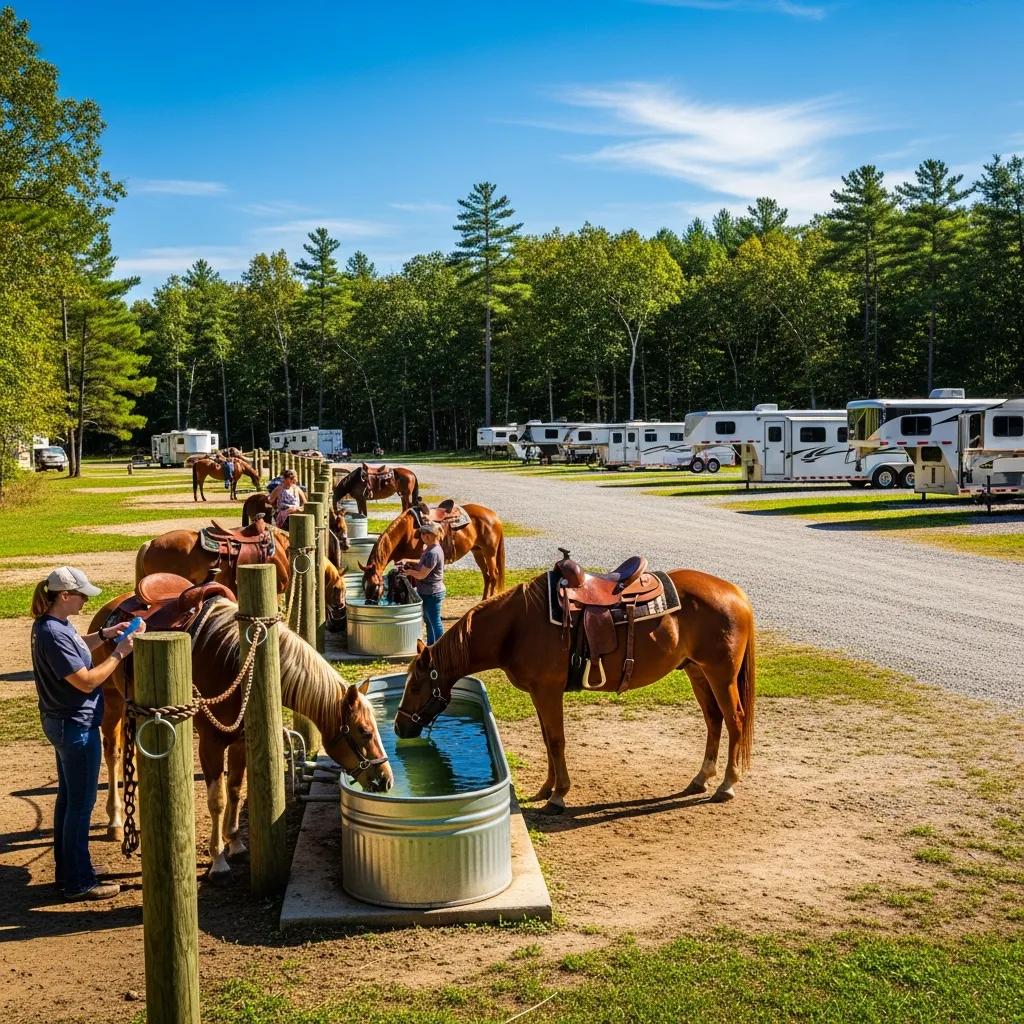
Horse‑friendly campgrounds include a predictable set of on‑site features that make day‑to‑day care easier and multi‑day rides workable. Typical amenities are tie‑up posts or rings, paddocks or corrals, potable water near horse areas, level trailer parking with room to unload, and sometimes pipe pens for overnight stabling. These elements matter because they let you groom, tack up, and care for horses efficiently while keeping your rig secure—minimizing time spent on logistics and maximizing riding time.
Read amenity descriptions closely: “horse‑friendly” can mean a single tie‑up post or a full set of corrals and water hookups. Prioritize flat, well‑drained tie‑up areas if you plan early starts, and confirm whether the campground enforces manure removal or grazing limits. Checking these details before you arrive helps you pack appropriately and set a realistic schedule for both riders and non‑riders.
Quickly assess a site by checking three core items first: trailer turnaround and parking capacity, tie‑up or corral options, and nearby reliable water sources—those three usually predict whether a campground will support comfortable multi‑day horse camping.
How The Oaks Campground Works as a Gateway to Horse Trails
The Oaks Campground serves as a convenient gateway to Waterloo State Recreation Area by pairing close trail access with family‑oriented amenities for non‑riding guests. Situated at 7800 Cutler Rd, Munith, MI, The Oaks keeps riders near access points into Waterloo’s trail network so day rides can be staged without long shuttle drives. On‑site features like a swimming lake and playgrounds give family members enjoyable options while riders are out, which helps make mixed‑interest trips run smoothly.
For riders using The Oaks as a staging base, practical steps include confirming reservation rules for rig size and parking, checking for tie‑up posts or designated trailer areas, and planning arrival time to allow unloading and a quick trail recon. Think of The Oaks as a logistical hub: park the rig, secure horses in available tie‑ups, and use the campground’s family amenities to coordinate group activities. During peak season, book early to secure sites that fit your rig and group needs.
How to Access and Explore Equestrian Trails Near Michigan Campgrounds
Accessing Michigan’s equestrian trails takes some planning around trailheads, parking rules, and route selection that matches your horses’ condition and your riding goals. Typical preparations include finding official trailheads with trailer parking, confirming overnight trailer rules, securing any required permits, and choosing loop rides that match your preferred mileage. Doing this in advance keeps you riding more and troubleshooting less—and reduces the chance of arriving at a trailhead that can’t accommodate your rig.
The short checklist below helps you stage rides efficiently—from selecting the right trailhead to returning to camp. After the list, we note where to find reliable trail maps and parking details so you can verify conditions before you head out.
- Find a trailhead with trailer parking that fits your rig and check whether overnight parking is allowed.
- Study trail maps to choose a loop suited to your horse and group—4–8 miles is a good target for many day rides.
- Buy any required permits or trail passes and bring manure bags and extra water for horses.
- Ride the first mile at an easy pace to evaluate footing, signage, and maintenance before stretching the route.
Following these steps confirms practical access and helps keep horses and riders safe. Next we describe Waterloo’s trail characteristics and suggested loops so you can pick rides that fit your group.
Key Features of Waterloo State Recreation Area Trails
Waterloo State Recreation Area delivers a mix of surfaces, extensive mileage, and connections to nearby trail networks—ideal for riders looking for varied terrain. You’ll find hard‑packed dirt, sandy stretches, occasional rocky spots, open meadows, hardwood stands, and wetland crossings that add scenic variety. The park offers short loops for newer riders and longer connectors that experienced groups can combine into full‑day rides—useful when planning progressive outings over multiple days.
While trail signage and junction markers are generally adequate, carry a map and GPS waypoints for important intersections; seasonal wetness and spring thaw can affect bridges and boardwalks. Because Waterloo links to adjacent systems, you can design loops of many lengths—just pick segments that match your horses’ fitness for safest, most enjoyable rides. Knowing these trail traits helps you avoid surprises in footing and routing.
Where to Find Maps and Access Points for Michigan Equestrian Trails
Trust official state maps and reputable trail directories for accurate equestrian route info. Look for park maps that show designated horse trails, parking, and facilities, then download or print PDFs for offline use; mark trailer‑appropriate parking spots and water sources before you arrive to reduce uncertainty. Pay attention to symbols that indicate permitted uses—some multi‑use routes restrict horses on certain sections—and note nearby spurs that can act as safe returns if conditions change.
Good navigation habits include saving trailhead coordinates to your phone, bringing a paper backup, and confirming whether a parking area allows overnight rigs. Consider trailer parking slope, surface firmness, and shade when picking a trailhead—those factors affect safe loading and unloading and reduce stress on horses and handlers. With maps and access details sorted, you’ll be ready to choose a loop and manage day‑ride logistics with confidence.
Michigan Horse Camping Regulations and Best Practices
Camping with horses in Michigan means following land‑use rules, permit requirements, and stewardship practices that protect trails and public lands while keeping horses and riders safe. Rules vary by agency—state parks, recreation areas, and state forests may have different restrictions on tethering, grazing, and manure disposal—so check with the managing office before you go. Follow Leave No Trace principles adapted for equestrians: limit invasive‑species spread, collect and properly dispose of manure, and respect seasonal closures that protect habitats and trail conditions.
Compliance often means getting campsite or trail permits for state lands, using designated tie‑ups or corrals, and following posted rules about water use and grazing. Biosecurity measures—cleaning trailers and gear, isolating new arrivals when appropriate, and following your vet’s advice—help reduce disease risk for both domestic and wild animals. Following rules and best practices keeps trails open and shows good stewardship for future riders.
Below is a concise table summarizing typical regulatory differences and where to verify permits and rules for Michigan lands.
Regulatory distinctions change how you plan horse camping; this table points you to the right contacts so you can confirm requirements before you travel.
Confirming permits and rules ahead of time avoids surprises and ensures you meet land‑manager expectations. Next we cover pre‑trip preparation and safety steps that turn rules into practical actions.
Rules for Horse Camping in Michigan State Parks and Forests
State parks and recreation areas typically permit horses in designated zones and require riders to follow posted rules on tethering, manure disposal, and trail use; exact regulations vary by site and season. Many state properties offer horse camping loops or corrals for overnight stays; in other locations, dispersed horse camping may be limited to protect sensitive areas. Manure management is commonly enforced—pack it out or deposit it where directed—to prevent nutrient buildup and the spread of invasive plants.
Permits can include daily trail passes or campsite reservations, and some trailheads do not allow overnight trailer parking—verify those details before you leave. State forests may allow more dispersed equestrian use but offer fewer services, so plan accordingly. The most reliable way to confirm current rules is to consult official management pages or call local land managers before your trip.
Preparing for a Safe, Enjoyable Horse Camping Trip in Michigan
Good preparation centers on equine health checks, the right gear, emergency planning, and awareness of local weather and trail conditions. Start with a pre‑trip vet check, keep vaccination and health records handy, and pack a horse first‑aid kit stocked for wounds and common trail injuries. Service your trailer—brakes, tires, lights—and practice rig handling at a trailhead if you can; carry essential spares and tools.
On the trail, match pace to footing and your horses’ conditioning, hydrate frequently, and be ready to alter plans for muddy or buggy stretches. Always carry a map, GPS or compass, and a contingency plan for low cell coverage. At camp, secure horses in appropriate tie‑ups or corrals, use mats or bedding on hard ground, and follow manure protocols to leave the area as you found it. Thorough prep reduces emergencies and makes the trip more enjoyable for riders and families.
Planning Your Michigan Horse‑Camping Trip: Gear, Tips, and Resources
Trip planning requires a reliable gear checklist, knowledge of nearby service providers, and timing logistics for reservations and trail access. Essentials cover tack and trailer equipment through equine first‑aid and human camping supplies; the right choices depend on season and ride length. Local services—veterinarians, farriers, tack shops, and feed suppliers—support care and last‑minute needs, and knowing how to contact them near your base cuts downtime. After the gear table below, we list common local service types and how to check availability near The Oaks.
Packing and staging focus on redundancy for critical items—extra halters, ropes, water containers, and a solid first‑aid kit—so you can handle common issues away from home. During peak months, reserve early and coordinate arrival times to ease unloading. The table gives a compact checklist tailored to Michigan conditions and explains why each item matters.
A clear gear list helps you prioritize what to bring and ensures your rig supports both riding and camping needs.
Essential Gear for Equestrian Camping in Michigan
Your gear falls into three groups: horse care and tack, trailer and rig items, and human camping supplies—each adjusted for Michigan’s seasonal variability. For horses, bring a reliable saddle and bridle, spare halters and lead ropes, protective boots for mixed footing, and a stocked first‑aid kit. Trailer essentials include a spare tire and tools, wheel chocks, secure hitch equipment, and strong tie‑downs.
Human gear mirrors any family camping trip but with equine considerations: sturdy footwear for barn and trail, layered clothing for Michigan’s changeable weather, and cooking and shelter supplies that handle mud or bugs. Seasonal items—insulating horse blankets for cool shoulder seasons or lightweight fly sheets for high summer—depend on timing. Thoughtful packing reduces last‑minute vendor runs and keeps your group comfortable across varied trail conditions.
Local Services That Support Horse Campers Near The Oaks
Staying at The Oaks Campground means knowing which local services can help when issues arise. Typical providers include equine veterinarians for urgent or preventive care, farriers for shoeing or emergency re‑shoeing, tack shops for replacement gear, and feed suppliers for hay or specialty grain. If you don’t have vendor details ahead of time, county and state equine directories are good resources; The Oaks staff can often recommend local providers and coordinate referrals for guests.
Before arrival, call to confirm service availability and expected response times—especially for farriers or vets. Keep contact names and approximate travel times to clinics handy; carry printed copies where cell service is spotty. For lodging and reservations, The Oaks Campground serves as your local contact and can advise on nearby services that support horse campers using Waterloo’s trails.
Family‑Friendly Amenities at Michigan Equestrian Campgrounds

Campgrounds that welcome families and horses balance equine facilities with activities and safety features that keep non‑riders engaged. Top amenities include swimming lakes or pools, playgrounds, easy walking paths or golf cart trails, picnic areas, and occasional organized programs that appeal to kids. These options let families split time effectively so riders can enjoy the trails while others relax or explore on site.
Choosing a campground that clearly lists family amenities reduces scheduling friction and helps plan mixed‑activity days. Consider how the site layout places family areas relative to horse zones, noise factors, and safety features so everyone can be comfortable without constant relocation. Below we show how this works in practice at a campground that combines horse logistics with family fun.
How Campgrounds Like The Oaks Serve Families with Horses
Campgrounds aimed at families with horses blend equestrian access and on‑site recreation—The Oaks does this with a swimming lake, playgrounds, and golf cart paths. Those features let family members have structured activities while riders head into Waterloo’s trails, and they make it easy to coordinate trips with mixed interests. Because The Oaks is close to Waterloo, riders can return quickly to family amenities—handy for groups with young children or different activity levels.
Practical logistics include booking sites close to both horse areas and family amenities, confirming safe walking routes, and staggering schedules so caregivers can supervise non‑riding activities while others ride. Reserve sites that fit larger groups or rigs to keep everyone together and share responsibilities like feeding and turnout. Ask the campground about site options that best balance horse needs and family convenience.
Activities That Complement Horse Camping
Non‑equestrian activities that pair well with horse camping include swimming, fishing, hiking, and low‑speed golf cart or ATV trails that let family members explore while riders are out. These options provide variety and can be scheduled around riding blocks to maximize enjoyment. Choose activities within short drives or walking distance of camp to allow quick check‑ins during day rides.
Safety matters: supervise children near water, confirm fishing license rules, and use proper safety gear for golf cart trails and hikes. A balanced day—riders in the morning and late afternoon, families using midday for other pursuits—lets everyone enjoy the trip. Thoughtful coordination keeps both equestrian and traditional camping plans running smoothly.
Best Seasons for Horse Camping in Michigan and Events to Know
Season impacts trail footing, insect pressure, campsite availability, and local events—pick the season that fits your priorities for footing, crowds, and weather. Spring can be muddy and include trail closures to protect routes, summer usually brings steady footing but more bugs and busier campgrounds, fall offers cooler riding and great colors, and winter requires extra gear and experience for cold conditions and possible trail grooming limitations.
Plan by checking seasonal trail advisories, insect forecasts, and booking windows—many campgrounds fill weeks or months ahead for summer and early fall weekends. Awareness of local events—organized trail rides, clinics, or county fairs—helps you decide whether to join community activities or avoid busy dates. The seasonal notes below will help you pick the best window and anticipate how conditions affect riding and camping.
Seasonal Factors That Affect Michigan Equestrian Camping
Spring thaw often softens trails and can lead to closures; summer brings peak insect season that requires fly control; fall delivers cooler temperatures and reliable footing that many riders prefer. Booking lead times vary by season—expect to reserve earlier for summer and early fall—and pack seasonally appropriate gear: breathable fly sheets for hot months, insulated blankets for chilly shoulder seasons, and winter‑rated supplies for cold‑weather trips.
Monitor recent trail reports and weather forecasts just before departure so you can adjust rides or postpone if footing is unsafe. Seasonal closures protect trails and habitat, so confirm current opening status with land managers. Planning around these dynamics leads to safer, more enjoyable rides for horses and families.
Popular Equestrian Events and Trail Rides Near Michigan Campgrounds
Regional events—organized trail rides, endurance contests, and clinics—offer community rides and learning opportunities but can raise campground demand on event weekends. Check calendars from regional horse councils and land managers to find scheduled rides or to avoid busy dates; events usually require pre‑registration and may have event‑specific trail rules, so plan ahead.
Event timing affects campground availability and trail traffic—avoid major event weekends if you want solitude, or align with events if you want a social experience. Local equestrian groups and campground staff can point you to upcoming rides and clinics, helping you choose between solo exploration and community outings. Use event calendars to match your trip goals—competition, skill building, or relaxed trail riding—with the right timing and logistics.
Frequently Asked Questions
What should I consider when planning a horse camping trip in Michigan?
Think about campground type, available horse amenities, and how close the site is to equestrian trails. Check for tie‑up posts, reliable water, and trailer parking, and look for family‑friendly features to keep non‑riders occupied. Review seasonal conditions—weather affects trail access—and confirm any permits or local rules before you go.
How can I ensure the safety of my horse while camping?
Start with a pre‑trip vet check and bring a complete equine first‑aid kit. Use appropriate tie‑ups or corrals, protect hooves with mats or bedding when needed, and monitor hydration and footing on the trail. Follow the campground’s manure and biosecurity guidance to keep the environment safe for all animals.
What are the best practices for manure disposal while horse camping?
Follow the campground’s rules—many require you to pack out manure or use designated disposal areas. Carry manure disposal bags, clean up promptly, and follow Leave No Trace principles adapted for equestrians to protect trails and habitats for future visitors.
What types of local services should I look for near equestrian campgrounds?
Identify nearby equine veterinarians, farriers, tack shops, and feed suppliers before your trip. The campground staff often provide local recommendations. Keep contact details and approximate travel times handy in case of emergencies, especially where cell service is unreliable.
How can I find the best trails for my riding skill level in Michigan?
Use official park maps and equestrian trail directories that note difficulty, length, and terrain. Join local equestrian groups or forums to get rider reports and recommendations. Always match trail choice to your horse’s conditioning and your group’s experience.
What should I pack for a successful horse camping trip?
Pack both equine and human essentials: tack, extra halters and ropes, a stocked horse first‑aid kit, trailer spares, portable water buckets, and season‑appropriate clothing and shelter. Create a checklist tailored to your trip length and local conditions so you don’t forget key items.
Conclusion
Choosing the right Michigan campsite for horse lovers makes your rides better and keeps the whole family happy. With a range of equestrian‑friendly amenities and access to scenic trails, you can plan multi‑activity trips that please riders and non‑riders alike. Start by comparing trailer access, tie‑up options, and nearby services, then book early for peak season. Ready to plan your next trip? Check our recommended campgrounds and resources to start building an enjoyable, well‑organized equestrian camping weekend.