RV Parks vs Traditional Campgrounds: Which Has the Better Trails for Michigan Campers?
Introduction
Deciding between an RV park or a traditional campground often comes down to the trails you want to explore. For Michigan campers, matching trail type to trip goals — family rides, casual hikes, or technical singletrack — makes the difference between a good weekend and a great one. This piece lays out how RV parks and classic campgrounds differ in trail access, surface quality, and how close trails sit to campsites. We use The Oaks Campground by GatherGrounds Resorts as a local example to show tradeoffs, then share practical tips so families, casual cyclists, and serious mountain bikers can pick the right basecamp in Southeast Michigan. You’ll find clear comparisons of trail style, a profile of The Oaks and nearby Waterloo access, top local trail campgrounds, a simple decision framework, and planning essentials to lock in trail-friendly sites.
What Are the Key Differences Between RV Parks and Traditional Campgrounds?
RV parks are usually private, managed properties that focus on vehicle access, hookups, and on-site conveniences. Traditional campgrounds — state, national, and rustic — tend to prioritize natural settings and larger trail systems. That difference in focus shapes trail offerings: RV parks commonly build groomed, family-friendly multi-use or golf-cart trails, while traditional campgrounds usually connect to varied natural trails, including singletrack and longer loops maintained by park agencies. Those choices affect how far you walk or drive to a trailhead, how well trails are signed, and whether services (like bike racks or rentals) are nearby. Knowing these contrasts helps you match a site to your activity level and comfort, and the next section explains how amenities translate into real-world trail access.
How Do Amenities and Site Types Vary Between RV Parks and Campgrounds?
RV parks often offer full-service RV sites with electrical, water, and sewer hookups, wider pads, and internal roads that make loading bikes and reaching on-site paths quick and easy. Traditional campgrounds range from paved drive-in loops with nearby trailheads to walk-in tent sites that require a short hike to reach trails, and they usually favor low-impact infrastructure over resort-style services. Amenities that shape trail days include bike parking, repair stations, clear signage, and whether internal roads allow golf carts or e-bikes. RV parks are likelier to provide those convenience features; state campgrounds typically win on trail variety. Those patterns determine how fast you can get to the trail and the kinds of rides or hikes you’ll plan.
What Trail Access Can Campers Expect at Each Type?
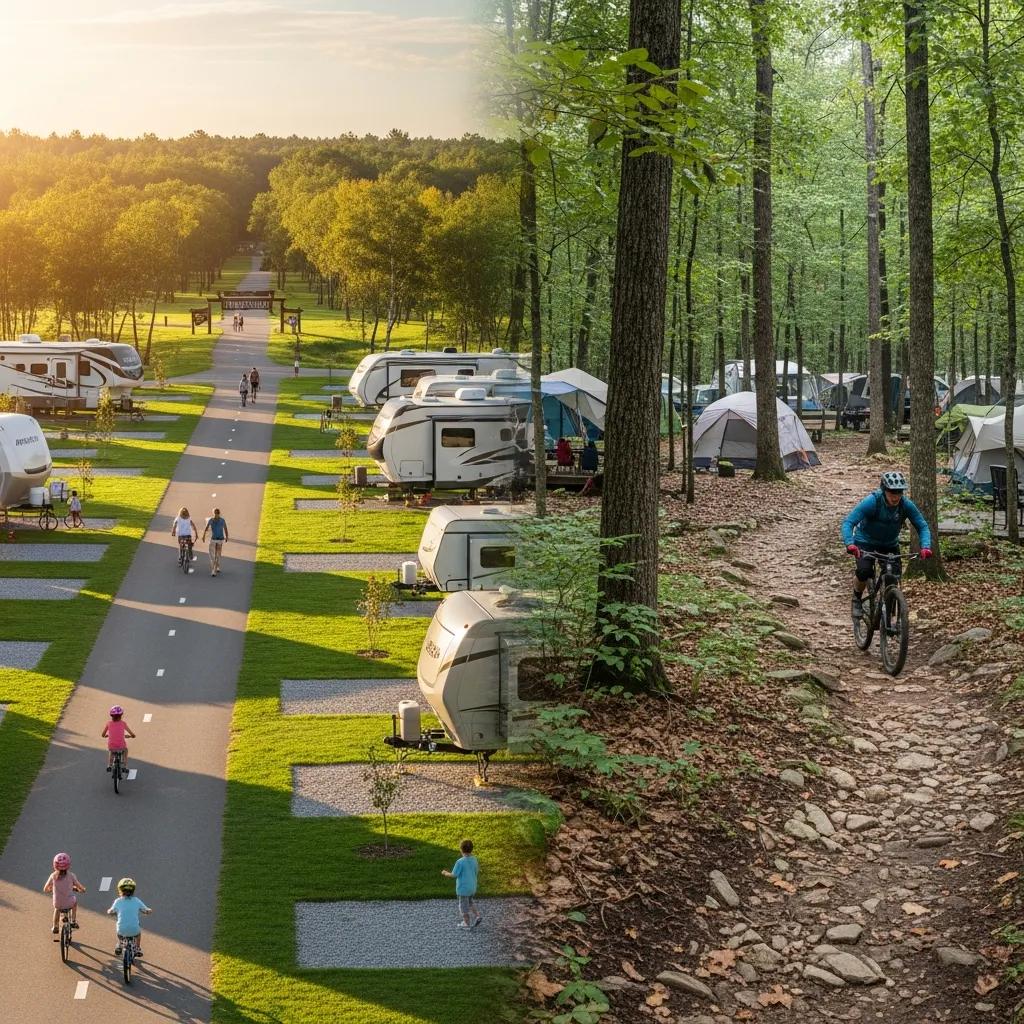
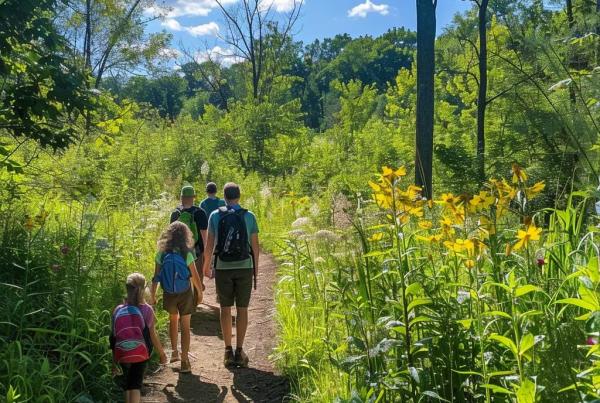
At RV parks expect convenient internal trail networks that start close to campsites, short walks to groomed loops, and predictable surfaces suited to families and casual cyclists. Traditional campgrounds usually require a short drive or walk to a formal trailhead that links into larger state-park systems with extended singletrack, multi-use loops, and natural-surface hikes. Think about campsite layout (pull-through RV pads vs. dispersed tent circles), vehicle access to trailheads, and whether trails allow mixed use. Families tend to prioritize proximity and smooth surfaces; mountain bikers often seek technical singletrack and longer continuous mileage. Understanding these patterns makes it easier to choose a facility that matches your trail expectations and how much time you want on the path.
How Does Trail Quality and Variety Compare Between RV Parks and Traditional Campgrounds?
Trail quality and variety hinge on surface type, maintenance, and intended users. Private RV parks typically favor groomed multi-use and golf-cart trails; state and national campgrounds usually offer more natural singletrack and varied terrain. Private operators often build compacted or paved paths for families, golf carts, and hybrids — surfaces that keep routes predictable and lower technical difficulty. Protected areas within state and national systems usually present a mix of packed dirt, rooty singletrack, and rugged loops that attract mountain bikers and hikers chasing challenge and scenery.
Common trail types and attributes you’ll find at each campground model:
In short: private RV parks lean toward accessibility and family usability, while state and national campgrounds offer extended, diverse trail experiences for more adventurous users. The following sections break down common trail types and how campsite proximity affects real access.
What Types of Trails Are Common in RV Parks vs Traditional Campgrounds?
RV parks often feature golf cart riding trails, paved bike paths, and short multi-use loops designed for convenience and safety. Traditional campgrounds are more likely to have singletrack mountain bike trails, long hiking loops, and natural-surface multi-use routes. Golf cart trails are wide, smooth, and great for hybrids or cruisers — not ideal for aggressive mountain biking. Singletrack brings technical features, steeper grades, and flow that experienced riders prefer. Paved paths and compacted surfaces work well for strollers and kids’ bikes; rooty, rocky singletrack calls for a mountain bike with suspension and more skill. Match your bike and shoes to the trail surface you plan to ride.
How Accessible and Close Are Trails to Campsites in Each Setting?
Trail proximity varies. Private RV parks usually place trails next to or within a short walk of campsites, making quick morning rides and family loops easy. Traditional campgrounds might need a brief drive to trailheads that connect to larger backcountry networks. Large RVs are typically easier to manage in private parks because of wide internal roads and parking near trail access; remote state campgrounds can have narrow approach roads that complicate loading. RV parks often have clearer signage and mapped routes; state systems offer more route diversity. Use these tradeoffs to decide whether convenience or extended mileage matters most for your trip.
What Makes The Oaks Campground a Trail-Friendly Destination in Michigan?

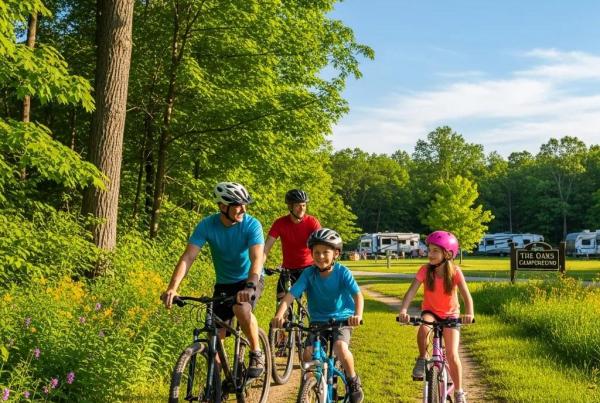
The Oaks Campground by GatherGrounds Resorts blends the best of both worlds: a family-friendly private campground with miles of on-site trails and direct adjacency to a much larger natural trail system. The property covers roughly 160 acres, including about 120 acres of golf cart riding trails that offer easy, groomed routes for families and casual cyclists. Because The Oaks sits beside Waterloo State Recreation Area, campers can pair short, comfortable rides on private trails with long, adventurous outings on thousands of acres of state-managed singletrack and loops. With both RV and tent sites that keep trail access simple, The Oaks is a great gateway for groups with mixed trail preferences. The next sections look at bike suitability and how Waterloo expands what you can do from camp.
Are The Oaks’ On-Site Golf Cart Trails Suitable for Biking?
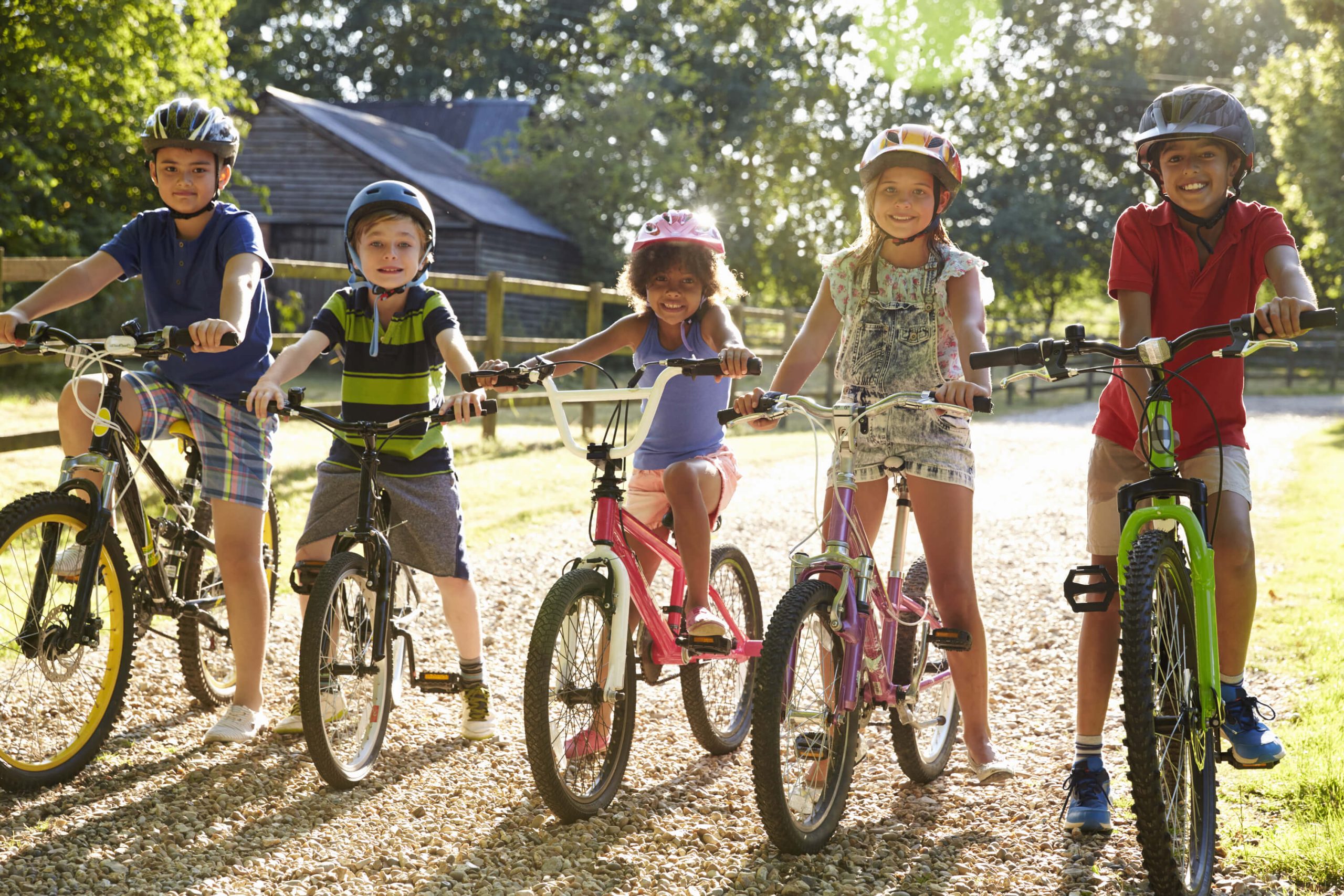
Yes. The Oaks’ golf cart trails are ideal for family and casual biking, though they’re best suited to hybrids, cruisers, and kids’ bikes rather than full-suspension mountain bikes. Trails are wider with gentle grades, so they’re comfortable for mixed-ability groups. Observe campground rules, wear helmets, and follow shared-use etiquette — these paths mix pedestrians, carts, and cyclists. If you want technical singletrack, head into Waterloo; for predictable, family-friendly miles, The Oaks’ trails deliver.
How Does Access to Waterloo State Recreation Area Enhance Trail Experiences?
Being next to Waterloo State Recreation Area dramatically expands your options. Waterloo offers long multi-day loops, varied terrain, and natural-surface singletrack that suits experienced hikers and mountain bikers. That adjacency turns The Oaks into a true gateway: mornings on private, groomed loops and afternoons exploring state trails. Practical tips: plan for trailhead parking, download GPS routes or carry maps for longer rides, and time departures to avoid peak trail traffic. The mix of groomed on-site routes and extensive parkland nearby makes The Oaks a flexible basecamp for groups with different goals.
Which Michigan Campgrounds Offer the Best Biking and Hiking Trails?
Michigan has a wide variety of state parks and private campgrounds that shine for biking and hiking. Southeast Michigan campers should balance distance from metro areas with the trail type and difficulty they want. State parks like Waterloo offer large trail systems and singletrack mileage; private campgrounds such as The Oaks prioritize family amenities and easy on-site access. The quick comparison below highlights trail access and suitability at a glance.
What Are the Top Michigan State Parks with Bike Trails Near Campgrounds?
Several Michigan state parks offer excellent bike trail systems within easy reach of Southeast Michigan and pair well with private campgrounds like The Oaks. These parks mix paved trails for casual cyclists with natural singletrack for mountain riders and draw families, touring riders, and trail runners. When picking a park for a bike-focused camping trip, look at total trail mileage, trail difficulty, and how close trails are to your campsite. Popular examples include Waterloo State Recreation Area, Stony Creek Metropark, and Proud Lake Recreation Area.
How Do Private Campgrounds Like The Oaks Compare to State Parks for Trail Access?
Private campgrounds like The Oaks give you consistent, groomed trail access, reliable amenities, and family-focused infrastructure. State parks offer more trail variety, longer miles, and wilder terrain. Pros of private campgrounds: immediate trailhead access, easy parking, and family facilities. Cons: shorter loops and fewer technical features. Pros of state parks: diverse trails and extended route options. Cons: possible crowding, campsite locations that aren’t next to trailheads, and fewer on-site conveniences. Knowing these pros and cons will help you decide whether convenience or varied terrain matters more for your trip.
How Can Campers Choose Between RV Parks and Traditional Campgrounds for Trail Access?
Pick a campsite by matching your trail priorities, camper type, group makeup, and gear needs to what each campground model offers. Key factors: trail surface and difficulty, how close camp is to trailheads, your RV size and maneuverability, family needs (shallow-grade paths for kids), and whether you want on-site rentals or repair services. The table below pairs camper personalities with recommended priorities and campsite types to speed your decision.
What Factors Should Influence Your Choice of Camping Location for Trail Activities?
When choosing a campsite for trail-focused trips, put trail type, distance from camp to trailhead, bike-friendly amenities (racks, repair stations), road access for loading and unloading, and permit or fee rules at the top of your list. Consider seasonal issues like mud season or winter closures, and whether family features (beaches, playgrounds) should be part of the plan. Always check recent trail conditions and download maps or GPS routes before you arrive — that minimizes surprises and ensures your campsite delivers usable miles.
How Do Costs and Amenities Affect Trail Access and Camping Experience?
Cost matters because private campgrounds often charge more but include maintained trails, on-site services, and family amenities. State campgrounds usually cost less per night but may offer fewer immediate conveniences. Higher-priced private sites justify the fee with predictable maintenance, closer campsite-to-trailhead distances, and extras like swimming areas and playgrounds that complement trail days. State parks deliver broader trail variety and longer rides for less money, though day-use fees or permits may apply for some trail systems. Weigh convenience against mileage to decide which delivers the better value for your trip.
What Are Essential Tips for Planning a Michigan Camping Trip Focused on Trails?
A trail-first camping trip in Michigan succeeds with a mix of logistics, safety prep, and smart booking. Start by naming the trail types you want, then pick campgrounds that match those surfaces and access rules. Prepare for seasonal changes — waterproof layers and mud-ready tires in spring, navigation tools for long rides — and make helmet use and basic repair skills a priority for cycling trips. The short checklist below helps you turn a plan into a smooth, trail-rich weekend.
What Gear and Preparations Are Needed for Biking and Hiking Trails?
Basic gear for trail-focused camping includes the right bike (hybrid, touring, or mountain depending on the trail), a helmet, a repair kit (pump, spare tube, multi-tool), and navigation (paper map or downloaded GPS routes). Dress in layers for Michigan’s changing weather. Add hydration packs, a first-aid kit, and lights for early starts or late returns. For hiking, bring sturdy shoes, trekking poles if needed, and insect protection during warmer months. Match tires and footwear to the expected surface — paved or singletrack — so you don’t get sidelined by the wrong setup.
How to Make Reservations and Maximize Your Trail Adventure at The Oaks Campground?
To lock in trail-accessible sites at The Oaks, book early for busy weekends, request sites near internal trail nodes, and choose RV or tent spots based on your vehicle and group needs. When you call or book online, mention your interest in the campground’s trails and its proximity to Waterloo so staff can suggest optimal sites for early departures. On arrival, plan daily routes that pair short on-site loops with longer Waterloo excursions, sort shuttle and parking logistics for state park trailheads, and store gear so you can head out quickly each morning. Follow these steps and you’ll turn a simple stay into a planned trail itinerary that balances convenience with exploration.
- Book early for weekend stays: Reserve sites near trails and request specific campsite locations when you can.
- Plan mixed-route days: Use on-site loops for easy mornings and Waterloo for longer afternoon rides.
- Prepare logistics: Arrange shuttle or parking for state park trailheads and pre-download maps.
- Pack a repair kit and spare parts: Quick fixes keep you rolling.
- Layer clothing and carry hydration: Michigan weather changes — stay comfortable to stay out longer.
- Respect trail rules and etiquette: Trails are shared with hikers, cyclists, and golf carts; courteous behavior keeps access open for everyone.
Frequently Asked Questions
What types of biking gear are recommended for Michigan trails?
Match your bike to the trail. For paved or groomed paths, a hybrid or cruiser is ideal. For rugged singletrack, choose a mountain bike with appropriate suspension. Always wear a helmet, and carry a basic repair kit (pump, spare tube, multi-tool). Moisture-wicking clothing and sturdy shoes make rides more comfortable.
Are there any specific safety tips for biking and hiking in Michigan?
Safety first: wear a helmet when biking and check your bike before you ride. For hiking, wear the right footwear and carry a first-aid kit. Bring enough water, watch the weather and trail closures, and tell someone your plans. Learn and follow trail etiquette so everyone has a safe outing.
How can families ensure a safe camping experience with children?
Choose campgrounds with family-friendly amenities and safe, nearby trails. Supervise kids on and near trails, require helmets for biking, and bring first-aid supplies, snacks, and extra water. Pick shorter, easier routes that suit kids’ abilities and build in breaks. Teaching trail rules ahead of time helps kids stay safe and enjoy the trip.
What are the best times of year for camping and trail activities in Michigan?
Late spring through early fall (roughly June–September) is prime for camping and trails. Early spring can offer fewer crowds and blooming nature, while fall delivers great foliage. Watch for muddy trails in spring and seasonal closures in winter — always check local advisories before you go.
How do I find trail maps and resources for Michigan camping trips?
Start with state park websites for downloadable maps and trail info. Local outdoor shops and visitor centers can provide printed maps and advice. Apps like AllTrails and Trailforks offer user-submitted routes and GPS tracking. Social groups and forums focused on Michigan outdoors are also good sources of real-world tips.
What should I consider when planning a multi-day camping trip focused on trails?
Plan campsite reservations, total trail mileage, and difficulty. Make sure your campground gives access to the trail types you want. Pack enough food, water, and gear, and build a flexible itinerary that allows rest days or shorter outings if needed. Know local regulations and check trail conditions so your multi-day plan stays realistic and enjoyable.
Conclusion
Picking the right camping option can make or break your trail experience in Michigan. RV parks offer convenience and groomed, family-friendly miles; traditional campgrounds give you wilder terrain and longer rides. Understanding those differences helps you choose a basecamp that fits your group and goals. If you want the convenience of on-site trails with fast access to big-state systems, consider The Oaks Campground — it’s a solid gateway for both easy family outings and longer adventures. Start planning now and choose the setting that gets you on the trails you want to ride.