
Camping vs. RVing: Which Is Better for Fishing in Michigan? A Practical Comparison for Anglers
When you plan a fishing trip in Michigan, one choice changes everything: tent camping or RVing. That choice affects how close you can get to the water, how much gear you can carry, how you keep your catch fresh, and how long you stay comfortable. This guide walks anglers through the differences—what tent camping and RVing look like for fishing, how each affects shoreline access and storage, and which setups suit families, solo anglers, and multi-day trips. You’ll get plainspoken trade-offs (think: stealthy shore casts from a tent vs. refrigeration and hookups in an RV), localized recommendations including a nearby family-friendly option, a cost-and-amenity breakdown, and up-to-date regulatory pointers for 2025–2026. By the end, you’ll have clear criteria and next steps to plan the Michigan fishing trip that fits your priorities.
What Are the Key Differences Between Camping and RVing for Fishing in Michigan?
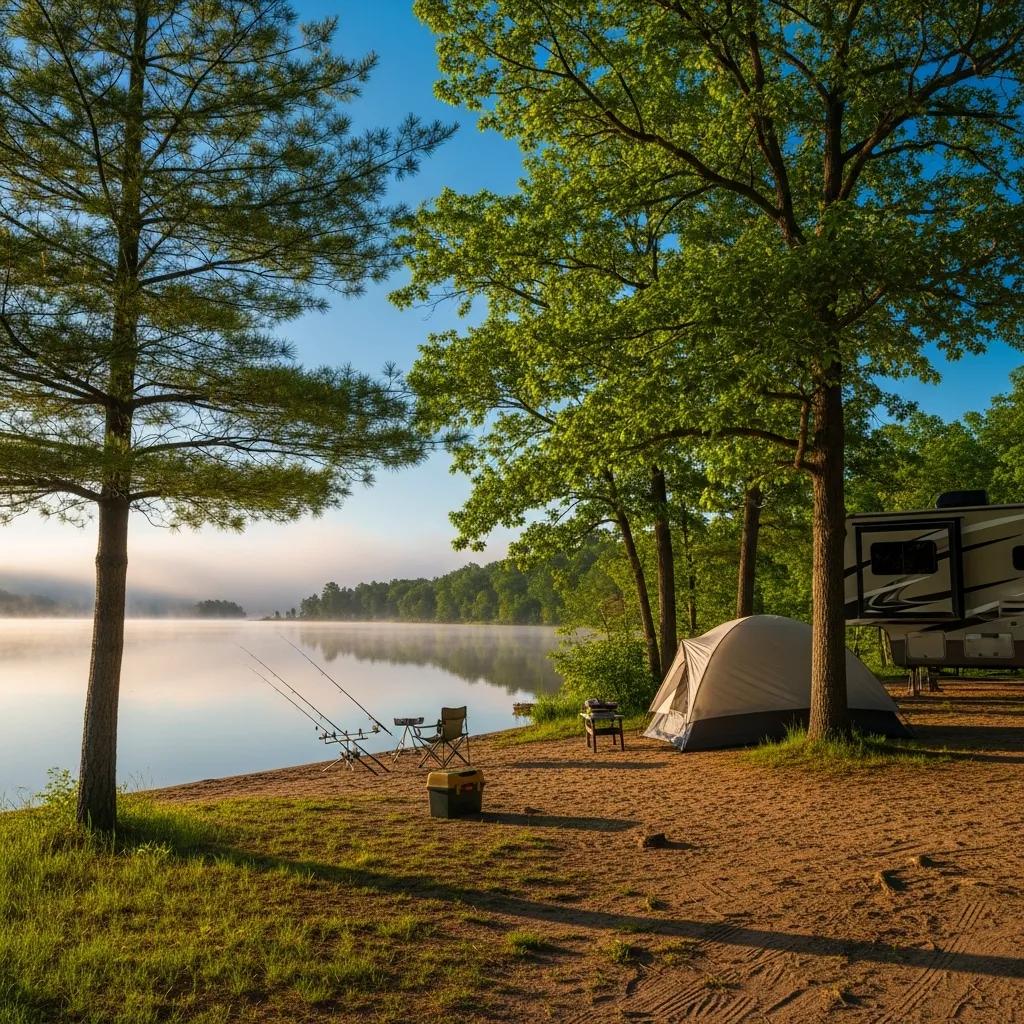
Tent camping and RVing change how you approach a fishing trip in five main ways: access to water, comfort, mobility, storage, and weather protection. Tents usually put anglers closer to shoreline edges and quieter spots for shore- and wade-fishing. RVs offer built-in storage, refrigeration for bait and fish, and a dry, comfortable base for longer trips. Those structural differences affect planning—tent campers prioritize site location and lighter rigs, while RVers plan around hookups, towing, and boat storage. Knowing these distinctions helps you match your trip goals—quick, stealthy shoreline sessions versus longer, gear-heavy outings. Below are the quick practical points anglers care about.
Tent camping vs RVing for fishing in Michigan: quick comparison
- Water access: Tent sites can be tucked closer to the shoreline for easy shore and wade fishing.
- Comfort and shelter: RVs provide weatherproof sleeping, kitchens, and dry storage.
- Gear storage and preservation: RVs make refrigeration and larger tackle inventories easy to manage.
- Mobility and remote access: Tents let you hike to secluded banks; RVs let you move quickly between developed campgrounds and ramps.
Those points set up a closer look at when tent camping enhances the fishing feel and when RV comforts matter most.
How Does Tent Camping Enhance the Traditional Fishing Experience?

Tent camping gives you a low-impact, close-to-water base that’s ideal for quiet shore fishing. Lightweight gear and simpler setups make it easy to pick primitive sites near natural banks or hike to hidden inlets—perfect for sneaking up on bass, trout, and panfish at dawn. Tent trips usually cost less per night and require less gear to maintain, so short weekend runs are simpler to organize. Picking a tent site with a gentle slope to the water or a clear bank increases shoreline casting options and keeps you tuned into the lake’s rhythms—especially useful for chasing early-morning and evening bites.
What Comfort and Convenience Does RVing Offer to Fishing Enthusiasts?
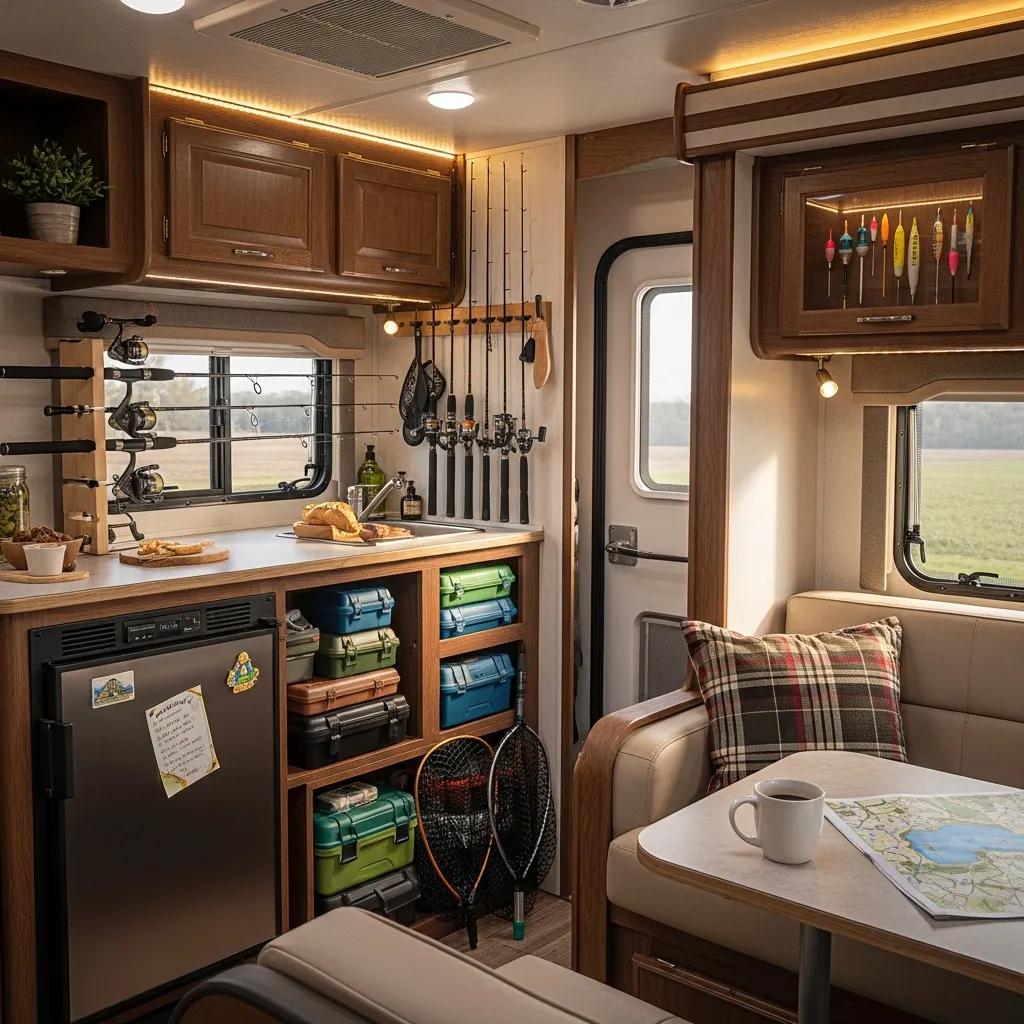
RVing brings practical comforts that change how you fish and how long you stay: secure storage for rods and tackle, refrigeration for bait and catches, and a dry place to sleep when weather turns. Those conveniences support longer trips, make family stays easier, and simplify tasks like running livewells or preserving catches overnight. Hookups speed daily routines so you can focus on launching boats and prepping gear—handy for tournament-style weekends or multi-day walleye runs. An RV also gives you room to dry out wet clothes and organize expensive tackle so everything lasts longer in Michigan’s changeable conditions.
Which Michigan Fishing Spots Are Best Suited for Camping and RVing?
Picking a fishing spot in Michigan depends on whether you want primitive shoreline access or developed amenities like boat ramps and full hookups. Small inland lakes and reservoirs with primitive sites favor tent anglers seeking shoreline bites; larger lakes and state parks with RV pads and ramps suit anglers who bring boats and need services. Southeast Michigan and the Waterloo area offer a mix of both, and local campgrounds make solid staging areas for day trips to bigger waters. Use the quick location guide below to match campsite infrastructure with your fishing priorities.
How to use this location guide: it lists common site types, what to expect for access and amenities, and which accommodation usually fits best for anglers.
That matrix helps you match the fishing you want with the campsite infrastructure you need. Below are top spot types to consider in Southeast Michigan and nearby regions.
Top recommended spots for tent and RV anglers in Southeast Michigan and nearby regions:
- Secluded inland lakes with primitive campsites: Great for anglers who prefer shoreline stealth and minimal disturbance.
- State recreation areas with boat launches: Ideal for anglers bringing boats or chasing reliable bass and walleye fisheries.
- Family-friendly campgrounds with on-site ponds: Perfect for anglers mixing family time with easy fishing.
- Developed RV parks with hookups near larger lakes: Best for anglers needing refrigeration and the comforts of extended stays.
Next, we’ll highlight tent-friendly lakes and developed RV parks with the amenities that matter most to anglers.
What Are the Top Lakes and Campgrounds for Tent Camping and Fishing?
Tent-friendly campgrounds emphasize shoreline access, primitive sites, and quiet hours—conditions that benefit anglers who fish from shore or hike to secluded inlets. Look for inland lakes with natural banks, shallow weedy edges, and nearby feeder streams—prime spots for bass and panfish. Primitive sites reduce nighttime disturbance (which helps during prime bites). Tent campers should choose sites that allow early shoreline access and consider wind direction when setting up to make casting and drift control easier. If you want a mix, local family campgrounds often provide day-trip access to stocked ponds or nearby boat ramps.
Where Are the Best RV Parks with Fishing Amenities in Southeast Michigan?
Good RV parks for anglers offer full or partial hookups, level drive-up pads, and proximity to boat launches or on-site ponds. These parks speed setup for boats and trailers, give you refrigeration for bait and catch, and often add family amenities that make longer stays practical. In Southeast Michigan, RV parks near state recreation areas put you close to larger lakes and river systems for walleye, trout, and bass while keeping creature comforts within reach. When choosing an RV park, prioritize shore access, nearby ramps, or on-site fishing so you spend more time on the water.
How Do Costs and Amenities Compare Between Camping and RVing for Michigan Fishing Trips?
The cost-versus-convenience trade-off is a major part of the decision: tent camping usually has lower nightly fees and gear costs, while RVing requires higher upfront vehicle and maintenance expenses but reduces per-day lodging friction and adds convenience on longer trips. Tent anglers invest more in lightweight gear and coolers; RVers budget for fuel, hookup fees, and vehicle upkeep—costs that can make sense when a trip stretches beyond a weekend. Onboard kitchens and refrigerators lower food costs during longer stays but raise initial investment; primitive camping keeps expenses down but adds logistical tasks. The table below breaks down common categories to help you estimate which approach fits your budget and goals.
How to read the cost comparison: the table contrasts typical expense and amenity characteristics for tent camping and RVing to clarify decision factors for anglers.
Here are typical expense considerations and practical savings tips to guide planning.
- Weekend trips: Tent camping usually keeps total cost lowest with smaller site fees and no towing.
- Week-long trips: RVing spreads vehicle and fuel costs over more nights and saves on food with onboard kitchens.
- Family trips: RVing can lower ancillary costs by offering predictable sleeping, cooking, and storage options.
Those scenarios lead into a focused example using a nearby family-friendly campground to show how amenities affect planning.
What Are the Typical Expenses for Tent Camping vs. RV Camping?
Numbers help set expectations: tent campers generally face lower nightly fees and minimal maintenance costs—main expenses are site fees, basic gear amortization, and fuel. RV owners pay more for insurance, maintenance, and fuel but offset some of that with onboard refrigerators and kitchens that reduce food and lodging hassles on longer stays. For a quick weekend, tent camping often wins at the break-even point. For trips longer than a few nights, RV conveniences—especially storage and a bathroom—often pay off despite higher operating costs. Your break-even depends on trip length, miles driven, and how much you value comforts like refrigeration and a private bathroom.
Which Amenities Support a Successful Fishing Trip at The Oaks Campground?
The Oaks Campground by GatherGrounds highlights how a family-focused facility supports both tent and RV anglers. On-site, you’ll find a fishing pond that’s great for families and new anglers, a swimming lake, and a planned Wibit water park arriving in 2026 for extra downtime options. About 120 acres of golf-cart trails improve mobility across the grounds and shorten walks to water for both tent campers and RVers. Those features make The Oaks a handy local example of how campground amenities shape trip planning and serve as a comfortable base for day trips to larger fishing areas.
What Are the Pros and Cons of Camping vs. RVing for Different Angler Types in Michigan?
Matching accommodation to angler type clarifies which style supports your priorities—safety, mobility, or expedition logistics. Families often choose RVing for consistent amenities and storage that keep kids comfortable; solo anglers may prefer tent camping for lower costs, quicker setup, and easier access to remote shoreline spots. Beginners benefit from campgrounds with stocked ponds and gentle shorelines, while experienced anglers planning multi-day boat trips usually prefer RV parks with hookups and ramps. Understanding the pros and cons helps you select the right plan for your target species, weather tolerance, and social preferences.
Common pros and cons summarized for quick decision-making
- Pros of Tent Camping:
Lower per-night cost and lightweight logistics.
Closer access to secluded shorelines for stealthy fishing.
Easier to move between shore spots during a trip. - Pros of RVing:
Comfort, refrigeration, and larger gear capacity.
Better suited to families and extended stays.
Faster daily setup when moving between developed campgrounds.
Use these points to guide scenario-specific recommendations for families and solo anglers below.
Which Option Is Best for Families Seeking Fishing Adventures?
Families usually prioritize safety, reliable amenities, and activities that keep kids busy between fishing trips—so RVing often makes sense with enclosed sleeping, stable kitchens, and space for family gear. Campgrounds that pair on-site ponds with trails and recreation make tent camping workable for families who like a simpler experience. The Oaks Campground by GatherGrounds is a good local example: its family-friendly pond and trails let parents balance fishing with supervised play, giving families options whether they bring a tent or an RV. Thinking through those needs should help you choose the right setup for your family.
What Should Solo Anglers Consider When Choosing Between Camping and RVing?
Solo anglers balance mobility, cost, and safety: tent camping gives you lightweight mobility and lower expenses, letting you reach remote shorelines and make stealthy approaches that can boost catch rates. But tents leave you more exposed to weather and limit storage for bigger gear. An RV offers shelter and secure storage but raises costs and can reduce access to tight shoreline spots. Practical tips: carry a compact communication device, pick campsites with early shoreline access, and keep pack weight balanced so you stay mobile while carrying safety essentials.
How Do Michigan Fishing Regulations Impact Camping and RVing Anglers in 2025-2026?
Michigan DNR rules define what you can legally catch, possess, and transport—rules that matter whether you fish from a tent or an RV. Licenses are required for most anglers, species have specific size and possession limits, and seasonal restrictions apply on many waters. These rules influence what you bring to camp and how you store fish—so plan to carry licenses, use approved gear, and follow invasive-species decontamination steps. The short table below turns key regulations into simple on-site actions to help both tent campers and RVers stay compliant in 2025–2026.
How to read the regulations table: it lists major regulation categories, who they affect, and the practical impacts for anglers camping or RVing in Michigan.
That table clarifies what you need to do on site and leads into practical steps for getting and using fishing licenses.
What Are the Key Michigan DNR Fishing Rules Relevant to Campers and RVers?
The essentials: carry a valid fishing license while you’re fishing, follow species-specific possession and size limits, and honor seasonal closures where they apply. For campers and RVers, that means planning catch-and-keep meals around legal limits, measuring fish before storing them, and decontaminating boats and gear to avoid spreading invasive species. Storage should be clear and labeled—refrigeration in an RV or coolers on a tent trip—to avoid confusion. Following the rules protects you from fines and helps keep Michigan fisheries healthy.
How Can Anglers Obtain and Use Michigan Fishing Licenses?
Buying a Michigan fishing license is straightforward: choose the right license type for your residency and trip length, purchase it through official channels, and carry proof while fishing on public waters. Decide whether a short-term or season license suits your plans, buy in advance, and keep digital or printed proof handy for wardens. Families should check youth exemptions and family-package options, and anglers moving between inland lakes and Great Lakes waters should confirm species-specific rules for each waterbody. These simple steps keep you legal and focused on fishing.
Why Is The Oaks Campground by GatherGrounds an Ideal Basecamp for Camping and RVing Fishing Trips in Michigan?
The Oaks works well as a basecamp because it combines easy, on-site fishing for families with quick access to larger waters. The on-site pond gives young anglers an accessible place to practice shore fishing, while the swimming lake and planned Wibit water park (coming in 2026) add kid-friendly downtime. The property’s 120 acres of golf-cart trails make moving gear to the water easier for both tents and RVs. Close to Waterloo State Recreation Area, The Oaks is a convenient staging point for day trips to bigger lakes while still offering the comforts or simplicity you prefer at camp.
What Fishing and Recreational Amenities Does The Oaks Campground Offer?
The Oaks Campground focuses on family-friendly features that support both fishing and recreation: an on-site fishing pond well-suited to kids and beginners, a swimming lake with a planned Wibit water park arriving in 2026, and miles of golf-cart trails that improve access across the property. These amenities let tent campers reach fishing spots quickly and let RVers enjoy onboard comforts while fishing close by. The mix of activities also helps families balance fishing with other options, encouraging longer stays without frequent offsite travel for entertainment.
How Does The Oaks Campground’s Location Enhance Access to Waterloo State Recreation Area?
Located near Waterloo State Recreation Area, The Oaks provides short drive times to larger fishing opportunities while staying close to metro regions—making it a practical weekend base for anglers. That proximity shortens transit for day trips to state-managed waters and makes the campground an accessible option for families traveling from nearby cities. Returning to The Oaks after a full day on the water gives you a comfortable campsite—whether you prefer a tent or an RV—so you can mix big-day fishing with easy evenings at camp.
Frequently Asked Questions
1. What types of fishing gear are best suited for tent camping versus RVing?
For tent camping, choose lightweight, compact gear: collapsible rods, small tackle boxes, and easy-to-carry coolers. For RVing, you can bring more specialized equipment—extra rods, larger tackle systems, and even livewells or bigger coolers. RV storage makes it easier to prepare for changing conditions, while tent setups favor portability and simplicity.
2. Are there specific fishing regulations that differ for tent campers and RVers in Michigan?
The core rules are the same for everyone, but practical differences matter. RVers have easier refrigeration and storage, which affects how you transport and keep fish. Tent campers need reliable coolers to stay within possession limits. Both must follow size limits, seasonal rules, and licensing requirements—so plan gear and storage with regulations in mind.
3. What are the best times of year for fishing while camping or RVing in Michigan?
Late spring through early fall is prime for Michigan fishing—fish are active and daylight is longer. Summer is ideal for tent campers seeking stealthy shore fishing, while RVers benefit from climate control and creature comforts during warm nights. Plan outings around early mornings and late evenings for the best bite times.
4. How can families balance fishing with other recreational activities while camping or RVing?
Pick campgrounds with varied activities—swimming, trails, and on-site events—so non-anglers stay engaged. At The Oaks, for example, parents can schedule morning or evening fishing and reserve afternoons for swimming or hiking. Stagger activities and use shorter fishing windows to keep the trip fun for everyone.
5. What safety considerations should solo anglers keep in mind while camping or RVing?
Plan carefully: choose safe, accessible campsites and let someone know your itinerary. Bring a communication device—cell, satellite messenger, or personal locator beacon—especially in remote spots. For tent campers, pack layers and shelter suitable for sudden weather; RVers should confirm vehicle maintenance and carry emergency supplies. Basic preparation goes a long way toward a safe solo trip.
6. How can anglers ensure they are following sustainable fishing practices while camping or RVing?
Follow limits and size rules, use appropriate gear, and practice proper catch-and-release techniques (barbless hooks help). Dispose of fish waste responsibly and clean gear between waterbodies to prevent invasive species. Learning about local ecosystems and respecting habitats helps preserve Michigan’s fisheries for future trips.
7. What are some tips for planning a successful fishing trip in Michigan?
Research lakes and campgrounds that match your camping style, check current fishing reports and regulations, and prepare a checklist with licenses, bait, and safety gear. Consider season and weather, plan for prime bite windows, and stay flexible—conditions change. Prioritize safety and conservation to make the trip enjoyable and sustainable.
Final Thoughts
Both tent camping and RVing have clear advantages for Michigan fishing: tents offer quiet, close shoreline access; RVs bring comfort and storage for longer trips. The right choice depends on your priorities—stealth and mobility, or convenience and longer stays. Use the comparisons and local examples here to decide, then book a campsite, check regulations, and start planning your next Michigan fishing adventure.