Camp Near Portage Lake, Michigan — Family- and RV-Friendly Picks
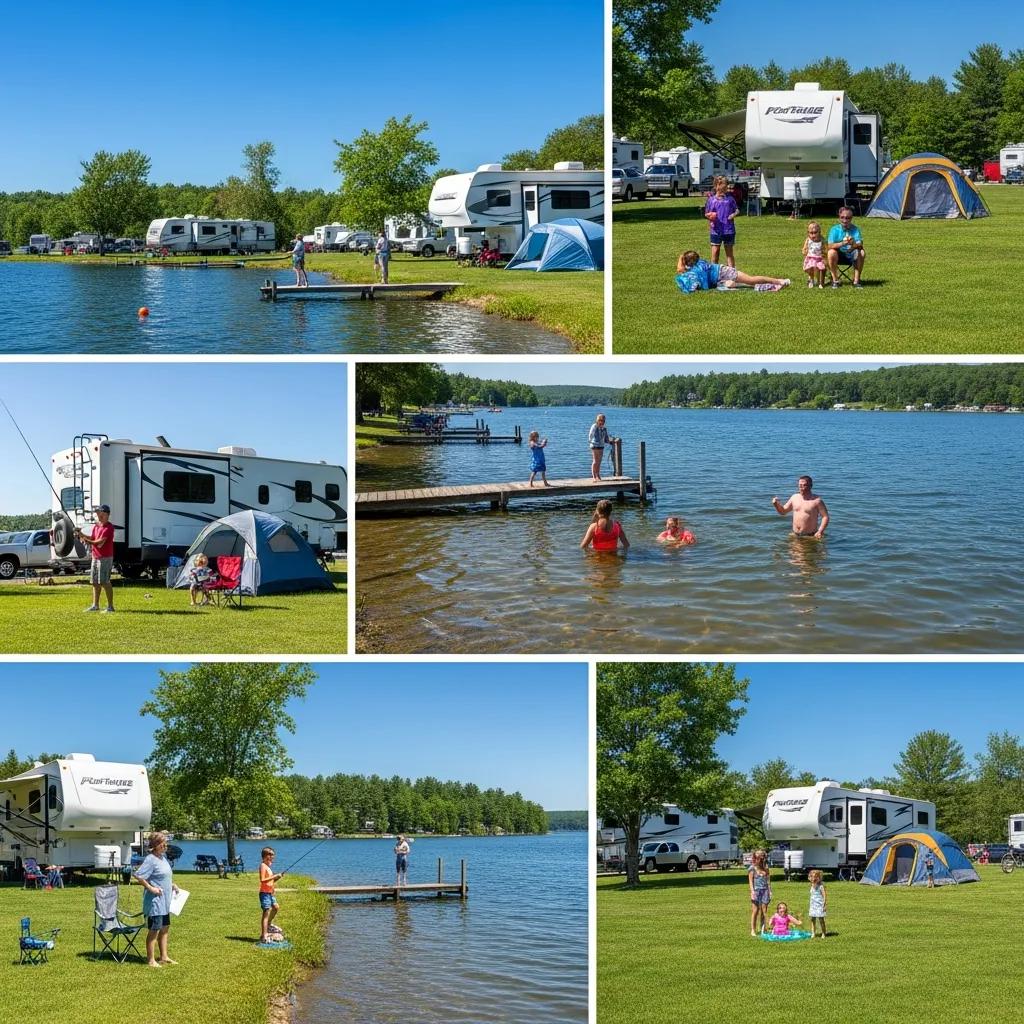
Portage Lake and the campgrounds around it put lakeside fun, family-focused amenities, and easy RV access within reach of multigenerational groups and outdoor-first travelers. This guide shows why Portage Lake ranks high for camping, summarizes the best RV and tent options nearby, outlines lakeside fishing and trail access, and offers simple weekend itineraries for visitors from nearby metros. Many campers look for a balance of convenience, water access, and kid-friendly features; below you’ll find practical details—site types, fishing spots, hiking routes, and family amenities—so you can pick the setup that fits your group. Read on for clear recommendations, straightforward comparisons, and short planning checklists to get you onto the water and trails quickly.
Why Portage Lake, Michigan, Is a Great Spot for Campers
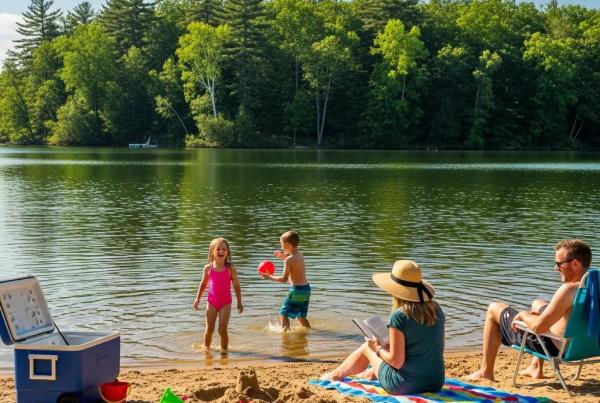
Portage Lake stands out because it pairs easy shore access with close-by natural preserves, giving families and RV travelers a mix of water and land activities. Protected inlets and wetlands make for safe swimming and paddling, while nearby public lands offer miles of trails and dependable wildlife viewing. That variety makes the area ideal for multiday stays where mornings might mean lakeside play and afternoons are for hikes. Knowing these core draws helps you choose the right site—whether that’s a lakeside pitch for quick swims or a roomy RV hookup near trailheads.
Top reasons campers keep coming back to Portage Lake:
- Shoreline access and gentle swim spots: Sheltered bays and gradual beaches keep water time family-friendly.
- Fishing and easy boat launches: Quiet coves and put-ins work well for anglers and paddlecraft.
- Close to Waterloo State Recreation Area: Miles of trails and forest scenery are only minutes from camp.
- Family-focused campground features: Playgrounds, ponds, and on-site programs make multigenerational stays simpler.
Together, these features combine lakeside recreation with trail-based adventure. The next section outlines the outdoor activities you can plan while camping near Portage Lake.
Outdoor Activities You’ll Find Around Portage Lake
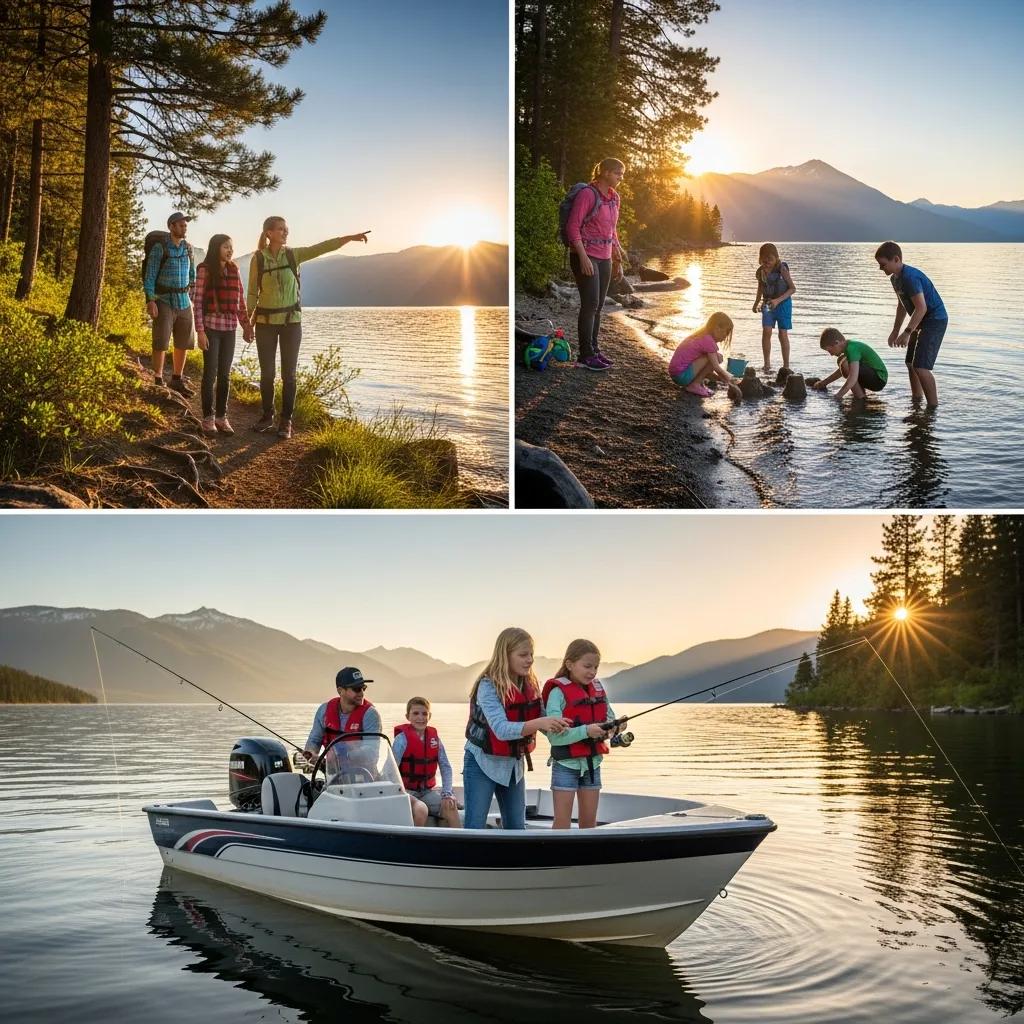
At Portage Lake you’ll find activities that suit energetic families and quieter nature seekers alike. Fishing is a big draw—shore anglers and small-boat fishers target species typical of inland Michigan lakes—while swimmers and paddlers use protected inlets for safer water access. On land, hiking, birdwatching, and biking on nearby trails give low-impact options to explore local flora and fauna; peak seasons include spring songbird migration and fall color. In winter you may find snowshoeing and cross-country skiing where trails are open. The range of options makes Portage Lake a flexible choice for short family breaks or longer RV stays.
Why The Oaks Campground Makes a Good Base for Portage Lake
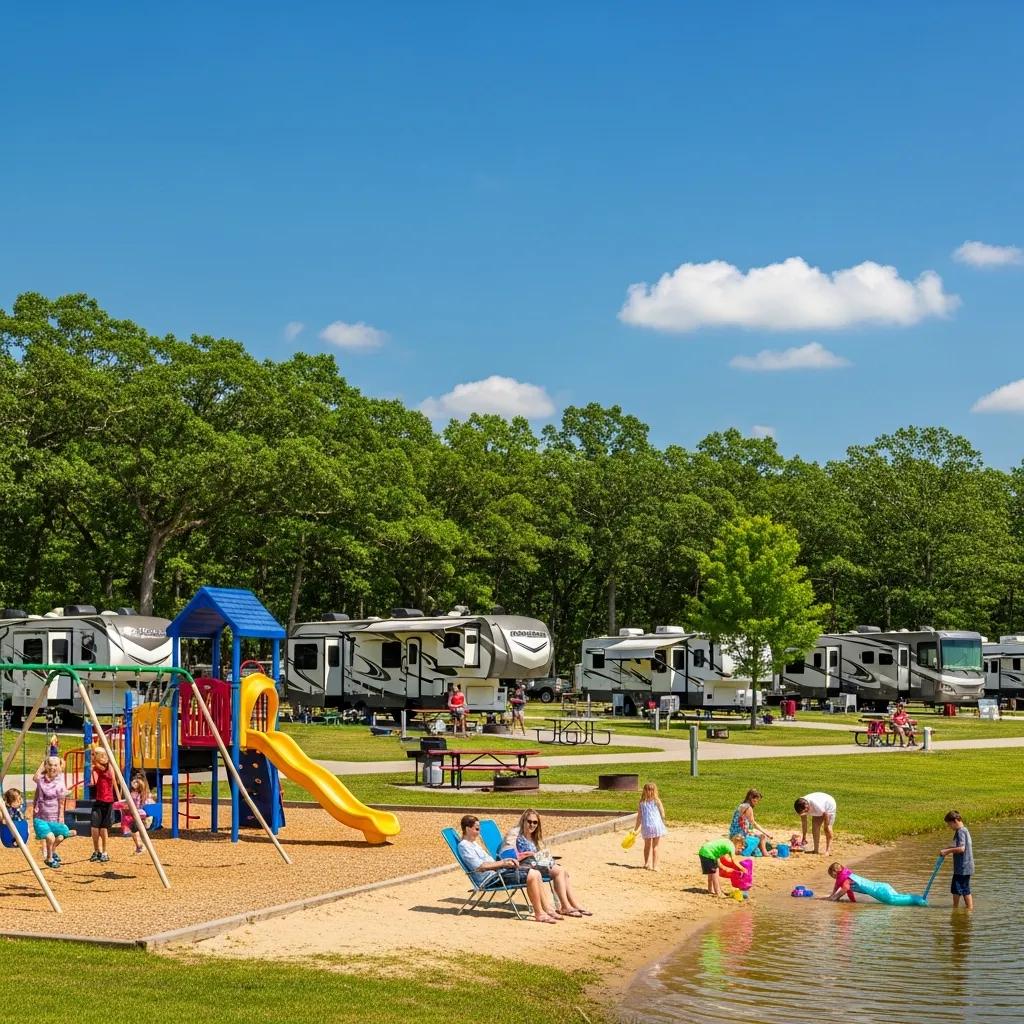
The Oaks Campground is set up as a family-oriented resort that’s convenient for exploring Portage Lake and nearby public lands. It mixes RV and tent sites with a swimming lake, a fishing pond, playgrounds, and golf cart trails that make getting around the property easier. Located near Munith, Michigan, it’s within comfortable driving distance of several metros while keeping guests close to lakeshores and trailheads. GatherGrounds Resorts plans to take over ownership and operations at the end of the 2024 season, and The Oaks has announced a Wibit water park planned for 2025—both signs of ongoing investment in family amenities.
Below is a quick comparison highlighting what makes The Oaks different from typical local alternatives and why it’s a practical base for Portage Lake access.
Family-Friendly Amenities at The Oaks Campground
The Oaks centers on features that simplify multigenerational camping: a lake that feels supervised for kids, a stocked fishing pond for easy shore fishing, playgrounds to keep little ones busy, and golf cart paths for moving gear or people around the grounds. Weekend family programming and on-site events give parents low-effort options for group activities while leaving time for self-directed fun. For families prioritizing convenience—quick access to water play, contained activity zones, and on-site fishing—The Oaks minimizes daily drives and keeps everyone close to the action.
Best RV and Tent Options Around Portage Lake
Picking between full-hookup RV sites, partial-hookup sites, and primitive tent camping comes down to comfort, group size, and season. Full-hookup spots offer water, sewer, and 30/50A power—ideal for extended family stays or those wanting home comforts. Partial-hookup sites give a middle ground with power and water but limited sewer access. Primitive tent sites focus on solitude and being close to trailheads for backpackers or families who want minimal infrastructure. Knowing these differences helps you match expectations for shoreline access, privacy, and utilities.
Here’s a concise comparison of common site types near Portage Lake to guide booking choices.
This table outlines the trade-offs between convenience and wilderness experience so groups can pick the site type that fits their trip. The next paragraph explains where to find these options and what to expect when reserving.
Where to Find Full-Hookup RV Sites and Rustic Tent Camping
Full-hookup RV sites around Portage Lake are most common at larger private campgrounds and family resorts that support big rigs and longer stays. Rustic tent sites tend to appear in remote public campgrounds or state recreation areas that favor natural settings over amenities. If you need reliable power and waste services—especially with kids—full hookups are the comfortable choice. If shoreline proximity and quiet are more important, tent sites put you closer to the water and trails. Site spacing, shade, and restroom proximity vary, so check campground maps and amenity lists before you book. For mixed groups, picking a campground that offers both site types keeps everyone together and cuts down on logistics.
Lakeside Camping and Fishing Near Portage Lake
Lakeside camping focuses on sites with safe shore access and nearby launch points for kayaks and small boats so you can fish, paddle, and swim without long drives. Lakeside sites give ideal morning and evening water access for fishing, birdwatching, and family swims. Season matters: spring and summer are peak for swimming and fishing, while early fall can be quieter and prime for migratory birds. Anglers should confirm current licensing rules and bag limits before fishing, and practicing catch-and-release in sensitive shore zones helps preserve the fishery.
This table helps anglers pick spots by species and ease of access so families can choose safe, productive areas for their skill level and gear. The following section summarizes species and offers practical tips for family fishing outings.
Fishing Opportunities at Portage Lake and Nearby Ponds
Portage Lake and nearby ponds offer accessible fishing for families and novice anglers. Expect panfish and largemouth bass along sheltered shorelines and around aquatic vegetation. Resort ponds are great for shore-based fishing with kids and are sometimes stocked to boost catch rates for younger anglers. Peak times are usually early morning and late afternoon in warm months, while spring and fall can be good for bass. Bring light rods for children, simple bait for panfish, and personal flotation devices for any boat or shoreline fishing involving small craft.
Remember to carry the required Michigan fishing license and review local size and bag limits before you fish. Practicing catch-and-release on smaller waters helps keep fishing good for future campers.
Hiking and Nature Trails Accessible from Nearby Campgrounds
Campgrounds near Portage Lake open to a network of trails and natural areas, especially the paths inside Waterloo State Recreation Area. You’ll find both flat lakeside loops and more varied forested routes. Trails work for families who want short, easy walks as well as experienced hikers who want longer day treks. Many trailheads are a short drive—or even a walk—from camp, so you can be on a hike and back by midafternoon. Check trail difficulty, seasonal conditions, and parking ahead of time to ensure a safe, enjoyable outing for everyone.
Common trail types and family-friendly routing around Portage Lake include:
- Short lakeside loops for easy walking and shoreline views.
- Multi-mile forested trails for longer day hikes and wildlife viewing.
- Connecting routes that link campgrounds with Waterloo State Recreation Area trailheads.
These options let you combine short exploratory walks for children with longer hikes for adults. The next H3 explains how to navigate Waterloo and suggests concrete route ideas for family and advanced hikers.How to Explore Waterloo State Recreation Area and Surrounding Trails?
Start exploring Waterloo by matching route length and difficulty to your group, then plan logistics—parking, start time, and supplies—to keep trips enjoyable and safe. Families should pick shorter loop trails near parking with gentle terrain and interpretive signs; pack water, snacks, basic first-aid supplies, and aim for morning departures when it’s cooler. Advanced hikers can link trails into longer circuits across ridges, wetlands, and mixed hardwood stands—use a trail map and monitor seasonal conditions. Wildlife viewing is common, so bring binoculars and move quietly to increase sightings without disturbing habitats.
Practice leave-no-trace principles and trail etiquette so everyone can keep enjoying the area. Planning routes that return to your campground lets families pair active daytime treks with relaxed afternoons back at camp.
Best Weekend Getaways to Campgrounds Near Portage Lake
Short weekend trips work best with a simple cadence: arrive Friday evening, spend Saturday on the water, and use Sunday morning for a short hike or fishing before heading home. For visitors from nearby metros, timing matters—leaving early after work on Friday or starting Saturday morning expands your activity window. Weekend plans often pair a lakeside morning with an afternoon trail loop, then cap the day with campfire time or on-site events. Focus on one main activity per day to keep the trip achievable and stress-free for families.
- 2-Day Weekend (Friday evening–Sunday noon): Arrive and set up Friday; Saturday for lake time and family fishing; Sunday morning short hike and depart.
- 3-Day Weekend (Friday–Sunday evening): Arrive Friday, full Saturday of boating and trails, relaxed Sunday with on-site games or a nearby day trip, head home late Sunday.
- Active Family Weekend: Mix a guided family program or campground event with independent paddling and a short nature hike for variety.
These itineraries help families and RV travelers structure time so each day focuses on a few achievable activities rather than a packed schedule. The next H3 covers convenience and driving logistics for visitors from major nearby cities.
How Convenient Is The Oaks Campground for Visitors from Detroit, Ann Arbor, and Fort Wayne?
Located near Munith, Michigan, The Oaks sits within reasonable driving distance of several regional cities, making it a solid option for weekend travelers who want lakeside recreation without long drives. For families, the shorter transit reduces fatigue and gives you more time at camp—especially helpful with kids or large RVs. On-property golf cart trails and family amenities cut down on vehicle trips during your stay, simplifying logistics for short breaks. With plans for a new water feature and an ownership transition at the end of 2024, The Oaks is positioning itself as an accessible, family-focused weekend destination for regional visitors.
If you’re planning a weekend, reserve a site that matches your group’s mobility and hookup needs in advance—doing so makes arrival smoother and gets you into activities sooner.
[Article ends after the last provided heading]
Frequently Asked Questions
When is the best time to visit Portage Lake for camping?
Late spring through early fall—roughly May to September—is the best window for camping at Portage Lake. Those months offer warmer weather for swimming, paddling, and hiking. Summer sees the biggest crowds because of school breaks, while early autumn provides cooler temps, fewer people, and great fall color for hikes. Always check local forecasts and campground schedules before you go.
Are there pet-friendly campgrounds near Portage Lake?
Yes—many campgrounds around Portage Lake welcome pets. The Oaks Campground, for example, has pet-friendly policies, though rules on leashes and designated areas vary by property. Bring waste bags, keep your pet under control, and confirm pet rules when you reserve to avoid surprises at check-in.
What safety measures should campers take at Portage Lake?
Safety first: always watch kids near water and wear life jackets when boating or paddling. Store food securely to avoid wildlife encounters, carry a basic first-aid kit, and follow any posted fire restrictions before lighting a campfire. Stay hydrated, use sunscreen, and be aware of changing weather conditions during your stay.
What fishing licenses are required for Portage Lake?
Fishing at Portage Lake requires a valid Michigan fishing license. Licenses are available online and at local retailers and come in several durations—annual, 7-day, or 24-hour—depending on how long you’ll fish. Check local size and bag limits before you cast and carry your license while fishing to stay compliant.
Are guided tours or family activities available at Portage Lake?
Yes—local outfitters and some campgrounds offer guided options like fishing trips, kayak tours, and nature walks for different ages and skill levels. The Oaks also hosts family-friendly programs and events at times. Check campground calendars and local tourism listings to book guided activities during your visit.
What amenities do campgrounds near Portage Lake typically offer?
Campgrounds in the area commonly provide restrooms, showers, picnic spots, and fire pits. Family-focused properties—like The Oaks—add swimming lakes, fishing ponds, playgrounds, and organized events. Many private sites also offer RV hookups with water and electricity. Confirm specific amenities when you make your reservation so your site matches your needs.
Conclusion
Camping near Portage Lake, Michigan, gives families a straightforward way to blend lakeside play, outdoor adventure, and convenient amenities. With options for fishing, hiking, and family-focused facilities, the area supports memorable trips for all ages. Choosing the right base—The Oaks is one example—lets you combine water activities and trail access without long daily drives. Start planning your getaway and find the campground that fits your family’s pace and priorities.