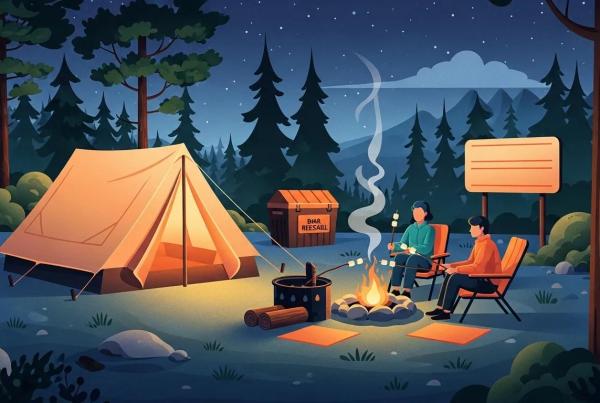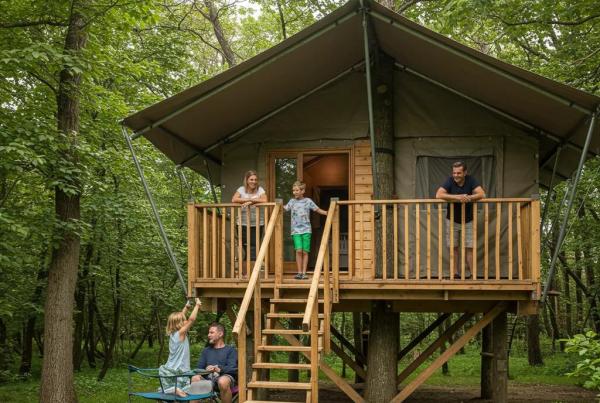

The way to keep animals away from your campsite is to remove the reasons they’d visit: put food, coolers and trash inside a hard-sided vehicle or RV every night, wipe down the grill and picnic table, never feed wildlife, and keep dogs leashed outside the dog park and their food bowls picked up. At a developed Michigan campground like Walnut Hills Family Campground in Durand, the regulars are raccoons, skunks, squirrels and deer, not bears, so a clean site solves nearly every problem before it starts.
Here’s what actually shows up at a southern Michigan campsite, the site rules that keep wildlife wild, what to do when something does wander in, and how to camp with a dog around deer and waterfowl.
How to keep animals away from your campsite
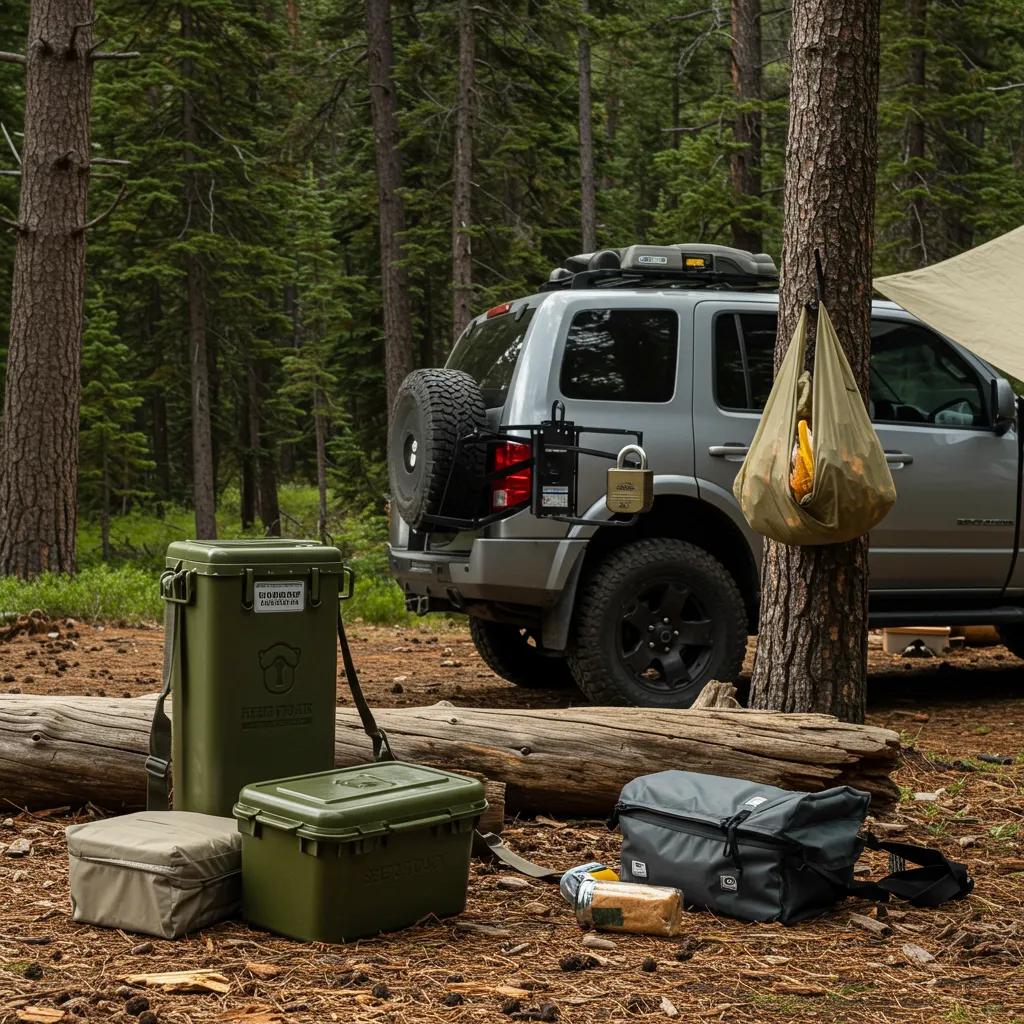
- Store food in the RV or your vehicle. Coolers, snack bins, pet food and anything scented (toothpaste, sunscreen, dish soap) go inside at night and whenever you leave the site. A cooler on the picnic table is an invitation to raccoons, and they can open latches.
- Take trash in before dark. Walnut Hills asks that no garbage be left out overnight, which is what keeps the raccoons in the woods instead of on your site. Bag trash and take it to the dumpsters before dark, or keep it inside until morning.
- Clean as you cook. Scrape the grill, wipe the table and pick up dropped food. Grease smell carries farther than you’d think.
- Never feed wildlife. A deer or chipmunk that learns campsites mean food will be back at every site around you, and bold animals are the ones that end up in trouble.
- Close the screen door and zip the tent. Squirrels and raccoons will walk into an open camper for a loaf of bread.
- Light and noise help. A lantern on the table and ordinary campsite conversation keep most nocturnal visitors at the edge of the woods.

What animals will you see at a Michigan campground?
Around Durand and the Shiawassee River, expect:
- White-tailed deer. The back-fence-line sites at Walnut Hills (74 to 170B) look through a 30-foot band of old trees onto a neighbor’s farm field, and deer graze there most mornings. As one campground employee put it, “People really love that environment. It’s very peaceful back there when you wake up with a cup of coffee in the morning.” Watch from your chair; don’t walk toward them, and never feed them.
- Raccoons and skunks. Nocturnal, bold and the main reason for the trash rule. A skunk that isn’t cornered won’t spray; give it room and let it leave.
- Squirrels and chipmunks. Daytime opportunists at any site with an open snack bag.
- Geese, ducks and herons along the river and the spring-fed swim lake. Don’t feed the waterfowl; it’s bad for them and makes the beach messier for everyone.
- Turkeys, songbirds and the occasional fox along the nature trail that follows the Shiawassee inside the park.
Are there bears in southern Michigan?
Black bears are not something we see at Walnut Hills. Michigan’s bear population is about 12,800 animals, and more than 85 percent of them live in the Upper Peninsula; the rest are mostly in the northern Lower Peninsula. The Michigan DNR notes bears are slowly expanding south and sightings in southern Michigan are rare. You don’t need a bear canister or bear spray for a Durand campsite. The habits that stop raccoons are the same ones the DNR recommends for bears anyway: no food, grease or pet food left out, and garbage secured. If you ever do see one, make noise and let it leave; don’t approach it.
Campsite guidelines that protect wildlife and campers
A handful of Walnut Hills site guidelines exist mainly to keep the woods healthy and the animals wild, which is what makes mornings on the back row so good. The full list is on the map and rules page.
- Fires in the fire ring only, and never unattended. See our Michigan campfire rules guide.
- Buy firewood at the store; outside firewood isn’t allowed. Moving firewood spreads tree pests and disease, and the old-growth trees that shade Walnut Hills, many planted in the 1960s, are what give the park its settled, shaded feel.
- No fireworks at any GatherGrounds park, so the deer stay calm and your dog sleeps through the Fourth.
- Kids and bikes back at the site by dusk; quiet hours 11 PM to 8 AM. Dusk is when deer and raccoons move, and a quiet campground at night is better for the animals and means your kids actually sleep.
- Stay on roads and trails. The riverbank vegetation holds the bank together and hides nests.
- Catch and release in the campground lake and ponds.
Camping with dogs around wildlife
Walnut Hills is pet-friendly, and the guidelines are simple: dogs on a 6-foot leash or inside the RV everywhere except the fenced dog park, picked up after, not left unattended, and not in buildings, on the beach or in the swim lake. There are no breed restrictions; our team goes by behavior, and a well-mannered dog of any size is welcome.
Two places let your dog burn energy off leash or in the water without chasing the wildlife. The fenced dog park, the one place in the park where dogs run off leash, is just over a quarter acre with open grass, shade trees, tunnels, a real fire hydrant, picnic tables and bag stations; a campground employee says it “gets use pretty much on an hourly basis.” And dogs are welcome to swim in the Shiawassee River at the boat launch area; the swim lake and beach stay people-only. A dog on a leash in the campground proper matters most at dusk, when deer cross the back row and raccoons come out. Our camping with pets tips and campgrounds with dog parks guides have more.
What to do if an animal gets into your campsite
- Raccoon on the table at night: turn on a light, make noise from a distance and let it leave. Then find what it came for and put it away.
- Skunk under the camper: don’t shine a light in its face or crowd it. Step back and wait.
- Deer in the site: enjoy it from your chair. Don’t try to pet or feed it, and keep dogs leashed.
- A bat on the ground, or any animal acting oddly (staggering, approaching people, out in daylight when it shouldn’t be): don’t touch it, keep kids and pets away, and tell the store or a staff member right away.
- Anything in a tent or cabin: step out, give it an exit and get staff if it won’t leave.
Wildlife along the Shiawassee River
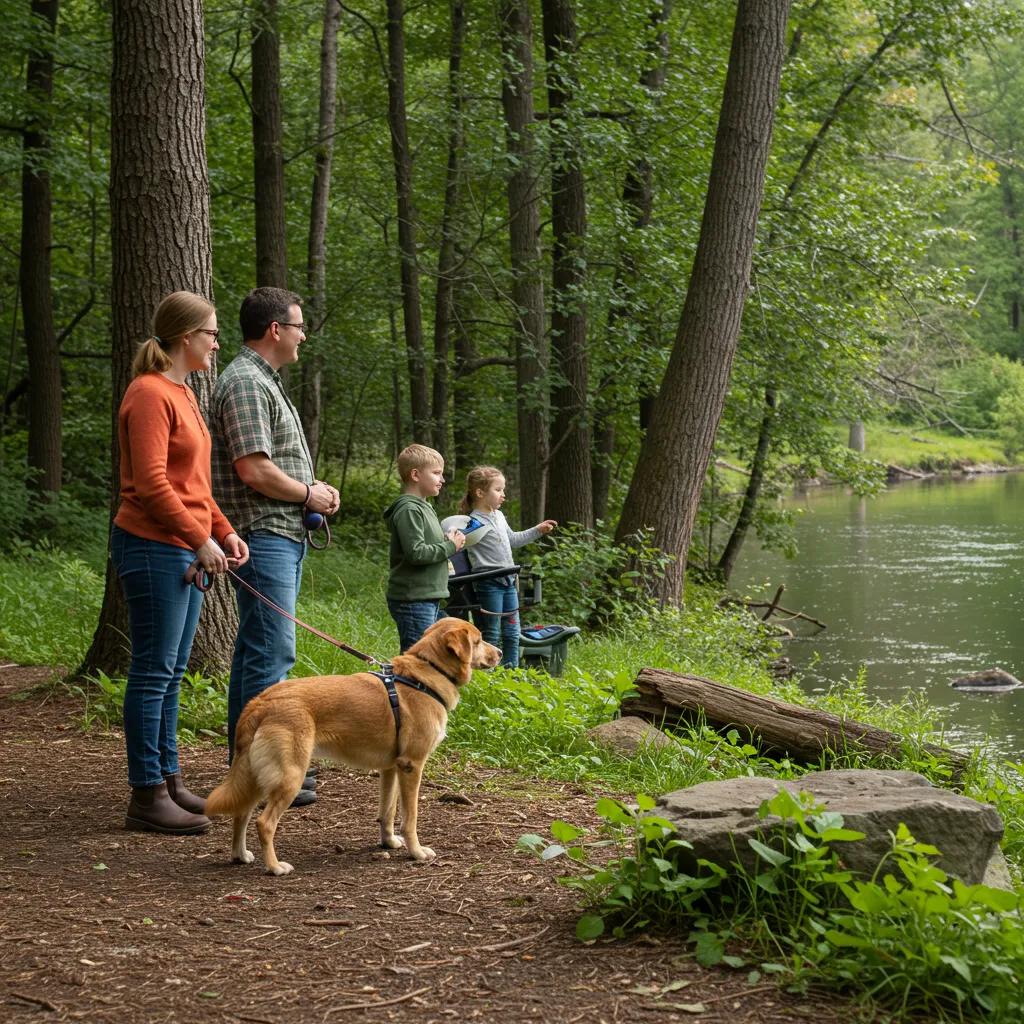
Walnut Hills sits on the Shiawassee, and a float trip is the best wildlife viewing in the park. Cheff’s Canoe Rental, an independent outfitter working out of the Walnut Hills launch, runs canoe, kayak and tube trips, and there’s a short in-park float too. Launch from the boat launch rather than the bank, paddle quietly, stay off vegetated shorelines where birds nest, and let waterfowl swim away instead of chasing them. Herons and ducks will let a quiet canoe drift surprisingly close. For river conditions and life-jacket guidance, see our river safety guide.
For the park’s other safety measures, from the license-plate gate to night staff, see our campground safety guide, or start planning at Walnut Hills Family Campground.
Frequently asked questions
Do I need a bear canister in Michigan?
Not at a developed campground in southern Michigan. Keep food in your RV or vehicle. Bear canisters are for backcountry camping in the Upper Peninsula and northern Lower Peninsula, where bears are common.
Can I feed the deer at the campground?
No. Fed deer lose their wariness, crowd campsites and get hit on the road. Watch them from your site, especially along the back fence line in the morning.
What keeps raccoons away from a campsite at night?
Nothing they can eat. Coolers, trash, pet food and grills cleaned or put inside before dark. A raccoon that finds nothing twice stops coming.