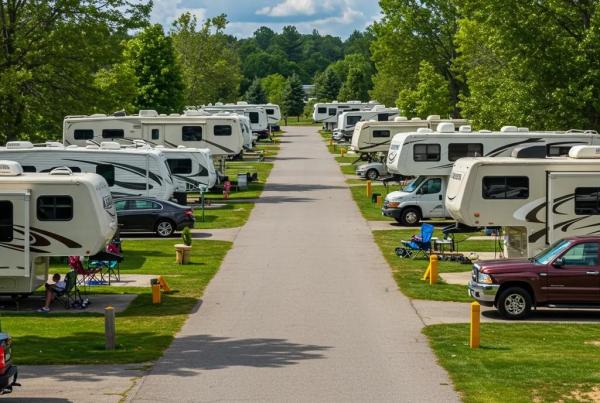


Maximize Your RV Resort’s Value: Expert Online Marketing Strategies for Sellers
As an RV resort owner, you know that a strong online presence is key to attracting both bookings and serious buyers. This guide dives into how to effectively market your RV resort online, using proven tactics to boost occupancy, build measurable revenue streams, and create the kind of documented performance that buyers value. You’ll discover practical SEO, social media, review management, and content strategies designed to elevate your search rankings and drive direct bookings. We’ll also cover the precise marketing metrics buyers scrutinize when assessing value. Many campground owners find it challenging to translate daily marketing efforts into sale-ready documentation; this article provides step-by-step methods to capture that performance and leverage it in negotiations. Below, we explore top online marketing strategies, how marketing impacts valuation, optimal timing for a sale, the advantages of selling directly to a family-owned buyer, preparation checklists, common seller questions, and essential monitoring tools. Throughout, we integrate key phrases like “sell an RV resort online,” “campground SEO tips,” and “increase campground value marketing” to help you implement actionable steps and present compelling evidence to potential buyers.
What Are the Most Effective Online Marketing Strategies for RV Resorts?
Effective online marketing for RV resorts is a blend of making your property discoverable, building trust, and creating clear pathways for campers to book their stays. SEO boosts your organic visibility by aligning your website, local signals, and content with what campers are searching for. Social media and online reviews build the credibility that drives conversions. Paid advertising can accelerate seasonal occupancy, while retargeting efforts lift direct bookings, thereby reducing distribution fees and strengthening revenue data for buyers. The following sections delve into SEO, social media, reviews, and content marketing, offering tactical steps you can implement right away.
How Can SEO Boost Your RV Resort’s Online Visibility?
SEO for campgrounds involves optimizing your website pages, local profiles, and structured data so search engines prominently feature your property when campers search for destinations. On-site SEO organizes your content around rates, amenities, and booking processes, while local SEO fine-tunes your Google Business Profile and citations to capture nearby campers searching by location. Implementing schema markup for campgrounds and clearly presenting rate and availability data improves search engine indexing and enables rich results, leading to higher click-through rates and more direct traffic. A concise checklist—optimizing title tags, ensuring consistent NAP data, adding campground schema, and publishing local guides—lays the groundwork for organic growth and prepares your site to showcase sustained traffic trends to potential buyers.
Research indicates that implementing effective SEO strategies can significantly enhance a website’s visibility and organic traffic, leading to increased brand awareness and potential sales conversions.
Optimizing SEO Strategies for Increased Visibility and Marketing Success
This research aims to identify and optimize SEO (Search Engine Optimization) strategies to increase visibility and achieve marketing goals. With the emergence of the internet as a major platform for various business activities, it is important for companies to highlight their presence among competitors by maximizing effective SEO strategies. The results of this research show that implementing an effective SEO strategy can significantly increase the visibility and organic traffic of a website, which in turn can contribute to increased brand awareness, increased visitor numbers, and the potential for increased sales conversions.
Optimizing SEO (Search Engine Optimizing) strategy to increase visibility and achievement of marketing goals, DI Jusuf, 2023
Which Social Media Platforms Best Showcase Your Campground’s Appeal?

Social media platforms that excel in visual storytelling and community engagement—particularly Facebook, Instagram, and short-form video channels—are ideal for showcasing the campground lifestyle, events, and site features to attract campers. Consistent storytelling through photos, reels, and brief virtual tours enhances brand recall and directs traffic to your direct-booking pages, improving the conversion metrics buyers examine. Leverage platform-specific tactics: utilize event listings and groups on Facebook, share captivating reels and highlights on Instagram, and post experience-driven clips on short-form video platforms to capture interest. Integrating these channels into a content calendar and tracking referral traffic helps you connect social campaigns directly to booking outcomes that buyers recognize as valuable.
How Do Online Reviews and Testimonials Enhance Your Campground’s Reputation?
Online reviews serve as powerful social proof, building trust and boosting conversion rates. High average ratings and recent positive reviews improve click-through and booking rates across search engines and listing platforms. Prioritize review platforms like Google Business Profile and major travel review sites. Implement a workflow to solicit reviews after stays and utilize response templates that acknowledge feedback and demonstrate attentive operational management. Aggregating testimonials into your listing copy and website pages amplifies positive sentiment and converts undecided campers. Furthermore, consistent improvement in review scores becomes a key buyer-facing KPI that reduces perceived acquisition risk. Establishing a regular review cadence and a robust response process enhances both guest satisfaction and the quality of marketing evidence you can present during a sale.
What Role Does Content Marketing Play in Attracting RV Campers?
Content marketing attracts high-intent campers by providing helpful resources that directly answer their search queries. Think local destination guides, seasonal checklists, and itinerary suggestions that position your resort as both a valuable resource and a desirable booking destination. Long-form blog posts optimized for keyword research build organic traffic over time, while downloadable guides and email opt-ins convert visitors into repeat bookers, thereby increasing direct-booking percentages. Content also serves as documented evidence of demand: steady traffic to booking-related posts demonstrates sustained interest that potential buyers can analyze. Creating a content calendar focused on local experiences and unique operational differentiators simultaneously strengthens your SEO and buyer-facing metrics.
After outlining these strategies, it’s beneficial to connect marketing results to your potential exit: owners who meticulously document growth and direct-booking trends often find significantly stronger buyer interest. GatherGrounds Resorts, a family-owned direct buyer focused on campground acquisitions, evaluates documented online performance as a critical part of property qualification; owners considering a sale can leverage these marketing records when engaging with potential buyers like GatherGrounds Resorts.
How Can You Use Online Marketing to Increase Your RV Resort’s Value for Sale?
Online marketing becomes a powerful valuation lever when it demonstrably drives revenue growth, encourages repeat visitation, and establishes reliable direct-booking channels that buyers can easily verify. Buyers actively seek traffic trends, conversion rates, and direct booking data because these metrics reduce revenue volatility and expedite the underwriting process. Presenting historical channel revenue, occupancy trends, and direct-booking percentages effectively converts your marketing activities into tangible inputs for NOI and EBITDA calculations. The following subsections detail the specific metrics buyers expect, how your online presence impacts valuation, and property enhancements that amplify your marketing ROI.
What Marketing Metrics Demonstrate Business Growth to Potential Buyers?
Buyers prioritize KPIs that directly link marketing efforts to revenue generation: organic traffic growth, direct-booking percentage, conversion rates by channel, repeat visitation rates, and revenue-by-channel reports. Presenting a clear dashboard that illustrates monthly organic sessions, booking conversion rates, direct revenue share, and year-over-year occupancy paints a compelling narrative of demand. Including attribution for marketing spend and showcasing examples of high-performing campaigns empowers buyers to forecast future revenue more accurately and assign a higher valuation multiple. A consistent reporting cadence—monthly for operational insights, quarterly for trend analysis—builds buyer confidence and accelerates the diligence phase.
Intro to table: The table below compares common marketing channels by traffic volume, conversion effectiveness, and the specific evidence each metric provides to buyers.
How Does a Strong Online Presence Influence RV Resort Valuation?
A robust online presence significantly lowers perceived risk and elevates valuation by proving predictable revenue streams and consistent repeat demand. Buyers translate documented direct bookings and strong review patterns into greater confidence in projected cash flows, often applying tighter cap rates or higher multiples as risk diminishes. Brand equity—quantified by review scores, organic visibility, and direct customer relationships—functions as an intangible asset that enhances your negotiation leverage. Owners who can present clear trendlines demonstrating steady traffic and conversion growth typically shorten sale timelines and command better net proceeds.
What Property Enhancements Complement Your Marketing Efforts?
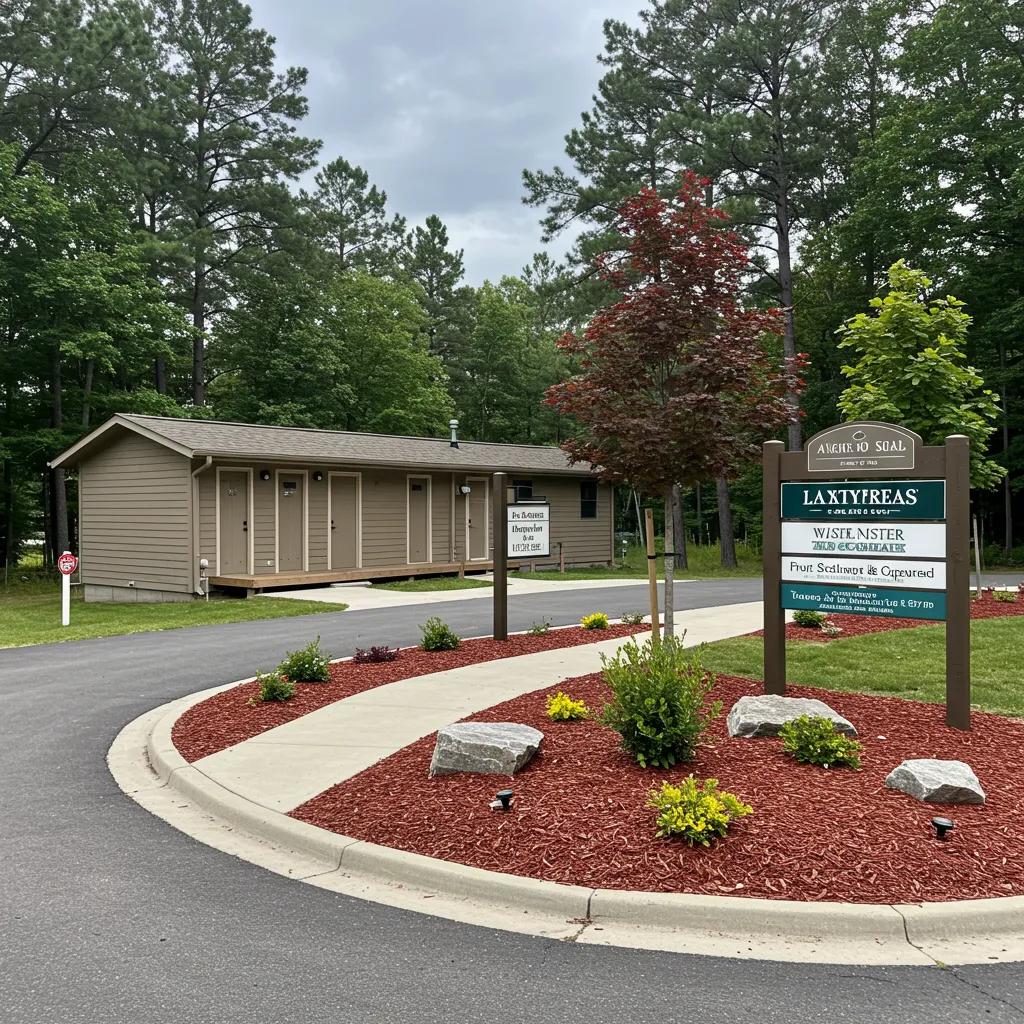
Property upgrades that enhance the guest experience also amplify the effectiveness of your marketing messages and allow for higher average daily rates. Targeted improvements—such as site resurfacing, adding amenities like Wi-Fi or upgrading bathhouses, and enhancing signage and curb appeal—are tangible assets you can immediately photograph and promote. Operational enhancements that reduce friction in booking and check-in processes (like implementing online reservation systems and ensuring clear rate structures) boost conversion rates and increase your direct-booking share. Prioritizing modifications with favorable cost-to-return ratios yields faster occupancy lifts and creates documentation that buyers will find highly persuasive.
After detailing how marketing impacts valuation, owners considering sale readiness should note precisely what buyers are looking for. GatherGrounds Resorts focuses its acquisitions on campgrounds with over 130 sites; a strong online presence that clearly demonstrates sustainable demand and a high direct-booking percentage aligns perfectly with the acquisition criteria evaluated by a direct buyer like GatherGrounds.
When Is the Right Time to Sell Your RV Resort or Campground?
Timing your sale effectively involves balancing your personal objectives, prevailing market conditions, and operational realities to maximize your net proceeds while minimizing disruption. The optimal time often emerges when financial indicators align with your personal plans—think stable or growing NOI, manageable maintenance needs, and robust buyer market activity. Market signals, such as rising buyer demand or favorable financing conditions, also influence timing, as do operational triggers like upcoming large capital expenditures or succession planning requirements. The following subsections offer checklists and assessment methods to help you decide whether to list your property or pursue a direct sale.
What Are the Key Indicators That Signal It’s Time to Sell?
Key indicators include a consistent decline or plateau in NOI, your personal desire to retire or pursue new ventures, significant upcoming capital projects that could reduce net proceeds, and increased buyer activity in the market. Financial red flags—such as shrinking margins, unaddressed deferred maintenance, or inconsistent booking trends—suggest delaying a sale until operations stabilize. Conversely, sustained revenue growth, improved direct-booking ratios, and strong reputation metrics signal a favorable window to market your property. Carefully weighing these indicators against your personal timing goals will help you decide whether to prepare for a listing or engage directly with buyers.
- Owners should consider three primary operational signals before selling:
Financial Stability: Positive, predictable NOI and impeccably clean financial records.
Operational Continuity: A well-defined plan for staff retention or a smooth handover process.
Market Opportunity: Clear evidence of buyer interest or favorable lending conditions.
How Does Retirement Planning Affect Your Campground Exit Strategy?
Your retirement planning significantly shapes whether you require immediate liquidity, a phased exit, or ongoing residual income from an earn-out; these preferences directly influence the sale structure and acceptable timelines. Tax implications and cashflow needs might prompt you to seek faster closings or structured payouts, while those prioritizing legacy may prefer buyers who offer staff continuity and operational transition support. Preparing clean financial statements and understanding potential tax scenarios well in advance of listing reduces surprises and improves negotiation outcomes. Consulting with financial and tax advisors early in the process ensures your retirement goals align with your sale timing and documentation preparation.
How Can You Assess Your RV Resort’s Market Value Before Selling?
Estimating your resort’s value involves comparing NOI and cap-rate approaches, analyzing comparable sales, and considering market demand and unique amenities that support premium pricing. You should assemble historical P&Ls, occupancy reports, and revenue-by-channel breakdowns to enable preliminary valuation models. A broker’s opinion, an independent appraisal, or offers from direct buyers can validate your estimates; however, documented marketing performance—consistent traffic trends and direct-booking growth—frequently enhances the perceived valuation multiple. Compiling this data into a concise package helps you effectively evaluate offers and choose the best sale route.
Why Choose a Direct Buyer Like GatherGrounds Resorts Over a Campground Brokerage?
Selling directly to a buyer can significantly reduce transaction friction, eliminate listing commissions, and preserve operational and cultural continuity for your staff and guests. Direct buyers often offer faster timelines, confidential negotiations, and hands-on transition plans that align with legacy-preservation goals. Family-owned direct buyers may emphasize stewardship and the retention of existing teams, which is particularly important for owners who value legacy over a purely transactional sale. The following subsections quantify potential fee savings, explain GatherGrounds’ stewardship commitments, and outline the step-by-step direct-sale process.
How Does Selling Directly Save You Money on Brokerage Fees?
Selling directly bypasses listing commissions and broker facilitation fees, which typically range from a mid-single-digit to a low-double-digit percentage of sale proceeds, depending on the agreements. Eliminating these fees directly increases your net proceeds, simplifying deal economics—more of the sale price flows to you, the owner, rather than intermediaries. Direct offers also reduce marketing expenses associated with a public listing and often shorten closing timelines, thereby lowering your carrying costs. Presenting a straightforward net-proceeds comparison between a brokered listing and a direct offer clearly illustrates the financial trade-offs for owners considering both routes.
- Typical advantages of a direct sale include:
Lower Transaction Costs: No brokerage commissions mean significantly reduced seller-side fees.
Faster Closing: Streamlined negotiations shorten the time your property is on the market.
Confidentiality: Private discussions protect guest and team morale.
How Does GatherGrounds Preserve Your Campground’s Legacy and Team?
GatherGrounds Resorts, a family-owned company dedicated to campground acquisition and operation, places a strong emphasis on preserving a campground’s legacy and retaining its valued teams. This stewardship approach translates into a focus on maintaining exceptional guest experiences, retaining local staff whenever feasible, and honoring the traditions that define the property’s unique identity. For owners who prioritize cultural continuity and strong community relationships, a direct buyer with stated commitments to legacy preservation can significantly reduce emotional and operational friction during the transition. Understanding this cultural alignment helps sellers choose a buyer who is truly in sync with their values and the local stakeholders.
What Is the Step-by-Step Process When Selling to GatherGrounds Resorts?
A typical direct-sale process begins with an initial conversation to qualify the property, followed by a confidentiality agreement, a thorough data-room review, and a formal offer based on comprehensive financial and operational documentation. Due diligence then proceeds with targeted requests—including historical financials, occupancy data, and maintenance records—culminating in negotiation, contract execution, and closing, complete with transition planning for staff and operations. Timelines can vary based on complexity but are often compressed compared to a public listing due to the direct communication and reduced marketing phase. Owners interested in a no-obligation conversation can reference GatherGrounds Resorts’ sell-your-campground contact path to initiate a confidential discussion.
To help you compare selling routes directly, the table below summarizes typical fees, timelines, control, and confidentiality attributes.
How Can You Prepare Your RV Resort for a Successful Online Marketing Campaign and Sale?
Preparation demands both marketing readiness and meticulously organized financial documentation so that your marketing successes translate directly into buyer-ready evidence. A dual focus on enhancing guest-facing assets and assembling clear operational records yields stronger offers and a smoother diligence process. Begin with essential financial reports, prioritize cost-effective property improvements that boost occupancy, and build a high-converting online listing complete with polished imagery and transparent data. The subsections below provide practical document checklists, prioritized improvement ideas, and best practices for your listing.
What Financial Documents and Records Do Buyers Expect?
Buyers routinely request historical profit and loss statements, tax returns, occupancy and reservation reports broken down by channel, vendor contracts, and capital expenditure histories. Presenting standardized P&Ls with clear revenue-by-channel breakdowns (OTA, direct, walk-ins) and monthly occupancy tables significantly speeds analysis and increases buyer confidence. Maintenance logs, insurance records, and staff contracts also reduce diligence friction by demonstrating organized operations and predictable expenses. Preparing these documents in a consistent format ahead of buyer conversations shortens the due diligence timeline and supports stronger offers.
Intro to table: The table below lists common buyer-requested documents, explains why they are important, and provides example formats or ranges.
Which Property Improvements Attract More Campers and Buyers?
High-impact improvements that are highly visible in marketing materials and significantly increase guest satisfaction include upgraded signage, refreshed site amenities, improved bathhouse facilities, and enhanced connectivity options. Investments in curb appeal and new amenity features photograph exceptionally well and can justify modest increases in rates and occupancy. Infrastructure upgrades that support longer stays or higher occupancy—such as sewer/water improvements or enhanced electrical capacity—make the resort more attractive to buyers seeking scalable operations. Prioritizing projects with a strong link to marketing and valuation yields the greatest return on investment before a sale.
- Recommended improvement priorities:
Visual Upgrades: Signage and landscaping to dramatically improve first impressions.
Amenity Enhancements: Bathhouses, communal spaces, Wi-Fi to boost reviews and occupancy.
Infrastructure Investment: Systems that enable higher revenue per site.
How Can You Build a Compelling Online Listing That Converts?
A high-converting listing combines headline clarity, professional photography, representative rates, recent reviews, and an easily accessible booking call-to-action that directs guests to direct reservations. Lead with a concise headline that highlights your resort’s unique attributes, include a comprehensive photo checklist (aerial shots, amenity close-ups, diverse campsite types), and present occupancy history or peak-season rates to set buyer expectations. Utilizing guest testimonials and a clear description of amenities enhances trust and booking rates, while documented occupancy data reinforces buyer confidence. Optimizing your listing copy and visuals simultaneously increases bookings and creates verifiable marketing evidence for prospective buyers.
What Are Common Questions About Marketing and Selling RV Resorts Online?
Owners frequently ask whether they can sell without a broker, what specific factors drive value, and how marketing directly impacts selling price; providing clear, concise answers to these common questions reduces friction and helps owners confidently assess their options. Direct responses to these PAA-style questions effectively capture searchers and offer quick guidance for sellers evaluating their choices. The subsections below provide straightforward answers and practical next steps.
How Do I Sell My RV Park Without a Broker?
Selling without a broker involves engaging directly with potential buyers, preparing all necessary documentation, and managing negotiations and closing logistics either internally or with the assistance of legal counsel. The advantages include avoiding commission fees and maintaining confidentiality; the disadvantages involve managing marketing reach and navigating negotiation complexities that brokers typically handle. When considering direct offers, ensure your financials are impeccably clean, have a well-organized data room ready, and fully understand the tax and legal implications before signing any agreements. Direct sale routes are particularly well-suited for owners prioritizing speed, lower fees, and legacy preservation, especially when buyers like family-owned acquisition companies express interest.
What Factors Determine the Value of My Campground?
Key value drivers include NOI, occupancy rates, location, the suite of amenities offered, operational efficiency, and documented demand trends such as organic traffic and direct-booking share. Growth potential, the extent of deferred maintenance, and local market comparables also significantly shape the valuation multiples used by buyers. Marketing-driven metrics—sustained organic traffic, consistently positive reviews, and a high percentage of direct bookings—serve as compelling evidence of demand and can justify higher offers. Owners should assemble these factors into a concise valuation narrative to present to buyers and advisors.
How Can Online Marketing Increase My Campground’s Selling Price?
Online marketing directly increases your campground’s selling price by producing verifiable revenue trends, higher direct-booking percentages that improve NOI attribution, and stronger reputation metrics that reduce perceived risk. Demonstrable improvements in conversion rates, repeat visitation, and channel diversification clearly show buyers that your revenue streams are both sustainable and scalable. Presenting these outcomes with clear dashboards, traffic trendlines, and campaign ROI during brokering or direct-sale discussions significantly enhances your negotiating leverage. Practical examples—such as increasing direct bookings by shifting OTA traffic to your own site and actively improving online reviews—translate directly into measurable valuation uplift.
How Can You Monitor and Improve Your RV Resort’s Online Marketing Performance?
Effective monitoring requires a streamlined toolkit and a consistent cadence: track search visibility, site behavior, booking conversions, and review sentiment to iteratively refine the channels that drive revenue. Consistent measurement and reporting transform your marketing activities into buyer-ready evidence and help you prioritize necessary updates. The subsections below outline essential tools, strategies for using feedback to refine your marketing, and recommended content refresh cadences to keep your online presence current and credible.
Which Tools Track Your Campground’s Online Visibility and Engagement?
Key tools include search analytics for monitoring queries and impressions, site analytics for understanding user behavior and conversions, rank tracking for keyword visibility, and review platforms for reputation management. Utilizing search console data to identify rising queries, pairing that with site analytics to measure booking funnels, and tracking rankings for target terms provides a clear picture of your marketing performance. Simple dashboards that summarize monthly organic sessions, direct-booking percentages, and review trends offer buyers a clean, easily interpretable dataset. Implementing these tools creates replicable reporting that supports both marketing optimization and the due diligence process.
- Essential monitoring items:
Search Analytics: Impressions and queries to guide content strategy.
Site Conversions: Booking funnel drop-off analysis to improve user experience.
Review Monitoring: Sentiment tracking to prioritize operational fixes.
How Do You Use Customer Feedback to Enhance Your Marketing Strategy?
Customer feedback is invaluable for informing both operational improvements and marketing messaging by revealing what guests value most and where potential friction points exist. Collect structured feedback through post-stay surveys, monitor recurring themes in online reviews, and prioritize fixes that address common issues directly related to booking deterrents. Translating this feedback into content—such as updated FAQs, additional photos, or refined service descriptions—closes the loop and improves conversion rates. Highlighting improved review scores and documented fixes in your marketing materials not only attracts new guests but also demonstrates to buyers your active management and responsiveness.
When Should You Update Your Marketing Content and Strategy?
A regular cadence—quarterly content audits and biannual strategy reviews—ensures your messaging remains aligned with current search trends and operational changes. Triggers such as seasonality shifts, significant drops in search engine results page (SERP) rankings, or major property upgrades necessitate immediate updates. Small, frequent refreshes (like updating images, adjusting rates, or adding new reviews) deliver quick wins, while larger strategy pivots should follow a thorough review of analytics and competitive signals. Aligning your update cadence with your reporting periods creates consistent narratives for buyers and ensures your documented marketing performance remains current and credible.
- Recommended schedule:
Quarterly Audits: Review SEO, content effectiveness, and performance metrics.
Biannual Strategy Reviews: Reassess channels, goals, and overall approach.
Event-Driven Updates: Refresh content following major upgrades or significant SERP changes.
These processes are instrumental in maintaining momentum and thoroughly preparing your resort for a sale conversation when the time is right.
Frequently Asked Questions
What are the benefits of using social media for RV resort marketing?
Social media platforms like Facebook and Instagram empower RV resorts to vividly showcase their unique offerings through compelling visuals and active community interaction. By sharing high-quality photos, engaging videos, and captivating stories, resorts can cultivate a vibrant online presence that effectively attracts potential guests. Furthermore, social media facilitates direct, real-time communication with customers, enabling resorts to promptly address inquiries and gather valuable feedback. This consistent engagement not only builds profound trust but also significantly enhances brand loyalty, making it considerably easier to convert followers into confirmed bookings.
How can I measure the success of my online marketing efforts?
To accurately measure the success of your online marketing initiatives, focus intently on key performance indicators (KPIs) such as website traffic volume, conversion rates, and social media engagement levels. Tools like Google Analytics are indispensable for tracking visitor behavior, while social media insights provide crucial data on post reach and audience interactions. Regularly reviewing these metrics allows you to identify emerging trends, critically assess the effectiveness of your strategies, and make informed adjustments to optimize overall performance and maximize your ROI.
What types of content should I create to attract more campers?
Creating a diverse range of content types can significantly enhance your resort’s appeal to potential campers. Consider producing comprehensive local destination guides, insightful seasonal tips, and engaging blog posts that vividly highlight the unique experiences available at your resort. High-quality visual content, such as stunning photos and immersive videos showcasing amenities and activities, can also capture significant attention. Additionally, user-generated content, including authentic guest testimonials and reviews, provides genuine insights that resonate deeply with prospective visitors, strongly encouraging them to choose your resort for their next getaway.
How often should I update my online marketing content?
Regularly updating your online marketing content is absolutely essential for maintaining relevance and sustained engagement. A best practice is to conduct quarterly content audits to rigorously assess performance and refresh any outdated information. Furthermore, immediate updates should be implemented following significant changes, such as major property upgrades or the introduction of new amenities. Keeping your content consistently current not only improves your SEO performance but also ensures that potential guests receive accurate, enticing, and up-to-date information about your RV resort.
What role do online reviews play in my marketing strategy?
Online reviews play a pivotal role in building credibility and fostering trust with potential guests. Positive reviews significantly enhance your resort’s reputation and can profoundly influence booking decisions. Actively managing your online reputation by thoughtfully responding to all reviews—both positive and negative—demonstrates your unwavering commitment to guest satisfaction. Incorporating compelling testimonials into your marketing materials can also provide powerful social proof, making your resort more appealing to prospective campers and thereby increasing conversion rates.
How can I effectively use email marketing for my RV resort?
Email marketing stands out as a powerful tool for engaging past guests and attracting new ones. By diligently building a subscriber list, you gain the ability to send targeted campaigns featuring exclusive special offers, announcements about upcoming events, and personalized content that deeply resonates with your audience. Segmenting your email list based on guest preferences allows for highly tailored messaging, significantly increasing the likelihood of bookings. Regular newsletters can also effectively keep your resort top-of-mind, encouraging repeat visits and cultivating a loyal customer base.
What are some common mistakes to avoid in RV resort marketing?
Common pitfalls in RV resort marketing include neglecting essential SEO practices, failing to actively engage with customers on social media, and not diligently monitoring online reviews. Additionally, inconsistent branding and messaging across platforms can confuse potential guests. It is crucial to maintain a cohesive and unified online presence across all platforms and ensure that your marketing materials accurately reflect your resort’s unique identity. Regularly analyzing your marketing strategies and proactively adapting based on feedback can help you avoid these common mistakes and significantly enhance your overall effectiveness.
Conclusion
Successfully marketing your RV resort online not only dramatically enhances visibility but also effectively drives bookings and increases overall property value. By diligently implementing effective strategies in SEO, social media engagement, and content marketing, owners can create compelling evidence that powerfully attracts potential buyers. Documenting these marketing efforts translates directly into the tangible metrics that buyers actively seek, ultimately leading to a smoother and more profitable sale process. Begin optimizing your online presence today to maximize your resort’s appeal and value for future opportunities.