How to Choose the Best Campground Broker: A Complete Guide for Selling Your RV Park or Campground
Selecting the right campground broker is key to maximizing your sale value, safeguarding your property’s legacy, and ensuring a seamless ownership transition. This guide walks you through what a campground broker does, how the campground sales process typically unfolds, and the specific criteria you should use to evaluate brokers. We’ll cover valuation methods, buyer networks, and negotiation tactics. If you’re planning your exit—whether it’s retirement or a strategic shift—you’ll find practical interview questions, red flags to watch for, and actionable checklists to compare brokered listings against alternatives like direct sales. The article is structured to guide you through each decision point: defining a campground broker and their services, choosing the best broker based on industry-specific criteria, crucial interview questions, the brokered sale process from valuation to closing, alternatives to traditional brokerage (including selling directly to a family-owned buyer), 2025 market trends impacting sale strategy, and a final decision framework. Throughout, we’ll naturally incorporate terms like “campground broker,” “RV park brokers,” “campground valuation,” “sell my campground,” and “direct campground buyer” to align with your search queries, all while maintaining an owner-first, legacy-focused perspective.
What Is a Campground Broker and Why Should You Use One?
A campground broker is a specialized real estate intermediary focused on selling campgrounds and RV parks. They manage the entire process, from valuation and confidential marketing to buyer outreach, negotiation, and transaction logistics.
Brokers are effective because they combine specialized campground valuation techniques with access to targeted buyer networks and strong negotiation experience. This typically leads to a more efficient sale process and better net proceeds compared to a do-it-yourself approach.
Engaging a broker offers significant benefits to owners who need to maintain confidentiality, want to ensure market-based pricing, or require assistance coordinating due diligence and closing tasks. The following sections will detail the core services a broker provides, when using one is most advantageous, and how specialized campground brokers differ from general real estate agents.
What Does a Campground Broker Do in RV Park Real Estate?
A campground broker offers a suite of specialized services: a market-backed valuation, a custom marketing package, targeted buyer outreach, buyer vetting, strategic negotiation, and coordination of due diligence deliverables. Valuation often employs income approaches, cap-rate analysis, and comparable sales data to estimate market value. Marketing efforts leverage private networks and industry portals to maintain confidentiality. Brokers also manage offers, help structure letters of intent, and protect your leverage during buyer due diligence, minimizing operational disruption. Understanding these services clarifies why many owners rely on brokers for complex campground transactions and prepares you to evaluate service levels when interviewing candidates.
When Is It Best to Use a Broker for Selling Your Campground?
Hiring a broker typically makes the most sense when your campground is complex, has appeal to institutional or out-of-region buyers, or when confidentiality and maximizing sale price are higher priorities than speed. Complex properties—those with multiple revenue streams, leases, intricate utility arrangements, or environmental considerations—greatly benefit from a broker’s coordination and specialized documentation expertise. Brokers are also invaluable when you desire staged marketing to qualified investors, professional negotiation handling, and structured closing timelines. If your primary goal is a very fast, discreet transfer or you prefer to sell directly to a known buyer, alternative paths might be more suitable, which we’ll discuss later.
How Do Campground Brokers Differ from Real Estate Agents?
Campground brokers specialize in outdoor hospitality assets like campgrounds and RV parks, whereas general real estate agents typically handle residential or broad commercial listings without niche buyer networks. Specialist brokers bring industry-specific valuation expertise, established investor relationships, and a deep understanding of amenity-driven value drivers such as glamping units or utility capacity. General agents might list a property broadly but often lack the specific buyer pool and market insights crucial for accurate RV park valuations. To confirm specialization, ask for campground-specific comparables and references during your interviews.
What Are the Key Criteria for Choosing the Best Campground Broker?

Selecting the best campground broker involves a focused checklist covering industry specialization, a verifiable track record, local versus national reach, marketing sophistication, transparency, and legal coordination. These criteria mirror how buyers underwrite campgrounds—considering occupancy trends, cap rates, and amenity income streams—and align with seller priorities like legacy preservation and net proceeds. Below, you’ll find a comparison table summarizing expectations across different broker types, designed to help you quickly assess providers against measurable service attributes.
This table illustrates that the ideal choice hinges on your property’s market fit—local relationships are key for regionally attractive parks, national reach is vital for institutional appeal, and niche expertise is essential for campground-specific value drivers. Next, we’ll delve into each criterion with actionable detail.
Why Is Industry Specialization in Campgrounds and RV Parks Important?
Industry specialization sharpens valuation accuracy and buyer targeting because specialists understand campground-specific value drivers like seasonal occupancy patterns, amenity mix, and site configuration. Specialized brokers utilize RV park comparables, revenue-per-available-site metrics, and knowledge of buyer archetypes—operators, consolidators, and private families—to match listings with likely purchasers. To confirm specialization, request comps, pipeline buyer lists, and recent campground closing summaries. Specialization is crucial as it shortens marketing time and aligns buyer expectations with operational realities.
How Does Experience and Sales Track Record Affect Broker Selection?
A broker’s track record is a strong indicator of their ability to close deals at realistic prices and manage transaction complexity. Request metrics such as list-to-sale ratios, days on market, and representative deal sizes. Experience with properties of similar size, recent comparable sales, and references from previous campground sellers all point to competency in negotiation and due diligence coordination. When evaluating a track record, probe for lessons learned from past transactions and how the broker handled contingencies. A robust track record translates directly into confidence in valuation and smoother closings.
What Role Does Local vs. National Market Knowledge Play?
Local brokers offer invaluable knowledge of region-specific seasonality, zoning regulations, and local buyer pools, which is critical for campgrounds with strong regional demand or unique regulatory landscapes. National brokers provide scale and access to institutional capital or out-of-area consolidators who may pay premiums for strategic acquisitions. For owners in markets like the upper Midwest or similar regional areas, a hybrid approach—combining local expertise with selective national outreach—often strikes the best balance between pricing and buyer fit. Your choice should depend on whether your property’s appeal is primarily regional or if it has broader national investor interest.
How Do Brokers Market Campgrounds and Connect with Buyers?
Brokers employ a strategic mix of confidential marketing, private buyer networks, industry portals, targeted email outreach, and investor canvassing to reach qualified purchasers while diligently protecting seller privacy. Expect a comprehensive marketing package that includes financial summaries, site maps, high-quality photographs, and an anonymized teaser to maintain confidentiality. Inquire about how the broker segments buyer lists, qualifies prospects, and handles information release under non-disclosure agreements. Effective marketing minimizes unqualified inquiries and sharpens negotiation leverage.
Real Estate Broker Marketing Strategies and Their Impact on Property Prices
This study examines the effects of real estate brokers’ marketing strategies: public open houses, broker open houses, MLS virtual tours, and MLS photographs. The study finds that each of these four marketing strategies have positive price effects, with photographs having the largest effect.
Effects of real estate brokers’ marketing strategies: Public open houses, broker open houses, MLS virtual tours, and MLS photographs, MT Allen, 2015
Why Are Transparency and Communication Essential in Broker Relationships?
Transparency regarding fees, timelines, reporting cadence, and buyer feedback is crucial for preventing misunderstandings and ensuring you can make informed decisions throughout the sale process. Seek a clear reporting schedule—weekly or biweekly updates—along with key metrics such as inquiries, tour activity, and offer comparisons. Red flags include vague scopes of work, ambiguous exclusivity terms, or a reluctance to share references. Clear expectations preserve your leverage and reduce transaction stress.
What Licensing and Legal Expertise Should a Broker Have?
A broker must hold the appropriate real estate brokerage license for your state and demonstrate experience coordinating with attorneys, environmental consultants, and accountants for commercial campground transactions. Verify that the broker has handled commercial closings involving the transfer of permits, liquor or vendor licenses (if applicable), and understands the typical due diligence deliverables buyers request. Confirm who will manage escrow, closing coordination, and any specialty consultants to avoid late-stage surprises.
What Questions Should You Ask Potential Campground Brokers Before Hiring?
Interviewing brokers requires targeted questions to verify credentials, clarify fees and contract terms, and evaluate the marketing plan for your campground. The list below provides essential questions to ask, followed by a table that maps each question to its importance and what constitutes a good answer. Use this checklist during your interviews and keep a written record of responses to compare candidates objectively.
- What campground or RV park transactions have you closed in the last 24 months? Ask for specifics and references.
- What is your recommended valuation method for my property? Look for an income approach and comparable sales data.
- How will you market my campground while preserving confidentiality? Expect NDA-driven outreach and anonymized teasers.
- What fees and contract terms do you propose? Clarify commission, exclusivity periods, and expense reimbursements.
- Who will handle negotiation and due diligence coordination? Confirm a named lead contact and their support team.
- Can you provide seller references I can call? Good brokers will supply multiple recent references.
How Do You Verify a Broker’s Credentials and References?
Begin by requesting three recent seller references, asking for transaction details, and cross-checking claimed closings with public records or industry listings. Follow up with direct calls focusing on communication, timelines, and net proceeds. Verify licensing with the state real estate board and confirm any commercial transaction experience. Evaluate how the broker handled contingencies, whether they provided realistic timelines, and how they supported transition planning. Thorough verification minimizes the risk of surprises during negotiation or closing.
What Are Common Broker Fees and Contract Terms?
Broker compensation typically involves percentage commissions tied to the sale price, sometimes supplemented by retainers or expense reimbursements. These ranges vary by market and service level. Always ask for a full fee schedule, including commission splits, retainer amounts, marketing expenses, and how out-of-pocket costs are handled. Be wary of long exclusivity clauses without performance benchmarks and ensure you understand the termination terms. Negotiation tips include tying exclusivity to milestone performance and clarifying refund or termination mechanics.
How Can You Assess a Broker’s Marketing Plan for Your Campground?
A strong marketing plan clearly identifies audience segments, confidentiality safeguards, sample teaser materials, and a buyer qualification process. Request examples of past marketing collateral. Evaluate the proposed channels: private investor networks, industry portals, targeted email campaigns, and broker-hosted tours. Red flags include a lack of a clear buyer qualification process or an over-reliance on public MLS exposure alone. A thorough marketing plan signals the broker’s readiness to execute effectively and protect your operational continuity during the sale.
How Does the Campground Sales Process Work When Using a Broker?
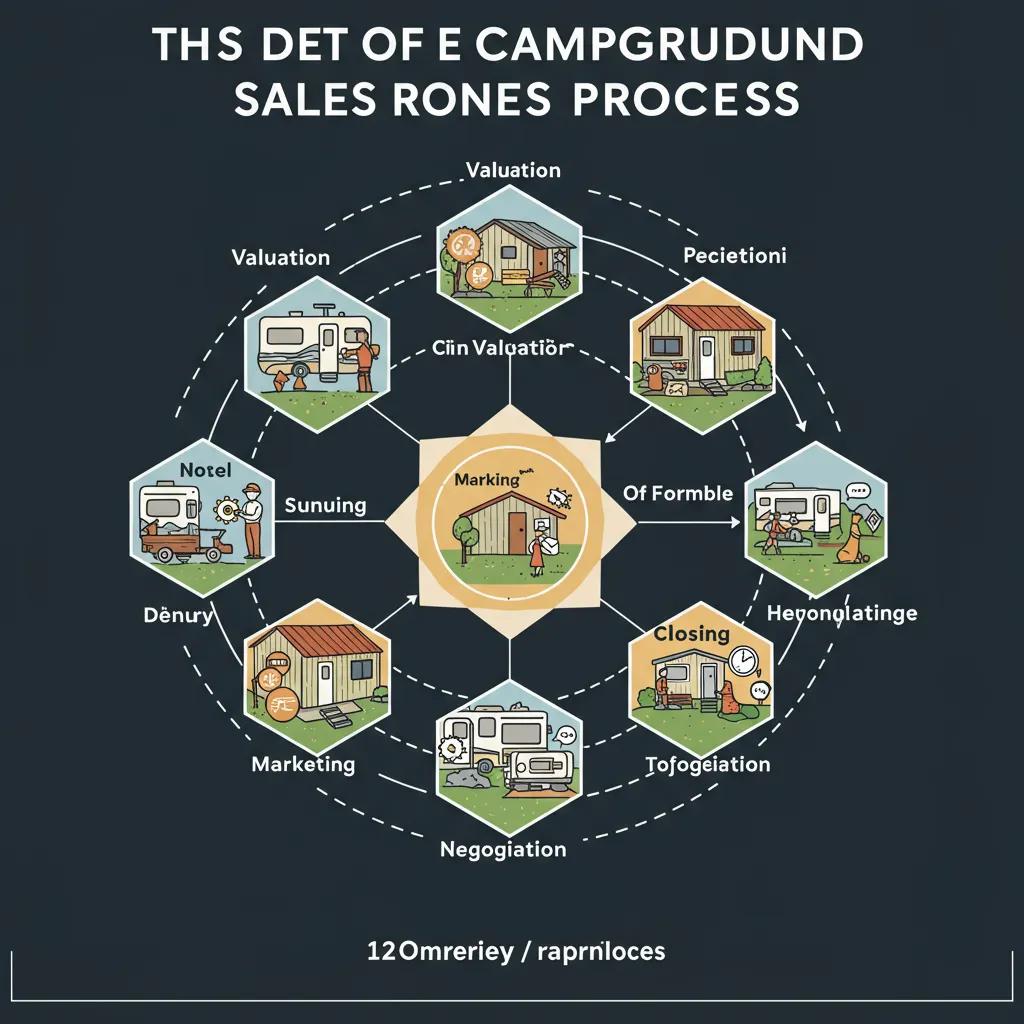
The brokered sale process typically progresses through valuation, listing preparation, targeted marketing, negotiation and LOI, buyer due diligence, and closing with transition planning. Each stage is designed to reduce your workload while protecting your property’s value. Expected timelines can vary—smaller regional parks might close faster, while institutional sales can take longer as financing and approvals are secured. You should understand what your broker handles (marketing, buyer vetting, negotiation) versus your responsibilities (providing accurate financials and operational documentation). The following subsections break down each stage, outline typical deliverables, and describe how a direct sale option can alter timelines and due diligence.
What Are the Stages of Campground Valuation and Listing?
Valuation commonly uses income approaches (net operating income and cap rate), comparable sales, and expense normalization to establish a listing range. Brokers then prepare a listing package that includes financial statements, occupancy history, site maps, and operational summaries. As the seller, you should assemble two to three years of financials, utility invoices, permits, and guest data to support the valuation. An accurate listing follows thorough normalization of one-time expenses and clarifies owner discretionary adjustments. Proper preparation shortens buyer due diligence and supports confident offers.
How Do Brokers Handle Negotiations and Buyer Due Diligence?
Brokers act as intermediaries to preserve your leverage, coordinate confidentiality during the letter of intent (LOI) phase, and manage buyer requests for operational and financial data within structured due diligence processes. Expect staged information release—high-level data under NDA, followed by deeper access as offers progress—along with broker-led negotiation strategies focused on net proceeds and contingency risk. Brokers also advise on purchase price allocation, earnest money, and financing contingencies to reduce closing risk. Effective negotiation management protects your value while addressing buyer concerns.
What Happens During Closing and Ownership Transfer?
Closing involves the coordinated execution of purchase agreements, escrow instructions, transfer of permits and licenses, and settlement of prorations and liens. Brokers often collaborate with attorneys and title/escrow agents to finalize documents and schedules. Post-closing transition planning covers staff communication, vendor agreements, and operational handoffs to preserve the guest experience. You should draft a transition plan that includes staffing, vendor introductions, and phased handoff timelines to minimize disruption. Clear transition terms in the purchase agreement support continuity and protect your legacy.
Note on direct-sale timing: a direct sale to a buyer like GatherGrounds Resorts, which directly acquires campgrounds and RV parks from owners, can shorten or simplify certain stages. This is because it bypasses a prolonged marketing phase and may focus due diligence on operational continuity and legacy considerations, altering typical timelines and document flows. Owners should discuss these differences with any buyer or broker during their initial conversations.
What Are the Alternatives to Using a Traditional Campground Broker?
Owners have several alternative sale routes: a direct sale to a buyer, selling to a family-owned operator or institutional investor, conducting a DIY sale, or using an auction/liquidation in distressed situations. Each option differs in timeline, fees, confidentiality, and transition support. The table below compares brokered sale and direct buyer sale attributes with example values to aid your decision-making. Following the table, we’ll explore when a direct sale to a family-owned buyer might be the best fit.
How Does Selling Directly to GatherGrounds Resorts Differ from Using a Broker?
Selling directly to GatherGrounds Resorts, which specializes in the direct acquisition of campgrounds and RV parks from owners, typically eliminates the public marketing phase. Instead, it focuses on a direct buyer-seller dialogue that prioritizes continuity and a thoughtful transition. A direct buyer process often emphasizes operational fit and legacy considerations rather than public competitive bidding, which can shorten timelines and reduce confidentiality risks. Owners should compare net proceeds after fees, transition terms, and cultural fit when evaluating a direct offer. Discussing these tradeoffs early helps determine whether a direct sale or a brokered listing better aligns with your priorities.
What Are the Benefits of a Family-Owned Direct Buyer for Campground Owners?
Family-owned direct buyers frequently emphasize legacy preservation, hands-on transition support, and cultural continuity. This can be a strong alignment for sellers who value continuity for their guests and staff. These buyers may offer a less formal negotiation style and prioritize operational handoffs and local traditions. However, family-owned buyers may have a more limited capital base than institutional buyers, so sellers should carefully evaluate their financial capacity and transition commitments. For owners prioritizing long-term stewardship over maximizing a competitive bid, a family-owned buyer can be a very attractive option.
Smooth Ownership Transition: Key Factors for Family Business Handover
The timing of the handover is influenced by the duration of the joint transition phase, the buyer’s ability to integrate the acquired business, and the seller’s willingness to provide support. Existing contracts must be considered, and potential obstacles to innovation should be identified to ensure a smooth ownership transition.
New concepts for traditional family-run inns, A Plaikner, 2023
When Is a Direct Sale the Best Option for Your Campground?
A direct sale is often preferable when speed, confidentiality, or legacy preservation are more important than maximizing a competitive market price. Scenarios include owners seeking retirement with minimal disruption, properties with strong local appeal where the seller has already identified an interested buyer, or situations where confidentiality must be maintained to avoid staff or guest disruption. Conversely, if your primary objective is to reach multiple bidders to drive price, a brokered process might be more suitable. Use your timeline and legacy goals to guide your choice.
How to Compare Broker Services vs. Direct Buyer Offers?
Comparing offers requires looking beyond the headline price to net proceeds after fees, timeline to close, contingency risk, and transition support. Use a side-by-side evaluation that includes cultural fit, financing certainty, and post-sale transition commitments. When reviewing offers, request proof of funds, proposed transition plans, and clearly defined contingencies. Consider negotiating terms such as escrow timeline, staffing transition, and preservation of traditions as part of the overall value proposition. A clear scorecard can help quantify these qualitative differences.
How Do Market Trends Affect Choosing the Best Campground Broker in 2025?
Market conditions in 2025 will influence buyer demand, cap rates, and the types of buyers active in the campground sector. Therefore, your broker selection should align with current finance availability, occupancy trends, and amenity preferences. Brokers who understand 2025 dynamics—such as interest rate impacts, changing occupancy patterns, and demographic demand—will better position your listing and set realistic price expectations. The following subsections summarize the market context and explain how amenities and demographic trends can shape broker strategies.
What Are the Current U.S. Campground Market Conditions and Projections?
Current market signals in 2025 indicate that buyer appetite varies significantly by property quality, region, and amenity mix. Sellers should anticipate disciplined underwriting with a keen focus on occupancy and expense normalization. Market projections suggest continued steady interest in experiential outdoor hospitality, but with tighter finance terms than in previous, more frothy years. This can potentially lengthen closing times for leveraged buyers. Brokers who actively track regional transaction volumes and cap rate movements can provide sellers with realistic list ranges and optimal marketing timing strategies. Aligning your listing strategy with market cadence helps avoid prolonged listings or necessary price adjustments.
How Do Interest Rates and Occupancy Rates Impact Sales?
Interest rates directly affect financing availability and cap-rate expectations. Rising rates typically compress buyer pools and push required cap rates higher, which can reduce price multiples for income-based valuations. Occupancy trends, on the other hand, directly influence net operating income, and buyers will rigorously stress-test seasonality and revenue resilience. Brokers should present normalized occupancy metrics and multi-year revenue trends to support their valuation. Sellers must understand how rate-sensitive buyers evaluate risk and structure their offers accordingly.
What Amenities and Features Increase Campground Value?
Buyers are willing to pay premiums for amenities that generate diversified revenue and appeal to younger demographics. Glamping units, robust on-site Wi-Fi, resort-style pools, and event spaces all contribute to increased per-site revenue potential. Operational readiness—such as efficient online booking systems, scalable staffing models, and documented vendor relationships—also enhances value by lowering friction for new owners. Brokers who effectively highlight amenity-driven revenue streams and demonstrate the return on investment for upgrades can significantly improve buyer interest and pricing. Prioritize improvements that drive measurable revenue uplift.
How Are Millennial and Gen Z Camping Trends Influencing Broker Strategies?
Millennial and Gen Z campers increasingly favor experience-driven stays, digital booking convenience, and amenity-rich sites. Consequently, brokers are increasingly marketing properties by emphasizing revenue opportunities tied to modern amenities and digital channels. Brokers should present data on digital booking conversion rates, social engagement, and amenity-related revenue when positioning listings for buyers focused on growth. Highlighting how a property can capture the preferences of younger campers can boost buyer interest and potentially justify premium pricing for experience-led assets.
How to Make Your Final Decision When Choosing a Campground Broker?
Your final selection should blend an objective scoring of broker proposals with a subjective assessment of communication style and stewardship priorities. Weigh financial outcomes, timeline, legacy goals, and confidentiality requirements carefully before signing any agreement. Use your interview answers, reference checks, and marketing samples to rank finalists and request written proposals that include clear performance milestones. The following checklist and transition guidance will help ensure you sign with confidence while preserving operational continuity and your owner legacy.
What Are the Most Important Factors to Consider Before Signing?
Before signing, confirm the fee structure, exclusivity length, defined performance expectations, reporting cadence, and termination rights. Ensure that the marketing scope and buyer qualification processes are clearly documented. Validate the broker’s team, the named lead contact, and confirm their coordination with your legal and financial advisors. Negotiate milestones—such as marketing launch dates, buyer outreach benchmarks, and review points—to avoid open-ended engagements. Clear contractual terms are essential for protecting your interests and setting measurable expectations.
How Can You Ensure a Smooth and Thoughtful Transition?
A smooth transition requires a well-defined written plan covering staff retention, vendor handoffs, guest communications, and phased operational responsibility transfer. Include specific timelines and responsibilities in the purchase agreement or a separate transition addendum. Communicate early with key staff and vendors to mitigate turnover risk and preserve the guest experience. Consider short-term consulting or overlap periods to effectively transfer institutional knowledge. Asking buyers for specific transition commitments can significantly reduce post-sale disruption and help preserve your legacy.
How to Contact GatherGrounds Resorts for a No-Pressure Conversation?
If you’re interested in exploring a direct-sale alternative, one option is GatherGrounds Resorts’ direct acquisition of campgrounds and RV parks from owners. They position themselves as a family-owned buyer focused on thoughtful transitions for sellers. An initial conversation is typically exploratory and without obligation, intended to discuss property fit, your priorities, and potential transition approaches without immediate commitment. Prepare basic property information—such as site count, recent financials, and any major capital needs—to make that first discussion productive. Comparing an informed direct-offer approach with competitive broker proposals gives you a complete picture for deciding the best path forward.
Frequently Asked Questions
What should I look for in a campground broker’s marketing strategy?
When evaluating a campground broker’s marketing strategy, consider their approach to confidentiality, target audience segmentation, and the channels they use. A strong strategy should include private networks, industry portals, and targeted email campaigns. Additionally, ask for examples of past marketing materials and how they qualify potential buyers. Effective marketing not only protects your privacy but also ensures that the right buyers are approached, which can lead to a quicker sale and better offers.
How can I assess the financial health of my campground before selling?
To assess the financial health of your campground, gather and analyze financial statements from the past two to three years, including profit and loss statements, occupancy rates, and revenue trends. Normalize expenses to reflect true operating costs and identify any one-time expenses that may skew profitability. Understanding your campground’s financial performance will help you set a realistic asking price and prepare for discussions with potential buyers or brokers.
What are the potential risks of selling my campground without a broker?
Selling your campground without a broker can expose you to several risks, including inadequate market exposure, mispricing, and legal complications. Without a broker’s expertise, you may struggle to reach qualified buyers or negotiate effectively, potentially leading to lower sale prices. Additionally, navigating the legal and financial aspects of the sale can be complex, and a broker can help ensure compliance with regulations and proper documentation, reducing the risk of post-sale disputes.
How do I prepare my campground for a successful sale?
Preparing your campground for sale involves several key steps. Start by enhancing curb appeal and ensuring all facilities are in good condition. Gather financial records, operational data, and any necessary permits to present a comprehensive overview to potential buyers. Consider conducting a pre-sale inspection to identify and address any issues that could deter buyers. Finally, develop a clear transition plan to reassure buyers about the continuity of operations post-sale.
What are the common mistakes to avoid when choosing a campground broker?
Common mistakes when choosing a campground broker include failing to verify their experience and track record, not asking for references, and overlooking their marketing strategies. Additionally, be cautious of brokers who lack specialization in campground sales, as they may not understand the unique aspects of your property. Ensure you have clear communication about fees and contract terms to avoid misunderstandings later in the process. Taking the time to thoroughly vet potential brokers can save you from costly errors.
How can I ensure my campground’s legacy is preserved during the sale?
To preserve your campground’s legacy during the sale, communicate your values and vision to potential buyers, especially if they are family-owned or local operators. Consider including transition plans that outline how you want the property to be managed post-sale. Engaging with buyers who share your commitment to maintaining the campground’s culture and community ties can help ensure that your legacy continues. Additionally, a broker experienced in legacy-sensitive transactions can facilitate this process effectively.
What should I expect during the due diligence phase of selling my campground?
During the due diligence phase, buyers will request detailed information about your campground’s financials, operations, and legal compliance. Expect to provide documents such as tax returns, occupancy rates, maintenance records, and any existing contracts. This phase is crucial for buyers to assess the property’s value and potential risks. Be prepared for questions and requests for additional information, as transparency can help build trust and facilitate a smoother transaction.
Conclusion
Choosing the right campground broker can significantly enhance your selling experience by maximizing sale value, ensuring a smooth transition, and preserving your property’s legacy. This guide has equipped you with essential insights on broker selection, industry specialization, and the sales process, reinforcing the importance of informed decision-making. As you consider your options, take the next step by reaching out to a qualified broker or exploring direct sale alternatives that align with your goals. Start your journey towards a successful campground sale today.