
Why RV Parks With Trails Are a Smart Choice for Your Next Trip — Find Family-Friendly Campgrounds in Michigan
RV parks with trails bring together convenience, active outdoor time, and immediate access to nature — so families and solo travelers can get outside without long drives or complicated logistics. This guide explains how on-site or nearby trails improve Michigan RV camping for hikers and cyclists, and it offers practical planning tips, amenity checklists, and booking advice for active families. You’ll learn the core benefits of trail access, how to compare campgrounds by trail type and family fit, safety and packing checklists, and which features to prioritize when you reserve. We use a local example — The Oaks Campground by GatherGrounds — to show how a trail-forward RV resort can shape an easy, memorable trip. Follow the sections below for benefits, nearby trail options, trip planning, supportive amenities, guest signals, and a simple reservation checklist so you can confidently pick the best Michigan RV parks with biking and hiking trails for your next adventure.
What Are the Benefits of Choosing RV Parks With Trails?
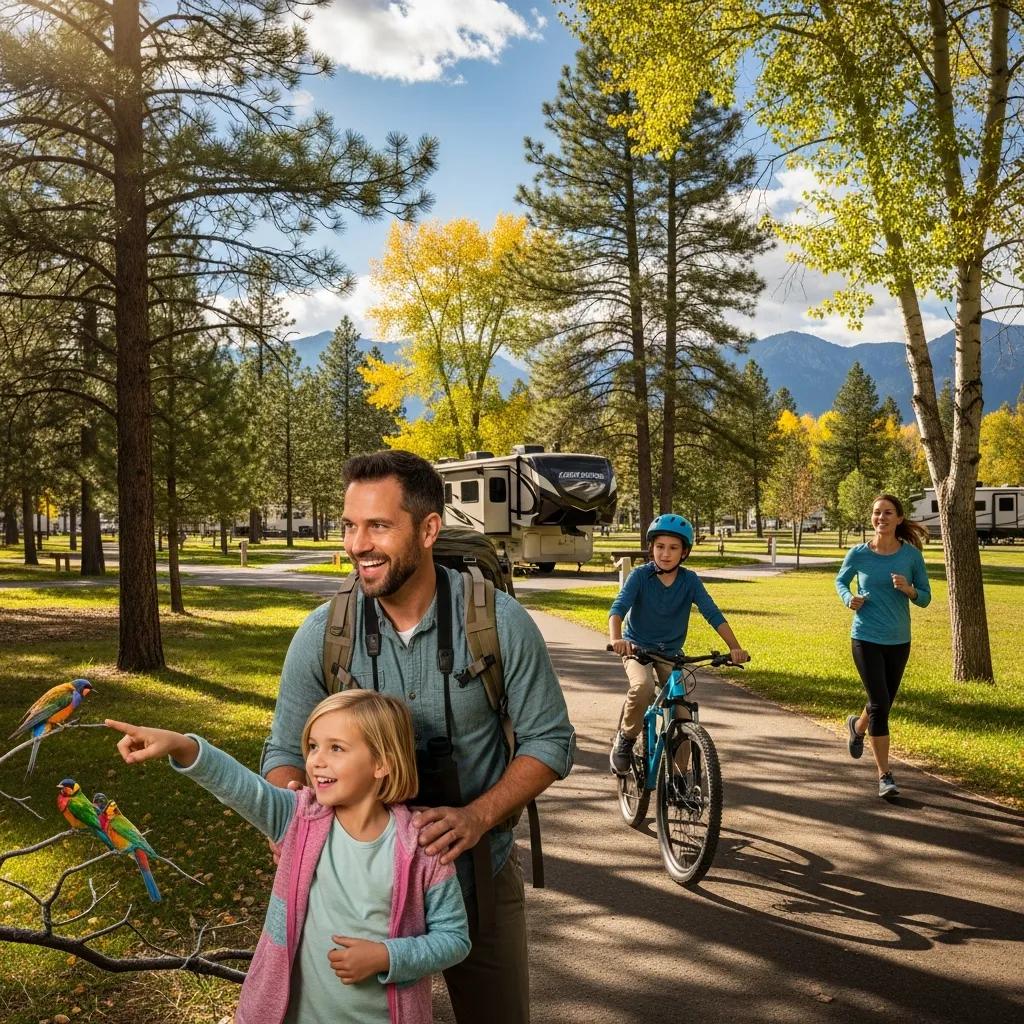
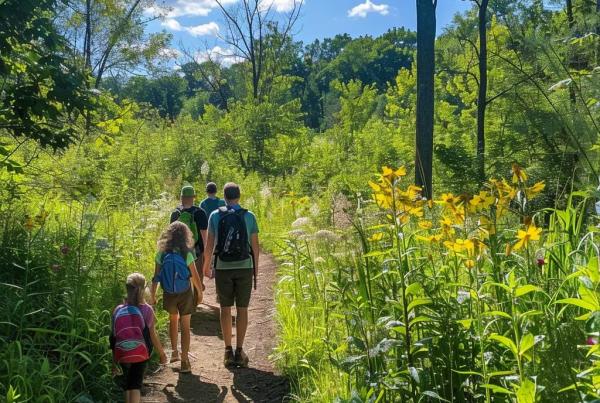
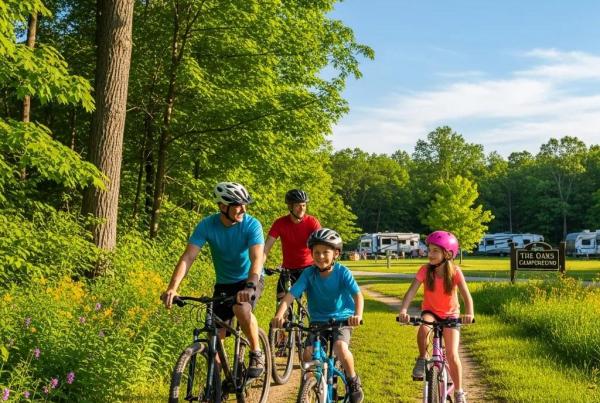
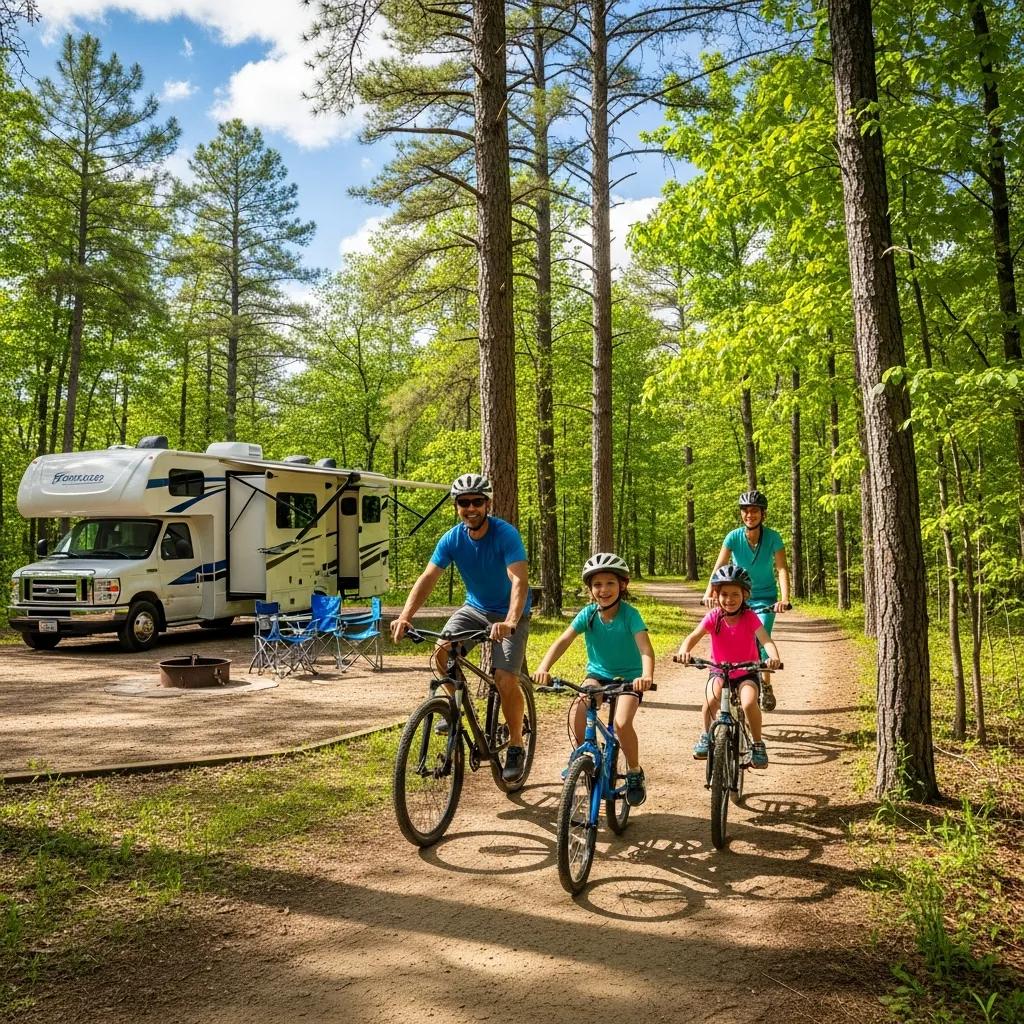
Campgrounds with trails turn a campsite into an activity hub. Trails make it easy to get daily exercise, unplug mentally, and spend quality time together without packing up and driving to a trailhead. They also simplify logistics: contained loops, clear signage, and nearby access let families manage mixed-ability groups and stagger activities while staying close to the RV. For busy guests, on-site trails create opportunities for quick outings — sunrise walks, short bike loops, or quiet nature stops — that add value to a stay beyond the usual hookups.
Trails broaden what a campsite can offer by supporting biking, hiking, birdwatching, and golf-cart rides, so a single stay can feel varied and active. The Oaks Campground illustrates this approach with an extensive on-property trail network that lets families head out from their RV and explore without extra planning. Below is a concise benefits list aimed at common search intent for “active RV vacations” and to help you quickly see why trail access matters.
Primary benefits of RV parks with trails:
- Better daily fitness: Trails make cardio and gentle exercise easy for every age and ability.
- Family time with safety: Contained loops and clear routes let kids roam nearby while adults keep watch.
- More ways to enjoy outdoors: Biking, hiking, birdwatching, and golf-cart rides without long commutes.
- Simplified logistics: On-site trail access reduces packing, hauling, and extra driving to trailheads.
- Direct access to scenery: Trails put you into local woods, ponds, and viewpoints right from camp.
These advantages explain why many families and active campers now prioritize campgrounds with trail networks when searching for scenic RV parks across Michigan. The table below maps common on-site trail types to the benefits and practical uses guests care about.
How Do Trails Enhance Your Outdoor Adventure Experience?
Trails make it simple to turn short windows of time into meaningful outdoor moments. A mapped loop can become a sunrise walk for birdwatching or an afternoon family ride — adding more nature time to a day without complex planning. Trails link campsites to changing scenery — groves, ponds, overlooks — so each outing feels fresh. They also work as mini-destinations with clear start/end points that fit around meals and naps.
Because many trails include trailheads, signage, and mapped loops, they reduce the uncertainty that can intimidate novice hikers and families. Those clear access points encourage repeated short trips during a stay, which together create a more satisfying vacation. Understanding how trails structure daily activities will help you choose a campsite near a loop or bring the right gear.
Why Are Trails Important for Family-Friendly RV Camping?
For families, trails are safe, manageable places where kids burn energy and adults can supervise without constant packing and driving. Gentle loops and golf-cart-friendly paths let caregivers rotate duties — one parent rides while another watches the playground — so everyone gets active and rested time. Trails designed with easy grades, clear signs, and resting spots work for toddlers to grandparents, widening a campground’s appeal across generations.
Use this simple safety checklist to prepare for trail outings and avoid common frictions:
- Bring basic first-aid supplies, plenty of water, and a charged phone.
- Match each route to the group’s abilities and set realistic turnaround times.
- Wear helmets when biking and reflective gear for low light.
Which Michigan RV Parks Offer the Best Biking and Hiking Trails?
Michigan offers a wide mix of trail options — on-site loops, paved rail-trails, and nearby state-park systems. The best campground depends on the trail type you want, your family’s needs, and skill level. Look at trail length, surface, connectivity to local attractions, and rules for bikes or golf carts. Top choices give you easy daily loops at camp plus access to larger trail networks for half-day or full-day adventures — supporting both casual family rides and more ambitious outings.
Below is a quick comparison that contrasts a trail-forward resort profile with common nearby trail systems in the region to help you pick a basecamp.
What Makes The Oaks Campground Stand Out for Trail Access?

The Oaks Campground by GatherGrounds pairs a broad property with trails designed for family use and golf carts. The property totals approximately 160 acres with roughly 120 acres dedicated to on-site golf cart riding trails, forming a dense web of loops and connectors that let guests step out from many sites and reach nature without driving. Amenities like a fishing pond, playgrounds, pavilions, and a camp store sit along the trail network, creating natural gathering points. Close proximity to Waterloo State Recreation Area adds options for longer mountain-biking or hiking trips while keeping basecamp simple.
When planning, many guests request sites near main loop connectors or central amenities to cut transit time and get more trail time. Reservations are handled through the campground’s operator. That on-site trail emphasis makes The Oaks a solid pick for families seeking a golf-cart-friendly campground in Michigan that balances convenience with variety.
How Does Proximity to Waterloo State Recreation Area Add Value?
Being near Waterloo State Recreation Area expands a campground’s trail offerings by adding long, established systems with varied terrain, lakes, and multi-use paths for both casual hikers and serious mountain bikers. Waterloo’s acreage supports longer continuous routes, elevation changes, and lakeside loops that complement shorter on-site trails and allow full-day outings or more technical rides. Access to a state park also increases wildlife-viewing and scenic opportunities for photographers and outdoor learners.
Day trips to a nearby state recreation area are straightforward from a trail-forward campground: pack water and snacks, plan a circuit, and use the campground as basecamp for staging and recovery. Combining quick on-site loops with longer state-park routes gives families and cyclists a balanced range of options.
How Can You Plan Your Adventure at RV Parks With Trails in Michigan?
Good planning for a trail-centric RV trip focuses on gear, timing, and site choice so your trip matches family goals, safety needs, and trail difficulty. Start by picking the kind of trails you want — short family loops, paved commuter paths, or technical singletrack — and then check campground features like proximity to loop connectors, storage options, and family amenities. Consider seasonal factors: spring can bring muddy singletrack, summer gives longer daylight for extended rides, and fall offers peak foliage for scenic loops. Thoughtful prep keeps trail time fun, not stressful.
Use this checklist to plan a trail-focused RV stay and adapt items to your group’s size and skill level.
- Choose the right campsite: prioritize sites close to trailheads or loop connectors.
- Pack trail essentials: helmets, hydration, basic tools, a first-aid kit, and maps.
- Check seasonal trail conditions and park rules before you go.
- Plan daily itineraries that balance activity intensity to fit all ages.
Campers who follow a short, practical checklist usually find it easier to move between trail time and downtime. With the right plan, on-site trail activities pair naturally with campground amenities to create balanced days everyone can enjoy.
What Are the Top On-Site Trail Activities at The Oaks Campground?
The Oaks’ trails support short, family-friendly activities like golf cart loops, gentle bike circuits, guided nature walks, and quick visits to the fishing pond. A typical day might include a one- to two-hour morning family bike loop, playground time at midday, and an afternoon nature stroll for birdwatching. Helpful gear includes helmets for riders, a bike multi-tool and spare tube, and binoculars for wildlife.
These short, repeatable outings let families build variety into one day while relying on site conveniences — restrooms, pavilions, and the camp store — for quick breaks and resupply. That accessibility keeps activities practical for families with mixed energy levels.
How to Explore Nearby Mountain Biking and Hiking Trails Safely?
Visiting state-park trail systems safely takes a little prep: study trail maps, confirm permitted uses (hiking vs. biking), and bring essentials like helmets, enough water, a basic repair kit, and layers for changing weather. Respect trail etiquette — yield appropriately, stay on marked routes, and minimize wildlife disturbance — to help preserve trail quality and safety. For longer excursions, set check-in times and bring a portable charger or emergency beacon for remote sections.
Before you head out, do a quick equipment check and brief the group on the route and turnaround times to avoid getting caught out after dark. These steps reduce risk and let you enjoy the broader trail networks around Michigan with confidence.
What Amenities Support Active RV Campers at Parks With Trails?
Amenities that make trail-focused stays easier include secure bike storage, repair stations, trail maps and signage, rental options, wash stations, playgrounds, and shaded pavilions or ponds for post-ride cooldowns. These features lower the friction of multi-activity days by making it simple to maintain gear, freshen up, and coordinate family schedules. Campgrounds that invest in these supports create repeatable, shareable experiences for active families.
The table below links common amenities to the practical support they provide and who benefits most, helping you prioritize what matters for your group.
How Do Family-Friendly Features Enhance Trail Adventures?
Playgrounds, pavilions, and shallow ponds create flexible activity hubs where family members can rotate between active trail time and supervised play. For example, while one parent completes a bike loop, another can watch the kids at a nearby playground, then swap roles for an afternoon nature walk. Pavilions and picnic areas work as reliable rest stops for snacks and quick bike tune-ups, helping keep plans on track.
These nearby support features encourage longer stays and repeat visits because families can meet different preferences without extra travel. Placing those features near trail access makes on-site trails more usable for families of varying ages and abilities.
What Upcoming Amenities at The Oaks Will Boost Trail Experiences?
Planned additions at The Oaks — including a Wibit water park scheduled for 2026 — will pair well with trail programming by giving families a post-activity way to cool off and play. After a morning of biking or a warm afternoon hike, water-based play offers low-effort recovery for kids and another draw for adults. Combining trail outings with water play can lengthen on-site days and expand seasonal appeal for Michigan vacations.
Timing a visit around new amenity openings is an easy way to enjoy both trail networks and evolving resort features, creating fuller, more varied itineraries for families.
How Do Guest Experiences Reflect the Value of RV Parks With Trails?
Guest feedback at trail-forward campgrounds often centers on more family time, convenience, and the ease of exploring right from the campsite — clear signs that trail access improves the overall stay. Reviews commonly mention spontaneous outings, flexible daily rhythms, and less driving to reach nature. These themes match a growing interest among active families looking for RV parks with biking trails in Michigan.
Campgrounds can use these themes in testimonials that highlight specific activities — family bike loops, golf-cart rides, or combined trail-and-amenity days — to set realistic expectations for future guests. Aggregated feedback that stresses trail safety, family suitability, and convenience often helps similar guests decide to book.
What Do Campers Say About Trail Access at The Oaks Campground?
Visitors to The Oaks frequently say the on-site trail network makes it easy to add short rides and walks to their daily routine, boosting trip satisfaction and cutting planning hassle. Families note the convenience of golf cart riding trails for getting around the property, reaching playgrounds, or visiting pavilions without starting a vehicle — which encourages more outdoor time and less logistics. Guests also value having both on-site loops and access to larger nearby trails for longer excursions.
Collecting and publishing visitor impressions about trail quality and connectivity helps the property refine signage and site placement, reinforcing the experiences active campers care about most.
How Do Testimonials Highlight Benefits of Michigan RV Resorts With Bike Paths?
Testimonials from Michigan RV resorts with bike paths often repeat the same useful messages — family convenience, safe kid-friendly exploration, and scenic routes — that marketers can repurpose to attract similar visitors. Adding context like activity type, visit date, and family makeup increases credibility and supports enhanced search visibility. Calling out specific trail moments — morning family loops or state-park day trips — helps prospective guests picture their stay and encourages bookings.
These testimonial patterns link expectation with real experience, underlining why trail access is a meaningful differentiator for RV resorts targeting active families.
How to Book Your Stay at Michigan RV Parks With Trails for Your Next Adventure?
Booking a trail-focused RV stay is straightforward: look for campgrounds that list trail access, pick sites near trailheads or loop connectors, and reserve early for peak dates. Use filters for proximity to trails, family amenities, and on-site services to compare properties and choose a site that fits your group’s needs. Early reservations increase the chance of getting a site near primary loops, preserving the convenience that makes trail-forward campgrounds appealing.
Follow this three-step reservation approach designed for practical booking flows:
- Search campgrounds by trail access and amenities to build a short list.
- Choose dates and a site close to trailheads or central amenities that match your group’s needs.
- Reserve the site and review pre-arrival guidance about gear, arrival times, and campground rules.
This simple flow helps you secure sites that maximize on-site trail use and minimize logistical headaches. Reserving early and requesting maps or photos when possible improves the odds of selecting the best spot.
What Is the Reservation Process for The Oaks Campground?
Booking at The Oaks Campground generally follows a clear online flow with date selection, site type, and confirmation steps managed by the operator. If trail access is a priority, choose sites listed close to loop connectors or central amenities like the camp store and pavilions to cut travel time. Pre-arrival tips include checking gear storage options, confirming golf cart rules if you bring one, and reviewing seasonal trail-condition notes so you arrive prepared.
Because The Oaks focuses on on-site trails and family amenities, reserving near primary loops helps you spend more time outdoors and less time shuttling between activities.
How to Choose the Best RV Site With Trail Access in Michigan?
Picking the right site for trail access means balancing proximity to trailheads with practical needs like hookups, shade, and room for bikes or a golf cart. Look for sites with easy access to the trail network, secure gear storage or nearby parking for bikes, and enough maneuvering space for your rig. Asking for site maps or photos at booking helps confirm proximity to loops and shade at different times of day.
Asking targeted questions and reviewing site layouts before arrival reduces surprises and ensures your campsite supports the active itinerary you planned — preserving the convenience and enjoyment that trails bring to RV camping.
Frequently Asked Questions
What types of trails are typically found at RV parks in Michigan?
Michigan RV parks commonly offer a range of trail types to match different activities and skill levels. You’ll often find paved bike paths for family-friendly rides, mountain singletrack for experienced cyclists, and nature trails for easy hikes and wildlife watching. Some properties also have golf cart riding trails, which are great for mixed-age groups. Each trail type serves a different purpose, letting families choose what fits their interests and ability levels.
How can families ensure safety while using trails at RV parks?
Safety starts with preparation. Carry a first-aid kit, plenty of water, and a charged phone. Match trail difficulty to everyone’s ability and set turnaround times. Helmets are a must for biking, and reflective gear helps in low light. Familiarize your group with trail etiquette — yield rules and staying on marked paths — to keep the trails safe and enjoyable for everyone.
What should campers pack for a trail-focused RV trip?
Pack items that keep you safe and comfortable: helmets for biking, water bottles or hydration packs, a basic bike repair kit, and a first-aid kit. Bring layered clothing for changing weather and maps or a GPS device for navigation. Extras like binoculars for wildlife and portable snacks make outings more enjoyable. Proper packing helps families make the most of trail time without interruptions.
Are there any specific amenities that enhance the trail experience at RV parks?
Amenities that boost trail days include secure bike storage, repair stations, and clear trail maps. Playgrounds and pavilions give families places to regroup between activities, while wash stations make it easy to clean up after a day outside. Campgrounds that offer these supports reduce friction and let guests focus on enjoying their time outdoors.
How do seasonal conditions affect trail usage at RV parks?
Seasonal weather changes trail conditions. Spring can leave singletrack muddy and slow, summer provides longer daylight for extended activities, and fall often delivers cooler weather and peak foliage for scenic rides and hikes. Check trail conditions and park rules before you travel so you can plan routes and pack appropriately.
What are some tips for planning a successful RV camping trip with trail access?
Start by choosing a campground with the trail types you want. Prioritize sites near trailheads or loop connectors to maximize convenience. Make a packing list with helmets, hydration, and first-aid supplies. Plan daily schedules that mix high- and low-intensity activities to suit all ages, and check seasonal conditions and rules before you go to avoid surprises on the trail.
Conclusion
Choosing RV parks with trails makes family trips easier, healthier, and more fun. Being able to step from your campsite onto a loop or path encourages spontaneous outings, better family time, and less driving. Prioritizing campgrounds like The Oaks — where on-site trails pair with nearby state-park networks and growing amenities — helps you plan a memorable, low-stress getaway. Start planning your next Michigan RV adventure by exploring trail-forward campgrounds and reserving a site close to the loops you want to ride or hike.