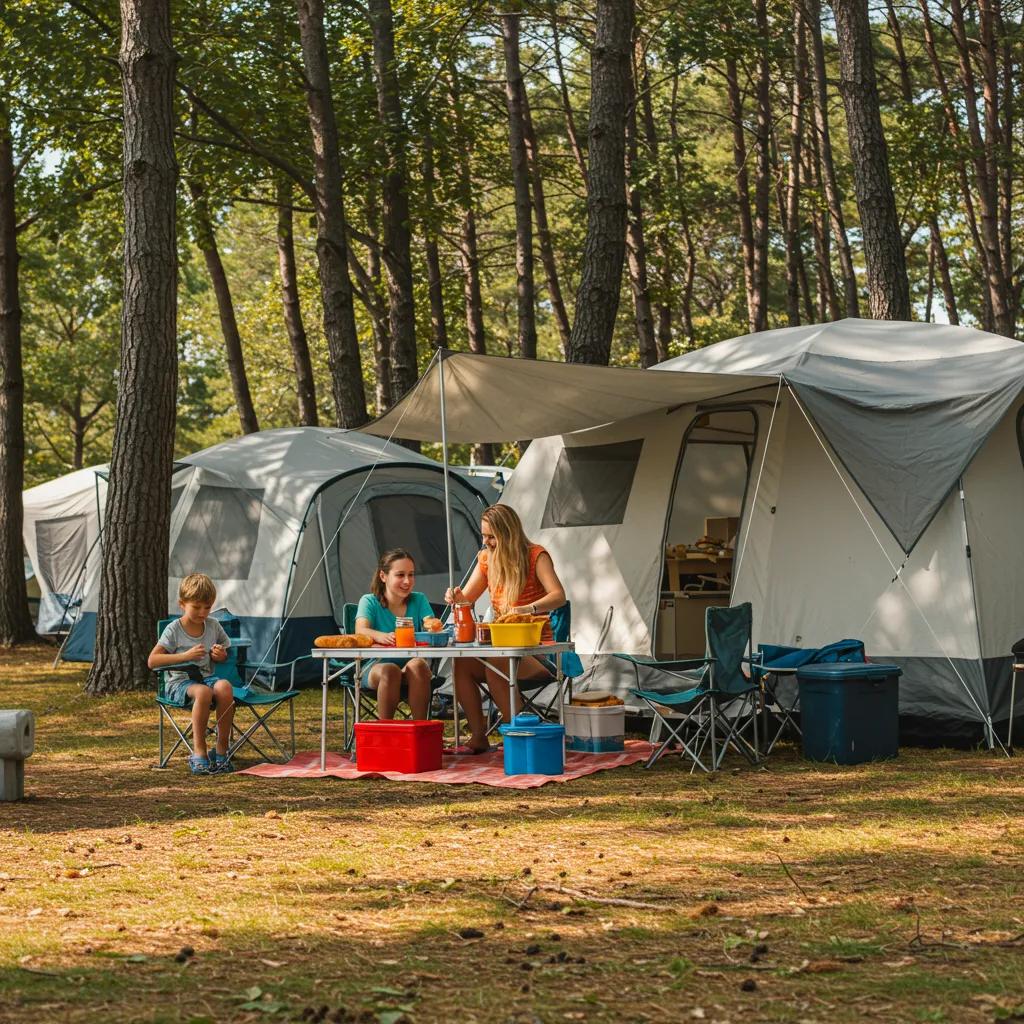
What Makes Seasonal Campsites Ideal for Families? Key Benefits and Family-Friendly Features
Seasonal campsites offer families a dependable outdoor base that means less packing, more playtime, and the chance to build lasting traditions. This guide dives into what seasonal campsites are, why they cut down on hassle and cost, and how they build a real community for parents and kids who want consistent, family-friendly camping. You’ll discover the practical perks of seasonal sites, the amenities that kids and pets love, and a clear path to picking and booking the right seasonal spot. We’ll cover how much easier things get, the fun activities amenities unlock, the differences between RVs, tents, and cabins, and how to book your perfect seasonal family camping spot. We’ll weave in terms like “seasonal family camping Michigan,” “seasonal RV park Michigan,” and “kid friendly campgrounds seasonal” to help you find local gems and focus on what truly matters for your recurring getaways.
Why Are Seasonal Campsites the Best Choice for Family Camping?
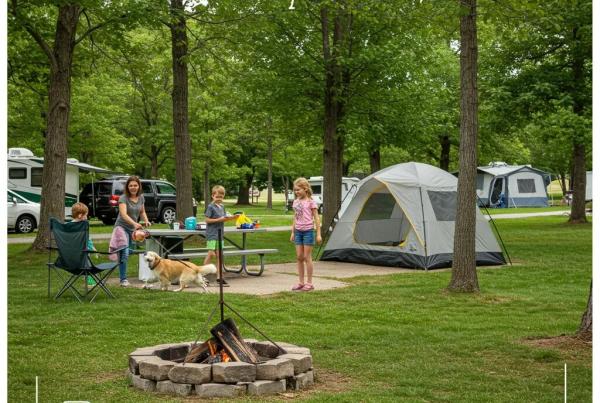
Seasonal campsites are essentially long-term agreements that let your family return again and again, with your gear already set up. This means less time spent packing and unpacking, and more precious hours for family fun. It’s simple: your belongings, your personalized site, and your familiar routines stay put. This frees up parents to focus on play and connecting with others. The biggest wins for families are convenience, predictable expenses, stronger bonds with neighboring families, and guaranteed access to park amenities. Understanding these advantages will help you compare “seasonal family camping Michigan” options and decide if a seasonal campsite fits your family’s rhythm and budget.
Seasonal sites bring four main advantages to families:
- Less Hassle: Less packing and setup means more quality family time at the campground.
- Predictable Costs: Seasonal rates often mean a lower cost per visit compared to booking night by night.
- Community Building: Regular neighbors create a sense of safety, opportunities for playdates, and shared traditions.
- Consistent Amenity Access: Your spot is close to playgrounds, water features, and scheduled events.
How Do Seasonal Campsites Reduce Hassle and Increase Convenience for Families?
Seasonal campsites cut down on hassle by letting you store non-perishable gear and keep your site set up just how you like it. This means no more repetitive packing and tearing down. Arrival and departure become quick tasks, shifting your time from logistics to activities. Plus, you’re less likely to forget essentials since they’re always there. Parents often find a familiar setup makes supervising kids and getting meals and naps going much smoother. The time saved on setup directly translates into more time for play, exploration, and community events.
These convenience gains also come with financial benefits, which families should consider alongside their seasonal commitment.
What Cost Savings Do Seasonal RV Sites Offer for Families?
Seasonal RV sites can lower your overall lodging costs by replacing many individual bookings with one seasonal fee. They also reduce travel wear-and-tear on your RV and cut down on repeated deposit charges. The idea is a fixed seasonal arrangement that spreads out costs over many stays, often resulting in a lower nightly rate and fewer extra fees. Families also get more value from included or bundled amenity access—like play areas and event participation—which boosts the return on your seasonal investment. Comparing the costs of seasonal versus short-term stays helps you see when a seasonal site makes financial sense for your family’s travel habits.
When you compare costs, it naturally leads to thinking about the social rewards of returning regularly, which strengthens the campground community.
How Do Seasonal Campsites Help Build a Family-Friendly Campground Community?
Seasonal campers often attend the same weekend events and form playgroups, creating a network of adults and children who share schedules and responsibilities. This relationship-building process leads to informal childcare exchanges, shared celebrations, and reliable playmates for kids, enhancing the feeling of safety and belonging. Seasonal communities frequently organize ongoing traditions—like parades, potlucks, and kids’ clubs—that deepen family bonds and create multi-year rituals. These social connections improve quality of life and make the campground feel like a “home away from home” that supports family continuity throughout the seasons.
Having a consistent “home away from home” also supports emotional security and personalization, which we’ll explore next.
Why Is Having a Consistent “Home Away From Home” Important for Families?
A consistent seasonal site gives children a predictable space and familiar sensory experiences, which boosts their emotional security and encourages independent play. This comes from environmental familiarity: designated play areas, personalized decorations, and stable neighbors reduce anxiety and help younger children settle in more quickly. Parents benefit from easier planning because routines—like meals, naps, and storage—can be repeated rather than recreated each trip. Over time, personalization creates a sense of comfort, transforming a seasonal site into a private family retreat that strengthens identity and creates intergenerational memories.
Here’s a quick look at seasonal versus short-term stays to highlight the practical differences for families.
Different types of stays offer distinct family benefits and trade-offs.
After reviewing the benefits and comparisons, it’s time to think about the specific amenities that make seasonal campgrounds truly family-friendly.
What Family-Friendly Amenities Make Seasonal Campgrounds Ideal?
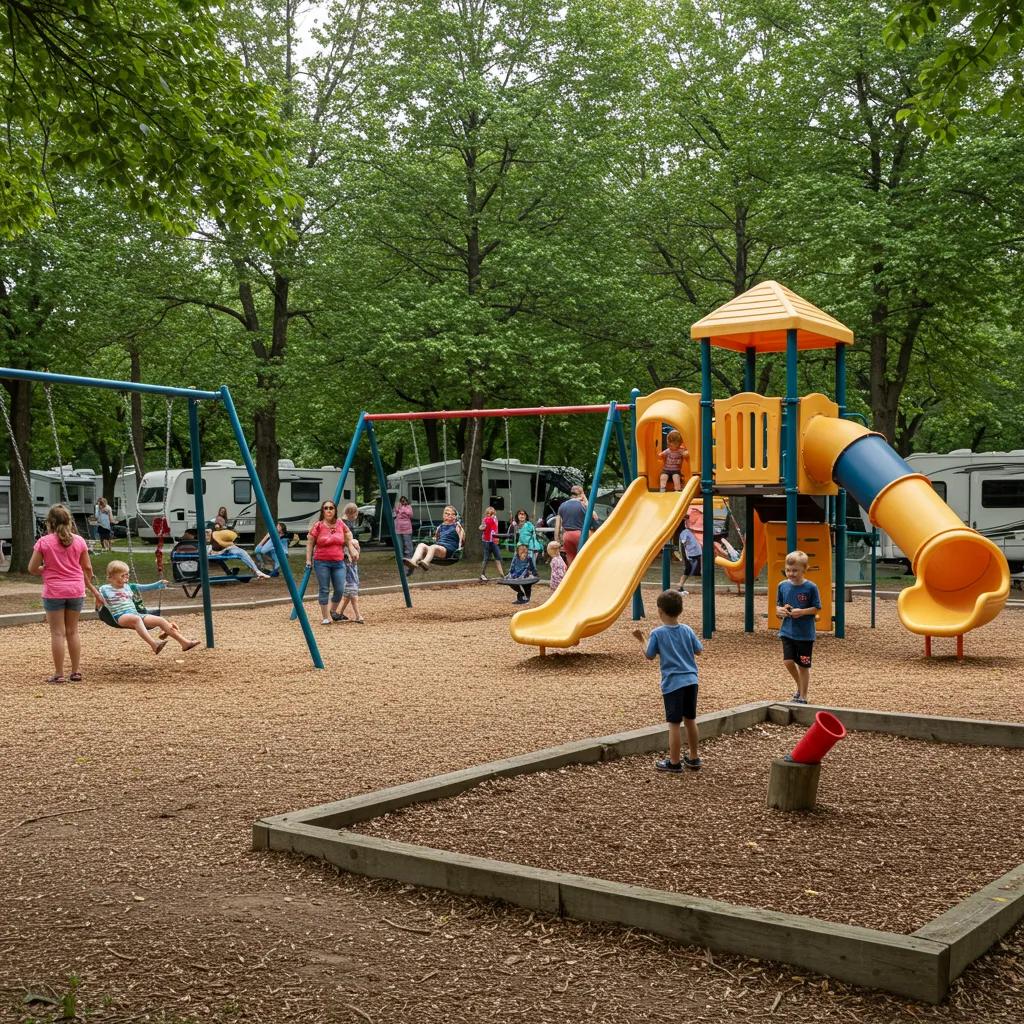
Family-focused amenities bring together play, safety, and shared experiences in one place, so families get repeated value from the same features. The key is amenity permanence: playgrounds, water features, and organized activities enhance every return visit and encourage participation across generations. Key types of amenities include:
- Supervised water features: Safe areas for kids to play and parents to keep an eye on them.
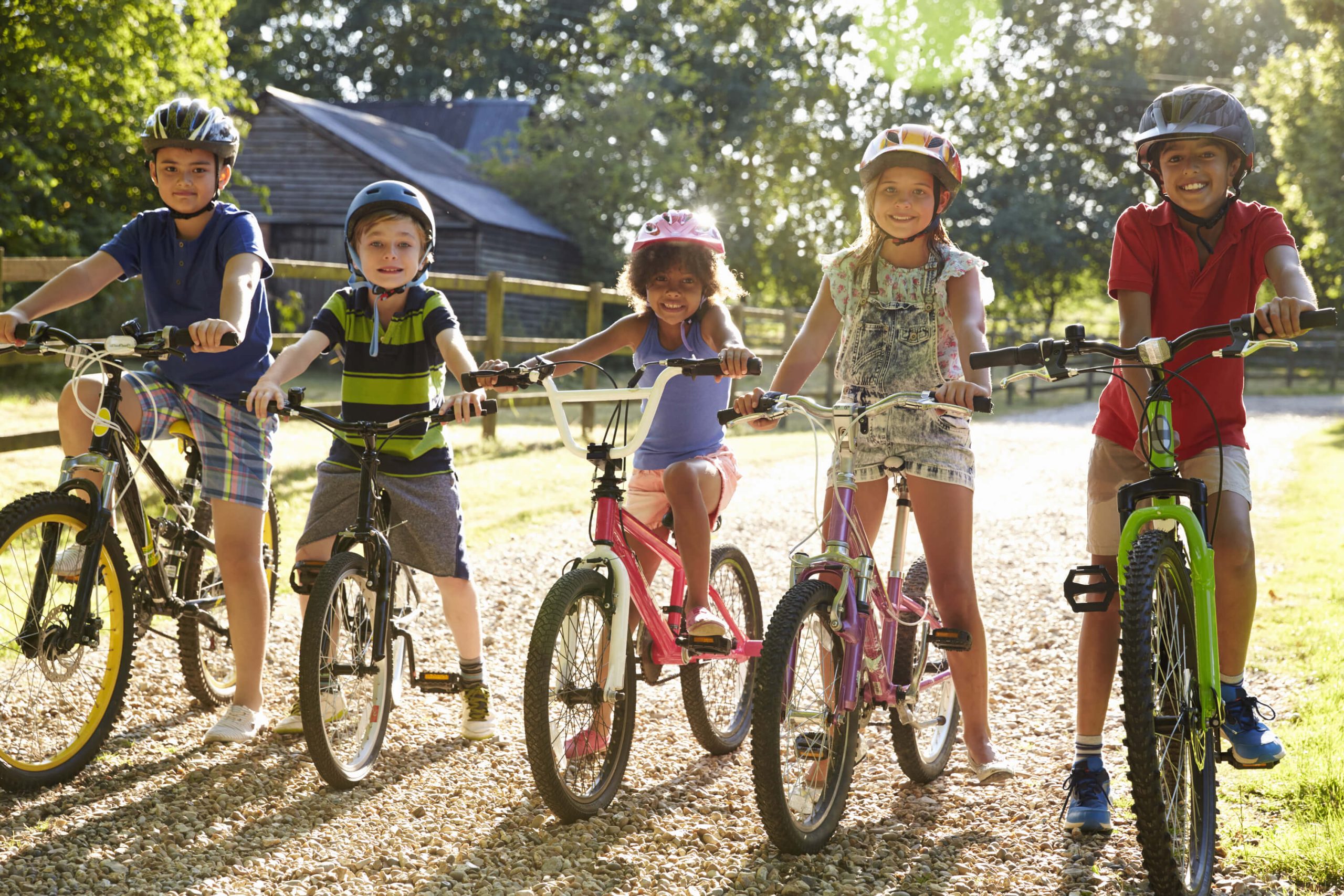
- Playgrounds and sports courts: Fun for all ages that helps build skills and friendly competition.
- Pet-friendly spaces and services: Areas where dogs can run off-leash, letting families include their pets in their seasonal life.
These amenities often have specific needs for accessibility and supervision, which the table below summarizes.
Amenities have characteristics that influence how suitable they are for families looking at seasonal options.
How Does the Wibit Water Park and Swimming Lake Enhance Family Fun?
The Wibit water park and a swimming lake offer active, supervised water play that encourages physical skills and group games. The idea is structured water features that provide safe challenges for older kids while letting parents relax nearby on the beach. These water amenities promote family bonding through shared play and help kids build swimming confidence and learn cooperative play. Families should plan their water sessions around lifeguard hours and typical weather to get the most fun and safety.
These water experiences connect to fun on land, which we’ll discuss next.
What Playground, Sports, and Pet-Friendly Facilities Are Available for Families?
Playgrounds, multiple sports courts, and a large dog park are designed to accommodate different family members at the same time and encourage multi-generational engagement. The concept is space diversity: separate areas for young children, teens, and pets allow families to do different activities without leaving the campground. This setup supports flexible schedules—parents can supervise while older kids play organized sports or join family tournaments. Accessible surfaces and proximity to restrooms make them easier for younger kids and older adults to use.
How Do On-Site Activities Like Canoe Rentals and River Floats Engage Kids and Parents?
On-site canoe rentals and river float services offer guided outdoor adventures that combine skill-building with relaxed nature time for families. The approach is to pair local guides with safe river sections so families can enjoy guided floats without complicated planning. These activities promote shared achievements, build kids’ confidence, and offer scenic relaxation for parents, all while encouraging care for local waterways. Families should plan to bring life jackets, get basic paddling tips, and choose routes suitable for their children’s ages for the best experience.
Examples of campgrounds with plenty of amenities can help families picture the kinds of activities they can enjoy repeatedly.
After amenities, families often look for event programming that helps create traditions and memories.
What Activities and Events Are Best for Families at Seasonal Campgrounds?
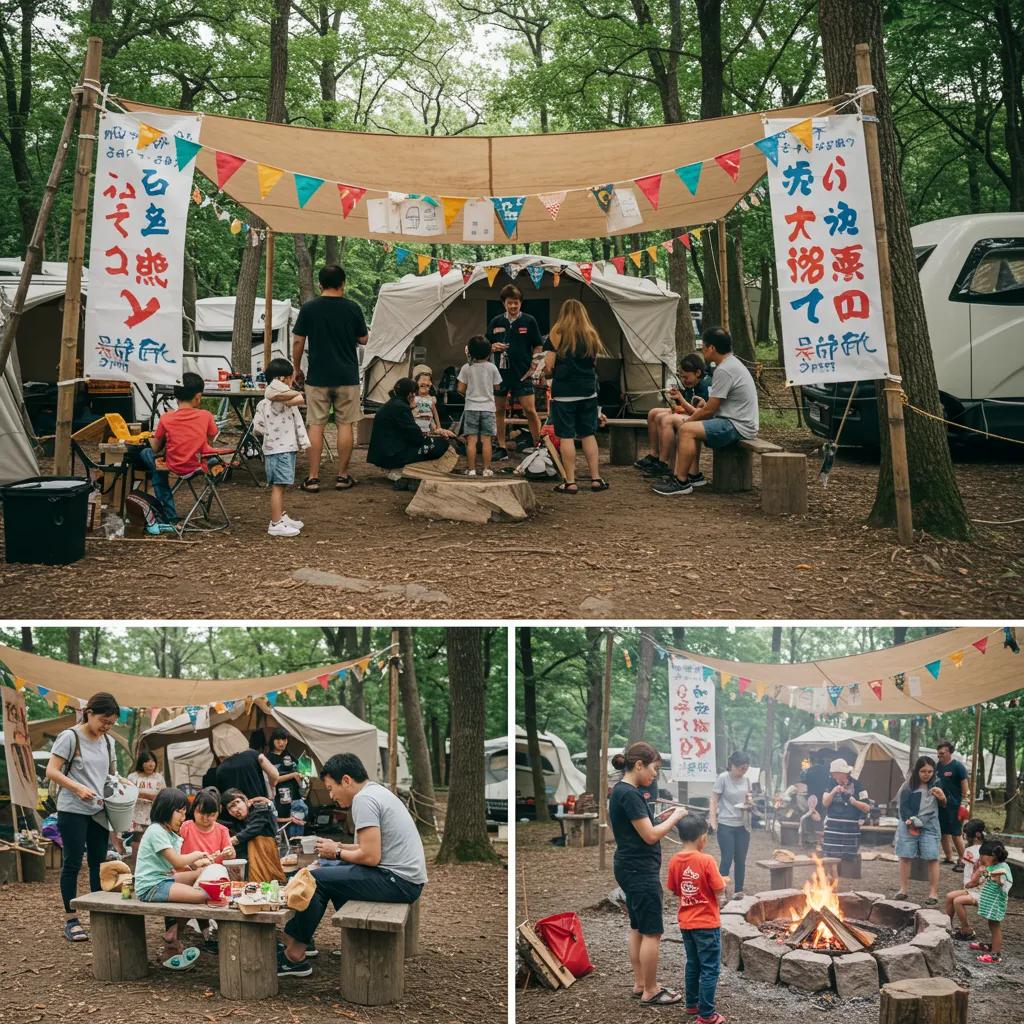
Seasonal campgrounds offer planned events and activities that families can look forward to and participate in year after year, making tradition-building easy. The idea is scheduled programming that families can anticipate and prepare for, fostering a sense of belonging and shared rituals. Common activity types include themed weekends, sports tournaments, arts and crafts, and evening gatherings that appeal to various age groups. These recurring events help children build social networks and give parents structured ways to connect with other seasonal families.
Popular family event formats include:
- Themed weekend festivals and holiday celebrations that invite everyone to join in.
- Organized kids’ crafts and nature programs that teach skills and spark curiosity.
- Family sports tournaments and casual game days that encourage healthy competition.
Which Themed Weekend Events and Crafts Are Popular for Family Bonding?
Themed weekends—like nature scavenger hunts, holiday parades, or craft fairs—encourage families to plan costumes, decorations, and shared meals, which deepens inter-family traditions. The goal is involvement: when every family contributes, events grow and become annual highlights. Crafts designed for young children and group projects for older kids ensure participation across ages. These recurring themes create a sense of continuity across seasons and make returning to the campground a meaningful annual choice.
What Sports and Games Are Offered for All Ages at Seasonal Campgrounds?
Sports offerings typically include sand volleyball, basketball, horseshoes, and gaga ball, with rules adapted for toddlers through teens to ensure everyone can play. The approach is modular programming that adjusts rules and team sizes by age, allowing siblings and parents to play together. Organized tournaments and casual pickup games both support family bonding and skill development. Campground staff or seasonal organizers often handle equipment lending to reduce the burden on families.
How Do Evening Entertainment and Campfires Create Lasting Memories?
Evening entertainment—singalongs, storytelling, and campfire s’mores—creates simple, low-tech rituals that encourage conversation and memory-making across generations. The idea is shared, relaxed activities that promote reflection and storytelling, helping children recall their experiences vividly. Safety guidelines and quiet hours ensure everyone can enjoy themselves respectfully and comfortably. These nightly rhythms turn into family stories that last long after the season ends.
How Do Families Choose the Right Seasonal Campsite for Their Needs?
Selecting a seasonal site involves matching your family’s priorities—like hookups, privacy, and closeness to activities—with the characteristics of different site types, such as RV hookups, cabin comforts, or tent sites near nature. The process is about preference mapping: identify your must-haves (full hookups, space for pets, playground access) and rule out sites that don’t meet those needs. Families should consider their size, mobility needs, and how often they plan to visit when choosing among site types. A quick comparison table below shows the typical trade-offs for seasonal RV, tent, and cabin options.
Compare seasonal site types to find the best fit for your family.
What Are the Differences Between RV, Tent, and Cabin Seasonal Sites?
RV sites offer electrical and water hookups and convenient storage, making long-term stays comfortable and predictable for families who travel with larger gear. Cabins reduce daily setup by providing permanent shelter and are ideal for families who prefer comfort and minimal camping effort. Tent sites place families closest to nature with smaller footprints and lower seasonal costs, appealing to those who prioritize outdoor immersion. These differences help set expectations regarding privacy, infrastructure, and daily routines.
How Do Full Hookups and Site Personalization Improve the Family Camping Experience?
Full hookups—30 amp or 50 amp electrical service, water, and sewer—allow for appliances, climate control, and comfortable living for seasonal families, extending usability into cooler weather. Personalization options—like outdoor rugs, designated kids’ zones, and storage solutions—create a familiar environment that supports routines and safety. These technical and decorative choices work together to reduce friction and enhance daily comfort, turning a campsite into a reliable family retreat. Families should ask about hookup details and personalization rules when looking at seasonal agreements.
Use real-site examples to get a clear picture of how these site types look in practice at established family campgrounds.
Walnut Hills Family Campground in Durand, Michigan, is an example of a premier destination that offers seasonal campsites alongside RV sites, tent sites, and cabins. As a seasonal option, Walnut Hills provides families with a consistent base near amenities that support active kids and relaxed parents, showing how different site types can match family needs.
How Can Families Reserve and Prepare for Seasonal Camping at Family Campgrounds?
Reserving a seasonal campsite involves a straightforward process of inquiry, agreement, and move-in planning that balances availability with your family’s schedule. The method is a staged booking process—checking availability, paying a deposit, signing a contract, and planning your move-in—designed to secure your preferred site and clarify seasonal policies. Understanding typical fees, included amenities, and cancellation rules helps families avoid surprises and plan for storage and arrival. The following steps outline an efficient reservation roadmap for families considering seasonal sites.
Follow these step-by-step actions to reserve a seasonal campsite:
- Check availability: Find out which seasonal sites are open and where they’re located within the campground.
- Submit inquiry and deposit: Secure your site with a formal inquiry and the required deposit to hold your spot.
- Review and sign contract: Confirm the season length, included amenities, and rules before signing.
- Plan move-in logistics: Schedule the delivery of your gear, utility hookups, and any necessary inspections.
What Is the Step-by-Step Process to Book a Seasonal Campsite?
Booking a seasonal campsite starts with checking availability and contacting the campground. Next, you’ll pay a deposit to hold the site and sign a seasonal contract that details fees and rules. After signing, families schedule their move-in, utility hookups, and any required orientation with staff. This process is designed to be clear and ensure everything is ready for the season. Good communication and early planning help you get your preferred site and align expectations.
What Are Typical Seasonal Rates and Policies Families Should Know?
Seasonal agreements usually include a deposit, a set season length, and policies on what amenities are included versus what costs extra. They also outline cancellation and transfer rules in the contract. The key is contractual clarity: families should ask for a breakdown of fees and understand what’s covered—like amenity access or utility charges—to compare value. Asking about storage options, guest policies, and pet rules helps prevent misunderstandings. Families should always confirm refund and transfer conditions before committing.
What Are Common Questions About Seasonal Camping for Families?
Families often ask about utilities, storage, guest policies, pet rules, and emergency procedures when looking at seasonal sites. The goal is information gathering: asking thorough questions before signing helps avoid surprises and sets clear expectations for the season. Important questions include who handles on-site services, how guests are registered, and what emergency contacts and protocols are in place for the campground. Clear answers to these questions build confidence and ensure a successful seasonal experience.
For families ready to book seasonal campsites, Walnut Hills Family Campground offers seasonal options and on-site amenities that show how a seasonal site can become a “home away from home.” To start reserving a seasonal campsite, reach out through the campground’s reservation system to check site availability and review contract details for seasonal stays at Walnut Hills in Durand, Michigan.
Frequently Asked Questions
What should families consider when choosing a seasonal campsite?
When picking a seasonal campsite, families should think about their specific needs, like the type of site (RV, cabin, or tent), the amenities available, and how close it is to fun activities. It’s important to consider things like privacy, accessibility, and family-friendly features such as playgrounds and water areas. Also, families should check out the campground’s community vibe, as strong neighborly connections can make the camping experience even better. Understanding the seasonal policies and costs for each site type will also help families make smart choices.
Are seasonal campsites pet-friendly?
Many seasonal campsites welcome pets, letting families bring their furry friends along for the adventure. However, rules can differ a lot between campgrounds. Families should look for specific pet policies, like leash rules, designated pet areas, and any extra fees for bringing pets. Some campgrounds even have amenities like dog parks or pet-friendly activities, making the trip even better for families with pets. Always confirm these details before booking to ensure a smooth stay for everyone, including your pets.
What types of activities are typically available for children at seasonal campgrounds?
Seasonal campgrounds often offer a variety of activities designed for children, including organized sports, arts and crafts, nature programs, and themed events. Many campgrounds host family-friendly tournaments, scavenger hunts, and evening entertainment like campfire stories or sing-alongs. These activities not only help kids develop skills and creativity but also encourage them to make friends. By joining in these events, children can build friendships and create lasting memories, making the camping experience enjoyable and enriching for the whole family.
How can families prepare for their first seasonal camping experience?
Getting ready for your first seasonal camping trip involves a few key steps. Families should start by researching potential campgrounds, checking availability, and understanding the amenities offered. Creating a packing list that’s right for your specific site type—whether RV, cabin, or tent—is essential. Families should also plan their meals, activities, and any necessary gear, like outdoor games or fishing equipment. Familiarizing yourselves with campground rules and policies will help make the transition to seasonal camping smooth. Lastly, chatting with other campers can offer valuable tips and insights for a successful stay.
What are the benefits of participating in campground events and activities?
Joining in campground events and activities offers many benefits for families. These gatherings help build a sense of community, allowing families to connect with neighbors and form friendships. Participating in organized activities promotes teamwork and healthy competition, strengthening family bonds. Plus, events often cater to different age groups, ensuring everyone can join in and have fun. By taking part in these activities, families create shared memories and traditions that can be cherished for years, making their seasonal camping experience even more meaningful.
How do families ensure safety while camping at seasonal sites?
Staying safe while camping at seasonal sites involves taking several proactive steps. Families should get familiar with campground rules and emergency procedures, including where to find first aid stations and emergency contacts. It’s crucial to supervise children, especially near water or during activities. Families should also practice safe food storage to avoid attracting wildlife and ensure proper campfire safety. Additionally, having a well-stocked first aid kit and knowing basic first aid can help manage minor injuries. Openly discussing safety practices among family members enhances overall security during the camping experience.
Conclusion
Seasonal campsites offer families a special mix of convenience, community, and cost savings, making them a fantastic choice for creating memorable outdoor experiences. By cutting down on setup time and fostering lasting relationships with neighbors, these sites enhance the entire camping experience for both parents and children. Families can explore various options to find the perfect seasonal site that fits their needs and preferences. Start planning your next family adventure by checking availability at local seasonal campgrounds today.