Why Family Campgrounds With Playgrounds Mean Unforgettable Family Fun?
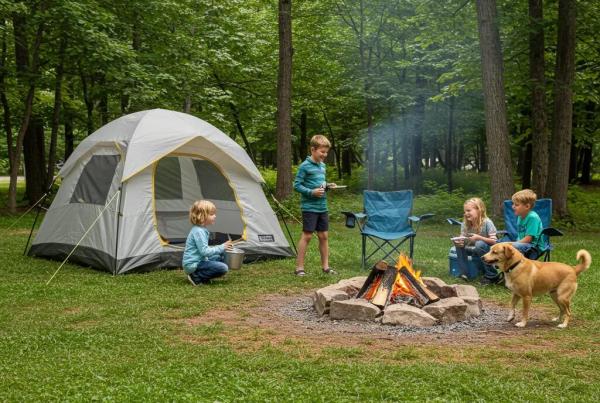
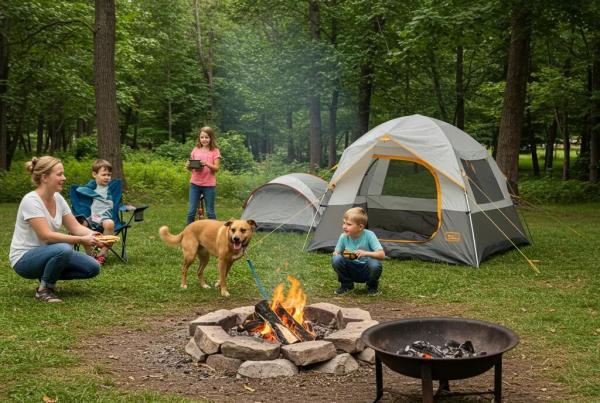
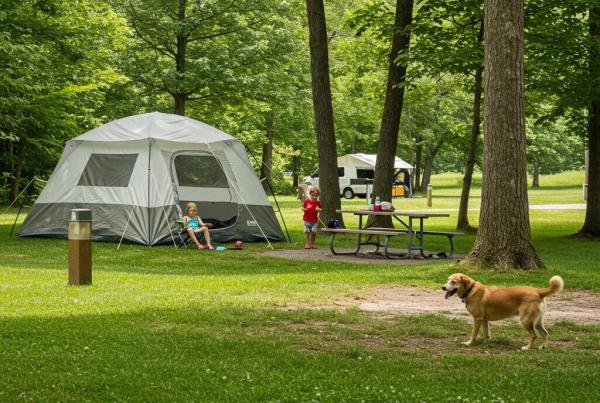
Choosing family campgrounds with playgrounds means opting for outdoor spaces designed to captivate children, structure your days, and make supervision a breeze for parents. This guide dives into why campgrounds with playgrounds offer developmental perks, simplify family logistics, and pair perfectly with aquatic fun like Wibit water parks and swimming lakes. As a real-world example, Walnut Hills Family Campground in Durand, Michigan, boasts multiple playgrounds alongside a Wibit water park and scheduled weekend events, showcasing exactly what families value. Many parents find it challenging to juggle child supervision, varied activities, and meal or nap schedules while camping; play-focused campgrounds solve this by centralizing safe play areas near essential amenities. Here, we’ll explore what makes playgrounds ideal, complementary kid-friendly activities, playground recommendations for different ages, how accommodations support family routines, and practical tips to ensure safety and maximize fun on your family camping trips. Throughout, you’ll find helpful checklists, comparison tables, and planning advice for family camping in Michigan, complete with water park options and kid-friendly activities at campgrounds.
What Makes Campgrounds With Playgrounds Ideal for Family Fun?
Campgrounds featuring playgrounds offer concentrated, age-appropriate play zones that boost active play, social interaction, and give parents much-needed peace of mind. Playgrounds act as convenient on-site hubs, reducing the need for lengthy drives, establishing predictable daily rhythms, and encouraging active family engagement, all of which support physical and social development. Recent studies confirm that both structured and unstructured outdoor play enhance motor skills and peer cooperation, so selecting campgrounds with quality playground facilities yields tangible developmental benefits. Families also gain practical convenience, as playgrounds keep younger children safely entertained while caregivers manage meals or simply relax nearby. Here are the core reasons families prioritize campgrounds equipped with playgrounds.
Playgrounds enhance family trips in several key ways:
- Developmental Play: Play structures and interactive features are designed to boost gross motor skills and coordination for toddlers and older kids alike.
- Parental Convenience: Centralized play areas make supervision much easier, freeing up valuable time for caregivers to plan shared activities.
- Social Opportunities: Playgrounds naturally create settings for children to connect with peers and practice cooperation during your family camping Michigan adventures.
These advantages naturally lead into details about how playgrounds specifically boost child development and what safety features to keep an eye out for.
How Do Playgrounds Enhance Kids’ Physical and Social Development?
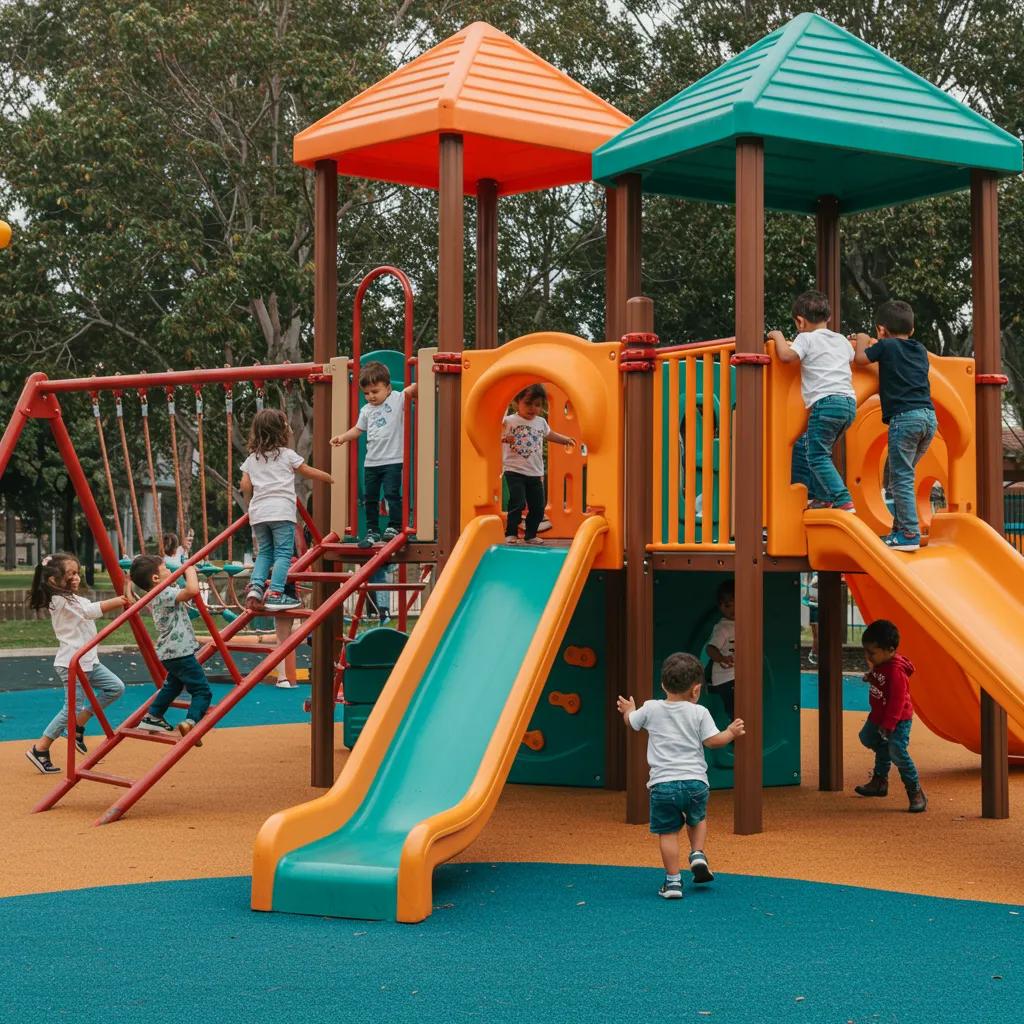
Playgrounds accelerate physical development by offering opportunities for climbing, sliding, and balancing that build strength, coordination, and spatial awareness. Specifically, challenge-based elements stimulate proprioception and motor planning, while imaginative play zones foster language development, problem-solving skills, and social negotiation. Playgrounds also nurture social development, as cooperative games and shared equipment teach valuable lessons in turn-taking, conflict resolution, and leadership among siblings and new friends. Research from recent years indicates that regular outdoor play reduces sedentary behavior and improves mood, which benefits family camping trips by keeping children energized for multi-activity days. Parents can encourage mixed-age play and scaffold challenges to maximize developmental gains and build social confidence.
Why Are Playgrounds Essential for Engaging Family Camping Experiences?
Playgrounds establish predictable blocks of free play that help families shape daily itineraries around meals, naps, and excursions like river floats or beach time. When playgrounds serve as reliable anchors, adults can schedule nature walks or water-park sessions with the assurance that kids have a safe meeting point to return to. This structure helps reduce screen time and encourages spontaneous outdoor exploration, transforming single-day activities into cherished rituals like evening swings or post-play picnic treats. Families often report that having a nearby play area reduces stress and increases the number of shared activities adults can enjoy, which in turn deepens overall vacation satisfaction and family bonding.
What Safety Features Should Families Look for in Campground Playgrounds?
Safety-conscious playgrounds feature durable safety surfacing, clearly defined age-separated zones, unobstructed sightlines for caregivers, and shaded seating to mitigate heat exposure. Inspect the condition of the equipment, confirm the presence of fencing or low barriers near roads, and look for signs of regular maintenance. Parents should also check for accessible routes and transfer points for children with mobility needs. A quick arrival checklist can help families confirm safety swiftly: surface type, visible equipment wear, proximity to shade, and fencing presence. These checks protect children and provide caregivers with peace of mind, enabling families to confidently enjoy complementary amenities like water parks and lakes.
Which Kid-Friendly Activities Complement Playgrounds at Family Campgrounds?
Complementary activities extend playground time into full-day plans that blend movement, cooling off, and family games for balanced recreational days. Water features like Wibit water parks and swimming lakes offer alternating high-energy and low-energy play that helps regulate children’s activity cycles. Organized events and simple outdoor sports such as gaga ball or sand volleyball add opportunities for cooperative and competitive play for mixed-age groups. The following table assists families in planning which activities to pair with playground time based on required gear and suitability.
Here’s a quick planning table of common complementary activities:
How Does a Water Park or Splash Pad Add to Family Fun?
Water parks and splash pads expand play options by offering safe, supervised aquatic activities that cool children down and introduce new motor challenges. Inflatable Wibit elements provide opportunities for balance and cooperative play, while splash pads are perfect for toddlers with shallow, sensory-friendly water features. When combining playground and water-park time, a simple itinerary—playground in the morning, picnic lunch, then water park after the hottest part of the day—keeps energy levels high and rest periods manageable. Supervision needs vary by age, so pack life vests and shade gear, and rotate adults between water and playground supervision to maintain safety.
What Outdoor Games and Sports Are Popular at Family Campgrounds?
Outdoor games broaden participation beyond the playground and engage the entire family in cooperative activity and light competition. Popular options include:
- Gaga ball: Fast-paced, inclusive, and easy for mixed ages to learn.
- Sand volleyball: Encourages team play and energetic exercise.
- Horseshoes or cornhole: Lower-impact options suitable for everyone from toddlers to grandparents.
- Nature scavenger hunts: Foster observation skills and extend playground imagination into the surrounding woods.
How Do Organized Weekend Events Enhance the Family Camping Experience?
Organized events—such as crafts, movie nights, scavenger hunts, or family game tournaments—create shared rhythms that simplify activity planning and foster a sense of community among campers. Scheduled activities reduce the planning burden for parents and add predictable highlights that children look forward to, enhancing memory formation and encouraging repeat visits. Checking event schedules before arrival helps families secure spots for limited-capacity activities and align nap and meal times accordingly. Event-driven weekends also encourage families to try new activities together, which strengthens bonds and creates unique campsite traditions.
What Types of Playgrounds Are Best for Different Age Groups at Campgrounds?
Different playground types are suited to various developmental stages: toddler play areas, mixed-use play structures, and adventure playgrounds for older children. Selecting the right type ensures both engagement and safety while enabling families to plan activities that complement accommodations and water features. Below is a comparison table to help you choose the appropriate playground type based on key characteristics and safety considerations.
What Features Define Toddler-Friendly Play Areas?
Toddler-friendly areas include low-platform slides, enclosed sensory panels, soft impact surfacing, and shaded seating for caregivers nearby. These features support early motor skills while minimizing fall heights and sun exposure, which is crucial for infants and toddlers who tire easily. Clear sightlines and proximity to restrooms or cabins help parents manage nap and feeding schedules effectively while children explore safely. Choosing campgrounds with dedicated toddler zones reduces stress and increases the likelihood of restful naps and enjoyable family mealtimes.
How Do Adventure Playgrounds Cater to Older Kids and Teens?
Adventure playgrounds offer climbing challenges, balance elements, and social hubs that allow older kids to practice risk assessment and build strength. These zones are often slightly separated from toddler areas to give teens more freedom and peer interaction without disrupting younger children’s play. Supervision for adventure elements focuses on spot-checking rather than constant proximity, which allows teens growing independence while maintaining safety. Adventure equipment should have clear age guidance and be inspected regularly; families should match features to a child’s experience level before permitting unsupervised play.
How Are Playgrounds Designed to Ensure Safety and Accessibility?
Inclusive playground design incorporates accessible routes, transfer systems, and varied sensory elements so children of all abilities can participate. Surfaces like engineered wood fiber or poured rubber allow for wheelchair access and safer falls, while ramps and accessible swings broaden play opportunities. Families with mobility needs should look for labeled accessible features and smooth paths connecting playgrounds to accommodations. Ensuring inclusive design promotes social inclusion and allows all children to engage together, enhancing the family vacation experience.
How Do Campgrounds With Playgrounds Support Memorable Family Vacations?

Playgrounds serve as memory anchors—places where traditions, photos, and daily rituals take shape—and they create shared experiences that families will recount for years. When playground time is combined with amenities like Wibit water parks, swimming lakes, and organized events, families benefit from varied stimuli that support both high-energy play and calmer nature exploration. Your choice of accommodation impacts how easily families integrate playground access into daily routines, so understanding the trade-offs between cabins, RV sites, and tent sites is key to planning. The following table compares accommodation types for families prioritizing playground proximity and convenience.
What Role Do Playgrounds Play in Creating Lifelong Family Memories?
Playgrounds foster repeatable rituals—morning swings, afternoon lake swims, or evening group games—that evolve into cherished family stories and traditions. These repeated actions anchor vacations and simplify packing lists and schedules over time. Parents can cultivate simple memory-making practices, such as a campsite journal entry after playground time or a family photo at a favorite climbing structure. These rituals make each visit distinct and strengthen relational bonds, ensuring families leave with both new skills and lasting stories.
How Do Amenities Like Cabins, RV Sites, and Tent Camping Complement Playgrounds?
Cabins offer sheltered spaces for rest and quick access to playgrounds for toddlers who need frequent naps, while RV sites streamline logistics for families with equipment and provide close proximity to core amenities. Tent sites offer immersive nature experiences but may involve longer walks to playgrounds and more planning for meals and shade. Families should weigh proximity to play areas, convenience of cooking facilities, and privacy needs when booking to ensure playground time fits naturally into daily rhythms without excessive transit time.
Why Is Online Booking Important for Planning Family Campground Visits?
Online booking secures your desired dates, specific sites near playgrounds, and helps families confirm amenity availability, such as water-park access or event registrations. Booking online also allows parents to compare accommodation types and review campground features before arrival, reducing last-minute stress. Review cancellation policies and any amenity-capacity notes when reserving, and plan to request sites close to playgrounds if you have toddlers. For practical planning, Walnut Hills Family Campground in Durand, Michigan, is an excellent example of a family-focused facility that combines multiple playgrounds, a Wibit water park, a swimming lake, a dog park, game room, scheduled events, and a mix of RV sites, tent sites, and cabin rentals—use this type of amenity cluster as a model when planning your next family camping reservation.
How Can Families Maximize Their Fun at Campgrounds With Playgrounds?
Maximizing fun involves balancing safety, planning, and flexible pacing so children can move between playgrounds, water features, and nature activities without getting overwhelmed. Pack essentials—sun protection, life vests, snacks, and basic first-aid supplies—and rotate adult supervisors to prevent fatigue. Create a simple daily plan that alternates high-energy play with quiet downtime and includes contingency plans for weather or maintenance closures. The list below highlights core packing and planning priorities.
Essential packing and planning checklist:
- Sun and Hydration Gear: Sunscreen, hats, reusable water bottles, and shade options for the campsite.
- Safety Equipment: Age-appropriate life vests, a basic first-aid kit, and comfortable footwear for play and hikes.
- Activity Gear: Towels, dry bags for electronics near water, and small sports equipment like balls or frisbees.
- Scheduling Tools: Printed or offline copies of event schedules and a simple family itinerary to coordinate supervision.
These steps reduce stress and allow families to focus on shared experiences rather than logistics. Rotating supervision and planning short activity windows help families sustain energy and build strong memories.
What Are Tips for Enjoying All Playground and Activity Amenities Safely?
Prioritize consistent supervision ratios and stagger high-energy activities to reduce injury risk and fatigue. Utilize shade and hydration breaks during midday, and inspect equipment for wear before play. Teach children basic water safety and establish buddy systems for older kids at the swimming lake or Wibit water park. Carry a compact first-aid kit and identify the campground’s event or management office upon arrival for quick assistance. These practices protect children and allow caregivers to enjoy the campground’s broader amenities with confidence.
How Can Families Participate in River Float Trips and Nature Exploration?
Plan river floats with age-appropriate gear, renting canoes or kayaks as needed and confirming life jacket availability. Start with a short float to gauge comfort levels, and pair river trips with nearby playground time so children experience variety without overstimulation. Incorporate a nature scavenger hunt or birdwatching stop to deepen engagement and create educational moments. Always check current safety guidance and rotate adult supervision when combining float trips with water-park or playground schedules.
Where Can Families Find Reviews and Testimonials About Playgrounds and Activities?
Look for photo-rich reviews and firsthand accounts that mention maintenance, safety, event quality, and family-specific experiences to assess a campground’s suitability. Pay close attention to recent reviews that refer to playground condition, lifeguard presence at aquatic features, and how well organized weekend events are. The campground’s Google Business Profile and hospitality site listings often feature community comments that highlight practical details families value when choosing camping with kids. Reading targeted reviews helps align expectations and plan reservations near playgrounds and preferred amenities.
Frequently Asked Questions
What should families consider when choosing a campground with playgrounds?
When selecting a campground with playgrounds, families should consider the age-appropriateness of the play structures, safety features, and proximity to other amenities like water parks or nature trails. It’s also important to check for accessibility options for children with mobility needs. Additionally, families should look for campgrounds that offer organized activities and events, as these can enhance the overall experience and provide opportunities for social interaction among children.
How can families ensure their children are safe while playing at campgrounds?
To ensure safety while children play at campgrounds, parents should supervise their kids closely, especially in areas with climbing structures or water features. It’s advisable to inspect playground equipment for any signs of wear or damage before use. Establishing clear rules about play behavior and teaching children about safety, such as not running near equipment, can also help prevent accidents. Additionally, having a first-aid kit on hand is a good precaution for any minor injuries that may occur.
What are some tips for planning meals during a family camping trip?
Planning meals during a family camping trip can be simplified by preparing a menu in advance and packing non-perishable items. Consider easy-to-cook meals that require minimal preparation, such as foil packet dinners or one-pot meals. Bringing along a portable grill or camp stove can also expand cooking options. Involve children in meal planning and preparation to make it a fun family activity. Don’t forget to pack snacks and hydration options to keep everyone energized throughout the day.
How can families balance playtime and rest during camping trips?
Balancing playtime and rest during camping trips is crucial for maintaining energy levels and ensuring everyone enjoys the experience. Families can create a flexible daily schedule that includes designated play periods followed by quiet time or naps. Incorporating downtime activities, such as reading or nature walks, can help children recharge. It’s also helpful to observe children’s energy levels and adjust plans accordingly, allowing for spontaneous breaks when needed to prevent overstimulation and fatigue.
What are the benefits of participating in organized events at campgrounds?
Participating in organized events at campgrounds offers numerous benefits, including fostering a sense of community among campers and providing structured activities that engage children. These events often encourage family bonding through shared experiences, such as crafts or games. They can also introduce families to new activities they might not have tried otherwise. Additionally, organized events help families plan their days more effectively, as they provide a schedule of activities that can be integrated into their camping itinerary.
How can families make the most of their time at water parks near campgrounds?
To maximize enjoyment at water parks near campgrounds, families should plan their visits during less crowded times, typically early in the day or later in the afternoon. Packing essentials like sunscreen, water shoes, and life jackets can enhance safety and comfort. Establishing a meeting point for older children can allow parents to supervise younger kids more effectively. Alternating between water park activities and playground time can help manage energy levels and keep the experience enjoyable for everyone.
What are some fun outdoor games families can play while camping?
Outdoor games can significantly enhance the camping experience by promoting family interaction and physical activity. Popular options include gaga ball, which is easy to set up and suitable for all ages, and sand volleyball for a more energetic option. Nature scavenger hunts can engage children in exploring their surroundings, while classic games like frisbee or cornhole provide fun competition. These activities not only entertain but also create lasting memories and strengthen family bonds during camping trips.
Conclusion
Choosing family campgrounds with playgrounds not only enhances children’s physical and social development but also simplifies family logistics, allowing for a more enjoyable camping experience. These playgrounds serve as safe, engaging spaces that foster memorable family traditions and shared activities. By prioritizing campgrounds with these amenities, families can ensure a balanced mix of fun and relaxation during their outdoor adventures. Start planning your next unforgettable family camping trip today by exploring our recommended campgrounds with playgrounds and water park options.