
Family-friendly fun at Michigan campgrounds
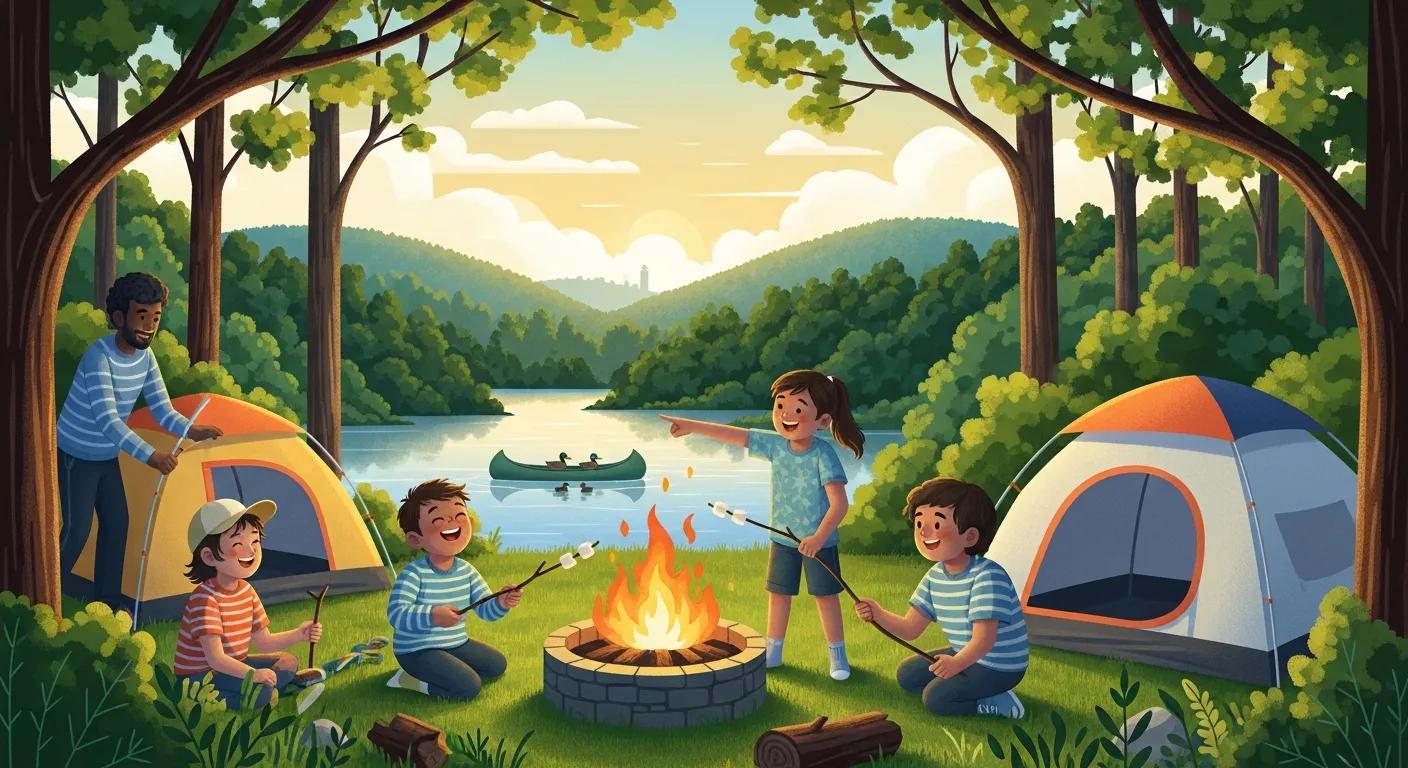
When families pick a Michigan campground, they usually want safe, varied ways for kids to play while grown-ups unwind. This guide walks you through the features that matter most: water attractions, playgrounds and trails, themed weekend events, family fishing, and lodging options. We define each facility, explain how it works and why families love it, then share practical tips for planning a stay near major metro areas. We also tackle common worries—keeping toddlers safe by the water, finding shade and seating for caregivers, and choosing a campsite close to amenities—with straightforward, actionable advice. Use the roadmap below to match your family’s ages and energy level to the campground features that will make your trip smooth and memorable.
Which water parks and swimming areas work best for family fun in Michigan?
On-site water options range from inflatable obstacle courses to natural lakes and traditional pools, and each comes with different play styles and supervision needs. Inflatable, Wibit-style courses encourage active climbing and balancing; sandy lakes give toddlers shallow play zones and beach time; pools offer predictable depths and are easier to staff with lifeguards. Pick the right water option based on your kids’ ages, how closely you can watch them, and how active you want the day to be. Across all settings, life jackets, shade, and shore-based supervision are essential. Packing tips—life jackets for non-swimmers, sun protection, and water shoes for rocky lake bottoms—keep the day comfortable and low-stress. Knowing these differences helps you choose campgrounds with water features suited to your family.
A quick comparison of common on-site water attractions and how they fit family needs:
Wibit-style parks stand out for obstacle-driven, social play that keeps older kids coming back; lakes and pools each offer developmentally different, safer spaces for younger children.
What makes Wibit water parks a top draw for kids at Michigan campgrounds?
Wibit-style inflatables are modular obstacle courses set on calm water that let kids run, climb, balance and slide in a buoyant playground. Features like balance beams and climbing walls build gross motor skills and encourage cooperative play, but because the course floats on open water, proper supervision and life jackets are a must. Campgrounds usually set age and weight limits and may require an adult nearby; check the rules before kids tackle higher elements. The dynamic, challenge-based layout makes these attractions highly replayable—kids return to beat their own time or race friends—so campgrounds with Wibits are a big draw for families seeking active water play.
Compared with pools and natural lakes, Wibit attractions mix physical challenge with novelty, which is why families with older kids often prioritize sites that offer them.
How do swimming lakes and sandy beaches improve kid-friendly camping?
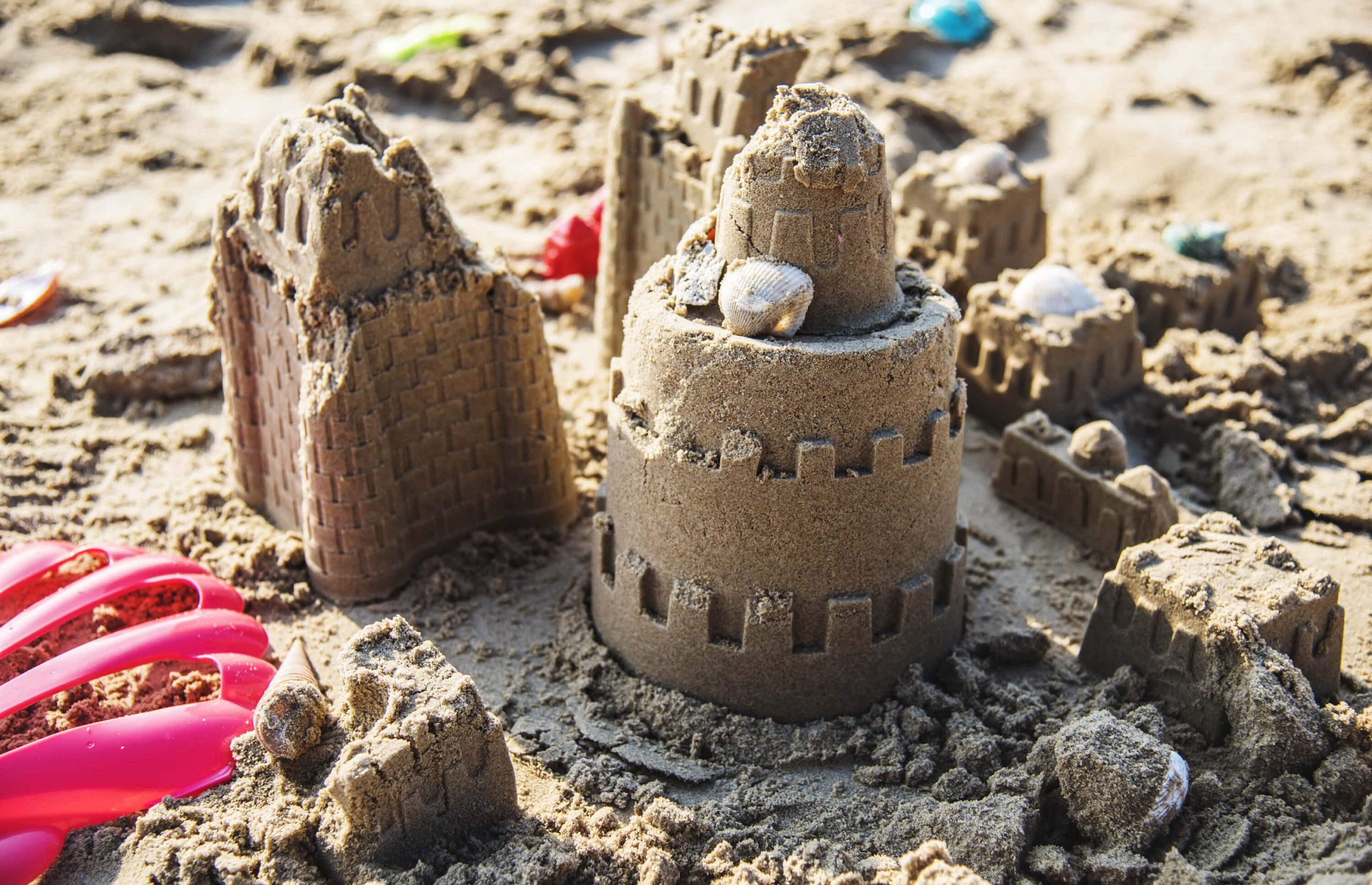
Swimming lakes with sandy beaches give kids gentle, shallow entry points, tactile sand play and open-ended activities like wading and paddling—perfect for toddlers and preschoolers. Gradual slopes cut down on sudden drop-offs, and sand lets kids build castles and play close to shore while caregivers relax nearby. Bring shoreline toys, small flotation devices, and sun-protective clothing; a pop-up shade or umbrella makes long beach sessions more comfortable for adults. Lakes pair well with shoreline picnics, short nature walks, and evening campfires to create a full day that balances energetic play and quieter family time.
Choosing a campground with a maintained sandy beach and clear shallow zones directly increases safety and play options for families with mixed-age children.
What kid-friendly outdoor activities and playgrounds do Michigan campgrounds offer?
Land-based amenities usually include playgrounds, sports courts, crafts, nature trails, and golf cart trails—giving families a mix of free play and staff-led activities that keep kids busy. Playgrounds often have climbing structures, swings and slides on safety surfacing; organized programs add variety with crafts, scavenger hunts and sports clinics. Trails—both walking and golf-cart-friendly—let kids explore safely while learning low-impact outdoor skills like birdwatching and trail etiquette. When evaluating campgrounds, look for shaded seating near play areas, clear sightlines from benches and nearby restrooms to cut down on interruptions during long play sessions.
Common kid-friendly outdoor amenities parents should prioritize:
- Playground equipment: Age-separated structures with soft surfacing and shade.
- Nature trails: Short, marked loops for little legs and family walks.
- Organized activities: Daily or weekend programs that provide supervised, themed fun.
- Sports courts and fields: Space for group games and family tournaments.
These features create predictable, safe play settings that encourage activity and social time while keeping supervision manageable.
Below is a compact comparison of playground features parents should evaluate when choosing a campground:
Which playgrounds and recreational areas are best for kids at Michigan campgrounds?
Great campground playgrounds separate toddler and older-child zones, use impact-absorbing surfacing, and place caregiver seating with clear sightlines so adults can relax while keeping an eye on play. Shade—whether from trees, canopies, or awnings—cuts sun risk and extends playtime; nearby restrooms and water fountains make long visits practical. Look for maintenance signs like intact surfacing, secure handrails and rust-free hardware, and don’t hesitate to ask staff about inspection routines. Inclusive features like ramps or sensory panels welcome kids of differing abilities and turn the playground into a community spot for mixed-age families.
Well-designed play areas reduce injuries and parental stress, so families tend to stay longer and enjoy a more relaxed visit.
How do golf cart riding trails provide safe, fun exploration for families?
Golf cart trails are dedicated networks that let families cover more ground safely and enjoy scenic rides without long walks; good trails are separated from vehicle roads and include signs and speed limits. Rentals typically require minimum driver ages and adult supervision for younger passengers, and trail maps help parents choose loop lengths that match kids’ attention spans. For families with small children or mobility limits, golf carts make it easy to hop between campsites, playgrounds and the beach. When riding, keep speeds slow near play areas and consider helmets for small passengers to reduce collision risks.
Golf cart trails turn big campgrounds into accessible playgrounds, letting families mix short rides with stops at playgrounds, beaches and picnic areas.
How do themed weekends and special events create memorable family experiences?
Themed weekends and special events give campgrounds a simple calendar of low-effort entertainment that families can join without heavy planning. These programs often include crafts, scavenger hunts, costume parades and evening shows. Themes—like pirates or nature explorers—bundle activities so families can drop in for age-appropriate sessions without prepping supplies. Many campgrounds publish event calendars so you can book around favorites. Planning a stay for a themed weekend can turn an ordinary trip into a mini-vacation focused on easy, shared experiences.
Typical themed-weekend elements are easy to spot and can help families pick campgrounds that match their kids’ interests:
- A morning craft session or nature badge program
- Afternoon games like sack races or treasure hunts
- Evening community events such as sing-alongs or outdoor movie nights
Together, these activities encourage social play, reduce planning stress and create the kinds of shared memories that bring families back.
What themed weekend activities are popular for kids at Michigan campgrounds?
Popular themes include scavenger hunts that teach local ecology, craft workshops using natural materials, costume parades for little ones, and family field games that encourage teamwork. Organizers usually schedule activities by age—sensory crafts for toddlers, treasure hunts and team sports for school-age kids—so multiple tracks run in parallel. A typical day places quieter crafts in the morning, active games in the early afternoon, and communal entertainment like outdoor movies or bonfire storytelling at dusk. Families should check event schedules and plan meals and rest breaks around peak activities to keep kids energized.
Campgrounds that post clear schedules and provide materials or simple sign-ups make themed weekends especially easy for out-of-town families.
How Do Themed Events Foster Family Bonding and Entertainment?
Themed events give families low-prep ways to play together—team scavenger hunts, family relay races and group crafts that spark conversation and shared achievement. These structured moments cut decision fatigue for caregivers and create opportunities for multi-generational connection through simple challenges or performances. Guests often say that dressing up or completing a hunt creates stronger memories than unstructured days. Themed weekends also help families meet others, turning single trips into multi-family gatherings.
By turning downtime into organized fun, themed events balance active play and rest, adding real value to a campground stay.
What fishing opportunities do families find at Michigan campgrounds?
Family-friendly fishing usually happens in small stocked ponds or at easy-to-access lake edges where kids can learn basic angling with minimal gear and strong shore supervision. Kid-focused designs include gradual shorelines, short docks with railings and clear safety rules; many camp stores sell basic tackle or bait so you don’t have to pack everything. Teach catch-photo-release, use simple spin-cast setups, and keep sessions short and guided to avoid long waits. Know local licensing rules and whether a campground stocks its pond when planning, and pack a short gear list for first-time young anglers.
Fishing is a calm, low-cost activity that teaches patience, builds outdoor skills and creates easy parent-child bonding between higher-energy activities.
Here are three quick, practical fishing tips for families:
- Bring simple gear: Lightweight rods, bobbers, and pre-tied hooks speed setup and increase safety.
- Use kid-friendly bait: Worms or easy artificial baits cut down on mess and frustration.
- Practice catch-photo-release: Teach gentle handling for a quick photo, then release to preserve the pond.
How are fishing ponds designed to be kid-friendly and safe at Michigan campgrounds?
Kid-friendly ponds feature shallow edges, non-slip docks and posted safety guidelines to reduce drowning risk and simplify fish retrieval. Design details like depth markers, shaded casting spots and nearby bait stations cut down on trips back to the campsite. Supervision features—clear sightlines from seating areas and beginner clinics led by staff or volunteers—help parents feel confident letting kids try fishing for short stretches. On-site supplies at a camp store reduce what families need to bring and keep the activity convenient.
Good pond design plus thoughtful campground policies let kids experience angling without unnecessary risk or hassle.
What tips help families enjoy fishing at campgrounds like The Oaks?
For a real example, The Oaks Campground near Munith, Michigan, maintains fishing ponds and family-friendly amenities that show how design makes fishing easy for kids. Plan short, focused fishing sessions and bring a starter kit: a lightweight rod, bobber, pre-tied hooks, and a small tackle box with pliers and a towel to keep kids engaged and minimize downtime. Add simple extras—fish ID cards, a photo log or a “first catch” certificate—to celebrate progress. Don’t forget safety basics: life jackets near open water, sunscreen, and hand sanitizer for bait handling. Families near Munith can look for campgrounds that advertise maintained ponds and stocked camp stores to reduce packing and get more time on the water.
With a little planning, a quiet pond becomes a memorable nature lesson and an easy bonding moment for the family.
Which accommodation options support family comfort and convenience in Michigan?
Accommodation choices—RV sites, tent sites and cabins—offer trade-offs in comfort, convenience and proximity to amenities. RV sites are plug-and-play with onboard sleeping and cooking but need vehicle access and hookups; tent sites deliver full outdoor immersion with minimal infrastructure; cabins are a middle ground with beds, shelter and easier logistics for families who prefer less setup. Proximity to restrooms, playgrounds and lakes matters for day-to-day convenience with young children, so pick sites close to the features you’ll use most. Smart booking—choosing shaded sites, reserving adjacent spots for extended family, and visiting in shoulder seasons—can boost comfort and value.
A concise comparison clarifies capacity and convenience trade-offs for families evaluating options:
What are the benefits of RV, tent and cabin camping for families at Michigan campgrounds?
RV camping makes naps, meals and early bedtimes easier thanks to built-in sleeping, cooking and bathroom options—handy for families driving in from the city. Tent camping is the most immersive, encouraging outdoor skills and closeness to nature, though it takes more gear and attention to weather and night comfort. Cabins cut setup stress and offer predictability with indoor beds and shelter, which is helpful for families who want comfort without missing campground activities. Match your accommodation to your kids’ ages and your energy level for the best trip.
Choosing the right spot sets the tone for the whole trip, so prioritize sites near play areas and bathrooms when booking.
How does proximity to major metro areas make family camping more accessible?
Campgrounds within a reasonable drive of metro areas like Detroit, Ann Arbor and Jackson let families take more short trips, reduce travel fatigue for kids and make weekend plans easier. Shorter drives cut prep time and lower the odds of travel meltdowns, so camping becomes a doable regular activity rather than a once-a-year ordeal. Nearby destinations like Waterloo State Recreation Area add day-trip options for older kids and let families mix campground amenities with regional outdoor experiences. If convenience matters, pick campgrounds with easy drive times so camping becomes a repeatable family habit.
When accessibility matters, prioritize campgrounds close to major population centers to make camping practical and frequent.
EAV Table: Accommodation comparison for families
Before you choose a site, compare your family’s needs against these accommodation attributes:
This guide covered water attractions, playgrounds and trails, themed events, fishing and lodging—each element that helps you decide whether a Michigan family campground will deliver safe, varied and memorable experiences for your kids.
Frequently Asked Questions
What should families consider when choosing a campground in Michigan?
Start with safety: check how water areas and playgrounds are supervised and whether equipment is age-appropriate. Proximity to restrooms, play areas and water matters a lot with young kids. Look for campgrounds that run organized activities and themed weekends if you want built-in entertainment. Finally, compare accommodation types—RV sites, tent sites and cabins—to find what fits your family’s comfort level and gear.
How can families ensure a safe camping experience for young children?
Prioritize well-maintained facilities and clear safety rules. Always supervise kids near water and use life jackets for non-swimmers. Pack basics like sunscreen, a first-aid kit and insect repellent, and set clear boundaries so children know where they can play. Campgrounds with visible staff on-site add extra peace of mind.
What types of organized activities are typically available at Michigan campgrounds?
Expect arts and crafts, nature scavenger hunts, sports clinics and themed weekend events like costume parades or talent shows. Many campgrounds also host evening activities—outdoor movies or campfire storytelling—that give families chances to connect and make memories together.
How can families prepare for fishing activities at campgrounds?
Check local fishing rules and whether you need a license. Bring simple gear—lightweight rods, bobbers and pre-tied hooks—and a small tackle box with pliers and a towel. Plan short sessions and add fun extras like fish ID cards to keep kids engaged.
What are the advantages of themed weekends at campgrounds?
Themed weekends take the planning off your plate by bundling activities around a theme—crafts, games and evening shows—so families can jump right in. These events foster community, reduce decision fatigue and create memorable shared experiences. Check event calendars before you book if you want to attend a specific theme.
How do accommodations impact the camping experience for families?
Accommodation shapes convenience and comfort. RV sites give home-like amenities, tent sites offer a true outdoors experience, and cabins provide predictable shelter with less setup. Proximity to playgrounds, restrooms and water should factor into your choice to keep daily routines simple.
Conclusion
Picking the right family campground in Michigan makes the difference between a stressful trip and a relaxing, fun getaway. Look for the water features, play areas, events and accommodations that match your kids’ ages and your family’s needs. With a little planning—choosing nearby campgrounds, packing safety essentials and checking event calendars—you’ll be set for a trip full of easy, memorable moments. Ready to plan your next family adventure? Start with campgrounds that fit your family and go from there.