
Family-Friendly Camping in Michigan — A Practical Guide
Family-friendly campground amenities blend safety, play, and everyday conveniences so parents can relax while kids explore. This guide walks you through what to look for at Michigan campgrounds — from water play and playgrounds to full hookups and family events — and explains why each feature matters for different ages and needs. Parents often juggle stroller access, toddler-safe water options, and activities for older kids while trying to travel light; knowing the core amenities makes choosing a site and packing much easier. We cover key water features, play and trail options, essential on-site conveniences, location factors near cities and parks, and the kinds of events that help families connect. Along the way you’ll find practical checklists, straightforward safety tips, and quick comparison tables to make picking a kid-friendly Michigan campground simple. We also point to a nearby example property that shows how these amenities come together in real life.
What Water-Based Amenities Make Michigan Campgrounds Ideal for Family Fun?
Great family campgrounds offer a variety of safe water options — swimming lakes with beaches, splash pads, inflatable courses, boat rentals, and fishing ponds — so campers of different ages can play and learn together under sensible safety rules.
These features work because they mix supervised areas, gentle shoreline entries, and activities for different skill levels. That combination gives parents flexibility while keeping kids safe.
Look for kid-friendly beaches for toddlers, buoyed or roped swim zones for beginners, and quiet ponds for fishing or nature study. Below is a clear list of common water amenities and what each typically delivers for families.
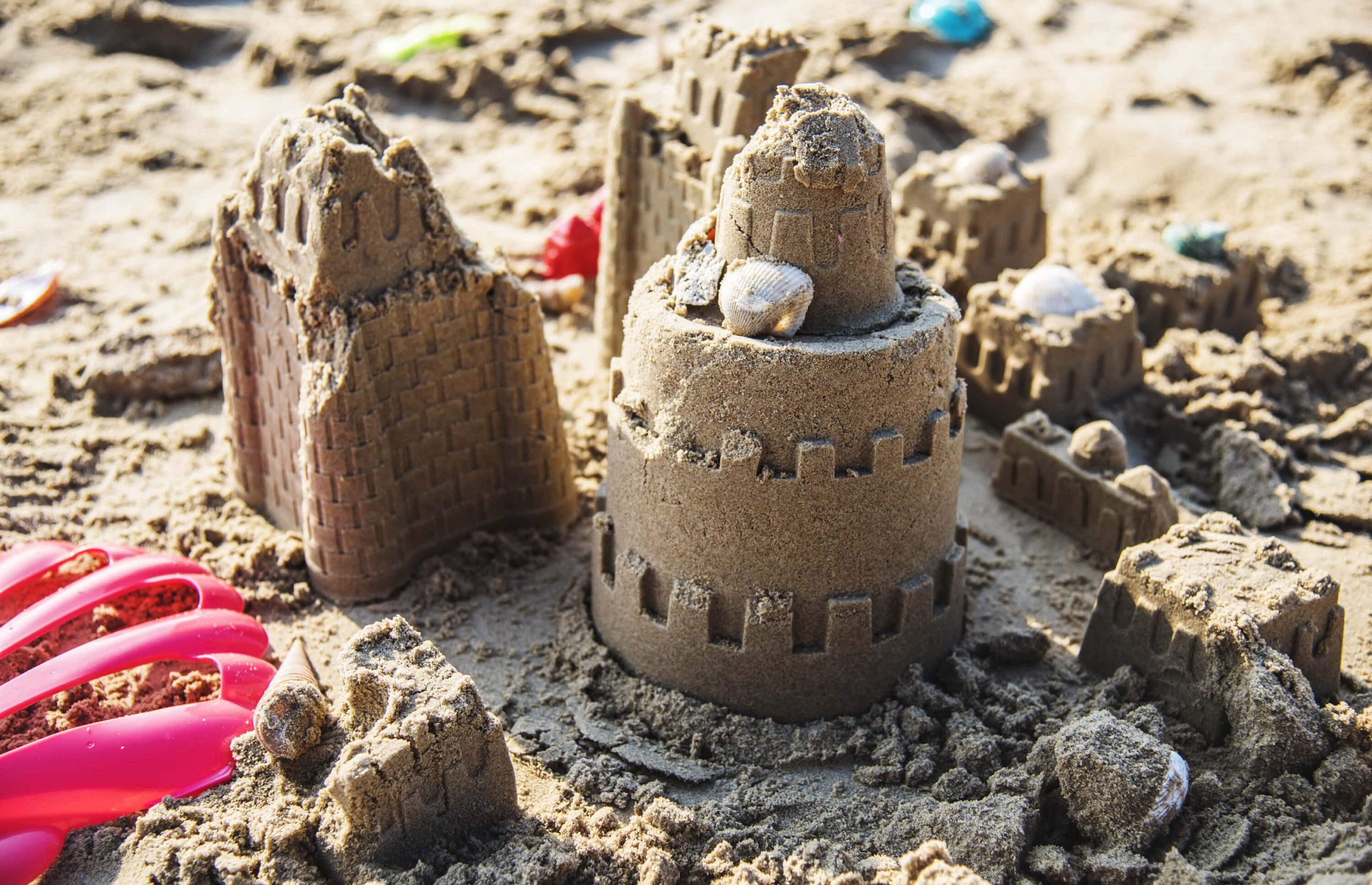
- Swimming lake with sandy beach: Easy entry, sand play, and supervised swim zones perfect for toddlers and younger kids.
- Wibit or inflatable water course: High-energy fun for older children and teens — a great way to burn off energy.
- Fishing pond: A calm, low-impact option that introduces kids to wildlife and patience.
- Splash pad or sprayground: Shallow, drainable water play that’s ideal for toddlers and little ones.
- Boat rentals (canoes/kayaks/paddleboats): Family paddling and exploration with adult supervision and a chance to learn water skills.
These water options support different ages and supervision styles. The next section breaks down safety features to help you choose the right mix for your family.
How Do Swimming Lakes and Sandy Beaches Enhance Family Camping in Michigan?
Swimming lakes with sandy beaches give families gradual shoreline access, tactile sand play, and wide swim areas that are easy to watch from shore. Compared with pools, lakes let you combine wading for toddlers, beach games, and swim practice for older kids in one place.
When you inspect a lake, check for clearly marked depth changes, designated shallow zones, lifeguard coverage or posted rules, and good shoreline visibility for quick assistance if needed.
Also look for nearby restrooms, shade around the beach, and life-jacket policies or available flotation aids to lower risk.
Thinking through these features helps you weigh the benefits of a lake against supervision needs for each age group.
What Exciting Features Do Wibit Water Parks Add to Michigan Campgrounds?
Inflatable obstacle courses like Wibits bring big excitement for school-age kids and teens — they build balance and coordination while encouraging friendly competition and group play.
Wibits usually require staff oversight or lifeguards, age or height limits, and life-jacket rules for weaker swimmers, so confirm operational policies before you arrive.
For families, a Wibit keeps kids entertained on-site and reduces the need for off-property outings, stretching the value of a campground stay.
When weighing a Wibit, balance the extra fun against supervision needs and any safety rules to make sure it fits your kids’ abilities.
Different water features have different safety needs. The table below summarizes common water amenities, key safety elements, and age-appropriateness to make comparisons easier.
Intro: This table compares common water-based features and the safety or design details families should prioritize when evaluating a campground’s aquatic offerings.
This table helps match aquatic features to your family’s needs. Next, we’ll look at land-based play areas and trails that complement those water options.
Many campgrounds layer water attractions to reach more families. For example, The Oaks Campground by GatherGrounds features a swimming lake with a sandy beach and plans to add a Wibit, showing how properties combine amenities to serve multiple age groups.
Which Play and Recreation Facilities Are Essential for Kid-Friendly Camping in Michigan?
Play and recreation amenities include playgrounds, sports courts, pavilions, nature trails, and rideable paths like golf cart trails — all designed to keep kids active and families moving safely around the property.
These facilities matter because they support play and learning, provide options for different energy levels, and help families with limited mobility or small children get around more easily.
Key considerations are safe surfacing on playgrounds, trail layouts that separate vehicles and walkers, and scheduled programs that welcome a range of ages.
Below are essential play and recreation amenities to look for and how each supports family camping goals.
- Playgrounds with soft surfacing and shade: Encourage big-motor play while reducing injury risk and sun exposure.
- Golf cart or multi-use trails: Make it easy to explore, transport gear, and move small children across larger properties.
- Pavilions and sports courts: Provide sheltered gathering spots and places for pickup games or family competitions.
- Organized weekend activities and kids’ programs: Give kids structure and social time while parents get a break.
- Multiple play zones by age: Separate toddler areas from bigger-kid challenges for safer, more appropriate play.
These amenities together create a balanced recreation plan; the next subsection highlights playground safety and design details to prioritize.
Why Are Playgrounds and Safe Play Areas Vital for Families at Michigan Campgrounds?
Playgrounds matter because they offer age-appropriate challenges that build physical, social, and emotional skills while giving parents a contained space for supervision.
Good parent-focused design includes soft surfacing (rubber mulch or engineered wood fiber), separate equipment for different ages, shaded seating for caregivers, and clear sightlines across the play area.
When checking a playground, look for well-maintained equipment, fencing near roads or water, and accessible paths for strollers and wheelchairs.
A safe, well-designed playground lets kids play longer and gives adults time to relax or handle chores without constant worry.
Keeping these design priorities in mind helps families choose campgrounds that balance fun with manageable supervision.
How Do Golf Cart Trails and Organized Activities Enrich the Family Camping Experience?
Golf cart trails and scheduled activities expand what a campground offers: trails make exploring easier for families, and programs add structure and shared experiences for kids.
Trails built for golf carts and rugged strollers create short, scenic routes for outings and for ferrying young kids and gear across a large property without long walks.
Organized activities — themed weekends, nature walks, kids’ crafts, and friendly contests — build community, reduce planning pressure on parents, and create memories for children.
Assess campgrounds for trail length, surface type, and frequency of organized programs to see if they fit your family’s plans.
Campgrounds that combine wide trail systems with regular programming offer both mobility and engagement for mixed-age families.
Intro: The table below compares common play and recreation amenities, their surface or structural attributes, and recommended age ranges to guide site selection.
Use this table to match facilities to your children’s stages and mobility needs. Many modern campgrounds cluster playgrounds, lay out extensive trails, and keep an active weekend calendar to serve families at scale.
The Oaks Campground by GatherGrounds demonstrates this approach with multiple playgrounds and roughly 120 acres of golf cart-friendly trails, showing how size and variety invite exploration.
What Essential Conveniences Should Families Expect at Michigan Campgrounds?
Essential conveniences include full hookup RV sites, clean bathhouses, stocked camp stores, reliable power and charging, and clear reservation systems — all things that make multi-day family stays easier.
These conveniences matter because they support longer visits, simplify meal prep, and reduce stress when you forget an item. They free up time for play and rest.
When planning, evaluate utilities, restroom cleanliness, and on-site retail so you know what to bring and what you can buy after arrival.
The checklist below outlines core conveniences families should expect so you can prioritize what to verify before booking.
- Full hookup RV sites: Water, electric, and sewer connections for comfortable, longer stays.
- Clean bathhouses and family restrooms: Showers, baby-changing stations, and well-kept facilities for hygiene and comfort.
- Camp store with essentials: Ice, firewood, snacks, toiletries, and quick meal items to cut down on extra trips.
- On-site reservation and office support: Clear check-in, friendly staff, and local recommendations when you need help.
- Charging/Wi-Fi options: Basic device charging and connectivity for navigation, emergencies, and a little downtime.
These features make family camping manageable and enjoyable; the next section explains how full hookups directly support family comfort and logistics.
How Do Full Hookup RV Sites Support Comfortable Family Camping in Michigan?
Full hookup RV sites supply steady water, electric, and sewer access so families can cook, run climate control, and keep routines without constant trips to facilities.
Typical hookups include 20/30/50 amp service, potable water spigots, and sewer cleanouts — check amperage and adapters before you arrive to avoid surprises.
Full hookups cut down on generator use and frequent restroom runs, which is especially helpful with infants or kids on set schedules.
When booking, prioritize level pads, nearby shade, and closeness to playgrounds or bathhouses to limit how far you’ll carry small children.
Intro: The table below lists convenience amenities, what they include, and which family types benefit most to help with decision-making.
This comparison helps you decide which conveniences you can’t do without and what you can pack. When a campground offers reliable hookups and a stocked camp store, families usually have smoother stays and fewer emergency runs.
Practical note: The Oaks Campground by GatherGrounds lists full hookup RV sites and an on-site camp store among its conveniences, a helpful example to reference when you’re booking.
What Role Do Camp Stores and Clean Facilities Play in Family-Friendly Campgrounds?
Camp stores and clean facilities are logistical lifelines for families — they cut down packing lists and keep routines on track during longer stays.
Camp stores usually carry snacks, basic groceries, fire-starting supplies, ice, and toiletries, so last-minute needs don’t derail your trip.
Well-maintained bathhouses with family stalls, hot showers, and changing stations protect health, boost comfort, and help families keep a home-like routine while camping.
When choosing a campground, check reviews or ask about maintenance schedules, store hours, and facility locations on property maps.
Together, these conveniences raise the overall comfort and manageability of a family camping vacation.
How Does Location and Accessibility Influence Family Camping Choices in Michigan?
Location and accessibility shape your trip by affecting drive time, emergency access, and the range of nearby day-trip activities that fit short family schedules.
Campgrounds near cities yet close to state recreation areas strike a good balance: short drives and plenty of outdoor options for day trips, hikes, and paddling.
Families should weigh drive times, nearby medical or childcare resources, and access to parks and trails when picking a campground.
Below are key location factors to consider when choosing a Michigan campground for a family trip.
- Drive time to nearest metropolitan area: Shorter drives make weekend trips and quick runs easier for families.
- Proximity to state parks or recreation areas: Nearby trails, lakes, and interpretive sites expand activity choices.
- Nearby services and emergency access: Close medical facilities and grocery options reduce stress for families with special needs.
- Transit and road conditions: Consider whether roads are suitable for towing, strollers, and whether seasonal conditions affect access.
These location details influence how families plan logistics, daily outings, and contingencies. The following subsections explain metro proximity benefits and sample day-trip options from park adjacencies.
Why Are Campgrounds Near Detroit, Ann Arbor, and Jackson Preferred by Families?
Campgrounds within one to two hours of Detroit, Ann Arbor, or Jackson are popular because they cut travel time for weekend getaways, offer easier access to supplies and medical care, and let families fit trips around school and work schedules.
Shorter drives mean less time in the car for kids, more time at the campsite, and peace of mind knowing you can return home quickly if needed.
Many families focus on sites within that one- to two-hour window to strike the right balance between convenience and outdoor escape.
What Family Activities Are Available Near Waterloo State Recreation Area?
Waterloo State Recreation Area offers family-friendly options like scenic hikes, wildlife watching, paddling and fishing, and interpretive programs — perfect for short day trips from nearby campgrounds.
Plan gentle loop hikes with picnic stops, pond-side fishing lessons, or calm-lake paddles for novice boaters with adult supervision.
When a campground sits next to a large recreation area, it boosts your on-site options and makes day trips easy to plan. The Oaks Campground’s proximity to Waterloo State Recreation Area is a good example of how location amplifies amenities.
What Organized Events and Seasonal Activities Enhance Family Camping in Michigan?
Organized events and seasonal programming — themed weekends, craft sessions, kids’ clubs, and friendly contests — add structure and social opportunities that families appreciate.
These activities reduce planning for parents, build community among campers, and create shared memories without requiring families to design every activity themselves.
Before you book, look for event calendars, age ranges, and whether staff-led supervision is available.
Common event types and the benefits they deliver include:
- Themed weekend events (nature, pirates, sports): Immersive activities that keep kids engaged together.
- Craft workshops and STEM activities: Creative, educational sessions that give kids a focused project and parents predictable downtime.
- Friendly competitions (scavenger hunts, relay races): Inclusive games that encourage teamwork and activity.
- Holiday or seasonal festivals: Special programming that draws families looking for themed experiences without extra planning.
These events make days feel purposeful and social. The sections below show how weekend events and workshops support engagement and development.
How Do Weekend Events and Themed Activities Foster Family Engagement?
Weekend events and themed activities give families a shared schedule that naturally brings parents and kids together for play, learning, and downtime.
Typical setups — morning nature walks, midday crafts, and evening family games — match children’s energy cycles and reduce the mental load on parents by providing ready-made plans.
Community-style events also help kids make friends and free parents from being the sole activity organizers.
Before attending, check schedules for age guidance, required materials, and participation rules so the offerings match your children’s interests and attention spans.
What Are the Benefits of Craft Workshops and Friendly Competitions for Kids?
Craft workshops and friendly competitions promote fine-motor skills, creativity, problem-solving, teamwork, and confidence in a low-pressure setting.
Workshops with simple, age-appropriate materials let kids finish projects independently, while cooperative competitions emphasize inclusion over elimination.
Pack a few extra basics (glue sticks, markers) if you like, but many well-run programs supply what’s needed.
These structured activities complement free play by offering targeted skill building and social interaction.
Intro: Below is a short list of how organized events and seasonal activities support family camping goals.
- Community and social bonding: Events connect families and build shared memories.
- Structured, low-effort entertainment: Parents get ready-made schedules that match kids’ rhythms.
- Developmental enrichment: Crafts and contests offer learning and confidence-building beyond physical play.
Summary: Regular programming raises a campground’s family value by combining convenience, community, and learning without added planning stress. Many campgrounds, including The Oaks Campground by GatherGrounds, run themed weekends and craft sessions that show how programming enhances a stay.
What Are the Benefits of Craft Workshops and Friendly Competitions for Kids?
Frequently Asked Questions
1. What should families consider when choosing a campground in Michigan?
Focus on safety, convenience, and activities that match your kids’ ages. Check for safe water features, age-appropriate playgrounds, clean facilities, full hookup sites if you need them, and an events calendar. Also factor in drive time to metro areas and nearby parks for day-trip options.
2. How can families ensure safety while camping with children?
Pick campgrounds with clear safety rules, lifeguards or supervised swim areas, age-separate play zones, and secure fencing where needed. Learn the campground’s emergency procedures and locate nearby medical services before you arrive. Teach kids basic rules like swim boundaries and trail etiquette.
3. What types of organized activities are typically available at family campgrounds?
Common offerings include themed weekends, craft workshops, guided nature walks, scavenger hunts, and kid-focused games. These programs provide structure and social time for kids while giving parents a break.
4. How do campgrounds accommodate families with special needs?
Many campgrounds now offer accessible restrooms, wheelchair-friendly paths, and inclusive playground equipment. Some provide sensory-friendly activities or staff trained to help. Contact the campground ahead of your trip to confirm specific accommodations.
5. What are the benefits of camping near state parks?
State parks add hiking, fishing, paddling, and interpretive programs to your options. Camping nearby makes it easy to take day trips, explore varied landscapes, and join ranger-led activities without long drives.
6. How can families prepare for a camping trip with young children?
Make a checklist with safety gear, favorite comfort items, age-appropriate activities, and backup clothing. Review the campground map and amenities so you know where restrooms, playgrounds, and emergency services are located. Familiarize kids with basic campsite rules ahead of time.
7. What role do camp stores play in family camping experiences?
Camp stores simplify stays by stocking essentials like snacks, ice, firewood, and toiletries. A well-stocked store cuts down on emergency runs and helps you enjoy your time outdoors with fewer logistics to manage.
Conclusion
Choosing a family-friendly campground in Michigan is about balancing safety, convenience, and activities that suit your kids. Prioritize water features, playgrounds, clean facilities, and organized events to make your trip easier and more memorable. Use this guide to compare options and find the campground that fits your family’s needs — then start planning your next outdoor adventure.