

Discover Local Experts for Selling Your Campground: Your Direct Path to a Smooth Sale
If you own a campground or RV park and are exploring options to sell, this guide helps you find local experts and direct buyers who simplify the transition while preserving your legacy. You will learn why owners choose local, family-oriented buyers, how to locate and vet campground brokers and agents, step-by-step selling options (brokered versus direct sale), and pragmatic valuation and preparation checklists. This article directly supports the H1 concept of a “direct path to a smooth sale” by explaining alternatives to traditional listings, including selling directly to a buyer that prioritizes operational continuity. Many owners want confidentiality, speed, and fewer intermediaries; this guide offers actionable pathways and timelines tailored to those priorities. We will cover six practical sections: motivations for selling to local experts, how to find and verify brokers, the step-by-step selling process, valuation methods, seller preparation, 2025 market trends, and common owner questions including confidential outreach options. Throughout, target keywords such as sell your campground directly, companies buying RV parks, campground valuation methods, and confidential campground sale are woven into practical advice to help you decide your best route.
Why Should You Sell Your Campground to Local Experts?
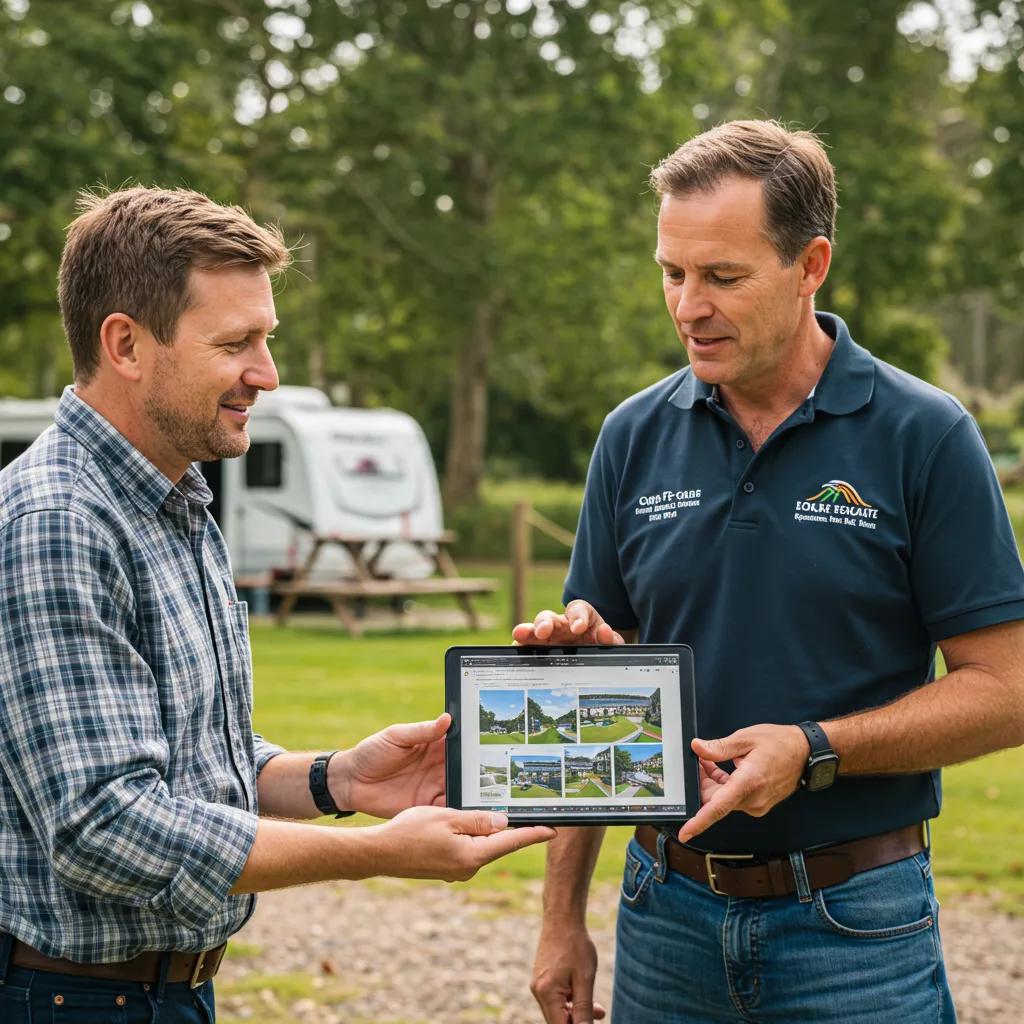
Local experts and family-owned buyers provide a buyer profile focused on operational continuity, community fit, and a nondisruptive handover, which reduces risk for owners who value legacy preservation. The mechanism that makes local expert sales attractive is direct operational alignment: a buyer familiar with regional demand and seasonal rhythms can evaluate campsites, amenities, and staff in the context of real operating performance. Sellers who prioritize confidentiality and a hands-on transition often receive simpler offers and fewer marketing exposures than they would through a public listing, and that streamlined process usually shortens timelines and reduces intermediary friction. Understanding these advantages clarifies why a direct sale or a sale to a local family-owned group can be an intentional strategy for owners seeking a smooth, respectful transition.
What Are the Common Reasons Campground Owners Sell Their Properties?
Campground owners sell for a variety of practical and personal reasons that include retirement planning, health or family considerations, reinvestment desires, and changes in personal priorities such as reducing operational burden. Economically, some owners sell to capture market gains or to redeploy capital into other investments, while others seek relief from the daily logistics of running an outdoor hospitality business. Emotional drivers also matter: preserving a property’s traditions and guest relationships can motivate owners to choose buyers who will respect the campground’s culture. Recognizing the mix of financial and personal motives helps owners weigh whether a local or direct buyer better matches their desired outcome.
How Does Selling to a Family-Owned Company Differ from Using Brokers?
Selling to a family-owned company differs from brokered sales in structure, cost dynamics, confidentiality, and cultural alignment; family-owned buyers tend to operate as direct buyers who negotiate without commission-driven intermediaries. Brokers typically provide market exposure, marketing resources, and access to a wide buyer pool, which can increase sale price but also introduces broker fees and wider marketing that may erode confidentiality. Family-owned direct buyers emphasize operational continuity, which can mean smoother staff transitions and preserved guest experiences, while brokered deals emphasize price maximization through competitive bidding. These structural differences show that the optimal path depends on whether your priority is exposure and price or speed, confidentiality, and legacy preservation.
What Are the Benefits of Selling Directly to GatherGrounds Resorts?
Selling directly to a family-oriented buyer can deliver speed, simplicity, and a preservation-minded transfer of ownership; GatherGrounds Resorts positions itself as a family-owned company that acquires campgrounds and RV parks and emphasizes thoughtful transitions. The specific benefits of a direct sale to such a buyer include fewer intermediaries, potential avoidance of broker fees, and an emphasis on maintaining traditions and guest experience post-sale. For owners valuing confidentiality and a non-corporate approach, options like GatherGrounds’ direct purchase program for campgrounds and RV parks with over 130 sites present an alternative to listing with brokers. Discussing these benefits early helps sellers decide whether a direct acquisition aligns with their financial and non-financial goals.
How Do You Find Trusted Campground Brokers and Real Estate Agents Near You?
Finding trusted brokers and agents starts with targeted research, referrals from industry peers, and verification of past campground or RV park transactions; a sound method combines online search, industry directories, and local operator references. The mechanism that separates competent brokers from generalist agents is demonstrated experience with outdoor hospitality assets, documented closings, and a track record of navigating campground-specific due diligence such as septic permits and site utility records. Knowing where to look and what to ask reduces risk and ensures you select a provider who understands NOI drivers, occupancy seasonality, and infrastructure needs. The result is a short list of vetted professionals who can either list your property or introduce you to qualified direct buyers.
What Services Do Campground Brokers and Real Estate Agents Provide?
Campground brokers offer marketing and buyer outreach, valuation support, transaction management, negotiation, and coordination of due diligence; these services are useful when sellers need market exposure or a structured sale process. Brokers typically prepare offering memoranda, aggregate comparable sales, manage buyer qualification, and coordinate inspectors and attorneys during closing, which reduces the seller’s administrative load. Their buyer networks can increase competitive offers but may also lengthen timelines due to broader marketing cycles. Understanding the exact service mix clarifies when a broker’s value outweighs the costs and helps sellers choose whether to list publicly or pursue direct outreach.
Brokers provide critical services that streamline a public sale:
- Marketing & Exposure: Reach a broader buyer pool through targeted listings.
- Transaction Management: Coordinate inspections, escrow, and legal steps.
- Valuation & Negotiation: Create comps and lead offer negotiations.
When Is It Best to Use a Broker Versus Selling Directly?
Use a broker when you need wide market exposure to maximize sale price, when the property is complex or zoned unusually, or when you prefer a process managed by intermediaries; choose a direct sale when confidentiality, speed, and operational continuity matter most. Brokers can create competitive tension among buyers, which may push price, but that comes at the cost of marketing visibility and commission expenses. Direct buyers can offer faster closings and less public exposure, which suits owners who want a private transition or who are near retirement and prioritize staff continuity. Evaluating these trade-offs in light of your timeline, financial goals, and desire for confidentiality will guide the optimal pathway.
How Can You Verify the Credentials of Local Campground Brokers?
Credential verification requires checking transaction histories, requesting references from sellers and buyers, confirming industry affiliations, and reviewing sample offering materials and sale records to evaluate specialization. Ask brokers for specific campground or RV park closings, contact prior clients to confirm performance, and inspect marketing materials for depth of financial analysis and understanding of NOI drivers. Confirm licensing and professional affiliations where applicable and look for familiarity with campground-specific permits and utilities. A methodical verification process reduces the chance of selecting an inexperienced generalist and increases confidence in the chosen advisor.
What Is the Step-by-Step Process for Selling Your Campground?
Selling a campground follows a sequence of preparation, valuation, marketing or direct outreach, offer negotiation, due diligence, and closing; the path differs slightly for brokered listings versus direct acquisitions. Mechanically, the seller prepares financial and operational records, decides on marketing exposure, evaluates offers, and supports buyer due diligence until a purchase agreement leads to closing and transition. The tangible result for sellers is a predictable timeline and a clear set of owner actions that reduce surprises and speed the transaction. Clear planning for each stage allows owners to align their objectives—price maximization versus quick, confidential transitions—and choose the right buyer profile.
- Preparation: Organize financials, operations manuals, and site inventories.
- Valuation & Marketing: Obtain valuation and decide on public listing or private outreach.
- Offer & Negotiation: Evaluate offers, negotiate terms, and agree on contingencies.
- Due Diligence: Provide records, allow inspections, and satisfy lender or title requirements.
- Closing: Execute final documents, transfer ownership, and implement transition plan.
- Transition: Coordinate staff, guest communications, and operational handover.
These numbered steps map to concrete owner actions and help capture a featured-snippet style summary of the selling timeline.
What Are the Key Stages in the Campground Selling Process?
Key stages include thorough preparation of documentation, deciding on the sales channel (brokered listing or direct sale outreach), negotiation and offer evaluation, buyer due diligence, and closing with an operational transition plan. Preparation typically involves compiling profit-and-loss statements, occupancy data, utility bills, permits, and equipment inventories, which expedite valuation and due diligence. Choosing a sales channel determines marketing scope and timeline: brokers broaden exposure, while direct buyers narrow focus and often speed up closure. Mapping these stages to a realistic timeline reduces friction and frames owner expectations.
How Does GatherGrounds’ Direct Acquisition Process Work?
GatherGrounds Resorts approaches acquisitions as a direct buyer that emphasizes a confidential, owner-focused conversation followed by a pragmatic evaluation and an operationally minded offer; their stated process centers on respectful transitions and preservation of property values. The acquisition flow generally begins with an initial confidential inquiry, a high-level assessment of sites and financials, an offer or letter of intent, due diligence focused on operational and infrastructure items, and finally closing with transition planning. Estimated timings vary by property complexity, but the key mechanism is direct negotiation without broker intermediaries to simplify steps and reduce fees. Owners interested in this approach can start by using the contact form on the Sell Your Campground page to request a confidential conversation and outline basic property details.
How Long Does It Typically Take to Sell a Campground?
Typical sale timelines vary from a few months for direct acquisitions to 6–12 months or longer for brokered listings that require market exposure and multiple buyer interactions. Factors that shorten timelines include a direct buyer relationship, complete and well-organized financial records, clear permits and utilities, and competitive pricing aligned with market comparables. Variables that extend timelines include complex zoning, deferred maintenance, or the need for seller financing negotiations. Evaluating whether speed or price is your priority early helps set realistic expectations for how long each pathway typically takes.
How Is Your Campground Valued for Sale? Understanding RV Park and Campground Valuation
Valuation of campgrounds typically uses three primary approaches—income (capitalizing Net Operating Income), comparable sales, and asset-based methods—with the income approach often dominant for operating parks. The mechanism behind the income approach converts expected NOI into a market value using capitalization rates or yield multiples; comparable sales offer market context while asset-based valuations estimate replacement or residual land value. Buyers focus on occupancy, site count, average daily rates, and recurring revenue streams, while physical infrastructure and permitted capacity influence the asset component. Understanding these methods helps owners prepare realistic expectations about offers and required documentation.
What Factors Influence the Market Value of a Campground or RV Park?
Market value depends on Net Operating Income (NOI), occupancy and seasonality, number of sites, onsite amenities, local demand drivers, and condition of infrastructure such as sewer, water, and electrical hookups. Location-specific factors—nearby attractions, regional tourism patterns, and local regulatory environment—also materially affect valuations and investor interest. Deferred maintenance or capital improvement needs commonly reduce offers, while recent upgrades to amenities or utilities can increase perceived upside. Recognizing which levers most influence buyers helps owners prioritize improvements that deliver the best return on investment.
How Do Direct Buyers Like GatherGrounds Assess Campground Value Differently from Brokers?
Direct buyers such as GatherGrounds often emphasize operational fit, legacy preservation, and realistic near-term NOI expectations rather than speculative upside implied by broad market comps used in broker valuations. The direct-buyer mechanism focuses on how a property will perform under the buyer’s operating model: projected occupancy curves, staffing plans, and capital needs tied to integration. This results in pragmatic adjustments for deferred maintenance and a purchase price that reflects both current performance and the cost to bring the property to the buyer’s operating standard. For owners, understanding this perspective clarifies why offers from direct buyers may differ from brokered valuation estimates.
What Financial Records Should Owners Prepare for Valuation?
Buyers expect an organized set of financial and operational records including multi-year profit-and-loss statements, tax returns, occupancy and revenue breakdowns, site inventories, utility costs, equipment lists, and copies of permits and leases. Well-prepared records accelerate valuation, reduce buyer questions during due diligence, and demonstrate transparency that can lead to stronger offers or faster closings. Preparing a documented file structure—clearly labeled and dated—simplifies the review process and reflects positively on operational management. Owners who present complete records often enjoy smoother negotiations and fewer last-minute adjustments.
How Can You Prepare Your Campground for a Successful Sale?

Preparation combines targeted physical improvements, tidy financials, and clear transition planning to maximize value and minimize buyer friction; a measured scope of work yields better offers than ad-hoc upgrades. Mechanically, focus first on high-impact, low-cost improvements—repairing signage, improving site curb appeal, and resolving visible hazards—while documenting larger capital projects and required permits. Operational transparency through organized P&Ls and occupancy histories signals credibility and reduces due-diligence time. The net benefit is a smoother sale process, fewer renegotiated credits, and a stronger buyer perception of upside.
What Improvements Increase Your Campground’s Appeal and Value?
Prioritize low-cost, high-impact updates first: visible landscaping and signage, refreshed common areas, improved Wi-Fi or connectivity, and repaired site utilities such as water and electrical hookups. Next, consider amenity upgrades that align with guest demand—such as restroom renovations, playground improvements, or enhanced fire pits—that can increase average daily rates and occupancy. Major infrastructure work, like septic or well upgrades, should be documented and cost-estimated to show buyers the required capital and timing. Targeting improvements by expected ROI helps you spend dollars where they translate into higher offers.
High-impact improvements that attract buyers:
- Signage & Curb Appeal: First impressions increase booking interest.
- Utility Reliability: Functioning water, sewer, and electric reduce buyer risk.
- Amenity Refreshes: Restroom and common-area upgrades support higher rates.
How Should You Organize Financial and Operational Records?
Organize records into clear folders and provide an index: annual P&Ls, tax returns, occupancy reports, nightly rates, utility bills, maintenance logs, equipment inventories, and permits and regulatory documentation. Use consistent file naming conventions and include summary spreadsheets that highlight multi-year trends in revenue and expenses. Preparing succinct executive summaries for each area—operations, maintenance, and compliance—saves buyer time and demonstrates managerial competence. A well-organized data room reduces back-and-forth and helps maintain negotiation momentum.
What Are Best Practices for Confidential and Smooth Transitions?
Confidentiality practices include limiting marketing exposure, requiring NDAs before detailed data sharing, staging announcements to staff and guests, and preparing transition plans for key employees to maintain service continuity. Using targeted outreach to vetted buyers or direct buyers helps preserve privacy while still generating qualified offers. Clear communication timing with staff and a retained transition manager for a defined period can reduce service disruptions and preserve guest loyalty. These steps make a sale less disruptive and protect the goodwill and reputation you built.
What Are the Latest Market Trends Affecting Campground Sales in 2025?
The 2025 marketplace shows sustained interest in outdoor hospitality assets, driven by continued demand for RV travel, evolving guest preferences, and investor recognition of campgrounds as resilient niche real estate. The mechanism fueling interest is supply-demand imbalance: limited available campsite inventory in many regions combined with steady recreational demand supports investor appetite and upward valuation pressure. Sellers should expect active buyer interest but also differentiated underwriting, with investors scrutinizing NOI, occupancy trends, and regional seasonality. Understanding 2025 trends positions sellers to time listings or to select direct buyers who appreciate regional nuances.
How Is the RV Park and Campground Market Growing?
Growth is observed in consistent consumer demand for outdoor experiences and increases in RV ownership and rentals, which bolster campsite utilization and long-term revenue potential for quality properties. This structural demand gives buyers confidence in recurring cash flow and can support higher valuation multiples where infrastructure and market access are strong. Regional variability remains significant: properties near major recreation corridors or resort amenities perform disproportionately better. Sellers benefit from clear market narratives when communicating demand drivers to buyers.
What Investment Trends Should Sellers Know?
Investors increasingly focus on Net Operating Income, operational upside, and scalable improvements rather than speculative land plays; common deal structures include cash purchases, seller-assisted financing, and earnouts tied to operational targets. Institutional and private buyers both pursue assets with clear management plans and expansion potential, such as adding glamping units or higher-yield amenities. For sellers, this means demonstrating reliable historical NOI and a credible plan for revenue enhancement increases buyer interest. Understanding what investors prioritize lets sellers present their property in investor-oriented terms.
How Does Regional Market Knowledge Impact Selling Strategy?
Regional knowledge influences pricing, marketing strategy, and buyer targeting because seasonality, local attractions, and state regulatory environments materially change operating results and perceived risk. Buyers will compare local comps, demand seasonality, and regional infrastructure constraints, so sellers should present context that frames their performance appropriately. Targeting buyers who understand the region reduces valuation disconnects and accelerates deal flow. Local expertise in a buyer—whether a broker or direct buyer—can therefore be a decisive factor in achieving a successful sale.
What Are Common Questions About Selling Your Campground?
Common owner questions focus on whether a broker is necessary, how to begin a confidential conversation with direct buyers, and what fees to expect; addressing these succinctly reduces uncertainty and helps owners take first steps. Each question requires a clear conditional answer that reflects sale goals: price maximization versus speed and confidentiality. This FAQ-style framing guides owners to the most appropriate next actions for their priorities, whether that is compiling records for valuation or contacting a direct buyer for a confidential discussion.
Do I Need a Broker to Sell My Campground?
You do not always need a broker; use one when broad exposure or complex structuring is required, and consider direct sale when confidentiality, speed, and hands-on operational transition are priorities. Brokers add value through marketing reach and negotiation expertise, particularly for properties that will attract multiple investors, but broker commissions and public listings may not suit owners who prioritize privacy. Direct buyers can avoid intermediary fees and often close faster, yet sellers may receive a different valuation profile reflective of operational realities. Choosing depends on your primary objective—maximizing price or ensuring a smooth, private transition.
How Do I Start a Confidential Conversation with GatherGrounds Resorts?
Begin a confidential conversation by preparing a concise property summary—site count, high-level financials, key permits, and top-line occupancy figures—and using the contact form on the Sell Your Campground page to request an initial, no-pressure discussion. GatherGrounds emphasizes privacy and owner-focused transition planning, and their initial inquiry process is designed to evaluate fit before sharing detailed documents. Expect an initial high-level call to confirm interest and scope, followed by a mutually agreed path for due diligence if both parties proceed. This approach maintains confidentiality while allowing owners to learn whether a direct acquisition aligns with their goals.
What Are the Typical Costs and Fees When Selling a Campground?
Typical costs include broker commissions if you list (commonly a percentage of sale price), closing costs, title and escrow fees, and any negotiated seller credits for repairs or capital items; direct buyers can reduce or eliminate broker commissions but may reflect that in negotiated price. Other transaction costs such as legal fees, survey or inspection costs, and potential environmental assessments should be budgeted. Comparing estimated net proceeds under both brokered and direct-sale scenarios helps owners choose the route that best meets their financial objectives. Transparent cost planning leads to fewer surprises and a cleaner path to closing.
Frequently Asked Questions
What Should I Consider Before Selling My Campground?
Before selling your campground, consider your financial goals, desired timeline, and the level of confidentiality you wish to maintain. Assess whether you want to maximize the sale price or prioritize a quick, smooth transition. Additionally, evaluate the condition of your property and the necessary improvements that could enhance its value. Understanding the current market trends and buyer preferences in your region can also inform your decision-making process, ensuring you choose the best selling strategy for your unique situation.
How Can I Ensure a Smooth Transition for Staff and Guests?
To ensure a smooth transition for staff and guests, develop a comprehensive transition plan that includes clear communication strategies. Inform staff and guests about the sale at appropriate times, ideally after a buyer is secured. Retaining key employees during the transition can help maintain operational continuity and guest satisfaction. Additionally, consider scheduling a handover period where the new owner can work alongside existing staff to ensure a seamless operational shift, preserving the campground’s culture and guest relationships.
What Are the Risks of Selling My Campground Without a Broker?
Selling your campground without a broker can present several risks, including limited market exposure and potential undervaluation. Without a broker’s expertise, you may struggle with pricing, negotiation, and navigating legal complexities. Additionally, the lack of a structured process can lead to longer sale timelines and increased stress. However, if you prioritize confidentiality and operational continuity, a direct sale may mitigate these risks, provided you are well-prepared and informed about the selling process.
How Do I Prepare for Buyer Due Diligence?
Preparing for buyer due diligence involves organizing all relevant financial and operational documents, including profit-and-loss statements, occupancy rates, and maintenance records. Ensure that all permits and licenses are up to date and readily available. Create a comprehensive data room with clearly labeled folders to streamline the review process. Being transparent and well-prepared can enhance buyer confidence and facilitate smoother negotiations, ultimately leading to a quicker sale.
What Should I Expect During the Closing Process?
During the closing process, you can expect to finalize all legal documents, transfer ownership, and settle any outstanding financial obligations. This stage typically involves coordinating with attorneys, title companies, and possibly lenders to ensure all requirements are met. You will also need to address any contingencies outlined in the purchase agreement. Clear communication with all parties involved is crucial to ensure a smooth closing, and having a checklist can help you stay organized throughout this final phase.
How Can I Market My Campground Effectively?
To market your campground effectively, consider a multi-channel approach that includes online listings, social media promotion, and targeted outreach to potential buyers. Highlight unique features and amenities that set your property apart, and use high-quality images to attract interest. Networking within industry groups and attending relevant events can also help you connect with potential buyers. If confidentiality is a priority, consider direct outreach to vetted buyers or local experts who understand the market dynamics.
What Are the Benefits of Selling to a Local Buyer?
Selling to a local buyer offers several benefits, including a better understanding of the regional market and a commitment to preserving the campground’s legacy. Local buyers often prioritize operational continuity, which can lead to a smoother transition for staff and guests. Additionally, local transactions may involve fewer intermediaries, reducing costs and expediting the sale process. This approach can also enhance confidentiality, as local buyers may be more discreet in their acquisition efforts compared to larger, corporate entities.
Conclusion
Choosing to sell your campground to local experts can ensure a smooth transition while preserving your legacy and operational continuity. This guide highlights the benefits of direct sales, including confidentiality, speed, and reduced intermediary costs, empowering you to make informed decisions. By understanding the selling process and market trends, you can maximize your property’s value and attract the right buyers. Start your journey today by exploring our resources and connecting with trusted local buyers.