Discover Top Campgrounds With Seasonal Sites Near You: Find the Best Seasonal RV Parks and Family Campgrounds
Seasonal sites offer families and long-term campers a consistent spot to return to throughout the season, bringing with them stability, convenience, and regular access to all the campground amenities. This guide will walk you through what seasonal RV and tent sites are, how seasonal leases work, and how to compare campgrounds that offer long-term outdoor accommodations right in your area. Many of you are looking for family-friendly seasonal campgrounds, seasonal RV camping options in Michigan, and practical steps to book a seasonal site; this article is designed to meet those needs with clear definitions, helpful checklists, and comparison tools. Our aim is to help you understand what’s included and what’s not, evaluate amenities like water parks and river float trips, and complete the application process smoothly. You’ll find sections that define seasonal sites, compare Michigan campgrounds, outline the benefits for families, present clear pricing examples, and guide you through an application process that covers common deposit, documentation, and move-in steps. Throughout, we’ll integrate examples like Walnut Hills Family Campground in Durand, Michigan, as a local illustration of seasonal RV and tent site offerings, without replacing objective comparison criteria.
What Are Seasonal RV Sites and Long-Term Camping Options Near You?
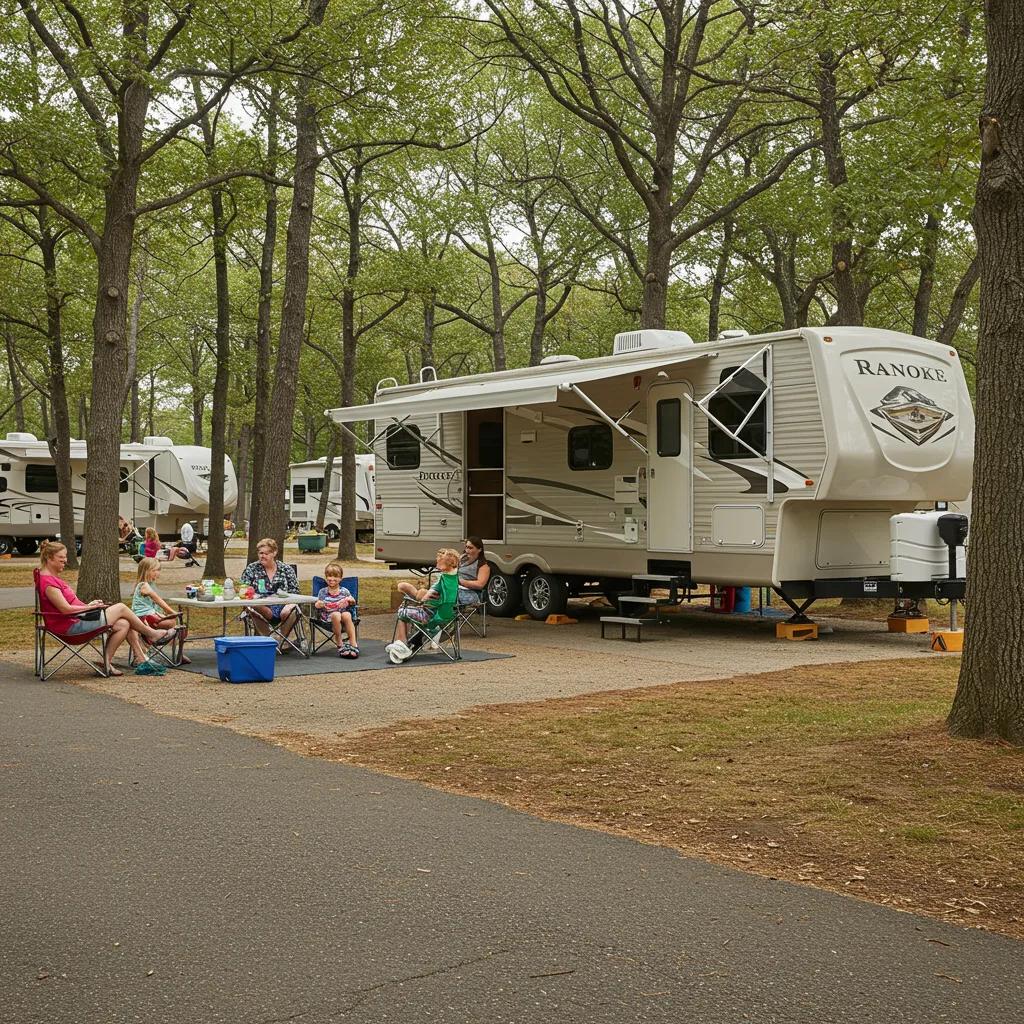
Seasonal RV sites and long-term camping options are essentially leased site arrangements that allow campers to occupy a specific plot for an entire season, providing you with routine site access and predictable onsite services. These arrangements work by assigning a seasonal lease—often aligned with the campground’s operating season—that covers your use of the site and negotiated utilities or amenity privileges, creating a dependable “home away from home” for your family. This approach reduces the need for frequent reservations and lets you invest in personalized setups, storage solutions, and community relationships that transient stays simply don’t support. Understanding these basics will prepare you to compare offerings by site features, amenity access, and contract terms, as we’ll discuss in the following subsections.
What Does Seasonal Camping Include at Popular Campgrounds?
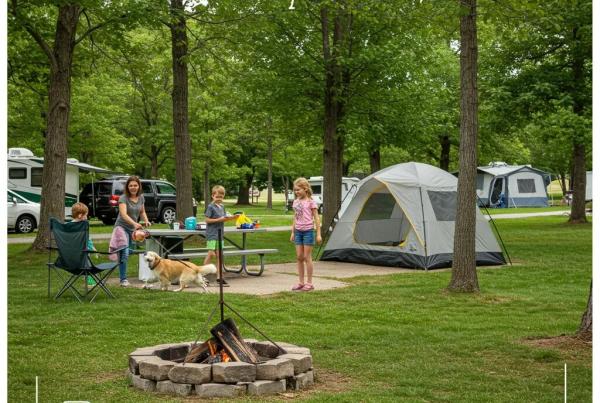
Seasonal camping typically includes a reserved site, basic hookups, and access to common amenities, though the specifics can vary quite a bit by park and lease. Many seasonal sites come with full hookups—water, sewer, and 30/50 Amp electric—with electricity often being metered; parks might include access to amenities like pools, playgrounds, and activity programming in the season fee or charge extra daily fees. As a camper, you should expect variations in things like storage allowances, shed policies, and personalization rules that affect what you can set up on a site, so it’s always best to confirm which extras are included before you sign a lease. For instance, seasonal offerings at Walnut Hills Family Campground in Durand, Michigan, list Seasonal RV and Tent Sites at Walnut Hills Family Campground as a long-term option with full hookups and amenity access, which is a great example of how a family-focused property packages site features and activities.
How Do Seasonal Leases Work at Campgrounds in Michigan and Nearby States?
Seasonal leases usually kick off at the beginning of the campground’s operating season and run through its closing, with terms that clearly outline payments, deposits, and cancellation rules to manage long-term occupancy. The reason leases incorporate deposits and payment schedules is to secure the site for both you, the camper, and the campground, and these arrangements often include clauses about subletting, site maintenance, and adherence to park rules. In Michigan and neighboring states, campgrounds commonly detail a deposit amount to hold a seasonal site, a schedule for the remaining payments, and a policy for refunds or forfeitures if a camper needs to cancel; understanding this framework helps families plan their finances effectively. Knowing the typical timelines and deposit norms will prepare you to compare offers and navigate the reservation process, which we’ll cover later in this guide.
Which Campgrounds Offer the Best Seasonal RV Sites in Michigan?
Choosing the best seasonal campground really comes down to clear criteria—the mix of amenities, family programming, proximity to attractions, pricing transparency, and the overall community atmosphere—rather than just marketing claims. The way to evaluate parks is to weigh those criteria against your family’s specific needs, such as access to water-based activities, onsite events, and pet accommodations, and then prioritize options that strike a good balance between convenience and cost. Regional campgrounds and RV parks often have different focuses: some highlight resort-style features while others lean towards quiet, more utilitarian long-term stays; using a checklist can really help narrow down your choices before you contact parks for exact terms. The next subsections will list common family-friendly amenities and show how a local property like Walnut Hills Family Campground compares on core attributes.
What Family-Friendly Amenities Are Available at Seasonal Campgrounds?
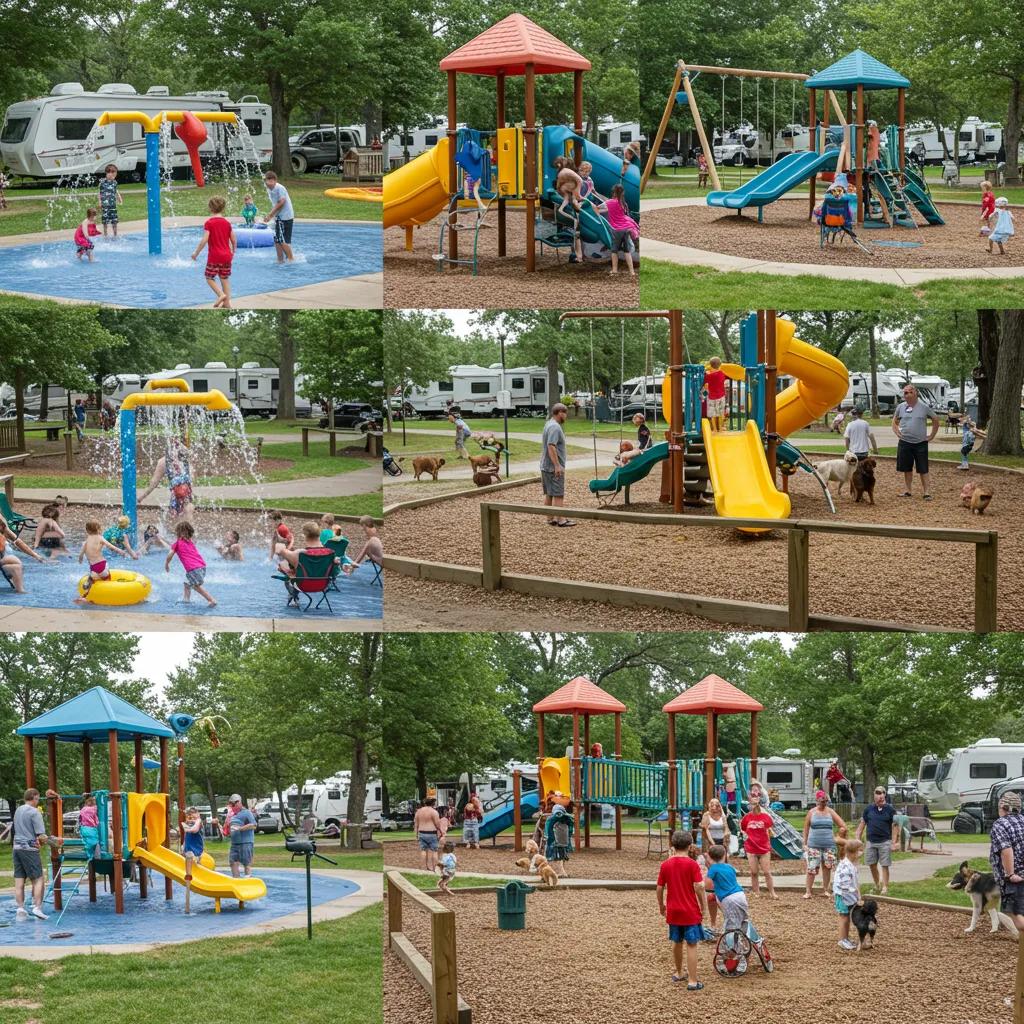
Family-focused seasonal campgrounds typically offer clusters of amenities designed to support children’s play, adult recreation, and community events, making extended stays enjoyable and manageable for everyone. You’ll often find amenities like water parks or Wibit-style inflatable courses, swimming lakes with beaches, playgrounds, dog parks, sports courts, organized weekend events, and guided outdoor activities such as river floats; these features create both structured and unstructured opportunities for family bonding and socialization. Access to a campground store, updated facilities, and programmed weekend events can further reduce logistical friction for seasonal campers and encourage repeat visits throughout a season. Considering these common amenity patterns can help families choose sites that align with their preferred balance of activity and relaxation.
Here are some common family-friendly amenities you should prioritize when evaluating seasonal campgrounds:
- Water attractions: pools, Wibit water parks, or swimming lakes perfect for daily family recreation.
- Play and pet facilities: playgrounds and dog parks that cater to both kids and pets.
- Organized programming: weekend events, sports, and river excursions that help build a strong community.
These amenity features really shape daily life on a seasonal site and can significantly influence long-term satisfaction and community engagement.
How Do Seasonal Sites at Walnut Hills Family Campground Compare?
Walnut Hills Family Campground in Durand, Michigan, is a prime example of a family-oriented seasonal site, skillfully combining full hookups with a broad set of amenities designed for extended stays. Their seasonal offering—Seasonal RV and Tent Sites at Walnut Hills Family Campground—provides full hookups including water, sewer, and 30/50 Amp electric (metered), plus access to features like a Wibit water park, a swimming lake and beach, playgrounds, a dog park, sports courts, weekend family events, and organized river float trips on the Shiawassee River. This comprehensive package of utilities and activities demonstrates how a dedicated campground positions its seasonal leases as a solution for family convenience and ongoing recreation. When you’re comparing Walnut Hills to other Michigan options, it’s helpful to weigh its amenity-rich approach and community programming against camps that might offer lower fees but fewer family services.
What Are the Benefits of Choosing Seasonal Camping at Family Campgrounds?
Seasonal camping offers you predictable site access, community continuity, and simplified logistics when compared to booking short-term stays repeatedly, leading to both practical and emotional benefits for families. The core mechanism behind these advantages is the lease structure itself, which secures the same site for months on end and supports personalization, routine establishment, and deeper social connections with both neighbors and staff. Families gain cost predictability, easier planning for school breaks and holidays, and regular use of amenities that keep children engaged, all of which helps create recurring memories and stronger family traditions. Understanding the specific advantages of seasonal stays can really help families decide if long-term camping aligns with their lifestyle and financial priorities.
Here are the key family benefits of seasonal camping:
- Stability and personalization: more time to create routines and customize your site safely.
- Community building: repeated interactions with neighbors and staff naturally foster friendships.
- Access to consistent programming: scheduled events and activities keep children happily engaged.
These benefits are precisely why so many families prefer seasonal RV parks and family campgrounds over intermittent weekend stays.
How Does Seasonal Camping Create a “Home Away From Home” Experience?
Seasonal campers truly create a “home away from home” by personalizing their site, setting up smart storage solutions, and developing predictable daily and weekly routines that closely mirror a household structure. The reason personalization works so well is practical: stable tenure allows campers to add small storage units, organize outdoor living areas, and maintain consistent schedules for meals, chores, and recreation without the constant hassle of packing and unpacking. Examples of personalization you might see include setting up established outdoor kitchens, dedicated kid play zones, and pet areas, all of which significantly increase comfort and reduce the friction associated with repeated travel. Those practical routines and physical adjustments combine to produce a strong sense of safety and belonging that truly enriches long-term outdoor living.
What Activities and Events Enhance Seasonal Stays for Families?
Organized activities—such as themed weekends, dedicated water park hours, youth programs, and river float trips—actively promote social cohesion, reduce parental planning burdens, and provide structured fun for children throughout the season. The mechanism at play here is recurring programming: predictable, scheduled events encourage participation, create shared experiences, and make it easy for families to plan their days around favorite activities. Examples include weekend family events, daily water-park sessions, sports leagues, and guided outdoor excursions that together form a vibrant seasonal calendar of engagement. Parks that invest in a robust event schedule typically see higher seasonal satisfaction because these events become the connective tissue of the campground community.
How Much Do Seasonal RV Sites Cost and What Is Included?
Seasonal site pricing can vary quite a bit depending on the location, amenities offered, site size, and included utilities; typical seasonal price ranges can give you a ballpark figure for budget planning. Prices usually reflect the level of amenity access and whether utilities like electricity are metered or included, and a clear price comparison can really help families balance cost versus convenience. Below is a table that summarizes typical seasonal price ranges and common inclusions to help shoppers compare offers and manage expectations across different properties.
This pricing table highlights how location and amenity inclusion significantly drive seasonal prices and why transparency is absolutely essential when you’re evaluating offers. For a concrete example, Seasonal RV and Tent Sites at Walnut Hills Family Campground list a seasonal price band of $3,000 – $5,000 per season, which aligns perfectly with family-focused properties that include extensive amenity access; prospective renters should inquire directly for exact pricing and availability.
What Utilities and Amenities Are Typically Included in Seasonal Site Pricing?
Utilities and amenity inclusions commonly consist of water and sewer hookups and access to shared facilities, while electricity is frequently metered and billed separately; policies can differ by park and will affect your total seasonal cost. The reason for metering is to fairly allocate variable energy costs among long-term users, and many campgrounds will include water and sewer while billing amperage usage separately or through a meter. Amenities such as pool access, playgrounds, and organized events may be included in the season fee or offered as optional add-ons, so verifying the final inclusions is essential before you commit to a lease. Confirming which utilities are included and which are metered will reduce surprises and help families budget accurately for their seasonal stay.
This table clarifies typical inclusions and common billing practices so you can compare camps on equal terms and avoid hidden fees.
How Can You Check Seasonal Site Availability and Pricing Near You?

To check availability and pricing, start by looking at a park’s seasonal-sites information, ask about waitlists, request a site map, and confirm deposit and contract details to secure your reservation. The process for securing a seasonal site usually involves an inquiry, a review of available site types, payment of a deposit, and signing a lease that outlines all inclusions and rules; documenting each step can really speed up the process. Recommended booking windows can vary, but many seasonal properties open reservations months before the season even starts and maintain waitlists for high-demand sites, so making inquiries early can significantly strengthen your chances. When you’re evaluating options, be sure to request written confirmation of utility billing practices, amenity inclusions, and any site personalization rules to ensure complete clarity.
Here’s a quick checklist to help you verify availability and pricing:
- Request current seasonal site inventory: confirm exact site types and locations.
- Ask about deposits, payment schedules, and waitlists: document all timelines.
- Confirm utility billing and amenity inclusions in writing: avoid any surprises.
Use these steps to compare offers objectively and to prepare your questions for campground staff.
How Do You Apply for Seasonal Sites at Campgrounds Near You?
Applying for a seasonal site generally follows a predictable set of steps: you’ll inquire and tour, select a site, pay a deposit and sign a lease, then schedule your move-in and orientation to learn the rules and systems. This sequence is in place to protect both you, the camper, and the campground by ensuring site suitability, financial commitment, and clarity about responsibilities. The table below breaks down the application process into steps, requirements, and typical timelines so applicants can plan and track their progress.
What Is the Step-by-Step Application Process for Seasonal Camping?
Begin by contacting the campground to confirm available seasonal sites and request a site map, then identify your site preferences and review the seasonal lease terms in detail before placing a deposit. The subsequent steps involve completing any required forms, providing necessary documentation, signing the lease, and scheduling a move-in date with an orientation session to learn campground rules and utility procedures. Deposits are used to hold the site and are credited toward the season fee, while final payment schedules and cancellation policies are clearly spelled out in the lease to prevent misunderstandings. Following these steps diligently can reduce friction and help ensure a smooth transition into seasonal living.
Here are the core steps summarized for your quick reference:
- Inquire and tour available sites.
- Reserve with a deposit and sign the lease.
- Coordinate utilities and move-in logistics.
These steps provide a clear path from initial interest to final occupancy and help families plan their time and budget effectively.
What Rules and Regulations Should Seasonal Campers Know?
As a seasonal camper, you should expect rules regarding guests, pets, golf carts, sheds and site personalization, noise levels, and site maintenance that are designed to preserve safety, appearance, and community standards throughout the season. Campgrounds enforce these policies to maintain equitable use of shared spaces and to protect infrastructure, and understanding the reasons behind each rule can help campers comply without conflict. Typical regulations include leash rules for dogs, limitations on shed size or permanent structures, restrictions on vehicle storage, and guidelines for quiet hours and guest registration to protect your neighbors. Confirming these rules during the application process can help avoid surprises and supports positive long-term stays at family campgrounds.
Here are the typical campground rules that seasonal campers should review:
- Pet policies and leash requirements: designed to protect other campers and wildlife.
- Golf cart and vehicle rules: ensuring safety and permitted use on grounds.
- Shed/storage and personalization limits: covering size and placement restrictions.
These rules are in place to maintain safe, friendly, and orderly seasonal communities and should definitely be part of your lease review.
For families ready to pursue a seasonal site, we highly recommend considering properties that combine transparent pricing, strong family amenities, and clear application processes. Seasonal RV and Tent Sites at Walnut Hills Family Campground in Durand, Michigan, is one concrete example of a family-focused seasonal offering with a stated price range of $3,000 – $5,000 per season; interested renters should inquire directly with the campground to confirm exact seasonal rates, site availability, and lease terms before committing to a reservation.
Frequently Asked Questions
What should I consider when choosing a seasonal campground?
When you’re selecting a seasonal campground, it’s important to consider factors such as location, the amenities available, and the family programming offered. Evaluate the types of activities that are available, such as water sports, organized events, and recreational facilities. Additionally, assess the campground’s community atmosphere and how well it aligns with your family’s needs. Pricing transparency is also crucial; make sure you understand exactly what is included in the seasonal fee and any potential additional costs. A checklist can be a great tool to help you compare different campgrounds effectively before making your final decision.
Are there any restrictions on personalizing my seasonal site?
Yes, most campgrounds do have specific rules regarding site personalization to help maintain community standards and safety. Common restrictions might include limits on the size and type of structures you can add, such as sheds or outdoor kitchens. Additionally, there may be guidelines on landscaping and storage solutions. It’s really essential to review these regulations during the application process to avoid any conflicts and ensure that your planned modifications comply with the campground’s policies.
How can I find seasonal campgrounds that are pet-friendly?
To find pet-friendly seasonal campgrounds, start by researching online directories and campground websites that clearly specify their pet policies. Look for keywords like “pet-friendly” or “dog park” in their descriptions. Additionally, consider reaching out directly to campgrounds to inquire about their specific pet rules, such as leash requirements and any additional fees. Reading reviews from other pet owners can also provide valuable insights into the campground’s suitability for pets and their overall experience.
What are the typical payment schedules for seasonal leases?
Payment schedules for seasonal leases can vary from one campground to another but generally include an initial deposit followed by a series of payments throughout the season. Many campgrounds require a deposit to secure your site, which is often due at the time you sign the lease. The remaining balance may be divided into monthly payments or be due in full before the season begins. It’s important to clarify these terms directly with the campground to ensure you fully understand your financial commitments and avoid any surprises.
What types of activities are typically organized at seasonal campgrounds?
Seasonal campgrounds often host a variety of organized activities designed to enhance the camping experience for families. Common events include themed weekends, sports leagues, arts and crafts sessions, and guided outdoor excursions like river floats. Many campgrounds also offer family movie nights, talent shows, and community barbecues. These activities not only provide entertainment but also foster social connections among campers, making it easier for families to bond and create lasting memories during their stay.
How do I ensure I get a seasonal site at a popular campground?
To secure a seasonal site at a popular campground, it’s crucial to act quickly and plan well in advance. Start by researching campgrounds early in the year, as many open reservations months before the season even begins. Contact the campground to inquire about availability and ask to be placed on a waitlist if necessary. Additionally, visiting the campground in person can help you get a feel for the layout and available sites. Being proactive and prepared will significantly increase your chances of securing your desired site.
What are the benefits of seasonal camping for families?
Seasonal camping offers numerous benefits for families, including stability, community engagement, and cost predictability. Families can establish routines and personalize their camping experience, truly creating a “home away from home.” The consistent access to amenities and organized activities keeps children engaged and fosters social connections with neighbors. Additionally, families can save on travel costs by returning to the same site throughout the season, making it a financially viable option for extended outdoor living.
Conclusion
Choosing a seasonal campground offers families stability, community, and access to a wide range of amenities that truly enhance outdoor living experiences. By understanding the benefits of seasonal leases, families can make informed decisions that align perfectly with their lifestyle and budget. Explore your options at family-friendly campgrounds like Walnut Hills Family Campground to find the ideal seasonal site for your next adventure. Start planning your memorable camping experience today!