
Discover Michigan Campgrounds for Horseback Riding — Your Practical Guide to Equestrian Adventures
This guide helps riders and camping families find the best Michigan destinations for horseback riding and horse-friendly camping. You’ll get clear trail navigation tips, rental and guided-ride options, and practical planning advice focused on the Waterloo region and nearby base camps. Read on to learn why Michigan is great for equestrian camping, which campground types support horses, how to reach Waterloo State Recreation Area trails from a nearby family campground, where to book rentals or guided rides, and what to pack for a safe multi-day horse camp. We combine terrain and trail details with reservation and staging guidance so you can plan day rides or overnight horse camping without guessing where to park a trailer or source hay and tie-up facilities. Along the way, this guide points to The Oaks Campground as a convenient base for riders headed to Waterloo, covers shuttle and parking notes, and includes checklists for both new and experienced equestrian campers. By the end you’ll have a routeable plan, an amenities checklist, and criteria to pick a Michigan campground that matches your riding goals and group needs.
Why Choose Michigan for Horseback Riding and Camping?
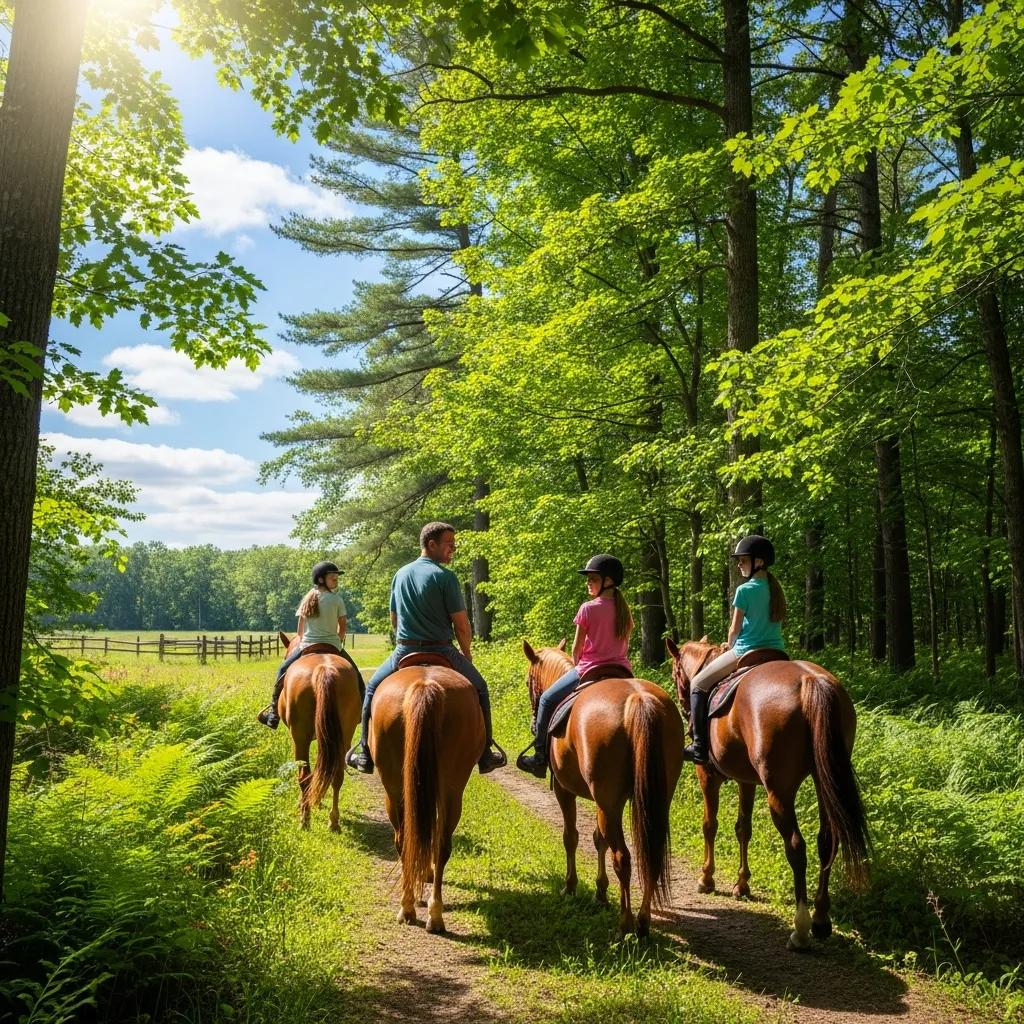
Michigan is a top choice for horseback riding and camping because it combines large public recreation areas with varied terrain that suits beginner bridle paths and longer mixed-use trail systems alike. State recreation areas, inland lakes, and forest corridors create long, connected trail networks where you can ride through open fields, wooded singletrack, and shoreline scenery in the same outing. Riders also benefit from seasonal variety—spring green-up, summer shade, and fall color—while state agencies and volunteer equestrian groups keep many trails signed and maintained. Outdoor recreation’s growing popularity means equestrian-accessible camps fill up during peak months, so smart planning and early reservations pay off. Understanding these statewide strengths helps you choose campgrounds and staging options that put you close to trailheads and essential logistics like trailer parking and water access.
Michigan’s equestrian strengths break down into three clear advantages:
- Extensive public lands and multi-use trail networks that link forests, wetlands, and lakes into long, rideable stretches.
- A range of trail types—from groomed bridle paths to mixed-use forest tracks—so riders of different skill levels can find appropriate terrain.
- Strong local support from state recreation authorities and volunteer groups that maintain signage and trail stewardship.
Those strengths make Michigan ideal for day rides, weekend pack trips, or longer equestrian vacations and set expectations for the reservation and permit steps we cover later.
What Makes Michigan a Premier Destination for Equestrian Camping?
Michigan’s strength for equestrian camping is simple: scale and variety. Many regions offer interconnected public lands and large state recreation areas that create thousands of rideable acres. That lets you build loops and multi-hour treks without repeating the same terrain. You’ll find everything from lakeside canters to rolling wooded singletrack, so the state works for family outings and endurance-style rides alike. State parks and local equestrian clubs often mark bridle paths, post seasonal trail updates, and maintain staging areas—practical supports that improve safety and navigation for visitors. Those institutional resources, along with year-round recreational access, make Michigan a dependable choice for organized trail systems and multi-day horse camping.
How Has Camping Popularity Changed Among Younger Riders?
Camping demand among Millennials and Gen Z has grown, driven by a preference for outdoor experiences that combine social time with active recreation. Equestrian camping fits that trend: younger campers look for shareable nature moments, wellness escapes, and curated experiences that include guided rides. As a result, they often book rentals or guided packages, increasing demand for campgrounds that support staging, trailer parking, and family amenities. That shift expands peak-season booking windows and fills weekend spots earlier—so plan farther in advance than you might have in the past. Knowing these demographic trends helps you anticipate when to reserve sites and which campgrounds will likely offer guides or rental services.
What Are the Best Horse-Friendly Campgrounds in Michigan?
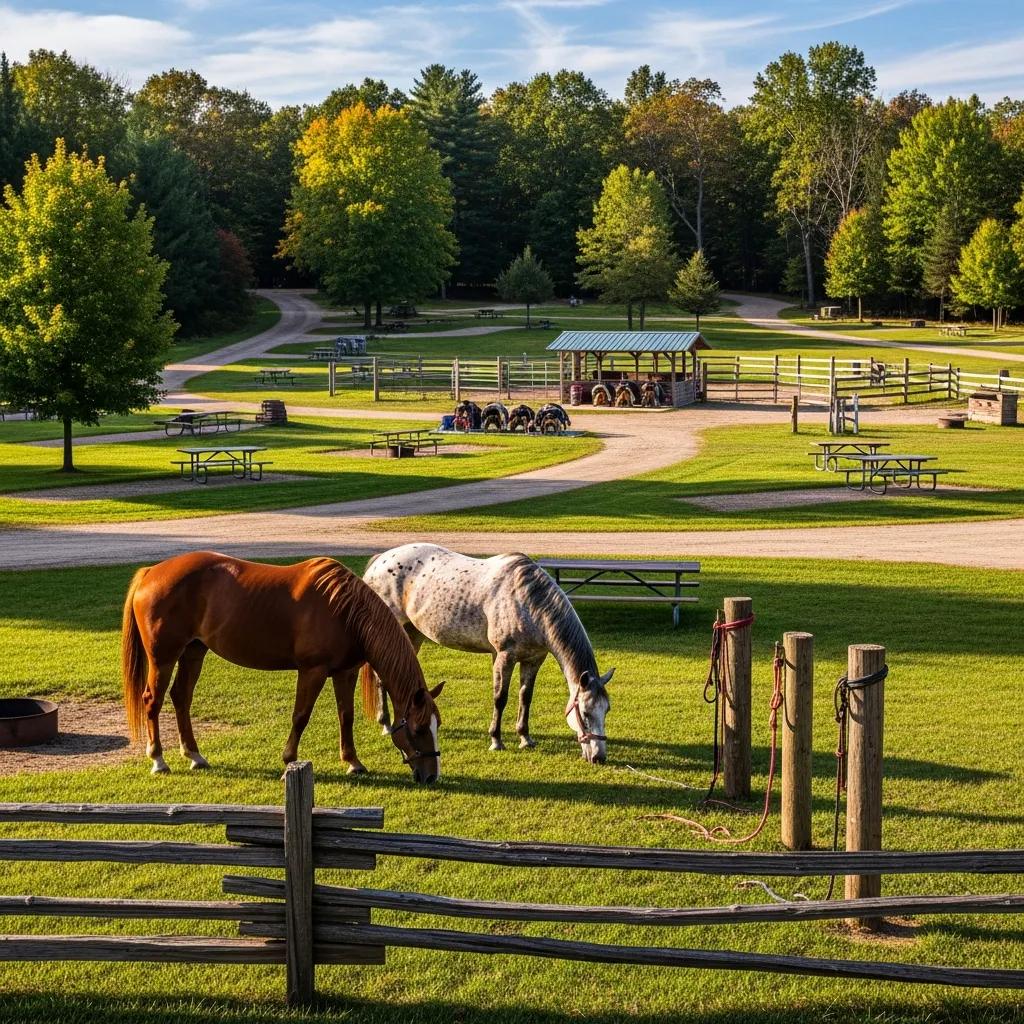
When choosing a horse-friendly campground, look at three campground types: state park horse camps with purpose-built equestrian facilities, private ranches that offer stalls and guided rides, and family campgrounds that serve as convenient staging areas for nearby public trails. Key selection criteria are available tie-up posts or paddocks, trailer parking and room to maneuver, direct access to designated equestrian trails, and onsite or nearby water for horses. Those features tell you whether a site is a true equestrian base camp or just a general campsite near trails.
Top horse-friendly campground options to consider:
- State park horse camps: Built for horse campers with tie-ups, water, and direct trail access.
- Private ranch campgrounds: Often include stalls, guided rides, and lessons near trail systems.
- Family campgrounds near public trails: Offer family amenities plus easy staging for day rides.
Before we compare amenities, here’s a quick roundup of horse-specific features to check at each campground type.
Campgrounds compared by horse-specific features:
This comparison shows the trade-offs between dedicated horse camps and family campgrounds used as staging areas—pick based on whether you value on-site stalls or family facilities. The next section dives into the specific amenities that matter most for horse campers.
Which Campgrounds Offer Dedicated Equestrian Amenities?
Dedicated equestrian amenities make longer stays realistic by handling horse care and trailer logistics: tie-up posts, paddocks or stalls, reliable livestock water, manure storage or removal policies, and clearly marked trailer parking with turnarounds. These features cut daily friction—fewer trips to find hay or water, safer overnight tie-ups, and less stress when parking big rigs—so you can focus on riding. When you evaluate a campground, confirm manure-disposal rules and whether overnight stabling is allowed, since those policies affect comfort and compliance with park regulations. Knowing whether potable water is at your campsite or a short walk away helps you pack sensibly and avoid surprises on arrival.
How to Explore Equestrian Trails Near The Oaks Campground?
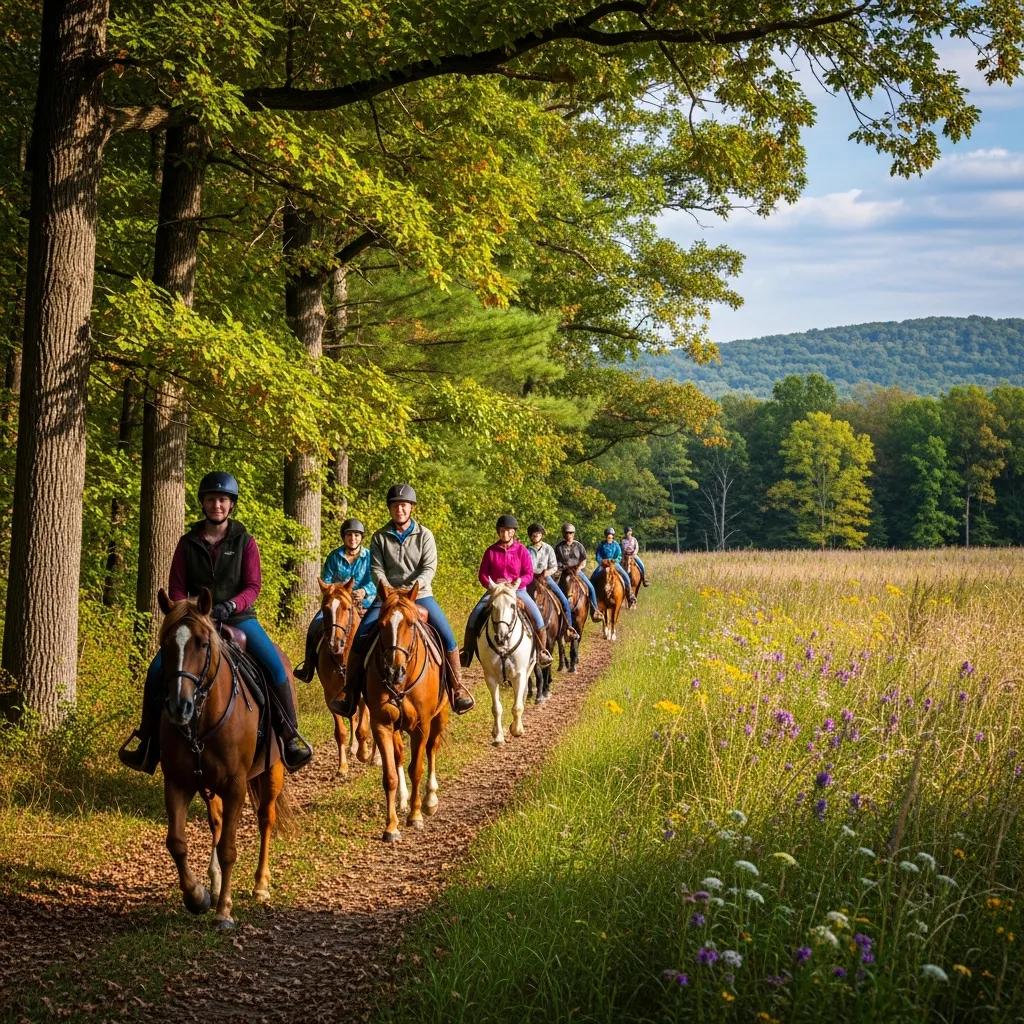
Using The Oaks Campground as a staging area makes it easy to reach Waterloo State Recreation Area’s extensive mixed-use and bridle trail network. Start by planning a route with official trail maps, check seasonal trail notices, and reserve trailer parking at designated trailheads. A simple staging flow works well: trailer arrival → secure parking → tack up in tie-up areas → ride marked equestrian loops. The Oaks is a practical base because it offers family-friendly amenities and space for day staging while riders drive a short distance to Waterloo trailheads—perfect when you want to combine family activities with equestrian time.
Trail options and logistics near The Oaks:
These trail choices let you scale day rides by skill and horse conditioning and show why a campground near Waterloo makes an effective base. The next section describes trail features you’ll encounter on the ground.
What Are the Features of Waterloo State Recreation Area’s Horse Trails?
Waterloo’s horse trails vary in surface—packed dirt, sandier shore paths, and wooded singletrack—so footing changes with season and recent weather. Expect open meadow stretches and tighter hardwood sections. Trail signage exists in many places, and the looped network lets you combine short circuits for kids with longer routes for conditioned mounts. Practical features include multiple trailheads with vehicle and trailer parking, stream or creek crossings in low areas, and mixed-use sections shared with hikers and mountain bikers—ride with control in those stretches. Together, these attributes make Waterloo suitable for relaxed scenic outings and more ambitious endurance rides.
How Can Campers Access and Navigate These Equestrian Trails?
Plan trailer parking at official trailheads or staging areas, carry a detailed trail map or GPS waypoints, and arrive early during peak season to secure room for larger rigs—turnarounds can be tight, so scout entry points ahead of time. Use lightweight, portable water buckets and plan hay storage to keep campsites tidy, and be ready for occasional trail-sign gaps—download maps or bring a printed route to stay on track. Follow safety best practices: ride single-file on narrow sections, alert other users when you approach, and check trail-condition reports before you leave. Careful arrival and staging reduce delays and help preserve access for equestrians.
Where Can You Find Horse Rentals and Guided Rides Near Munith, Michigan?
If you don’t own a horse, you can still ride Michigan’s trails by booking rentals or guided rides from local providers. Typical options include private stables offering guided trail rides, ranches that combine lessons with trail time, and regional equestrian centers that coordinate day trips. Rentals are seasonal and usually require advance booking—beginner-friendly guided rides often include helmets, lead guides, and horses used to trail conditions. When coordinating rentals from a campground, confirm arrival times, the stable’s trailer access protocol for shuttles, and any rider limits like weight or age minimums and required waivers.
Providers and booking notes for rentals and guided rides:
If you’re coordinating rentals from your base camp, share your campground schedule with providers to arrange pickup windows and avoid long waits—book early in the season when guides are busiest. The section below explains what first-time renters should expect and how to prepare.
Which Local Stables Offer Horse Rentals and Guided Trail Rides?
Local stables typically run guided rides for different skill levels: short intro rides for beginners, longer loops for experienced riders, and lessons to warm up nervous or new equestrians before hitting the trail. Booking usually involves signing a waiver, confirming rider weight/age, and arriving early for basic instruction and tack checks. Providers may cap ride sizes to preserve safety and trail etiquette. If you’re staying at a campground, confirm pickup and drop-off logistics in advance so the connection between your site and the stable’s meeting point is smooth.
What Should First-Time Horse Campers Know About Renting Horses?
First-time renters should expect a short rider intake and waiver, wear closed-toe shoes and a properly fitted helmet (often provided), and come dressed in comfortable layers with gloves for reins control. Providers set weight or experience guidelines for certain mounts, so be honest about your skill level—that helps guides match you with the right horse. Bring a small day pack with water, your phone, and a basic first-aid kit, and arrive early for tack checks and a quick orientation before the ride.
What Are Essential Tips for Planning Your Michigan Horse Camping Trip?
Good planning keeps horses comfortable and avoids last-minute disappointments. Core steps include confirming trail access and permit rules, arranging trailer parking and overnight tie-up options, and organizing hay and water supplies for your stay. These steps matter because horse comfort and park compliance determine whether you can ride when you arrive. Combine campsite amenities—like fishing, playgrounds, or water features—into your itinerary so non-riding family members have activities while you’re on the trail. If you plan to use The Oaks Campground as your staging base, factor in short commutes to Waterloo trailheads and verify parking and reservation policies before peak season.
Key planning checklist before you go:
- Reserve early: Book campsites or base-camp sites well ahead of peak season to secure trailer-accessible spots.
- Confirm trail status: Check state recreation updates for closures, seasonal restrictions, and recent trail conditions.
- Pack for horse care: Bring hay, water buckets, manure tools, and secure tie-up gear for overnight stays.
Those steps reduce surprises and let you focus on riding once you arrive. The sections below break packing and seasonality down into actionable details.
What Should You Pack for a Successful Equestrian Camping Experience?
Organize packing into rider gear, horse-care supplies, and campsite essentials so both you and your horse stay safe and comfortable. Rider items: a well-fitting helmet, sturdy boots with a heel, layered clothing for changing weather, and gloves for better reins control. Horse items: at least one day’s hay per horse plus a contingency, portable water buckets, a fly mask or sheet when needed, a hoof pick, and manure forks or disposal bags to follow site rules. Campsite essentials: a reliable headlamp, first-aid kits for horse and rider, and tarps or shelters for gear—these items keep a multi-day trip efficient and less stressful.
When Is the Best Season for Horse Camping in Michigan?
Late spring through early fall is generally the best window for horse camping—late May through September tends to offer the most reliable footing and longer daylight for extended rides. Shoulder seasons (spring thaw and late fall) can bring wet, soft trails and occasional closures in low-lying areas, so check recent trail reports before you go. Peak summer often provides the most stable trail conditions but also higher visitation, so balance trail conditions with crowd levels when you choose dates. For riders using The Oaks Campground as your base, remember it places families close to Waterloo trails and offers amenities like fishing and playgrounds; note that ownership changes expected at the end of 2024 may affect reservations and services, so confirm policies before booking.
Frequently Asked Questions
1. What are the key considerations for first-time horse campers in Michigan?
First-time horse campers should check campground amenities, horse-care logistics, and trail access. Confirm tie-up posts or paddocks, available water, and trailer parking. Study local trail maps and regulations, pack essential gear for horse and rider, and book campsites early during peak times. Starting with those basics makes your first trip much smoother.
2. Are there specific health and safety regulations for equestrian camping in Michigan?
Yes. Many campgrounds require healthy, up-to-date horses and may ask for proof of vaccinations. Manure disposal rules help keep sites clean and protect the environment. Follow trail etiquette—yield when required and obey posted signs—and check park rules ahead of arrival to ensure a safe stay for everyone.
3. How can I find local equestrian events or gatherings in Michigan?
Look to regional equestrian clubs, state park calendars, and local community boards for events. Dedicated equestrian websites and social media groups list upcoming competitions, trail rides, and clinics. Reach out to nearby stables and ranches—many host or know about local meet-ups and group rides.
4. What should I know about weather conditions when planning a horse camping trip?
Weather matters. Late spring through early fall is usually best for riding, but sudden changes can occur—especially in shoulder seasons—bringing muddy or soft trails. Always check the forecast before you leave and pack rain gear, extra blankets, and layers for both you and your horse.
5. How do I ensure my horse is comfortable during a camping trip?
Plan for proper care: enough hay and water, safe tie-up areas, and insect protection as needed. Check your horse regularly for signs of stress, allow rest and grazing time, and bring familiar items to reduce anxiety. Conditioning your horse for trail work beforehand also helps a lot.
6. What are the benefits of guided trail rides for beginners?
Guided rides give beginners a safer, more structured introduction to trail riding. A knowledgeable guide matches riders to appropriate horses, provides instruction, and manages group safety. Guided rides often include helmets and basic gear, letting new riders focus on learning and enjoying the experience.
7. How can I prepare my horse for a multi-day camping trip?
Prepare by building up ride time gradually, confirming your horse’s health, and practicing trailer loading. Pack extra feed and water, grooming tools, and first-aid supplies. Short practice trips to similar settings help acclimate your horse to the camping environment.
Conclusion
Michigan delivers varied trails and horse-friendly campgrounds that suit riders of all levels. With the right planning—reservations, trail checks, and horse-care logistics—you can focus on the outdoors and the ride. Start planning your equestrian camping trip now: pick a base camp, reserve early, and use the checklists in this guide to make your next Michigan horse trip smooth, safe, and memorable. Visit our site for more campground recommendations and resources to help you plan.