
Best Campgrounds for Equestrian Adventures in Michigan — a Practical Guide to Horse-Friendly Camping and Trails
Michigan is rich with horse-friendly campgrounds, state recreation areas, and private facilities suited to every rider — from weekend trail riders to long-distance endurance teams. This guide shows where to camp with horses, how to reach prime corridors like Waterloo State Recreation Area, and how to plan a safe, enjoyable horse-camping weekend. You’ll find practical advice on trailer staging, overnight tie-ups and paddocks, trail loops, guided rides, and family-friendly activities, plus checklists and comparison tables to speed up trip planning. Throughout, we focus on horse-trailer–friendly campgrounds and options for camping near Waterloo’s equestrian trails so you can spend more time in the saddle and less on logistics.
What Are the Top Michigan Equestrian Campgrounds for Horse Camping?
Top equestrian campgrounds in Michigan include a mix of state-run sites, privately owned horse-friendly RV parks, and family resorts that welcome horse trailers and provide tie-up areas. These sites support mounted recreation by offering the essentials — trailheads, trailer parking, tie-up posts, and paddocks — so riders can stage and ride efficiently. Deciding between state forest equestrian campgrounds and private ranches usually comes down to permitted facilities and how close you are to trail networks. The table below compares typical options and shows how they link to major trail systems like Waterloo State Recreation Area.
This comparison clarifies which campground type best fits your needs and why being near Waterloo or other trail networks matters for trip logistics. Once you’ve chosen a type, the next steps are to verify trailer access, manure policies, and reservation rules.
Which Campgrounds Offer Horse-Friendly Amenities and Facilities?

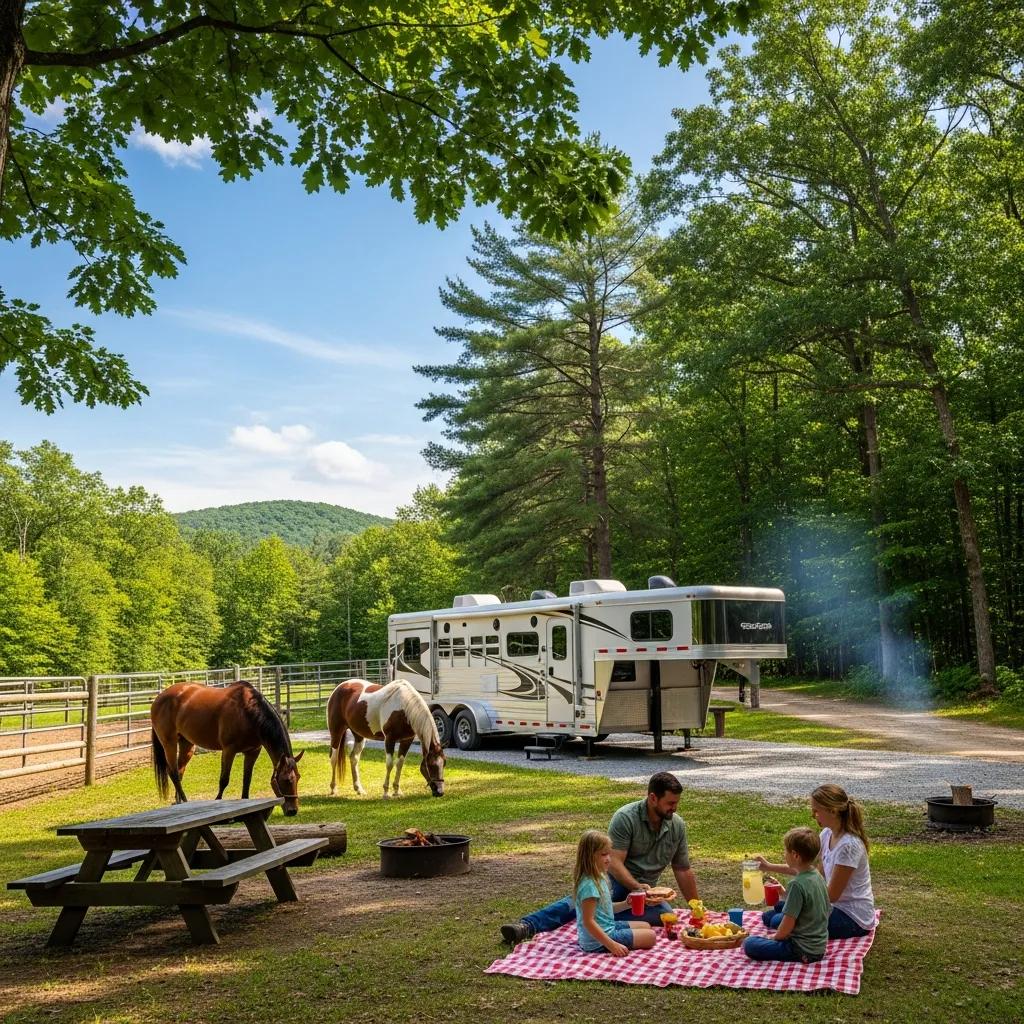
Horse-friendly amenities to look for include tie-up posts, portable or permanent paddocks, manure disposal stations, water access for horses, and pull-through or wide-turning trailer sites. These features cut the friction of traveling with multiple horses and make it easier to enjoy public trails safely. Tie-up posts are handy for short-term restraint, paddocks let horses turn out or rest overnight, and manure stations keep campgrounds clean. Before you book, confirm pull-through availability, water spigot locations, and any campground manure-removal rules — those operational details often determine whether a site is truly equine-compatible. Knowing what to ask saves time and makes the trailer-to-trail transition smoother.
How Do Michigan State Parks Support Equestrian Camping?
Michigan DNR-managed parks and recreation areas support equestrian camping by maintaining trails, marking equestrian loops, and publishing rules about permits and seasonal access. These measures preserve trail quality and help keep riders safe. State parks commonly require adherence to posted regulations — including manure management and pet rules — and some offer reservation systems or designated equestrian campsites. The DNR posts trailhead maps and condition updates, so check official resources before you travel to avoid closures and to plan appropriate routes. If you want mapped routes and regular trail maintenance, state-managed equestrian campgrounds are a dependable choice and pair well with private ranches that prioritize amenities.
How Can You Explore Waterloo State Recreation Area’s Equestrian Trails?
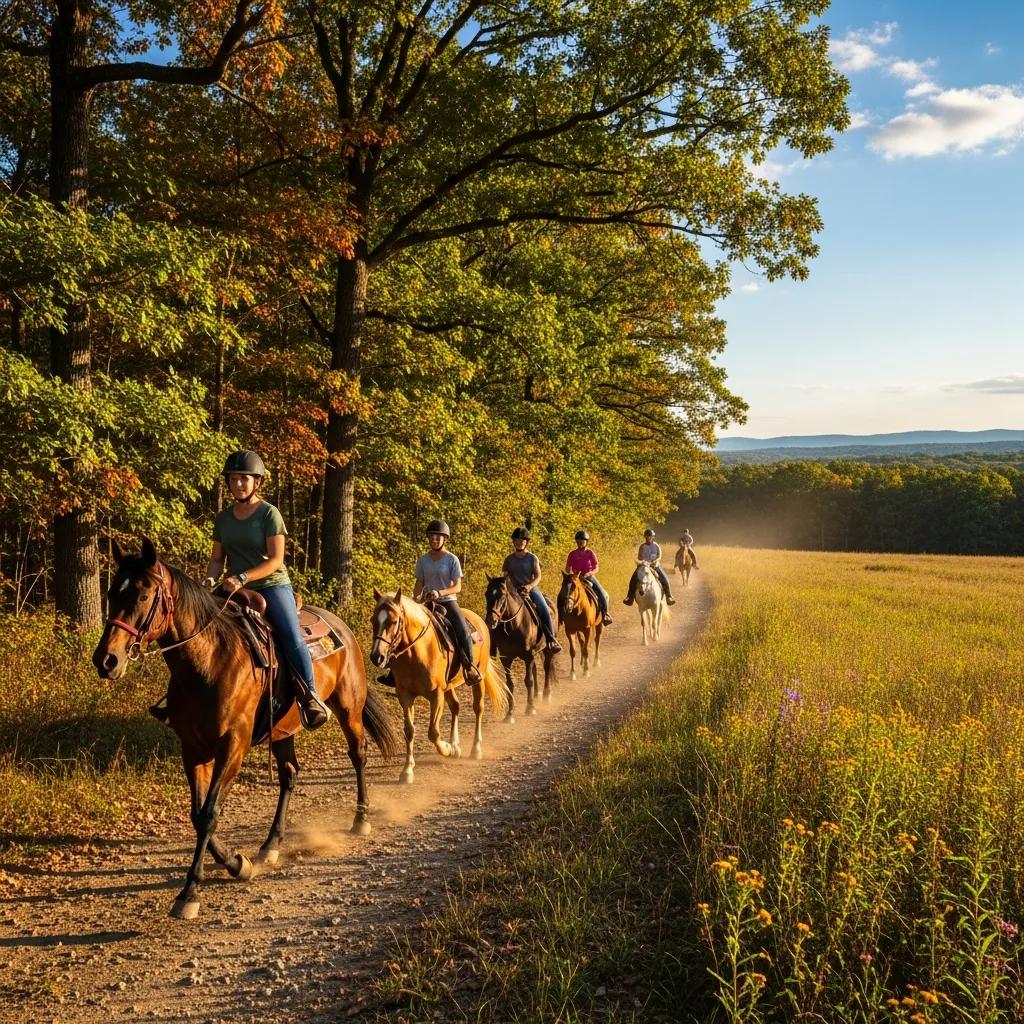
Waterloo State Recreation Area offers a connected network of horseback riding trails ideal for day rides and multi-day excursions; it’s a core destination for equestrian campers in southeast Michigan. The trails cross varied terrain and have multiple staging points, so you can plan loops or point-to-point rides to match ability and trailer access. Riders commonly stage from nearby campgrounds or official trailhead parking and connect to marked routes. Local stables often provide rentals and guided rides, which is helpful for groups or riders without horses. Below are practical steps for getting on Waterloo’s trails efficiently.
- Use the main equestrian trailheads and check seasonal trail conditions before loading horses.
- Stage trailers at a campground or designated lot, use tie-up posts or portable paddocks as needed, and plan rides that return to your staging point.
- Contact local stables for guided rides or rentals if you need horses or prefer an organized itinerary; many operators coordinate pickup or staging with nearby campgrounds.
Following these steps gives you clear access, secure trailer staging, and options for guided support while you ride Waterloo’s network.
What Are the Features of Waterloo’s 21 Miles of Horseback Riding Trails?
Waterloo State Recreation Area offers about 21 miles of horseback trails that wind through mixed hardwoods, sandy stretches, and rolling glacial terrain, giving riders varied footing and scenic interest. Segments run from easy loops for newcomers to longer, more technical stretches that demand good conditioning and tack. Seasonal changes — spring thaw, dry summer paths, or leaf-covered fall trails — affect traction, so plan shoeing and pace around forecasted conditions. Knowing trailhead locations and how segments link together helps you design rides that match your distance and difficulty goals while minimizing trailer shuttles.
Where Can You Find Horseback Riding Rentals and Guided Tours at Waterloo?
Local stables and outfitters around Waterloo offer guided trail rides, rentals, and seasonal programs for visitors without horses or those who prefer a guided experience. Guided rides usually include route selection, basic tack, and an experienced guide who manages group pace and safety — ideal for families or riders unfamiliar with the area. When booking, ask about group size limits, age restrictions, and whether the operator can assist with trailer staging or campground pickup. Pairing a guided ride with an overnight stay near Waterloo creates a turnkey equestrian weekend where lodging, staging, and riding are handled in a single plan.
Why Choose The Oaks Campground as Your Base Camp for Equestrian Adventures?
The Oaks Campground by GatherGrounds makes a great family-friendly base for riders visiting Waterloo thanks to its location right next to the recreation area and its mix of camping and on-site amenities for both horses and non-riders. The Oaks offers full-hookup RV sites and wide open acreage for staging, which shortens travel time between campsite and trailhead and makes morning rides and afternoon family activities easier to manage. Using The Oaks as your hub lets riders combine trail time with family-friendly downtime without sacrificing trailer logistics, and planned amenities expansions will add even more on-site options. For groups that want parking, lodging, and family activities in one place, The Oaks simplifies multi-day trip planning.
What Family-Friendly Amenities Does The Oaks Campground Provide?
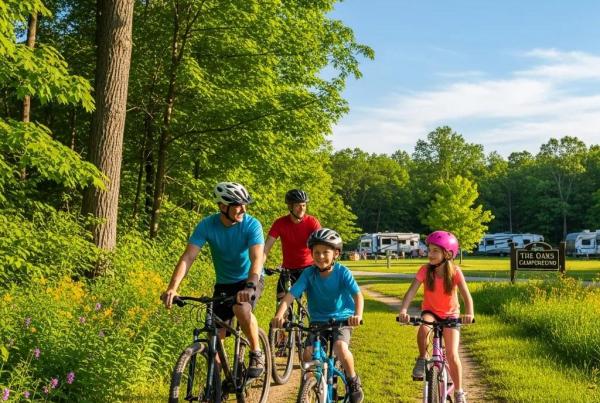
The Oaks provides on-site amenities that keep non-riders entertained while horses get ridden: a large fishing pond, playgrounds, pavilions, and a swimming lake with a sandy beach. The property covers 160 acres to explore and includes roughly 120 acres of golf cart riding trails, giving families safe recreation away from equestrian operations. Seasonal weekend events and planned additions — including a Wibit water park expected in 2026 — broaden entertainment choices and make it easier to coordinate trips where not everyone rides. These amenities let equestrian trips be family-friendly: riders get trail time while partners and kids use secure on-site facilities.
- The Oaks amenities support both riders and families:
Fishing Pond & Swimming Lake: Relaxing options for non-riders between rides.
Playgrounds & Pavilions: Safe activity spaces for children and group gatherings.
Golf Cart Riding Trails: Low-impact exploration for family members who prefer not to ride.
How Is The Oaks Campground Conveniently Located Near Waterloo’s Horse Trails?
The Oaks sits adjacent to Waterloo State Recreation Area, giving you a staging advantage: trailer parking and overnight containment are just minutes from main trailheads, cutting transit time and simplifying ride-day routines. The property address — 7800 Cutler Rd, Munith, MI 49259 — places it squarely in the Waterloo region, so shuttles are short and returning to camp between rides is easy. The Oaks supports RV full hookups and has spacious sites that accommodate horse trailers; call ahead to coordinate arrival and staging preferences with campground staff. Using The Oaks as your base shortens the path from trailer to tie-up to trail, so you get more saddle time.
What Should You Know When Planning a Horse Camping Trip in Michigan?
Planning a horse-camping trip in Michigan means handling permits, trailer logistics, biosecurity, and seasonal factors that affect trails and campground services. Important decisions include choosing a trailer-friendly campground, confirming manure and water policies, packing tack and vet supplies, and building contingency plans for weather-related closures. Good planning reduces surprises and helps protect trail quality for everyone. Below is a concise checklist of essential items to confirm before you leave.
- Essential planning items before departing:
Trailer & Turn Radius: Confirm pull-through or turn space at your site.
Permits & Reservations: Check state park permits and campground reservation policies.
Manure Disposal & Water: Verify disposal stations and potable water access for horses.
Emergency Vet & Farrier Plan: Locate local support and pack basic first-aid supplies.
What Essential Gear and Amenities Are Needed for Equestrian Camping?
Pack reliable tack, spare bridles and girths, hoof-care tools, portable water buckets, secure tie-up equipment, and first-aid kits for horse and rider. Trailer essentials — spare tires, wheel chocks, hitch tools, and proper lighting — are critical for safe travel and staging. Bring campsite tools like shovels for manure, portable panels for temporary paddocks, and tarps for workspaces to streamline daily care. Include biosecurity items such as disposable gloves, separate grooming kits, and a manure-containment plan to limit disease spread between stables. A prepared gear list speeds transitions between travel, camp, and trail.
How to Find Horse Trailer Friendly Campgrounds in Michigan?
To find horse-trailer–friendly campgrounds, use targeted search filters, call reservation staff with trailer-specific questions, and verify site attributes like pull-through access and manure policies before you book. Ask whether sites accommodate your trailer length, whether turnarounds or pull-throughs are available, and if there are designated equestrian campsites with tie-ups or paddocks. Check Michigan DNR listings for official equestrian campgrounds and cross-check campground descriptions; if needed, request photos of the site. A consistent pre-booking checklist reduces the chance of arriving at an unsuitable campsite and ensures trailers and horses are accommodated on arrival.
Which Other Top Equestrian Campgrounds and Trails Should You Consider in Michigan?
Beyond Waterloo and The Oaks, Michigan’s equestrian options include state forests and private parks across the Lower and Upper Peninsulas, offering varied terrain and community events. Riders choose destinations based on desired footing, trail length, and on-site facilities. Options range from state-managed equestrian campgrounds to private equestrian RV parks that host clinics and competitions. For current maps and event calendars, consult Michigan DNR resources and local equestrian councils to match destinations with your riding goals. While you explore alternatives, remember The Oaks is a nearby, family-friendly option for riders using Waterloo’s trail network.
What Are Popular Equestrian Campgrounds Beyond Waterloo and The Oaks?
Popular equestrian choices across Michigan include state forest and DNR campgrounds tied to long trail systems as well as private ranches and equestrian RV parks with paddocks and arenas for training and competition. Northern Michigan draws riders seeking extended forest trails and lake scenery, while central locations suit weekend trips and family stays. When evaluating alternatives, weigh trail type (singletrack versus wide loops), footing surface, and on-site services like farriers or trainers. Picking the right mix of trail features and campground services helps you plan trips tailored to conditioning, ride length, and companion activities.
How Does Michigan DNR Support Equestrian Camping and Trail Access?
The Michigan DNR is the primary authority for state-managed equestrian trails and campgrounds, publishing maps, trail-condition advisories, permit rules, and seasonal regulations that protect resources and promote safe use. The DNR maintains marked equestrian routes, coordinates closures for maintenance or weather, and issues guidance on responsible riding, including staying on marked trails and managing manure and feed. Before any trip, consult DNR resources for the latest updates and follow posted rules to preserve access for the equestrian community. Staying informed through official channels helps keep trails open for everyone.
- Key DNR actions riders should follow:
Check trail condition updates and closures before departure.
Adhere to posted manure and campsite rules at state-managed campgrounds.
Obtain any required permits for group or competitive events in advance.
If you’re ready to reserve a base camp, consider The Oaks Campground by GatherGrounds as a practical staging and family-friendly option near Waterloo; its 160 acres, fishing pond, full-hookup RV sites, and proximity to Waterloo make it a convenient hub for equestrian weekends. To streamline reservations and confirm trailer accommodations, contact The Oaks Campground directly and ask about pull-through RV sites and staging recommendations — planning ahead helps ensure your group secures the space and amenities needed for a smooth trip.
Frequently Asked Questions
What should I consider when choosing a campground for equestrian camping in Michigan?
Look for proximity to trails, equestrian amenities, and campground rules that fit your needs. Key features include tie-up posts, trailer parking, manure disposal, and pull-through sites for easier maneuvering. Also confirm water access for horses and any reservation or permit requirements to avoid surprises on arrival.
Are there any specific regulations for horseback riding in Michigan state parks?
Yes. Michigan state parks set rules to protect trails and riders, such as posted trail-use restrictions, manure-management policies, and pet rules. Some parks require permits for group rides. Always check the Michigan DNR site for current regulations and trail conditions before you go.
What types of trails can I expect at Waterloo State Recreation Area?
Waterloo offers varied trails for different skill levels, from easy loops for beginners to more challenging stretches for experienced riders. You’ll encounter hardwood forests, sandy sections, and rolling terrain — so plan your route based on ability and footing. Check trail conditions before you ride, since seasons change trail surfaces.
How can I ensure my horse stays hydrated while camping?
Confirm that the campground provides potable water access and bring portable buckets to supplement supply on hot days or after long rides. Monitor your horse’s water intake, and if a site lacks reliable water, bring extra or plan rides to return for breaks.
What are the benefits of using The Oaks Campground as a base camp?
The Oaks offers quick access to Waterloo trailheads, family-friendly amenities, full-hookup RV sites, and ample staging space — all of which make transitioning from trailer to trail easier. Those conveniences make The Oaks a strong option for equestrian families and groups.
Can I find guided trail rides or horse rentals near Waterloo?
Yes. Local stables and outfitters around Waterloo offer guided rides and rentals. When booking, ask about group size, age rules, and whether the operator helps with trailer staging or campground pickup to simplify logistics.
What should I include in my packing list for a horse camping trip?
Pack reliable tack, hoof-care tools, portable water buckets, first-aid kits, and trailer essentials like a spare tire and hitch tools. Bring campsite supplies — shovels for manure, portable panels for paddocks, and tarps — and biosecurity items such as separate grooming gear and disposable gloves. A thorough list keeps your trip running smoothly.
Conclusion
Horseback camping in Michigan offers memorable rides and convenient staging when you plan ahead. Campgrounds like The Oaks give riders and families the practical amenities and close trail access needed for a relaxed, well-organized weekend. With the right prep — from trailer checks to manure plans and gear lists — you’ll spend more time enjoying trails and less time worrying about logistics. Ready to roll? Use these resources to find the campground that fits your group and start planning your next equestrian getaway.