

Discover Michigan Campgrounds With Seasonal Rentals for Long-Term Family Camping
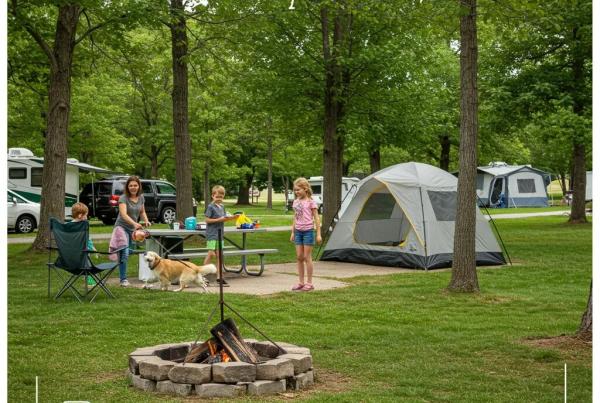
Seasonal rentals at Michigan campgrounds offer families and groups the chance to secure the same campsite for an extended period, blending consistent access with shared amenities and neighborhood-style activities. This guide breaks down what seasonal rentals entail, the differences between seasonal RV sites, tent sites, and cabin rentals, and why extended-stay campgrounds in Michigan are perfect for family fun and building connections. Many people search for “michigan campgrounds with seasonal rentals” or “long term camping Michigan” because they value convenience, savings, and reliable access to park features; this guide directly addresses those desires. You’ll find definitions, comparisons of site features, steps for booking, typical pricing, and guidance on choosing the right location and amenities for your extended stay. We also provide practical examples and highlight Walnut Hills Family Campground (managed by GatherGrounds Resorts) in Durand as a prime example of how seasonal camping works in real life. Keep reading for straightforward steps, essential checklists, and easy-to-use tables that simplify comparing your seasonal options.
What Are Seasonal Rentals at Michigan Campgrounds and Why Choose Them?
Seasonal rentals are agreements for multi-week or multi-month stays at campgrounds, reserving a specific site for one family or group for a set season. This provides convenience, access to a community, and predictable costs. Seasonal leasing works by assigning you a site for the entire season, giving you continuous access to the campground’s facilities and organized events, which eliminates the hassle of repeated bookings. The result is a stable, extended-stay experience for families who want to return to the same spot and enjoy community activities without the constant need to make new reservations. Understanding this basic concept helps clarify the distinctions among seasonal RV sites, tent sites, and cabin rentals.
What Defines Seasonal RV Sites, Tent Sites, and Cabin Rentals?
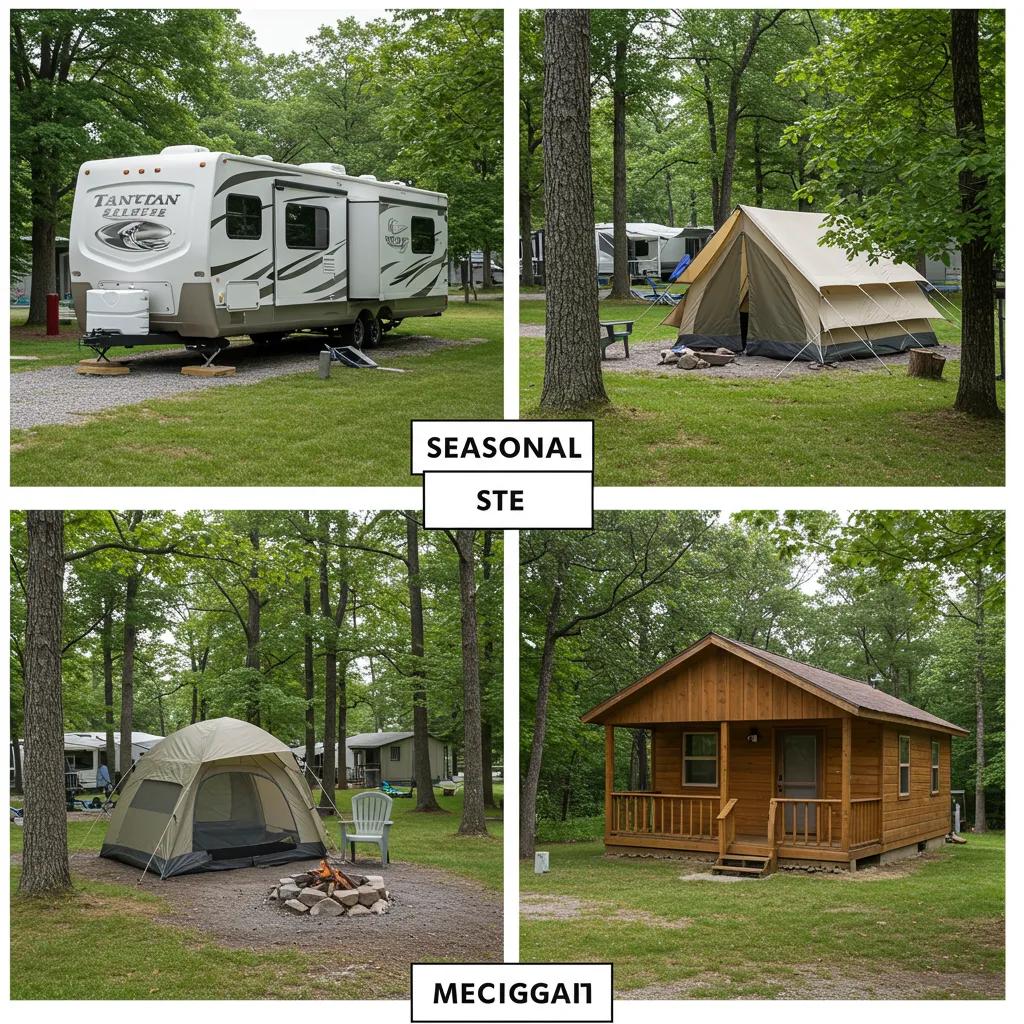
Seasonal RV sites are designated lots leased for a season, typically equipped with hookups and ample space for long-term living. Tent sites are reserved spots designed for repeated tent use throughout a season, while seasonal cabin rentals are pre-built lodging units leased for extended periods. For RVs, seasonal sites often include full hookups like 30A or 50A electrical service, plus water and sewer access, making them ideal for living in your RV for months. Tent sites usually focus on privacy and proximity to trails and shared facilities, whereas cabins offer enclosed shelter and storage, perfect for families seeking a low-maintenance seasonal option. These differences help families select the best site type based on their needs for hookups, storage, and privacy.
Here’s a look at different seasonal site options and their common features:
This table helps you compare core features so families can match site characteristics to their lifestyle and equipment. Understanding these attributes naturally leads to appreciating the family-focused benefits of seasonal camping.
After exploring the site types, a helpful example illustrates how seasonal options translate into a real-life experience for families in Michigan. Walnut Hills Family Campground (managed by GatherGrounds Resorts) in Durand, Michigan, offers seasonal camping sites that showcase these benefits by combining various site options with family-friendly amenities. This campground example helps solidify the definitions above with tangible amenity and community examples that support extended stays.
What Are the Benefits of Seasonal Camping in Michigan?
Seasonal camping offers significant cost savings, convenience, and enhanced community engagement compared to frequent short stays, providing families with stable recreation without the need for constant re-booking. Cost advantages come from spreading site fees over a season and reducing the per-night overhead associated with repeated short bookings, which is a major draw for budget-conscious families planning extended stays. Convenience is evident in having a pre-assigned site, becoming familiar with on-site facilities, and experiencing fewer logistical hurdles for arrivals and departures, thereby reducing travel friction for multi-week plans. These practical advantages make seasonal camping a highly appealing choice for families seeking regular access to outdoor amenities and social programming.
Here’s a quick rundown of the benefits:
- Cost-efficiency: Spreading fees across a season lowers your per-night costs.
- Convenience: Pre-assigned sites make moving in and out much simpler.
- Community: Regular events and neighborly connections foster a true camp-community atmosphere.
These benefits naturally lead to the next important consideration: how seasonal leases differ operationally from transient camping and what contractual elements are key.
How Do Seasonal Rentals Differ From Transient Camping?
Seasonal rentals and transient camping differ primarily in their duration, contractual terms, and site allocation. Seasonal leases commit both the camper and the campground to a multi-week or multi-month occupancy. Transient camping involves nightly or short-term reservations without any long-term site guarantees, whereas seasonal agreements typically require deposits, set payment schedules, and specific site-holding rules. Seasonal campers often receive priority access to community events and sometimes enjoy reduced rates for facility use, which boosts social continuity and planning for families. Understanding these operational differences helps prospective seasonal campers prepare their documentation, budgets, and expectations for long-term site living.
Which Amenities and Activities Enhance Seasonal Camping Experiences in Michigan?
For seasonal campers, essential amenities include reliable restrooms and showers, laundry facilities, hookups, family recreation areas, and pet-friendly spaces. These elements form the practical foundation for long-term campground living. Amenities work together to support daily life: hookups power appliances, well-maintained bathhouses ensure hygiene, playgrounds keep children entertained, and dog parks cater to pet owners. For family-focused seasonal camping, recreational features like water parks and lake access provide ongoing activities that make long stays enjoyable and encourage community participation. These types of amenities are crucial when seasonal campers choose parks and determine which campgrounds are suitable for long-term stays.
What Amenities Are Included With Seasonal Sites at Walnut Hills Family Campground?

Walnut Hills Family Campground (managed by GatherGrounds Resorts) offers amenities specifically designed for long-term family camping needs. These include a Wibit water park, a swimming lake, opportunities for river floats on the Shiawassee River, updated bathrooms and showers, and an on-site campground store. With multiple playgrounds and a large dog park, it caters well to families with children and pets, while sports facilities and a game room provide diverse entertainment options for various age groups. These amenities reduce the need for travel and enhance daily life at the campground by offering on-site entertainment and essential services. Highlighting these offerings helps families visualize how a variety of facilities can support extended seasonal stays.
Here’s a quick guide to amenity locations and their best uses:
What Family-Friendly Events and Outdoor Activities Are Available for Seasonal Campers?
Seasonal campgrounds frequently host regular weekend events, organized sports, and river-based activities that create a sense of rhythm and social connection for long-term guests. Typical activities include themed weekend celebrations, river float trips utilizing local waterways, sand-volleyball and basketball tournaments, and scheduled family games designed to encourage neighborly interaction. These recurring programs are particularly valuable for seasonal campers as they establish predictable social calendars and offer structured entertainment for children. Understanding the cadence of these events helps families assess how well a campground’s community life aligns with their social and recreational expectations.
How Can You Reserve Seasonal Campsites at Michigan Campgrounds Like Walnut Hills?
Reserving a seasonal site involves a clear process: inquiry, application, deposit, site assignment, and move-in scheduling. This sequence is designed to minimize confusion and secure your long-term spot. The typical process begins with contacting the campground to check availability, followed by submitting an application with your site preferences. You’ll then pay a deposit to hold the site and receive a confirmation that includes move-in dates and seasonal rules. The outcome is a confirmed seasonal booking, allowing campers to plan their logistics and belongings for long-term occupancy. Following these straightforward reservation steps ensures families understand their commitments and timelines before finalizing a seasonal lease.
What Are the Seasonal Camping Rates and Pricing Options?
Seasonal rates vary based on site type, hookups, and location within the park. They are typically structured as season-long fees or monthly payments, often requiring a deposit and having defined refund policies. Factors influencing the price include lot size, the availability of 30A or 50A hookups, proximity to premium amenities, and on-site storage options. Campgrounds usually require a deposit to secure a seasonal site and outline payment schedules and cancellation terms in the lease agreement. For specific details on seasonal camping site availability and application procedures at a campground that offers these features, families can reach out directly to the property managing those seasonal leases.
Here are some examples of rate structures for clarity:
What Is the Step-by-Step Process to Apply and Reserve a Seasonal Site?
A simple, numbered process makes reserving seasonal sites straightforward and reduces uncertainty for families looking to secure a long-term spot. Start by contacting the campground to inquire about seasonal site availability and request an application. Next, complete and submit the seasonal application, including your site preferences and any required documentation. Then, pay the specified deposit and agree to the lease terms to reserve your site. Finally, you’ll receive confirmation and can arrange your move-in logistics, following the onboarding rules for seasonal campers. These steps provide a clear path from your initial inquiry to moving in, helping applicants understand timelines and their obligations.
- Inquiry: Ask about seasonal availability and the types of sites offered.
- Application: Submit your site preferences and all necessary information.
- Deposit: Pay your deposit to secure a site and formally agree to the terms.
- Move-in: Receive your confirmation, including move-in dates and onboarding instructions.
Following this sequence ensures a smooth transition into seasonal site living and prepares families for the responsibilities that come with long-term camping.
Where Are the Best Seasonal Campgrounds Located in Michigan for Extended Stays?
The best seasonal campgrounds offer a strong balance of amenities, community programming, accessibility, and natural attractions to support long-term family stays. Ideal locations combine reliable facilities (like bathhouses and hookups) with family-oriented recreation (such as playgrounds and water features) and nearby outdoor opportunities like river floats or hiking trails. Location is important because proximity to local services and attractions minimizes travel time and enhances the variety of weekend activities available to seasonal residents. These selection criteria translate into practical checklists that families can use when comparing options across Michigan.
What Makes Walnut Hills Family Campground a Top Choice in Durand, Michigan?
Walnut Hills Family Campground (managed by GatherGrounds Resorts) in Durand stands out due to its array of family-centered amenities—including a Wibit water park, swimming lake, updated bathrooms, playgrounds, and sports facilities—that support the daily lives of seasonal campers. The campground’s organized weekend events and river float trips on the Shiawassee River create consistent social opportunities that help build a strong community among long-term guests. These features make the campground a highly recommended choice for families seeking engaging social programming, pet-friendly options, and diverse recreational access for extended stays. Examining these attributes helps families prioritize what matters most for their seasonal camping experience.
What Nearby Attractions and Outdoor Adventures Can Seasonal Campers Explore?
Seasonal campers near Durand can enjoy river float trips, relaxing by the lake, exploring local trails, and visiting nearby small-town amenities that complement on-site recreation and support extended stays. Outdoor adventures such as guided or self-guided river floats on the Shiawassee River offer accessible weekend activities, while local parks and trails provide opportunities for daily exercise and exploration. Nearby towns offer essential shopping and dining options, making long-term living more convenient without requiring long drives. These nearby resources enrich the camping experience and make choosing a campground close to varied off-site attractions a smart decision.
What Are Common Questions About Seasonal Camping in Michigan?
Prospective seasonal campers frequently ask about costs, rules, and maximum stay durations. Providing clear, concise answers helps readers determine if seasonal leasing is the right fit for them. Direct responses reduce uncertainty and guide families toward their next steps, such as applying or scheduling a site tour. The following Q&A addresses the most common practical concerns and encourages readers to verify specifics with campground managers.
How Much Does Seasonal Camping Cost in Michigan?
Seasonal camping costs are influenced by site type, hookups, location within the park, and the services included. Prices are typically structured as season-long fees or monthly payments, plus a deposit. Factors like full hookups, larger lot sizes, and proximity to premium amenities will increase rates, while more basic tent sites generally cost less. To get exact seasonal rates, applicants should request the campground’s seasonal pricing and policy documents. Understanding these variables helps families budget for their season and compare options across different campgrounds.
What Rules and Regulations Apply to Seasonal Camping in Michigan?
Seasonal camping rules typically cover aspects like noise levels, pet policies, guest limits, site maintenance, and vehicle storage. These regulations are designed to balance individual convenience with community standards during long-term occupancy. Campgrounds usually detail these expectations in a seasonal lease agreement, which outlines responsibilities for upkeep, quiet hours, and compliance with park rules. Pet rules and guest policies are often emphasized to ensure the preservation of shared spaces like playgrounds and dog parks. Confirming campground-specific regulations helps seasonal campers avoid issues and maintain harmonious community living.
How Long Can You Stay at Seasonal Campgrounds in Michigan?
Seasonal durations generally align with the campground’s defined operating season—often from spring through fall—or specific multi-month terms set by the park. The exact start and end dates can vary depending on campground policy. Some parks offer season-long leases, while others provide monthly or staggered seasonal terms to accommodate different traveler needs. Legal or local restrictions might influence maximum stay lengths, so applicants should always verify term limits and move-in/out windows directly with the campground. Confirming these details before applying ensures clear expectations for your seasonal occupancy.
Frequently Asked Questions
What Should Families Consider When Choosing a Seasonal Campground?
When selecting a seasonal campground, families should carefully evaluate several key factors. First, consider the available amenities, such as restrooms, recreational facilities, and pet-friendly areas. Next, assess the campground’s location in relation to local attractions and outdoor activities, which can significantly enhance the camping experience. Additionally, look into the campground’s community programming and events, as these foster social interaction among campers. Finally, review the campground’s rules and regulations to ensure they align with your family’s needs and lifestyle. This comprehensive approach will help families find the perfect fit for their seasonal camping adventure.
Are Seasonal Rentals Suitable for First-Time Campers?
Yes, seasonal rentals can be an excellent choice for first-time campers. They offer a stable and familiar environment, allowing families to get comfortable with camping without the stress of frequently changing sites. With a designated site, first-time campers can gradually learn the essentials of camping, including setting up equipment and using campground amenities. Furthermore, many campgrounds host community events and activities that can help new campers connect with more experienced ones, making the transition smoother and more enjoyable. This supportive atmosphere can greatly enhance the overall camping experience for beginners.
What Types of Activities Are Commonly Offered at Seasonal Campgrounds?
Seasonal campgrounds typically provide a wide range of activities designed to engage families and promote community interaction. Common offerings include organized sports, themed weekend events, and outdoor adventures like river float trips and hiking excursions. Many campgrounds also feature recreational facilities such as playgrounds, swimming areas, and game rooms. These activities not only provide entertainment but also help foster relationships among campers, creating a strong sense of belonging. Families can look forward to a calendar of events that enriches their seasonal camping experience and encourages participation in community life.
How Can Families Prepare for Their First Seasonal Camping Experience?
Preparing for your first seasonal camping experience involves several key steps to ensure a smooth transition. Begin by gathering all essential camping gear, including tents, sleeping bags, cooking equipment, and personal items. Familiarize yourself with the campground’s specific rules and amenities to make the most of your stay. It’s also beneficial to plan your meals and snacks in advance, considering the available cooking facilities. Additionally, consider engaging with the campground community through social media or forums to learn about upcoming events and activities. This preparation will help your family feel more comfortable and ready to fully enjoy your seasonal camping adventure.
What Are the Environmental Considerations for Seasonal Campers?
Seasonal campers should always be mindful of their environmental impact while enjoying the great outdoors. Practicing Leave No Trace principles is crucial, which means cleaning up after yourself, minimizing campfire impact, and respecting wildlife. Additionally, families can opt for eco-friendly products and practices, such as using biodegradable soaps and reducing plastic waste. Understanding local flora and fauna can also enhance the camping experience while promoting conservation efforts. By being environmentally conscious, seasonal campers can help preserve the natural beauty of Michigan’s campgrounds for future generations to enjoy.
Can Seasonal Campers Customize Their Campsite Experience?
Yes, many seasonal campgrounds allow campers to personalize their sites to enhance their experience. Families can often set up outdoor furniture, decorations, and recreational equipment to create a comfortable and inviting space. Some campgrounds may even permit the planting of flowers or small gardens, provided they adhere to campground guidelines. Personalizing a campsite can truly make it feel like home and contribute to a unique camping experience. However, it’s always important to check with campground management regarding any specific restrictions or recommendations for site customization.
Conclusion
Seasonal camping in Michigan offers families a fantastic opportunity for cost-effective, convenient, and community-focused outdoor adventures. By securing a long-term site, campers can build lasting relationships while enjoying a wide array of amenities and activities designed for all ages. Seize the chance to create cherished memories with your loved ones by exploring the seasonal rental options available at top campgrounds like Walnut Hills Family Campground. Start planning your family’s next unforgettable adventure today and discover the true joys of extended camping in Michigan!