What to Look for in Seasonal Campgrounds in Michigan: Key Features and Benefits for Long-Term Camping
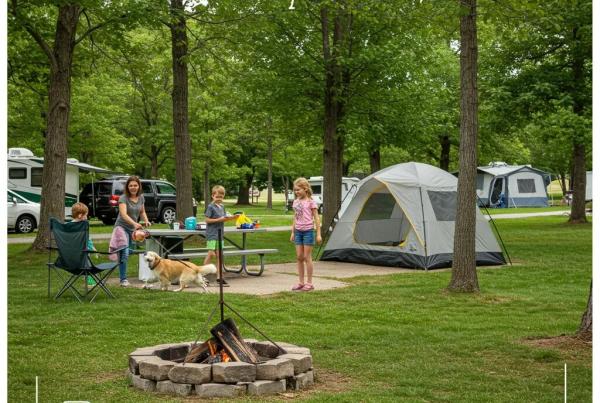
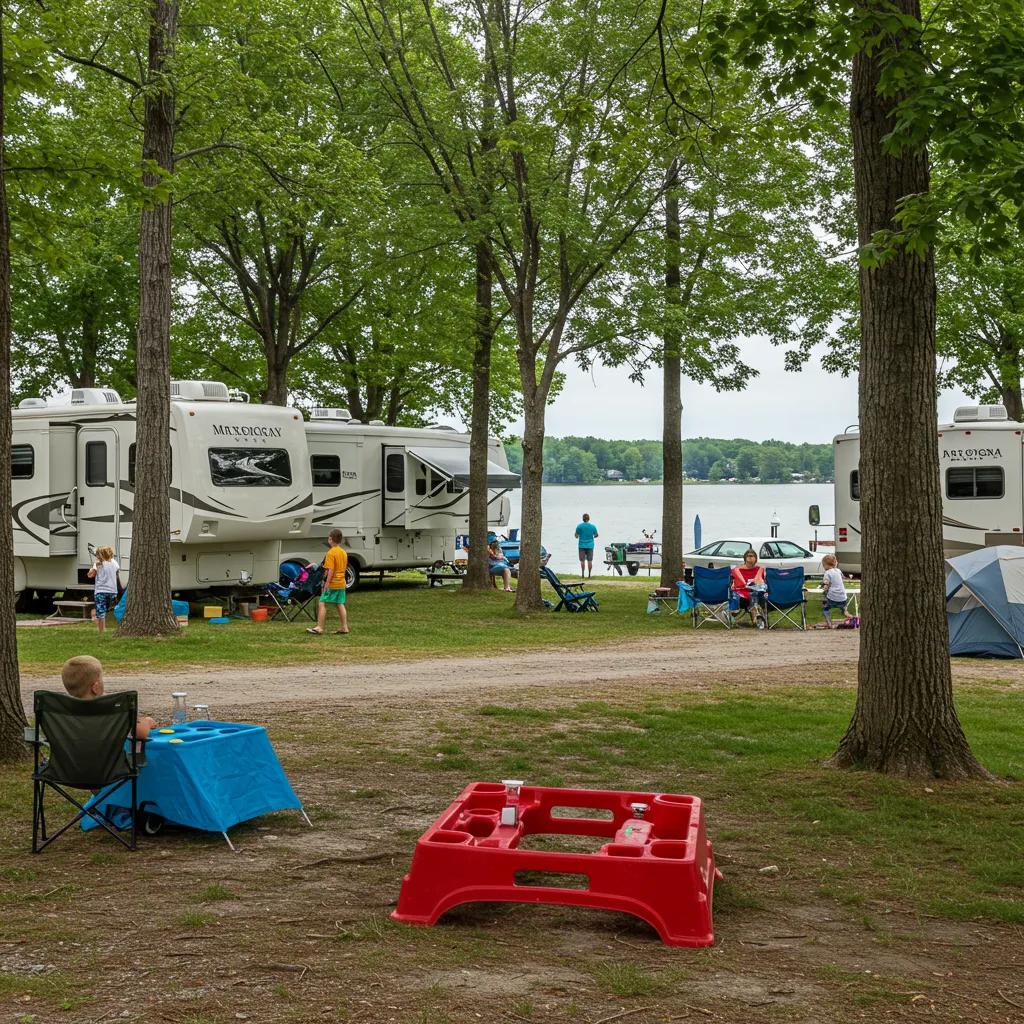
Seasonal camping in Michigan means reserving a campsite or cabin for an extended period—often an entire season—so families and long-term campers can enjoy consistent access to outdoor amenities, community programming, and convenient on-site services. This guide explains what seasonal camping entails, why long-term stays deliver better value for families, and which site features most strongly affect comfort, recreation, and day-to-day living. Many campers weigh factors like full hookups, reliable restrooms, pet-friendly spaces, recreation programming, and proximity to water when choosing a seasonal campground; this article shows how to evaluate those factors and avoid common pitfalls. You will read practical checklists for evaluating amenities, a short comparison of natural-feature benefits like lakes and rivers, guidance on family-focused events and programming, transparent reservation and contract considerations, and a campground-specific summary that maps these criteria to Walnut Hills Family Campground in Durand, Michigan. Keywords such as seasonal campgrounds Michigan, seasonal RV parks Michigan, long term camping Michigan, and seasonal campground amenities Michigan are woven throughout to help readers researching seasonal options make informed, actionable choices.
What Are the Essential Amenities in Michigan Seasonal Campgrounds?
Essential amenities for seasonal campgrounds are the long-term services and facilities that sustain daily life, recreation, and community for extended stays. These amenities work by reducing logistical friction—utilities, clean facilities, and dependable recreation—and produce the benefit of ongoing comfort, convenience, and social engagement for seasonal campers. When evaluating a property, prioritize full hookups, modern restrooms and laundry, family recreation, pet facilities, and connectivity to support remote work or school. The right mix of amenities shifts camping from sporadic stays to a sustained lifestyle, and the following table helps compare key amenity attributes so you can scan what matters most for a season-long commitment.
The amenity comparison below shows common long-term attributes to evaluate.
This table highlights that a combination of utilities, hygiene, recreation, and pet infrastructure forms the backbone of seasonal comfort. Next, check specific technical features that make full hookups practical for RV owners.
Which Full Hookup Features Should Seasonal RV Parks Offer?
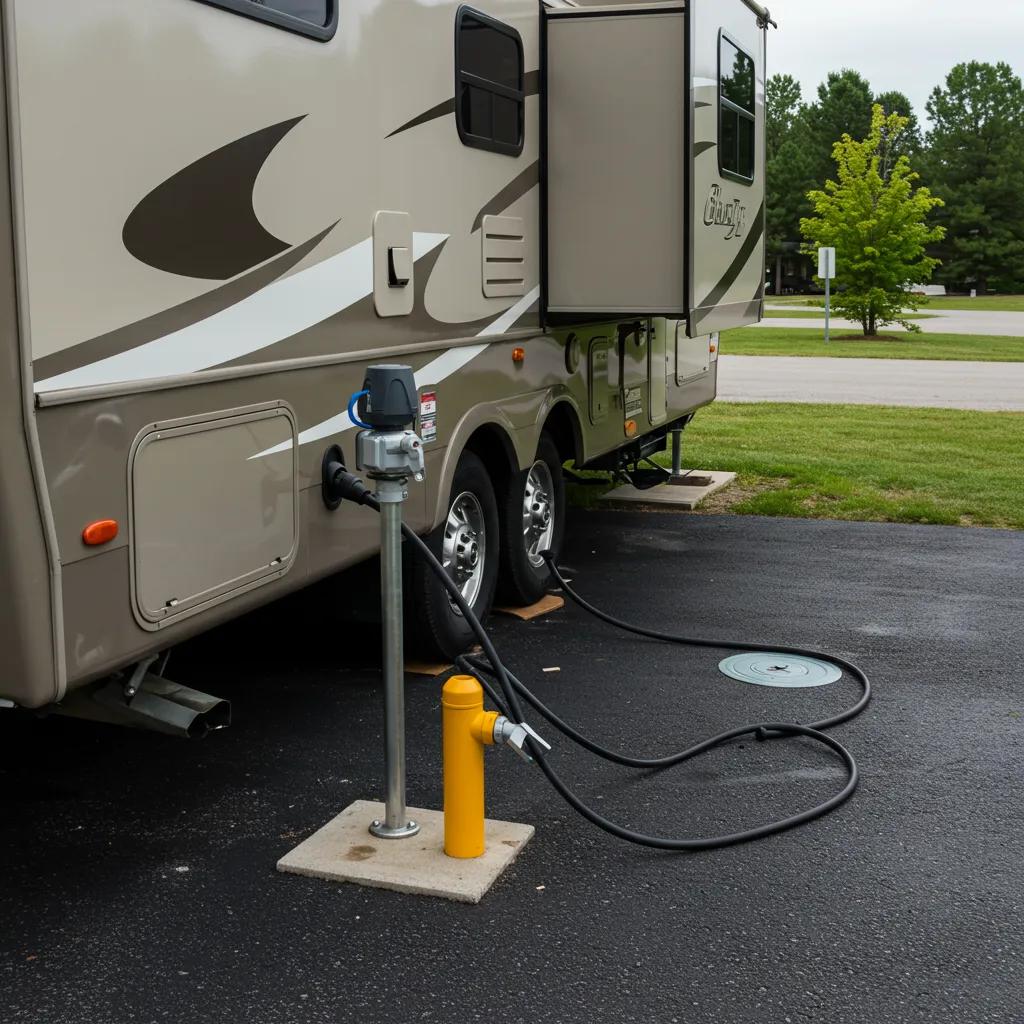
Full hookups mean a site provides potable water, reliable electrical service, and sewer access; these utilities function together to let RVs operate like a second home. Electrical service should match common RV needs (higher amp availability reduces use of generators), water pressure should support daily chores, and sewer connections should be easy to access and maintain. For long-term stays, additional services such as trash pickup, covered storage, and well-sized pads with level parking reduce site maintenance and increase day-to-day convenience. When touring a campground, test the water flow, confirm amperage, and inspect pad size; these checks directly translate to fewer service issues across a season and better overall living conditions.
What Recreational Facilities Enhance Seasonal Camping Experiences?
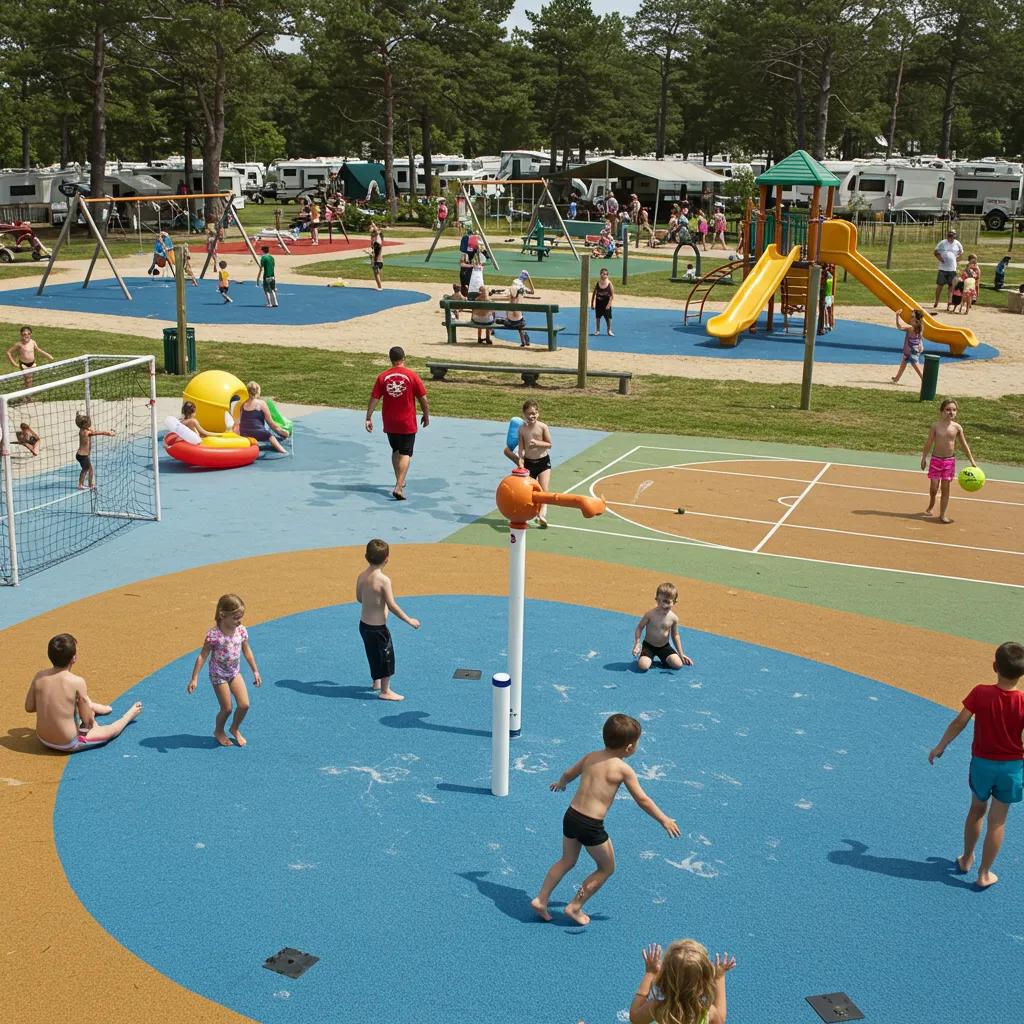
High-value recreational facilities are those that deliver recurring family engagement rather than one-off thrills; water parks, swimming lakes, playgrounds, sports courts, and game rooms all qualify by offering repeatable activities for children and adults. Water-based attractions in particular—such as a Wibit water park or a swimming lake—provide daily entertainment and become a focal point for weekly family routines, swim lessons, and community events. Recreation combined with scheduled programming (weekend events, leagues, or classes) amplifies community cohesion and offers predictable reasons for families to remain seasonally committed. Evaluate how often facilities are maintained and how programming leverages amenities to predict your seasonal experience.
How Important Are Pet-Friendly Areas Like Dog Parks for Seasonal Campers?
Pet-friendly infrastructure is essential for seasonal campers who treat their site as a semi-permanent residence; a large, secure dog park with separate areas for small and large dogs, shade, and waste stations enables pets to exercise safely and reduces daily management hassles. Policies like leash rules, designated walking trails, and proximity of pet areas to sites affect neighbor relationships and the ease of routine care. For long-term stays, look for durable fencing, grooming or washing areas, and nearby walking loops—these elements support pets’ physical needs and owners’ quality of life throughout the season. A well-designed dog area also contributes to community interaction among seasonal campers with pets.
How Do Location and Natural Features Impact Seasonal Camping Choices in Michigan?
Location and natural features influence season length, activity options, and lifestyle quality by connecting campers to water recreation, scenic value, and nearby services; proximity to lakes, rivers, parks, and towns expands both daily leisure and practical access to groceries and healthcare. Being near freshwater opens recurring opportunities for boating, fishing, swimming, and shoreline relaxation, which enhance the value proposition of a seasonal site beyond on-site amenities. Choose properties with safe access points, shuttle or livery services for floats or launches, and reasonable drives to essentials—these geographic considerations reduce friction and maximize the time you spend enjoying a long-term camping lifestyle. Below is a simple mapping of natural features to camper benefits to help weigh location tradeoffs.
This table clarifies why proximity to water and services is a decisive factor for people planning seasonal sites: it translates directly to frequent recreational options and reduced logistical overhead. When river access is available, on-site services can further enhance usability.
Why Is Proximity to Lakes, Rivers, and Outdoor Attractions Valuable?
Proximity to lakes and rivers unlocks an array of low-friction activities—boating, swimming, fishing, and shoreline picnicking—that families can repeat throughout a season, creating a predictable outdoor routine. Waterfront access also moderates summer temperatures and provides scenic value that improves daily quality of life for seasonal campers. Practical considerations such as parking at access points, safety (lifeguards or marked swim areas), and launch facilities bear on usability and should influence site choice. Evaluating proximity in terms of walkability, shuttle availability, and maintenance of access points helps predict how often you’ll use natural assets during a multi-week or multi-month stay.
What Are the Benefits of River Access and Float Trips at Seasonal Campgrounds?
River access and organized float trips add family-friendly adventure and easy logistics by offering on-site launch options, shuttle service, and equipment rental; an on-site livery simplifies planning and removes the burden of transporting boats and gear. An on-site livery like Cheff’s Canoe Rental enables canoe, kayak, or tube float trips down the Shiawassee River and reduces the coordination required for multi-family outings, which increases the frequency of water-based recreation. These services support repeatable leisure and create programming opportunities for weekend events, guided floats, or family outings that anchor the seasonal experience. When river floats are available, inquire about shuttle procedures, safety briefings, and gear storage to ensure smooth, regular use.
What Family-Friendly Activities and Events Should Seasonal Campgrounds Provide?
Family-friendly programming should create predictable social anchors—weekly events, themed weekends, and classes that bring campers together and make seasonal life social and engaging. These activities work by converting facilities into shared experiences and produce stronger community bonds and higher retention among long-term campers. Evaluate a campground’s calendar for weekend events at pavilions, children’s programming, and tournaments that match your family’s interests; consistent scheduling is more valuable than sporadic special events. Below is a checklist of programming types to look for and what each delivers in terms of community value.
Seasonal campgrounds typically offer programming such as:
- Weekend Family Events: Organized activities at pavilions that encourage repeat attendance.
- Kids’ Crafts and Games: Daily or weekend sessions that keep children engaged.
- Sports Leagues and Tournaments: Recurring competitions that build ongoing participation.
- Water-Based Activities: Scheduled pool or lake games that utilize aquatic amenities.
These program types foster predictable social rhythms and help seasonal campers integrate into community life. Assess how programming leverages on-site amenities to understand long-term engagement potential.
How Do Weekend Events and Themed Activities Enhance Community Feel?
Weekend events and themed activities create ritualized opportunities for neighbors to meet, collaborate, and plan future gatherings; that community fabric is a major non-material benefit of seasonal camping. Regularly scheduled events lower social friction, making it easier for newcomers to meet established seasonal campers and for families to form lasting friendships. Good programming balances structured events with open-play opportunities and offers recurring attractions that children and adults can anticipate each week. When evaluating a campground, ask about event cadence, guest policies, and whether activities are included with a seasonal site or require additional fees.
Which On-Site Amenities Support All-Age Recreation?
On-site amenities that serve multiple age groups—such as pavilions, playgrounds, ball fields, courts, and game rooms—create flexible spaces for both organized programming and casual use, supporting a range of activities from youth sports to adult leagues. These facilities support supervision logistics by enabling parents to remain nearby while children play, and they increase the variety of events a campground can host across a season. Durable, well-maintained multi-use spaces are more valuable over time than highly specific attractions that may appeal to a single age group. Prioritize amenities that permit scheduling, maintenance, and safe access for family use throughout the season.
How Does Pricing and Reservation Process Affect Seasonal Camping Decisions in Michigan?
Pricing and reservation processes determine your contractual expectations, payment cadence, and the logistics of securing a preferred site; clear terms reduce uncertainty and protect seasonal campers’ investments. Typical considerations include the length of the seasonal contract, deposit amounts, payment schedules, cancellation policies, and any late-fee structures—these elements influence affordability and flexibility. Compare value across properties by weighing total seasonal cost against included amenities, programming frequency, and on-site services. The table below summarizes common contract attributes and considerations to help you ask the right questions when evaluating offers.
This comparison underscores that transparent contract terms and an itemized value assessment are essential for confident seasonal commitments. Securing a site often requires timing and documentation.
What Are Typical Seasonal Camping Costs and Contract Terms?
Seasonal costs vary with site size, hookups, and location; key cost drivers include full hookups, proximity to water, and access to high-value amenities such as water parks or boat liveries. Contracts typically specify a seasonal term with defined start and end dates, deposit requirements to secure a site, and payment schedules that may include installment options. Ask about cancellation, site-transfer, and subletting policies to understand flexibility over the season. Reviewing these contract elements before committing prevents surprises and clarifies the true monthly or seasonal outlay for long-term camping.
How Can Campers Secure Seasonal Sites Through Online Reservations?
Securing seasonal sites requires early planning, clear documentation, and familiarity with a campground’s reservation process; start by contacting the campground ahead of peak booking windows, understand deposit requirements, and prepare information such as RV specs or cabin needs. Many properties support online reservation systems for seasonal sites—use the system to view site maps, submit deposits, and join waiting lists when active seasonal inventory is limited. For example, campers seeking long-term stays often find it efficient to book seasonal camping sites for RVs, tents, and cabins online and follow up with the campground for site confirmations and documentation. Keep a checklist of required documents and timing to strengthen your booking success.
Why Choose Walnut Hills Family Campground for Seasonal Camping in Michigan?
Walnut Hills Family Campground in Durand, Michigan, demonstrates how a property can align with seasonal camping criteria by combining long-term site options, family programming, and integrated water-based services. The campground offers seasonal camping sites for RVs, tents, and cabins, paired with amenities that support daily life and ongoing family recreation. Walnut Hills provides features such as a Wibit water park, a swimming lake and beach, renovated bathrooms, a campground store, multiple playgrounds, and a large dog park—amenities that directly address utility, hygiene, recreation, and pet needs for seasonal campers. Seasonal campers who prioritize river access also benefit from on-site livery services for float trips.
How Does Walnut Hills Meet Key Seasonal Camping Criteria?
Walnut Hills maps closely to the evaluation checklist: full-season accommodation options for RVs, tents, and cabins support diverse camper types; renovated restrooms and laundry meet hygiene expectations; and on-site recreation delivers repeatable family activities. The campground’s weekend family events at pavilions and a range of play areas foster community among seasonal residents. For river-based recreation, the presence of an on-site livery and nearby float options further enhances the seasonal value proposition. These features combine to create a practical, family-oriented seasonal experience that aligns with the most important selection criteria.
What Unique Amenities and Activities Does Walnut Hills Offer Seasonal Campers?
Walnut Hills stands out for amenities that sustain repeatable family engagement: a Wibit water park and swimming lake provide daily aquatic recreation, multiple playgrounds and a game room support all-age activities, and the large dog park addresses pet exercise needs for long-term residents. The campground also offers canoe, kayak, or tube float trips down the Shiawassee River through an on-site livery service called Cheff’s Canoe Rental, which simplifies access to river outings. Weekend family events and on-site facilities such as pavilions, sand volleyball, and sports fields promote a community rhythm that enhances the seasonal camping lifestyle and makes extended stays both practical and enjoyable.
Frequently Asked Questions
What should I consider when choosing a seasonal campground in Michigan?
When selecting a seasonal campground in Michigan, consider factors such as location, amenities, and community programming. Look for campgrounds that offer full hookups, clean restrooms, and recreational facilities that cater to all ages. Proximity to natural features like lakes and rivers can enhance your camping experience by providing opportunities for water activities. Additionally, evaluate the campground’s policies on pets, reservation processes, and pricing structures to ensure they align with your family’s needs and preferences.
How can I find out about seasonal campground events and activities?
To learn about events and activities at seasonal campgrounds, check the campground’s website or contact them directly for their activity calendar. Many campgrounds offer weekly family events, themed weekends, and recreational programming that foster community engagement. Social media pages and local camping forums can also provide insights into upcoming events and camper experiences. Engaging with the campground community can enhance your seasonal stay and help you plan your family’s activities.
Are there any specific safety considerations for seasonal camping?
Safety is paramount when seasonal camping. Ensure that the campground has well-maintained facilities, including restrooms and recreational areas. Check for safety features like lifeguards at swimming areas and clear signage for trails and water access points. Additionally, familiarize yourself with emergency procedures and the location of nearby medical facilities. Keeping a first aid kit and knowing the campground’s rules regarding wildlife and fire safety can further enhance your family’s safety during your stay.
What types of recreational activities are typically available at seasonal campgrounds?
Seasonal campgrounds often provide a variety of recreational activities to engage families throughout their stay. Common offerings include swimming pools, water parks, playgrounds, sports courts, and organized games or tournaments. Many campgrounds also host nature walks, arts and crafts sessions, and themed events that encourage participation. These activities not only promote family bonding but also help build a sense of community among seasonal campers, making your camping experience more enjoyable.
How do I prepare for a long-term stay at a seasonal campground?
Preparing for a long-term stay at a seasonal campground involves several steps. First, ensure you have all necessary camping gear, including cooking supplies, bedding, and recreational equipment. Familiarize yourself with the campground’s rules and amenities to maximize your experience. Consider creating a meal plan and packing non-perishable food items to simplify meal preparation. Additionally, establish a routine that incorporates both relaxation and participation in campground activities to make the most of your seasonal camping adventure.
What are the benefits of booking a seasonal site online?
Booking a seasonal site online offers several advantages, including convenience and access to real-time availability. Many campgrounds provide detailed site maps and descriptions, allowing you to choose the best location for your needs. Online reservations often streamline the payment process and may offer discounts for early bookings. Additionally, securing your site in advance ensures you have a confirmed spot during peak camping seasons, reducing the stress of last-minute arrangements.
Can I bring my pets to seasonal campgrounds, and what should I know?
Many seasonal campgrounds are pet-friendly, but it’s essential to check their specific policies regarding pets. Look for campgrounds that offer designated pet areas, such as dog parks, and inquire about leash rules and waste disposal facilities. Ensure your pet is up-to-date on vaccinations and is well-behaved around other campers. Being mindful of your pet’s needs and the campground’s regulations will help create a positive experience for both you and your furry companion during your stay.
Conclusion
Choosing the right seasonal campground in Michigan can significantly enhance your family’s camping experience by providing essential amenities, recreational opportunities, and a strong sense of community. By prioritizing features like full hookups, pet-friendly spaces, and engaging programming, you can ensure a comfortable and enjoyable long-term stay. Take the next step in your camping journey by exploring the diverse options available at Walnut Hills Family Campground. Discover how this family-oriented destination can meet your seasonal camping needs today.