


Top Campgrounds With Seasonal Sites in Michigan: Your Guide to Family-Friendly Long-Term RV Camping
Seasonal sites are campground spots held for extended use through a defined camping season. In Michigan, they’re a smart blend of convenience and continuity for families and long-term RVers. This guide walks you through how seasonal RV sites work, why families choose them as a dependable “home away from home,” and what to expect from amenities and reservation processes. Many seasonal campers trade repeated setup chores for a maintained site with storage, personalization options, and a built-in community—often close to trails, lakes, and other outdoor attractions. Read on for practical benefits, family-focused campgrounds, step-by-step reservation tips, pricing and availability trends, common rules, and a close look at one local example—The Oaks Campground by GatherGrounds—to help you compare and prepare your application so you have a better chance of securing a preferred seasonal RV site in Michigan.
What Are the Benefits of Choosing Seasonal RV Sites in Michigan?
Seasonal RV sites give you a steady, long-term camping option that cuts setup time, builds community, and keeps recreation close at hand. The idea is simple: you reserve one site for the season and return there repeatedly without scouting or prepping a new spot every weekend. That stability supports family routines—easy access to lakes, trails, and events—and can save money for frequent visitors. Many seasonal sites also include convenient extras like full hookups, on-site storage, and reserved parking to make longer stays easier.
Seasonal camping delivers clear, practical benefits:
- Less Setup Time: Skip daily setup and teardown so weekends are for doing, not doing chores.
- Community and Events: Familiar neighbors and scheduled activities create steady social connections.
- Convenience Features: Personal storage, a reserved pad, and familiar hookups simplify life on-site.
- Direct Access to Recreation: Sites near state areas or on-property trails put outdoor fun within easy reach.
Those advantages turn a campsite into a reliable base for family life and more frequent outdoor time—exactly what people mean when they call a seasonal site a “home away from home.”
How Does Seasonal Camping Provide a Home Away From Home Experience?
A seasonal site becomes a persistent living space where personalization and steady routines replace the one-off nature of weekend camping. Campers commonly add storage solutions, set up comfortable outdoor living areas, and decorate seasonally—little investments that make the spot feel personal and dependable. Regular gatherings—potlucks, holiday events, neighborhood watch—form when the same families return week after week, and that familiarity lowers stress for parents while giving kids predictable places to play and make friends.
Many seasonal campers say a familiar site makes school-break stays and weekend visits simpler, since you don’t have to pack and unpack each trip. That continuity makes multi-day planning easier and encourages more time outside. From there, it’s natural to look at cost and convenience to see how it all adds up.
What Cost Savings and Convenience Do Seasonal Sites Offer?
Seasonal RV sites can save money and time. Fees are often bundled for the season rather than charged nightly, and that spread can reduce per-visit costs for frequent users. Whether utilities are included or billed separately matters for total cost, so clarify that early. The convenience side is real: you don’t disconnect utilities, you know your pad and hookups, and you can store seasonal gear on-site—small things that cut friction on every visit. For families who camp most weekends, a seasonal arrangement often proves more economical once you factor in time saved and fewer travel hassles.
When you budget, check whether utilities are included, whether deposits or payment plans apply, and whether extras like winterization or storage fees are charged. Those details shape the true cost and should be clear before you commit.
Which Are the Best Seasonal Campgrounds in Michigan for Families?
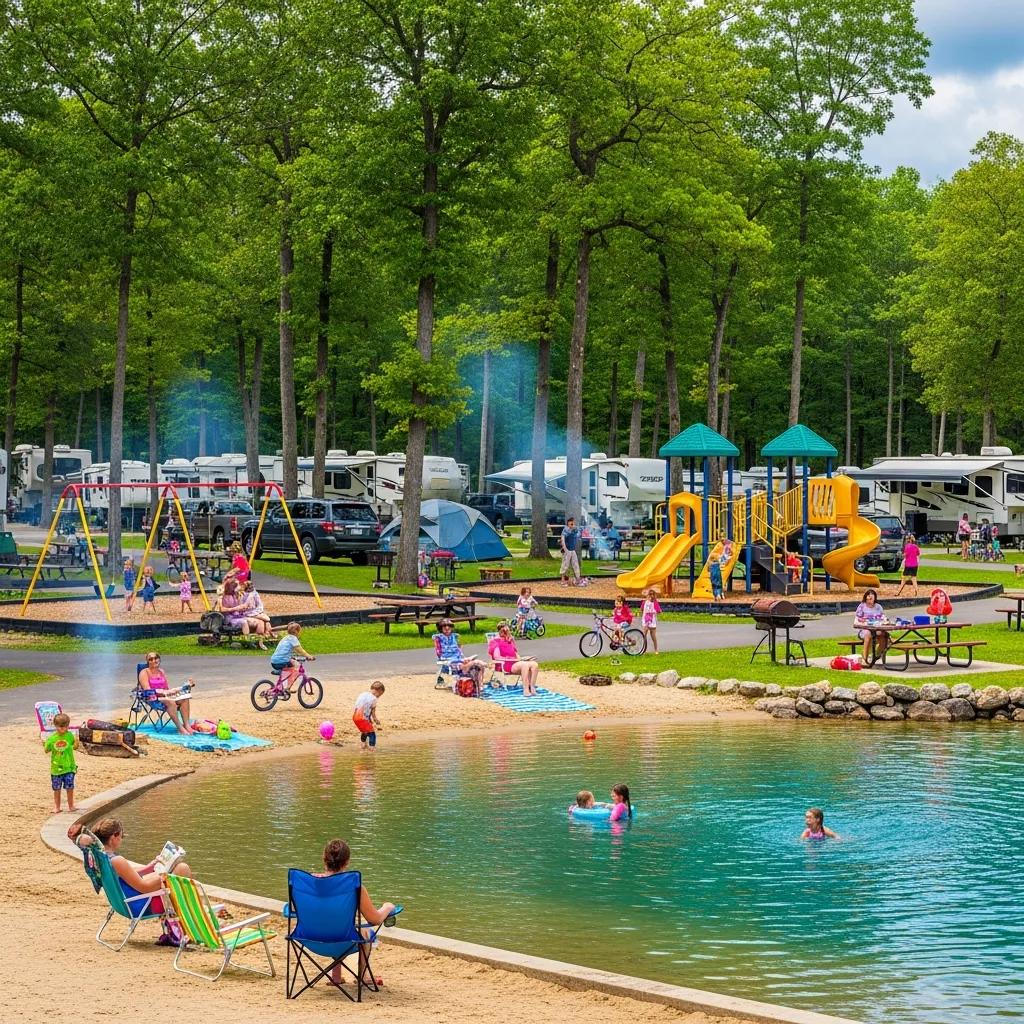
Picking a family-friendly seasonal campground comes down to a few essentials: child-focused amenities, safety, proximity to family attractions, active community programming, and easy trail or water access. Look for supervised or clearly marked swim areas, safe playgrounds, on-site activities, and a calendar of family events. Campgrounds within easy drives of population centers—Detroit, Ann Arbor, Jackson, Toledo, and Fort Wayne—are especially handy for weekend visits and make repeat trips more practical.
Here’s a quick comparison to help you scan family-focused features across common campground types. Use it to prioritize what matters most for your family.
What Family-Friendly Amenities Do Top Seasonal Campgrounds Provide?
Top family-focused seasonal campgrounds offer safety, play, and shared-activity features that support repeated stays. Look for well-marked swimming areas, secure playgrounds, kids’ programs, and covered pavilions for family gatherings. These amenities keep entertainment on-site and build predictable routines for children and caregivers. Match campground programming to your family’s interests—whether that’s water play, fishing, or hiking—and confirm it runs for the season you plan to use.
Also weigh conveniences like a camp store, clean restrooms, and connected trail networks—these everyday features make weekend living easier and cut the logistics of frequent returns. Knowing what you can trade off helps you choose the best long-term fit.
- The next section shows how one campground brings these amenities together to create an outstanding seasonal program.
How Do Campgrounds Like The Oaks Enhance Seasonal Camping Experiences?
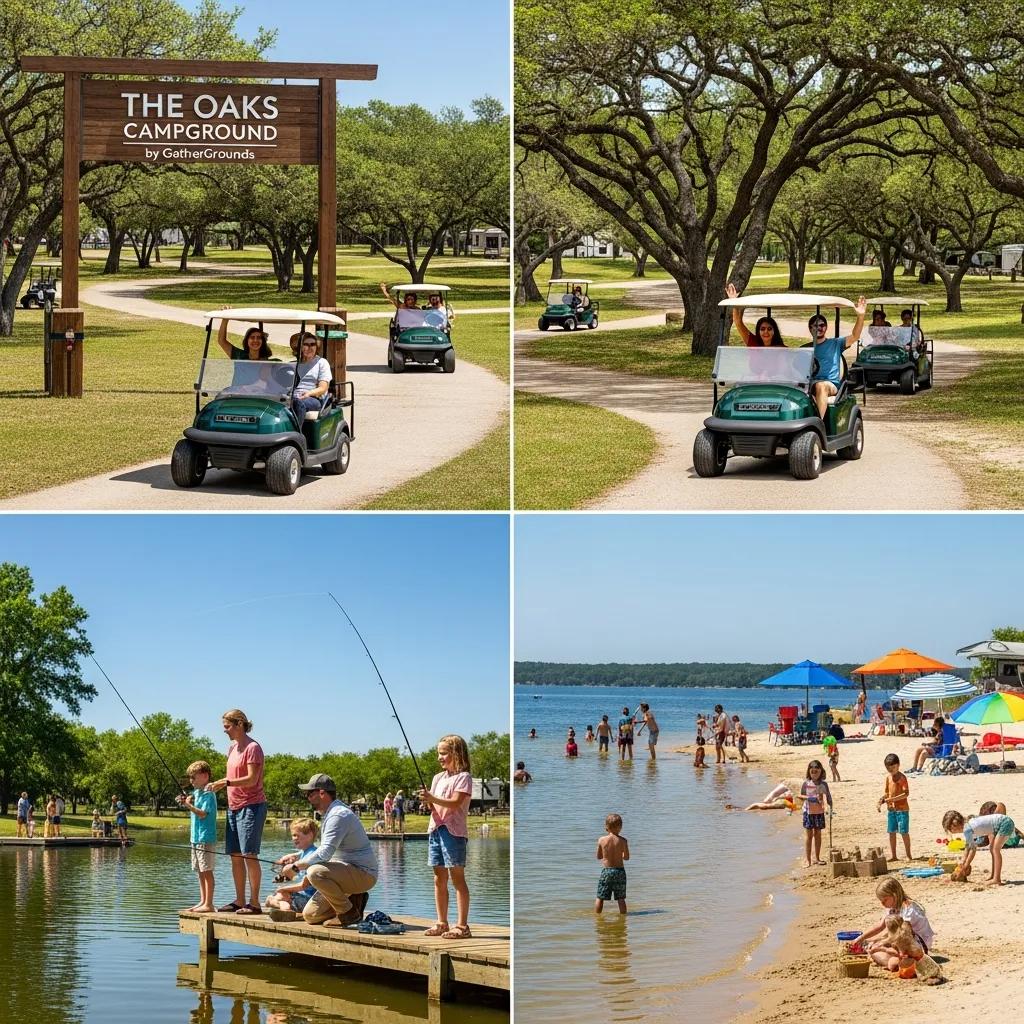
The Oaks Campground by GatherGrounds is a strong family-first example. The property features a large fishing pond, roughly 120 acres of golf cart riding trails, playgrounds, pavilions, a camp store, and a swimming lake with a sandy beach—so families can enjoy a lot without leaving the property. The Oaks markets its Seasonal RV Sites as a “home away from home,” highlighting personalization and community for long-stay campers. GatherGrounds plans to assume ownership and operations at the end of the 2025 season, and the property has announced a planned Wibit water park for the 2026 season to broaden aquatic options. Its location near Waterloo State Recreation Area and easy access from nearby metros make The Oaks a convenient seasonal base for many families.
Using The Oaks as an example shows how on-property amenities plus nearby public lands deliver a full-season family experience. Later sections explain how to reserve seasonal sites and what to expect on rules and pricing.
How Can You Find and Reserve Seasonal RV Sites in Michigan?
Finding and reserving a seasonal site takes focused research, timely applications, and the right paperwork. Start with campground websites, regional directories, and business listings to identify properties that offer seasonal spots. Then contact management to confirm season dates, included hookups, deposit rules, and whether a waiting list exists. The typical reservation path is inquiry → application → deposit → signed seasonal agreement. Having documents and references ready speeds processing and improves your placement chances.
Follow these steps when pursuing a seasonal site in Michigan:
- Research properties: Find campgrounds with seasonal programs and amenities that fit your needs.
- Confirm details: Verify season length, included utilities, and deposit/payment requirements.
- Complete application: Submit forms, proof of insurance if required, and a deposit to secure your spot.
- Join waiting lists: If full, ask to be added to transfer or waitlists and confirm how you’ll be notified.
- Plan logistics: Arrange insurance, site setup, and any winterization or storage tasks ahead of arrival.
Many campgrounds keep seasonal info on a reservations page or business profile; for The Oaks, consult the property’s reservation details to start your application. Being prepared and clear about payment terms helps you move quickly when sites open.
When Is the Best Time to Book Seasonal Sites in Michigan?
Booking windows vary, but many seasonal programs open reservations in the winter months before the upcoming season. Early booking—often January through March—helps you avoid long waitlists and secure a preferred pad, especially at campgrounds near population centers. Waterfront sites, larger pads, and spots near amenities fill quickly, so apply as soon as reservations open. If a transfer list exists, join early and stay in touch to improve your odds.
Ask each campground for its key dates and mark them on your calendar so you can align applications and deposits with property timelines.
What Is the Typical Application and Booking Process for Seasonal Camping?
The seasonal application process is straightforward: initial inquiry, application form, deposit, and an agreement that spells out utilities, guest rules, and other terms. Expect to provide vehicle and insurance details, RV length and hookup needs, and possibly references where site inventories are limited. Read the agreement carefully so you understand responsibilities for winterization, storage, and utility billing.
- Inquiry: Ask about season dates and availability.
- Application: Fill out forms with RV specs and insurance info.
- Deposit: Pay the required deposit to hold the site.
- Agreement: Sign the seasonal contract with rules and payment terms.
- Confirmation: Receive site assignment and arrival instructions.
Having your paperwork ready and confirming payment methods in advance streamlines onboarding and reduces delays when properties open applications.
What Are the Typical Rates and Availability for Seasonal RV Sites in Michigan?
Rates and availability vary by location, services included, and site features. Prices reflect season length, hookup level, and proximity to water or amenities. Full hookups, lakefront pads, included utilities, and strong on-site programming push rates higher. Interior or partial-hookup sites tend to be less expensive, though demand can still be high. Waiting lists are common for desirable campgrounds, and many seasonal inventories run near capacity.
Here’s a practical comparison of pricing attributes and how they affect season costs:
How Do Pricing Factors Vary Among Michigan Seasonal Campgrounds?
Price differences come down to amenities and demand: lakefront pads, full hookups, included utilities, and closeness to major population centers raise costs. Additional fees—electricity surcharges, winterization charges, or mandatory amenity passes—also affect the total. Features like paved pads, playgrounds nearby, and property-run programming add family value and can justify higher seasonal rates. Because advertised season prices sometimes exclude variable utility use, ask for an itemized breakdown to compare apples to apples.
Knowing which variables matter most to your family will help you decide where to invest for value and convenience.
What Should You Know About Waiting Lists and Site Availability?
Waiting lists are common when seasonal inventories are full. Campgrounds usually keep lists by site type or area and notify applicants as spots open. To improve your chances on a waitlist, keep contact info current, be flexible about site preferences, and ask about transfer lists or cancellations. Some properties reserve sites for returning seasonals, which affects how quickly new applicants move up. While you wait, consider short-term stays at the same campground to build rapport with management and possibly gain priority.
What Rules and Regulations Govern Seasonal Camping in Michigan?
Rules for seasonal camping differ between private campgrounds and state-managed areas, so it pays to know the differences. Private campgrounds set guest limits, quiet hours, subletting rules, and maintenance responsibilities in their seasonal agreements. Michigan DNR and state parks follow state policies that may limit long-term personalization and prioritize resource protection. Both types require safe, sanitary behavior and protection of natural resources, but enforcement and flexibility vary by operator.
Understanding these distinctions helps you choose a campsite whose rules match your family’s style and avoids surprises about personalization or guest hosting.
How Do Michigan DNR and Private Campground Policies Differ?
State park and DNR policies focus on resource protection and public access, often limiting long‑term changes to sites. Private campgrounds tend to offer more flexibility for customization and community events through seasonal contracts. Reservation windows, enforcement, and allowable structures differ: private properties may offer winter storage or sheds and host property-run events, while state sites emphasize conservation and standardized occupancy rules. Review state documents for official rules and request written terms from private campgrounds to compare obligations before you sign.
These policy differences shape the seasonal lifestyle each site can support—choose based on whether you prefer personalization or conservation priorities.
What Are Common Seasonal Camping Rules and Guest Policies?
Typical seasonal rules include quiet hours, guest limits, pet policies, site upkeep duties, and restrictions on subletting. Quiet hours protect evenings and early mornings. Guest policies define how long and how often non-seasonal visitors may stay. Pet rules usually cover permitted animals, leash requirements, and waste removal. Seasonal agreements commonly spell out maintenance tasks—mowing, pad cleanliness, snow removal—and clarify liability and safety responsibilities. Agreeing to these terms up front helps keep community life harmonious and reduces potential conflict.
- Seasonal campers who value predictable community life should confirm guest and maintenance rules before finalizing any agreement.
Why Choose The Oaks Campground by GatherGrounds for Your Seasonal Stay?
The Oaks Campground by GatherGrounds is an excellent example of a family-focused seasonal program that centers on on-property recreation, community, and access to public lands. The property promotes Seasonal RV Sites as a “home away from home” and offers amenities built for long stays: a large fishing pond, roughly 120 acres of golf cart riding trails, playgrounds and pavilions, an on-site camp store, and a swimming lake with a sandy beach. GatherGrounds plans to assume ownership and operations at the end of the 2025 season, and management has announced a planned Wibit water park for the 2026 season to expand aquatic recreation. The Oaks’ proximity to Waterloo State Recreation Area further widens outdoor options while keeping the campground reachable from regional population centers.
What Unique Amenities and Activities Does The Oaks Offer Seasonal Campers?
The Oaks includes several amenities designed for repeated family use and all-ages enjoyment: a large fishing pond for angling and shoreline fun; roughly 120 acres of golf cart trails for safe, easy exploration; playgrounds and pavilions for gatherings; and a camp store for essentials. The swimming lake with a sandy beach anchors on-site water activities, and the planned Wibit water park (2026) will add more aquatic programming. Together, these features reduce the need for off-site day trips and support varied weekend routines.
How Does The Oaks Campground’s Location Benefit Seasonal RV Campers?
Located in Munith, Michigan, The Oaks sits near large natural areas while remaining accessible to several regional metros. That gives seasonal campers a peaceful campground base plus easy access to expansive outdoor recreation. Waterloo State Recreation Area is nearby for longer hikes, hunting, and trail options beyond the property. The campground’s reachability from urban areas makes frequent weekend returns and family visits practical, and on-property trails make local exploration simple. The combination of location and amenities creates a convenient seasonal solution for families seeking both steady routine and variety.
Frequently Asked Questions
What should I consider when choosing a seasonal campground in Michigan?
Think about family-friendly amenities, safety, and how close the campground is to activities you care about. Look for supervised or clearly marked swim areas, secure playgrounds, and regular family events. Check guest and personalization policies so your stay matches your lifestyle. Proximity to urban centers can make frequent visits easier, too.
Are there any specific rules for pets at seasonal campgrounds?
Pet policies vary. Many campgrounds set rules about which pets are allowed, leash requirements, and waste cleanup. Some limit the number of pets per site or have pet-free zones. Always review a campground’s pet policy before you book to make sure it fits your family.
How can I enhance my seasonal camping experience with community involvement?
Join organized events like potlucks, game nights, or family activities to meet neighbors. Volunteering for maintenance or event planning can deepen connections and make your site feel more like home. Active involvement builds friendships and strengthens the campground community.
What are the typical seasonal site sizes and layouts?
Site sizes and layouts differ by property. Many sites fit a range of RV lengths; some offer larger pads and more outdoor living space. Options can include full hookups, partial hookups, or more primitive sites. Ask about exact dimensions and configurations so your RV and family setup fit comfortably.
What are the best practices for maintaining a seasonal RV site?
Keep your site tidy, manage waste properly, and maintain landscaping. Check hookups and connections regularly to avoid problems. Prepare for seasonal needs—winterization or shade solutions for summer—and coordinate with management to meet community standards.
How do seasonal campgrounds handle cancellations or changes to reservations?
Policies vary, so read your seasonal agreement carefully. Many campgrounds require advance notice for cancellations and may charge fees depending on timing. If you need to change a reservation, contact management promptly to explore options and avoid unexpected costs.
Conclusion
Seasonal RV sites in Michigan give families a steady, convenient way to spend more time outdoors while building community and cutting setup headaches. With family-focused amenities and easy access to trails and water, these campgrounds can become a true home away from home. Explore options like The Oaks Campground to find the seasonal fit that works for your family—then start planning your next season of memories in the great outdoors.