How to Choose Campgrounds with Great Trails: A Practical Guide for Hiking, Biking, and Family Outdoor Fun
Campgrounds rich with trails pair easy natural access, clear navigation, and helpful amenities so hikers, bikers, and families spend more time outside and less time sorting logistics. This guide explains what makes a campground “trail-rich,” why on-site and nearby trail connections matter, and how trail type, difficulty, and campground features change the experience for different groups. You’ll learn to match trail types to activities, spot amenities that improve trail days, evaluate location and connectivity with larger park systems, and follow safety and Leave No Trace practices that keep trails healthy. Practical checklists, comparison tables, and step-by-step planning tips make it simple to pick and reserve a trail-friendly campsite. Later we use a nearby example—The Oaks Campground by GatherGrounds—to show how on-site trails plus adjacency to a big state recreation area expand your options without changing the decision framework.
Which Trail Types Should You Expect at Top Campgrounds?
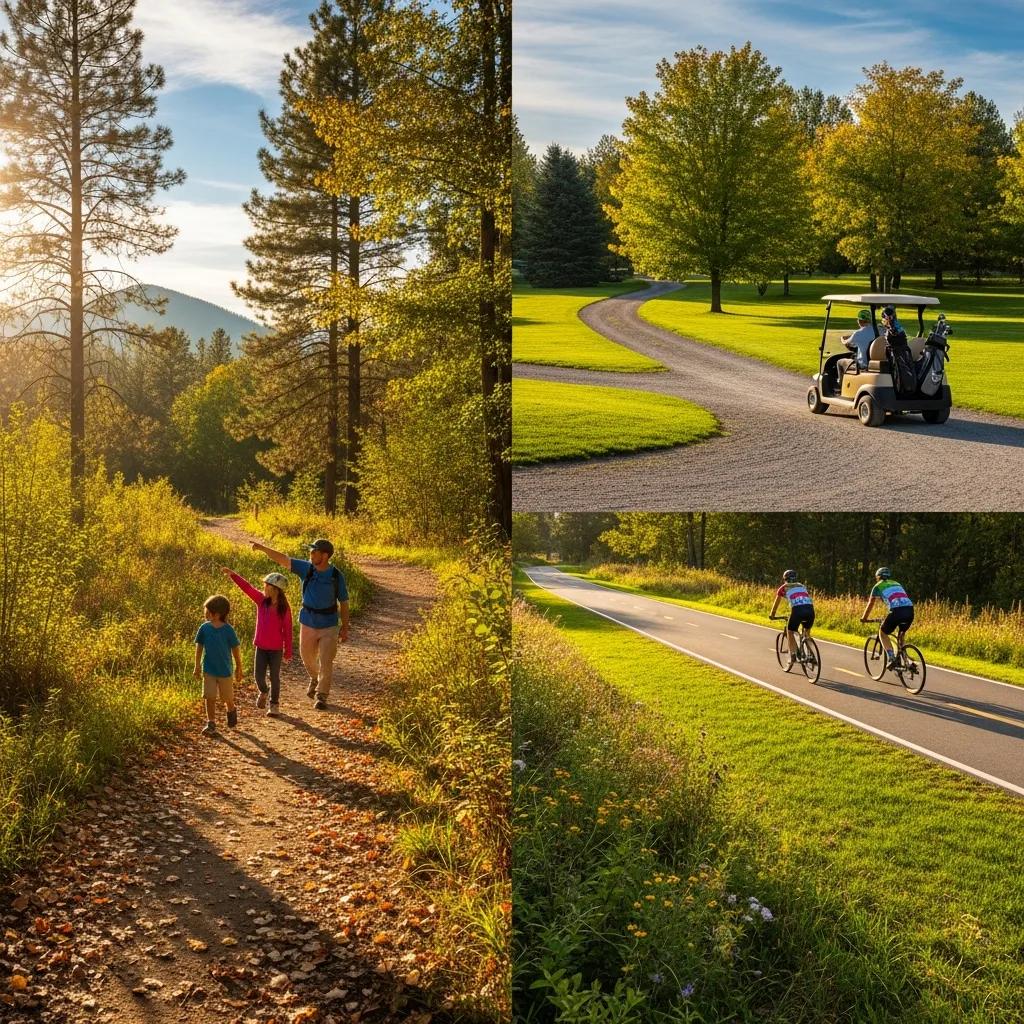
Trail-rich campgrounds usually offer several trail types that suit different activities, skill levels, and gear. Trails differ by surface, width, allowed uses, and typical length—attributes that determine whether a route is best for foot traffic, mountain bikes, road bikes, or small motorized vehicles like golf carts. Knowing these differences helps you pick a campground that supports your main activity while still offering options for mixed groups. Below is a short list of common trail types followed by a quick comparison table to make scanning easier when you evaluate campgrounds.
Common trail types you’ll run into include:
- Hiking trails built for foot traffic and close-up nature viewing.
- Mountain-bike trails shaped with grades and features for pedal-powered riding.
- Paved multi-use paths for walking, running, and casual cycling with strollers.
- Golf cart riding trails designed for slow, family-friendly vehicle use and short hops between sites and amenities.
What Are the Differences Between Hiking, Biking, and Golf Cart Trails?
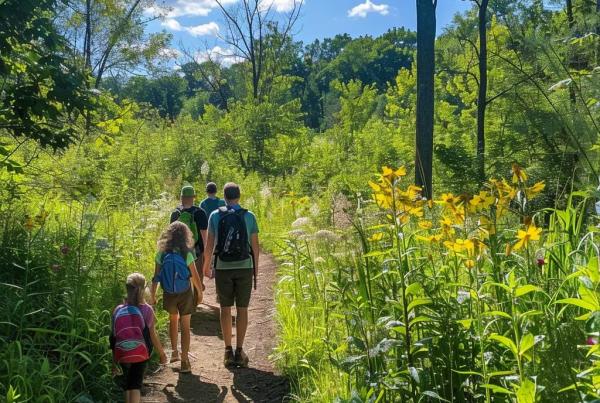
Hiking trails are often narrow, follow the land’s natural contours, and use dirt or packed-gravel surfaces to favor foot traffic and a quieter, closer-to-nature feel. Mountain-bike trails tend to be wider, may include engineered berms or switchbacks for controlled descents, and sometimes have reinforced sections to handle frequent tire loads; they also need clear signage for direction and difficulty. Golf cart trails are typically broader, gentler in grade, and surfaced or stabilized to support cart tires while keeping speeds low for family use and mixed users. Knowing these design differences helps you match equipment and expectations—hikers can expect steeper singletrack, bikers should look for technical features, and families using carts should aim for mapped, low-grade loops that link amenities.
How Do Trail Difficulty and Length Affect Your Camping Experience?
Trail difficulty and length shape daily plans, campsite choice, and gear needs. Short, easy loops are great for kids and for mixing activities during the day; longer or technical routes work best from sites near trailheads so you can start early and ride or hike farther. When you evaluate a campground, match group ability to trail classifications—pick low-grade paved loops for mixed-ability families, moderate mountain-bike circuits for experienced riders, or trailhead sites with parking and maps for hikers wanting remote loops. Use distance-as-time planning: estimate hiking at 2–3 mph on mixed terrain and biking at 6–10+ mph depending on trail type, then plan campsites and daylight hours accordingly.
What Campground Features Enhance the Trail Experience for Outdoor Enthusiasts?
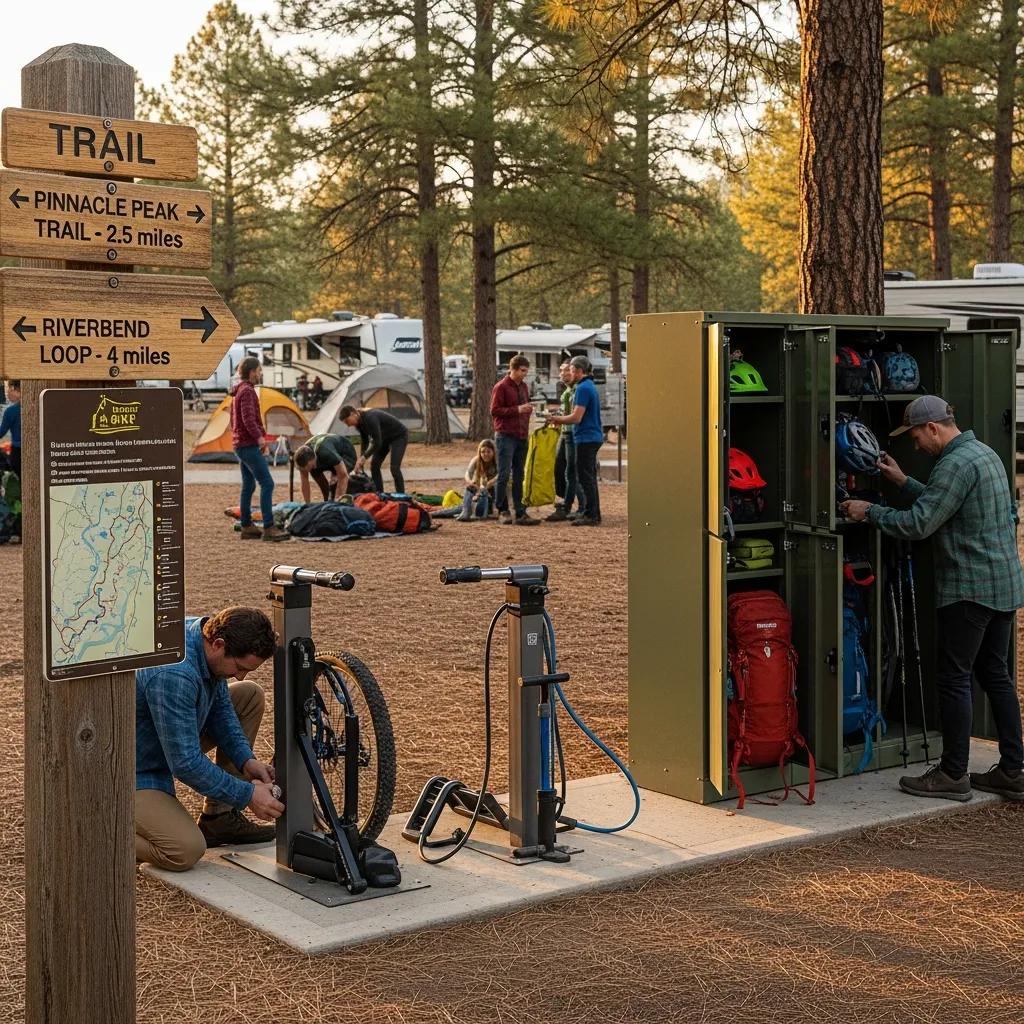
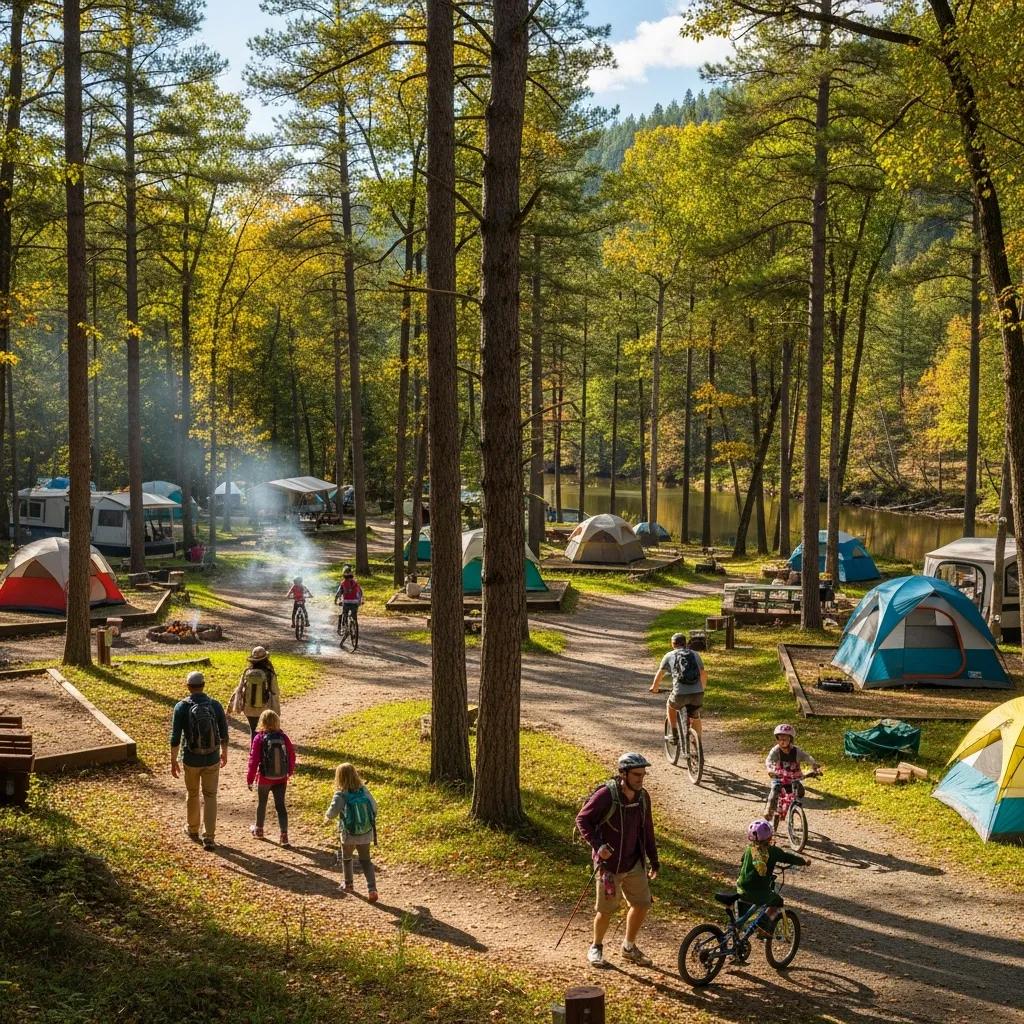
The best campgrounds provide infrastructure that removes friction for trail users and improves safety and enjoyment. Look for clear trailheads, printed and digital maps, gear facilities, and simple repair or rinse stations. Trail-friendly amenities shorten prep time, keep equipment working, and make recovery after muddy outings easier. When judging a campground, prioritize visible signage, available maps, and practical on-site supports that directly benefit hikers and bikers. The checklist and table below outline the key features and why they matter.
Trail-enhancing amenities often turn a logistics-heavy trip into a smooth, recreation-centered stay. Consider these primary features when evaluating campgrounds:
- Clear trailhead signage and printed/digital maps at main access points.
- Gear storage and secure vehicle or bike parking near trailheads.
- Bike repair stands, pump stations, and rinse/wash areas for muddy gear.
These features shorten the time between camp life and trail time. The table below compares their direct benefits.
Which Amenities Support Hikers and Bikers at Campgrounds?
Hikers and bikers benefit most from amenities that help navigation, maintenance, and recovery. Trailheads with printed maps and QR codes for downloadable maps reduce planning friction, while bike pumps, repair stands, and lockable storage save time and stress when mechanical issues happen. Potable water refill points and rinse stations let trail users freshen up without leaving camp, and dedicated bike parking near activity hubs keeps equipment organized. Clear trailhead panels and simple etiquette reminders also make multi-use areas safer for everyone.
How Do Pet-Friendly Policies and Trail Access Impact Your Stay?
Pet policies affect where and how pets can join trail activities and often guide campsite selection—leash rules, restricted zones, and wildlife protections vary. Campgrounds that allow pets on some trails usually require leashes and may close sensitive areas to animals, so check rules before you arrive and pick campsites near pet-friendly trailheads if you plan frequent walks. Trail surfaces matter for pets too—hot pavement and rough gravel can hurt paws, while shaded dirt loops are gentler and better for wildlife watching. Planning with your pet in mind reduces surprises and keeps both animals and habitats safe.
How Does Location and Connectivity Influence Trail Access at Campgrounds?
Where a campground sits relative to larger trail systems and nearby cities affects how many route options you can reach and how practical short weekend trips are. Campgrounds next to state recreation areas or national forests often link directly to long, varied trail systems that let you do half-day loops or start multi-day trips. Proximity to metro areas makes a campground attractive for weekenders and people with limited time, while on-site networks that tie into broader systems give the most flexibility. The next section explains why adjacency to places like Waterloo State Recreation Area matters and how it multiplies trail possibilities.
Why Is Proximity to State Parks Like Waterloo State Recreation Area Important?
Being next to a large state recreation area greatly expands your trail options by connecting you to maintained routes with varied terrain and lengths that complement a campground’s own trails. Larger parks usually provide official maps, seasonal advisories, and trailhead facilities that support longer outings and more technical routes than small on-site loops. For campers, a connected system means a single basecamp works for short family hikes and full-day explorations into different ecosystems. That kind of connectivity is especially useful for groups with mixed interests because members can split up for different activities while sharing one campsite.
How Accessible Are Campgrounds From Major Cities for Weekend Getaways?
Drive times from major cities shape how doable short getaways are and affect planning for arrivals and departures. Campgrounds within a reasonable drive of several metro areas draw weekenders who favor late-afternoon check-ins and early-morning starts, so availability and booking timing matter for busy weekends. When picking a campground for a quick trip, think about travel windows, likely crowds on peak days, and whether proximity allows late starts or forces early trailhead access to beat heat or crowds. Being near multiple cities also changes weekday use patterns, which can affect noise and site availability during holidays.
What Safety and Responsible Practices Should You Follow on Campground Trails?
Safe, responsible trail use mixes basic preparedness with etiquette that protects people and places. Carry water, pack a compact first-aid kit, and follow Leave No Trace principles. Being prepared reduces the chance of rescues, preserves trail quality, and helps campers coexist with wildlife. The checklist below gives immediate, practical safety and stewardship steps to follow before and during outings. After the list, the next section outlines core Leave No Trace behaviors for campground settings.
- Carry enough water and snacks for your planned time on the trail.
- Bring a compact first-aid kit, a map or downloaded navigation, and a charged phone or communication device.
- Check local trail advisories and the weather before you head out.
These simple prep steps lower risk on the trail. The next section details etiquette and Leave No Trace habits that protect the environment and other users.
What Are Essential Trail Etiquette and Leave No Trace Principles?
Trail etiquette and Leave No Trace focus on minimizing impact and keeping people safe: yield correctly (downhill users usually yield to uphill users), control speeds on shared trails, and pack out all trash, including food scraps. On campground trails follow leash rules for pets, don’t shortcut switchbacks (which causes erosion), and respect quiet hours in campsites and nearby trails. Small practices—staying on marked trails, using designated fire rings, and storing food properly—prevent wildlife habituation and cut maintenance needs for land managers. Following these rules helps ensure trails remain safe and enjoyable for everyone.
How Can You Prepare for Wildlife Encounters and Emergencies?
Preparing for wildlife encounters and emergencies means carrying the right gear, learning local species behavior, and planning for issues like injury or sudden weather. Pack an emergency kit with bandages, blister care, a space blanket, and materials for temporary shelter; add bear- or wildlife-safe food storage when required. Learn local wildlife protocols—how to store food, how to respond to encounters, and where to find park or ranger contact info—and brief everyone in your group before leaving camp. Practical preparation reduces escalation during incidents and helps you make safer choices if conditions change.
Why Is The Oaks Campground an Ideal Choice for Trail Lovers?
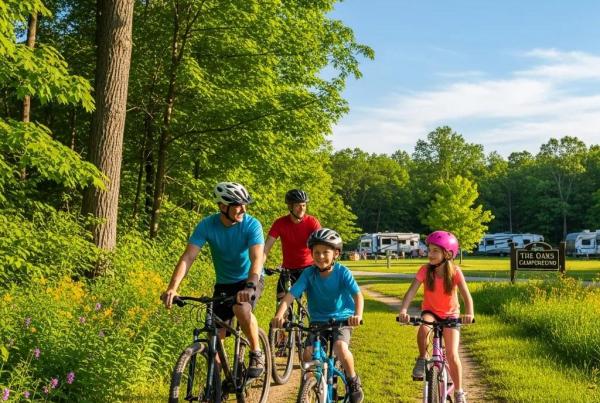
The Oaks Campground by GatherGrounds is a clear example of how an on-site trail network plus adjacency to a large state recreation area can expand recreational choices. The property offers a substantial on-site riding network—120 acres of golf cart trails—paired with direct access to Waterloo State Recreation Area, which adds thousands of acres of trails for hiking and biking. Family-friendly features like a swimming lake, a fishing pond, playgrounds, and weekend activities give you low-impact recovery options after active days, and a planned Wibit water park for 2025 points to even more family fun in the seasons ahead. Together, these attributes show how trail acreage, connector routes, and complementary amenities create a flexible basecamp for many outdoor pursuits.
What Unique Trail Networks and Scenic Features Does The Oaks Offer?
The Oaks includes 120 acres of golf cart riding trails designed for family-friendly, low-grade exploration and easy connections between activity areas. Because the campground borders Waterloo State Recreation Area, visitors can extend short on-site loops into much larger trail systems for longer hikes or rides without changing campsites. On-site scenic features—mature oak stands and water areas implied by the swimming lake and fishing pond—give trail users both wooded and waterfront options. That blend of easy on-site trails and adjacent scale illustrates how property-level trail planning plus regional access broadens recreational choices.
How Do Amenities at The Oaks Support Your Hiking and Biking Adventures?
Amenities at The Oaks support trail users with recovery and family-friendly options after active days—think a swimming lake and a fishing pond for cool-downs and low-impact recovery. Playgrounds and planned weekend programming give non-trail participants things to do during longer stays, while basic infrastructure like mapped trail loops and clear access points reduce navigation friction. The announced Wibit water park for 2025 will be another seasonal draw that rewards families after trail outings, showing how amenity investments can boost the recreational value of a trail-focused trip.
How Can You Plan and Book Your Trail-Friendly Camping Trip?
Planning a trail-focused camping trip starts with choosing a campground whose trail types and amenities match your group’s skills and goals, reserving a campsite near the trailheads you want to use, and packing gear for the expected routes and conditions. Begin by listing activities (hiking, mountain biking, family cart rides) and then weigh campsite attributes—trailhead proximity, privacy, hookups, and nearby amenities—against those needs. The table below matches campsite types to trail access and typical use-cases, and the checklist that follows gives a clear reservation and prep workflow. The final subsection explains how to reserve a specific site for trail access.
- Choose your primary activity and the trail types you need to narrow campground options.
- Pick sites close to trailheads for long outings, or near amenities for mixed-activity groups.
- Check campground trail maps and park advisories for seasonal closures or permits.
- Reserve early for weekend dates and verify pet policies if you’re bringing animals.
- Pack activity-specific gear: navigation, a repair kit, adequate water, and emergency supplies.
What Are the Best Tips for Selecting Campsites Near Trails?
When choosing a campsite, prioritize early-morning access to trailheads if you plan long or technical outings—sites within easy walking distance cut down on pre-dawn driving and packing. Balance proximity with privacy and noise: sites next to parking hubs are convenient but can be louder on busy weekends, while slightly more distant sites offer quieter evenings and still allow short walks to trailheads. Check site surface and level ground for setting up gear, and favor shaded sites if you expect warm weather; nearby potable water and wash stations speed post-ride cleanup. Thinking through these trade-offs ahead of time helps you match campsite choice to daily trail rhythms and group comfort.
How Do You Reserve Your Spot at The Oaks Campground for Trail Access?
To reserve a campsite that supports trail access at The Oaks Campground by GatherGrounds, visit the campground’s reservation page to pick dates, your preferred campsite type, and any add-on services. For weekend stays, book early and read campsite notes to reserve spots closest to trailheads or family amenity areas. Before you arrive, confirm trail conditions and any park advisories through on-site info channels, and pack according to the trail types you plan to use. Reserving in advance and checking site location helps ensure your planned trail outings start smoothly.
Quick planner’s reminder: prioritize trail proximity, verify pet and amenity policies, and book early for high-demand weekends.
The Oaks Campground by GatherGrounds shows how on-site trail acreage combined with access to a large state recreation area, family-friendly amenities, and planned future attractions can create a flexible basecamp for hikers, bikers, and families seeking scenic outdoor adventures. Ready to lock in a trail-focused stay? Confirm your dates and campsite type on The Oaks Campground reservation page and double-check local trail advisories before you go.
Frequently Asked Questions
What should I consider when choosing a campground for a family trip?
For a family trip, look for a variety of activities—hiking, biking, swimming—and amenities like playgrounds, a swimming lake, and family-friendly trails. Close trailhead access makes outings easier, while safety features such as clear signage and rinse stations improve the experience. Also check pet policies if you’re bringing pets so everyone can enjoy the trip together.
How can I ensure a safe camping experience while on the trails?
Carry essentials: water, snacks, a first-aid kit, and a navigation tool. Learn about local wildlife and trail conditions before you leave. Follow Leave No Trace—pack out trash and respect wildlife. Share your plans with your group and set a meeting point in case someone gets separated. Being prepared and informed helps keep your outdoor time safe and fun.
What are the benefits of camping near state parks?
Camping near state parks gives you access to extensive trail systems and more varied recreation options. State parks tend to have maintained trails, official maps, and facilities that enhance the trip. Being close to a park makes it easy to mix short family hikes with longer, more challenging routes and to enjoy diverse landscapes and wildlife.
How do I prepare for changing weather conditions while camping?
Check the forecast before you go and pack layers to handle temperature swings. Bring waterproof outerwear and a tent that can handle wind if needed. Have a shelter plan for severe weather—know where nearby facilities are or bring robust shelter gear. Carry emergency items like a flashlight and a charged communication device to stay safe if conditions turn.
What are some tips for maintaining trail etiquette?
Yield appropriately on shared trails (downhill users usually yield to uphill users), keep noise low, and pack out all trash, including food scraps. Stay on marked trails to prevent erosion and protect habitats. Following these simple rules preserves the outdoors for everyone.
How can I find the best trails for my skill level?
Research local campgrounds and their trail offerings—many provide maps and descriptions showing difficulty, length, and surface type. Check online trail reviews and forums for firsthand insights, and ask campground staff for recommendations. Pick trails that match your group’s abilities for a safer, more enjoyable outing.
Conclusion
Picking a campground with strong trail access makes outdoor trips more rewarding by offering varied activities, useful amenities, and safer navigation. Understanding trail types, difficulty levels, and helpful campground features helps you tailor adventures to your group’s needs. With a little planning and the right campsite choice, you’ll get more time exploring and more memories made outdoors. Start by checking recommended campgrounds and reserving the spot that fits your next adventure.