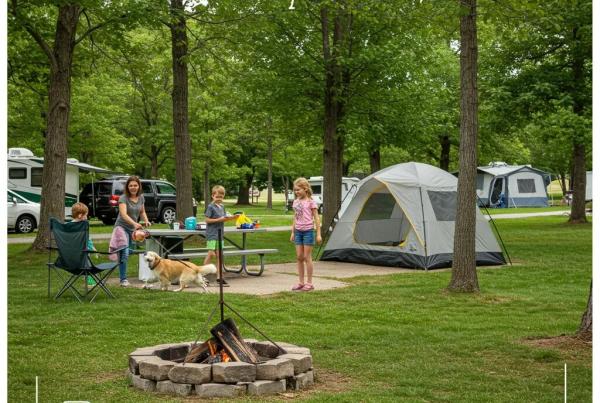


Seasonal RV Parks vs. Regular Campgrounds in Michigan: What’s the Difference for Campers?
Michigan offers fantastic outdoor adventures for families, whether you choose a seasonal RV park or a regular campground. While both provide access to nature, they cater to different needs and budgets for travelers and local campers. This guide breaks down what seasonal RV parks are, how they differ from transient campgrounds, and why families, retirees, or frequent visitors might lean towards one over the other. You’ll discover the key features of seasonal RV parks in Michigan, the typical setup of regular campgrounds, cost comparisons to help you save, and a practical checklist to pick the best option for you. We’ll even show you how Walnut Hills Family Campground by GatherGrounds Resorts embodies seasonal camping benefits and how to inquire about their Seasonal RV Sites. Keep reading for clear definitions, comparison tables, amenity lists, and actionable steps to decide if seasonal RV camping or transient stays are right for your plans this season.
What Exactly Are Seasonal RV Parks in Michigan?
Seasonal RV parks in Michigan are campgrounds that offer long-term site leases for a set season, usually during the warmer months. This setup lets campers establish a consistent home base. Instead of renting by the night, you lease a site for the entire season. This allows you to personalize your space, store items on-site, and enjoy predictable access to utilities and community activities. Seasonal parks often come with full hookups, social events, and recreation amenities, making them perfect for families and part-time residents who value convenience and a sense of community. Understanding these features will help you decide if the stability and social connections of a seasonal site fit your lifestyle and budget, and how they compare to regular campgrounds.
How Do Seasonal RV Parks Differ from Regular Campgrounds?
The main differences between seasonal RV parks and regular campgrounds lie in the duration of stay, reservation model, personalization options, and community structure. Seasonal sites focus on long-term occupancy and building neighborly relationships, while regular campgrounds are designed for shorter, more flexible stays. Seasonal leases typically cover several months with an upfront payment and a designated site, whereas regular campgrounds allow nightly or weekly bookings with high flexibility for travel. Seasonal sites let you add semi-permanent furnishings and store items off-season, offering more convenience but less travel freedom compared to transient camping.
The table below highlights the core differences to help you make a quick decision.
This table shows that seasonal sites offer stability, while transient camping offers flexibility. Your decision should align with your personal travel habits and lifestyle goals.
What Amenities and Features Are Common at Seasonal RV Parks?

Seasonal RV parks commonly provide reliable full hookups, community recreation areas, and scheduled activities that create a resort-like living experience for campers staying for months. Typical amenities include utility hookups, playgrounds, dog parks, swimming areas, and organized weekend events that support family routines and social connections. These built-in conveniences simplify daily logistics and allow seasonal campers to enjoy a steady calendar of activities without the hassle of moving campsites.
Seasonal RV parks typically include:
- Full water, sewer, and electrical hookups for dependable utility access.
- Community recreation like pools, playgrounds, and group events.
- Storage and personalization options that make long-term stays comfortable.
These common amenities explain why seasonal parks attract campers looking for a stable, activity-filled summer base, and they set the stage for how regular campgrounds differ in purpose and design.
What Defines Regular Campgrounds in Michigan?
Regular campgrounds in Michigan are designed for short stays, emphasizing nightly or weekly booking flexibility. This allows campers to easily move between locations and explore different parts of the state without long-term commitments. They serve a wide range of visitors, from families on weekend getaways to RVers on cross-country trips, and often balance basic utilities with access to nearby trails and natural attractions. Regular campgrounds prioritize mobility and discovery over personalization, offering fewer options for long-term storage or semi-permanent site modifications. With this foundation, the following sections will describe typical stays and how these campgrounds support flexible camping experiences.
What Are the Typical Stays and Facilities at Regular Campgrounds?
Typical stays at regular campgrounds range from one night to a few weeks. Campsites offer varying levels of hookups, depending on the park. Facilities commonly include restrooms, showers, picnic tables, fire rings, and sometimes full-hookup sites for RVs. Many parks focus on providing access to trails, lakes, or day-use areas. The booking model is ideal for short stays and often requires less upfront cost, making transient camping attractive for travelers exploring new areas or on multi-stop trips. These booking norms naturally support spontaneous travel and lead into a broader discussion of flexibility benefits.
Regular campground facilities checklist:
- Restroom and shower facilities suitable for short-term visits.
- A mix of primitive and utility-equipped sites to accommodate different camper needs.
- Proximity to trails or natural attractions for exploration.
Summarizing the facilities at transient campgrounds highlights why flexibility-focused campers choose them, and it leads into an examination of the practical advantages of that flexibility.
How Do Regular Campgrounds Support Flexible Camping Experiences?
Regular campgrounds empower exploration by allowing campers to change locations frequently, experience diverse landscapes, and avoid the commitment of seasonal leases. This model reduces upfront financial obligations and helps travelers adjust their routes or stays based on weather, events, or personal schedules. For families and solo travelers focused on discovery rather than a fixed base, transient camping supports varied itineraries and lower immediate costs. Understanding these strengths helps readers decide whether mobility or community is more important, which sets up the next section on the benefits of seasonal RV camping.
Flexibility advantages include:
- Easy itinerary adjustments without lease obligations.
- Lower upfront costs for short-term trips.
- Opportunities to explore regions before committing long-term.
These points about flexibility prepare the reader to compare the cost and community benefits of seasonal camping in the following section.
What Are the Main Benefits of Choosing Seasonal RV Camping in Michigan?
Seasonal RV camping offers three key advantages: potential cost savings over many nights, convenience through predictable utilities and storage, and a strong sense of community built on regular events and neighborly relationships. The season-long model consolidates campground costs into a single fee, which often lowers the effective nightly cost for frequent visitors and supports lifestyle benefits like on-site programming.
How Does Seasonal Camping Offer Cost Savings Compared to Regular Camping?
Seasonal fees often translate to a lower implied nightly cost when campers use the site repeatedly throughout a season, making the upfront payment worthwhile for frequent visitors. For instance, converting seasonal fees to nightly equivalents can reveal significant savings compared to paying nightly rates for the same number of visits. The table below provides example seasonal fee ranges, durations, and implied per-night costs to help you calculate your own savings; remember that regional differences and included utilities will affect actual savings.
This illustrative math shows that regular visitors who stay many weekends can achieve a lower effective per-night cost with a seasonal site. This leads into the social and convenience impacts of seasonal living.
In What Ways Does Seasonal Camping Foster Community and Convenience?
Seasonal camping builds community by creating consistent neighborly relationships, scheduled family events, and predictable activities that integrate campers into the local campground culture. Convenience comes from reduced packing, on-site storage, and the ability to customize a long-term site, which simplifies life for families and repeat visitors. These combined advantages enhance the quality of life during the camping season and create repeatable weekend experiences for children and groups.
Community & convenience highlights:
- Regular weekend programming supports family engagement.
- On-site storage and personalization make repeat visits easier.
- Predictable utilities and updated facilities reduce logistical challenges.
These community benefits point to real-world examples of parks that offer such programming, which we explore next with Walnut Hills Family Campground.
How Does Walnut Hills Family Campground Exemplify Seasonal RV Camping in Michigan?
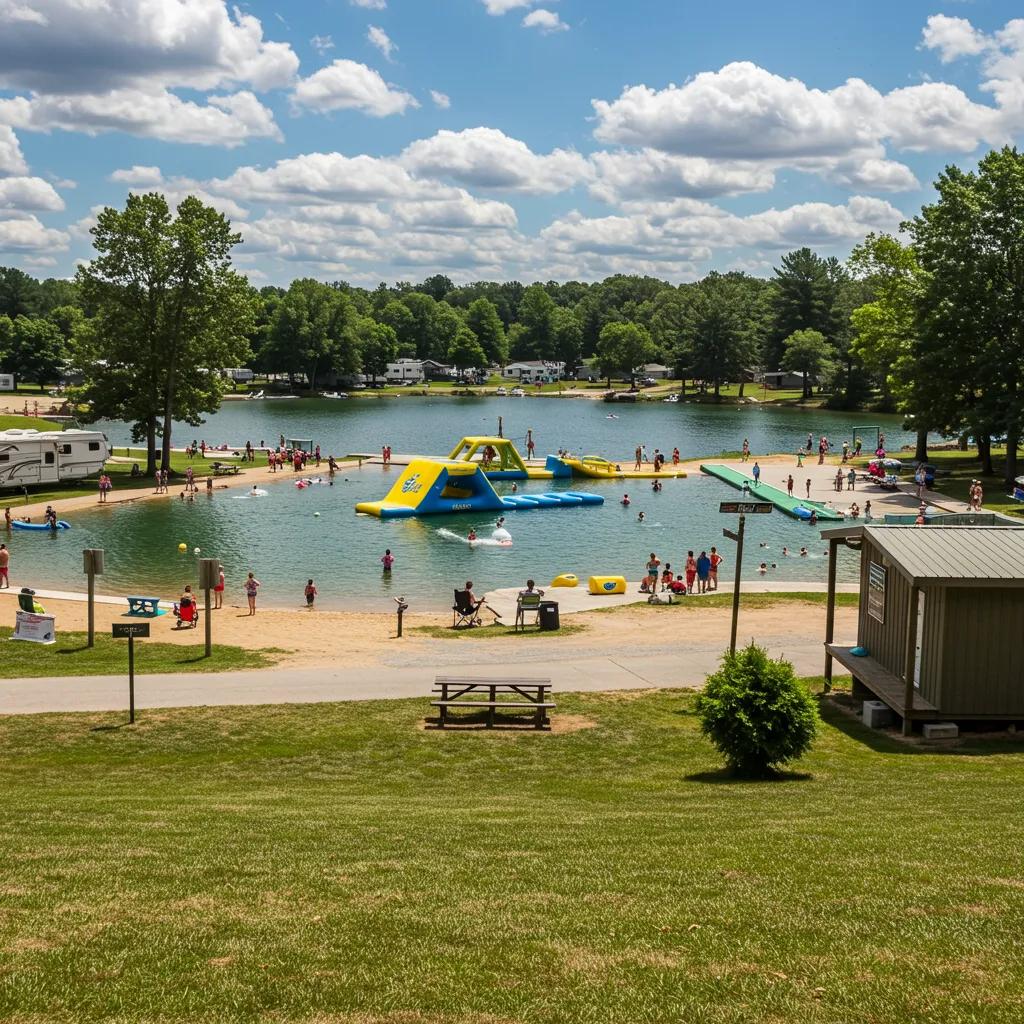
Walnut Hills Family Campground, managed by GatherGrounds Resorts, showcases many aspects of seasonal RV parks by combining long-term site options with family-focused amenities and on-site services that support seasonal living. The campground is situated on a spacious property and offers various site types, including Seasonal RV Sites that align with the seasonal model we’ve discussed. Walnut Hills pairs practical upgrades like renovated bathrooms with recreational activities that keep seasonal campers engaged and comfortable throughout their stay. The next section lists Walnut Hills’ amenities and how they benefit seasonal campers.
What Seasonal Amenities and Activities Does Walnut Hills Offer?
The amenity table below maps Walnut Hills’ features to the benefits they provide for seasonal campers, using actual amenities reported for the property and their clear value to long-term guests. Amenities include a Wibit water park, swimming lake, playgrounds, dog park, multiple sports courts, a game room, ball field, family weekend events, river float access via Cheff’s Canoe Rental, and renovated bathrooms. These features offer consistent programming, diverse recreation, and practical comfort for families and repeat visitors.
This amenity mapping demonstrates how Walnut Hills’ offerings directly support the social, recreational, and comfort priorities of seasonal campers, and it leads into the practical steps for making a reservation.
How Can Campers Reserve Seasonal Sites at Walnut Hills?
To reserve or inquire about Seasonal RV Sites at Walnut Hills, begin by checking the campground’s Seasonal RV Sites availability and program details on GatherGrounds Resorts’ website. Then, contact the campground directly for specifics on season dates and payment schedules. Be sure to ask about site types, hookups, storage rules, and any waiting lists or application processes to secure your seasonal spot. Planning early is recommended because high-demand seasonal programs often fill up as the season approaches, and your site selection can impact your community placement and access to amenities.
Reservation steps summary:
- Review Seasonal RV Sites availability and season dates.
- Inquire about site types, hookups, and payment terms.
- Request placement preferences and ask about waiting lists.
These steps help align expectations before you commit to a seasonal lease and prepare you for the final decision checklist below.
How Should Campers Choose Between Seasonal RV Parks and Regular Campgrounds in Michigan?
Your choice between seasonal and transient camping depends on your budget, how often you plan to camp, your desire for community, and logistical needs like storage or proximity to home. A structured checklist can help you weigh these factors and make a decision that fits your lifestyle and financial goals. The following decision checklist presents focused questions to guide you through self-assessment and campground inquiries, helping you determine which model is the best fit.
What Factors Influence the Choice Between Long-Term and Short-Term Camping?
Key factors include how many times you’ll visit the site per season, your comfort level with upfront seasonal fees, your need for on-site storage or personalization, your interest in social programming, and your flexibility requirements for travel or work. Financial analysis—comparing the implied nightly cost of a seasonal fee to anticipated nightly rates—clarifies the value for frequent visitors. Lifestyle questions help determine whether neighbor continuity or mobility is more important. Practical logistics like winter storage and proximity to home also play a role when choosing a multi-month lease. These considerations can point towards scenarios where seasonal camping is the stronger choice.
Self-assessment checklist:
- How many weekends or nights do you anticipate using the site this season?
- Do you need storage or the ability to personalize your site?
- Is regular social programming important for your family?
This checklist helps you apply the earlier comparisons to your personal situation and points you toward the most suitable camping model.
When Is Seasonal Camping the Best Option for Families and Groups?
Seasonal camping is often ideal for local families who plan regular weekend visits, retirees or part-timers seeking a stable summer base, and groups that host recurring gatherings or need a fixed meeting spot. It’s best for campers who value routine activities for children, predictable utility access, and a community environment that supports ongoing social events. When these lifestyle elements are priorities and the implied per-night cost of a seasonal lease is favorable, seasonal sites offer clear advantages over transient stays. If mobility, exploration, or minimal upfront cost is more important, regular campgrounds remain the better choice.
Scenarios favoring seasonal camping:
- Families visiting most weekends and seeking child-friendly programming.
- Retirees wanting a summer home-base with minimal daily logistics.
- Groups hosting recurring events that require a consistent meeting site.
These scenarios clarify when to pursue Seasonal RV Sites and complete the decision framework for selecting the right Michigan camping experience.
Frequently Asked Questions
What types of campers benefit most from seasonal RV parks?
Seasonal RV parks are particularly beneficial for families who plan to camp regularly throughout the season, retirees looking for a stable summer base, and groups that host recurring gatherings. These campers appreciate the community atmosphere, predictable amenities, and the ability to personalize their sites. The long-term commitment allows for a more relaxed camping experience, where they can engage in scheduled activities and build relationships with neighbors, making it an ideal choice for those who prioritize routine and social interaction.
Are there any downsides to choosing seasonal RV parks?
While seasonal RV parks offer many benefits, there are some downsides to consider. The primary drawback is the upfront cost associated with seasonal leases, which can be significant compared to nightly rates at regular campgrounds. Additionally, seasonal campers may have less flexibility to travel spontaneously, as they are committed to a specific site for the duration of the season. This can limit the opportunity to explore different areas or change plans based on weather or personal circumstances.
How do seasonal RV parks accommodate families with children?
Seasonal RV parks are designed with families in mind, often featuring amenities such as playgrounds, swimming pools, and organized activities tailored for children. Many parks host family-friendly events, such as movie nights, sports tournaments, and holiday celebrations, fostering a sense of community among families. The predictable environment allows children to form friendships and engage in regular activities, making it easier for parents to plan their summer schedules around these offerings.
What should I consider when selecting a seasonal RV park?
When selecting a seasonal RV park, consider factors such as location, amenities, and community atmosphere. Evaluate the park’s proximity to home, recreational opportunities, and the types of facilities available, such as pools, playgrounds, and social events. Additionally, assess the park’s rules regarding site personalization and storage options. It’s also wise to read reviews from other campers to gauge the overall experience and community vibe, ensuring it aligns with your family’s needs and preferences.
Can I switch between seasonal RV parks during the season?
Switching between seasonal RV parks during the season is generally not feasible, as seasonal leases typically require a commitment to one specific site for the entire duration. However, some parks may offer flexibility in terms of site changes within their property, but this varies by campground. If you anticipate needing to move frequently, a regular campground with nightly or weekly reservations may be a better fit, allowing for greater mobility and exploration throughout the season.
What are the typical payment structures for seasonal RV parks?
Payment structures for seasonal RV parks usually involve an upfront fee for the entire season, which can range from a few hundred to several thousand dollars, depending on the park’s amenities and location. Some parks may offer payment plans or financing options to spread the cost over several months. It’s important to inquire about any additional fees, such as utility costs or maintenance charges, to fully understand the financial commitment before reserving a seasonal site.
How can I enhance my experience at a seasonal RV park?
To enhance your experience at a seasonal RV park, actively participate in community events and activities, which can help you build relationships with fellow campers. Personalizing your site with outdoor furniture, decorations, and recreational equipment can create a more inviting atmosphere. Additionally, consider organizing group outings or potluck dinners to foster connections with neighbors. Engaging with the park’s staff and other campers can lead to valuable tips and recommendations for making the most of your seasonal camping experience.
Conclusion
Deciding between seasonal RV parks and regular campgrounds in Michigan can significantly enhance your camping experience, depending on your lifestyle and preferences. Seasonal parks offer potential cost savings, a strong sense of community, and added convenience, making them ideal for families and frequent visitors. By understanding your camping habits and needs, you can make an informed decision that aligns with your goals. Explore your options today to find the perfect fit for your next outdoor adventure.