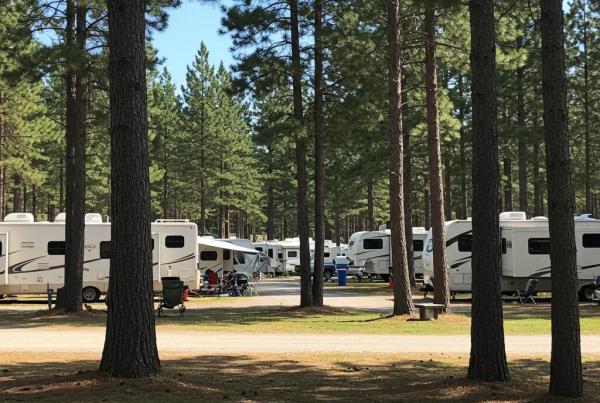
Find Your Ideal Campground Broker
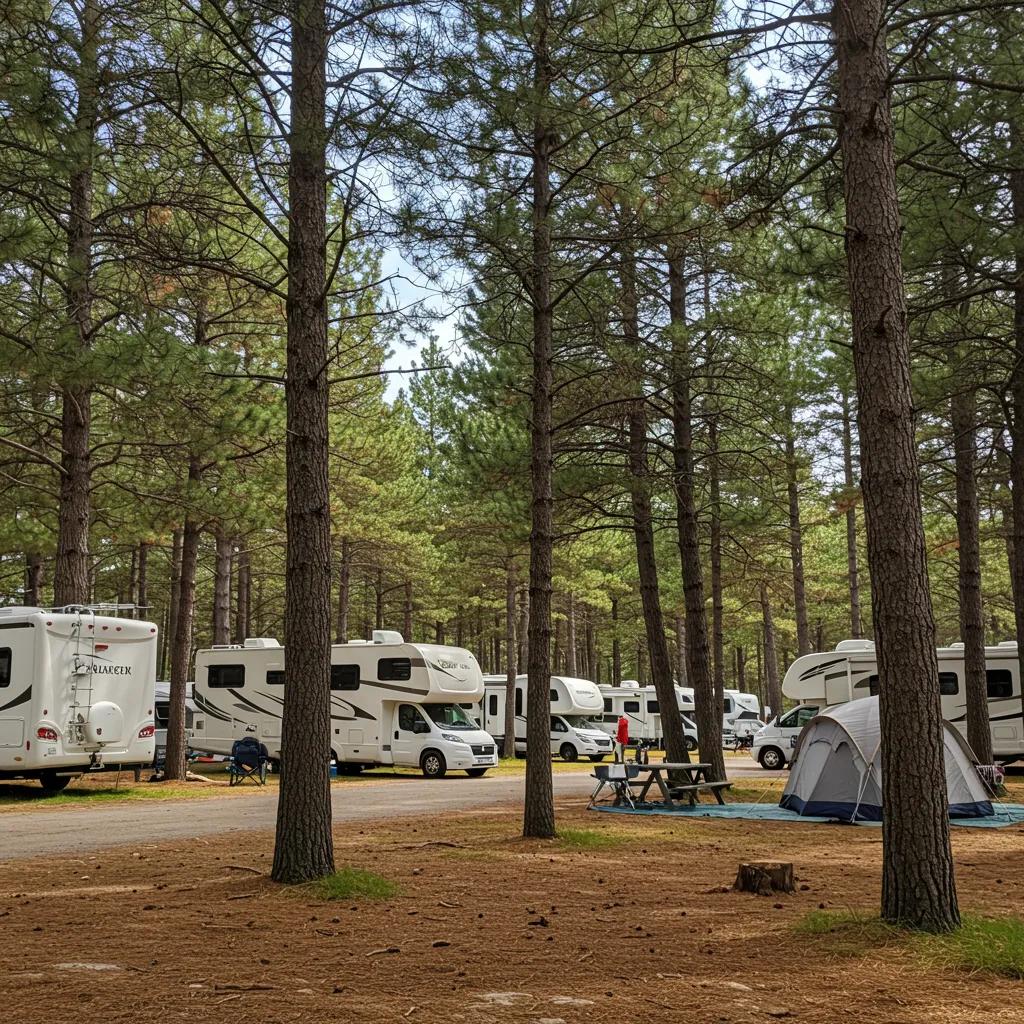
Selling a campground or RV park is a major decision that requires choosing between listing with a broker or pursuing a direct sale to an operator. This guide explains how to evaluate both paths so you can maximize value while protecting your legacy. You will learn what a campground broker does, the core criteria for comparing brokers, practical preparation steps for a sale in the 2025 market, and the realistic trade-offs between brokered listings and direct acquisitions. Campground owners face common pain points—confidentiality, valuation uncertainty, and the burden of showings—and this guide promises clear, actionable steps to reduce those risks and clarify timelines. The article maps the decision process across broker services, evaluation checklists, alternatives including direct buyers, document and valuation preparation, legal and financial considerations, and a focused look at a family-owned direct buyer model. Throughout, we weave in search-relevant terms like campground broker, sell your campground, campground valuation, and direct campground buyer so you can find the resources you need to make an informed sale decision.
What Is a Campground Broker and How Do They Help Sell Your Property?
A campground broker is a specialized real estate intermediary who markets campgrounds and RV parks, connects sellers with qualified buyers, and manages transaction steps that typically include valuation, buyer screening, negotiation, and deal closing. By leveraging industry-specific marketing and buyer networks, a broker increases exposure and can produce competitive offers that often improve net proceeds for sellers. Working with a broker is especially valuable when a property is complex, requires buyer financing expertise, or when the seller wants wider market reach without direct outreach. The next subsection breaks down the specific services brokerage firms provide and how each service impacts seller outcomes.
What Services Do RV Park Brokerage Firms Typically Offer?
Brokerage firms for campgrounds typically offer listing preparation, targeted marketing, buyer qualification, negotiation support, and coordination of due diligence and closing tasks. Listing preparation includes compiling financial summaries, occupancy metrics, and marketing materials that present a park’s revenue streams and operational strengths, which directly affects buyer perception and offer quality. Targeted marketing reaches owner-operators, private investors, and institutional buyers through email outreach, private networks, and industry listings, improving the chance of multiple offers. Effective negotiation and due diligence coordination reduce seller exposure to problematic bidders while accelerating a clean close.
When Should You Consider Using a Campground Real Estate Agent?
You should consider engaging a campground real estate agent when your park has complex revenue streams, requires specialty financing, or you need confidentiality and broad buyer outreach to achieve market value. Agents add value when you anticipate competing offers, seek assistance interpreting occupancy and NOI metrics, or prefer professional handling of buyer vetting and escrow processes. If your objective is to maximize sale price and you have time for a marketed process, broker representation often yields better financial results. The following section outlines pros and cons to help you weigh those benefits against costs and timelines.
What Are the Pros and Cons of Selling Through a Broker?
Selling through a broker offers broader exposure, experienced negotiation, and structured processes that often increase sale price, but it also typically involves commission fees, longer timelines for marketing, and less direct control over buyer selection. Brokers can bring qualified buyer networks and handle regulatory issues, which reduces seller effort and risk during due diligence. Conversely, commissions (commonly a percentage of sale price) and public listings can extend the timeline and require many showings, which may disrupt operations. We next examine how to compare brokers on experience, network, and fees so you can align a broker’s strengths with your sale goals.
How to Compare the Best RV Park Brokers: Key Factors to Evaluate
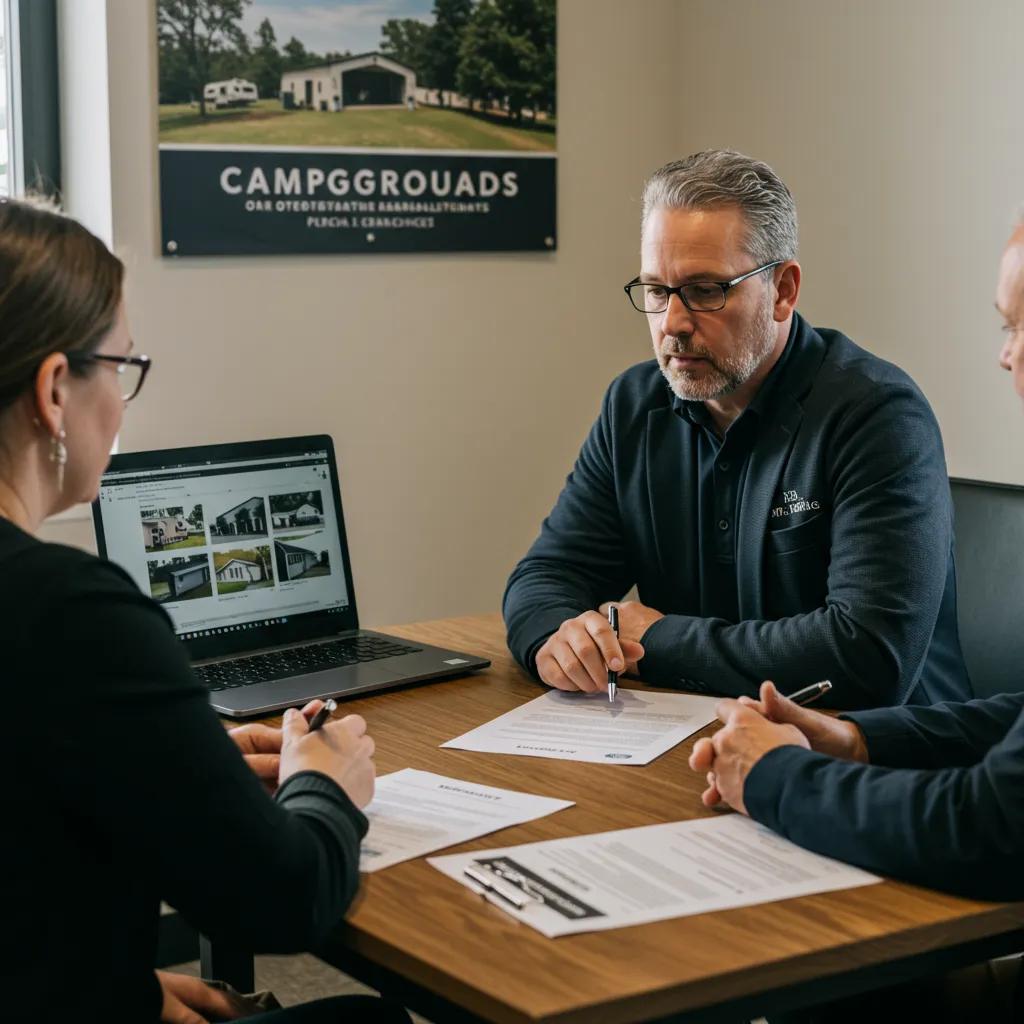
Comparing brokers requires focused criteria: demonstrated campground experience, the relevance and depth of their buyer network, marketing strategy, fees and commission structure, and verified track record of closed deals. These factors determine how effectively a broker will position your property, attract qualified buyers, and negotiate favorable terms. Use short interview questions to probe experience with similar park sizes and regional markets, and ask for anonymized case studies showing buyer types and outcomes. The following list highlights the top evaluation criteria to use when screening brokers.
Campground broker evaluation criteria:
- Experience with similar park size and operational model, showing relevant comparable transactions.
- Depth and relevance of buyer network, including owner-operators, private investors, and lenders.
- Marketing strategy and reach, with targeted outreach and high-quality offering materials.
- Fee structure and negotiation flexibility that preserves net seller proceeds.
- References and documented track record of completed sales and timelines.
These five criteria help prioritize which brokers can most likely deliver a confidential, efficient sale and the best net proceeds for your campground; next we explore specific evidence to request when validating those claims.
Intro to broker comparison table: the table below summarizes core broker attributes sellers commonly use when scanning options, providing a quick visual to compare typical fees and buyer network breadth.
This table clarifies negotiation levers and what evidence to request; the next section explains how specific experience and networks influence sale outcomes.
What Experience and Market Expertise Should You Look For?
Seek brokers who have closed transactions for parks of comparable size and regional characteristics and who can demonstrate knowledge of seasonal occupancy and local regulations. Satisfactory answers include recent comparable sales, clear explanation of buyer profiles, and evidence of successfully navigating buyer financing contingencies. Red flags include vague answers about past deals or inability to describe the marketing channels used to reach active buyers. Understanding a broker’s regional competence helps predict realistic timeline and valuation expectations.
How Do Broker Networks and Buyer Connections Impact Your Sale?
A broker’s buyer network determines both speed and price discovery because highly relevant networks attract qualified bidders more likely to make strong offers with credible financing. Networks that include owner-operators and lenders improve the probability of offers that preserve operational continuity and close reliably. Ask for examples of buyer types and inquire how the broker targets buyers for parks similar to yours. The impact of network quality is often the difference between a single lowball offer and multiple competitive offers.
What Are Typical Brokerage Fees and Commission Structures?
Brokerage fees commonly take the form of percentage commissions, often between 6–10%, sometimes with tiered incentives for higher sale prices or additional retainers for marketing. Negotiation levers include adjusting commission splits for accelerated closings, caps on marketing expenses, or success-fee structures tied to benchmarks. Understanding fee models helps you compare net proceeds across different broker proposals. Armed with fee transparency, sellers can weigh the benefit of brokered exposure against commission costs.
What Are the Alternatives to Using a Campground Broker?
Alternatives to listing with a broker include selling directly to a private buyer, pursuing a for-sale-by-owner (FSBO) route, or accepting a direct acquisition from an operator that purchases and operates parks. Each alternative trades off speed, confidentiality, and control against potential price maximization. Direct sales to operators can be faster and less disruptive because they often require fewer showings and involve buyers already experienced in campground operations. The next subsection describes how a direct acquisition by a family-owned operator might work and what sellers should expect during that process.
The market for RV parks has seen significant transaction volumes, with notable sales figures and common financing methods influencing deal structures.
RV Park Sales and Financing in the US
The largest volume of sales for RV parks in South Carolina ($2.3 million per park), whereas the largest volume of sales for RV parks in the United States was $10.3 million in 2021. Conventional bank financing for RV parks is similar to conventional bank financing for other types of commercial real estate.
Thesis Topic: What makes a successful RV Park in the US, 2022
How Does Selling Directly to GatherGrounds Resorts Work?
Selling directly to GatherGrounds Resorts means engaging with a family-owned operator that evaluates parks for direct acquisition, particularly those with more than 130 sites, and prioritizes a thoughtful transition for sellers and communities. The typical flow begins with an initial inquiry and information exchange, followed by a valuation review and a confidential offer if the property fits the buyer’s criteria. GatherGrounds emphasizes a considerate transition to preserve legacy and community relationships, and their approach serves as an alternative to a brokered market listing for qualifying parks. Sellers should expect a streamlined, operator-focused process with an emphasis on continuity.
What Are the Benefits of a Direct Sale Compared to Brokerage Services?
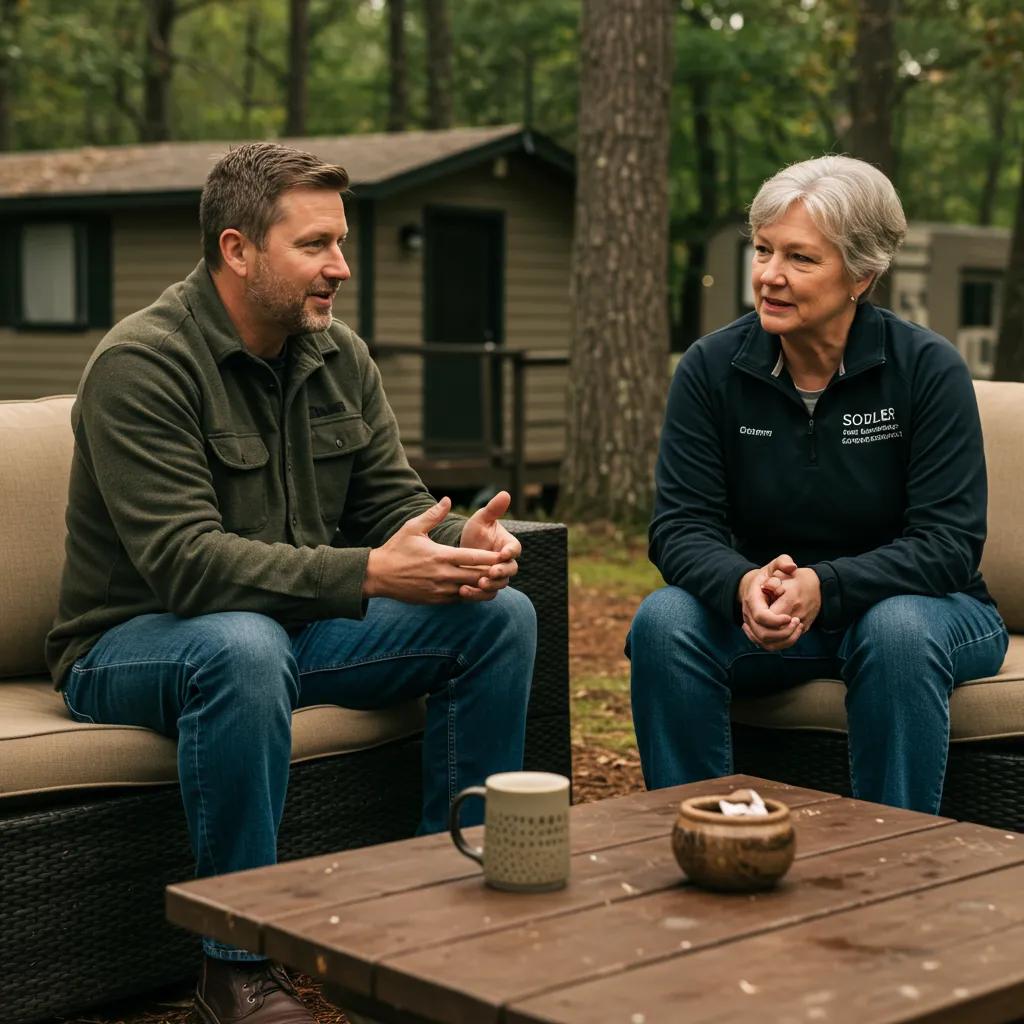
Direct sales to an operator usually offer faster timelines, fewer showings, and lower transaction friction because the buyer is often pre-qualified and operationally aligned. Reduced marketing and commission costs can increase net proceeds and limit public exposure, which helps protect staff morale and guest relations. However, direct sales may narrow competitive bidding compared to a broad market listing, so it’s important to balance speed and certainty against potential price uplift from a brokered auction. This tradeoff informs whether you pursue a direct buyer or a brokered path.
How Does GatherGrounds Ensure a Thoughtful Transition for Sellers?
GatherGrounds frames a thoughtful transition around preserving legacy, honoring community ties, and maintaining staff continuity by working directly with sellers to plan operational handover steps. This approach typically includes collaborative planning for owner involvement during transition, attention to staff retention practices, and continuity of guest-facing services to protect the park’s reputation. Emphasizing continuity often reduces community disruption and aligns with sellers who value stewardship over institutional changes. Considering transition practices helps sellers choose a buyer aligned with their legacy priorities.
How to Prepare Your Campground or RV Park for Sale
Preparing your campground for sale requires assembling accurate financial documents, clarifying valuation metrics like NOI and occupancy, and making targeted property improvements that increase buyer interest and valuation multiples. Buyers and brokers will focus on gross revenue, net operating income, occupancy trends, and amenity-based revenue streams, so clear reporting of these metrics shortens diligence and increases buyer confidence. The next subsection lists essential documents and explains why each matters during the sale process.
Key documents every seller should prepare:
- Financial statements and tax returns for at least the last 2–3 years showing gross revenue and expenses.
- Operating reports detailing occupancy, average daily rate (ADR), and seasonal patterns.
- Maintenance records, capital improvement logs, and site maps that document infrastructure condition.
- Vendor contracts and staffing information that clarify ongoing operational commitments.
Preparing these documents reduces buyer friction and speeds due diligence; the following table clarifies document purpose and seller actions.
Intro to document table: this table lists essential sale documents, why buyers request them, and what the seller should prepare to expedite offers.
This table helps sellers understand the due diligence shortcut that organized documentation provides; next we discuss valuation methods suited to 2025 market conditions.
What Financial Documents and Valuation Metrics Are Essential?
Essential financial documents include tax returns, profit-and-loss statements, monthly occupancy and ADR reports, and a summary of non-operating expenses; these documents enable buyers to calculate NOI and evaluate revenue multiples. Buyers use gross revenue multiples and cap-rate approaches to estimate market value, while lenders will scrutinize documented cash flow and expense normalization. Preparing clear, organized records reduces buyer questions and supports stronger offers. The next subsection explains how 2025 market dynamics influence valuation expectations.
How to Accurately Value Your Campground in 2025 Market Conditions?
Valuing a campground in 2025 requires blending gross revenue multiples with cap-rate assessments while accounting for softer multiples and rising cap rates observed across outdoor hospitality investments in the current market. Sellers should expect that multiples have compressed relative to peak years and that buyers place greater emphasis on verified NOI, deferred maintenance, and stable occupancy trends. Practical steps include obtaining a professional opinion of value, normalizing discretionary expenses, and benchmarking against comparable sales of parks with similar site counts and regional demand. Transparent financials and conservative projections help set realistic expectations.
What Property Improvements Can Increase Sale Value?
High-ROI improvements focus on infrastructure reliability, guest experience, and revenue diversification—examples include upgraded utilities, improved Wi-Fi, enhanced amenity offerings, and cabins or glamping units that increase average revenue per site. Prioritize maintenance tasks that buyers will immediately credit, such as electrical system repairs, site grading, and updated septic or water systems because these reduce buyer contingency risk. Small investments in guest-facing improvements such as cleaner bathhouses, landscaping, and clear signage often yield disproportionate buyer interest. Planning targeted improvements based on buyer feedback typically yields better valuation uplift than broad, expensive renovations.
What Is the Selling Process When Working with a Broker vs. Direct Buyer?
The selling process differs in complexity, timeline, and seller touchpoints: brokered sales follow a marketing-to-close pathway with listing, showing, LOI, and formal due diligence, while direct acquisitions streamline steps into inquiry, valuation, offer, and transition. Brokers provide marketing and competitive bidding that can increase price but also require more showings and longer public exposure. Direct buyers—especially operator-buyers—tend to move faster with fewer intermediaries and more operationally focused due diligence. The table below compares typical timelines and complexity across methods to help you select the best route for your priorities.
Intro to process comparison table: the table below maps selling method to typical timelines and seller involvement to offer a clear side-by-side view.
This comparison highlights trade-offs between potential price uplift and speed or certainty; next we detail the brokered sale steps and seller responsibilities.
What Are the Typical Steps in a Broker-Facilitated Sale?
A broker-facilitated sale commonly begins with a listing agreement, followed by preparation of offering materials, targeted marketing, buyer qualification, receipt of offers, selection of an LOI, and then formal due diligence leading to closing and escrow. Each step has expected durations—marketing and buyer solicitation can take months while due diligence and closing add additional weeks—so sellers should plan for a multi-stage timeline. Brokers coordinate showings and confidentiality, handle negotiations, and help manage buyer contingencies that can otherwise stall deals. Proper preparation and clear communication with your broker helps reduce surprises and speeds the process.
How Does the GatherGrounds Direct Acquisition Process Differ?
GatherGrounds’ direct acquisition process emphasizes a simpler sequence: inquiry and information exchange, valuation and confidentiality review, a focused offer if the park fits criteria (often parks over 130 sites), and a collaborative transition plan centered on continuity. This streamlined path reduces the volume of showings, concentrates diligence on operational and financial documentation, and aims for faster decision-making because the buyer is operator-focused. GatherGrounds’ approach centers on preserving legacy and reducing seller disruption, which can be advantageous for owners prioritizing stewardship and a prompt close.
How Can You Ensure a Smooth and Efficient Sale Regardless of Method?
To ensure a smooth sale, organize financials and property records early, set realistic price expectations based on current market conditions, and plan stakeholder communications to protect staff and guest relationships. Confidentiality protocols, a clear showing plan, and pre-compiled due diligence folders reduce delays and buyer concerns. Engage appropriate advisors—legal, tax, and valuation professionals—to vet offers and contract language before accepting terms. These preparations limit surprises and increase your bargaining position whether you choose a brokered sale or a direct buyer.
What Legal and Financial Considerations Should Sellers Know?
Sellers must understand common contract terms, tax implications, and buyer financing structures because these elements materially affect net proceeds, timing, and post-sale obligations. Purchase agreements typically address escrow, contingencies, asset vs. stock sale treatment, and seller representations; negotiating favorable terms requires clear counsel. Tax consequences—capital gains, depreciation recapture, and state-specific treatments—should be reviewed with tax counsel early in the process to plan for net after-tax proceeds. The next subsections outline contract elements, tax considerations, and buyer financing options sellers commonly face.
What Are Common Contract Terms in Campground Sales?
Common contract terms include earnest money deposits, inspection and financing contingencies, representations and warranties about property condition, escrow instructions, and closing conditions that allocate risk between buyer and seller. Asset vs. stock sale distinctions determine which liabilities transfer and can dramatically change tax and legal exposure. Sellers should negotiate escrow timelines, cap on reps and warranties, and cure periods for discovered issues to limit post-close liability. Using experienced counsel ensures contract language aligns with your risk tolerance and financial objectives.
How Do Tax Implications Affect Selling Your RV Park?
Tax implications of selling an RV park commonly include capital gains taxation on the sale proceeds and potential depreciation recapture; these outcomes depend on how the transaction is structured and applicable tax rules. Sellers should consult tax advisors early to evaluate implications of asset versus stock sales, installment sale options, and opportunities to reinvest proceeds in tax-advantaged vehicles. A thoughtful tax plan can preserve more of your net proceeds and influence whether certain deal structures are attractive. Proper tax planning should be part of your sale timeline and negotiation strategy.
What Financing Options Are Available to Buyers and How Does This Impact Sellers?
Buyers typically use a mix of financing options—SBA loans, conventional bank financing, private equity, or seller financing—and the financing type affects both timeline and certainty of close. SBA and conventional financing often require extended underwriting and property-level covenants, which can lengthen due diligence; private or operator buyers may close faster but with different contingencies. Seller financing can bridge valuation gaps and speed deals but exposes sellers to credit risk and ongoing obligations. Evaluate offers not just on price but on financing certainty and timelines.
Why Choose GatherGrounds Resorts as Your Direct Campground Buyer?
GatherGrounds Resorts positions itself as a family-owned direct buyer focused on acquiring and operating campgrounds and RV parks, with a preference for larger properties typically over 130 sites and an emphasis on thoughtful transitions that preserve legacy and community values. For owners looking for an alternative to traditional brokerage that reduces public exposure and the burden of marketing, GatherGrounds offers a streamlined acquisition approach. Their stated priorities include stewarding community relationships and managing operator-level transitions that protect staff and guest experience. If preserving the park’s culture and achieving a low-friction sale are priorities, a careful conversation about direct acquisition can be a constructive next step.
The successful operation of RV parks hinges on various strategic elements, from financial management to guest experience, as highlighted in academic research.
Strategies for Sustaining Successful RV Parks
ABSTRACT: Fitzgerald, Brenda Diane.California Southern University ProQuest Dissertations & Theses, 2023. 30526568.
Strategies for Sustaining Successful RV Parks in the Southeast Texas Region, 2023
How Does GatherGrounds Preserve Family Values and Legacy?
GatherGrounds emphasizes family-owned stewardship and thoughtful transition practices aimed at preserving a park’s legacy, community relationships, and staff continuity during ownership change. This stewardship approach involves collaborating with sellers to plan transition steps that maintain operational stability and honor local ties that matter to guests and employees. Sellers who prioritize legacy preservation often value these commitments because they reduce the cultural disruption that can follow an institutional sale. A shared focus on continuity can ease the emotional and operational complexities of transferring ownership.
What Are the Advantages of Partnering with a Family-Owned Buyer?
Partnering with a family-owned buyer typically yields streamlined decision-making, personalized negotiation, and an operational mindset focused on long-term stewardship rather than rapid asset turnover. Family-owned operators often have fewer corporate layers, which accelerates approvals and enables tailored transition arrangements for staff and community integration. For sellers valuing continuity and relational handover, a family-owned buyer can offer greater alignment with legacy objectives than some institutional buyers. This alignment often translates into smoother transitions and preservation of a park’s character.
How Can You Start a No-Pressure Conversation with GatherGrounds?
To start a no-pressure conversation, prepare a concise package of key property metrics—site count, annual gross revenue, recent NOI, and a high-level description of amenities—and be ready to discuss transition priorities and timeline flexibility. Presenting essential information enables a respectful, efficient initial dialogue focused on fit rather than immediate commitments. GatherGrounds’ stated approach is to evaluate parks that match their operational criteria and then collaborate on a transition plan that aligns with seller goals. If a direct sale is appealing, an exploratory conversation clarifies options and next steps without obligating either party to list or accept offers.
Frequently Asked Questions
What are the key factors to consider when choosing a campground broker?
When selecting a campground broker, consider their experience with similar properties, the depth of their buyer network, and their marketing strategies. Evaluate their fee structure and track record of successful sales to ensure they align with your goals. Additionally, ask for references and case studies to gauge their effectiveness in closing deals. A broker’s familiarity with your local market and their ability to navigate complex transactions can significantly impact your sale’s success.
How can I prepare for buyer due diligence during the sale process?
Preparing for buyer due diligence involves organizing all relevant financial documents, operational reports, and maintenance records. Ensure that your tax returns, occupancy rates, and profit-and-loss statements are up-to-date and easily accessible. Additionally, be ready to address any potential concerns regarding property condition or operational commitments. A well-prepared seller can facilitate a smoother due diligence process, instilling confidence in potential buyers and expediting the sale.
What should I know about the legal aspects of selling my campground?
Understanding the legal aspects of selling your campground is crucial. Familiarize yourself with common contract terms, such as earnest money deposits, contingencies, and representations about property condition. It’s also important to know the implications of asset versus stock sales, as this can affect liability and tax exposure. Consulting with a real estate attorney can help you navigate these complexities and ensure that your interests are protected throughout the transaction.
What financing options do buyers typically use for campground purchases?
Buyers often utilize various financing options, including conventional bank loans, SBA loans, private equity, and seller financing. Each option has different implications for the sale process, such as timelines and buyer qualifications. Understanding these financing methods can help you assess offers more effectively and gauge the likelihood of a successful closing. Being aware of the buyer’s financing can also inform your negotiation strategy and expectations regarding the sale timeline.
How can I enhance my campground’s appeal to potential buyers?
Enhancing your campground’s appeal involves making strategic improvements that increase its value and attractiveness. Focus on high-ROI upgrades, such as improving amenities, enhancing guest experiences, and ensuring infrastructure reliability. Regular maintenance and aesthetic improvements, like landscaping and signage, can also make a significant difference. By presenting a well-maintained and inviting property, you can attract more buyers and potentially secure a higher sale price.
What are the benefits of selling directly to a family-owned operator like GatherGrounds?
Selling directly to a family-owned operator like GatherGrounds offers several advantages, including a streamlined process and a focus on preserving your campground’s legacy. These operators often prioritize thoughtful transitions, ensuring continuity for staff and guests. Additionally, direct sales typically involve fewer showings and less public exposure, which can reduce stress and protect your campground’s reputation. This approach can be particularly appealing for sellers who value community ties and operational stability.
What should I expect during the transition process after selling my campground?
During the transition process after selling your campground, expect to collaborate with the new owner on operational handover steps. This may include training staff, sharing operational insights, and ensuring a smooth transfer of guest relationships. A well-planned transition focuses on maintaining continuity and minimizing disruption for both employees and guests. Open communication with the new owner can help address any concerns and facilitate a successful changeover, preserving the campground’s culture and community ties.
What should I consider when preparing my campground for sale?
When preparing your campground for sale, focus on organizing financial documents, improving property conditions, and enhancing guest experiences. Key documents include tax returns, occupancy reports, and maintenance logs, which help buyers assess the property’s value. Additionally, consider making high-ROI improvements, such as upgrading utilities or enhancing amenities, to attract more buyers and potentially increase your sale price. A well-prepared property not only speeds up the sale process but also instills confidence in potential buyers.
How can I ensure confidentiality during the sale process?
To maintain confidentiality during the sale of your campground, consider using a broker who can manage communications and limit exposure to sensitive information. Implementing a non-disclosure agreement (NDA) with potential buyers can also protect your business details. Additionally, avoid public listings that may attract unwanted attention. By controlling the flow of information and carefully vetting interested parties, you can safeguard your campground’s reputation and operational integrity throughout the sale process.
What are the potential risks of selling without a broker?
Selling without a broker can expose you to several risks, including inadequate market exposure, pricing errors, and legal complications. Without professional guidance, you may struggle to attract qualified buyers or misjudge your property’s value, leading to lower offers. Additionally, handling negotiations and legal documentation on your own can result in oversights that may jeopardize the sale. Engaging a broker can mitigate these risks by providing expertise, market insights, and a structured sales process.
How do I evaluate offers from potential buyers?
Evaluating offers from potential buyers involves more than just comparing prices. Consider the buyer’s financing options, their ability to close the deal, and any contingencies they may include. Assess the overall terms of the offer, including timelines and conditions, to determine which aligns best with your goals. It may also be beneficial to consult with a real estate professional to analyze the offers comprehensively and ensure you make an informed decision that maximizes your net proceeds.
What role does market timing play in selling my campground?
Market timing is crucial when selling your campground, as it can significantly impact your sale price and buyer interest. Understanding seasonal trends, economic conditions, and local market dynamics can help you choose the optimal time to list your property. For instance, selling during peak camping seasons may attract more buyers and competitive offers. Additionally, staying informed about broader economic indicators can help you anticipate shifts in buyer behavior and adjust your strategy accordingly.
What are the common mistakes to avoid when selling a campground?
Common mistakes when selling a campground include underestimating the importance of thorough documentation, neglecting property improvements, and failing to set realistic price expectations. Additionally, not preparing for buyer due diligence can lead to delays or lost offers. Avoiding emotional attachments during negotiations is also critical, as it can cloud judgment. Engaging a knowledgeable broker or advisor can help you navigate these pitfalls and ensure a smoother, more successful sale process.
How can I assess the value of my campground accurately?
To assess the value of your campground accurately, consider using multiple valuation methods, such as income capitalization, comparable sales analysis, and cost approach. Gather detailed financial records, including revenue, expenses, and occupancy rates, to provide a clear picture of your property’s performance. Consulting with a professional appraiser or broker who specializes in campground sales can also yield valuable insights and help you set a competitive price that reflects current market conditions.
Conclusion
Choosing the right approach to sell your campground or RV park can significantly impact your financial outcome and legacy preservation. Engaging with a knowledgeable broker or considering a direct sale to a family-owned operator like GatherGrounds can streamline the process and enhance your sale’s success. By understanding the nuances of each option, you can make an informed decision that aligns with your goals. Start a conversation with us today to explore how we can assist you in achieving a smooth and rewarding sale.
Conclusion
Choosing the right approach to sell your campground or RV park can significantly impact your financial outcome and legacy preservation. Engaging with a knowledgeable broker or considering a direct sale to a family-owned operator like GatherGrounds can streamline the process and enhance your sale’s success. By understanding the nuances of each option, you can make an informed decision that aligns with your goals. Start a conversation with us today to explore how we can assist you in achieving a smooth and rewarding sale.