Selling Your Campground: Direct Sale vs. Traditional Listings
When it’s time to sell your campground, you’ve got a choice: go the traditional route with public listings, or pursue a direct sale to an acquisition buyer. Understanding this choice is key to protecting your value and legacy. This guide breaks down how listing your campground differs from selling it directly, what metrics buyers use to value properties, and practical steps for owners looking to sell without a broker or go the direct route. You’ll find straightforward FSBO advice, clear valuation examples using NOI and cap rates, and a step-by-step direct-sale process designed for family-oriented buyers. We’ll cover the core decisions—the perks of a direct sale, broker vs. direct comparisons, valuation methods, the direct-sale workflow, buyer fit, the FSBO playbook, market trends for 2025, and what outcomes you can expect. This way, you can weigh timelines, costs, confidentiality, and how to preserve your legacy. Throughout this piece, we’ll use terms like NOI, cap rate, gross revenue multiple, FSBO, and direct buyer to keep things clear and precise for campground and RV park owners.
Why Choose Direct Sale Over Traditional Campground Listings?
A direct sale means handing over ownership without public listings. This cuts commissions, speeds things up, and keeps things confidential while ensuring operational continuity. Direct buyers look at your campground’s financials, infrastructure, and site count to make a fair offer, often in cash. This means a faster, smoother transaction compared to traditional listings.
If privacy, continuity, and avoiding months of marketing are your priorities, a direct sale offers immediate advantages with streamlined due diligence and fewer contingencies.
What Are the Benefits of Selling Directly to a Buyer Like GatherGrounds Resorts?

Selling directly to a family-owned buyer brings tangible financial and non-financial benefits that protect both value and identity. You’ll often skip broker commissions and extensive public marketing, which lowers carrying costs and the risk of operational disruption during a long listing period. A family-owned direct buyer might prioritize keeping your staff, programs, and community traditions alive, offering peace of mind alongside a solid transaction. These advantages typically lead to a confidential, low-profile sale that balances speed with thoughtful transition planning for owners who cherish their legacy.
How Does Selling Without a Broker Save Time and Money?
Selling without a broker means you avoid the typical 5–10% commission and recurring marketing costs, which can significantly boost your net proceeds. Direct-sale timelines are usually shorter because you’re negotiating with just one buyer, and due diligence windows can be tailored to your schedule. This often cuts closure time from many months down to about 30–120 days, depending on financing and contingencies. While you’ll still need to budget for legal, accounting, and escrow fees, skipping listing fees and staged marketing can lead to meaningful savings and quicker access to your capital. Understanding these savings helps you decide if the extra work and exposure of FSBO are worth the higher net proceeds.
How Does Direct Acquisition Preserve Your Campground’s Legacy and Family Values?
Direct acquisition by a buyer who shares your mission preserves your legacy by focusing on continuity for staff, guest programs, and community relationships during the transition. Buyers keen on family-oriented operations typically commit to phased rebranding and keeping signature events and amenities, which minimizes disruption and reassures loyal guests and local stakeholders. Transition agreements can include staff retention plans, operational manuals, and owner-led handovers to safeguard institutional knowledge and the campground’s unique identity. If you’re concerned about legacy, document your traditions and operational practices early. Clear transition plans empower buyers to honor your park’s values while updating operations.
What Are the Key Differences Between Campground Brokers, Real Estate Agents, and Direct Buyers?
This section defines each selling path and contrasts fees, timelines, confidentiality, and owner control, helping you choose the best route for your goals.
Brokers and agents focus on market exposure and finding buyers, while direct buyers prioritize speed, confidentiality, and operational continuity.
The differences lie in commission structures, advertising and staging needs, negotiation control, and contingency types, all of which impact time-to-close and net proceeds.
The table below summarizes these trade-offs in an easy-to-scan format for quick comparison.
How Do Broker and Agent Fees Compare to Direct Buyer Offers?
Broker and agent agreements usually involve a commission paid at closing, often between 5–10%, plus potential marketing expenses that owners might pay upfront or recover from sale proceeds. Direct buyers bypass broker commissions by purchasing directly, which can significantly increase your net proceeds—even after accounting for legal and closing costs. You should compare sample net proceeds using conservative estimates for commissions, transaction fees, and potential price differences to see if a lower gross price from a direct buyer still results in better net outcomes. A simple net-proceeds calculation helps quantify the trade-off between broad-market exposure and the cost/time savings of a direct sale.
What Is the Typical Timeline for Selling Through Brokers vs. Direct Buyers?
Listing with a broker often involves a multi-stage timeline: preparation and marketing, active listing and showings, negotiation, due diligence, and financing contingencies—a process that frequently takes six months or longer. Direct buyers streamline the sequence: confidential inquiry, financial review, offer, limited due diligence, and closing, commonly shortening time-to-close to a matter of weeks or a few months depending on contingencies. Financing contingencies and buyer lender timelines remain the biggest variables for both routes, while cash-capable direct buyers can accelerate closing substantially. Knowing timeline expectations helps you schedule your transition and make informed decisions about retirement, succession, or reinvestment.
How Much Control Do Owners Have in Each Selling Method?
You’ll retain more control over buyer selection, sale timing, and transition terms in direct sales or FSBO scenarios compared to standard listings, where market feedback and broker recommendations often shape pricing and sale mechanics. A brokered process can introduce multiple negotiating parties and competitive bids, which may increase the sale price but reduce control over confidentiality and who sees the property. Direct buyers generally accept seller-led transition terms like phased handovers or staff retention clauses more readily, enabling you to negotiate operational continuity. Assessing how much authority you want over the sale process—price, vetting, communications—helps determine whether a broker or direct buyer better aligns with your priorities.
When Is It Necessary to Hire a Broker for Campground Sales?
Hiring a broker is often justified for complex properties with multiple revenue streams, unusual zoning or entitlements, or when maximizing buyer reach is essential to achieve optimal pricing. Brokers can add value when the property requires specialized marketing, multi-asset packaging, or access to investor networks that a single direct buyer cannot replicate. Conversely, when confidentiality, legacy preservation, or speed are primary objectives, a direct buyer or FSBO approach may serve you better. Evaluate the property’s complexity, the desirability of broad exposure, and your capacity for managing a sale to decide if broker expertise is necessary.
How Is a Campground Valued for Sale?
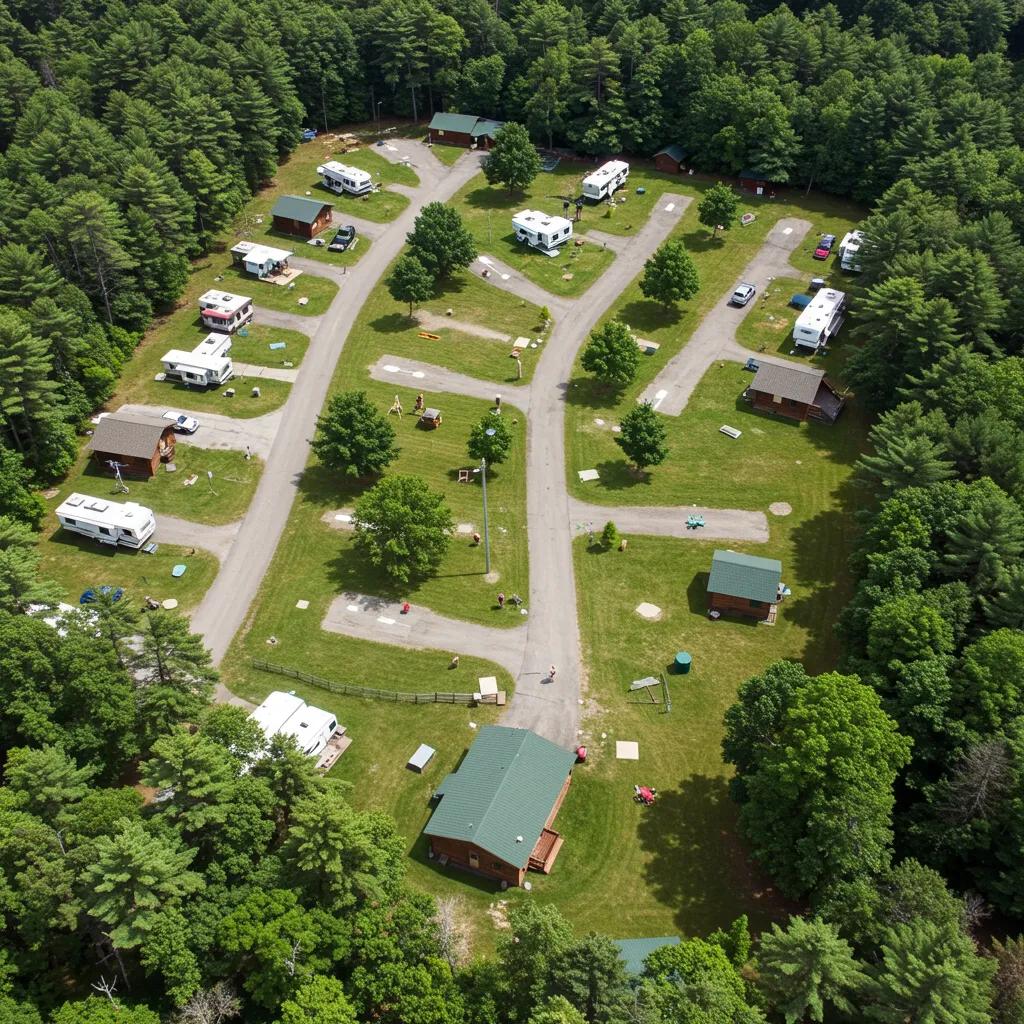
Valuing a campground relies on financial metrics and market comparables that quantify operational performance and investment return expectations, with NOI and cap rates central to valuation mechanics. Buyers analyze net operating income (NOI), apply market-appropriate cap rates or revenue multiples, and adjust for amenities, site count, and location to derive offers. Understanding these components and how they interact with current financing conditions equips you to evaluate offers and negotiate effectively. The table below summarizes common valuation metrics and typical 2024–2025 ranges to provide concrete context for your expectations.
What Financial Metrics Influence Campground Valuation?
Net operating income (NOI) is the primary financial metric buyers use, representing revenue after operating expenses and before debt service, and it forms the numerator in cap-rate valuations. Cap rate is the required investor return; a lower cap rate implies a higher price for the same NOI, so market cap rates reflect risk appetite and financing conditions. Revenue multiples provide an alternate approach, particularly for smaller parks, by comparing sale price to gross revenue and adjusting for amenities and operational quality. You should prepare audited or well-documented financials, highlighting durable revenue streams, occupancy trends, and expense normalization to present a credible valuation picture.
How Do Amenities and Location Affect Campground Market Value?
Amenities such as full hookups, cabins, lakeside frontage, playgrounds, and pools increase guest demand and can raise both revenue and valuation multiples, as they extend the guest season and justify premium rates. Location premiums—proximity to urban centers, outdoor attractions, or high-demand travel corridors—translate into higher occupancy and ADR (average daily rate), lifting NOI and buyer interest. Site count and mix (RV sites, cabins, glamping) influence operational scalability and staffing needs; larger site counts often improve economies of scale and attract buyers looking for operational viability. Documenting amenity usage, seasonality, and site productivity helps buyers model future NOI and assign appropriate valuation adjustments.
How Have Market Trends and Interest Rates Changed Campground Valuations in 2024–2025?
Recent market dynamics include some softening in valuation multiples and wider cap-rate dispersion due to higher interest rates and tighter lending standards, which have increased required down payments and curtailed buyer pools. Many parks experienced valuation compression in the 2024–2025 window, with observable shifts toward cap rates in the upper single digits to low double digits for average assets, and a renewed emphasis on cash flow stability. These financing headwinds make structured deals, seller financing, or earn-outs more attractive for bridging valuation gaps between buyers and sellers. You should be prepared for greater buyer diligence and may need to adjust expectations or consider alternative sale structures.
What Is the Step-by-Step Process to Sell Your Campground Directly to GatherGrounds Resorts?
A direct-sale workflow begins with a confidential inquiry and document sharing, progresses through review and a fair offer, then moves to due diligence and a guided transition—this sequential model reduces public exposure while clarifying timelines and outcomes. GatherGrounds Resorts exemplifies a family-owned direct buyer that emphasizes thoughtful transitions and confidentiality, streamlining steps so you can pursue retirement or other goals without the disruption of public listings. The table below outlines the typical steps, actions required, and expected timeline so you can self-assess readiness for a direct sale.
How Do You Initiate a Confidential Inquiry?
Begin by preparing key documents: recent profit and loss statements, occupancy and rate data, site maps, a list of amenities, and capital expenditure records to facilitate an efficient review. Confidential inquiries usually involve an initial nondisclosure agreement (NDA) so you can share financials without public or market exposure; this reassures both parties during early discussions. You should summarize operational strengths and constraints in a concise package to speed evaluation and allow buyers to prepare a preliminary offer quickly. Ensuring accurate, well-organized documents early reduces friction during the offer and due diligence stages and sets a constructive tone for negotiation.
What Happens During the Fair Offer and Review Stage?
A fair offer is constructed by reconciling the buyer’s valuation model—usually NOI-based—with property-specific adjustments for amenities, deferred maintenance, and market conditions, producing a price and proposed deal structure. Offers may include contingencies for title review, environmental assessments, and financing, and you should review these carefully to understand obligations and potential post-signing risks. Negotiations typically focus on price, transition terms, and staffing commitments; you can request phased handover schedules or retained roles for a period to ensure continuity. Clear communication about expectations at this stage reduces misunderstandings and expedites the subsequent due diligence process.
How Is the Transition Managed to Ensure a Smooth Ownership Change?
Transition planning prioritizes staff retention, operational training, guest communications, and gradual rebranding to protect revenue and preserve community relationships during the ownership transfer. Practical transition steps include overlapping management days, documented operating procedures, guest notification plans, and a timetable for any changes to programming or services. A respectful transition emphasizes maintaining longstanding events and honoring local partnerships, which mitigates guest churn and eases community concerns. When you and the buyer agree on a structured transition, the park’s identity and value are more likely to be preserved through the change of hands.
What Types of Campgrounds and RV Parks Does GatherGrounds Acquire?
GatherGrounds targets family-oriented campgrounds and RV parks that align with a preservation-first acquisition strategy, focusing on properties offering operational fit and legacy preservation opportunities. Our stated preference is for larger parks with scale that supports efficient operations and diverse revenue streams, and these fit criteria help owners self-qualify before initiating conversations. Geographic fit centers on the upper Midwest region where logistical proximity aids operational oversight and community alignment, helping us maintain consistent standards across acquired properties. Below is a quick fit checklist to help you gauge alignment before a confidential inquiry.
- Site count of 130 or more to meet operational scale and staffing efficiency requirements.
- Family-oriented programming and amenities that support community engagement and legacy preservation.
- Located primarily in the upper Midwest where logistical proximity aids operational oversight and community alignment.
Why Focus on Campgrounds with 130+ Sites?
A 130+ site threshold supports economies of scale that make operations financially viable and attractive to acquisition buyers, enabling staff specialization and diversified revenue across cabins, RV sites, and ancillary services. Larger parks spread fixed costs over more revenue units, improving margin stability and justifying investment in guest amenities and marketing. For owners, a park of this size often commands greater buyer interest from operations-focused purchasers because the business can support a management team and operational upgrades that enhance long-term value. If your park is near this threshold, highlight its scalability, site mix, and the potential to improve NOI during buyer discussions.
Which Geographic Regions Are Preferred for Acquisition?
GatherGrounds prefers acquisitions in the upper Midwest where climate, travel patterns, and regional guest bases align with our operating model and logistical capacity for hands-on management. Regional preference matters because proximity simplifies oversight, seasonal staffing, and supply chain logistics, all of which influence operational success and valuation. Sellers outside the preferred geography can still consider outreach if their park demonstrates exceptional fit in other dimensions, but geographic alignment often accelerates qualification and due diligence. You should emphasize regional demand drivers and travel corridor proximity in your initial information packages.
How Does GatherGrounds Maintain Family-Oriented Campground Values?
Our approach centers on preserving traditions through commitments to programming continuity, respectful rebranding timelines, and community engagement that retains the park’s identity. Operational practices include retaining experienced staff where possible, keeping signature events intact, and communicating transition plans to guests and local partners to minimize disruption. This stewardship-minded transition strategy supports both revenue continuity and the intangible value you often want to protect when handing off a family business. Clear transition agreements help codify these practices and reassure owners considering a confidential sale to a values-aligned buyer.
How Can You Sell Your RV Park Without a Broker?
Selling your RV park without a broker (FSBO) requires disciplined preparation, legal safeguards, and effective buyer vetting, but it can increase net proceeds and your control over the sale. FSBO sellers must manage marketing, negotiations, and due diligence logistics or hire targeted advisors for discrete tasks such as legal review and escrow services. The checklist below outlines essential steps and risk-mitigation measures that owners should follow to reduce exposure and ensure a smooth transaction.
- Prepare financial documents: Gather P&Ls, occupancy records, tax returns, and expense reports to demonstrate NOI and revenue stability.
- Address deferred maintenance: Complete obvious repairs and compile maintenance histories to avoid value-reducing surprises in diligence.
- Market discreetly: Use targeted outreach to qualified buyers and non-disclosure agreements to protect confidentiality.
- Retain advisors: Engage legal and accounting professionals for contract review and tax planning to mitigate transaction risk.
These steps reduce the primary FSBO pitfalls—exposure, negotiation errors, and legal missteps—while preserving potential commission savings.
What Are the Risks and Rewards of Selling RV Parks For Sale By Owner?
FSBO rewards include commission savings and greater owner control over timing and buyer selection, which can improve net proceeds when you can manage the process effectively. Risks include increased workload, potential valuation mispricing, broader public exposure that may harm operations, and higher chances of negotiation errors without broker experience. Risk mitigation includes using targeted confidentiality practices, professional contract review, and careful buyer qualification to ensure financing ability and operational compatibility. If you’re considering FSBO, compare expected net proceeds against the cost and time of managing the sale yourself.
How Does Selling Directly to a Company Differ from Private Sales?
Selling directly to a company often yields faster closings, clearer transition support, and greater certainty because corporate buyers prioritize operational continuity and may present cash or structured offers. Private sales to individuals may deliver higher nominal prices in competitive situations but often involve prolonged financing contingencies and uncertain post-close operations if the buyer lacks experience. Company buyers typically offer more predictable transition planning, which benefits owner legacy and staff retention, while private buyers can be more variable in capability and timeline. Understanding these trade-offs helps you decide whether certainty or potential price maximization matters more.
What Tips Help Prepare Your Campground for a Successful Direct Sale?
Preparation is essential: tidy operations, accurate financial reporting, documented maintenance and capital improvements, and a clear amenity list that highlights revenue drivers and guest experience. Create a concise information package with site maps, occupancy and rate history, major contracts, and a roster of staff roles that can be shared under NDA for fast evaluation. Address any obvious deferred maintenance and compile warranties and recent inspection reports to reduce diligence surprises that can delay or reduce offers. Early organization and transparent documentation increase buyer confidence and shorten offer and closing timelines.
What Are Current RV Park Market Trends Affecting Campground Sales in 2025?
Market conditions in 2025 reflect a balance of sustained demand drivers and financing constraints that shape purchaser behavior and seller options. Remote work and outdoor travel trends have expanded demand for longer stays and diversified revenue streams, while higher interest rates and tighter lending have compressed valuation multiples and narrowed the qualified buyer pool. Demographic shifts among retiring owners are increasing supply, which, combined with financing headwinds, encourages creative deal structures such as seller financing or earn-outs. The next subsections explore how these forces shape seller strategy and timing.
How Is the “Silver Tsunami” of Retiring Owners Impacting Sales?
A wave of retiring campground owners is increasing the supply of parks on the market, elevating competition among sellers and creating a cohort of owners who prioritize smooth transitions and certainty over maximal auction-style pricing. Many retiring owners seek structured payouts or transition support rather than a purely transactional transfer, which favors buyers willing to craft thoughtful post-sale roles or phased payments. This demographic shift emphasizes succession planning and the value of acquisition partners who can preserve staff and community relationships. If you’re considering a sale, plan your timing and transition preferences to align with buyer expectations.
What Effect Do Remote Work and Outdoor Travel Trends Have on Campground Demand?
Remote work and the popularity of outdoor travel have increased demand for flexible, longer-stay offerings and amenities that support remote guests, such as reliable Wi-Fi, work-friendly sites, and year-round infrastructure. These demand shifts can lift occupancy and average daily rate potential, thereby improving NOI and making parks with adaptable amenities more attractive to buyers. Buyers are modeling extended-stay behavior and amenity-driven revenue diversification in valuation assumptions, rewarding parks that can capitalize on remote-work travelers. You can enhance value by documenting these demand trends and recent revenue impacts.
How Are Interest Rates and Financing Conditions Influencing Seller Decisions?
Higher interest rates and more conservative lender underwriting have tightened the pool of buyers who can secure favorable financing, pushing some transactions toward all-cash buyers or structured seller-financed deals to bridge valuation gaps. Lenders frequently require higher down payments and stricter debt-service coverage ratios, which can reduce financed purchase prices and lengthen closing timelines. As a result, sellers may accept alternative deal structures—partial seller financing or earn-outs—to capture more value while accommodating buyer financing limitations. Understanding these dynamics helps you negotiate realistic timelines and structures.
What Do Campground Owners Say About Selling Directly to GatherGrounds Resorts?
Owners who choose direct-sale pathways frequently report practical benefits such as reduced transaction complexity, preserved community relationships, and clearer transition plans that protect staff and guest experience. While specific testimonials are not provided here, anonymized seller outcomes commonly emphasize speed to liquidity, lower public exposure compared with conventional listings, and a sense of emotional relief from an orderly, respectful handoff. The following points summarize common seller-reported benefits and emotional considerations observed in family-focused direct-sale scenarios.
How Have Owners Experienced the Thoughtful Transition Process?
Owners who prioritized legacy preservation often find that buyers who commit to phased handovers and staff retention reduce post-close operational disruption and preserve guest loyalty. Transition experiences usually include overlap periods for training, documented procedures to pass operational knowledge, and public messaging designed to reassure returning guests and local partners. This thoughtful approach tends to minimize revenue dips during ownership change and maintain the park’s character, which many owners view as the most valuable outcome beyond pure financial terms. The structured transition protects both income continuity and community goodwill.
What Are Common Benefits Reported by Sellers After Direct Sales?
Sellers commonly report several measurable and intangible benefits following direct sales: quicker access to liquidity compared with lengthy listings, fewer marketing-related disruptions, and preserved staffing and programming that maintain community ties. These benefits often translate into lower overall transaction stress and the satisfaction of seeing the park’s identity maintained under new ownership. Combined with reasonable deal structures, these outcomes help many owners achieve a balanced result that aligns financial goals with personal and community values.
How Does Selling Directly Compare Emotionally to Traditional Brokerage Sales?
Emotionally, selling directly can reduce anxiety associated with public listings—fewer open houses, less scrutiny, and fewer months of uncertainty—while offering a more dignified transfer that honors your legacy. Conventional listings can feel impersonal and prolonged, creating friction for owners who want a discreet and orderly exit; direct buyers with stewardship commitments often provide a kinder, more collaborative process. You should weigh emotional costs alongside financial ones when deciding your preferred sales route, and frame negotiations to reflect both monetary and legacy priorities.
Frequently Asked Questions
What should I prepare before initiating a direct sale of my campground?
Before starting a direct sale, it’s essential to gather key financial documents, including profit and loss statements, occupancy rates, and maintenance records. Additionally, prepare a comprehensive information package that highlights your campground’s amenities, operational strengths, and any recent improvements. This preparation not only facilitates a smoother inquiry process but also instills confidence in potential buyers. Ensuring that your documentation is organized and accurate can significantly expedite the review and offer stages, leading to a more efficient sale process.
How can I ensure confidentiality during the selling process?
To maintain confidentiality while selling your campground, consider using non-disclosure agreements (NDAs) when sharing sensitive financial information with potential buyers. Limit the distribution of your listing to targeted, qualified buyers rather than public platforms. Additionally, engage in discreet marketing strategies, such as direct outreach to known investors or acquisition companies. By controlling who has access to your information, you can protect your business’s reputation and operational integrity throughout the sale process.
What are the common pitfalls to avoid when selling my campground?
Common pitfalls in selling a campground include inadequate financial documentation, neglecting necessary repairs, and failing to vet potential buyers thoroughly. Owners should avoid overpricing based on emotional attachment rather than market realities. Additionally, not having a clear transition plan can lead to operational disruptions post-sale. Engaging legal and financial advisors can help mitigate these risks, ensuring that the sale process is smooth and that the campground’s value is preserved throughout the transaction.
How can I assess the right price for my campground?
To determine the right price for your campground, start by analyzing key financial metrics such as net operating income (NOI) and cap rates. Compare your campground to similar properties in the market to understand current valuation trends. Engaging a professional appraiser or using a valuation model can provide a more accurate assessment. Additionally, consider the unique features of your campground, such as location, amenities, and operational history, which can influence its market value.
What role does community engagement play in the sale process?
Community engagement is crucial during the sale process, especially for campgrounds that have established local ties. Maintaining open communication with community stakeholders can help reassure them about the future of the campground and its operations. A buyer who values community relationships is more likely to preserve the campground’s legacy and traditions, which can be a significant selling point. Highlighting your campground’s community involvement during negotiations can attract buyers who prioritize these values.
What are the benefits of selling to a family-oriented buyer like GatherGrounds?
Selling to a family-oriented buyer like GatherGrounds offers several benefits, including a commitment to preserving the campground’s legacy and community ties. Such buyers often prioritize staff retention and continuity of guest programs, which can minimize operational disruptions during the transition. Additionally, family-oriented buyers may provide a more personalized and respectful selling experience, ensuring that the values and traditions of the campground are honored. This approach can lead to a smoother transition and greater peace of mind for the seller.
How can I prepare for potential buyer inquiries during the sale process?
To prepare for potential buyer inquiries, ensure that you have all relevant financial documents, operational data, and maintenance records readily available. Be prepared to discuss your campground’s unique selling points, such as amenities, occupancy rates, and community involvement. Practicing clear and concise responses to common questions can help you present your campground effectively. Additionally, being transparent about any challenges or opportunities can build trust with potential buyers and facilitate a smoother negotiation process.
Conclusion
Selling your campground directly offers significant advantages, including reduced transaction costs, faster timelines, and the preservation of community values. By understanding the nuances of direct sales versus traditional listings, you can make informed decisions that align with your financial and emotional goals. Engaging with a family-oriented buyer like GatherGrounds Resorts ensures a thoughtful transition that honors the legacy of your property. Take the next step towards a seamless sale by exploring your options with us today.