

Selling Your Campground vs. RV Park: Key Differences and Expert Guide
Selling a campground or RV park means understanding how each property type operates as both a business and a piece of real estate. Site mix, amenities, and how you run things all drive buyer interest and valuation. This guide breaks down the core differences between campgrounds and RV parks, outlines the essential steps to get ready and sell, and offers practical valuation methods and market insights to help you decide whether to list with a broker or sell directly. If you’re looking for a direct conversation about your options, GatherGrounds Resorts acquires campgrounds and RV parks from owners and can offer a confidential, legacy-focused buyer discussion. This article keeps your goals and legacy preservation front and center. You’ll learn how features and site counts impact price, the six-step selling roadmap (from preparation to closing), how to read NOI and cap rate signals, and the criteria for choosing between a broker or a direct sale. We’ll cover operational metrics like NOI, RevPAS, and occupancy, discuss buyer types and market trends for 2025, and include practical checklists and comparison tables to simplify decision-making for owners considering an exit strategy.
What Are the Key Differences Between Selling a Campground and an RV Park?
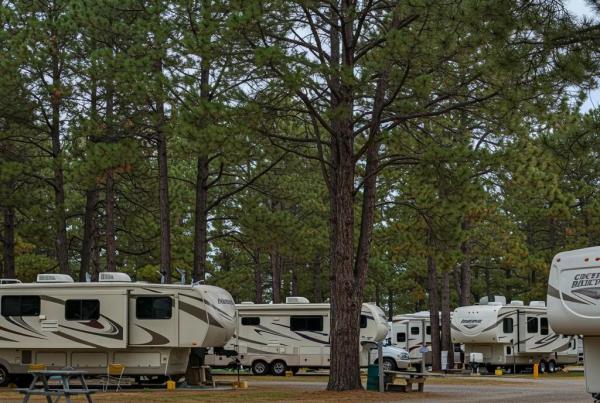
Campgrounds and RV parks differ in their physical layout, amenities, and typical operational models. These differences directly influence which buyers will be interested and how the property will be valued. Campgrounds often feature a mix of tent sites, primitive sites, and unique recreational assets like trails or waterfront access. RV parks, on the other hand, generally offer concentrated RV pads with hookups, paved sites, and infrastructure designed for higher occupancy and longer stays. These structural differences lead to different expense profiles—campgrounds might require more grounds maintenance and seasonal staffing, while RV parks often need more utility capacity and infrastructure upkeep. Consequently, revenue consistency and NOI profiles will diverge. Understanding these distinctions helps sellers position improvements and financial disclosures to attract the right buyer and justify pricing and marketing strategies that align with buyer expectations.
How Do Campgrounds and RV Parks Differ in Property Features and Amenities?
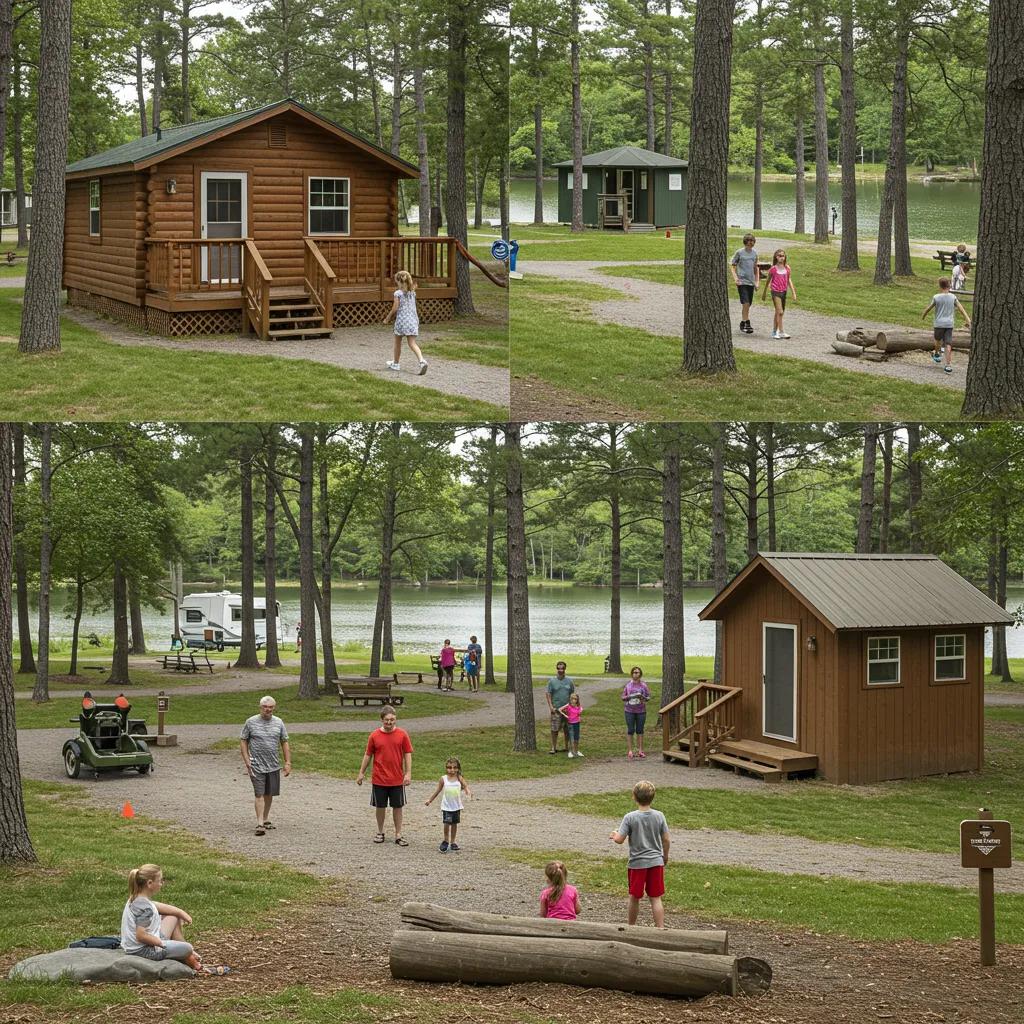
Campground features tend to emphasize recreational variety and experience, while RV parks focus on infrastructure and higher-yield site types. This shapes how buyers perceive potential revenue streams. Campgrounds commonly include tent sites, cabins, trails, beaches or lakes, and shared bathhouses that attract leisure and seasonal traffic. RV parks prioritize full-hookup sites, concrete pads, sewer, electrical capacity, and on-site conveniences that support extended-stay or snowbird clientele. These amenities influence operating expenses and capital needs—for example, waterfront access can command premium nightly rates but also brings higher insurance or maintenance costs. Sellers should quantify how each amenity contributes to ADR and occupancy. Assessing which amenities drive the most revenue per available site helps owners prioritize upgrades with the best return on investment before listing.
What Are the Typical Buyer Profiles for Campgrounds vs RV Parks?
Investors for campgrounds and RV parks fall into distinct archetypes that prioritize different metrics. Lifestyle operators often buy campgrounds for hands-on management and community fit, while institutional or consolidator buyers target RV parks for scale and steady NOI. Lifestyle buyers value authenticity, legacy, and community relationships and may accept lower initial returns for long-term stewardship. Investment buyers, however, focus on RevPAS, stabilized occupancy, and predictable utility costs to model cap-rate-based valuations. Financing availability and hold strategies also differ: smaller, owner-operator buyers may use seller financing or SBA lending, while institutional buyers typically use larger debt packages and prioritize properties with 130+ sites and scalable revenue. Recognizing which profile aligns with your goals helps tailor marketing materials and screening questions to attract qualified prospects.
How Does Legacy and Family Ownership Impact Selling Each Property Type?
Family-owned properties introduce emotional and operational considerations that affect timing, buyer selection, and transition structure. Many owners prioritize legacy preservation and staff continuity alongside financial return. A family-owned campground sale often requires sensitive community communication, phased handovers, and explicit transition plans to maintain the property’s identity. Family-owned RV parks may focus more on operational transition and capital reinvestment to modernize infrastructure. These legacy concerns can narrow the buyer pool to parties willing to honor traditions or invest in community relationships, and they may influence acceptance of terms like management agreements or phased ownership transfers. Preparing clear documentation of operational processes and communicating legacy priorities early helps attract buyers aligned with both the financial and intangible goals of the seller.
What Are the Essential Steps to Sell Your Campground or RV Park?
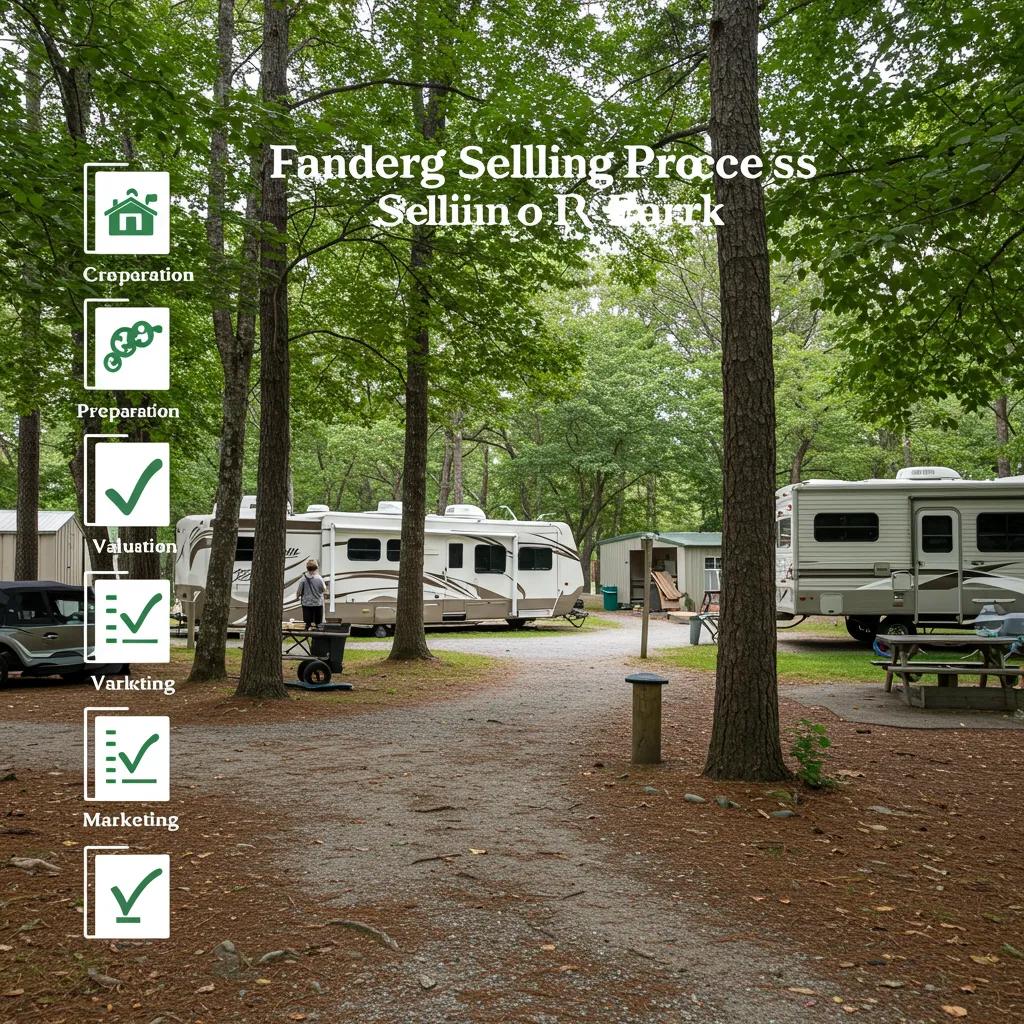
Selling a campground or RV park follows a structured sequence from preparation through closing; each step reduces transactional friction and increases buyer confidence. The core phases—preparation, valuation, marketing, negotiation, due diligence, and closing—require specific documents, timelines, and seller actions to maintain confidentiality and maximize value. Implementing a checklist-driven approach and organizing financials and operational records up front shortens due diligence and helps obtain stronger, cleaner offers. Below is a concise, numbered roadmap you can use to present to advisors or potential buyers.
- Preparation: Improve curb appeal, fix critical amenities, and organize reservations and operational records to present a market-ready property.
- Valuation: Calculate NOI, research cap rates, and compile comps to set a defensible asking price.
- Marketing: Choose confidential outreach via a broker or targeted direct buyer conversations depending on priorities for price, speed, and legacy preservation.
- Negotiation: Evaluate offers for price, terms, contingencies, and buyer qualifications, balancing cash, financing risk, and transition preferences.
- Due Diligence: Provide organized financials, site maps, permits, and utility records while managing access and confidentiality.
- Closing & Transition: Finalize escrow, transfer licenses and utilities, and execute a transition plan that may include staff retention or phased handover.
This six-step list gives a high-level path that reduces ambiguity for owners preparing an exit; the next sections detail how to prepare physically, what documents buyers expect, and how to navigate offers and closing mechanics.
How Should You Prepare Your Campground or RV Park for Sale?
Preparation starts with high-impact improvements and operational organization that buyers notice immediately; this raises perceived value and shortens due diligence. High-ROI physical fixes include addressing drainage and road access, ensuring reliable utility hookups, refreshing high-use bathhouses, and correcting safety issues. Operational preparations include consolidating reservation data, producing occupancy and ADR reports, and organizing vendor contracts. Prioritize improvements that directly increase NOI or reduce perceived capital spend by buyers, and document maintenance history to demonstrate responsible stewardship. Clear operational documentation and a tidy, well-photographed property make initial offers more likely and stronger.
This list highlights common high-ROI improvements:
- Utility and hookup reliability: Ensures uninterrupted guest experience and removes buyer uncertainty.
- Bathhouse and amenity refreshes: Improves guest satisfaction and justifies higher ADR.
- Site access and drainage repairs: Reduces seasonal closures and maintenance costs.
Preparing these items boosts buyer confidence and helps move from due diligence to offer acceptance with fewer contingencies.
What Documents and Financial Records Are Needed to Sell?
Buyers and lenders expect a coherent set of financial and property documents that allow accurate underwriting and valuation; assembling them early reduces friction and speeds the sale process. Core financials include multi-year P&L statements, tax returns, a profit and loss summary by season, occupancy history, ADR records, and utility expense breakdowns. Property records include site maps, permits, easements, vendor contracts, and maintenance logs. Present data in standardized formats and provide a narrative explaining one-time items or anomalies; this transparency reduces buyer risk perception. Organizing documents into a virtual data room with clear indexing streamlines due diligence and often shortens lender review timelines.
How Do You Navigate the Sales Process From Listing to Closing?
Navigating the sale requires sequential coordination among advisors, lenders, and potential buyers to protect confidentiality and optimize outcomes; understanding typical timelines and contingencies helps owners plan. After preparing materials and selecting a marketing approach, sellers often receive LOIs and choose the most qualified buyer before entering exclusive due diligence. Common contingencies include financing, environmental reviews, and title clearance. Effective seller strategies include negotiating firm timelines for diligence, requiring proof of funds or lender pre-qualification, and using escrow to manage funds and documents. Engaging experienced transactional attorneys and accountants familiar with recreational real estate transactions reduces administrative risk and helps preserve value through closing.
Common contingencies and timeline influences include:
- Financing contingency: May lengthen closing if buyer must obtain a loan.
- Environmental or permitting contingency: Can require additional studies and extend timelines.
- Title and lien clearance: Necessary for clean transfer and lender acceptance.
Clear expectations and realistic timelines reduce surprises; plan for 3–9 months depending on complexity and buyer type.
What Happens During the Closing and Transition Phase?
The closing phase finalizes financial transfers and legal ownership, while the transition phase ensures operational continuity and communication with staff and guests. Both require detailed coordination and documentation. At closing, escrow handles funds, deeds are recorded, and licenses or permits are transferred where possible. Sellers should anticipate last-minute requests for clarifications or small reparative work. Transition planning typically covers staff retention agreements, vendor introductions, communication templates for guests and the local community, and any phased management or consulting arrangements. Defining post-sale roles, timelines, and compensation in writing—such as short-term management or advisory agreements—minimizes ambiguity and preserves relationships that often underpin campground goodwill.
How Is Campground and RV Park Valuation Different?
Valuation for these asset types relies heavily on income-based approaches, but factors like site count, amenity mix, and ancillary revenue streams change how NOI converts into market value. The primary valuation methods are the income approach (NOI and cap rates), comparable sales, and replacement cost for specialty assets. For many buyers, stabilized NOI divided by a market cap rate provides the baseline valuation, while unique amenities or constrained supply can push multiples higher. Key valuation drivers include average daily rate (ADR), occupancy, RevPAS (revenue per available site), site count, and ancillary income sources like cabins, retail, or season passes. Owners should focus on demonstrating stable or growing NOI and documenting predictable revenue streams to justify higher valuation multiples.
The core financial metrics buyers use are:
- NOI: Operating revenue minus operating expenses; central to income valuation.
- Cap rate: Market-derived percentage used to convert NOI into value.
- RevPAS / ADR / Occupancy: Operational metrics that explain revenue stability and upside potential.
A simple example calculation: a property with $400,000 NOI sold at a 7% cap rate implies a valuation near $5.7M, illustrating how NOI and market cap rates directly affect price.
How Does Site Count and Amenities Affect Property Valuation?
Site count creates scale effects: larger properties often attract institutional buyers because they can spread fixed costs and support centralized operations, while smaller sites appeal to lifestyle buyers who prioritize experience and local fit. Thresholds matter—many institutional or consolidator buyers target properties with 130+ sites because those counts often support scalable operations and predictable cash flow. Unique amenities like waterfront, cabin inventory, or glamping units can yield higher ADRs and attract premium buyers regardless of site count. Each amenity should be evaluated for its incremental revenue versus capital cost, and sellers should prepare simple ROI estimates to demonstrate value uplift from recent or proposed upgrades.
How Can You Maximize Your Property’s Value Before Selling?
Increasing NOI through revenue optimization and cost control is the fastest way to increase valuation; focus on pricing strategy, ancillary revenue, and operational efficiencies that scale without commensurate cost increases. Tactics include implementing dynamic pricing by season, adding or better monetizing cabins and value-added services (rentals, retail, guided activities), improving site mix to higher-yield pads, and negotiating vendor contracts to reduce operating expenses. Quick wins might include improving online booking accuracy and seasonal packaging, while longer-term investments like wastewater upgrades or expanded utility capacity should be weighed against expected value uplift. Documenting the expected revenue impact of each improvement helps buyers see upside and supports stronger offers.
Prioritized value-improvement actions:
- Dynamic pricing and packaging: Increases ADR during peak periods.
- Ancillary service expansion: Adds non-site revenue with high margins.
- Operational efficiency: Reduces variable costs and improves NOI.
These steps increase both near-term cash flow and perceived buyer upside, strengthening negotiating leverage.
Should You Use a Campground Brokerage or Sell Directly to a Buyer Like GatherGrounds Resorts?
Choosing between a brokerage and a direct buyer depends on your priorities: maximum sale price and broad market exposure often favor brokers, while confidentiality, speed, and legacy preservation can favor direct sales to family-owned buyers or strategic acquirers. Brokerages provide marketing reach, competitive bidding, and professional auction-like processes that may drive higher prices but usually charge commissions and expose the property to broader public listing. Direct buyers like family-owned acquirers can offer a simpler process, fewer layers of approval, and more control over transition nuances. For sellers prioritizing a respectful handoff and operational continuity, a direct conversation with a buyer experienced in acquisitions may be preferable. Below is a side-by-side comparison to help owners decide.
What Are the Advantages of Selling Directly to a Family-Owned Buyer?
Selling directly to a family-owned buyer provides several advantages related to transaction simplicity and post-sale continuity that many sellers with legacy concerns value highly. Direct buyers often make decisions faster because they avoid multiple internal approval layers, which reduces timeline risk and uncertainty. Family-owned buyers can be more flexible about transition terms, including staff retention and phased handovers, which helps preserve the property’s identity and customer relationships. For owners who want a respectful change of stewardship, direct-sale conversations can also reduce public exposure and help protect the business’s reputation during transfer.
Key direct-sale benefits include:
- Simpler approvals and faster decisions: Less corporate bureaucracy reduces delays.
- Legacy-preserving transition options: More likely to honor local culture and staff continuity.
- Confidential negotiations: Limits public knowledge and potential staff or guest disruption.
These factors make direct sales appealing for owners whose priorities emphasize continuity and controlled transitions.
When Is Using a Campground Broker or RV Park Real Estate Agent Beneficial?
Using a broker is beneficial when the seller’s goal is to maximize sale price through market exposure, competitive bidding, or when the asset is complex and requires broad investor marketing. Brokers excel at packaging assets to attract multiple buyer types, running auctions or sealed-bid processes, and managing multiple interested parties to drive price discovery. Sellers facing complex title, encumbrances, or properties with multiple revenue streams may also benefit from specialized brokerage services that can navigate investor due diligence and lender relationships. If broad market access and price maximization are top priorities, a qualified broker is often the right choice.
How Do Brokerages and Direct Buyers Differ in Process and Fees?
Broker-driven sales usually involve percentage-based commissions and longer marketing windows, while direct buyers negotiate fees and timelines case-by-case and may reduce transactional overhead by forgoing commissions. Broker processes often include staged marketing, buyer qualification, and an open bidding period that can drive price but extends time on market. Direct buyers provide focused negotiations, potentially simpler due diligence, and customized transition plans but may offer less competitive tension unless multiple direct buyers are engaged. Sellers should compare estimated net proceeds after broker fees versus potential concessions or speed benefits offered by direct buyers when deciding.
What Are the Current Market Trends and Investment Insights for Campground and RV Park Sellers?
Market trends in 2025 show continued interest in outdoor hospitality assets, driven by sustained RV ownership, outdoor recreation demand, and limited new supply in many regions. This supports seller leverage in many markets. Investor types remain diversified between lifestyle operators who prioritize experience and institutional buyers who seek scale and stable NOI, with consolidators actively targeting roll-up opportunities where operational synergies exist. Market dynamics—local supply constraints, tourism patterns, and lender appetite—affect cap rates and buyer competition. Sellers in high-demand regions may benefit from accelerated timelines and higher multiples, while sellers in more saturated markets may need to demonstrate operational upside to fetch top prices. Understanding which investor types are active in your region helps tailor marketing and set realistic expectations for timeline and price.
How Is the Growing RV and Camping Tourism Affecting Property Demand?
Rising interest in outdoor recreation and sustained RV ownership have increased demand for sites in many markets, placing upward pressure on occupancy and ADR where supply is constrained. This demand dynamic improves seller leverage but also raises buyer expectations for modern infrastructure and reliable services that support higher guest expectations. In practical terms, owners in growth areas can often justify investment in additional hookups or amenity upgrades to capture higher rates and improved NOI ahead of a sale. Sellers should quantify local demand signals—such as steady ADR increases or reduced off-season vacancy—to support valuation claims.
What Investor Types Are Actively Buying Campgrounds and RV Parks?
Investor types include lifestyle operators, private equity or consolidators, and institutional buyers. Each has distinct underwriting preferences and post-acquisition strategies. Lifestyle operators prioritize hands-on management and community fit, private consolidators seek roll-up opportunities and operational synergies, and institutional buyers focus on scale, steady NOI, and predictable capital expenditures. Each buyer type affects negotiation posture, diligence intensity, and expected closing timeline, so sellers should target the type that best matches their desired sale outcome and transition expectations. Aligning marketing materials to highlight the property’s fit with target buyer priorities increases chances of a successful sale.
How Do Market Trends Influence Your Selling Strategy?
Market trends should guide timing, pricing, and pre-sale investments. Sellers in tight markets might accelerate listing to capture demand, while sellers in softer markets may invest in high-ROI improvements to stand out. If investor activity favors large-scale acquisitions, increasing site count or packaging adjacent parcels could attract institutional buyers. If lifestyle buyers dominate, highlighting legacy, community ties, and guest experience can improve offers. Use market intelligence to set realistic cap rate expectations and to decide whether to pursue competitive marketing or confidential direct negotiations.
How Can You Preserve Your Legacy and Family Values When Selling Your Campground or RV Park?
Preserving legacy involves aligning buyer values with seller priorities and structuring a transition that maintains community ties and staff continuity. Intentional vetting and clear contractual terms are essential. Sellers should develop a values checklist and incorporate it into buyer screening, asking about post-sale plans for staff, community events, and brand continuity. Transition options range from management agreements and phased handovers to consulting roles for owners who wish to remain involved temporarily. Evaluating buyers on both financial capability and cultural fit helps protect the intangible assets that often make family-owned properties uniquely valuable.
What Does a Smooth Transition Look Like With GatherGrounds Resorts?
A smooth transition with a family-owned direct acquirer emphasizes staff retention, community communication, and targeted reinvestment to preserve the property’s character while supporting operational improvements. Typical steps include a phased handover timeline, staff introduction and retention offers to maintain service continuity, clear guest-facing communications to explain the stewardship change, and short-term reinvestment plans that address priority infrastructure. Sellers who prioritize legacy preservation often negotiate transitional consulting or management roles for a defined period, which allows knowledge transfer and reassures staff and guests. This approach balances respect for a property’s history with pragmatic investments to sustain long-term viability.
How Does Legacy Preservation Benefit Sellers and Communities?
Legacy preservation benefits sellers by protecting the reputation and goodwill they built, benefits staff and the local community through continuity of employment and services, and benefits buyers by maintaining a loyal customer base that underpins revenue. When preservation measures are implemented—such as staff retention guarantees or community event support—local stakeholders experience less disruption, and the property can retain repeat visitation patterns. Financially, preserving a strong brand and customer relationships reduces the risk of revenue loss during transition and can support a smoother transfer of goodwill as an asset. These outcomes create long-term value for both seller and buyer.
What Post-Sale Involvement Options Are Available for Sellers?
Post-sale involvement can be structured as consulting agreements, short-term management contracts, or advisory roles with defined responsibilities and compensation, and these arrangements should be negotiated and documented in advance. Typical arrangements include multi-month consultancies to transfer operational knowledge, seasonal management contracts during busy periods, or advisory roles focused on community relations and vendor introductions. Key negotiation points include duration, compensation structure (flat fee, hourly, or equity), and defined deliverables to avoid ambiguity. Properly structured post-sale involvement protects seller interests, ensures continuity, and offers personal transition support.
What Are the Most Common Questions About Selling Campgrounds and RV Parks?
Sellers commonly ask about readiness, timeline, broker necessity, buyer selection, and required documents. Clear, concise answers help owners self-assess and plan next steps. The questions below are designed to provide direct guidance and quick decision frameworks to inform whether to prepare for a sale now or to invest further before marketing. Use these answers to determine your readiness, estimate timelines, and design a buyer vetting strategy that protects both financial and legacy goals.
How Do I Determine If My Campground or RV Park Is Ready to Sell?
Readiness depends on stable NOI, organized records, and owner readiness for transition. Assess both financial health and personal goals before listing. Financial benchmarks include consistent multi-year NOI, documented occupancy and ADR history, and minimal unresolved regulatory issues. Operational readiness involves having systems, staff, and reservation data organized for transfer. Personal readiness—deciding whether you want a clean exit or phased involvement—will shape deal structure and marketing approach. Use a checklist that covers financial, operational, legal, and personal readiness to guide timing and preparation.
What Are the Typical Timelines for Selling These Properties?
Typical timelines range from 3 to 12+ months depending on preparation, buyer type, financing, and market conditions. Complexity and buyer financing are the main variables. Quick direct sales to qualified buyers may close in a few months if documentation is ready and financing is straightforward, while brokered sales or deals requiring environmental, permitting, or lender approval can extend beyond a year. Sellers can shorten timelines by preparing organized financials, obtaining preliminary valuations, and pre-qualifying potential buyers. Realistic planning and transparent expectations help prevent rushed decisions that erode value.
Do I Need a Broker to Sell My Campground or RV Park?
You need a broker if broad market exposure and price maximization are essential. You may prefer a direct sale if confidentiality, speed, and legacy preservation rank higher. Brokers excel at creating competitive processes and attracting a wide buyer pool, which can increase sale price but come with commission costs and longer timelines. Direct buyers offer streamlined negotiations and tailored transitions, potentially at a slight discount but with greater control over post-sale stewardship. Evaluate based on your priorities: maximum price versus controlled handover and speed.
How Do I Find the Right Buyer for My Property?
Finding the right buyer requires evaluating financial capability, operational experience, and cultural fit. Structured screening questions and proof of funds are essential. Ask potential buyers about their experience operating similar properties, capital sources and financing readiness, plans for staff and community continuity, and willingness to commit to transition terms that matter to you. Request references and proof of funds early in the process and use structured LOIs to capture key deal terms for comparison. Prioritize buyers who demonstrate alignment with both your financial expectations and legacy considerations.
What Financial Documents Should I Prepare Before Selling?
Prepare multi-year P&L statements, tax returns, occupancy and ADR histories, utility bills, site maps, permits, vendor contracts, and a list of recent capital improvements to support valuation and diligence. Organize financials by season and provide normalized NOI adjustments for owner benefits or one-time transactions. Include reservation exports and booking engine summaries to verify occupancy claims. Clear documentation reduces diligence time and increases buyer confidence, often resulting in cleaner offers and fewer contingencies at signing.
For owners ready to explore options, requesting a confidential conversation with GatherGrounds Resorts about the acquisition of campgrounds and RV parks from owners can provide a direct, legacy-focused buyer perspective tailored to larger properties. A confidential dialogue can clarify whether a brokered or direct route better matches your goals while preserving the heart and traditions of your property.
Frequently Asked Questions
What are the common challenges faced when selling a campground or RV park?
Selling a campground or RV park can present several challenges, including accurately valuing the property, managing buyer expectations, and navigating complex financial records. Sellers often struggle with emotional ties to the property, which can cloud judgment during negotiations. Additionally, ensuring that all necessary documentation is organized and transparent can be daunting. Market conditions also play a significant role; sellers may face competition from similar properties or fluctuating demand, which can impact sale timelines and pricing strategies.
How can I effectively market my campground or RV park for sale?
Effective marketing of your campground or RV park involves creating a comprehensive marketing strategy that highlights the unique features and benefits of your property. Utilize high-quality images and detailed descriptions to showcase amenities, site counts, and revenue potential. Consider targeted outreach to specific buyer profiles, such as lifestyle operators or institutional investors, and leverage online platforms and social media to reach a broader audience. Engaging a professional broker can also enhance visibility and attract competitive offers through their established networks.
What role does seasonal demand play in the valuation of campgrounds and RV parks?
Seasonal demand significantly impacts the valuation of campgrounds and RV parks, as it directly influences occupancy rates and average daily rates (ADR). Properties in high-demand tourist areas may see increased revenue during peak seasons, which can enhance their overall valuation. Conversely, properties in regions with fluctuating seasonal traffic may need to demonstrate strong off-season performance or diversified revenue streams to attract buyers. Understanding local tourism patterns and adjusting pricing strategies accordingly can help sellers maximize their property’s value.
What are the key financial metrics buyers look for when evaluating a campground or RV park?
Buyers typically focus on several key financial metrics when evaluating a campground or RV park, including Net Operating Income (NOI), Average Daily Rate (ADR), occupancy rates, and Revenue per Available Site (RevPAS). These metrics provide insights into the property’s profitability and operational efficiency. Buyers also assess historical financial performance, including multi-year profit and loss statements, to gauge stability and growth potential. A clear understanding of these metrics can help sellers present their property in the best light during negotiations.
How can I ensure a smooth transition for staff and operations after the sale?
To ensure a smooth transition for staff and operations after the sale, it is crucial to develop a comprehensive transition plan that includes clear communication with employees and guests. This plan should outline roles, responsibilities, and timelines for the new ownership. Offering retention bonuses or employment guarantees can help maintain staff morale and continuity. Additionally, introducing the new owners to staff and providing training on operational processes can facilitate a seamless handover and preserve the property’s reputation and customer relationships.
What should I consider when deciding between a broker and a direct sale?
When deciding between using a broker or pursuing a direct sale, consider your priorities regarding price, confidentiality, and timeline. Brokers can provide broader market exposure and competitive bidding, potentially leading to a higher sale price, but they may also involve longer timelines and commission fees. On the other hand, direct sales can offer a more streamlined process with fewer layers of approval, which may be preferable for sellers focused on legacy preservation and a quicker transition. Assessing your goals will help determine the best approach.
Conclusion
Understanding the key differences between selling a campground and an RV park empowers owners to make informed decisions that align with their financial and legacy goals. By leveraging insights on buyer profiles, property features, and market trends, sellers can effectively position their assets for maximum value. Engaging in a confidential conversation with GatherGrounds Resorts can provide tailored guidance and support throughout the selling process. Take the next step towards a successful sale by exploring your options with us today.