Choosing the Right Campground Broker: A Guide for Owners Looking to Sell
Selling your campground involves important decisions about who will represent you, how to value your property, and who will carry on its legacy. This guide will walk you through selecting effective campground brokers and considering the option of selling directly to a buyer. We’ll provide practical advice on criteria, timelines, and negotiation strategies. You’ll learn what brokers do, the pros and cons of using one, how to evaluate both brokers and potential buyers, and key steps to get the best sale price while honoring your family and community heritage. We’ll cover broker services, the importance of a strong buyer network, valuation methods, and step-by-step selling processes for both broker-assisted and direct sales. You’ll also find tips on preparing your financials, site maps, and compelling stories that will appeal to both operator-buyers and investor-buyers. By the end, you’ll be equipped to compare your options, ask the right questions, and start a sale process that aligns with your financial goals and legacy priorities.
What Does a Campground Broker Do, and Why Consider One?
A campground broker is a real estate professional who specializes in selling campgrounds and RV parks. They manage the entire process, from valuation and marketing to screening buyers and negotiating deals, all to achieve the best possible sale outcome for you. Brokers tap into their industry-specific buyer networks, use proven valuation techniques like income and comparable sales approaches, and maintain confidentiality to protect you and ensure you get a fair price. You might consider a broker if you want broad market exposure, expert negotiation support, and help managing the transaction from start to finish. Understanding what a broker offers will help you decide if a brokered sale or a direct sale is the better fit for your timeline, financial goals, and vision for your property’s future.
What services do campground brokers typically offer?

Campground brokers typically offer a comprehensive suite of services, including property valuation, targeted marketing, buyer screening, and transaction coordination throughout the sale process. They’ll prepare financial analyses and market comparisons to help set an asking price, create confidential offering memorandums and marketing materials, and distribute listings through specialized channels to reach qualified operators and investors. Brokers also handle inquiries, pre-qualify potential buyers, arrange site tours, and manage the negotiation of terms, significantly reducing your workload and exposure. Effective brokers will guide you through due diligence, advise on contingencies, and manage closing logistics to ensure a smooth transfer of ownership.
What are the benefits of using a campground or RV park broker?
Partnering with a specialized campground broker can open your property to a wider pool of buyers, foster competitive bidding, and provide professional negotiation expertise, potentially leading to higher net proceeds for you. Brokers offer valuation insights that align your price with current market conditions and often protect your confidentiality through controlled marketing and selective disclosure. They also simplify the transaction process by coordinating with attorneys, accountants, and inspectors, saving you valuable time and reducing stress. These advantages are particularly appealing if you’re looking for maximum market exposure and expert guidance through closing.
What are common drawbacks or challenges when working with brokers?
While beneficial, brokers do come with potential drawbacks. Commission fees and marketing expenses will reduce your net proceeds. There’s also the possibility of a longer timeline and less direct control over buyer selection and outreach. Some owners may find that brokers prioritize price over finding a buyer who truly aligns with their stewardship goals. Extended marketing periods can also increase exposure risk and create distractions for your staff and guests. It’s important to weigh these trade-offs and establish clear engagement terms, communication protocols, and buyer qualification standards upfront to mitigate potential challenges.
How do broker fees and commissions impact your sale?
Broker fees are typically structured as a percentage of the sale price, which reduces your net proceeds. However, this cost can often be offset by the higher sale price a broker might achieve through competitive marketing and their extensive buyer networks. In many cases, a higher gross sale price, even with a commission, can result in greater net proceeds than a lower-price direct sale without a commission. Fees also cover professional marketing, transaction coordination, and negotiation expertise that can help expedite closing. When vetting brokers, be sure to ask for their commission structures, examples of net-of-fee scenarios, and a clear list of deliverables to help you compare financial outcomes accurately.
After understanding what brokers do, many owners consider a direct comparison to selling without one. A clear alternative is selling directly to an operator-buyer. GatherGrounds Resorts offers a direct acquisition solution for campground owners, providing an alternative to traditional brokerage services. This direct route often shortens timelines and reduces intermediaries while emphasizing operational fit and stewardship.
How Does GatherGrounds Resorts Differ from Traditional Campground Brokers?
A direct acquisition means an operator-buyer purchases your campground directly, bypassing the traditional brokered market process. This approach focuses on operational compatibility, stewardship, and continuity rather than solely on market comparables. GatherGrounds Resorts employs a family-owned acquisition approach that prioritizes preserving legacy and family values. We act as a direct buyer, seeking campgrounds that align with our property profile and stewardship goals. Sellers considering a direct sale can expect simpler approvals, fewer intermediaries, and a focus on thoughtful transition planning tied to operational continuity. Understanding these differences will help you choose the path that best aligns with your personal goals and your property’s future.
What is GatherGrounds’ direct acquisition model?
GatherGrounds’ direct acquisition model centers on operator-based valuation and an efficient purchase workflow that minimizes negotiation layers and eliminates broker fees for sellers. This approach emphasizes synergy between our operating philosophy and your campground’s existing character. We seek properties that match our acquisition criteria and aim for a streamlined transition. GatherGrounds tends to focus on larger properties and has stated interest in campgrounds with over 130 sites, which informs seller fit and expected timelines. Sellers benefit from clearer operational conversations and an acquisition path focused on stewardship rather than a broad market auction.
How does GatherGrounds preserve campground legacy and family values?
GatherGrounds is committed to preserving traditions, retaining staff where practical, and maintaining the guest-facing services that define a campground’s unique identity. Our acquisition decisions are guided by community and family values. This stewardship includes honoring legacy operating practices, integrating long-serving team members, and communicating transition plans to local stakeholders to protect your established goodwill. Our buyer-centric valuation considers non-financial value drivers, such as community ties and guest loyalty, when assessing offers. Sellers who prioritize legacy preservation will find this emphasis at the core of GatherGrounds’ acquisition philosophy.
What are the benefits of selling directly to GatherGrounds Resorts?
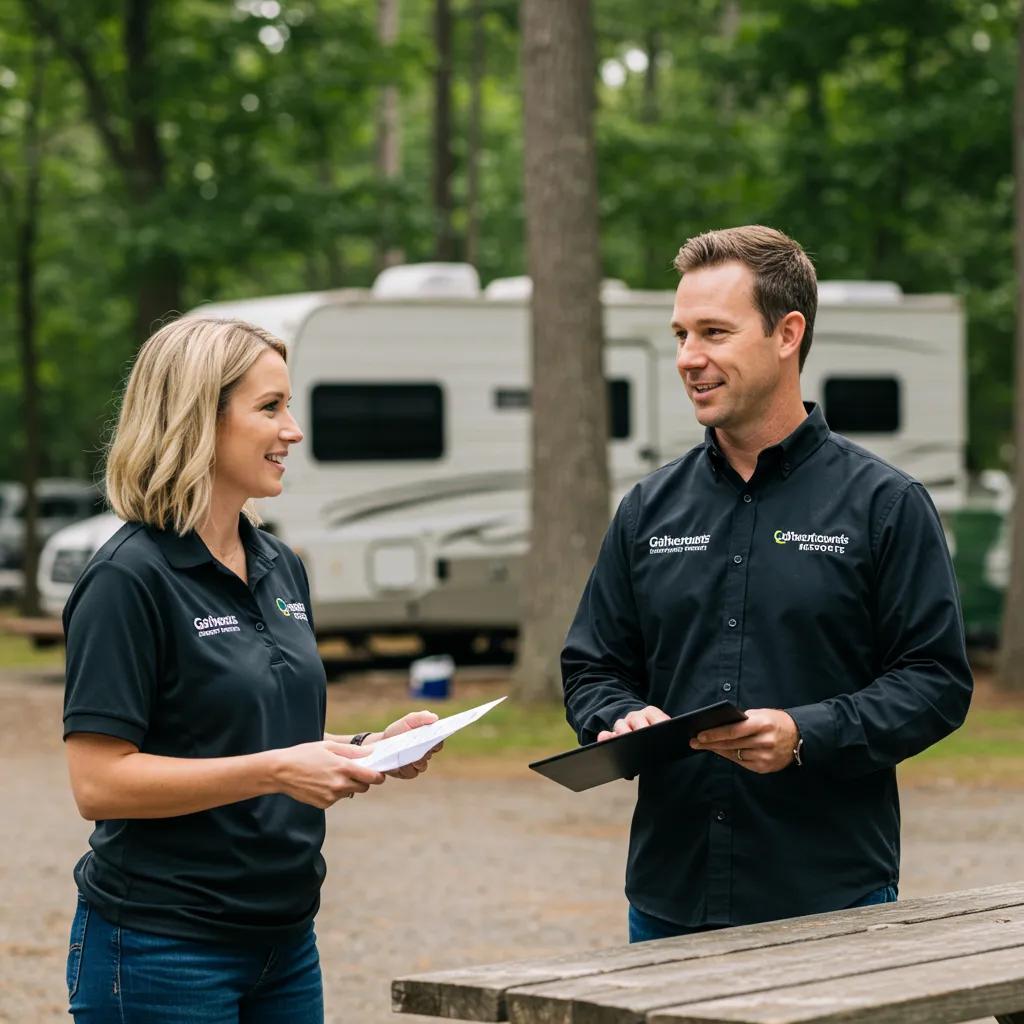
Selling directly to GatherGrounds can reduce the number of intermediaries, eliminate broker commission layers, shorten negotiation cycles, and focus the transaction on operational continuity and stewardship. This pathway can be particularly attractive for owners looking for a discreet, no-pressure conversation about retirement, succession, or sale timelines. The direct buyer model often leads to fewer surprises during due diligence because operator-buyers typically value operational synergies and practical knowledge. For sellers whose properties match our size preferences and legacy concerns, direct acquisition can be a straightforward alternative to listing with a broker.
How does GatherGrounds ensure a smooth and thoughtful transition?
GatherGrounds approaches transition planning with documented timelines, careful consideration for staff retention, and clear communication plans designed to minimize disruption to guests and the local community. Our acquisition workflow typically includes pre-closing operational assessments, joint transition meetings, and agreed-upon continuity measures for reservations and vendor relationships. Sellers can expect structured handoffs for staff and guest communications, all aimed at maintaining reputation and preserving local goodwill. Clear transition commitments reduce risk and help sellers feel confident that their campground’s unique character will be well cared for after the sale.
What Criteria Should You Use to Choose the Best Campground Broker or Buyer?
Deciding between brokers and direct buyers requires a thoughtful checklist that balances experience, buyer network, transparency, fees, and stewardship priorities to match your specific goals. Evaluate candidates based on their track record with similar property types, the strength of their buyer relationships, the clarity of their valuation methods, and how well they align with your timeline and legacy objectives. Use objective benchmarks to compare offers and ask for references and transaction examples that demonstrate successful outcomes. The right choice ultimately depends on whether you prioritize maximum market exposure, net proceeds, speed, confidentiality, or legacy preservation.
Here’s an introductory checklist for evaluating brokers and buyers:
- Experience with similar campground or RV park transactions and verifiable references.
- Size and quality of their buyer network and their buyer qualification processes.
- Clear, written fee structures, projected net-of-fee scenarios, and realistic timeline commitments.
Summary: These criteria help owners rank their options based on financial, operational, and stewardship fit before making a commitment.
Use this table as a benchmark to evaluate the capability and fit of potential brokers or buyers:
This table helps owners prioritize which attributes matter most when choosing a broker or direct buyer.
How to evaluate broker experience and industry expertise?
Assess a broker’s experience by requesting their transaction histories, references, and examples of marketing materials used in similar sales to gauge their specialization and execution capabilities. Confirm whether the broker focuses specifically on outdoor hospitality, RV parks, or a broader range of commercial real estate. Ask for contactable seller references. Look for demonstrated negotiation outcomes and their ability to manage complex due diligence and financing contingencies. A broker’s specialized experience can reduce execution risk and build confidence in their pricing and buyer qualification abilities, which leads into considering buyer network strength.
Why is a strong buyer network important for campground sales?
A robust buyer network significantly increases the likelihood of receiving competitive offers, can accelerate sale timelines, and improves price discovery through qualified bidding from both operator and investor types. Networks that include active operator-buyers and seasoned investors tend to produce faster, higher-quality proposals and reduce the marketing time needed to find credible buyers. Ask brokers about their buyer qualification process, typical response times, and examples of multiple-offer scenarios they’ve managed. A strong network can be a decisive factor in achieving favorable net proceeds, which then leads to balancing costs and fees.
How to compare broker fees versus direct sale costs?
Comparing fees involves calculating your net proceeds after commissions, marketing, legal, and closing costs, and then comparing that to the potential pricing premium a broker might secure. Run scenarios that show gross price differences, subtract estimated commissions and transaction expenses, and then compare the net result to direct offers that avoid broker commissions. Also, consider qualitative factors like confidentiality, speed, and stewardship when fees alone don’t clearly determine the best option. You should request modeled examples from both brokers and direct buyers to make clear, apples-to-apples comparisons before selecting your path.
What questions should you ask potential brokers or buyers?
Prepare a standard vetting list of questions to ask every broker or buyer. This ensures consistent comparisons and helps reveal any red flags or alignment issues during your initial conversations. Ask about their transaction examples, fee structures, buyer qualification processes, typical timelines, post-sale stewardship plans, and confidentiality practices. Request references from recent sellers and seek clarity on what documentation and disclosures will be required from your end. A consistent question set helps you evaluate trustworthiness, execution capability, and cultural fit, enabling informed decision-making as you move forward.
What Is the Typical Campground Selling Process with Brokers vs. GatherGrounds Resorts?
Selling through a campground broker generally follows a market-listing workflow: valuation, confidential marketing, offers, due diligence, and closing. This process is designed to maximize competitive bidding and market price. In contrast, a direct acquisition by an operator-buyer prioritizes property fit and stewardship, moving from a confidential inquiry through a targeted valuation, offer, and transition planning to closing. Understanding both workflows will help you choose the best approach based on your timeline, desired confidentiality, and stewardship priorities. Below is a step-by-step comparison, along with a table to summarize key attributes and timelines.
Here’s an introduction to the comparison table: The table compares broker-led sales with direct acquisitions across key areas like fees, timeline, confidentiality, buyer network, and documentation needs.
Summary: This comparison clarifies the trade-offs so owners can match process attributes with their priorities.
What are the key steps when selling through a campground broker?
Selling with a broker typically begins with a valuation and the preparation of a confidential offering memorandum. This is followed by targeted marketing, property showings, offer solicitation, negotiation, and buyer due diligence. Brokers will coordinate inspections, lender interactions, and contingencies, while you’ll supply financial and permitting documentation. Timelines often extend due to marketing windows, buyer financing, and the evaluation of multiple offers, requiring your sustained engagement. Understanding these steps will help you prepare your documentation and set realistic expectations for timing and effort, which contrasts with the direct acquisition pathway.
How does GatherGrounds’ acquisition process work step-by-step?
GatherGrounds begins with a confidential initial inquiry and property review. We then conduct an operational assessment to determine fit and present a valuation-based offer. Once terms are agreed upon, we move into transition planning and closing. Sellers provide financials, site maps, and occupancy records for our review, and GatherGrounds focuses on operational continuity throughout negotiations. This process tends to reduce layers of negotiation and eliminates broker commissions when transacting directly with the buyer. Owners who prefer a straightforward, stewardship-focused sale may favor this path over a broader market listing.
How long does it typically take to sell a campground with each method?
Broker-led listings often require several months of marketing to generate competitive bids and complete due diligence. Direct acquisitions, on the other hand, can often close more quickly when property fit and documentation are in order. Typical broker timelines vary widely based on market demand and property complexity, often ranging from three to nine months. Direct-sale timelines depend on seller readiness and buyer diligence but frequently shorten because negotiations center on operational fit rather than broad market exposure. Factors such as financing, environmental reviews, and permit complexity will lengthen either path.
What documentation and valuation methods are involved?
Both paths require organized financial statements, occupancy records, site maps, permits, and environmental documentation. However, valuation approaches often differ in emphasis. Brokers frequently rely on income approaches and market comparables to set asking prices and communicate market value to their network of buyers. Operator-buyers like GatherGrounds emphasize operational synergies and may apply a strategic valuation lens that includes stewardship and fit. Clear, well-organized documentation speeds up both broker-led and direct-acquisition processes by reducing due diligence friction and building buyer confidence.
How Can You Maximize Your Campground’s Appeal to Brokers and Buyers?
Enhancing your property’s saleability involves targeted capital and operational updates, clean financials, strong visuals, and compelling storytelling that communicates your campground’s legacy and community ties. Prioritize infrastructure, amenity quality, and financial transparency, as these directly impact valuation and buyer confidence. Presenting your campground as a well-documented, operationally sound asset with preserved traditions will increase market interest and the likelihood of receiving stewardship-focused offers. Use prioritized improvements and thorough documentation to close faster and at better net terms.
Before diving into the improvement table, here’s a short list of high-impact improvements to consider:
- Upgrade essential infrastructure like water, sewer, and electrical systems to reduce buyer uncertainty.
- Improve guest-facing amenities such as bathhouses, cabins, and signage to enhance revenue potential.
- Implement operational systems for reservations and accounting to demonstrate consistent performance.
Summary: Prioritizing these items increases buyer confidence, supports higher valuations, and streamlines the diligence process.
This table outlines improvements prioritized by expected cost/time and their impact on saleability:
This table guides owners on where to invest to improve appeal and shorten the diligence period.
What improvements increase campground market value?
Investments that reduce operational risk and expand revenue potential yield the largest valuation gains. This includes upgraded utilities, improved septic/waste systems, and well-maintained bathhouses. Enhancements to rentable cabins or premium sites, along with modern reservation systems, can increase net operating income and buyer interest. Even modest investments in signage and landscaping can significantly improve first impressions and listing performance. Prioritizing items that directly affect NOI typically produces the best return on investment for saleability and leads to smoother negotiations.
How important are updated financials and images?
Clear P&L statements, occupancy data, and high-resolution images are critical for engaging qualified buyers quickly and accelerating due diligence. Professional photos and accurate site maps reduce preliminary questions and encourage site visits, while audited or well-organized financials lend credibility to projected cash flow. Providing a concise seller packet with standardized documents saves both buyer and seller time during due diligence. Strong documentation and imagery increase initial offer quality and shorten the path to closing.
How to highlight your campground’s unique legacy and family values?
Narrative elements that describe traditions, long-term staff, guest testimonials, and community relationships can attract operator-buyers who value stewardship and continuity. Include short stories in your marketing materials about signature events, the longevity of service, and staff loyalty to illustrate your property’s non-financial value. Emphasize your stewardship practices and local ties to appeal to buyers committed to preserving the campground’s unique character. Effective storytelling differentiates your listing and can help secure offers that reflect legacy considerations alongside price.
What role do market trends and seasonality play in selling?
Seasonal demand and broader market trends in RV tourism, financing availability, and interest rates all influence timing and buyer appetite for campgrounds. Listing during off-peak periods may extend marketing time, while active seasons can create more interest and visitation opportunities. Monitor local market signals and consider timing your improvements and listing to align with higher buyer attention windows. Understanding seasonality helps set realistic timeline expectations and price positioning during negotiations.
What Are Common Seller Questions About Campground Brokers and Direct Sales?
Sellers frequently ask practical questions about financing rules, sale prices, specialized agents, commissions, and valuation differences between brokers and operator-buyers. Clear, concise answers help owners navigate common uncertainties and prepare appropriate documentation before engaging brokers or buyers. Below are direct responses to common seller queries to support quick decision-making and prepare you for deeper conversations with advisors.
What is the RV park 10-year rule and how does it affect sales?
The RV park 10-year rule is a colloquial reference to certain financing or tax considerations that may affect long-term ownership and buyers’ lending profiles. It can influence buyer interest depending on lender underwriting. Its practical impact varies by region and financing source, so sellers should consult tax and finance professionals for specific guidance. Understanding potential timelines for loan eligibility or tax depreciation helps sellers anticipate buyer questions. Owners should gather documentation and consult advisors early to clarify implications for their sale planning.
How much do campgrounds typically sell for?
Sale prices vary widely based on location, site count, NOI, amenities, and market cap rates. Valuation depends more on financial performance and comparables than simple per-site metrics. Buyers evaluate NOI and cap rate multiples, with site count and revenue diversity also influencing price. Regional market conditions and buyer demand create broad ranges, so sellers should rely on tailored valuations rather than generic figures. Early valuation modeling helps owners set realistic expectations and prepare their financial documentation.
Is there such a thing as a realtor specialized in RV parks?
Yes—specialists exist who focus on RV parks and campgrounds. Signs of specialization include transaction histories in outdoor hospitality, industry-specific marketing channels, and references from prior campground sellers. Verify specialization by asking for examples of similar closings, their buyer networks, and marketing approaches tailored to outdoor hospitality. Specialized brokers bring domain knowledge that improves buyer matching and valuation accuracy. Choosing a specialist versus a generalist depends on your property’s complexity and your priorities for exposure and stewardship.
How do broker commissions compare to direct sale savings?
Broker commissions reduce gross proceeds but can be justified if higher sale prices achieved through wider exposure offset the fees. Direct sales avoid commissions but may result in fewer competing bids. Scenario modeling of net proceeds after commissions and transaction costs clarifies which path is financially preferable. Consider non-financial trade-offs too—confidentiality, timeline, and stewardship—that affect the total deal value beyond the headline price. Request modeled outcomes from brokers and direct buyers to compare net results clearly.
How does GatherGrounds value campgrounds differently?
GatherGrounds’ valuation lens often emphasizes operator-fit, stewardship potential, and operational synergies in addition to financial metrics. This can result in offers that reflect both financial and non-financial value drivers. Our approach blends practical operational assessments with financial modeling to determine alignment and fair offer terms. Sellers should expect conversations that consider legacy preservation, staffing continuity, and guest experience alongside NOI and comparables. This operator-focused valuation can be a great fit for owners prioritizing legacy and continuity.
How to Start Your Campground Sale: Choosing Between Brokers and GatherGrounds Resorts
Start by clarifying your goals—whether it’s to maximize net proceeds, preserve legacy, shorten the timeline, or ensure staff continuity. This will help determine whether a broker or a direct sale is the better route for you. Prepare a seller packet with your financials, occupancy data, site maps, permits, and high-quality images to support both broker-led and direct-sale conversations. Gather multiple net-of-fee scenarios from brokers and consider direct inquiries for operator-fit offers to compare terms beyond just the price. When you’re ready, initiate confidential conversations to explore offers while protecting your guest operations and local relationships. For owners who prefer a direct, stewardship-minded buyer option, remember: GatherGrounds Resorts offers a direct acquisition solution for campground owners, providing an alternative to traditional brokerage services.
When should you consider selling directly to GatherGrounds?
Consider a direct sale to GatherGrounds when your priorities include legacy preservation, a desire for a simpler transaction, or when your property aligns with our acquisition profile, such as larger site counts. If you prefer fewer intermediaries and a focus on operational continuity, a direct buyer may better match your goals. Sellers with clear documentation and an interest in stewardship-oriented transitions will likely find direct discussions efficient. Identifying these decision signals will help you prioritize your outreach and negotiation strategy.
How to initiate a no-obligation conversation with GatherGrounds Resorts?
Begin with a confidential introductory message summarizing your property basics, key financials, and primary goals for the sale. Request a private exploratory call to discuss fit and next steps. Prepare a concise packet with occupancy, NOI, site count, and standout stewardship elements to share upon mutual interest. Expect an initial, low-pressure dialogue that focuses on property fit and seller objectives rather than immediate transaction pressure. This initial outreach sets the stage for a focused review and potential next steps.
What information should you prepare before contacting brokers or buyers?
Prepare organized financial statements (P&L, tax returns), occupancy and reservation data, site maps, infrastructure and permit documentation, and professional photos to accelerate buyer assessment. Prioritize must-have items for diligence and list nice-to-have materials that enhance storytelling and valuation. A streamlined seller packet demonstrates professionalism and reduces friction in both broker-led and direct-acquisition processes. With these items prepared, you can engage multiple buyers or brokers efficiently and compare offers on an informed basis.
How to evaluate offers and make informed decisions?
Evaluate offers by comparing net proceeds, contingencies, timeline, and non-financial terms such as stewardship, staff retention, and transition commitments to form a comprehensive decision matrix. Score each offer on price, certainty of close, buyer strength, and post-sale commitments to determine the best overall fit. Consult legal and tax advisors to assess contingencies and closing mechanics before acceptance. Using a structured evaluation process ensures you make informed choices aligned with both your financial and legacy objectives.
Frequently Asked Questions
What should I consider when preparing my campground for sale?
When preparing your campground for sale, focus on enhancing its appeal through targeted improvements. Upgrading essential infrastructure, such as water and electrical systems, can significantly reduce buyer uncertainty. Additionally, refreshing guest-facing amenities like bathhouses and cabins can enhance the overall experience and increase revenue potential. Ensure your financial records are clear and well-organized, as this transparency builds buyer confidence. Professional photography and compelling storytelling about your campground’s legacy can also attract more interest and higher offers.
How can I ensure confidentiality during the selling process?
To maintain confidentiality during the selling process, consider working with a broker who specializes in discreet transactions or opting for a direct sale with a buyer like GatherGrounds Resorts. Use non-disclosure agreements (NDAs) to protect sensitive information when sharing details with potential buyers. Limit the distribution of your listing to qualified buyers and ensure that marketing materials do not disclose your identity or specific operational details. A well-structured approach to confidentiality can help safeguard your business reputation and ongoing operations.
What are the key differences between selling to a broker and a direct buyer?
Selling through a broker typically involves broader market exposure, competitive bidding, and professional negotiation, which can maximize sale price but may also incur commission fees. In contrast, selling directly to a buyer like GatherGrounds focuses on operational fit and stewardship, often resulting in a quicker, more straightforward transaction without broker commissions. The choice between these methods depends on your priorities, such as maximizing financial returns versus ensuring a smooth transition and preserving your campground’s legacy.
How do I assess the financial health of potential buyers?
To assess the financial health of potential buyers, request proof of funds or pre-approval letters from financial institutions. This documentation demonstrates their ability to complete the purchase. Additionally, inquire about their experience in the campground industry and their operational plans for the property. Understanding their financial background and intentions can help you gauge their seriousness and capability to follow through with the transaction, ensuring a smoother selling process.
What role does storytelling play in selling a campground?
Storytelling plays a crucial role in selling a campground by highlighting its unique legacy, community ties, and guest experiences. A compelling narrative can differentiate your property from others on the market, appealing to buyers who value stewardship and continuity. Include anecdotes about long-term staff, memorable events, and the campground’s history in your marketing materials. This emotional connection can resonate with potential buyers, making them more likely to appreciate the non-financial value of your campground and potentially offer higher prices.
How can I evaluate the effectiveness of a campground broker?
To evaluate the effectiveness of a campground broker, review their track record with similar properties, including successful sales and client testimonials. Ask for references and examples of their marketing strategies and buyer networks. Assess their communication style and responsiveness, as these factors can significantly impact the selling process. Additionally, inquire about their fee structures and what services are included, ensuring that their approach aligns with your goals and expectations for the sale.
What are the potential tax implications of selling my campground?
When selling your campground, it’s essential to consider potential tax implications, including capital gains tax on the profit from the sale. The tax rate may vary based on how long you’ve owned the property and your overall income. Additionally, consult with a tax professional to understand any deductions or exemptions that may apply, such as depreciation recapture. Proper tax planning can help you maximize your net proceeds and avoid unexpected liabilities during the selling process.
Conclusion
Choosing the right campground broker or opting for a direct sale can significantly impact your financial outcomes and the preservation of your property’s legacy. Understanding the benefits and challenges of each approach empowers campground owners to make informed decisions that align with their goals. Whether you seek maximum market exposure or a stewardship-focused transition, the right strategy can enhance your selling experience. Start exploring your options today to ensure a successful sale that honors your campground’s unique heritage.