


Unlock Your RV Resort’s Potential: Expert Strategies for a Swift and Profitable Sale
Selling your RV resort swiftly while maximizing its value is all about smart financial moves, strategic operational enhancements, and a clear path to closing that aligns with your vision. This guide is crafted for campground owners looking to boost their Net Operating Income (NOI), leverage current valuation methods for 2025, and choose the best route—whether it’s brokers, investors, or a direct sale to an operator—to speed up closing and safeguard your legacy. Many owners aim for a “quick sale” but also want to secure their retirement funds and ensure their team and community thrive. The insights below blend valuation benchmarks, practical checklists, and timeline tactics to help you achieve just that. You’ll discover step-by-step preparation for sellers, prioritized upgrades with expected returns, and market trends shaping pricing in 2025. We’ll then compare brokered listings with direct acquisition approaches, detail the due diligence documents buyers expect, and explore exit-planning considerations for family-run campgrounds. Throughout, we’ve integrated keywords like “selling an RV park,” “RV resort appraisal,” and “selling a family campground” to make this advice easily discoverable and actionable for owners ready to move forward.
Why Partner with a Family-Owned Direct Buyer Instead of a Campground Broker?
A family-owned direct buyer is an operator that actively manages and runs campgrounds, offering a direct negotiation process, a commitment to operational continuity, and hands-on transition support, rather than simply marketing a listing through intermediaries. This approach often shortens the sales timeline because the decision-makers are readily available for immediate offers, and the buyer deeply understands and values the operational intricacies that a listing-focused broker might overlook. Sellers benefit from more transparent discussions about staff retention, phased handovers, and the preservation of the property’s unique identity, which can lead to smoother closings and fewer contingencies. Understanding how a direct buyer differs from traditional brokers sets the stage for the practical comparison in the next section, highlighting specific seller advantages and potential trade-offs.
What Are the Advantages of Selling Directly to GatherGrounds Resorts?
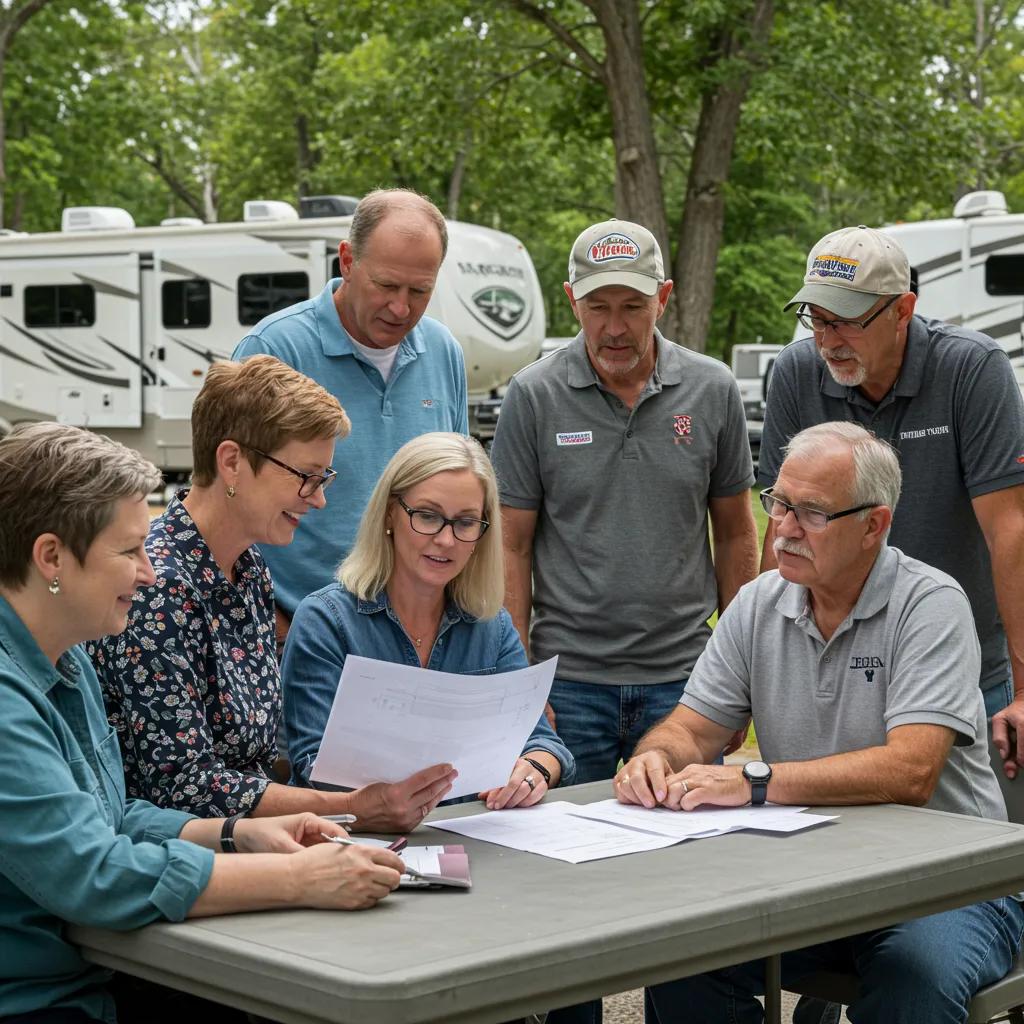
Selling directly to GatherGrounds Resorts means cutting out broker commissions and engaging in direct negotiation with an operating, family-owned buyer that is committed to thoughtful transitions and continuity. Sellers retain a larger portion of the gross sale proceeds by eliminating commission layers, while direct communication with decision-makers minimizes misunderstandings about operational nuances during valuation. GatherGrounds is dedicated to preserving the property’s identity and traditions, investing in and operating parks itself rather than viewing them solely as financial assets. This approach can provide significant reassurance to owners who deeply care about their campground’s legacy. Furthermore, this direct path typically accelerates due-diligence cycles because our team focuses on operational verifications essential for running the campground, leading to a quicker closing timeline.
How Does a Thoughtful Transition Safeguard Your Campground’s Legacy?
A thoughtful transition formalizes the preservation of legacy, staff relationships, and community ties through carefully planned operational handovers, staff introductions, and ongoing local engagement. Practical steps include establishing an agreed-upon transition timeline, offering seller consultation periods, implementing retention incentives for key staff, and developing community outreach plans that clearly communicate the continuity of services and events. These measures minimize disruption for guests and vendors while maintaining revenue stability during the transfer, which in turn bolsters buyer confidence and stabilizes valuation expectations. Structuring these elements early in negotiations creates a seamless bridge between the mechanics of the sale and the long-term preservation of your campground’s cherished reputation.
What Are the Common Downsides of Using Real Estate Brokers for RV Parks?
While real estate brokers can broaden buyer reach, they often introduce additional commission costs, extend listing timelines, and may lead to a misalignment between marketing-focused buyers and experienced campground operators. Typical commission percentages can significantly reduce net proceeds, and the need for multiple intermediary approvals can lengthen negotiation and closing periods. Brokers might also attract investors primarily interested in repositioning the property rather than ensuring operational continuity, potentially increasing the risk of cultural shifts for staff and community stakeholders. When preserving legacy and minimizing friction are key priorities, understanding these broker-driven trade-offs is crucial for owners deciding if the marketing reach justifies the added cost and time.
How Can You Maximize Your RV Resort’s Sale Value Before Listing?

Maximizing your resort’s sale value involves boosting Net Operating Income, sharpening operational efficiency, and presenting pristine financials that minimize perceived risk for buyers—all of which contribute to higher valuation multiples. Buyers meticulously assess stabilized revenue, defensible expense lines, and robust operational systems. Therefore, sellers should concentrate on enhancing occupancy rates, introducing high-ROI amenities, and refining accounting practices. A structured checklist of prioritized seller actions can help organize efforts and quickly demonstrate value. Once financials and operations are optimized, targeted physical upgrades can further elevate per-site value and buyer interest.
Campground owners should focus on these five prioritized actions to enhance their sale value:
- Organize and present clear financial statements and site-level income records to showcase consistent NOI.
- Optimize reservation and yield management strategies to boost occupancy during shoulder seasons and increase RevPAR.
- Invest in high-ROI amenities like upgraded hookups, reliable Wi-Fi, and refreshed bathhouses to broaden buyer appeal.
- Standardize maintenance logs and vendor contracts to reduce perceived operational risks during due diligence.
- Document staffing plans and community engagement initiatives to demonstrate continuity and preserve goodwill.
These steps ensure sellers are prepared to provide the documents and verifiable metrics buyers expect, which smooths negotiations and increases net proceeds.
How Should You Organize Financial Records for a Stronger Sale?
Organize financial records in clear, itemized formats, including reconciled Profit & Loss statements, detailed site income ledgers, tax returns, and a rent-roll or site-by-site revenue summary that illustrates seasonality and occupancy. Buyers seek consistent NOI trends, repeat guest metrics, and verifiable expense categories. Presenting comparative year-over-year statements with annotations for one-off items significantly boosts credibility. Prepare an executive summary that explains accounting methods, capital expenditures, and any owner adjustments to EBITDA, enabling buyers to quickly assess normalized cash flow. Meticulously organized records shorten due diligence and often lead to higher valuation multiples by reducing perceived risk.
Before reviewing the table below, sellers should understand which documents carry the most weight with buyers during diligence and why these items are so important.
What Operational Improvements Enhance Campground Appeal?
Operational improvements that boost appeal focus on guest experience systems, efficient staffing, and maintenance routines that protect revenue and minimize operational surprises. Implementing a modern reservation system with dynamic pricing, training front-line staff on upselling and guest retention, and enforcing preventative maintenance schedules can quickly elevate guest satisfaction and encourage repeat business. Small investments in cleanliness standards, streamlined check-in processes, and reliable communication often yield disproportionately large increases in occupancy and ancillary revenue. Documenting these operational enhancements and their associated metrics helps buyers see a direct correlation between operations and improved NOI.
Which Property Upgrades Offer the Highest Return on Investment?
In 2025, high-ROI upgrades typically include enhancements to electrical, water, and sewer hookups, the provision of reliable high-speed Wi-Fi for remote-working guests, and modernized bathhouse facilities that reduce complaints and encourage longer stays. Leveling and surfacing sites or adding pull-through pads increases usable nights per site and appeals to modern RV units, while improved signage and landscaping enhance curb appeal with modest investment. Prioritize upgrades based on the cost per expected incremental nightly rate and projected payback period, focusing first on items that directly increase occupancy and length of stay. Buyers reward demonstrable increases in per-site revenue with higher per-site valuation multiples.
Before buyers delve into valuation methods, sellers need a clear, numerically grounded approach to estimating their property’s worth.
What Are the Most Effective RV Park Valuation Methods for 2025?
Valuation in 2025 is built on three core pillars: income-based valuation using NOI and cap rate, per-site benchmarks, and comparable sales when available. Each method provides complementary insights into market value. The income approach calculates value by dividing stabilized NOI by an appropriate capitalization rate, which reflects market risk and property attributes. Per-site valuation applies market per-site benchmarks, adjusted for amenities, location, and site mix, proving particularly useful when comparable sales data is accessible. Combining these methods produces a defensible value range and helps sellers set realistic price expectations.
The following table outlines key valuation metrics, attributes, and typical 2025 benchmark ranges for campground sellers to use as starting points.
How Is Net Operating Income Used to Value Your Campground?
Net Operating Income is defined as total revenue minus all operating expenses (excluding financing costs and taxes), representing the cash flow available to a buyer. Calculate NOI by normalizing one-time owner expenses, adjusting for non-recurring capital projects, and pro-rating seasonal variances to present a stabilized annual figure. Buyers use NOI as the numerator in the income approach, with the chosen capitalization rate determining market value. Clear documentation and defensible adjustments reduce negotiation risk. Presenting a reconciled NOI with supporting schedules helps sellers justify their asking prices and accelerates buyer evaluation.
What Role Does Capitalization Rate Play in Pricing?
The capitalization rate expresses the relationship between NOI and value: Value = NOI / Cap Rate. Consequently, lower cap rates result in higher valuations, and vice versa. Cap rates reflect market conditions, perceived operational risk, property size, and amenity mix. Well-located, amenity-rich resorts with stable occupancy typically command lower cap rates. Sellers should research recent campground transactions and regional hospitality cap-rate trends to select a realistic rate and be prepared to justify any deviations based on growth prospects or required capital investment. Choosing an appropriate cap rate aligns seller expectations with buyer underwriting and narrows the negotiation gap.
How Do Per-Site Values Influence Overall RV Resort Worth?
Per-site value is calculated by multiplying the average value assigned to each usable site by the total number of developed sites, with adjustments for premium pull-throughs, full-hookup pads, and unique amenity clusters. Buyers analyze site-level revenue and nightly rates to infer a per-site multiple; special-use sites (like cabins or glamping tents) typically carry higher per-site valuations. Accurate site counts, categorized revenue streams, and clear distinctions between premium and standard sites make per-site calculations more reliable. Combining per-site analysis with income-based valuation ensures sellers capture both operational cash flow and asset-level improvements in their overall worth.
What Is the Typical Timeline for Selling an RV Resort Quickly?
A “quick” sale timeline for an RV resort in 2025 generally ranges from 60 to 180 days from initial contact to closing, influenced by pricing, document readiness, and buyer financing. Direct buyers often close faster than those involved in brokered transactions. The primary time segments include initial assessment and offer (2–6 weeks), due diligence and inspections (2–8 weeks), and closing/post-closing transition (2–6 weeks). The speed is largely determined by the buyer type—operator buyers or direct-acquisition groups can shorten review cycles by prioritizing operational checks over speculative market testing. Preparing documents and addressing known issues upfront compresses each phase, increasing the likelihood of a rapid close.
What Factors Influence the Speed of Your Campground Sale?
Pricing accuracy, the completeness of financial and operational records, the type of buyer, and the extent of capital improvements needed are primary determinants of sale speed. Overpricing can lead to extended marketing periods and low-quality offers, while underpricing might attract quick but low-value bids. Realistic, market-based pricing reduces the time to receive an offer. Prepared documentation—P&L statements, tax returns, site income records—expedites due diligence, and an operator buyer’s familiarity with campgrounds reduces the need for extensive operational verification. Anticipating and resolving potential environmental, septic, or title issues beforehand avoids late-stage delays and supports a faster close.
How Can You Expedite the Selling Process with GatherGrounds Resorts?
GatherGrounds Resorts streamlines acquisitions through direct negotiation, focused operational due diligence, and clear expectations regarding required documents, enabling faster offers and minimizing back-and-forth communication. Our preference for acquiring and operating parks means due diligence centers on financial records, site inventories, maintenance logs, and guest metrics—elements that sellers can prepare in advance to expedite the review process. A typical expedited timeline with a well-prepared seller can move from inquiry to a firm offer within weeks and to closing in a compressed timeframe compared to longer brokered listings. Sellers who provide the requested documentation promptly and allow timely site access often experience faster closings when working with direct buyers.
What Are Your Selling Options: Broker vs. Direct Acquisition?
Sellers primarily face two options: list with a broker to access a broad buyer pool or sell directly to an operator/investor who will purchase and operate the park. Brokers can maximize exposure and potentially attract higher competitive bids in strong markets, but their marketing-oriented workflows introduce commission costs and potentially longer timelines. Direct acquisition by an operator shortens negotiation cycles, reduces transaction complexity, and preserves operational continuity, though it may limit competitive bidding. An objective comparison helps sellers weigh net proceeds, time-to-close, and transition preferences.
How Do Broker Commissions Impact Your Net Sale Proceeds?
Typical broker commissions reduce seller proceeds by a percentage of the sale price, which can materially lower net proceeds even if the gross sale price increases modestly due to marketing efforts. For instance, sellers should calculate their post-commission proceeds and compare that figure to a direct-sale net offer to determine which route yields better retirement outcomes. Beyond direct commission costs, brokers may introduce escrow and extended marketing timelines that increase holding costs and management distraction. Sellers should run net-proceeds scenarios for both brokered and direct-sale routes to evaluate the trade-offs objectively.
What Is the Step-by-Step Process When Selling Directly to GatherGrounds?
The direct-acquisition process typically follows a structured sequence: initial contact and information exchange, site visit and operational review, preliminary offer, due diligence with document verification, final offer and closing, followed by a phased transition. Sellers provide financial statements, site inventories, maintenance records, and guest metrics early on, allowing GatherGrounds to assess NOI and operational fit; this documentation focus shortens underwriting. Offers from a direct buyer often include transition plans detailing staff retention and seller involvement if desired, making the handover predictable. Clear staging and timelines at each step minimize surprises and support a smoother, faster close.
When Is Using a Broker Still a Viable Option?
Using a broker makes sense when the market is exceptionally strong and the owner’s priority is achieving the highest possible gross sale price, when the seller desires broad investor exposure, or when the seller prefers not to negotiate operational terms directly. Brokers can foster competitive bidding that may drive the price higher than an operator offer, particularly for unique or highly desirable locations. However, sellers should weigh that potential upside against commission costs, longer timelines, and potential cultural shifts if the buyer is a passive investor. A decision checklist comparing target net proceeds, desired transition style, and time horizon can help owners choose the most suitable path.
How Can You Plan a Successful Exit Strategy for Your Family-Owned Campground?
An effective exit strategy aligns retirement goals, tax planning, and operational transition to ensure financial security and legacy preservation. Begin by setting realistic financial targets—desired net proceeds, ongoing income needs, and tax considerations—and then work backward to select the optimal timing, sale route, and necessary investments. Succession options include outright sale, phased management transfer, or seller consultation agreements; each option impacts taxation, timing, and staff continuity. Thoughtful planning also prepares the community and vendors for the upcoming changes, preserving goodwill that supports valuation and a smooth handover.
What Are Key Considerations for Retirement and Transition?
Owners should prioritize establishing clear financial goals, consulting with tax and legal advisors, and outlining staff and vendor transition plans well in advance of marketing the property. Determine target net proceeds that will fund retirement needs, consider optimal timing based on market conditions, and evaluate whether a phased exit or an immediate sale best serves personal and business objectives. Addressing estate planning, potential seller financing, and post-sale roles early on reduces surprises and preserves bargaining leverage. Clear communication with staff and the local community prevents service disruptions and maintains revenue stability throughout the transition.
How Does GatherGrounds Support a Thoughtful Handover?
GatherGrounds supports handovers by offering phased operational transitions, retention plans for key staff, and commitments to preserve property traditions and community relationships both during and after closing. Our buyer’s family-owned operating model focuses on investing in acquired parks and continuing service levels rather than simply flipping assets, which aligns perfectly with sellers who prioritize legacy preservation. GatherGrounds’ acquisition approach centers on direct communication with owners and comprehensive transition planning that details timelines, staff introductions, and community outreach, helping sellers feel confident that their campground will continue serving guests and neighbors as intended.
What Are the Latest RV Park Market Trends in 2025 That Sellers Should Know?
In 2025, RV park demand remains robust, marked by notable increases in long-term stays, remote-work-driven bookings, and growing interest in sustainable infrastructure—factors that are actively shifting buyer preferences and valuation drivers. Buyers highly value properties offering reliable high-speed internet, flexible site designs accommodating modern RVs, and amenities that support extended stays, such as comfortable work-friendly common areas. Market pressures in certain regions have driven up per-site benchmarks and tightened capitalization rates for well-performing resorts, although significant regional variance persists. Understanding these trends helps sellers prioritize upgrades or time their sales to capitalize on peak buyer interest.
How Has the Surge in RV Popularity Affected Campground Values?
The surge in RV popularity has significantly expanded demand for sites, leading to higher occupancy rates and increased per-night rates in many markets. This translates directly into stronger NOI and upward pressure on valuations. However, development constraints and local permitting challenges can limit supply increases, further elevating the value of well-located properties with scalable capacity. Sellers should closely monitor local demand indicators—such as RV registration growth, occupancy trends, and permit activity—to choose optimal timing that captures these value gains. Timing a sale to coincide with strong local demand can materially improve sale outcomes.
What Amenities and Features Are Increasing Buyer Interest?
In 2025, buyers prioritize high-speed Wi-Fi, robust utility hookups suitable for larger RVs, upgraded restrooms and bathhouses, and amenities that support longer stays, such as laundry facilities, community workspaces, and covered outdoor gathering areas. Sustainable infrastructure—including solar-supported power, efficient wastewater systems, and low-impact site design—also attracts operators and investors focused on long-term operating costs and evolving guest expectations. Prioritizing these amenity upgrades, when aligned with market demand, enhances buyer interest and per-site valuation, guiding sellers on where to invest pre-sale.
How Do Market Trends Influence Your Selling Strategy?
Market trends inform the decision of whether to invest in upgrades before selling or to market the property as-is to capture current demand. The optimal choice depends on your time horizon, expected return on investment, and prevailing buyer preferences in your region. If trends indicate rising per-site values and strong long-stay demand, targeted investments in hookups and Wi-Fi may yield higher net proceeds than selling without upgrades. Conversely, in very active markets, sellers might achieve premium prices without extensive capital expenditures by leveraging high demand. A straightforward decision flow—assess local demand, estimate upgrade ROI, and compare timeline trade-offs—helps owners select the most effective strategy.
- Assess Local Demand: Review current occupancy trends and regional market signals.
- Estimate ROI: Calculate payback periods for proposed upgrades.
- Decide Timing: Choose between immediate sale or pre-sale investment based on net-proceeds scenarios.
These steps help sellers align investment decisions with market momentum and their personal timelines.
Frequently Asked Questions
What should I consider when preparing my RV resort for sale?
When preparing your RV resort for sale, focus on enhancing its appeal through operational improvements and financial organization. Start by cleaning up financial records, ensuring they are clear and itemized. Consider making high-ROI upgrades, such as improving amenities and enhancing guest experiences. Additionally, develop a transition plan that addresses staff retention and community engagement. These steps not only increase the property’s value but also make it more attractive to potential buyers, facilitating a smoother sale process.
How can I determine the right asking price for my RV resort?
Determining the right asking price for your RV resort involves a combination of methods. Start with an income-based valuation using your Net Operating Income (NOI) and an appropriate capitalization rate. Additionally, consider per-site benchmarks and comparable sales in your area. It’s essential to analyze market trends and buyer preferences to set a competitive price. Consulting with a valuation expert can also provide insights into pricing strategies that align with current market conditions.
What role does marketing play in selling my RV resort?
Marketing plays a crucial role in selling your RV resort by increasing visibility and attracting potential buyers. Effective marketing strategies include creating a compelling listing that highlights the resort’s unique features, amenities, and location. Utilizing online platforms, social media, and targeted advertising can broaden your reach. Additionally, professional photography and virtual tours can enhance the appeal of your listing. A well-executed marketing plan can generate interest and competitive offers, ultimately leading to a successful sale.
What are the tax implications of selling my RV resort?
When selling your RV resort, it’s important to consider the tax implications, which can vary based on your specific situation. Capital gains tax may apply to the profit made from the sale, and the rate can depend on how long you’ve owned the property. Additionally, if you reinvest the proceeds into another property, you may qualify for a 1031 exchange, deferring taxes. Consulting with a tax advisor is essential to understand your obligations and explore strategies to minimize tax liabilities during the sale.
How can I ensure a smooth transition for staff and guests after the sale?
To ensure a smooth transition for staff and guests after the sale, develop a comprehensive transition plan that includes clear communication with all stakeholders. Introduce the new owners to staff and guests, emphasizing continuity in operations and services. Retention incentives for key staff can help maintain morale and operational stability. Additionally, engage with the local community to reassure them of ongoing commitments. A thoughtful approach to transition fosters trust and minimizes disruption, benefiting both the new owners and the existing clientele.
What are the common mistakes to avoid when selling an RV resort?
Common mistakes to avoid when selling an RV resort include overpricing the property, neglecting to prepare financial records, and failing to market effectively. Overpricing can deter potential buyers and prolong the sale process. Inadequate financial documentation can raise red flags during due diligence, leading to lower offers. Additionally, not investing in necessary upgrades or improvements can diminish buyer interest. To avoid these pitfalls, conduct thorough market research, prepare your financials meticulously, and consider professional assistance in marketing and valuation.
Conclusion
Successfully selling your RV resort hinges on understanding the nuances of valuation, operational improvements, and the benefits of direct acquisition. By prioritizing financial clarity and thoughtful transitions, sellers can maximize their net proceeds while preserving their campground’s legacy. Engaging with a family-owned buyer like GatherGrounds ensures a smoother process and a commitment to continuity that aligns with your goals. Take the next step towards a successful sale by exploring our direct acquisition options today.