Michigan Seasonal Camping Regulations: Understanding Local Seasonal Restrictions and Stay Limits
Seasonal camping restrictions in Michigan are key to knowing who can stay, where they can camp, and for how long during those busy recreation months. This guide breaks down official state park stay limits, reservation and absence rules, and how private campgrounds handle their own seasonal policies, so you can confidently plan your extended getaways. You’ll learn about Michigan state park rules straight from the Michigan Department of Natural Resources (Michigan DNR), how private campgrounds manage their seasonal contracts, and practical steps for booking those long-term or seasonal RV sites. We’ll compare public park limits with the flexibility of private campgrounds, highlight the best ways to do long-term RV camping, and point you to the official resources to keep you in the loop. With real-world examples and handy checklists, it’s easier than ever to decide if state parks or a private seasonal spot is the better fit for your family’s plans. Plus, understanding these rules helps clarify how to book a seasonal spot, what utilities and visitor policies to double-check, and when you should book for the upcoming season.
What Are Michigan’s State Park Seasonal Camping Rules and Stay Limits?
State park seasonal camping rules set maximum consecutive-night limits, define peak operating dates, and require you to take breaks before returning to ensure more visitors can enjoy our parks during high-demand months and to manage resources sustainably. This approach benefits everyone who loves recreation and conservation. The handy table below summarizes common state-park parameters from the official state resource for quick reference and planning. After the table, we’ll dive into reservation windows and how absence rules affect your ability to rebook.
This table condenses typical state park stay limits and season details for easy comparison and planning.
This table helps you quickly see the core state-park constraints so you can plan around maximum nights and absence policies before you book. Understanding these basics will lead you into the specifics of how long you can camp and how the reservation mechanics work.
How Long Can You Camp in Michigan State Parks?
State parks typically enforce a maximum consecutive stay policy, like 15 nights in a row during peak operating windows, to ensure fair access for everyone. This limit means you should plan your visits and rotations rather than assuming you can stay indefinitely. This rule often applies across many parks managed by the official state resource. Sometimes, exceptions might exist for non-peak seasons or specific parks, so it’s always a good idea to check the current park notice before you arrive. Knowing this cap helps families decide between shorter, rotating visits or looking into private seasonal options for longer stays.
What Are the Official Operating Dates for Michigan State Park Camping?
Official operating dates for many Michigan state park facilities commonly fall within a defined peak season, often from mid-May through mid-September, though exact dates can vary by park and year. These operating windows are when reservation demand really picks up and when maximum-stay policies typically kick in, so planning around these dates can help avoid booking surprises. Things like construction, staffing, or weather can shift a park’s season dates, so verifying the published season start and end for your chosen park is a smart move. Confirming dates early helps with effective trip scheduling and aligns your expectations with the stay limits.
What Reservation Rules and Absence Requirements Apply in State Parks?
Reservation systems for state parks usually offer advance-booking windows and enforce absence requirements—often a multi-night gap—before you can return to the same site. This is to prevent continuous occupation during peak season. These rules typically cover how far in advance you can reserve, cancellation and no-show penalties, and the required break before you can rebook the same spot. You should understand these mechanics because they directly impact planning multi-week trips and whether rotating between sites or opting for private seasonal contracts makes more sense. Knowing the reservation rules clearly helps families avoid accidental violations and plan a legal and enjoyable stay.
How Do Private Campgrounds Like Walnut Hills Family Campground Manage Seasonal Camping?
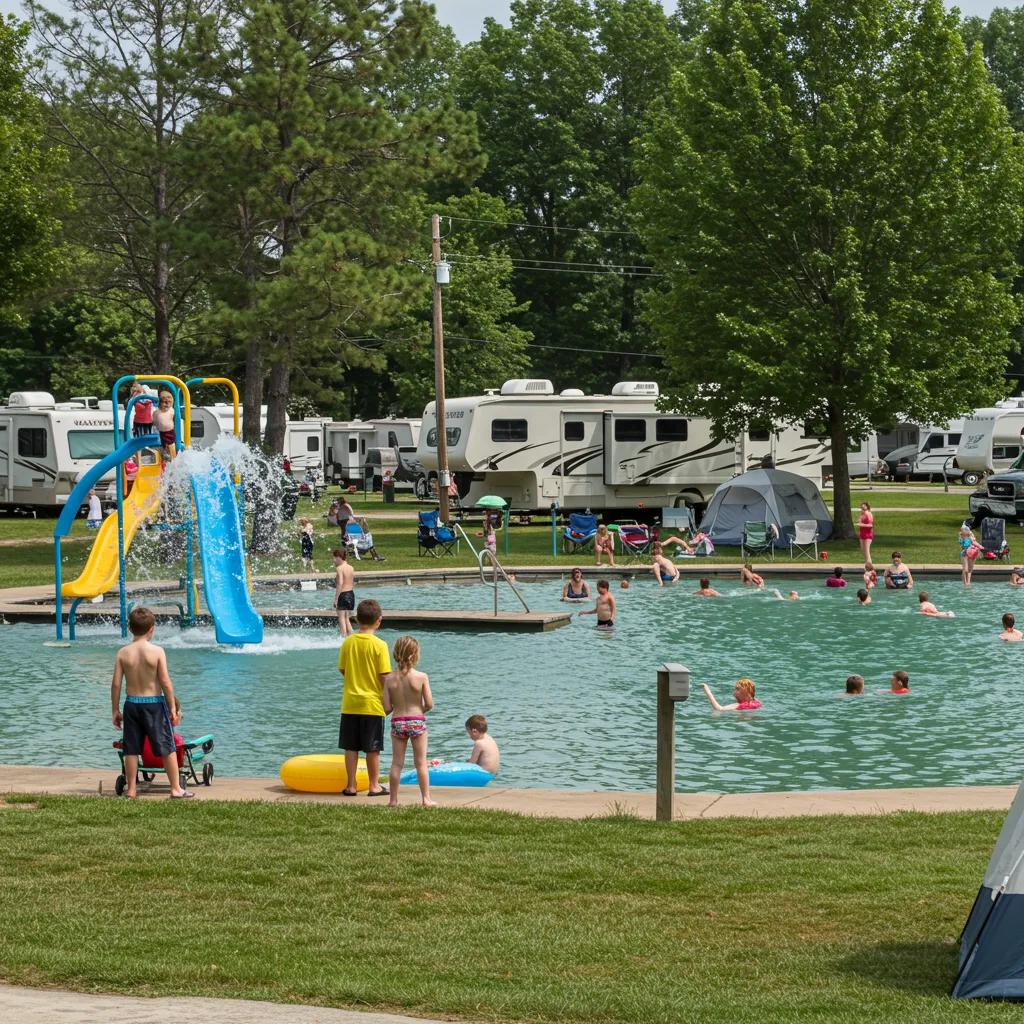
Private campgrounds manage seasonal camping through contracts and extended operating dates, offering options that are intentionally different from public park limits. Private operators can set their own seasonal start and end dates, offer multi-month site contracts, and include amenities and policies that support longer stays for families who want continuity. Below is a quick snapshot highlighting one private example to show how private offerings stack up against state park constraints and what you can expect when you choose a seasonal site.
This table summarizes a private campground snapshot to clarify typical private-season attributes for your decision-making.
This snapshot shows that private seasonal contracts can extend beyond state-park peak windows and often include family-focused amenities, supporting longer, more amenity-rich stays compared to state parks. Next, we’ll outline specific seasonal dates, pricing context, amenities, and reservation steps for Walnut Hills.
What Are Walnut Hills Family Campground’s Seasonal RV Site Dates for 2026?
Walnut Hills Family Campground (operated by GatherGrounds Resorts) offers Seasonal RV Sites with an extended camping season running from May 1 to October 20, 2026. This timeframe provides longer on-site occupancy than many state park peak windows and is designed for seasonal renters who want continuity through late spring, summer, and early fall. For short-term camping, the campground notes shorter operating dates in common offerings—May 1 to September 30—so seasonal contracts explicitly extend the usable season. Understanding this distinction helps campers decide between short-term reservations and seasonal commitments.
How Do Walnut Hills Seasonal Site Rates and Availability Compare?
Seasonal RV Sites at Walnut Hills are listed in a price range of $3,000-$5,000/season, which typically covers a multi-month site hold and access to on-site amenities, though you should verify what’s included before signing a contract. Availability tends to be limited, and demand often concentrates around early booking windows, so reserving several months in advance is a good idea for popular site types. Comparing the seasonal rate band to daily short-term rates shows that seasonal contracts can be quite cost-effective for families planning extended stays. Planning early reduces the risk of missing out on preferred site locations during peak reservation periods.
What Amenities Support Seasonal Campers at Walnut Hills?
Walnut Hills supports seasonal campers with family-friendly amenities that really enhance long-term stays, including a Wibit water park, a swimming lake, a dog park, and canoe rentals on the Shiawassee River. These amenities create great recreational value for both kids and adults and make extended residency more enjoyable and convenient, as daily activities are right there on site. Seasonal campers should confirm the availability of utilities like hookups, storage options, and any site-specific visitor policies before finalizing a contract. Amenities, combined with seasonal dates and site features, often determine if a campground is the right long-term choice.
How Can You Reserve a Seasonal Site at Walnut Hills?
Reserving a seasonal site typically involves a few steps: checking seasonal availability, reviewing contract terms (including start/end dates and what utilities are included), and securing a deposit or full payment within the campground’s booking window. We advise inquiring early—often months before the season even starts—because seasonal site numbers are limited and demand is high for family-friendly locations. For Walnut Hills, prospective seasonal renters should look at the campground’s seasonal reservations process and confirm details like exact utilities, site size, and visitor policies before making a payment. Planning ahead ensures a smoother move-in and reduces last-minute surprises.
What Are the Key Differences Between Michigan State Park and Private Campground Seasonal Restrictions?
State parks impose statutory or policy-based stay limits and absence rules primarily to ensure broad public access for everyone, while private campgrounds offer contractual flexibility in exchange for seasonal commitments and fees. Understanding these differences helps campers choose the right accommodation type based on how long they want to stay, the amenities they need, and the contractual obligations they’re comfortable with. The following table offers a side-by-side comparison to make the contrast clear for your planning purposes.
This comparison explains how stay limits, contractual terms, and reservation windows differ and why private campgrounds can legally host seasonal renters where state parks cannot. Next, we’ll cover specific examples of stay-limit differences and typical private flexibility features.
How Do Stay Limits Differ Between State Parks and Private Campgrounds?
State parks often enforce explicit consecutive-night caps (for example, 15 nights) and absence requirements, whereas private campgrounds generally set their own policies through seasonal contracts that allow multi-month occupancy. The state’s approach prioritizes access equity for all visitors, while private campgrounds focus on long-term guest relationships and revenue through seasonal sites. Campers choosing between the two should weigh legal limitations against their desired continuity and on-site services. Recognizing these trade-offs helps inform whether a family should rotate between state parks or secure a seasonal private site.
What Flexibility Do Private Campgrounds Offer for Seasonal Camping?
Private campgrounds commonly offer flexibility in contract length, site holds, transferability, and guest policies that can be negotiated at the time of booking, allowing seasonal renters to tailor arrangements to their specific needs. Typical flexible features include defined start/end dates, options to leave trailers in place between visits, and clarified visitor or guest registration rules to manage on-site access. These accommodations let families create stable seasonal setups that support schooling, work portability, or repeat visits without the constraints of public-park absence rules. Because private stays are contractual, campers should review terms carefully to ensure their desired flexibility is included.
How Do Seasonal Rates and Contracts Vary Across Campgrounds?
Seasonal rates and contracts vary widely depending on campground size, location, and amenity level, ranging from modest seasonal fees to higher-priced packages that include hookups and recreational access—an example band is $3,000-$5,000/season for Seasonal RV Sites at Walnut Hills. Contracts may include utility provisions, guest limits, and maintenance expectations, so comparing what each rate includes is essential to avoid unexpected costs. Campers should look for explicit inclusions like water, electric, sewer hookups, storage, and access to amenities when evaluating seasonal pricing. Clear contract review prevents surprises and ensures the seasonal fee aligns with the value you receive.
What Are the Rules and Best Practices for Long-Term RV Camping in Michigan?
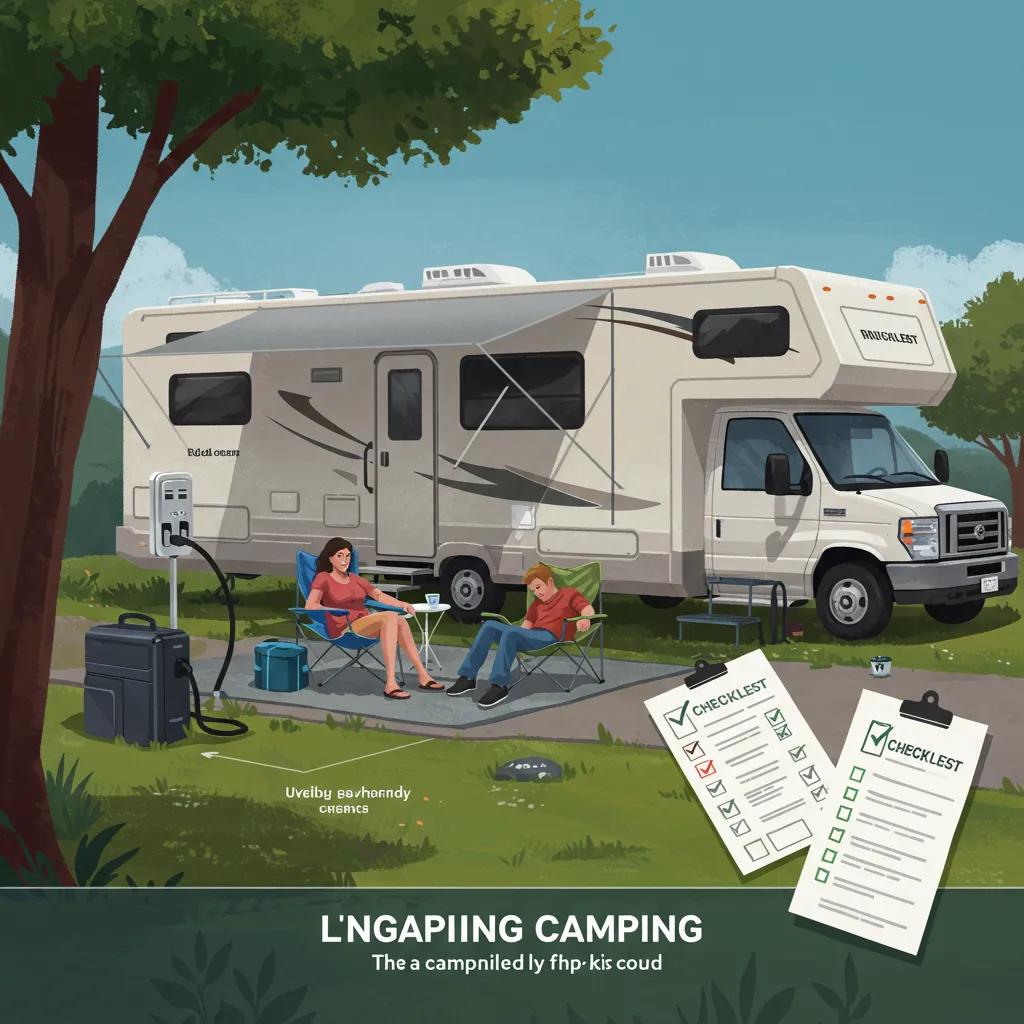
Long-term RV camping requires understanding the legal landscape, campground policies, and practical preparation for utilities, guest management, and off-season storage to maintain safety and compliance. Clear rules differentiate full-time RV living from seasonal site occupancy, and best practices help reduce risk while improving comfort during extended stays. Read on for direct answers about full-time RV living, regulatory summaries, and a handy checklist to prepare for a seasonal or long-term residency.
Here are three practical steps seasoned campers use to prepare for long-term RV stays:
- Confirm Legal Status: Verify whether full-time residency is allowed at your chosen site and understand any local/state restrictions.
- Verify Utilities: Ensure you have reliable water, electric, and sewer hookups and confirm winterization policies if you plan to stay into colder months.
- Clarify Visitor Policies: Ask about guest registration, limits on short-term visitors, and any associated fees to avoid misunderstandings.
Applying these basic steps helps ensure a compliant and comfortable long-term camping experience and leads into the specifics about full-time RV living legality.
Can You Live in an RV Full Time in Michigan?
Living in an RV full time in Michigan really depends on the location and the type of site: public lands and state parks generally restrict continuous residency, while private campgrounds may permit longer-term occupancy through explicit seasonal contracts. Legal allowances differ between public and private sites, so full-time RV living typically means negotiating private campground terms or finding long-term-occupancy parks that allow extended stays. Prospective full-time residents should confirm local ordinances, campground contract terms, and any required registrations before committing. Understanding these distinctions prevents legal conflicts and clarifies realistic living arrangements.
What Are Michigan’s Regulations on Extended RV Stays at Public and Private Sites?
Michigan’s regulatory framework for extended RV stays balances resource access, public safety, and land-management priorities, with public sites often subject to strict consecutive-stay limits and private sites governed by contract law and local codes. Enforcement mechanisms differ: state-managed parks use reservation systems and absence requirements, while private campgrounds enforce contract terms, site rules, and community policies. Campers should be aware of proposed or recent administrative updates that can influence stay lengths and reservation practices, and they should verify current rules with authoritative sources before planning extended occupancy. Knowing the regulatory distinctions informs practical choices on where and how to stay long-term.
It is important to note that regulations can vary significantly depending on the specific jurisdiction and the type of RV park.
Michigan RV Park Regulations: Understanding Jurisdictional Rules
Keep in mind that different jurisdictions have various rules and specifications for RV parks.
Thesis Topic: What makes a successful RV Park in the US, 2022
Seasonal campers must confirm the availability and terms for full hookups (water, electric, sewer), any restrictions on guest visits or short-term rentals, and options for off-season storage or winterization at their chosen campground. These operational details determine the comfort and feasibility of long-term occupancy, and they often appear in seasonal contracts or campground policies. Prepare a pre-season checklist to inspect hookups, verify snow/winter services, and document visitor registration procedures to avoid disputes. Verifying these items before signing a seasonal agreement ensures a smoother season and protects both the camper and the campground.
Where Can You Find Official and Updated Information on Michigan Seasonal Camping Regulations?
Authoritative information on seasonal camping regulations is published by the Michigan Department of Natural Resources (Michigan DNR), industry organizations such as MARVAC, and by individual campground operators who post seasonal policies; using these sources together gives you a complete picture. Rely on the DNR for official stay limits and public-park rules, consult industry association materials for private-campground best practices, and review campground-specific policies for contract details and amenities. The section below explains how the DNR and MARVAC publish guidance and offers tactics to stay informed about regulatory changes and seasonal updates.
Here are practical ways to keep regulatory and seasonal information current:
- Check official channels: Review the Michigan DNR for formal stay limits and season announcements.
- Follow industry updates: Use MARVAC resources for private-campground trends and operator guidance.
- Subscribe and alert: Set up alerts and sign up for campground newsletters to learn about date and policy changes promptly.
Combining these approaches helps campers track both public rule changes and private campground announcements so your planning remains up to date.
How Does the Michigan Department of Natural Resources Publish Camping Rules?
The Michigan DNR publishes camping rules, season dates, and stay-limit policies through official announcements, fee schedules, and park-specific notices that campers should consult before booking. These publications are the authoritative source for maximum consecutive stays and absence requirements that apply to state-managed recreation sites. For accurate planning, compare DNR notices to campground policies because private operators may offer different seasonal options that are not constrained by state-park limits. Checking DNR releases ensures you understand the public-park baseline when evaluating alternatives.
What Resources Does MARVAC Provide for Private Campground Regulations?
MARVAC and similar industry associations provide guidance, best-practice frameworks, and advocacy insight useful for understanding how private campgrounds structure seasonal contracts and manage long-term occupancy. These resources help campground operators and renters interpret common contract terms, amenity standards, and regulatory considerations that affect private-season offerings. Consulting MARVAC materials gives context on industry norms and can inform negotiations and expectations for seasonal agreements. Industry guidance complements official state rules by clarifying private-sector options.
How Can Campers Stay Informed About Regulatory Changes and Seasonal Updates?
Campers can stay informed by regularly checking official releases from the Michigan DNR, following industry association updates like MARVAC, subscribing to campground newsletters, and setting up search alerts to receive timely notices about season changes or policy proposals. Proactive monitoring—especially in the months before peak season—reduces the risk of surprise rule changes and supports better booking decisions. For actionable next steps, campers considering a private seasonal site can contact Walnut Hills Family Campground (operated by GatherGrounds Resorts) to learn about Seasonal RV Sites and current availability, noting the reported seasonal dates and price range. Early inquiry and reservation planning increase your chance of securing your preferred long-term site.
Frequently Asked Questions
What Should I Consider When Choosing Between State Parks and Private Campgrounds for Seasonal Camping?
When deciding between state parks and private campgrounds for seasonal camping, consider factors such as stay limits, amenities, and costs. State parks typically enforce strict stay limits and absence rules, while private campgrounds offer more flexibility with longer contracts and additional amenities. Evaluate your family’s needs for recreational activities, proximity to attractions, and the overall camping experience you desire. Additionally, assess the financial implications, as private campgrounds may have higher seasonal fees but provide more comprehensive services and facilities.
Are There Any Special Considerations for Camping with Pets in Michigan?
Camping with pets in Michigan requires understanding specific campground policies regarding pet ownership. Many state parks and private campgrounds have rules about leash requirements, designated pet areas, and restrictions on certain breeds. It’s essential to check the campground’s pet policy before booking to ensure a smooth experience. Additionally, consider the availability of pet-friendly amenities, such as dog parks or walking trails, to enhance your camping experience with your furry friends.
What Are the Best Times to Book Seasonal Campsites in Michigan?
The best times to book seasonal campsites in Michigan are typically during the winter months, well before the peak camping season begins in May. Many campgrounds open reservations several months in advance, and early booking can secure your preferred site. Additionally, keep an eye on local events and holidays that may increase demand. By planning ahead and reserving early, you can avoid last-minute disappointments and ensure a spot at your desired campground.
How Can I Prepare for Weather Changes During My Camping Stay?
Preparing for weather changes during your camping stay in Michigan involves checking forecasts regularly and packing accordingly. Bring layers of clothing to adapt to fluctuating temperatures, and ensure your RV or tent is equipped for rain or wind. Consider bringing tarps, extra stakes, and waterproof gear to protect your belongings. Additionally, familiarize yourself with the campground’s emergency procedures and nearby shelter options in case of severe weather, ensuring a safe and enjoyable camping experience.
What Are the Environmental Considerations for Camping in Michigan?
When camping in Michigan, it’s crucial to follow environmental guidelines to protect natural resources. Adhere to Leave No Trace principles by minimizing campfire impact, disposing of waste properly, and respecting wildlife. Be mindful of local flora and fauna, and avoid disturbing habitats. Additionally, consider using eco-friendly products and practices, such as biodegradable soaps and recycling, to reduce your environmental footprint. These actions contribute to the preservation of Michigan’s beautiful landscapes for future generations.
How Do I Handle Emergencies While Camping?
Handling emergencies while camping requires preparation and knowledge of your surroundings. Always carry a first aid kit and familiarize yourself with basic first aid procedures. Know the location of the nearest medical facilities and have a plan for contacting emergency services if needed. Additionally, inform someone of your camping itinerary and expected return time. In case of wildlife encounters or severe weather, stay calm, follow safety protocols, and seek shelter or assistance as necessary to ensure your safety and that of your group.
Conclusion
Understanding Michigan’s seasonal camping regulations empowers families to make informed decisions about their camping experiences, whether in state parks or private campgrounds. By grasping the key differences in stay limits, reservation rules, and available amenities, campers can optimize their plans for extended stays. We encourage you to explore your options and consider reaching out to local campgrounds for the latest availability and terms. Start planning your next adventure today!