Sell Your Campground Fast: Secrets for Quick Campground Sales Revealed
Looking to sell your campground fast? It’s all about turning your operational hospitality property into a completed deal within a tight, predictable timeframe, all while keeping its value intact and minimizing disruption. This guide is your roadmap to getting a quick offer on your RV park or family campground. We’ll show you how to zero in on what buyers truly value, get your critical documents in order, and focus on the repairs and marketing that make the biggest impact. You’ll learn how Net Operating Income (NOI) shapes offers, which documents speed up due diligence, what physical and operational upgrades deliver the best return, and how different selling routes stack up in terms of time, fees, and certainty. We’ve packed this with practical, prioritized checklists and comparison tables so you can act now to qualify for cash offers or streamlined direct-buyer processes. Throughout, we’ll explain how to maximize value, why preserving your campground’s legacy matters to many buyers, and how to pick the fastest path that fits your goals. We’ve woven in keywords like “sell my campground quickly,” “sell my RV park quickly,” and “campground valuation” into actionable tactics, so you can move from decision to offer with complete confidence.
What Are the Key Factors in Campground Valuation?
Campground valuation hinges primarily on solid cash flow fundamentals and tangible property features that buyers can measure and manage. Net Operating Income (NOI) is the central metric buyers use to compare opportunities. Valuation works because buyers translate predictable annual NOI into a value using capitalization methods or cash-flow projections. Physical elements like site count and amenities then adjust the baseline NOI and risk profile. Market context—local demand, occupancy trends, and comparable sales—further refines the multiple or cap rate a buyer applies, meaning similar NOI in different regions can result in different offers. Understanding these factors empowers you to present a clean, transparent package that shortens negotiations and speeds up firm offers.
Campground valuation really comes down to a few high-impact items:
- Site Count and Mix: More units and a variety of site types (RV hookups, cabins) boost gross revenue potential.
- Net Operating Income (NOI): This is your recurring revenue minus operating expenses—the core driver buyers use to value a park.
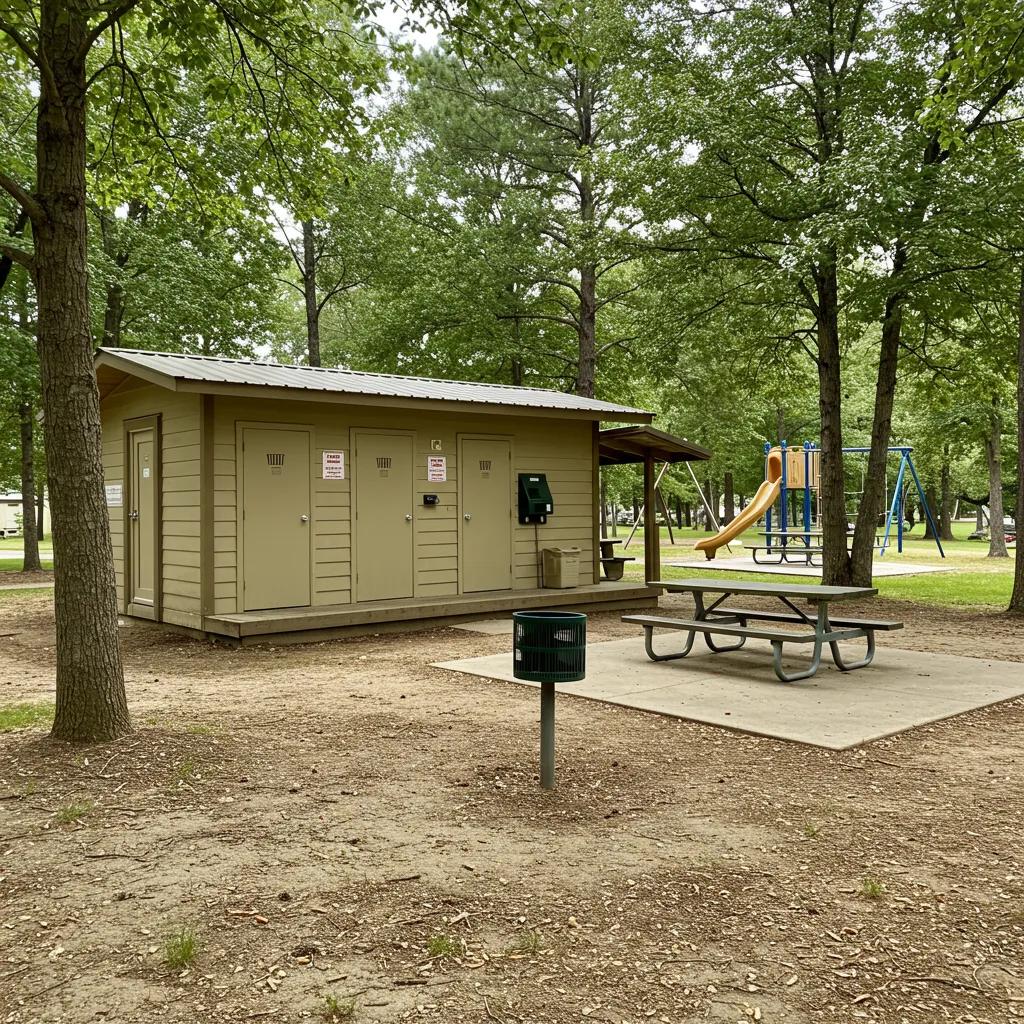
- Amenities and Condition: Features like water access, hookups, restrooms, and cabins drive demand and justify premium rates.
- Market Demand and Seasonality: Regional RV travel trends and the length of your local tourism season directly impact achievable occupancy and rates.
- Regulatory and Environmental Status: Up-to-date permits and straightforward zoning reduce acquisition risk and speed up closing.
These five factors clearly show where to focus your preparation: clean financials tied to NOI, a well-defined site inventory, and verified permits all reduce perceived risk and accelerate offers. The next section dives into how NOI is calculated and used by purchasers during underwriting.
How Is Net Operating Income Used to Value Campgrounds?
Net Operating Income (NOI) represents your campground’s annual revenue after subtracting operating expenses, but before accounting for financing or taxes. It’s essentially the cash flow a buyer can expect from operating the property. Buyers use NOI as the key input for cap-rate or discounted cash flow analyses; a higher NOI generally leads to a higher offer, assuming risk and cap rates remain constant. For instance, a campground generating $150,000 in NOI will attract a different range of offers depending on prevailing cap rates; lower perceived risk translates to a lower cap rate and a higher sale price. You can boost NOI quickly by optimizing rates, adding ancillary fees, and trimming low-value expenses—all of which directly translate into larger, faster offers. Clear, corroborated NOI figures minimize buyer questions and shorten underwriting, which is absolutely critical when you’re aiming for a fast sale.
What Financial Documents Do You Need to Prepare for a Quick Sale?
Buyers, especially cash purchasers, expect organized financial documentation that verifies historical performance and projects near-term revenue. Having these materials ready in advance eliminates common due-diligence delays. Essential records include three years of tax returns, profit and loss statements (P&L), occupancy and reservation reports, utility bills, and expense ledgers. These documents prove your NOI and reveal seasonality patterns. Presenting a concise data pack with summarized metrics, site-level revenue, and key vendor contracts allows buyers to perform rapid preliminary underwriting and often produce offers faster. Missing or inconsistent financials are the single biggest cause of valuation discounts and timeline extensions, so prioritizing document assembly has an outsized impact on sale speed.
How Do Location and Amenities Affect Campground Value?
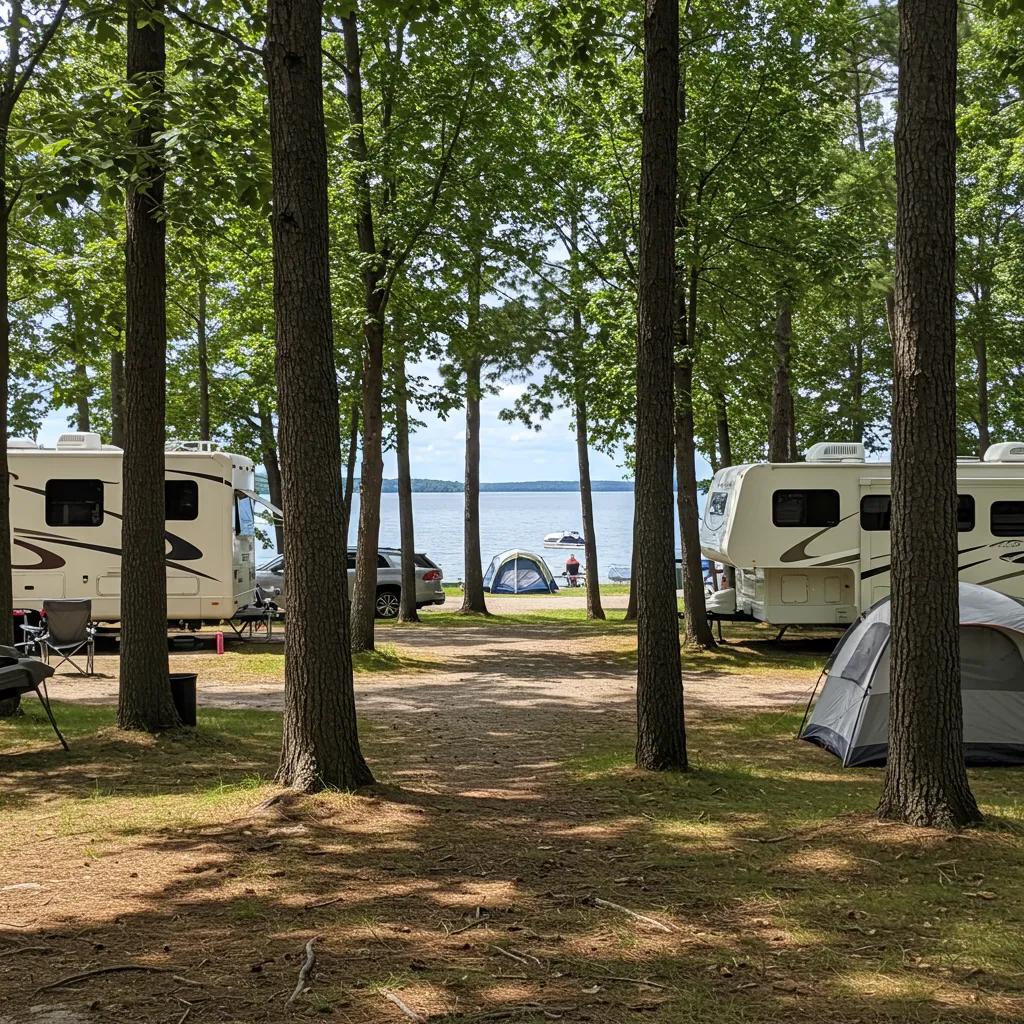
Location is paramount for buyer demand, as proximity to attractions, accessibility, and regional tourism patterns dictate occupancy ceilings and rate elasticity. Amenities then translate those demand patterns into higher per-site revenue. A campground with lake access, full hookups, or turnkey cabins typically commands higher nightly rates and higher occupancy, which boosts NOI and shortens the payback period for buyers. Comparables in a strong market can lift valuation multiples, while parks in low-demand or highly seasonal regions trade at wider cap rates due to higher perceived risk. Assessing amenity-driven premiums and mapping them to projected NOI clarifies which improvements will yield material increases in buyer offers.
Here’s how different valuation drivers compare:
This table highlights where sellers should focus their documentation and investments to drive faster, larger offers. After clarifying valuation mechanics, owners seeking a no-obligation, NOI-focused valuation conversation can connect with GatherGrounds Resorts to explore a rapid assessment. GatherGrounds Resorts emphasizes NOI-based valuation and offers an approachable, no-obligation valuation conversation to help you understand likely offer ranges and timing.
Why Should You Sell Your Campground Directly to GatherGrounds Resorts?

Selling directly to a qualified buyer cuts out many friction points common in brokered or open-market listings. GatherGrounds Resorts offers a direct-buyer path focused on speed, certainty, and legacy preservation. Direct buyers reduce the uncertainty of broad market marketing, eliminate broker commissions, and can often structure a predictable 30-day offer process when the seller presents clean documentation. GatherGrounds Resorts is a family-owned buyer committed to preserving the heart and soul of acquired properties, and we prefer campgrounds with over 130 sites, making our approach appealing to owners seeking continuity and a faster close. Choosing a direct-sale route is a practical decision when your priority is time and a smooth transition over extracting the absolute maximum market-driven price.
Here are the benefits of selling without a broker or agent:
- Faster Timeline: Direct negotiations and fewer intermediaries shorten the time to offer and closing windows.
- Lower Transaction Costs: No listing commission or broker fees mean more proceeds for you.
- Confidentiality and Control: Fewer public showings and targeted buyer outreach protect your staff, guests, and guest experience.
- Simplified Negotiation: Direct buyer relationships reduce back-and-forth and speed up final terms.
The next table contrasts typical selling options to make your decision clearer.
This comparison clearly shows why owners prioritizing speed and certainty opt for direct cash buyers. GatherGrounds Resorts specifically emphasizes a streamlined 30-day offer process, avoids broker commissions, and communicates a legacy-preservation promise to sellers who value continuity for their staff and guests.
What Are the Benefits of Selling Without a Broker or Agent?
Selling without a broker cuts out intermediary steps and centers negotiations directly between you and the buyer, which often accelerates offer timelines and reduces overall transaction costs. Direct sales typically eliminate listing commissions and extensive public marketing, reducing the number of disruptive showings and preserving operational continuity for your guests. You maintain tighter control over confidentiality and can negotiate terms like transition roles or staff retention directly, which appeals to owners who want to protect their established traditions. These direct-sale benefits are balanced against potential price trade-offs; however, when time is your primary objective, the direct route frequently delivers the best combination of speed and certainty.
How Does GatherGrounds’ Family-Owned Approach Preserve Your Campground’s Legacy?
A family-owned buyer often frames acquisitions around continuity and stewardship rather than immediate repositioning. This approach can preserve signature events, staff structures, and guest experiences that you cherish. GatherGrounds Resorts communicates a commitment to maintaining the heart and soul of acquired properties, which can include honoring traditions, retaining staff where feasible, and making measured improvements that respect local character. For owners worried about abrupt changes, a family-owned purchaser can offer tailored transition arrangements and an empathetic communication plan for guests and vendors. These legacy-preservation practices can reduce owner anxiety and support smoother post-sale continuity for the entire campground community.
What Is the Streamlined 30-Day Offer Process with GatherGrounds?
Our streamlined 30-day offer process is structured to convert qualified inquiries into written offers quickly. We focus on the documents and inspections buyers value most and coordinate site reviews efficiently. Typical steps include inquiry, preliminary document review, a targeted site visit or virtual tour, and offer issuance, with timelines compressed by proactive document assembly and clear communication. Sellers who prepare NOI-driven P&Ls, site inventories, and essential permits enable offer-ready underwriting within weeks, not months. GatherGrounds Resorts aims to execute this workflow with minimal pressure, offering a predictable path to an acquisition decision for owners seeking speed and clarity.
How Can You Prepare Your Campground for a Quick Sale?
Preparing your campground for a quick sale requires an action-oriented checklist that prioritizes items with the largest impact on buyer certainty and NOI. It also means organizing your materials so a buyer can underwrite rapidly. Focus on safety and compliance issues first, then tackle high-visibility repairs and documentation assembly that reduce contingencies. Presenting a compact, well-labeled data pack and a prioritized maintenance list shows buyers you’re organized and reduces negotiation friction. Below is a practical, prioritized checklist you can follow immediately to qualify for fast offers.
Follow this prioritized checklist to accelerate sale readiness:
- Assemble Financial Pack: Gather three years of tax returns, P&Ls, and occupancy/reservation reports to verify NOI.
- Verify Permits and Compliance: Collect environmental reports, zoning confirmations, and septic/water permits to reduce regulatory risk.
- Address Safety & Code Items: Fix electrical, septic, and road safety issues that would otherwise trigger buyer contingencies.
- Improve Curb Appeal: Refresh entrance signage, clean communal restrooms, and tidy landscaping to positively influence first impressions.
- Document Site Inventory: Create a clear list of sites, hookups, utility capacities, and amenity conditions to help buyers model revenue.
Presenting these documents in a single, clearly labeled digital folder along with a short executive summary reduces buyer questions and often leads to faster, cleaner offers. GatherGrounds Resorts welcomes well-documented properties and can advise you on which maintenance and documentation priorities most accelerate offers. We encourage you to start a no-pressure conversation to learn which items to prioritize for your specific property.
What Essential Maintenance and Upgrades Boost Sale Speed?
Prioritizing safety compliance and high-visibility repairs yields outsized impact on buyer perceptions and reduces requested contingencies, with utility systems and guest-facing facilities ranking highest. Address code and safety items like septic, water, and electrical systems first, as buyers often require these as condition precedents. Resolving them before listing prevents time-consuming remediation negotiations. Next, focus on restrooms, laundry, and signage improvements that influence guest experience and perceived value, enabling buyers to justify stronger offers. Low-cost staging like decluttering, fresh paint, and clear site markings also speeds buyer confidence and shortens inspection cycles.
How Should You Organize Permits and Documentation for Buyers?
Organize permits and documentation in a single digital folder with a short index and clearly labeled files. This structure saves buyer review time and reduces repeated requests during diligence. Include a one-page executive summary outlining NOI, seasonality, and a prioritized repairs list so buyers can assess quickly without sifting through raw files. Use file naming conventions and a table-of-contents PDF to guide reviewers to critical documents like septic permits, environmental reports, and vendor contracts. Proactive disclosure of known issues, along with remediation plans, builds trust and reduces contingencies that otherwise extend closing timelines.
How Does Enhancing Curb Appeal Impact Buyer Interest?
Curb appeal is the first signal buyers use to judge management quality and guest experience. Simple improvements can materially increase perceived value and buyer urgency. Upgrading entrance signage, clearing brush, and refreshing high-traffic communal spaces like restrooms or the office create a positive first impression that reduces perceived renovation risk. Buyers often lower offers when initial impressions suggest deferred maintenance, so a small investment in visible improvements can translate to faster, higher offers. Thoughtful staging and cleanliness also reduce the number of requested site visits and enable some buyers to rely more on photo/video tours for preliminary offers.
What Should You Expect During the Transition and After Selling Your Campground?
A predictable transition plan focuses on operational continuity, clear staff and vendor communication, and a phased handover of responsibilities. This approach reduces guest disruption and protects goodwill. You can negotiate stay-on consulting roles, phased employee transfers, or structured vendor handoffs depending on your desired involvement after the sale, and outlining these options upfront smooths negotiations. Clear communication templates for guests and vendors, approved in advance by both buyer and seller, minimize confusion during the ownership change. Operationalizing legacy commitments—such as honoring signature events—requires explicit documentation and agreement during sale negotiations to ensure continuity.
How Does GatherGrounds Ensure a Smooth Ownership Transition?
GatherGrounds Resorts approaches transitions with a structured handover plan that covers vendor contacts, staff introductions, and guest communication to maintain operational continuity and minimize revenue disruptions. The plan typically outlines timelines for knowledge transfer, key system walkthroughs, and coordinated public messaging to guests and local stakeholders. By committing to a thoughtful transition that values the campground’s traditions, we reduce churn among staff and guests and preserve revenue during the handover. Sellers who negotiate explicit transition steps into the purchase agreement experience fewer surprises and a more orderly transfer of operations.
What Happens to Staff and Traditions After Acquisition?
Staff retention and the continuation of local traditions are common seller concerns that can be addressed with explicit retention offers, phased training, or consulting arrangements included in sale terms. Buyers focused on legacy preservation often prioritize retaining key staff to preserve institutional knowledge and guest relationships, which supports a smoother post-sale period. Maintaining signature events and guest programs usually requires minimal operational changes but significant goodwill, and documenting those commitments in the transition plan ensures follow-through. Clear, compassionate communication to staff about employment terms and continuity reduces uncertainty and helps preserve the campground’s culture.
How Does GatherGrounds Maintain the Heart and Soul of Your Campground?
Maintaining the heart and soul of a campground requires operational practices that respect local identity, incremental investments that enhance guest experience, and commitments to preserve signature features rather than replace them. GatherGrounds Resorts emphasizes measured improvements that retain aesthetic and programmatic aspects owners value while addressing operational needs to sustain revenue. Actions may include preserving event calendars, keeping distinctive landscape elements, and training retained staff to continue guest-facing traditions. Sellers who secure clear, written commitments about these practices minimize post-sale surprises and protect the legacy built over years.
What Are the Most Common Questions About Selling Your RV Park Quickly?
Owners commonly ask about realistic timelines, whether to use a broker, how to get a fast offer, and which documents buyers require. Answering these succinctly reduces confusion and helps owners choose a path aligned with their priorities. Short, direct answers help capture featured snippets and allow owners to act without parsing long narratives. The sections below provide concise, practical guidance for each frequent question so sellers can make informed decisions quickly.
How Long Does It Typically Take to Sell a Campground?
A typical timeline varies by buyer type: cash buyers can produce offers in 2–6 weeks when documentation is complete, while financed transactions often require 30–120 days for underwriting and lender approvals. Preparation accelerates timelines—organized financials and clear permit documentation allow cash buyers to underwrite and deliver offers to you within weeks rather than months. Financing contingencies and complex regulatory issues are the main sources of delay, so addressing those proactively shortens the process. Owners who prioritize selling quickly should target buyers who specialize in direct acquisitions or cash purchases to minimize closing time.
Should I Use a Broker or Sell Directly to a Buyer?
Deciding whether to use a broker depends on your goals: brokers can maximize market exposure and potentially achieve a higher price but at the cost of longer timelines and commission fees. Direct buyers, on the other hand, trade some price upside for speed, certainty, and confidentiality. Use a broker when maximizing value is your primary objective and you have time for marketing, showings, and negotiation. Choose a direct buyer when speed, minimizing public disruption, and retaining operational continuity are your highest priorities. Hybrid approaches—soliciting both direct buyers and a brokered listing—are possible but require careful coordination to avoid conflicting processes.
How Do I Get a Fast Offer on My RV Park?
To get a fast offer, present a concise data pack that highlights NOI, site inventory, occupancy patterns, permits, and prioritized maintenance items. Be ready to schedule a site visit or virtual tour within days of inquiry. Address immediate safety and code items, prepare clear documentation for three years of financials, and produce a short executive summary with key metrics buyers want to see. Reaching out to cash buyers and direct acquirers who specialize in campgrounds increases the chance of a rapid, firm offer. You can request a no-pressure introductory conversation with qualified direct buyers to understand offer timing based on your specific property profile.
What Documents Are Required to Sell My Campground?
Buyers commonly request a focused document set that verifies financial performance, physical condition, and legal status. The essential list includes tax returns, P&L statements, occupancy/reservation reports, permits, environmental reports, and vendor contracts. Providing digital, clearly labeled copies of these documents with a summary reduces repetitive requests and accelerates the diligence timeline. Having a site inventory that details site types, hookups, and utility capacities helps buyers model revenue quickly, and proactive disclosure of known issues prevents surprises. Organizing these documents into a single data pack is one of the fastest ways to qualify for a rapid offer.
How Does Market Demand and Industry Trends Affect Quick Campground Sales?
Market demand and current industry trends shape buyer appetite, valuation multiples, and the pool of active acquirers. Understanding these dynamics helps sellers time their sale and choose the right buyer type. Rising RV travel and outdoor tourism increase buyer competition and can push multiples higher, shortening time on market for well-located properties. Conversely, higher interest rates often reduce financing availability and increase the share of cash buyers, shifting timelines and negotiation dynamics. Sellers positioned with clean NOI, good documentation, and amenities aligned with current demand benefit most from favorable trend cycles and can command faster offers.
How Has the Rise in RV Travel and Outdoor Tourism Increased Seller Opportunities?
The sustained growth in RV travel and outdoor tourism has expanded the buyer pool and increased investor interest in campgrounds that can capture both traditional RVers and new outdoor-seeking demographics. Increased demand translates into higher occupancy and the ability to implement premium pricing for upgraded amenities, which raises NOI and attracts more competitive bids. Regional variations mean some markets are more active than others, so sellers in high-demand corridors see quicker offers. Presenting evidence of demand—occupancy trends and reservation growth—helps sellers capitalize on this increased investor interest.
How Do Economic Factors Like Interest Rates Influence Sale Speed?
Interest rates influence the buyer mix: lower rates expand financed buyer pools and can extend closing timelines due to lender underwriting, while higher rates often increase the prevalence of cash buyers seeking discounted deals and faster closes. When lending is constrained, sellers who want rapid closes often find more offers from well-capitalized direct buyers and institutions, which reduces time-to-close but may affect price. Timing sales around rate cycles and understanding the current financing environment allows sellers to select the route—brokered vs direct—that best matches their speed and price objectives. Adjusting expectations for timelines and buyer composition is a practical step in sale planning.
Why Are Cash Buyers Like GatherGrounds Able to Close Faster?
Cash buyers remove lender underwriting from the critical path, eliminate many financing contingencies, and can coordinate due diligence and site reviews on compressed timelines, enabling faster closes. Cash offers are often contingent only on limited inspections and title review, and buyers who have pre-allocated acquisition capital can issue offers within weeks when documentation is complete. Operational readiness on your part—organized financials, permits, and prioritized maintenance—further reduces the time needed to finalize a sale. GatherGrounds Resorts leverages a direct-buyer model that emphasizes speed, avoids broker fees, and focuses on preserving property legacy while executing efficient closings.
How Can You Maximize Your Campground’s Value Before Selling?
Maximizing your campground’s value before sale combines financial levers to raise NOI, targeted maintenance to reduce perceived risk, and marketing that attracts qualified buyers quickly. Together, these actions increase offers and shorten time to close. Focus first on revenue levers like fee optimization and ancillary services, then cut discretionary expenses that don’t impact guest experience, and finally present the property with strong visual assets and a concise data pack. These steps increase buyer competition and justify higher multiples when market conditions allow. The practical tactics below help owners implement high-ROI changes in the months ahead of a sale.
Financial strategies that increase NOI include:
- Ancillary Revenue: Add gear rentals, event fees, or premium services to increase per-guest spend.
- Fee Optimization: Adjust nightly rates, introduce tiered pricing for hookup levels, and use dynamic pricing during peak periods.
- Expense Audits: Identify recurring vendor costs and renegotiate or consolidate services to reduce operating expenses.
What Financial Strategies Increase Net Operating Income?
Revenue diversification and smart pricing deliver rapid NOI gains. You can implement ancillary services, adjust rate structures, and optimize your site mix to capture higher per-guest revenue without large capital outlays. Fee optimization—such as charging for premium sites or offering bundled packages—improves yield per site, while an expense audit uncovers savings in utilities or vendor contracts that directly add to NOI. Demonstrating a plan and early results in your financial pack reassures buyers and often converts initial interest into a faster, stronger offer. Prioritizing changes with quick payback and minimal operational disruption yields the best pre-sale ROI.
How Does Proper Property Maintenance Affect Buyer Offers?
Proper maintenance reduces perceived acquisition risk and leads to fewer contingencies, higher net offers, and faster closes. Buyers often discount properties where deferred maintenance signals hidden liabilities. Prioritize critical systems like septic, water, and electrical, then address guest-facing assets like restrooms and cabins that influence revenue and guest satisfaction. Document completed repairs with invoices and warranties to shorten buyer verification steps. A well-maintained property translates into clearer underwriting and faster, more confident offers.
What Marketing Tips Help Sell Your Campground Quickly?
Targeted marketing combined with a high-quality data pack attracts qualified buyers and minimizes time-wasting inquiries, accelerating transaction timelines and improving offer quality. Use clear, honest listings that highlight NOI, site inventory, and verified permits. Include professional photos, video tours, and a concise executive summary to speed buyer evaluation. Direct outreach to cash buyers, buyer lists, and investor networks focused on hospitality properties yields faster, more qualified interest than broad consumer marketplaces. Transparency and strong visual assets reduce questions and enable buyers to commit faster.
For owners ready to act, a subtle next step is to request a no-obligation offer conversation with GatherGrounds Resorts. This allows you to evaluate how NOI-focused valuation and our direct acquisition approach align with your sale timeline and legacy goals. GatherGrounds Resorts’ acquisition service emphasizes a thoughtful transition, a 30-day offer cadence where documentation supports it, and preservation of the campground’s core identity—options that help owners sell quickly without sacrificing what matters most.
Frequently Asked Questions
What are the common mistakes to avoid when selling a campground?
Common mistakes include failing to prepare comprehensive financial documentation, neglecting necessary repairs, and not understanding the local market dynamics. Sellers often underestimate the importance of presenting a clean, organized data pack that highlights Net Operating Income (NOI) and occupancy trends. Additionally, overlooking the need for curb appeal can deter potential buyers. It’s crucial to address safety and compliance issues upfront, as these can lead to significant delays or valuation discounts during negotiations.
How can I determine the right asking price for my campground?
Determining the right asking price involves analyzing comparable sales in your area, understanding your campground’s NOI, and considering the unique features and amenities of your property. Engaging a professional appraiser or using online valuation tools can provide insights into market trends and help set a competitive price. Additionally, consider the current demand for campgrounds in your region, as this can influence buyer interest and pricing strategies. A well-researched price can attract serious buyers quickly.
What role does marketing play in selling a campground quickly?
Effective marketing is crucial for attracting qualified buyers and can significantly reduce the time it takes to sell a campground. High-quality listings that include professional photos, detailed descriptions, and a clear summary of financial performance can capture buyer interest. Utilizing targeted outreach to investor networks and cash buyers can also expedite the process. Transparency in marketing materials helps build trust and encourages quicker offers, making it essential to present your campground in the best light possible.
How can I enhance my campground’s appeal to potential buyers?
Enhancing your campground’s appeal involves both physical improvements and operational transparency. Focus on high-visibility repairs, such as updating restrooms and signage, and ensuring the property is clean and well-maintained. Additionally, providing a clear inventory of amenities and site conditions can help buyers visualize the potential revenue. Highlighting unique features, such as proximity to attractions or special events, can also make your campground more attractive. A well-prepared presentation can significantly influence buyer perceptions and offers.
What should I expect during the due diligence process?
During the due diligence process, buyers will review your financial documents, inspect the property, and assess compliance with local regulations. Expect requests for detailed information about occupancy rates, maintenance records, and any existing contracts with vendors. Being organized and transparent with your documentation can streamline this process and reduce buyer concerns. It’s also common for buyers to conduct environmental assessments, so having all necessary permits and reports readily available can facilitate a smoother transaction.
How can I ensure a smooth transition after selling my campground?
To ensure a smooth transition, establish a clear plan that outlines the handover of responsibilities, communication with staff and vendors, and any ongoing commitments to preserve traditions. Discuss potential consulting roles or phased training for new management to maintain operational continuity. Providing a detailed transition plan that includes timelines and key contacts can help minimize disruptions for guests and staff. Clear communication with all stakeholders is essential to maintain goodwill and ensure a successful ownership change.
What are the benefits of selling to a family-owned buyer like GatherGrounds Resorts?
Selling to a family-owned buyer like GatherGrounds Resorts can offer several advantages, including a focus on legacy preservation and continuity. Such buyers often prioritize maintaining the campground’s traditions and staff, which can ease seller concerns about abrupt changes. Additionally, family-owned buyers typically provide a more personalized approach, ensuring that the transition is smooth and respectful of the property’s history. This can lead to a quicker sale process with fewer contingencies, benefiting both the seller and the buyer.
Conclusion
Selling your campground quickly can be achieved by focusing on key valuation drivers and preparing essential documentation, ensuring a smooth transaction process. By choosing a direct buyer like GatherGrounds Resorts, you can benefit from a streamlined offer process that prioritizes speed and legacy preservation. This approach not only minimizes disruption but also maximizes your property’s value in a competitive market. Take the next step by reaching out for a no-obligation conversation to explore how we can assist you in achieving your selling goals.