How to Sell a Campground Successfully: Complete Guide to Valuing, Marketing, and Closing the Sale
Selling a campground is more than just listing acreage; it requires a structured approach to valuation, marketing, negotiation, and operational handoff. This ensures owners capture fair market value while minimizing risk. This guide walks you through the steps to sell a campground, how to value an RV park or campground using income and comparables, practical marketing tactics to reach investors and operators, and the closing process from offers through transfer of operations. You’ll learn how to prepare financials, assemble legal and environmental documents, choose marketing channels, vet buyers, and manage due diligence timelines to avoid common pitfalls. The article covers valuation methods (NOI/cap rate, comps, replacement cost), a step-by-step sale process with timelines and checklists, targeted marketing channels, guidance on agent vs. direct-buyer decisions, and best practices for negotiating and closing. Throughout, you’ll find actionable lists, comparison tables, and sample document checklists to follow when preparing your campground or RV park for sale.
How Do You Determine the Value of Your Campground?
Determining campground value means converting operational performance, physical assets, and market context into a defensible price using established valuation approaches. This process combines normalized net operating income with appropriate cap rates, adjustments from comparable sales, and, when assets dominate, replacement-cost reasoning to produce a marketable range. The benefit to you, the seller, is a credible asking price and negotiation posture that reflects both revenue potential and site-specific factors. Owners who translate occupancy, ADR, and utility infrastructure into standardized metrics reduce appraisal variance and attract qualified buyers.
What Factors Affect Campground Valuation?
Valuation hinges on operational metrics, physical condition, and market context, which together form the income and asset picture for buyers. Operational drivers like average occupancy, average daily rate (ADR), length of stay, and guest mix determine gross revenue and seasonality exposure, while expense ratios and payroll inform net operating income. Physical assets—the number of campsites, RV hookups, bathhouse condition, cabin units, and acreage—influence replacement cost and buyer capital needs. Market factors such as local demand, proximity to attractions, zoning restrictions, and competition shape cap rate expectations and buyer appetite.
How to Use Income and Expense Reports to Value Your Campground
Income and expense reports convert operations into Net Operating Income (NOI), which then anchors income-based valuation through a market cap rate. Start by compiling revenue streams—site fees, lodging, retail, service income—and subtract recurring operating expenses to calculate NOI. Normalize this by removing owner perks or one-time charges. Use the formula: Value = NOI / Cap Rate, selecting a cap rate that reflects market risk and growth prospects. Normalization and multi-year averages improve accuracy and help buyers and lenders verify sustainability.
How Does Location Influence Campground Worth?
Location drives demand rhythm and revenue potential by determining accessibility, nearby attractions, and local market constraints that affect season length and occupancy. Campsites near national parks, lakes, or major scenic corridors typically command higher ADR and occupancy, while proximity to urban centers can increase off-season bookings. Local zoning, permitted uses, and utility access directly affect redevelopment potential and buyer financing options. You should compile regional visitation data and comparable market statistics to quantify location-driven premiums or discounts.
What Are Common Valuation Methods for Campgrounds and RV Parks?
Three primary valuation approaches apply: the income approach (NOI/cap rate), sales comparables, and replacement cost, each suited to different scenarios and buyer types. The income approach is best when stable cash flow exists and comparable cap rates are observable. Sales comps help when similar campground transactions are recent and adjustments can be applied. Replacement cost is useful when physical assets or land value dominate. Combining methods often yields the most defensible asking price by triangulating operational value, market precedent, and asset replacement needs.
Different valuation approaches have distinct characteristics and typical uses:
This comparison helps you choose methods that align with your property’s strengths and buyer expectations. Understanding these methods aids in setting a realistic asking range.
After analyzing valuation approaches and preparing financials, some owners prefer selling directly to experienced buyers rather than listing with a broker. For example, GatherGrounds Resorts has experience buying and valuing campgrounds and often uses valuation best practices when evaluating opportunities; you can review GatherGrounds Resorts’ sell-your-campground information to understand how direct buyers structure offers and assessments.
Valuing Campgrounds: A Baseline Approach
The research involves a static approach where we attempt to understand the aggregate value of camping at formally designated campgrounds contained within the study area. This approach is used to establish a baseline value for camping.
An Overview and Economic Valuation of Camping, 1996
What Is the Step-by-Step Campground For Sale Process?
The campground sale process is a sequence of preparation, listing, buyer qualification, negotiation, due diligence, and closing that converts an operational asset into a transferred business and title. This process involves preparing accurate operational records, marketing to targeted buyer pools, screening buyer financials, negotiating terms that protect your proceeds, and coordinating legal, environmental, and title work during due diligence. The result is an efficient sale timeline, fewer surprises, and a clean transfer of operations that preserves goodwill and buyer confidence. Owners who follow a structured checklist reduce downtime and improve sale outcomes.
Here is a numbered snippet of the high-level steps many sellers follow:
- Prepare your property and financials for sale with prioritized repairs and organized documents.
- Assemble a marketing package and list the property on targeted platforms or approach direct buyers.
- Receive and evaluate offers, qualify buyers, and negotiate key terms and contingencies.
- Enter due diligence: inspections, environmental reports, title work, and lender requirements.
- Close the sale with escrow/title, transfer of permits and operations, and final settlement.
Below is a timeline-style EAV table you can use to plan responsibilities and typical durations.
This timeline gives you a practical roadmap and shows where delays commonly occur. Keeping records and completing preparatory tasks before listing compresses the schedule and improves buyer confidence.
How to Prepare Your Campground for Sale
Preparing your campground focuses on safety and documentation first, then cosmetic and operational improvements that enhance buyer perception. Start with compliance checks and safety repairs—septic systems, electrical, ADA access, and fire safety—since these are common contingencies during due diligence. Organize your records: multi-year P&L statements, occupancy reports, guest reviews, permits, and maintenance logs to demonstrate operational stability. Make selective upgrades—improved signage, refreshed bathhouses, and clear site delineation—that offer strong visual ROI in listings and tours.
What Legal and Financial Documents Are Needed?
Buyers and lenders expect a comprehensive document set that verifies revenue, ownership, encumbrances, and permits, which streamlines due diligence and reduces contingencies. Key documents include multi-year financial statements and tax returns, site maps, title reports, permits and licenses, vendor contracts, employee agreements, loan documents, and environmental assessments as available. Consult legal and accounting professionals early to assemble an organized data room and identify any title or compliance issues that might require remediation or disclosure.
How to List Your Campground for Sale Effectively
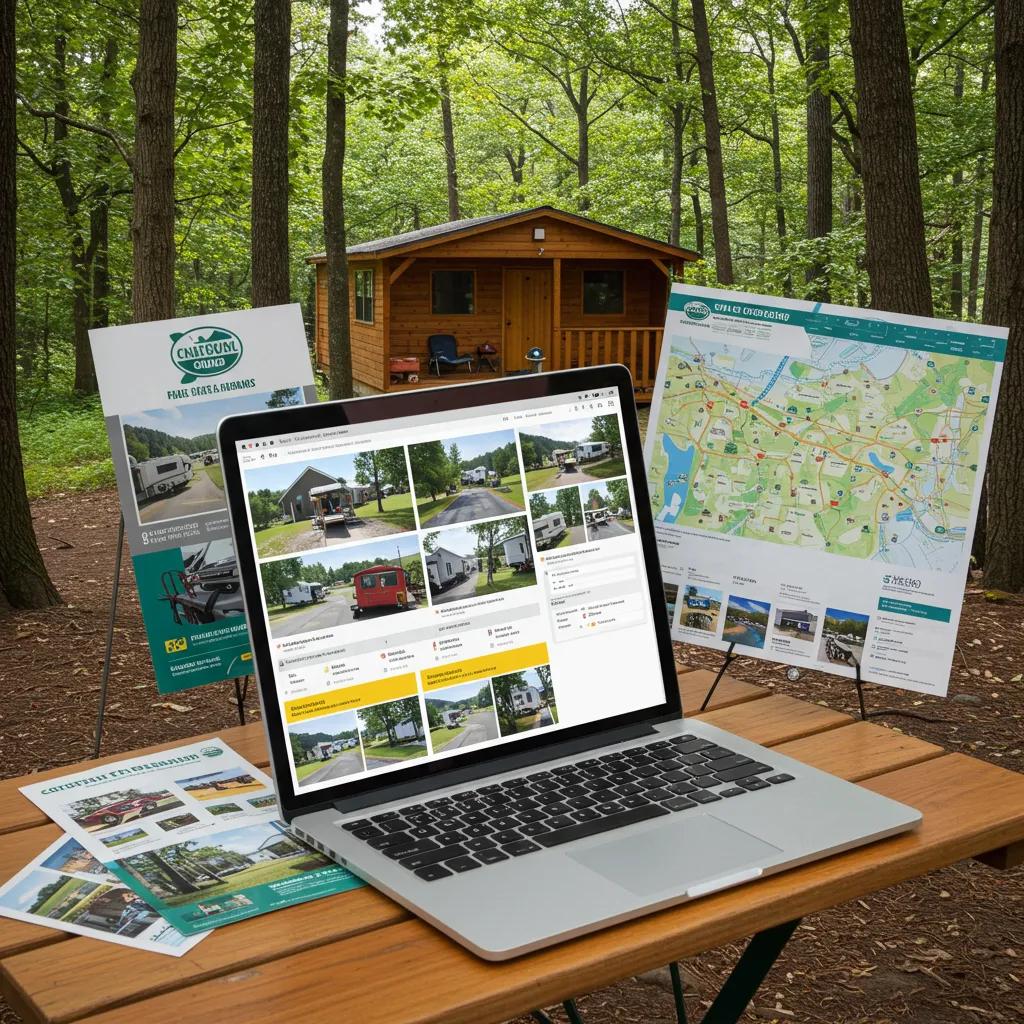
Effective listings combine a clear financial snapshot with strong visual assets and a succinct unique selling proposition (USP) that targets buyer types. Present headline metrics (annual revenue, NOI, occupancy, site mix), professional photographs and aerial maps, and a one-page executive summary that highlights growth opportunities such as revenue uplift from improved marketing or upgrades. Use neutral confidentiality measures for sensitive financials and consider staged site tours or virtual walkthroughs for remote buyers to widen interest without operational disruption.
- Specialized campground/RV park listing platforms: reach industry operators and investors.
- Commercial real estate marketplaces and broker networks: attract institutional and regional buyers.
- Direct outreach to strategic buyers and operators: best for confidential or quick sales.
Selecting the right mix amplifies buyer interest and reduces time on market while preserving confidentiality when needed.
This channel comparison helps prioritize effort and ad spend based on your objectives. When listing, prepare concise financial highlights for initial screens and provide full packets under NDA to vetted parties.
After explaining channel strategy and materials, note that some sellers choose to market via dedicated industry buyers rather than a brokerage route. As an example, GatherGrounds Resorts lists acquisition opportunities and promotes properties to industry buyers as part of its property acquisition approach, providing one option for owners who prefer selling directly to a buyer rather than exclusively using a brokerage.
How to Highlight Unique Features of Your Campground or RV Park
Highlighting unique selling points ties operational metrics to guest experience and revenue potential for buyers evaluating upside. Emphasize rare amenities (waterfront access, event spaces, cabin inventory), infrastructure strength (full hookups, sewer/water capacity), and guest retention metrics like repeat-booking rates or membership programs. Use narrative-driven captions in listings that link features to revenue drivers—for example, how onsite cabins generate higher ADR and longer stays—so buyers can quickly see the pathways to increased NOI.
How Do Professional Campground Real Estate Agents Help Market Your Property?
Agents provide buyer networks, marketing package development, valuation support, and deal coordination that save you time and reduce negotiation risk. Their services typically include creating confidential offering memoranda, distributing listings to broker networks, vetting buyer qualifications, and managing communications and escrow logistics. You should evaluate agents by asking for relevant comp experience, a marketing plan tailored to campgrounds, and references from similar transactions to ensure their network matches the property type and target buyer profile.
What Marketing Materials Should You Prepare?
High-quality marketing materials accelerate buyer interest and reduce repetitive Q&A by providing clear, vetted information upfront. Prepare an executive summary and financial snapshot, high-resolution photos and drone imagery, a site map and floorplans, and an operations manual or guest metrics for serious buyers. Include a standardized data room with multi-year P&Ls, occupancy reports, permits, and maintenance records so qualified buyers can advance quickly into due diligence.
When Should You Hire a Campground Real Estate Agent?
Deciding whether to hire an agent requires weighing complexity, desired market reach, confidentiality preferences, and your capacity to manage negotiation and closing tasks. Agents add value when title issues, complex financing, multi-jurisdiction permits, or the need for broad buyer exposure exist; they are less essential when you have a ready buyer or prefer a confidential direct sale. The right decision balances transaction complexity against potential commission cost and your time investment.
What Services Do Campground Real Estate Agents Provide?
Campground agents handle valuation guidance, marketing package creation, buyer outreach, qualification, negotiation support, and closing coordination—reducing your workload and improving sale execution. They coordinate due diligence requests, recommend third-party consultants for environmental or engineering reports, and manage escrow and settlement communications. Agents also bring market intelligence on current cap rates, financing trends, and buyer demand that can materially affect pricing strategy and deal structure.
How to Choose the Right Agent for Selling Your Campground
Selecting an agent requires verifying experience with campground or RV park sales, assessing buyer networks, and reviewing past transaction references to ensure alignment with your property type and goals. Ask potential agents for a sample marketing plan, comparable sale examples, and a list of typical buyer contacts. Evaluate communication style and confirm a clear fee structure and timeline expectations so both parties understand deliverables and success metrics.
What Are Typical Agent Fees and Commissions?
Agent fees vary by market and transaction complexity, commonly expressed as percentage commissions or hybrid flat-fee arrangements; precise numbers depend on services provided and competitive norms. Sellers often see percentage commissions for full-service listings, with negotiation possible on scale or exclusivity terms. Understand what services are included—marketing spend, data room hosting, buyer pre-qualification—and consider fee trade-offs against likely reach and closing certainty.
How Do Agents Negotiate Offers on Your Behalf?
Experienced agents negotiate price, contingencies, timelines, and earnest money structures to preserve your value and reduce the risk of failed transactions. They evaluate buyer strength through proof of funds, financing pre-approvals, and track record, and they structure counters to shorten due diligence windows or increase non-price protections. Agents may advise on accepting stronger non-price terms over marginally higher offers when they reduce execution risk, which often accelerates a successful close.
After considering agent engagement, some owners determine a direct sale to a qualified buyer is preferable to a brokerage listing. In scenarios where you prefer a direct transaction, engaging with an experienced buyer such as GatherGrounds Resorts is an option; you can evaluate direct-offer pathways alongside brokered listings to decide which approach best meets your timing and confidentiality goals.
How Do You Handle Offers and Close the Sale of Your Campground?
Managing offers and closing requires objective offer evaluation, strategic negotiation to preserve proceeds, a structured due diligence period, and careful coordination of title, permits, and operational handoff. This process involves scoring offers on net proceeds, contingencies, buyer credibility, and timeline, then negotiating terms that balance price with execution certainty. The outcome is a smoother transfer that respects staff, guests, and contractual obligations while protecting your proceeds.
What Should You Look for in Buyer Offers?
A complete offer includes price, earnest money, contingencies, financing terms, proposed timeline, and buyer credentials; evaluating these holistically identifies the strongest bid beyond headline price. Review net proceeds after adjustments, lengths of inspection and financing contingencies, environmental clauses, and proof of funds or lender pre-approval. Use a scoring checklist to compare offers objectively and prioritize buyer strength to minimize fall-through risk.
- Price and net proceeds after typical adjustments.
- Contingency types and lengths (inspection, financing, environmental).
- Buyer credibility: proof of funds, pre-approval, and operational experience.
Comparing these factors helps you choose offers that balance value and certainty.
How to Negotiate Terms and Conditions Successfully
Negotiation aims to preserve price while shortening timelines and limiting risk through targeted contract language and milestones. Consider trading small price concessions for reduced contingency windows or higher earnest money to demonstrate buyer commitment. Use staged milestones—inspection completion, financing approval—with escrowed deposits and clear remedies for missed deadlines to protect your interests. Clear negotiation on which assets and contracts transfer and how staff transitions occur reduces post-closing disputes.
What Are the Closing Steps for Campground Sales?
Closing involves coordinated legal, title, and administrative actions including escrow settlement, payoff of loans, permit and license transfers, and final walkthroughs to confirm condition and agreed deliverables. Typical steps in the final 30–60 days include resolving escrow requirements, confirming utility and permit transfer processes, executing assignment or novation of vendor contracts where allowed, and preparing settlement statements. Both parties should maintain a shared closing checklist to ensure no items are missed at transfer.
This checklist aligns responsibilities and reduces last-minute hold-ups, improving the likelihood of a clean settlement.
How to Transfer Ownership and Manage Post-Sale Responsibilities
A successful handoff covers staff communication, vendor contract assignments, reservation system transfer, and any transitional services the buyer requires. Coordinate payroll and benefit transfers, novate or reassign vendor agreements where permitted, and provide training on reservation and property management systems. Consider short-term transitional support or earn-out structures when buyers need operational guidance to maintain continuity; documenting these arrangements in the purchase agreement reduces ambiguity.
In many direct-buyer transactions, buyers structure offers with shorter due diligence windows and different timelines compared with traditional purchaser offers. For example, a direct buyer may present a streamlined offer with focused inspections and a compressed timeline to close, which can reduce carrying costs and uncertainty for sellers; you should compare these structures against brokered offers when deciding on the best pathway for sale.
What Are Common Challenges When Selling a Campground and How to Overcome Them?
Sellers commonly face seasonality-driven revenue variance, environmental or zoning complications, and buyer financing hurdles; proactive mitigation reduces deal risk and preserves price. The mechanism for mitigation includes annualizing revenue, commissioning required assessments early, and preparing financing-friendly documentation to assure lenders. Overcoming these challenges produces smoother negotiations and broadens the pool of qualified buyers.
How to Manage Seasonal Business Fluctuations During Sale
Seasonal revenue swings can obscure true earning power; presenting multi-year annualized performance gives buyers a normalized view of income and mitigates seasonal biases. You should aggregate several peak and off-peak years to show trends, include adjusted occupancy metrics, and explain marketing or operational steps that could reduce seasonality. Timing the listing to coincide with peak visitation windows often attracts more buyers and supports stronger pricing.
How to Address Environmental and Zoning Issues
Environmental and zoning issues are common deal breakers if unidentified or unmanaged; early assessments and transparent disclosure reduce surprises later in due diligence. Order a Phase I Environmental Site Assessment where appropriate, verify septic and wetlands status, and confirm permitted campground uses with local authorities. If issues arise, provide remediation plans or cost estimates and work with experienced consultants to present pragmatic solutions to buyers.
How to Handle Buyer Financing Concerns
Buyer financing is often the longest timeline variable; understanding typical lender requirements and preparing documentation speeds approvals. Common financing includes SBA loans and conventional commercial mortgages, each with specific EBITDA and collateral expectations; you can support buyers by providing clear historical P&Ls, occupancy data, and capital expenditure schedules. Seller financing or bridge financing may be used strategically to bridge gaps, but these require careful structuring and counsel.
What Are Tips for Maintaining Campground Operations While Selling?
Maintaining service levels and financial performance during a sale preserves value and buyer confidence; structured delegation and confidentiality help minimize operational disruption. Continue core KPIs tracking—occupancy, ADR, and guest satisfaction—while communicating a high-level sales timeline to staff under confidentiality terms. Consider temporary management support during the listing period if your involvement is reduced, ensuring guest experience and revenue remain steady for due diligence validation.
How Is Selling an RV Park Different from a Traditional Campground?
Selling an RV park differs primarily in revenue model stability, infrastructure significance, and buyer profiles; RV parks often feature long-term pads, higher infrastructure investment, and more predictable recurring revenue. This means recurring pad rent or monthly lease structures shape NOI and financing options differently than nightly transient models. The result is distinct valuation multiples and buyer appetites, often favoring investors seeking predictable cash flow over operator-buyer synergies.
What Unique Valuation Factors Apply to RV Parks?
RV parks place heavier emphasis on pad occupancy, utility infrastructure, and lease structures that support recurring revenue; these elements affect NOI stability and cap rate expectations. Long-term pads and tenant leases reduce revenue volatility and typically support lower cap rates (higher valuations) than highly seasonal nightly-only campgrounds. Utility capacity, sewer/water infrastructure costs, and replacement timelines are critical in replacement-cost analyses and influence buyer capital expenditure assessments.
How to Market an RV Park to Target Buyers
Marketing an RV park focuses on recurring revenue attributes, infrastructure reliability, and long-term occupancy metrics that attract investor buyers and 55+ park operators. Emphasize consistent month-to-month income, pad lease documentation, utility resilience, and lower turnover rates in marketing materials. Target investor networks, retirement community operators, and industry-specific listing platforms that screen for stabilized income properties.
What Are Common Buyer Profiles for RV Parks?
Buyer profiles for RV parks include passive investors seeking yield, operator-owners who add operational expertise, 55+ park operators focusing on demographic niches, and corporate buyers consolidating portfolios. Each profile has different due diligence priorities: passive investors scrutinize NOI stability and financing options, operators focus on operational efficiencies and growth upside, and corporate buyers evaluate portfolio synergies and standardized operations.
How Do RV Park Sales Affect Pricing and Negotiations?
RV park pricing often includes premiums for recurring revenue stability and infrastructure quality, creating stronger buyer competition and differing negotiation levers. Buyers may pay more for verified long-term pad leases and reliable utility systems, while you can use infrastructure warranties and recent capital investments to justify premium pricing. Structuring deals with partial seller financing or earn-outs can bridge valuation expectations between income-focused investors and operator buyers.
- Premium for Recurring Revenue: Lower cap rates for stabilized monthly income.
- Infrastructure Leverage: Recent utility upgrades justify higher pricing.
- Negotiation Levers: Earn-outs and seller financing can close valuation gaps.
These distinctions guide your seller strategy when an RV park rather than a nightly campsite campground is being sold.
Frequently Asked Questions
What are the key marketing strategies for selling a campground?
Effective marketing strategies for selling a campground include creating a compelling listing that highlights unique features, utilizing high-quality visuals, and targeting the right buyer demographics. You should leverage specialized campground listing platforms, commercial real estate marketplaces, and direct outreach to potential buyers. Additionally, preparing an executive summary that outlines financial performance and growth opportunities can attract serious inquiries. Engaging in social media marketing and utilizing email campaigns can also broaden reach and generate interest among potential investors.
How can I prepare my campground for a successful sale?
Preparing your campground for sale involves several steps to enhance its appeal and value. Start by ensuring compliance with safety regulations and making necessary repairs, such as updating septic systems and electrical work. Organize your financial records, including multi-year profit and loss statements, occupancy reports, and maintenance logs. Consider making cosmetic improvements, like refreshing signage and facilities, to create a positive first impression. A well-prepared campground not only attracts buyers but also facilitates a smoother due diligence process.
What are the common pitfalls to avoid when selling a campground?
Common pitfalls when selling a campground include inadequate preparation, unrealistic pricing, and poor communication with potential buyers. You should avoid underestimating the importance of thorough documentation and transparency regarding operational performance. Failing to address environmental or zoning issues early can lead to complications during due diligence. Additionally, neglecting to vet buyers properly may result in wasted time and resources. Engaging professionals, such as real estate agents or consultants, can help navigate these challenges effectively.
How do I handle buyer inquiries and showings?
Handling buyer inquiries and showings requires a structured approach to ensure a positive experience. Respond promptly to inquiries and provide clear, concise information about the campground’s features and financial performance. Schedule showings at convenient times and prepare the property to showcase its best aspects. Consider providing guided tours that highlight unique selling points and operational strengths. Maintaining a welcoming atmosphere and being open to questions can help build rapport and trust with potential buyers.
What should I expect during the due diligence process?
During the due diligence process, buyers will conduct a thorough examination of the campground’s financials, legal documents, and physical condition. Expect requests for multi-year financial statements, occupancy reports, and environmental assessments. Buyers may also want to inspect the property, review permits, and verify compliance with local regulations. Being prepared with organized documentation and addressing any potential issues upfront can facilitate a smoother due diligence phase and help maintain buyer confidence throughout the process.
How can I ensure a smooth closing process?
To ensure a smooth closing process, maintain clear communication with all parties involved, including buyers, agents, and legal representatives. Prepare a checklist of closing requirements, such as title transfers, permit updates, and financial settlements. Confirm that all necessary documents are in order and that any contingencies have been addressed. Being proactive in coordinating with escrow agents and ensuring that all parties are aligned on timelines can help prevent last-minute complications and facilitate a successful transaction.
What are the benefits of hiring a campground real estate agent?
Hiring a campground real estate agent can provide numerous benefits, including access to a broader network of potential buyers and expertise in marketing strategies tailored to the campground industry. Agents can assist with valuation guidance, prepare comprehensive marketing packages, and manage negotiations to protect your interests. Their experience in navigating the complexities of campground sales, including due diligence and closing processes, can save you time and reduce the risk of complications, ultimately leading to a more successful sale.
Conclusion
Successfully selling a campground involves understanding valuation methods, effective marketing strategies, and navigating the closing process to maximize your returns. By leveraging structured approaches and comprehensive documentation, you can attract qualified buyers and streamline negotiations. Engaging with experienced buyers or agents can further enhance the selling experience and ensure a smooth transition. Start your journey today by exploring our resources and connecting with industry experts.