
Selling Your Campground: Expert Guidance for a Smooth Transaction
Selling a campground or RV park involves thoughtful decisions, organized paperwork, and a clear understanding of buyers, how to value your property, and planning for the transition. This guide walks you through the selling process, from understanding valuation methods and buyer types to maximizing your property’s value and navigating common challenges. We’ll cover everything from preparing your park for sale to closing the deal, including how campgrounds are valued, how to attract the right buyers, and how to ensure your park’s legacy continues. You’ll find practical checklists, comparison tables, and step-by-step advice to help you act on this guidance and find the perfect buyer for your recreational property.
What Are the Key Steps in Selling Your Campground?
Selling your campground is a journey of decisions and actions, moving you from readiness to a successful closing. It involves preparing your asset, documenting its performance, marketing it to potential buyers, and managing the due diligence and closing phases. The key to a smooth sale is transparency—clean financials, accurate site details, and clear operational records make buyers feel more confident, which usually leads to better offers. A successful sale means a smooth ownership transfer that protects your property’s value and ensures continuity for your guests and staff. Here’s a practical, high-level checklist to help you structure your sale timeline and responsibilities, followed by a brief explanation of why following these steps helps speed up the closing process.
The essential steps for selling your campground:
- Decision and readiness check: Define your goals, timeline, minimum acceptable price, and any non-negotiables.
- Preparation and documentation: Complete necessary maintenance, organize your financials and permits, and prepare site plans.
- Valuation and buyer outreach: Choose your valuation method, reach out to brokers or direct buyers, and gather offers.
- Marketing, showings, and negotiation: Conduct property tours, vet potential buyers, and negotiate the terms of the sale.
- Due diligence and closing: Support inspections, finalize legal requirements, and complete the ownership transfer.
Following this checklist helps prevent surprises during due diligence and keeps negotiations focused on price and the transition details.
How Do You Get Your Campground Ready for Sale?
Getting your campground ready for sale means addressing both its physical condition and operational readiness so buyers can confidently underwrite their projections. Start with safety and infrastructure: repair roads, check utility hookups, and ensure restrooms and bathhouses are clean and up to code. Next, boost curb appeal and signage to make a great first impression during showings, and gather invoices and warranties for any recent capital improvements. Finally, compile operational binders that include staffing plans, seasonal schedules, booking/occupancy records, and guest policies so a buyer can see how smoothly things run. These materials connect your physical improvements to financial performance and naturally lead into the documentation buyers will request during the sale process.
What Documents and Information Are Needed to Sell Your Campground?

Buyers and their due diligence teams rely on a concise set of documents to verify income, liabilities, and legal standing. Preparing these ahead of marketing efforts will shorten the sales timeline. Key items include historical financial statements, tax returns, occupancy and booking data, site maps and surveys, permits and environmental records, leases or vendor contracts, and equipment inventories. Organize these documents into a clear digital folder structure and create a summary document that highlights revenue drivers and any known issues. Having these materials ready shows transparency and supports your valuation assumptions, which in turn helps attract competitive offers and quicker closings.
How Long Does It Typically Take to Sell a Campground?
The entire campground selling process, from preparation to closing, usually takes between three and twelve months. This timeframe depends on the property’s condition, the type of buyer, and market conditions. Preparation and documentation can take 4–12 weeks, depending on how much maintenance and bookkeeping is needed. Marketing and negotiating often require 1–4 months. Direct buyers or pre-qualified strategic buyers can shorten the due diligence and negotiation phases, while brokered transactions and buyers needing financing might extend the timeline. Planning for potential contingencies—like environmental reports or title issues—helps set realistic expectations and provides a buffer for a smooth transition.
How Is a Campground or RV Park Valued for Sale?
Valuing a campground typically involves three main approaches: income, sales comparables, and cost. The resulting value depends on operating metrics, physical condition, and market demand. The income approach converts net operating income into value using capitalization or discounted cash flow methods, which is crucial because buyers often underwrite based on recurring revenue and expense stability. Sales comparables help calibrate value by looking at prices of similar properties, validating the income-based estimate. The cost approach measures replacement or reconstruction costs and is most useful when improvements are the dominant factor in value. Each approach provides a triangulated estimate that buyers and sellers use to negotiate the price and terms.
This comparison highlights why clean financial documentation is essential for the income approach, while site surveys and improvement records strengthen cost-based estimates. Using all three approaches together creates the most defensible asking price.
What Factors Influence Campground Valuation?
Campground valuation is influenced by revenue and expense stability, the mix of sites (full hookups vs. tent sites), the quality of amenities, seasonality, and local demand—all of which affect how predictable the cash flow is. High occupancy, reliable utilities, and amenities like modern bathhouses or a clubhouse increase perceived value because they support higher average daily rates and longer stays. Conversely, deferred maintenance or unclear permitting can reduce offers and increase buyer contingencies. Understanding these drivers helps sellers prioritize improvements and frame marketing narratives that emphasize stable revenue and scalable operations.
How Do Location and Size Affect Campground Value?
Location and size impact both marketability and the pool of potential buyers. Proximity to attractions, access roads, and regional demand patterns determine occupancy potential, while the number of sites shapes which buyers are interested. Larger properties—especially those with 130+ sites—attract institutional or specialized buyers looking for scale, while smaller, family-owned campgrounds often appeal to individual operators or lifestyle buyers. A good location and diverse site offerings increase buyer competition and often command a premium, making it important to document local demand and comparable performance to support a strong asking price.
Why Is Accurate Financial Documentation Crucial for Valuation?
Accurate financial documentation builds buyer confidence and directly affects the valuation multiple or capitalization rate applied to your asset. Buyers use historical financials to confirm revenue stability, identify necessary expense adjustments, and forecast future cash flows. Incomplete or inconsistent records can lead buyers to apply larger discounts or require earnouts. Well-organized financials shorten due diligence, reduce negotiation friction, and often result in stronger offers with fewer contingencies, so investing time in bookkeeping and reconciliations before marketing is typically a high-return activity.
Who Are the Best Buyers for Your Campground?
Choosing the best buyer depends on your priorities—whether that’s achieving the maximum price, a quick closing, or preserving the park’s legacy. Different buyer types prioritize different aspects during a purchase. Family-owned buyers often focus on stewardship and operational continuity. Brokers and their facilitated buyers can increase exposure but come with fees. Investment firms prioritize scale and financial returns. Matching the buyer type to your goals requires clear screening criteria regarding price expectations, transition and staffing plans, and how the buyer intends to operate the property post-sale. The following table compares major buyer types and what they typically prioritize, helping you evaluate the trade-offs.
This table helps you decide which buyer profile aligns best with your goals—whether that’s preserving traditions or maximizing sale proceeds—so you can tailor your marketing and screening efforts accordingly.
What Are the Benefits of Selling to a Family-Owned Buyer Like GatherGrounds Resorts?
Selling to a family-owned buyer often means the purchaser values continuity, traditions, and a personal approach to operations, which can preserve the property’s character and community relationships after the sale. GatherGrounds Resorts offers a direct acquisition path for campground and RV park owners looking to sell their properties. As a family-owned buyer, we emphasize preserving legacy and carrying on traditions. This approach reduces cultural friction for staff and guests and can make negotiations more flexible regarding transition commitments and operational covenants. For owners prioritizing stewardship and a thoughtful transition, a family-owned buyer like GatherGrounds can align closely with your non-financial sale objectives while still providing a straightforward direct-sale option.
How Do Campground Brokers and RV Park Real Estate Agents Compare?
Campground brokers and specialized agents provide market access and transactional expertise. They use listing exposure and professional networks to attract multiple bidders, potentially driving higher prices. Brokers typically add value through marketing, buyer vetting, and negotiation support, but they charge commissions and can extend timelines due to broader marketing cycles. Direct buyers streamline negotiations and often shorten due diligence, but they may limit competitive bidding. Choosing between a broker and a direct sale depends on whether you value maximum market exposure or a faster, more controlled transition.
What Should You Look for in a Buyer to Preserve Your Campground’s Legacy?
When preserving legacy is important, you should evaluate a buyer’s operational track record, their stated stewardship commitments, and their willingness to include contractual protections that support continuity. Look for operational covenants that commit to staffing and service levels for a defined period, review the buyer’s history with other leisure properties, and require transition support like owner-led introductions or knowledge-transfer periods. Contractual clauses—such as non-dilution of core amenities or community engagement commitments—can convert intangible priorities into enforceable deal terms, reducing the risk of unwanted operational changes after closing.
How Can You Maximize the Value When Selling Your Campground or RV Park?
Maximizing your sale value involves prioritizing improvements that most directly increase income or reduce buyer risk, enhancing your operational documentation, and marketing to the right buyer pool. The mechanism for value uplift comes from increasing net operating income, reducing perceived risk through clean records, and highlighting scalable revenue opportunities. You should prioritize infrastructure reliability, amenity enhancements that command higher rates, and documented operational efficiencies. Below is a prioritized list of targeted improvements and a short table comparing typical costs and expected impacts to help you prioritize spending.
This table shows that infrastructure and amenity investments often deliver the largest uplift by supporting higher rates and reducing buyer contingencies, making them priority investments before marketing.
(Brief business integration note: GatherGrounds Resorts offers a direct acquisition path for campground and RV park owners looking to sell their properties. We value legacy-preserving upgrades—such as documented amenity renovations and operational continuity plans—which can enhance appeal to family-owned buyers focused on stewardship.)
What Improvements or Upgrades Add the Most Value?
The highest-impact upgrades are those that increase revenue per site or decrease operational risk: reliable utilities and hookups, modern bathhouses, and improved site surfaces frequently yield strong returns. Smaller capital projects—like improved signage, upgraded Wi-Fi for guests, and modern reservation systems—can also increase marketability at a relatively low cost. Documenting every capital improvement with invoices and photos is critical because buyers use that evidence to validate maintenance history and justify higher offers. Prioritizing these improvements and documenting them leads directly into marketing narratives that support a stronger asking price.
How Does Maintaining Community and Family Values Impact Sale Price?
Community and family values can influence buyer selection and deal structure. Buyers focused on continuity may pay for intangible benefits like local goodwill and stable staffing, or they may accept different financing structures to preserve traditions. Sellers who document community engagement activities—seasonal events, volunteer programs, or longstanding vendor relationships—translate soft value into bargaining leverage. Including transition commitments and staffing retention clauses in the sale can convert legacy priorities into quantifiable protections, which attracts buyer types willing to honor those values during operation.
What Are Effective Marketing Strategies for Selling Campgrounds?
Effective marketing targets the buyer types most likely to value your property profile and highlights operating metrics and legacy factors that matter to them. Use a combination of targeted outreach to operators who focus on 130+ site properties, selective broker listings to widen exposure for competitive bidding, and targeted trade channels to reach family-owned buyers and specialized investors. Emphasize clean financials, documented capital improvements, occupancy trends, and community continuity in your marketing materials. Timing listings to align with off-peak operational windows and financing cycles can also improve buyer responsiveness and negotiation outcomes.
What Are Common Challenges When Selling a Campground and How Can You Overcome Them?
Common challenges include environmental or permitting issues, incomplete documentation, buyer financing delays, and emotionally charged community transitions. Overcoming them requires proactive preparation, clear communication, and realistic negotiation tools. The mechanism for mitigation is preparation—having permits, environmental records, clear title, and a well-documented operations binder ready reduces surprises. Below is a list of typical transactional challenges and defensive actions you can take to minimize risk and accelerate closing.
- Environmental or permitting surprises: Gather and pre-order environmental records and permits to identify issues early.
- Incomplete or messy financials: Reconcile accounting and prepare normalized statements to support valuation.
- Buyer financing or approval delays: Vet buyer financial capacity early and consider multiple buyer channels.
Taking these preparatory steps reduces delays and preserves negotiating leverage, which naturally leads into how to handle specific due diligence and negotiation topics.
How Do You Handle Due Diligence and Legal Requirements?
Handling due diligence effectively means assembling key legal and technical documents ahead of buyer requests, including surveys, environmental assessments, title reports, permits, and vendor contracts. Engage experienced counsel and technical advisors early to field common buyer questions and resolve title or lease issues before they stall a transaction. Provide a concise due diligence package that organizes documents logically and offers executive summaries for complex items, which reduces back-and-forth and shortens the review period. Proactive handling of due diligence demonstrates professional stewardship and makes your property more attractive to serious buyers.
What Are Typical Negotiation Issues and How to Resolve Them?
Negotiation often centers on price, contingencies, transition terms, and allocation of identified risks. Resolving these issues requires clear priorities and creative structures. You should define your non-negotiables—minimum price and legacy protections—and be open to concessions that preserve value, such as escrowed repair allowances, limited seller financing, or performance-based earnouts. Using escrow mechanisms or contingent holdbacks can bridge valuation gaps while protecting both parties from unforeseen liabilities. Prioritizing a transparent negotiation timeline and a shortlist of acceptable compromise mechanisms helps keep negotiations focused and productive.
How Can You Ensure a Thoughtful Transition for Campground Owners and Communities?
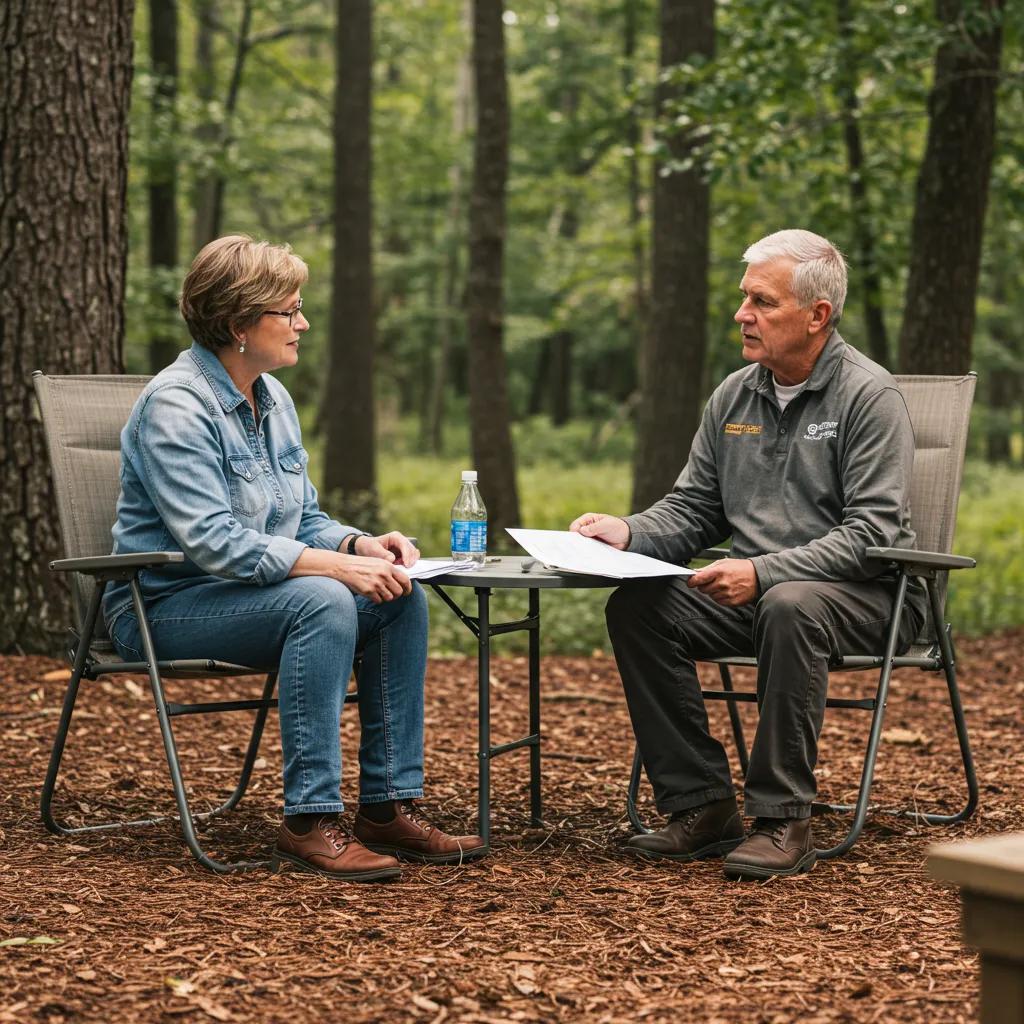
A thoughtful transition preserves guest trust and staff continuity by planning communications, retention incentives, and knowledge transfer in phased stages. Create a public communications plan that explains the change in ownership to guests and local stakeholders, offer retention bonuses or defined transition employment terms to key staff, and assemble an operations manual capturing institutional knowledge and traditions. Phased handovers—where you stay on for an agreed transition period to introduce the buyer to the community—help maintain service continuity and protect the property’s reputation. These steps convert emotional concerns into clear operational tasks that buyers and sellers can agree on.
When Is the Right Time to Sell Your Campground or RV Park?
The right time to sell balances your personal readiness, market signals, and operational stability. Selling at the intersection of your goals and favorable market conditions maximizes outcomes. Mechanically, you should align the sale timeline with retirement plans or other personal milestones while watching occupancy trends, financing availability, and recent sales of comparable properties. Operational readiness—steady revenues, documented systems, and recent capital improvements—makes a property more attractive and often shortens the time to close. The checklist below helps you evaluate readiness and market timing to decide when to list or pursue a direct sale.
Signs and indicators to assess timing before selling:
- Owner-driven signals: Retirement plans, declining energy for daily operations, or desire to reallocate capital.
- Market signals: Rising occupancy trends, recent comparable sales, or favorable lending conditions.
- Operational signals: Consistent revenue, documented processes, and recent capital improvements.
What Signs Indicate It’s Time to Consider Selling?
Concrete signs include owner burnout or health limitations, increasing difficulty funding capital repairs, consistent operational issues that cannot be outsourced, and strong market comparables suggesting good sale pricing. If daily management drains you and profitability is steady, selling may unlock retirement capital and reduce stress. Conversely, if markets show rising buyer demand for similar assets or financing is readily available, timing a sale to capture peak valuation is prudent. Assessing both personal and market indicators together yields a clearer decision.
How Does Retirement Influence the Decision to Sell?
Retirement planning affects timing, tax considerations, and desired deal structure. You should align expected sale proceeds with retirement income needs and consult advisors about tax and estate implications. Selling in advance of your retirement date allows time for transition, documentation, and marketing, reducing the pressure of a hurried sale. Consider structuring deals to meet your cash flow needs—such as partial seller financing or staged closings—while ensuring that legacy and staff continuity are addressed during the transition period. Early advisor engagement creates more flexible outcomes.
What Market Trends Should Sellers Watch Before Selling?
Sellers should monitor occupancy and average daily rate trends in comparable markets, the availability of financing for hospitality assets, and sales volumes for properties similar in size, especially 130+ site transactions. Tracking these indicators helps predict buyer demand and capitalization trends that influence offers and expected sale prices. Use local market reports, broker comps, and industry trade channels to monitor activity and time your listing to periods when buyer demand and financing conditions align.
How Do You Contact and Work with GatherGrounds Resorts to Sell Your Campground?
Working directly with a family-owned buyer like GatherGrounds Resorts follows a clear, seller-focused process that emphasizes thoughtful transition and legacy preservation. The mechanism is a streamlined direct-acquisition path: initial inquiry and information submission, preliminary review and site visit, offer and negotiation, due diligence, and closing. You should prepare a concise information package—financial summaries, site plans, key permits, and a summary of any desired legacy or transition commitments—to facilitate a timely review. Below are clear steps you can follow when engaging this direct buyer option.
What owners should prepare and expect when engaging a direct buyer like GatherGrounds Resorts:
- Initial inquiry and information submission: Provide a property overview and core financials for preliminary evaluation.
- Site visit and financial review: Host a site visit and supply requested documentation to support underwriting.
- Offer, negotiation, and due diligence: Receive and negotiate an offer, then support due diligence through closing.
What Is the Process for Selling Directly to GatherGrounds Resorts?
The direct-sale process typically starts with you providing an initial property summary and available financial records for a preliminary review, which GatherGrounds uses to determine fit and interest. If fit is confirmed, a site visit and deeper financial review follow; these steps validate physical condition and operating metrics and allow both parties to discuss transition goals. An offer is then made and negotiated; due diligence proceeds with customary surveys and title work, and final closing follows once contingencies are satisfied. You can expect a focused, owner-centric process that balances timely decision-making with a thoughtful transition.
How Does GatherGrounds Preserve the Legacy and Values of Acquired Campgrounds?
As a family-owned company, GatherGrounds Resorts emphasizes preserving the heart and soul of acquired properties and carrying on traditions that matter to guests and staff. Our approach centers on stewardship—maintaining operational continuity and respecting community relationships—so acquired campgrounds keep their character rather than being reshaped solely for financial optimization. Sellers who prioritize legacy preservation can negotiate specific operational covenants and transition supports consistent with this stewardship-oriented buyer profile.
What Are the Benefits of a Family-Owned Buyer Compared to Large Investment Firms?
Family-owned buyers place greater emphasis on legacy preservation, community continuity, and personalized negotiation than many large investment firms, which often prioritize scale and returns. This can result in smoother owner-to-owner transitions, flexible deal structures that honor non-financial priorities, and a stronger focus on maintaining staffing and service levels. The trade-off can be that family-owned buyers sometimes produce a different pricing profile than competitive brokered sales; you should weigh cultural fit and long-term stewardship against maximum price when selecting a sale route. For owners of larger properties—especially 130+ site campgrounds—considering both direct family-owned buyers and broker-facilitated competitive processes can produce a balanced outcome.
For owners of suitable properties seeking a values-driven buyer, GatherGrounds Resorts offers a direct acquisition path for campground and RV park owners looking to sell their properties; consider preparing the concise information package outlined above to begin a timely, legacy-sensitive conversation.
Frequently Asked Questions
What are the common mistakes to avoid when selling a campground?
Common mistakes include inadequate preparation, poor documentation, and failing to understand the buyer’s perspective. Sellers often underestimate the importance of clean financial records and comprehensive operational documentation, which can lead to lower offers or prolonged negotiations. Additionally, neglecting to enhance the property’s curb appeal or failing to market effectively can limit buyer interest. It’s crucial to avoid emotional decision-making and to remain focused on the financial and operational aspects of the sale to ensure a successful transaction.
How can sellers effectively market their campground to attract buyers?
Effective marketing involves targeting the right buyer demographics and showcasing the campground’s unique features. Sellers should utilize online listings, social media, and industry-specific platforms to reach potential buyers. Highlighting operational metrics, recent improvements, and community engagement can enhance appeal. Additionally, creating a compelling narrative around the property’s legacy and potential for growth can attract buyers who value continuity. Timing the marketing efforts to align with peak buyer interest periods can also improve visibility and response rates.
What role do environmental assessments play in the selling process?
Environmental assessments are critical in the selling process as they help identify potential liabilities and compliance issues that could affect the property’s value. Buyers often require these assessments to ensure there are no hidden environmental risks, such as contamination or zoning violations. Conducting a thorough assessment before listing the property can help sellers address any issues proactively, thereby reducing buyer concerns and facilitating a smoother transaction. This transparency can also enhance buyer confidence and potentially lead to better offers.
How can sellers prepare for buyer negotiations?
Preparation for buyer negotiations involves understanding your own priorities and the market landscape. Sellers should establish clear non-negotiables, such as minimum price and desired transition terms, while remaining flexible on other aspects. Researching comparable sales and understanding buyer motivations can provide leverage during discussions. Additionally, preparing a comprehensive information package that includes financials, operational data, and property highlights can facilitate informed negotiations. Practicing negotiation scenarios and being open to creative solutions can also lead to more favorable outcomes.
What are the benefits of having a professional broker when selling a campground?
A professional broker brings expertise in market trends, buyer behavior, and negotiation strategies, which can significantly enhance the selling process. Brokers have access to a wider network of potential buyers and can effectively market the property to attract competitive offers. They also handle the complexities of the transaction, including due diligence and legal requirements, which can save sellers time and reduce stress. Additionally, brokers can provide valuable insights into pricing strategies and help navigate negotiations to achieve the best possible outcome.
How can sellers ensure a smooth transition for staff and guests after the sale?
To ensure a smooth transition for staff and guests, sellers should develop a comprehensive transition plan that includes clear communication strategies. This plan should outline how ownership changes will be communicated to staff and guests, as well as any changes in operations. Offering retention incentives for key staff and providing training for the new owners can help maintain continuity. Additionally, organizing community engagement activities during the transition can reassure guests and preserve the campground’s reputation, fostering a positive relationship with the new owners.
Conclusion
Successfully selling your campground involves understanding the key steps, preparing essential documentation, and targeting the right buyer types to maximize value. By following a structured approach, you can ensure a smooth transition while preserving the legacy of your property. For those ready to take the next step, consider reaching out to GatherGrounds Resorts for a personalized, family-oriented selling experience. Explore how we can help you achieve your goals today.