
What Makes a Campground Listing Stand Out: Essential Tips to Sell Your Campground Successfully
A standout campground listing communicates clear value, measurable performance, and the story that makes a property unique, which helps owners sell their campground faster and for a better price. This guide explains what a “standout” listing is, why buyers prioritize certain signals, and how sellers can prepare financials, assets, and narratives to attract qualified buyers. Many owners asking how to list a campground for sale worry about legacy preservation, timing, and documentation; this article addresses those concerns with practical steps and examples. You will learn why 2025 presents market opportunities, which buyer-specific valuation factors matter, how to prepare financial and legal documents, and what to expect when selling to a direct buyer versus using a broker. Each section includes checklists, EAV-style tables, and snippet-ready answers for common seller questions to help you take immediate action. Throughout, the content integrates considerations for selling an RV park, campground valuation drivers, and decision criteria for sellers evaluating direct campground buyers.
Why Is 2025 the Right Time to Sell Your Campground or RV Park?
Selling in 2025 can be advantageous because market demand for outdoor recreation properties remains high, driven by demographic shifts and continued camping participation that support stable revenue projections. Current market trends show growing interest from private operators and family-owned buyers seeking properties that can scale operations and preserve local traditions, which increases buyer competition for well-prepared listings. For owners considering how to list a campground for sale, presenting strong occupancy trends and repeat-guest metrics will align listing signals with buyer appetite, improving chances of receiving favorable offers. Below we summarize the key market trends, participation impacts, and amenities buyers prize so sellers can decide whether 2025 fits their timing and objectives.
What Are the Key Campground Market Trends Driving Sales in 2025?
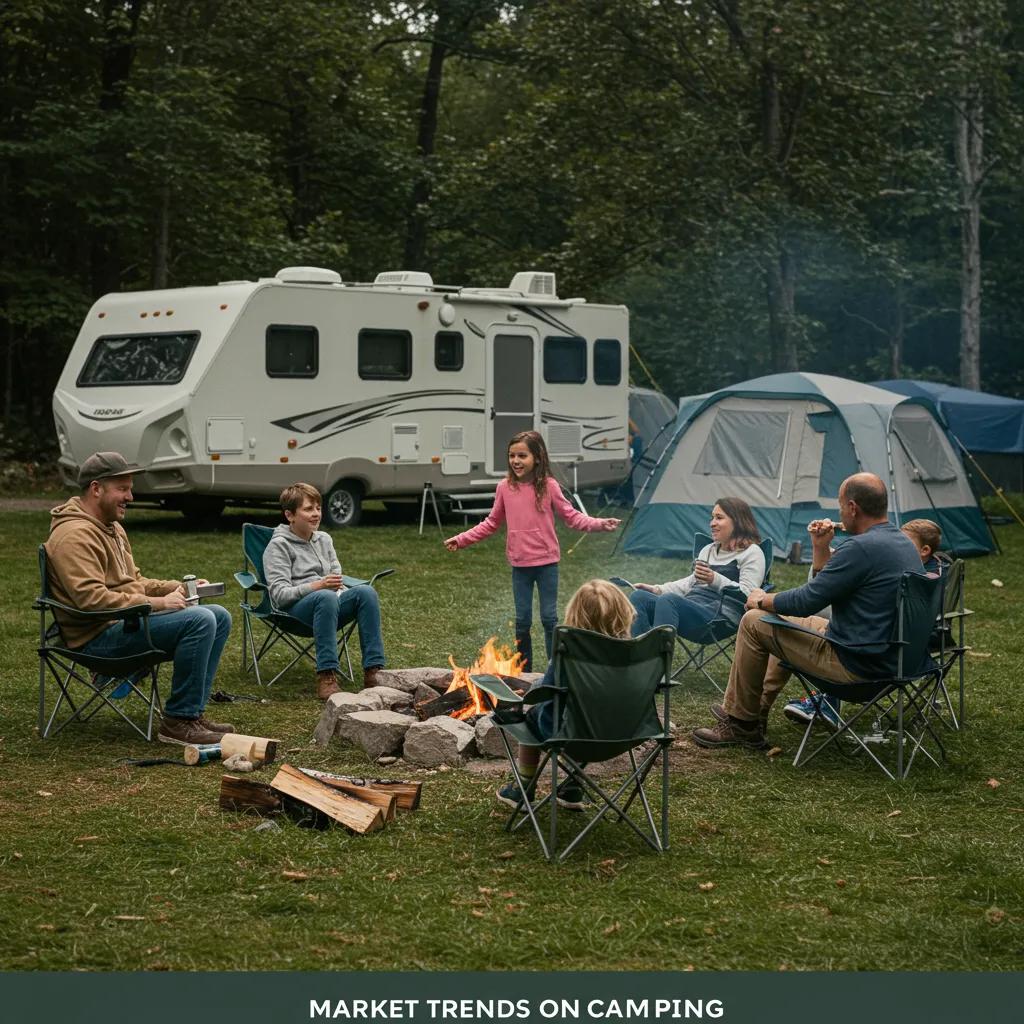
Market momentum for campgrounds in 2025 is shaped by rising outdoor participation, stable RV shipments, and shifts toward experience-focused travel, all of which increase buyer interest in hospitality property sales. Recent indicators show that camping participation and RV ownership have sustained higher-than-baseline engagement, driving improved peak-season occupancy and off-season programming opportunities. These trends mean that revenue multiples and buyer appetite can favor properties with demonstrated year-over-year performance and documented guest demand. Understanding these macro drivers helps sellers target valuation conversations around sustained cash flow and growth potential.
How Is the Growing Camping Participation Impacting Campground Listings?
Growing participation translates into higher baseline occupancy and better leverage for revenue management, which buyers use to forecast future cash flows during valuation. Sellers who can present metrics like repeat-guest rates, direct-booking percentages, and seasonal occupancy curves will position listings for stronger offers. Demonstrating how increased participation supports both nightly revenue and ancillary income (activities, retail, rentals) helps buyers see upside beyond site count alone. Preparing those metrics is a direct next step for owners who want to translate participation trends into listing language and buyer-ready documentation.
What Emerging Amenities and Features Increase Campground Appeal?
Emerging amenities—high-speed internet, glamping units, enhanced bathhouses, and pet-oriented facilities—directly influence buyer perception of revenue diversification and guest experience. Each amenity maps to operational outcomes: Wi-Fi increases extended-stay bookings, glamping raises average daily rates, and modern restrooms reduce maintenance overhead while improving reviews. Sellers should prioritize listing the top amenities and quantify their operational impact whenever possible to support valuation. Properly documenting amenity usage and income helps buyers evaluate upgrade ROI and positions the property as competitive in contemporary market searches.
What Criteria Make a Campground Listing Stand Out to Buyers Like GatherGrounds Resorts?
A standout listing speaks to both measurable valuation signals and cultural fit, combining metrics buyers use in underwriting with narrative elements that indicate legacy and community value. Buyers evaluate site count, revenue consistency, amenity mix, infrastructure condition, and growth potential; they also consider intangible fit such as family-run history and traditions. Presenting both quantitative indicators and a concise story positions a property to attract direct buyers and operators who value thoughtful transitions. The table below maps key valuation signals to their buyer impact so sellers can easily surface the most relevant attributes in listings.
Different valuation signals influence buyer interest and offer strength in observable ways.
This EAV-style table shows sellers which attributes to quantify when preparing listing materials and why those attributes matter to buyers. Next, we explain how GatherGrounds evaluates larger properties and the particular role of site-count thresholds in pricing and fit.
How Does GatherGrounds Value Campgrounds with 130+ Sites?
Campgrounds with 130+ sites attract buyers because scale provides operational leverage, better staffing models, and room to implement revenue management strategies that smaller parks cannot justify. When a buyer evaluates a property in this size range, they focus on site mix, occupancy thresholds, and utility capacity to ensure the park can handle incremental demand and a predictable maintenance schedule. Sellers should present metrics such as revenue per available site (RevPAS), campsite mix by revenue, and historical occupancy to make scale benefits explicit. These operational data points create a clearer path for buyers to model post-acquisition upside and support faster decisions.
Why Are Family Values and Legacy Preservation Important in Listings?
Family values and legacy preservation matter because they signal to family-owned buyers that the property has community goodwill and cultural fit, which can reduce perceived transition risk. Expressing a commitment to traditions, local relationships, and staff continuity reassures buyers who prioritize thoughtful transitions and community stewardship. Sellers can include a short narrative that highlights annual events, partnerships with local organizations, and any named traditions to communicate this fit. Presenting legacy elements alongside operational metrics helps combine emotional value with fiscal underwriting in a way that many family buyers find compelling.
What Property Features Enhance a Campground’s Appeal for Acquisition?
Hard features—reliable utilities, road access, septic capacity, and resilient bathhouse infrastructure—reduce buyer capex and speed the path to profitability, while soft features—guest programming, proven marketing channels, and on-site retail—expand revenue diversity. Buyers assess both component types to estimate short-term investment needs and growth levers, making it essential for sellers to document condition and usage. Provide clear inventories of systems, recent repairs, and vendor contracts to remove uncertainty during initial buyer evaluation. This combination of documented hard assets and proven soft-revenue drivers increases buyer confidence and can accelerate offers.
How Can Sellers Highlight Their Campground’s Unique Story and Traditions?

A succinct property narrative helps buyers understand cultural fit and legacy, so craft a three-sentence blurb that states the park’s founding, signature traditions, and community role. Accompany the blurb with a curated photo set showing the historic feature, recurring events, and staff interactions to reinforce authenticity. Include guest testimonials or a summarized review trend to quantify community sentiment as part of the story package. These storytelling elements pair with financials to create a listing that appeals to both analytical buyers and those seeking preservation-minded transitions.
How Do You Prepare Your Campground for a Successful Sale?
Preparing a campground for sale requires organizing financials, legal records, and targeted property improvements while creating marketing materials that reflect both performance and story. Sellers should assemble prioritized documentation, invest selectively in high-ROI enhancements, and cleanly present operational manuals and staff plans for due diligence. The table below lists essential documents sellers need, why each matters, and where to locate or prepare them so you can accelerate the listing process. After the table, we outline practical property upgrades that typically deliver the strongest value uplift.
A clear record package reduces buyer friction and speeds offers.
This EAV table gives sellers a ready checklist to assemble buyer-ready documentation; next we cover targeted property improvements that typically produce measurable value increases.
What Financial Records and Documentation Are Essential for Listing?
Buyers expect multi-year financials, occupancy reports, and a reconciled P&L to validate revenue stability, so prepare at least three years of records where available and a current year-to-date summary. Present reservation exports, merchant statements, and any third-party vendor revenue splits to clarify gross versus net income. Preparing a narrative that explains one-time items and recent capex helps buyers distinguish recurring performance from anomalies. Clear financial documentation reduces due diligence time and strengthens the credibility of your asking price.
How Can Property Enhancements Maximize Your Campground’s Value?
Focus improvements on items with high perceived value and low-to-moderate cost: restroom upgrades, signage and curb appeal, Wi-Fi infrastructure, and camper-friendly electrical/utility upgrades often yield outsized buyer interest. Prioritize projects that reduce immediate capital needs for buyers, and keep receipts and warranties organized to show care and stewardship. When estimating ROI, present conservative uplift scenarios tied to occupancy or ADR improvements to help buyers model sensible payback periods. These targeted upgrades make the property more marketable while avoiding unnecessary renovation costs.
What Legal and Operational Documents Should Sellers Organize?
Sellers should compile permits, environmental reports, leases, vendor contracts, employee records, and any easements or covenants that affect operations to prevent last-minute surprises during due diligence. Addressing common legal issues—such as unresolved permit conditions or ambiguous lease terms—before listing can eliminate renegotiation risk and expedite closing. Create an indexed due-diligence folder to share with serious buyers under confidentiality protocols to improve transaction speed. Organized operational documentation signals professionalism and reduces perceived transactional risk for buyers.
What Is the GatherGrounds Resorts Acquisition Process for Campground Sellers?
A direct acquisition process modeled by family-owned buyers emphasizes straightforward initial inquiry, focused due diligence, and a transition plan that preserves legacy and staff continuity. The process typically begins with an information exchange and indicative offer, followed by a focused diligence period that prioritizes operational continuity over exhaustive document discovery, and concludes with a transition plan emphasizing thoughtful handoff. Using this buyer-focused model as an example helps sellers understand an alternative to brokered listings and what to expect at each stage. Below are the typical steps from inquiry to closing and the ways a thoughtful buyer manages transition.
How Does the Initial Inquiry to Offer Stage Work?
Initial contact usually starts with a seller providing high-level metrics—site count, recent P&L summary, and a brief property description—which allows a buyer to make an indicative offer or request a site visit. This stage is designed to be low-pressure: buyers evaluate key valuation signals and outline next steps rather than pushing immediate commitments. Sellers should prepare a concise information packet that includes occupancy trends and major capital needs to accelerate an indicative offer. A clear, well-organized initial packet helps buyers move quickly from curiosity to a concrete proposal.
What Makes GatherGrounds’ Due Diligence Different from Brokers?
A family-owned buyer like GatherGrounds tends to emphasize operational continuity, staff retention, and cultural fit during due diligence, focusing on what is necessary to preserve the park’s heart while validating core financials. This approach often streamlines document requests and centers discussions on practical transition issues rather than exhaustive market-wide benchmarking. Buyers with this orientation review operational manuals, staff roles, and community relationships closely to ensure a smooth handoff. A seller who understands this emphasis can prioritize sharing materials that demonstrate the park’s ongoing viability and community integration.
How Is the Closing and Transition Managed to Preserve Legacy?
Closing and transition in a thoughtful direct acquisition typically include a communication plan for guests and staff, retention offers or introductions for key employees, and explicit commitments to preserve named events or traditions where agreed. Transition agreements often spell out short-term operational responsibilities, continued involvement options for outgoing owners, and plans for honoring legacy elements in marketing and programming. Documenting these arrangements in the sale agreement helps both parties set expectations and protects community goodwill during ownership change. Preparing a transition playbook before offers arrive increases buyer confidence in legacy preservation.
How Does Selling Directly to GatherGrounds Compare to Using Campground Brokers?
Choosing between a direct sale to a private buyer and a brokered sale depends on priorities such as speed, price maximization, control, and legacy outcomes, and each route follows different marketing and fee models. Direct sales often reduce marketing scope and speed timelines but can limit competitive bidding, whereas brokers provide broader exposure and potentially higher sale prices at the cost of commissions and longer timelines. The comparison table below outlines typical trade-offs, with illustrative timelines and relative fee considerations to help sellers make informed decisions. After the table, we describe scenarios where each option is preferable.
This comparison clarifies how direct acquisition by a family-owned operator can trade market-wide exposure for speed and cultural fit, whereas brokers aim to maximize price through broad marketing. Next, we outline advantages of the direct acquisition model and when broker services make sense.
What Are the Advantages of GatherGrounds’ Direct Acquisition Model?
Advantages of a direct, family-owned buyer include streamlined negotiations, a focus on continuity and community relationships, and an emphasis on preserving the park’s traditions and staff structure. For sellers prioritizing a thoughtful transition and reduced marketing complexity, this path reduces stress and can shorten timelines substantially. A small, close-knit buyer team often offers personalized communication and collaborative transition planning, which many family sellers value. Sellers who prioritize legacy preservation and a smooth handoff often find this route aligns strongly with their goals.
When Should Sellers Consider Traditional Campground Brokerage Services?
Sellers aiming to maximize sale price, reach multiple investor classes, or create competitive tension should consider traditional brokerage services because brokers provide specialized marketing, wider buyer pools, and negotiation expertise. Properties with niche upside, significant development potential, or highly fragmented markets can benefit from a broker-driven auction or broad exposure strategy. However, sellers must weigh expected commission costs against the potential price uplift and accept a longer marketing timeline. Choosing a broker makes sense when price maximization outweighs speed and legacy-focused transition priorities.
How Do Marketing Strategies Different Between Direct Buyers and Brokers?
Direct buyers rely on targeted outreach, confidential discussions, and selective site visits to minimize disruption, while brokers deploy multi-channel listings, industry networks, and formal marketing materials to attract competitive bids. Sellers preparing for brokered listings should have polished offering memoranda, professional photos, and financial packages ready for wide distribution. In contrast, sellers pursuing direct-sale conversations should prepare concise, high-impact packets highlighting the attributes most important to an operator seeking continuity. Understanding these marketing differences helps sellers tailor preparation and set realistic timelines.
What Are the Typical Fees and Costs Associated with Each Option?
Fees differ by route: broker commissions are a common fee model, direct sales may incur lower advisory costs, and marketplace listings often involve flat or subscription fees; sellers should request transparent fee breakdowns before engaging. Expect brokers to present commission structures tied to sale price, while direct buyers may offer simpler transactional cost arrangements. Sellers should ask for detailed fee proposals and compare net proceeds after fees to determine the best path. Clarity about fees early in the process reduces surprises and helps align the sale approach with seller priorities.
What Are Common Questions Sellers Ask About Listing a Campground for Sale?
Sellers commonly ask about speed, documentation, valuation, and whether to use a broker or sell directly, and clear short answers help owners navigate next steps. Below are concise, actionable responses to the top concerns sellers raise, followed by links to deeper sections in this article that provide checklists and process detail. These Q&A items are optimized for quick decision-making and for use in seller conversations with advisors.
How Do I Sell My Campground Quickly and Effectively?
Selling quickly requires having a clean documentation package, clear financial summaries, and targeted outreach to qualified buyers; sellers should prioritize tidying essential records and preparing a concise offering packet. Implementing modest, high-impact property improvements and ensuring reliable utilities can remove common buyer objections and speed offers. Choose a sale route aligned with your timeline—direct buyers for speed, brokers for price—and be transparent about non-negotiables to accelerate negotiation. Preparing in advance reduces renegotiation and shortens time-to-close.
What Documents Do I Need to Sell an RV Park or Campground?
Essential documents include P&L statements, occupancy and reservation reports, permits and licenses, site maps, vendor contracts, and employee records, all organized in an indexed due-diligence folder. Buyers use these documents to validate revenue, assess liabilities, and model future operations, so clarity and completeness matter. Compile at least three years of financials where possible and prepare a one-page executive summary that highlights trends and anomalies for quick review. Organized documentation increases buyer confidence and reduces diligence delays.
How Is the Value of My Campground Determined?
Value is typically derived from revenue-based methods (multiples of EBITDA or revenue), cap-rate approaches for stabilized income, and replacement-cost considerations for hard assets; buyers weigh site count, occupancy trends, location, and amenity mix as primary inputs. Presenting consistent, reconciled financials and demonstrating growth levers like direct-booking rates or ancillary income helps support higher valuations. Discuss expected capex and show realistic post-acquisition projections to bridge seller expectations and buyer underwriting. Preparing this information upfront helps anchor valuation conversations.
Should I Use a Broker or Sell Directly to a Buyer Like GatherGrounds?
Decide based on your priorities: use a broker if maximizing sale price through broad exposure is critical, or consider a direct sale if speed, legacy preservation, and a straightforward transition matter more to you. Evaluate potential buyers’ track records for staff retention and community stewardship if preserving traditions is important, and compare net proceeds after fees when assessing brokers. Reviewing the comparison table earlier in the article helps match your goals to the appropriate route and prepares you for the next steps in either path.
What Seller Success Stories Highlight What Makes a Campground Listing Stand Out?
Seller success stories illustrate how combining solid documentation, targeted improvements, and legacy-focused messaging produces strong outcomes for owners seeking both value and thoughtful transitions. Short anonymized case summaries show common patterns: measurable operational improvements before sale, clear storytelling that resonated with family buyers, and transition arrangements that honored traditions. These examples provide practical lessons sellers can emulate to increase the attractiveness of their listing packages. Below are summarized outcomes and the lessons sellers reported as most impactful.
How Have Previous Sellers Benefited from GatherGrounds’ Thoughtful Transition?
Sellers who prioritized legacy language and operational transparency often experienced smoother closings, staff retention, and continued community events after sale when working with family-minded buyers, demonstrating the value of cultural alignment. Documented retention offers and transition timelines reduced staff turnover during handoffs, helping maintain guest experience and revenue continuity. These outcomes show that including a transition playbook in the listing can materially affect buyer confidence and post-sale stability. Sellers who plan for transition detail often see better preservation of the park’s character.
What Legacy Preservation Stories Inspire Confidence in Sellers?
Concrete preservation actions—keeping a park’s historic name on signage, continuing signature events, and retaining long-time staff with transitional roles—have reassured sellers that their park’s traditions endure after sale. Structuring these commitments into agreements or transition plans provides legal clarity and sets expectations for both parties. Sellers find that specifying which traditions or elements matter most creates clearer negotiation points and reduces emotional uncertainty. These practical steps help balance financial and cultural objectives in a sale.
How Do Seller Experiences Demonstrate the Value of Family-Owned Buyers?
Seller feedback often highlights trust, attentive communication, and a willingness to preserve community-focused programs as benefits when dealing with family-owned buyers, underlining the value of cultural fit in certain transactions. Sellers reported that a buyer’s emphasis on legacy and staff continuity translated into less disruptive transitions and sustained guest satisfaction. For owners weighing offers, these outcome-focused anecdotes illustrate how buyer profile affects post-sale experience. If preserving the heart and soul of a campground matters, evaluating a buyer’s approach to transition is as important as price.
A final practical step for sellers who want a no-pressure evaluation is to request an initial conversation with potential buyers that focuses on mutual fit and transition plans rather than immediate pricing, which helps align objectives early in the process. For example, owners who contact family-operated acquirers often gain clarity on timelines and legacy-preservation options before committing to a listing path. If you want to explore a direct sale with a buyer that emphasizes thoughtful transition and family values, consider initiating a confidential conversation to evaluate fit and next steps.
Listing Agent Signals: Impact of Words and Images on Homebuyer Interest
Utilizing signaling theory, this study examines the effectiveness of images and words to influence homebuyers to move from reading a property listing to deciding to see a property in person. We first compare real estate agents’ perceptions of terms commonly used in MLS records to those of potential homebuyers and find that the signal being sent by agents is generally interpreted as intended. In the second stage, after controlling for demographics, real estate experience, and empathy, we find that using only positive words has a significantly higher impact on likelihood to visit a property than a high-quality picture and the type of home. These results are robust to both a between subjects and within subjects design framework.
Listing agent signals: Does a picture paint a thousand words?, KF Luchtenberg, 2019
Frequently Asked Questions
What are the most important financial metrics to present when selling a campground?
When selling a campground, key financial metrics include profit and loss statements, occupancy rates, average daily rates (ADR), and revenue per available site (RevPAS). These figures help potential buyers assess the property’s financial health and profitability. Additionally, presenting historical data over multiple years can demonstrate trends in revenue stability and growth potential. Sellers should also clarify any one-time expenses or capital improvements to provide a complete picture of the campground’s financial performance, which can significantly influence buyer interest and valuation.
How can I effectively market my campground to attract buyers?
To effectively market your campground, create a compelling listing that highlights unique features, amenities, and the property’s story. Use high-quality images and engaging descriptions to showcase the campground’s appeal. Consider leveraging online platforms, social media, and targeted outreach to reach potential buyers. Additionally, prepare a concise information packet that includes financial metrics, occupancy trends, and any recent improvements. Engaging a real estate professional with experience in campground sales can also enhance visibility and attract qualified buyers.
What role does location play in the valuation of a campground?
Location is a critical factor in campground valuation as it directly impacts accessibility, visibility, and potential customer base. Campgrounds situated near popular attractions, natural parks, or recreational areas tend to attract more visitors, leading to higher occupancy rates and revenue potential. Buyers will assess the surrounding environment, including competition and local amenities, to gauge the campground’s market position. A well-located campground can command a premium price, making it essential for sellers to emphasize location advantages in their listings.
What types of improvements can increase my campground’s value before selling?
Improvements that can enhance a campground’s value include upgrading facilities such as restrooms, adding high-speed internet, and enhancing landscaping for better curb appeal. Investing in amenities like glamping units or recreational facilities can also attract more guests and increase revenue potential. Additionally, ensuring that utilities are reliable and well-maintained can reduce buyer concerns about immediate capital expenditures. Focus on improvements that offer a high return on investment and align with current market trends to maximize appeal to potential buyers.
How can I ensure a smooth transition for the new owner after the sale?
To ensure a smooth transition for the new owner, create a detailed transition plan that outlines operational procedures, staff roles, and ongoing community relationships. Include a communication strategy for informing guests and staff about the change in ownership. Providing training for key employees and introducing them to the new owner can help maintain continuity. Additionally, documenting any traditions or events that are important to the campground’s identity can reassure buyers about preserving the property’s legacy and community ties.
What should I include in a narrative about my campground’s history and community role?
Your campground’s narrative should include its founding story, significant milestones, and any unique traditions that have developed over the years. Highlight the campground’s role in the local community, such as partnerships with local organizations or events that foster community engagement. Including testimonials from guests can also add authenticity and emotional appeal. This narrative not only enriches the listing but also helps potential buyers understand the cultural significance of the property, which can be a compelling factor in their decision-making process.
Conclusion
Creating a standout campground listing is essential for attracting qualified buyers and maximizing sale potential. By effectively showcasing unique features, financial performance, and community legacy, sellers can significantly enhance their property’s appeal in a competitive market. Taking the time to prepare comprehensive documentation and targeted improvements will streamline the selling process and foster buyer confidence. If you’re ready to explore your options for a successful sale, reach out to us today for a personalized consultation.