Tent Camping Essentials Every Beginner Must Know: Your Complete Guide to a Successful First Trip
Tent camping essentials for beginners blend crucial gear, smart setup techniques, and safety practices for a seamless, confidence-building outdoor escapade. Forgetting a key item or misunderstanding campsite etiquette can quickly turn excitement into frustration, but this guide equips you with everything you need—from selecting your shelter to crafting campfire feasts—to truly enjoy your first night under canvas. We’ll cover:
- Must-have camping gear and how each piece elevates your comfort
- Expert tent pitching and site selection strategies
- Essential safety protocols and respectful campground conduct
- Simple campfire meals and secure food storage tips
- Clever packing strategies for optimal weight and space management
- The unique advantages of Ridge Ranch Campground and online booking
Kick off your adventure by exploring tent camping at Ridge Ranch Campground and discover why first-time campers make it their go-to destination year after year.
What Are the Must-Have Tent Camping Gear Items for Beginners?
The essential tent camping gear for beginners ensures reliable shelter, restful sleep, easy meal preparation, safety, and adaptable clothing systems to foster confidence in the great outdoors. Each item serves a specific purpose—whether it’s shielding you from the elements or simplifying your cooking—and together, they form the bedrock of a successful first trip.
Which Tent Types Are Best for First-Time Campers?

Three-season dome tents strike an excellent balance between weight, durability, and ease of setup, utilizing lightweight poles and simple clips to create a stable shelter on level ground, offering protection without complicated assembly.
Dome tents provide the ideal entry-level experience by simplifying the setup process and holding up well in typical seasonal weather, preparing you to master site selection and protection techniques.
What Sleeping Bags and Pads Ensure Comfort and Warmth?
Insulated sleeping bags rated for three-season use and closed-cell foam pads offer crucial thermal insulation by trapping body heat and cushioning against uneven terrain, promoting a truly restful sleep under the stars.
Choosing a sleeping bag and pad combination that matches the expected nighttime lows is key to maintaining body heat and preventing heat loss to the ground, setting the stage for enjoyable camp cooking and evening relaxation.
What Cooking Equipment Should Beginners Bring?
Compact camp stoves featuring integrated windshields and lightweight cookware simplify meal preparation by combining fuel efficiency with portability, allowing campers to cook satisfying meals even at remote sites.
- A single-burner propane or canister stove for consistent heat output
- Nesting pots and pans crafted from durable aluminum or hard-anodized steel
- A spork, folding spatula, and a lightweight cutting board for versatile food prep
With a streamlined cooking kit, you’ll reduce pack weight and fuel consumption, making meal routines effortless and transitioning smoothly into reliable lighting and safety practices.
Which Lighting and Safety Gear Are Essential for Tent Camping?
Dependable LED headlamps, lanterns, and a well-stocked first aid kit protect campers from potential hazards and enhance visibility after dark, boosting both safety and peace of mind around the campsite.
- An adjustable headlamp with at least 200 lumens and a red-light mode for preserving night vision
- A battery-powered lantern for ambient campsite lighting
- A comprehensive first aid kit including bandages, antiseptic wipes, trauma shears, and splints
These essential items ensure you can navigate trails safely, manage minor injuries effectively, and maintain a secure environment, making the transition to appropriate clothing layers for changing conditions much smoother.
How Does Appropriate Clothing Impact Your Camping Experience?
Layered clothing systems adapt to fluctuating temperatures and manage moisture effectively by combining breathable base layers, insulating mid-layers, and waterproof outer shells to maintain comfort and prevent hypothermia.
- Moisture-wicking synthetic or merino wool base layer for comfort
- A fleece or synthetic insulated mid-layer for essential warmth
- Waterproof and breathable jacket and pants for protection against wind and rain
Incorporating smart clothing choices supports optimal thermal regulation and keeps you dry, ensuring you remain comfortable while setting up your tent and exploring the campground.
With the right combination of shelter, sleep, cooking, lighting, and clothing gear secured, the next crucial step is setting up your campsite with ease.
How Do You Set Up Your Tent and Campsite Like a Pro?
A professional-level campsite setup starts with precise tent placement, secure stake anchoring, and organized gear arrangement to maximize comfort, safety, and respect for the environment, enhancing every beginner’s first night under canvas.
What Are the Step-by-Step Instructions to Pitch a Tent at Ridge Ranch?
Pitching a tent at Ridge Ranch Campground involves five structured steps to ensure your shelter is securely set up on various terrains:
- Select Level Ground – Clear away any debris and ensure the surface is even.
- Lay Out Footprint – Position the footprint to perfectly align with your tent’s floor.
- Assemble Poles – Effortlessly clip or slide poles into the tent body, following the manufacturer’s instructions.
- Stake Corners – Angle stakes at 45° away from the tent for a firm, secure anchor.
- Attach Rainfly – Drape and secure the rainfly, adjusting tension to ensure proper water runoff.
Following these straightforward steps guarantees your tent remains stable and dry, setting you up perfectly for selecting the optimal site location.
How Do You Choose the Best Campsite Location for Beginners?
Selecting the best campsite location involves carefully assessing ground levelness, proximity to water sources, and natural windbreaks to achieve a balance between convenience and minimal environmental impact.
- Seek out gently sloping or flat ground, positioned at least 200 ft away from water sources to prevent potential flooding.
- Position your tent downwind from cooking and restroom areas to avoid any lingering odors.
- Look for natural windbreaks such as trees or large boulders to minimize exposure to strong winds.
By choosing a level, safe spot, you’ll reduce potential hazards and maximize your comfort, creating the ideal conditions for effective weather protection.
When and How Should You Use a Rainfly and Tent Footprint?
Applying a rainfly before any rainfall and deploying a footprint beneath your tent floor effectively shields your shelter from moisture and abrasion, preserving its structural integrity and keeping you dry.
- Before Arrival: Place the footprint on the ground beneath the tent body to protect it from ground moisture and wear.
- Upon Setup: Clip or tie the rainfly securely over the tent body, ensuring that ventilation ports remain open for essential airflow.
- During Rain: Tighten guylines and adjust the rainfly’s angle to effectively channel water away from the tent’s entry points.
Proper use of the rainfly and footprint safeguards your gear and ensures a resilient shelter under diverse weather conditions, guiding you toward enhanced safety and etiquette at Ridge Ranch.
What Safety and Etiquette Tips Should Beginner Campers Follow at Ridge Ranch?
Adhering to safety protocols and practicing respectful campground etiquette at Ridge Ranch Campground cultivates a secure environment that preserves natural resources and fosters positive experiences for every visitor.
How Can You Practice Fire Safety While Camping?
Maintaining a controlled campfire through cleared perimeters, using appropriately sized fuel, and following thorough extinguishment procedures is crucial for preventing wildfires and complying with local regulations.
- Clear a 10 ft radius around the fire pit, removing all flammable debris.
- Burn only approved firewood and ensure flames do not exceed shoulder height.
- Extinguish the fire completely with water, stirring the ashes until they are cool to the touch.
What Wildlife Awareness Should New Campers Have?
Understanding the behavior of local wildlife, such as properly securing food and maintaining safe distances, helps minimize encounters and supports the balance of the ecosystem.
- Store all food and scented items securely in bear-resistant lockers or tightly sealed coolers.
- Maintain a distance of at least 50 ft from deer, raccoons, and other small mammals.
- Never feed wildlife, as this can disrupt their natural foraging patterns.
Practicing wildlife awareness protects both animals and people, contributing to a respectful camping environment.
What Are the Key Campground Rules and Etiquette for Beginners?
Adhering to quiet hours, proper waste disposal guidelines, and designated trail usage is essential for maintaining community harmony and preserving the environmental integrity of Ridge Ranch.
- Observe quiet hours between 10 PM and 7 AM to ensure a peaceful experience for all campers.
- Pack out all your trash and dispose of recyclables in the designated bins.
- Stay on marked trails to protect delicate vegetation and minimize soil erosion.
What Basic First Aid Should Every Beginner Camper Know?
A basic first aid kit equipped with bandages, antiseptic solutions, and splint materials allows for prompt treatment of minor injuries and reduces the risk of complications.
- Clean and dress cuts using antiseptic wipes and adhesive bandages.
- Immobilize sprains effectively using elastic bandages and supportive splints.
- Treat insect bites with sting relief pads and monitor closely for any allergic reactions.
With these first aid skills and supplies, campers can confidently handle common mishaps, paving the way for enjoyable camp cooking experiences.
What Are Easy and Delicious Campfire Recipes for Your First Tent Camping Trip?

Simple campfire recipes that combine minimal ingredients with easy preparation techniques deliver satisfying meals while minimizing cleanup, enhancing every beginner’s outdoor dining experience.
Which Simple Meals Are Ideal for Beginner Campers?
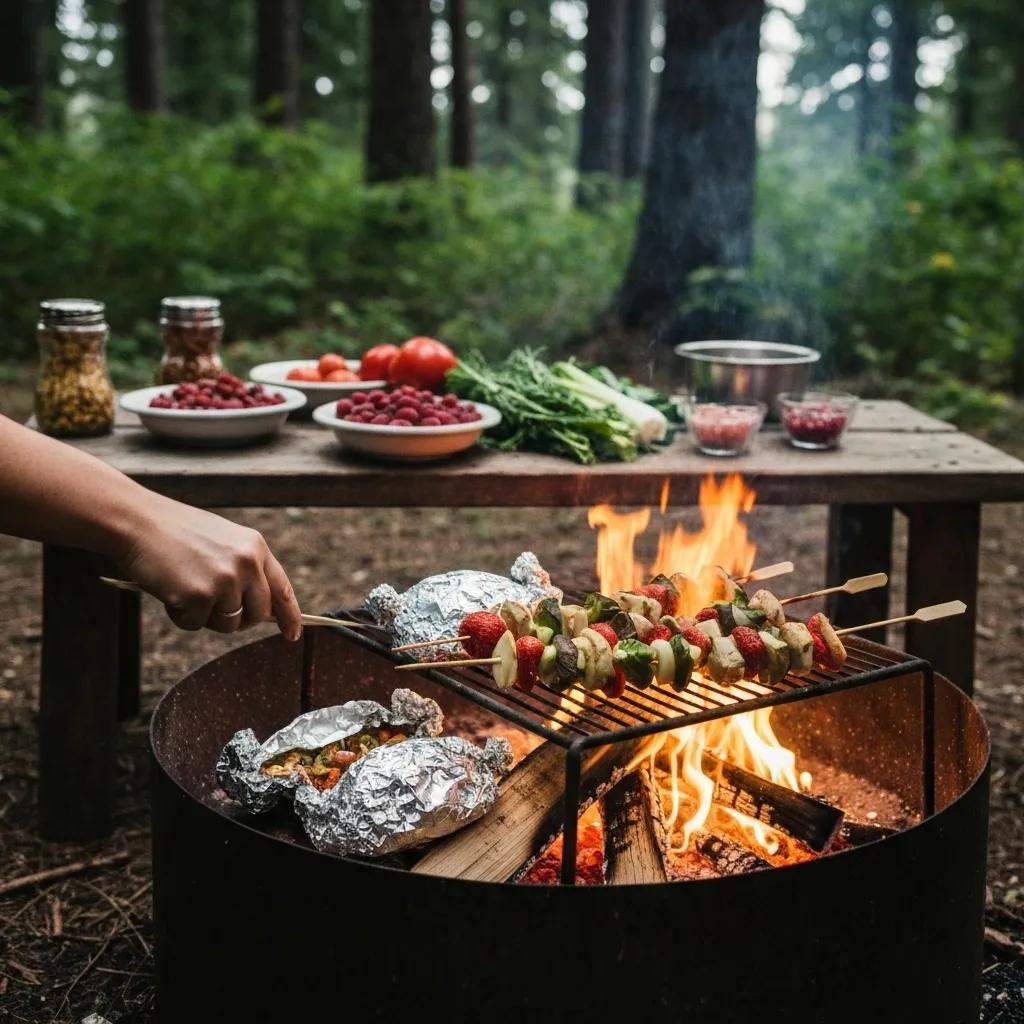
Foil packet dinners, pre-made skewers, and one-pot stews require minimal utensils and burn fuel efficiently, streamlining the cooking process at the campsite.
- Chicken and Veggie Foil Packets – Season chicken, assorted vegetables, and herbs, then seal them inside aluminum foil for easy cooking.
- Sausage and Pepper Skewers – Thread chunks of smoked sausage, bell peppers, and onions onto skewers for a flavorful meal.
- One-Pot Chili – Combine ground meat, beans, diced tomatoes, and your favorite spices in a single pot for a hearty, easy-to-make chili.
These straightforward meal options provide excellent flavor and nutrition without complex preparation, leading perfectly into essential food storage tips.
How Should You Store Food Safely at Ridge Ranch Campground?
Utilizing bear-resistant containers and sealed coolers, strategically placed in designated storage areas, deters wildlife and maintains food freshness by controlling temperature and odors effectively.
- Place coolers inside provided bear lockers immediately after each meal to prevent attracting animals.
- Separate raw and cooked food items using clearly labeled, resealable bags for hygiene.
- Keep perishable foods chilled on ice and monitor temperatures daily to ensure safety.
Proper food storage prevents attracting unwanted wildlife and ensures a secure, hygienic campsite, preparing you for efficient and safe camp stove operation.
What Are the Best Practices for Using a Camp Stove?
Positioning your camp stove on stable ground, shielding it from wind, and following the manufacturer’s ignition guidelines will enhance both cooking efficiency and overall safety.
- Ensure the stove is level on a flat rock or dedicated stove stand to prevent any tipping.
- Utilize a windscreen to conserve fuel and maintain a consistent flame for optimal cooking.
- Always follow the manufacturer’s instructions for attaching fuel canisters and initiating ignition.
Implementing these stove best practices maximizes fuel economy and minimizes the risk of accidents, transitioning smoothly into smart packing strategies.
How Can You Pack Smartly for a Comfortable Tent Camping Experience?
Smart packing strategies involve organizing gear to balance weight distribution, ensure easy accessibility, and conserve space, all contributing to comfort and mobility throughout your trip.
What Should a Beginner Include in Their Tent Camping Checklist?
An effective tent camping checklist should encompass shelter components, a sleep system, cooking tools, lighting, appropriate clothing layers, and essential emergency supplies to cover all fundamental needs.
- Tent, poles, stakes, footprint, rainfly
- Sleeping bag, sleeping pad, pillow
- Camp stove, fuel, cookware, utensils
- Headlamp, lantern, extra batteries
- Base layers, mid-layers, waterproof shell
- First aid kit, map, multi-tool
With a comprehensive checklist in hand, you can avoid last-minute oversights and concentrate on selecting the most suitable clothing layers for your adventure.
How Do You Layer Clothing for Variable Weather Conditions?
Layering with moisture-wicking base layers, insulating mid-layers, and windproof outer shells effectively regulates body temperature and adapts to the changing conditions from sunrise to nightfall.
- Begin with a merino wool or synthetic base layer for optimal moisture management.
- Add a fleece or down mid-layer for crucial trapped warmth.
- Finish with a breathable, waterproof shell to effectively block wind and rain.
Mastering the art of clothing layers will keep you comfortable across a range of conditions, while also freeing up valuable space through organized packing.
What Are Space-Saving Tips for Efficient Packing?
Utilizing compression sacks, multi-purpose gear, and compartmentalized storage pouches effectively reduces bulk and simplifies the process of retrieving your items.
- Store your sleeping bag and clothing items in compression sacks to minimize their volume.
- Opt for dual-purpose gear, such as a pot that can also serve as a bowl.
- Employ clear, labeled packing cubes for quick and easy access to your belongings.
These space-saving techniques ensure your pack remains organized and lightweight, setting the stage to understand why Ridge Ranch is such a standout choice for new campers.
Why Is Ridge Ranch Campground Ideal for First-Time Tent Campers?
Ridge Ranch Campground offers a perfect blend of beginner-friendly amenities, picturesque tent sites, and supportive staff, providing a welcoming introduction to outdoor recreation in a relaxed and stress-free environment.
What Facilities and Amenities Support Beginner Campers at Ridge Ranch?
Clean restrooms, readily available treated water spigots, well-maintained fire pits, and convenient picnic tables ensure campers have access to essential comforts that simplify their first tent camping experiences.
- Modern restroom facilities equipped with flush toilets and running water
- Potable water spigots conveniently located at every loop, with firewood available for purchase on-site
- Designated fire pits featuring safety screens and protective grate covers
- Picnic tables and tent platforms provided for organized and comfortable site setup
These thoughtful amenities help alleviate common beginner concerns and complement your gear preparations with reliable site infrastructure, leading nicely into discussions about family activities.
Which Family-Friendly Activities Can New Campers Enjoy?
Short hiking trails, designated catch-and-release fishing spots, engaging guided nature walks, and fun campground games are designed to entertain all ages by combining exploration with social enjoyment.
- A gentle, half-mile loop trail encircling the picturesque pond
- A stocked fishing area offering pole and bait rentals
- Evening wildlife talks and star-gazing sessions led by park rangers
- Cornhole boards, horseshoe pits, and interactive nature scavenger hunts
A diverse range of activities fosters memorable experiences and reinforces Ridge Ranch’s reputation for providing family-friendly outdoor adventures.
How Does Ridge Ranch Ensure a Safe and Welcoming Environment?
On-site hosts conduct regular safety inspections, enforce quiet hours diligently, and provide orientation materials to guide first-time campers toward a respectful and secure stay.
- Daily site checks are performed to ensure hazard removal and maintain cleanliness.
- Clear signage is posted throughout the campground, detailing rules and important wildlife alerts.
- Staff-hosted welcome sessions are offered to highlight local features and provide helpful tips.
These proactive measures cultivate trust and ease the concerns of beginners, paving the way for a seamless booking experience.
How Do You Book Your First Tent Camping Site at Ridge Ranch Campground?
Booking a tent site at Ridge Ranch Campground is a straightforward process, utilizing an intuitive online reservation system, flexible scheduling options, and transparent policies that empower beginners to plan their trip with complete confidence.
What Is the Step-by-Step Online Reservation Process?
Access the Ridge Ranch Campground booking page, select your desired dates, choose a tent site type, provide your contact details, and complete the secure payment process within just a few clicks to confirm your reservation.
- Visit the official online reservation portal.
- Select your intended arrival and departure dates.
- Choose from the available tent site categories.
- Enter your camper information and any special requests.
- Complete the payment process and receive an email confirmation of your booking.
Following these simple steps will secure your campsite promptly, allowing you to adjust your timing based on availability.
When Should Beginners Reserve to Secure Their Spot?
Reserving your spot 4–6 weeks in advance of peak season ensures access to your preferred tent site locations and aligns with the typical booking patterns observed at Ridge Ranch Campground.
- For summer weekends, aim to book by early spring.
- To plan for fall foliage trips, reserve in late summer.
- For holiday weekends, it’s advisable to book at least 6 weeks ahead.
Planning ahead reduces the likelihood of fully booked weekends and provides a wider selection of sites, while understanding the cancellation policies adds valuable flexibility.
What Are the Cancellation and Change Policies for Tent Sites?
Ridge Ranch Campground offers complimentary cancellations up to 7 days before your scheduled arrival and permits one date change per booking, subject to site availability, to accommodate evolving plans.
- Free cancellation is available up to 7 days prior to check-in.
- One complimentary date change can be made up to 14 days in advance.
- A 50% refund is provided for cancellations made within 2–7 days of arrival.
These customer-friendly policies offer peace of mind and flexibility, completing your preparation for a smooth and enjoyable first tent camping adventure.
Equipped with the essential gear, setup skills, and safety knowledge, your inaugural tent camping trip is set to unfold with comfort and confidence. Ridge Ranch Campground’s supportive amenities and straightforward booking process further simplify every step, from departure to your return home. Remember to pack strategically, respect campground etiquette, and savor those simple campfire meals. Embrace the adventure—your first night under canvas awaits.