

Michigan Campgrounds — Trails vs. Amenities: Find the Best Family-Friendly Fit
When families pick a Michigan campground, the choice usually comes down to two clear priorities: easy access to trails for hiking and nature time, or a property loaded with on-site amenities that keep kids busy and parents relaxed. This guide breaks down those trade-offs, shows how different trail networks and amenity mixes deliver distinct family value, and uses The Oaks Campground by GatherGrounds as a nearby example of a site that balances both. Read on to learn what to look for in trails, which amenities most influence how long families stay, how to compare campgrounds using practical criteria, and how to plan a weekend that pairs morning hikes with lakeside play. We cover statewide landscape advantages, where to find trail-rich campgrounds, the amenity categories families care about, a focused case study of The Oaks, a decision checklist for choosing a site, and travel tips for families coming from Detroit, Ann Arbor, or Fort Wayne. Expect clear lists, comparison tables, and planning tips to help you match a campsite to your family’s ages, mobility, and schedule.
What Makes Michigan Campgrounds Ideal for Hiking and Family Amenities?
Michigan’s mix of hardwood forests, inland lakes, and a wide state-park system creates great conditions for campgrounds that serve both hikers and amenity-minded families. Those landscapes support short loop trails, wetlands boardwalks, and multi-use tracks that are easy for younger kids while still offering wildlife viewing and seasonal interest. Because many campgrounds sit next to state recreation areas or private resorts, you often get both trail access and family-focused infrastructure—play areas, beaches, and water features—so it’s simple to swap between a hike and supervised lake time. The best family properties put trailheads nearby, offer safe short hikes, and provide on-site conveniences so parents don’t spend the trip in the car.
Three quick reasons Michigan campgrounds work so well for families and hikers:
- Diverse landscapes: forests, lakes, and wetlands create changing, child-friendly hiking scenery across the seasons.
- Connected park networks: state recreation areas and preserves offer multiple trail lengths and difficulty levels suitable for families.
- Amenity pairing: many campgrounds combine basics—restrooms, stores—with recreational features that keep kids engaged after a hike.
Those points set up the next section, where we explain how Michigan’s trails extend family camping adventures and which amenities most support comfortable, multi-generational stays.
How Do Michigan’s Natural Trails Enhance Family Camping Adventures?
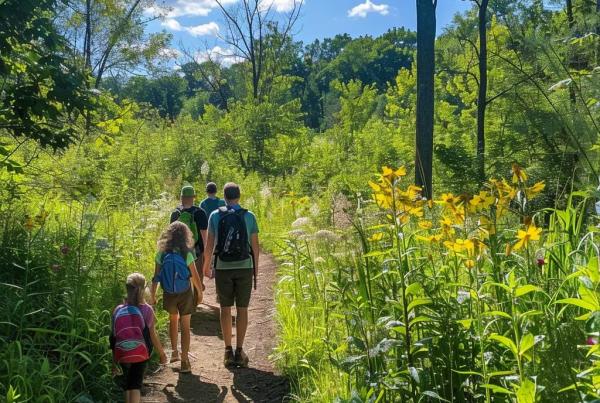
Natural trails in Michigan add purpose and discovery to family camping by offering short, educational routes and wildlife-rich settings that are safe and interesting for children. Near campgrounds you’ll commonly find short loops, interpretive paths, and multi-use routes that can handle strollers, bikes, or golf carts—so there are accessible options for every age. These trails create teachable moments—birdwatching, tree ID, and seasonal wildflowers—that turn a campsite into a mini-classroom and spark curiosity in young campers. When you plan hikes, prioritize trail types (loops for quick outings, flat boardwalks near wetlands) and pack simple gear like a field guide, binoculars, and layers to keep everyone comfortable and ready to explore.
Pairing short hikes with amenity time smooths out the day; next we cover which amenities make family camping both comfortable and fun.
Which Amenities Support Comfortable and Fun Family Camping?

Core amenities turn a campsite into a family-friendly base for both play and downtime, combining hygiene, convenience, and entertainment features that ease the load on caregivers. The amenities families notice most are clean restrooms and showers, a camp store for essentials, safe playgrounds, and water features like swimming lakes or splash areas that keep kids happily occupied. These conveniences let families stay longer by cutting back on off-site errands and create predictable routines for young children and elders. When amenities sit near trails, it’s easy to alternate active breaks with downtime so everyone stays energized during a multi-day visit.
To show how amenities vary by campground type, the section that follows ranks trail-adjacent options and points to nearby trail resources.
Which Michigan Campgrounds Offer the Best Hiking Trails for Families?
The best family hiking campgrounds are those beside large recreation areas, inside state park systems, or on private properties with integrated trailheads. Being close to a big trail network lets families pick short loops one day and longer routes the next—so you can get both gentle nature walks and more ambitious family hikes without changing campsites. When you’re selecting a spot, look for trail variety, signage and maps at trailheads, and facilities like parking and rest stops that make short outings easy for parents. Below is a ranked list of the most useful trail-adjacent campground categories for families.
- Waterloo-adjacent campgrounds: Large trail networks and varied ecosystems make day hikes and multiple short loops convenient for families.
- State park campgrounds: Clear trail maps, maintained paths, and ranger programs add safety and learning opportunities for kids.
- Private resort campgrounds with on-site trails: Managed trails and family-friendly loops offer convenience and supervised outdoor play.
This ranking highlights the trade-off between broad public trail networks and private-property convenience; the table below compares typical campground types by trail proximity, trail kinds, and expected difficulty for family use.
Introductory note: use this table to match trail access to your children’s ages and stamina.
The takeaway: adjacency to a large recreation area usually increases trail variety and length options, while private and many state park campgrounds prioritize accessible, family-friendly loops. The next section looks at trails reachable from The Oaks Campground as an applied example.
What Are the Top Hiking Destinations Near The Oaks Campground?
The Oaks Campground by GatherGrounds sits next to Waterloo State Recreation Area, one of Michigan’s larger trail systems, giving families access to a wide range of loop hikes and multi-use tracks that suit kids. While staying at The Oaks you can plan short birding walks, easy interpretive routes, or longer day hikes without long drives—making morning trail time and afternoon amenity play a realistic rhythm for young families. Waterloo’s mix of woods, marshes, and small lakes means trails vary by season and interest; check trail maps at the recreation area and pick routes with modest elevation change and clear wayfinding for younger hikers.
How Does Access to Waterloo State Recreation Area Trails Benefit Campers?
Being next to a large area like Waterloo expands activity options—from short nature loops to longer scenic hikes that suit a range of energy levels. Waterloo’s scale brings variety: boardwalk wetlands, looped woodland paths, and multi-use corridors that let you theme each day (birdwatching one morning, a longer exploration the next). Short transit to trailheads keeps kids rested and maximizes outdoor time, and the range of routes supports multi-generational groups who may split activities by interest. For parents, that proximity means flexible plans that mix supervised amenity time at camp with safe, independent hikes for older kids.
Next we compare the amenities that most shape family satisfaction and repeat visits.
What Amenities Distinguish Campgrounds in Michigan for Family Comfort and Fun?
Amenities change how families experience a campground: some features raise daily enjoyment for kids while others ease caregiver logistics and enable longer stays. Recreational amenities—swimming lakes, playgrounds, scheduled events, and water play—drive day-to-day satisfaction and reduce the urge to leave the property. Utility amenities like full restrooms, hot showers, cabin kitchens, and dependable camp stores make multi-night trips workable without overpacking. Services like weekend programming, equipment rentals, and group pavilions round out options for celebrations and family gatherings. The table below summarizes which amenity types you can expect across sample campground categories.
Introductory note: this table helps you decide whether daily entertainment or basic comfort matters more for your trip.
Properties that combine recreational and utility amenities give families the most flexible trip options. The following subsections explain how water features and lodging amenities specifically enhance a stay.
How Do Water Parks, Playgrounds, and Lakes Enhance the Camping Experience?
Water features and playgrounds turn a campsite into a built-in activity center for kids, creating reliable windows of entertainment parents can plan around. Swimming lakes, supervised swim areas, and splash structures offer contained water play that keeps children occupied while adults relax nearby—features like these also encourage repeat visits and group bookings. Playgrounds and pavilions support social play and simplify group meals and gatherings. Practically speaking, these amenities cut down on drives to town for entertainment, freeing families to hike in the morning and use on-site facilities in the afternoon.
That balance between trails and water-based activities naturally leads to how RV and cabin amenities influence trip length and comfort.
What RV and Cabin Amenities Are Available at Leading Michigan Campgrounds?
RV and cabin features vary in how well they support short stays or longer vacations; pick the level of service that fits trip length and family needs. Full RV hookups and level pads make extended stays comfortable and close to “home,” while partial hookups work for weekend trips when showers and a camp store are nearby. Cabins with basic kitchens or climate control make camping accessible for multi-generational groups and families with young children, cutting setup time and logistical stress. When choosing a site, decide whether convenience (kitchen, bunks) or trail proximity matters more for your itinerary.
How Does The Oaks Campground Combine Trails and Amenities for a Unique Family Experience?

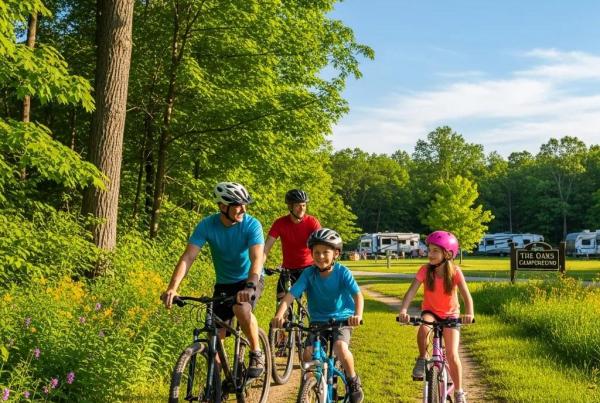
The Oaks Campground by GatherGrounds strikes a clear balance between natural access and family-friendly amenities, making it a solid base for families who want both hiking variety and reliable on-site activities. Across 160 acres beside Waterloo State Recreation Area, The Oaks features golf-cart riding trails and a fishing pond that tie into nearby public trails—so you can build a full-day outdoor plan without long drives. On-site amenities include a swimming lake, playgrounds, pavilions, a camp store, and scheduled weekend events; the property has also announced plans for a Wibit water park slated for 2025 to expand family recreation. With RV sites, tent sites, and cabin rentals, The Oaks lets families choose the comfort level that fits their budget while keeping both natural and built attractions close at hand.
Below we describe how The Oaks blends nature with modern comforts and offer practical tips for planning your stay.
What Is The Oaks Campground’s Unique Blend of Nature and Modern Comfort?
The Oaks combines a large natural setting with thoughtful family infrastructure so the place feels both wild and easy to manage. The 160-acre layout includes golf-cart trails that let families move across the property and a fishing pond where kids can try low-effort angling. On-site amenities—a swimming lake, playgrounds, pavilions, and a camp store—remove many local errands and support longer stays, while scheduled weekend events add social programming for kids and adults. With lodging options from RV sites to cabins, The Oaks fits a wide range of budgets and comfort preferences, making it convenient for families coming from nearby cities.
How Can Families Plan Their Stay to Maximize Trails and Amenities at The Oaks?
The best visits mix short morning hikes in Waterloo with midday amenity time and gentle evening activities at The Oaks to match kids’ energy cycles. A sample weekend: a morning loop on a family-friendly trail, lunch at a pavilion, an afternoon swim or playground session, then a short sunset walk or fishing session—rotating activities keeps kids interested and reduces fatigue. When booking, choose a site near the swimming lake or playground for quick access to amenities, or pick a spot closer to the golf-cart trails for on-site exploration. For reservations and availability, check The Oaks Campground by GatherGrounds reservation options to secure the lodging type and dates that fit your group.
How to Compare Michigan Campgrounds: Trails Versus Amenities for Your Family Trip?
Comparing campgrounds works best when you score trail access, amenity variety, campsite types, and logistics against your family priorities so trade-offs are clear before you book. Start by listing must-haves (for example: stroller-friendly loops, a swimming area, full hookups) and then rate candidate campgrounds on those points to spot where compromises are needed. Factor in travel time, kids’ ages, mobility limits, and your preferred activity mix—nature-first families should weight trail variety more, while amenity-first groups may accept less trail access in exchange for on-site entertainment. The checklist below gives a step-by-step way to evaluate potential campgrounds.
Introductory checklist: run these points for each campground to create a simple suitability score for your trip.
- Trail Access: How close are trailheads and are there easy loops within a short drive?
- Amenity Variety: Is there a swimming area, playground, camp store, and scheduled events?
- Accommodation Fit: Are RV hookups, cabin features, or tent-friendly sites available?
- Logistics: What’s the drive time from home, restroom quality, and parking ease?
After you apply this checklist, use the matrix below to summarize trail-versus-amenity fit across common campground types.
This matrix makes it clear your ideal choice depends on whether trail variety or built-in amenities matter most. The next sections unpack key factors to weigh and show how The Oaks fits this decision framework.
What Factors Should Families Consider When Choosing Between Trails and Amenities?
We recommend evaluating five core factors: children’s ages and stamina, your desired daily activity mix, trip length, accommodation needs, and travel logistics. Younger children and older adults usually benefit more from amenity-rich sites with short, predictable play windows, while school-age kids and teens often value access to larger trail networks for exploration. Trip length affects the need for conveniences like camp stores and cabin kitchens—longer stays favor full hookups and cabins. Travel logistics—drive time and access to medical services—also affect how far you’re willing to go for remote trails. Use these factors to weight your scoring rubric and prioritize campsites that fit your group.
With that rubric in mind, here’s how The Oaks matches common family profiles.
How Does The Oaks Campground Exemplify the Balance of Trails and Amenities?
The Oaks Campground by GatherGrounds represents a middle path: it places families beside Waterloo’s trail network while offering strong on-site amenities that reduce the need to go off-property. The property’s golf-cart trails and fishing pond make low-effort exploration easy, and immediate access to Waterloo opens dozens of trail options for longer hikes. On-site features—swimming lake, playgrounds, pavilions, camp store, and weekend events—provide built-in entertainment for young children and multi-generational groups. For families who want both nature immersion and dependable creature comforts, The Oaks is a practical recommendation—especially for those traveling from Detroit, Ann Arbor, or Fort Wayne who want a weekend base with both trails and amenities nearby.
Where Are the Best Family Campgrounds in Michigan Located Near Major Cities?
Location matters for weekenders: shorter drives favor campgrounds with strong amenities since transit time is limited, while longer drives open the door to remote trail networks and more solitude. Campgrounds within about 1.5 to 3 hours of Detroit or Ann Arbor see heavy weekend use in summer and often run event programming for families. For Fort Wayne families, southeastern Michigan campgrounds near large recreation areas offer good trail access with reasonable drive times. Location also affects seasonal conditions—northern sites have different plant and wildlife timing than southern ones, which changes what hikes and amenities will shine during your visit.
Which Campgrounds Are Convenient for Families from Detroit, Ann Arbor, and Fort Wayne?
Match drive time to kids’ energy levels: under two hours is ideal for toddlers, while older children tolerate longer drives for richer trail experiences. Campgrounds next to state recreation areas or within two hours of Detroit and Ann Arbor often balance trail choices and on-site activities for day-split itineraries. Families from Fort Wayne will find southeastern Michigan campgrounds near large recreation areas give manageable drives and plenty of trail options. Aim for early departures to avoid traffic and late-afternoon returns so kids stay rested.
How Does Location Influence Access to Trails and Amenities in Michigan Campgrounds?
Location shapes the trade-offs families face: urban-adjacent campgrounds typically offer more events and amenity programming to meet weekend demand, while remote campgrounds emphasize solitude and primitive trail experiences with fewer services. Proximity to a state park increases trail variety and often brings ranger-led educational programs—great for families wanting a naturalist focus. Campgrounds closer to cities tend to have stronger on-site infrastructure—stores, splash features, and scheduled activities—that appeal to amenity-first families. Pick a location based on whether you want short drives to high-quality amenities or longer drives to broader trail networks and quieter nature.
This guide gives practical criteria, tables, and lists you can use to compare options; use the decision checklist and campsite mapping above to find the right balance for your next Michigan family camping trip.
Frequently Asked Questions
What should families consider when planning a camping trip in Michigan?
Think about your kids’ ages and stamina, the mix of activities you want (hiking versus on-site play), and how long you plan to stay. Also factor in drive time—shorter trips work best for young children—and check for essential amenities like restrooms, a camp store, and recreational facilities, which make multi-night stays much easier.
Are there specific trails in Michigan that are particularly family-friendly?
Yes. Many campgrounds sit near short loop trails, interpretive nature paths, and multi-use routes that are stroller-friendly and good for young children. State parks often add signage and ranger programs that make hikes both safe and educational. Waterloo State Recreation Area is a solid example of family-friendly trail options.
How can families ensure a safe hiking experience with children?
Pick well-marked trails that match your children’s abilities, bring essentials—first-aid kit, water, snacks, and weather-appropriate clothing—and teach basic trail safety like staying on paths and watching for wildlife. Hike during cooler parts of the day and take regular breaks so everyone stays energized.
What types of accommodations are available for families at Michigan campgrounds?
Options range from tent sites to RV sites and cabin rentals. Tent sites give the classic experience, RV sites often offer hookups for convenience, and cabins can include kitchens and climate control for families who want more comfort. Consider how close your chosen accommodation is to amenities and trails when you book.
What are the benefits of choosing a campground with both trails and amenities?
Combining trails and amenities gives families the best of both worlds: outdoor exploration and creature comforts. Trails let you get active and see nature; amenities—swimming lakes, playgrounds, camp stores—keep kids happy and reduce off-property errands. That mix makes for less stress and more enjoyable days for all ages.
How can families maximize their time at campgrounds with diverse offerings?
Create a flexible itinerary that alternates hiking with on-site activities—morning hikes followed by afternoon play at the lake or playground often works well. Prioritize activities by your children’s energy levels, and consider booking close to key amenities to minimize travel time during the day.
Conclusion
Picking the right Michigan campground can make your family trip more fun and less stressful by balancing access to scenic trails with the amenities that keep kids entertained. This guide highlighted the key trade-offs between trail variety and on-site comforts and gave practical tools to compare options. By weighing trail access, amenity offerings, accommodations, and travel logistics, you can plan a memorable camping trip that fits everyone. Ready to start planning? Use these tips to find the campground that suits your family and book your next outdoor escape.