Top Campgrounds Near Michigan With Horseback Riding Trails — Your Guide to Equestrian Camping
Michigan’s mix of forests, lakeshores and public trail systems makes it a great place to camp with horses. This guide helps riders pick campgrounds and routes for a memorable, horse-centered getaway. You’ll learn why Michigan ranks high for bridle trails, how state parks support equestrian use, and practical steps for camping with horses. The Oaks Campground by GatherGrounds sits next to Waterloo State Recreation Area, making it an ideal base for riders who want immediate access to thousands of acres of bridle trails while still offering family-friendly downtime. Below you’ll find trail options near Munith, nearby equestrian services, and a clear checklist for trailer logistics and horse care. Read on for trail comparisons, campground highlights, and hands-on planning tips so you can choose the right route, pack smart, and book with confidence.
Why Choose Michigan for Equestrian Camping?
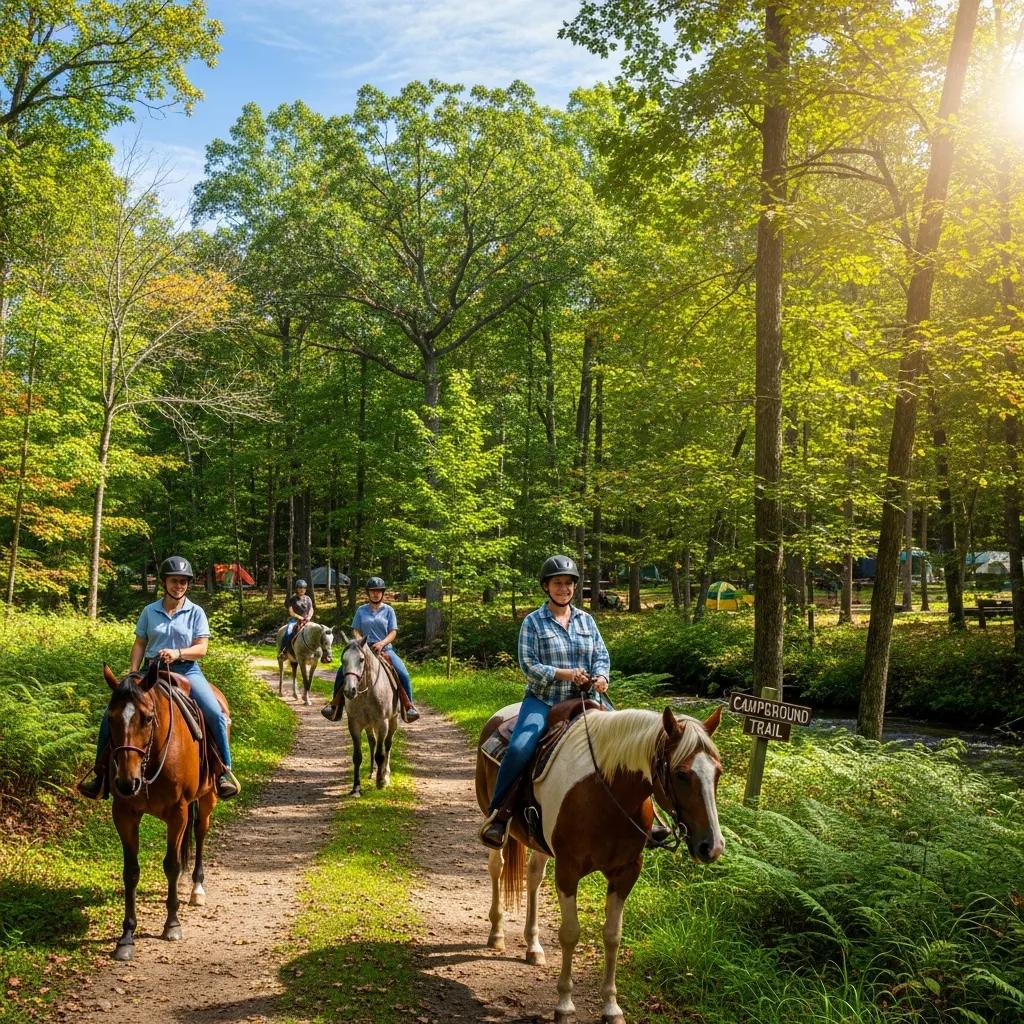
Michigan stands out for equestrian camping because its state recreation areas and public lands form a connected network of bridle paths, varied terrain, and multi-day route options for riders of all levels. From sandy lakeshore loops to shaded hardwood forests, seasonal variety keeps rides interesting and offers both short scenic outings and longer touring possibilities. Riders also benefit from established horse campgrounds, trailer parking and DNR-maintained trailheads that support safe, sustainable equine use. Those assets make Michigan appealing to families who want a mix of riding and camping, as well as to riders planning extended tours along corridors like the Shore-to-Shore Trail. Knowing these strengths helps you pick routes and campgrounds that match your goals — whether a relaxed family loop or a longer equestrian trek.
What Makes Michigan a Premier Destination for Horseback Riding?

Michigan’s trail system offers both breadth and variety: large recreation areas include multiple looped trails suited to horses, while regional corridors connect those loops for overnight touring. That means you’ll find everything from gentle beginner loops to longer, more technical stretches that test fitness and navigation. The Shore-to-Shore Trail is a popular regional route for multi-day rides, and many state-managed bridle paths provide day-ride mileage inside single recreation areas. Varied terrain improves conditioning for horses and riders, and established routes reduce time spent finding a way through private land. With park managers and volunteers focused on trail upkeep and equestrian access, Michigan stays a practical and scenic option for organized groups and self-guided riders alike.
How Do Michigan State Parks Support Horse-Friendly Camping?
Many Michigan state parks offer horse campgrounds or designated equestrian areas with trailer parking, picket posts or corrals, and direct access to maintained bridle trails. Park staff and volunteer crews coordinate trail clearing, post seasonal closures, and publish condition updates for riders. Reservation and permit requirements vary, and several horse camp areas ask riders to reserve specific sites or paddocks and follow manure-management and biosecurity rules. Those facilities let equine campers stage rides efficiently while protecting trail quality and reducing conflicts with other users. Checking park policies and available facilities before arrival makes a noticeable difference in route planning and campsite choice.
Key horse-camp features common in Michigan:
- Trailer parking with pull-through spaces for easy loading and unloading.
- Picket posts or small corral areas for short-term turnout.
- Direct trail access from campground loops to minimize road crossings.
How Does The Oaks Campground Serve Equestrian Campers?
The Oaks Campground by GatherGrounds makes a convenient base for equestrian visitors because it sits next to Waterloo State Recreation Area, giving riders quick access to thousands of acres of bridle trails. The campground’s family-friendly amenities give non-riding companions easy options while riders are out on the trail. Practical equestrian logistics — trailer parking areas, straightforward staging to nearby trailheads, and campground information about Waterloo access — make The Oaks an easy choice for mixed groups. Its location benefits riders who want short drives to diverse trails and families who appreciate campground comforts between rides. When you’re ready to book, The Oaks accepts reservations and is a logical starting point for single-day outings or longer plans.
What Are The Oaks Campground’s Family-Friendly Amenities?
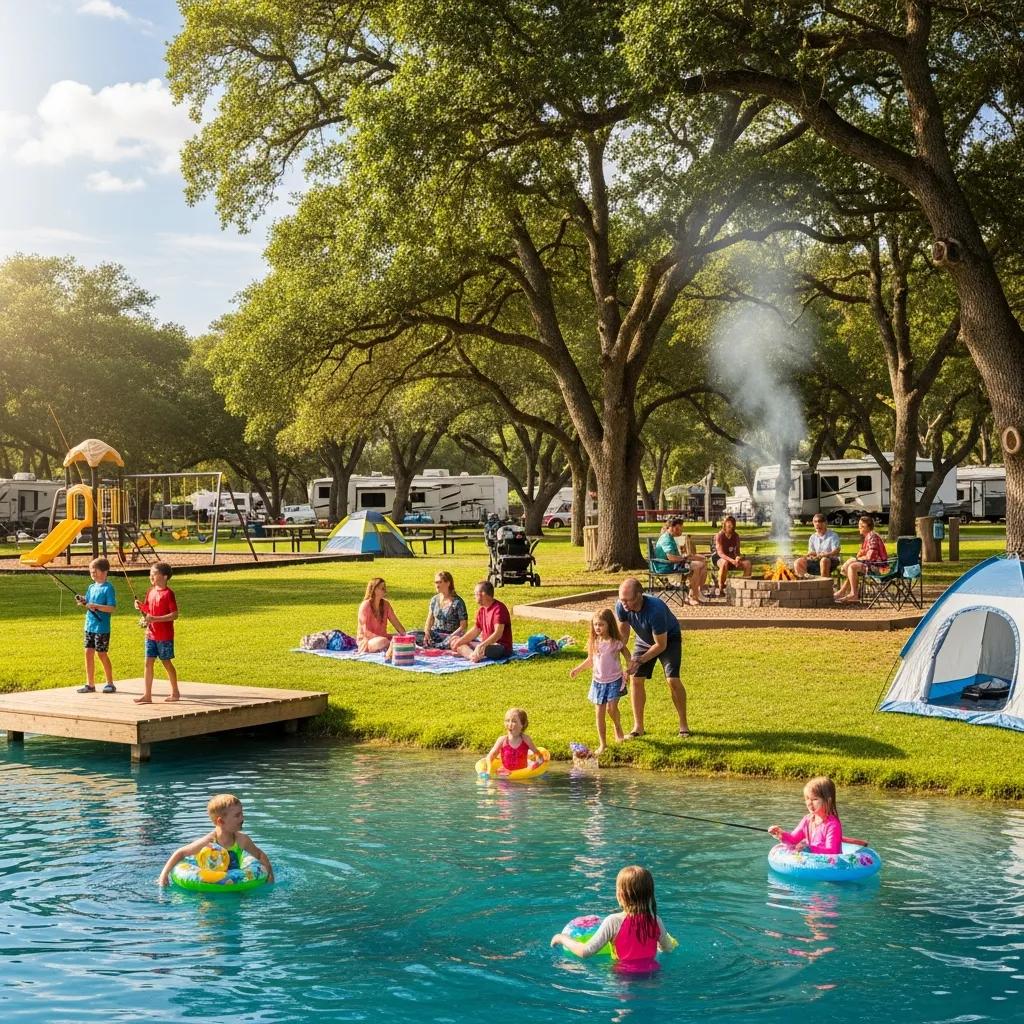
The Oaks offers amenities to keep families happy while riders head out: a swimming lake, playgrounds and a fishing pond provide low-effort activities for kids and non-riders. GatherGrounds Resorts is planning a Wibit water park installation for 2025, which will add a seasonal attraction separate from trail activities. These features let companions enjoy waterfront time and play near camp, so riders can plan longer excursions knowing family members have safe, fun options back at the site. Sheltered picnic areas and walking paths round out the campground, making it a balanced destination for groups that combine riding with family recreation.
Family-friendly amenities at The Oaks:
- A swimming lake for casual water recreation.
- Playgrounds and open green spaces for children.
- Fishing pond and picnic areas suitable for all ages.
How Is The Oaks Campground Positioned Near Waterloo State Recreation Area?
The Oaks sits adjacent to Waterloo State Recreation Area, placing campers within a short drive or staging distance of several bridle trail access points managed by the Michigan DNR. That proximity means riders can reach Waterloo trailheads quickly, cutting trailer time and allowing earlier starts for long rides or easier turnarounds for short family loops. Plan entry and parking around your trailer size and group needs, use designated trailer parking areas, and leave time to tack up before heading out. The Oaks’ address — 7800 Cutler Rd, Munith, MI 49259 — is a useful reference for navigation and staging; its closeness to Waterloo makes it an effective base camp for equestrian outings. Reserving a spot at The Oaks puts you in a strong position to explore Waterloo’s trails while keeping family recreation close by.
What Horseback Riding Trails Are Available Near The Oaks Campground?
Riders staying at The Oaks have easy access to Waterloo State Recreation Area’s bridle network and to regional connectors that support both day loops and multi-day plans. Waterloo’s trails include a variety of surfaces and loop lengths for different skill levels, and the nearby Shore-to-Shore Trail offers staging options for longer tours. Knowing trail attributes — length, difficulty and equestrian permissions — helps you pick routes that match horse fitness and group goals. Below is a compact comparison of nearby trail options to help decide which rides to prioritize while at The Oaks.
Which Trails in Waterloo State Recreation Area Are Best for Equestrian Use?
Within Waterloo, certain looped routes and trail clusters stand out for horses because of surface conditions, varied terrain and proximity to staging areas that fit trailers. Match loops to your horse’s conditioning — flatter loops for casual family rides, mixed-terrain options for conditioning and cross-training. DNR staff and volunteer crews maintain many corridors, but seasonal wet spots and shared-use sections still happen, so check current trail notices. Starting at designated trailheads reduces road crossings and trailer time, and choosing routes with reliable water supports longer outings. Reviewing official trail maps and staging at recommended parking areas makes rides smoother and safer for everyone on the trail.
How Can Campers Access Horse Trails from The Oaks Campground?
Accessing Waterloo’s bridle trails from The Oaks usually means a short drive to established trailheads or staging areas that can handle horse trailers and provide space to prepare mounts. Plan arrival times to avoid busy windows at popular trailheads and use pull-through trailer spaces when available to simplify hitching and loading. On arrival, follow posted signs for equestrian parking and observe park permit and manure-management rules to stay in good standing with land managers. For multi-day rides, create a staging plan that covers where to park, where to tack up, and where to leave extra gear at camp between sorties. With straightforward staging and respectful trail use, campers at The Oaks can reduce logistics hassle and get more riding time on Waterloo’s trails.
Trailer and staging tips for access:
- Arrive early to secure trailer parking at popular trailheads.
- Use pull-through spaces when possible to reduce complex hitching.
- Follow manure-management protocols at trailheads and campsites.
These steps cut setup time and improve the riding day for both horses and humans.
Where Can You Find Equestrian Services Near Munith, Michigan?
In Munith and southeast Michigan you’ll find stables, guided-ride operators, tack suppliers and veterinary services that support rentals, lessons or emergency care. Availability varies by season and provider; some businesses focus on guided trail rides while others offer boarding or equipment. The Oaks Campground provides trail adjacency but does not run on-site horse rental services, so guests who need rentals or guides should arrange them in advance. Below are the common equestrian service types you’re likely to find and how they fit into a stay at The Oaks.
Common equestrian service types near Munith:
- Guided trail rides and outfitted stables for riders without horses.
- Boarding and short-term turnout for visiting horses.
- Tack shops and feed suppliers for last-minute supplies.
These services help riders who travel without livestock and complement a base-camp stay at The Oaks by filling gaps in equipment or support.
Are There Horse Rentals and Guided Rides Near The Oaks Campground?
Short answer: sometimes — guided rides and rental services exist in the broader southeast Michigan area, but they’re seasonal and often require advance booking. The Oaks Campground does not list on-site horse rentals, so secure guided-ride reservations or stable bookings before you arrive to avoid disappointment. When you book, confirm group-size limits, age and weight restrictions, and any liability waivers or insurance requirements. If you bring your own horse, local stables may offer temporary boarding or tack rental. Planning ahead reduces cancellation risk and aligns expectations for beginners and experienced riders alike.
What Facilities Support Horse-Friendly Camping in Southeast Michigan?
Regional horse-camping infrastructure commonly includes trailer parking, picket or corral spaces, potable water sources and access to veterinary clinics or mobile services for emergencies. For multi-day rides, verify where potable water is available on route and at campsites, locate nearby feed suppliers, and plan for waste management consistent with park rules. Towns near major recreation areas often act as logistical hubs with basic tack supplies or vet contacts — map these into your itinerary. For longer tours, arranging pre-staged feed drops or local boarding can lighten loads and provide a backup if a horse needs rest or treatment.
Facility checklist for multi-day rides:
- Dedicated trailer parking and picket/corral areas.
- Reliable water access and nearby feed supply options.
- Local veterinary contacts or mobile equine services.
Sorting logistics in advance makes travel safer and time on the trail more enjoyable for both horses and riders.
How to Plan Your Horseback Riding Camping Trip in Michigan?
Good planning hinges on matching trail choice to horse fitness, prepping trailer and tack, and confirming park rules like reservations and seasonal closures. A focused checklist helps you cover essentials from trailer maintenance to manure management and clarifies permit needs for state parks and private campgrounds. Follow a stepwise approach — confirm campsite reservations, plan trailer staging, pack horse-care essentials and save emergency contacts — to reduce surprises and boost trip resilience. The table below highlights critical items to complete before you leave.
The following table summarizes essential planning items and practical tips:
What Are Essential Tips for Equestrian Camping in Michigan?
Keep your trailer and tack in good order, communicate ride plans clearly with your group, and follow park manure and biosecurity rules to protect trails and waterways. Pack a basic equine first-aid kit, spare halters and lead ropes, and suitable hoof protection for mixed terrain — these items can stop small problems from becoming trip-ending. Choose campsites with easy trailer access and nearby water to cut daily transit time to trailheads. Finally, practice trail etiquette: yield when appropriate, keep group sizes manageable and match your speed to trail conditions to preserve the experience for everyone.
Essential packing and safety checklist:
- Trailer and vehicle maintenance supplies.
- Equine first-aid kit and spare tack.
- Feed, water containers, and manure disposal tools.
Using these tips gives you greater control over common issues on equestrian camping trips.
When Is the Best Season for Horse Camping in Michigan?
Late spring through early fall is generally the best window for horse camping in Michigan — trails are drier and weather is more predictable. Summer provides the most stable footing but can bring heat and insects. Spring often has wet or muddy sections after thaw, which can make trails fragile; fall offers cooler temperatures and great footing but shorter daylight for long rides. Winter and deep-snow conditions usually limit equestrian access, so check seasonal openings and consider only permitted frozen-surface rides when safe. Planning around local trail-condition updates and weather forecasts produces more reliable, enjoyable outings.
What Other Top Equestrian Campgrounds and Trails Should You Consider in Michigan?
Beyond Waterloo and The Oaks, Michigan has a wide range of equestrian-friendly campgrounds and trail systems to match different trip styles — from weekend hubs to long-distance staging areas for touring riders. State-managed horse campgrounds tend to offer trailer parking, picket posts or corrals and direct trail access; private equine-friendly parks can add corrals and event support. For multi-day tours, long corridors like the Shore-to-Shore Trail connect recreation areas and provide staging and resupply options. Compare sites by horse facilities, distance from cities, and reservation rules to choose the campground that best fits your logistics and group needs.
Below is a comparison table to help evaluate different campground types for equestrian use:
Which Michigan State Parks Offer Notable Horseback Riding Trails?
Several Michigan state recreation areas include dedicated bridle trails and horse campgrounds that support day rides and multi-day outings, with trail networks maintained by the DNR and local volunteers. These parks usually offer equestrian parking and rules tailored to protect trail resources from equine impacts. When choosing a park, check whether it has designated horse camps, trailer space and potable water for livestock — those features make a real difference in planning. Picking parks with established horse infrastructure reduces uncertainty and improves reliability for family trips and conditioning rides alike.
What Is the Shore-to-Shore Trail and Its Significance for Equestrian Adventures?
The Shore-to-Shore Trail is a regional long-distance corridor that links multiple recreation areas and serves as a backbone for multi-day equestrian touring. It enables extended rides through varied landscapes but requires careful logistics for feed, water and overnight stops. For riders, the trail offers a mix of open sections and wooded connectors suitable for touring and endurance-style outings. If you’re considering Shore-to-Shore, plan staging points, confirm overnight permissions or camp options along the way, and prepare horses for sustained mileage and changing trail conditions.
Shore-to-Shore planning highlights:
- Stage rides around reliable water and feed stops.
- Use established trailheads for safe trailer parking.
- Prepare contingency plans for weather and trail closures.
Following these practices helps riders make the most of long-distance corridors while protecting resources and staying safe on the trail.
Frequently Asked Questions
What should I pack for a horseback riding camping trip in Michigan?
Pack items that keep both rider and horse safe and comfortable: a well-maintained trailer, equine first-aid kit, extra halters and lead ropes, and hoof protection. Bring enough feed, water containers, and manure-disposal tools, plus your personal camping gear — tent, sleeping bag and cooking supplies. A checklist helps make sure you don’t forget essentials.
Are there any specific regulations for horseback riding in Michigan state parks?
Yes — Michigan state parks set rules to protect people and the environment. Ride only on designated bridle paths, observe seasonal closures and follow manure-management guidelines. Reservations may be required for equestrian camping areas, and some parks limit group size or have other restrictions. Always check the Michigan DNR website or park notices before you go.
What are the best practices for maintaining horse health during camping trips?
Keep your horse well-hydrated with clean water, provide consistent feed, and monitor for signs of fatigue or injury after rides. Carry a basic equine first-aid kit and spare tack. Plan regular rest breaks, avoid overexertion in extreme weather, and adjust ride length to your horse’s condition to keep them healthy and comfortable.
How can I find local equestrian services while camping near The Oaks Campground?
Search online, check local listings, or ask other campers for recommendations. Look for stables, tack shops and veterinary clinics around Munith. Many providers offer guided rides, rentals and emergency care, but availability is seasonal — call ahead to confirm services, hours and booking requirements.
What are the potential challenges of horseback riding in Michigan’s varied terrain?
Michigan trails include sandy stretches, rocky sections and muddy patches, which affect footing and horse stamina. Seasonal changes can quickly alter conditions, and dense woods or open fields may require solid navigation skills. Study maps, check current trail conditions and ensure your horse is conditioned for mixed terrain before tackling unfamiliar routes.
What are the benefits of using a guided trail ride service in Michigan?
Guided rides are great for riders who don’t know local trails. Guides bring local knowledge, handle logistics and can help with horse care, letting you focus on the ride. Guided services typically accommodate various skill levels, making them a good option for beginners, families or anyone looking for a low-stress equestrian experience.
Conclusion
Michigan offers riders wide-open options for equestrian camping — diverse trails, well-placed campgrounds and family-friendly amenities make it a top choice for both adventure and relaxation. The Oaks Campground is a smart base for exploring Waterloo’s bridle paths while keeping family recreation close at hand. Plan ahead, use local equestrian services when needed, and you’ll have a smoother, more enjoyable trip for you and your horse. Ready to go? Reserve your spot at The Oaks Campground and start exploring Michigan’s trails.