
Detroit vs. Ann Arbor: Family Camping Adventures
Deciding between camping near Detroit or around Ann Arbor usually comes down to one simple tradeoff: shorter drives and city conveniences versus deeper time in nature. This guide helps families weigh those options so you can pick a trip that fits your priorities. You’ll learn how Detroit-area sites tend to deliver quick access, mixed amenities, and easy day-trip pairings, while Ann Arbor escapes emphasize trail networks, river paddling, and longer nature immersion. To help metro families find the best of both worlds, we highlight The Oaks Campground by GatherGrounds as a centrally located option that blends on-site family comforts with access to Waterloo State Recreation Area. Many families wrestle with whether to prioritize shorter drives and city-adjacent conveniences or quieter, trail-rich stays; this piece lays out clear decision criteria and practical planning steps to make that choice easier. Below we compare key differences, list top nature activities near Detroit, detail popular Ann Arbor-area escapes, profile The Oaks as a central Michigan hub, and finish with a decision checklist and reservation tips—always keeping family experience and logistics front and center.
What Are the Key Differences Between Detroit and Ann Arbor Camping Experiences?
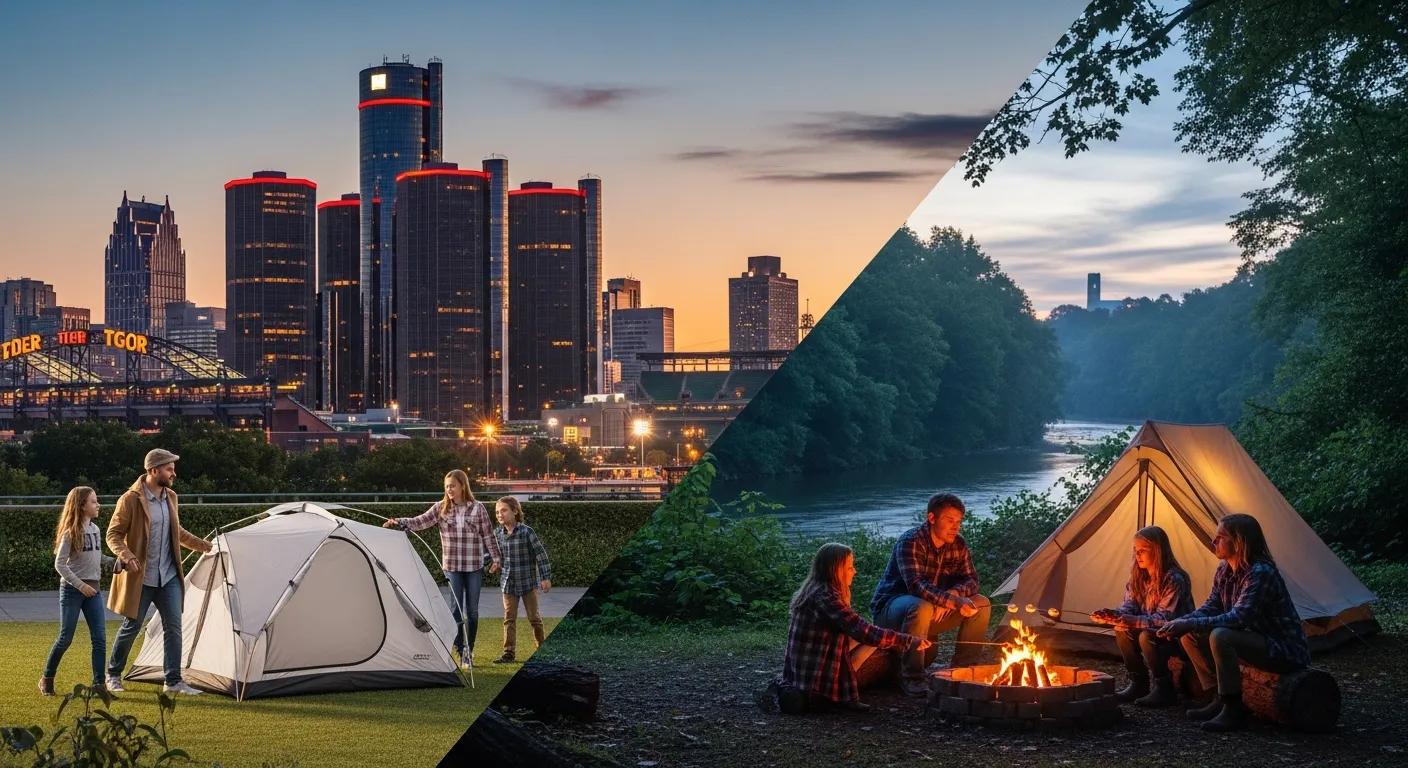
Camping near Detroit usually emphasizes accessibility and the chance to mix nature with city day trips. Around Ann Arbor, the focus shifts to trail mileage and water-based recreation. Shorter drives from the metro make Detroit-area sites ideal for weekend escapes and flexible itineraries, adding museums or zoos to the mix. Ann Arbor’s network of parks and rivers supports longer hikes, paddling, and a stronger feeling of getting away from it all. Those differences shape travel logistics, on-site amenities, and the activities that dominate each region. Knowing these contrasts helps families match their trip goals—convenience or immersion—before choosing a specific campground.
Key differences at a glance:
- Proximity and drive time: Detroit sites usually mean shorter commutes; Ann Arbor options often require longer drives for deeper nature access.
- Activity mix: Detroit-adjacent campgrounds pair well with city attractions; Ann Arbor-area spots emphasize paddling, hiking, and extended trail systems.
- On-site scale: Private family campgrounds near Detroit often focus on playgrounds and scheduled programming; state-managed areas around Ann Arbor emphasize acreage and wilderness access.
- Ideal campers: Weekend families and spontaneous trips lean toward Detroit convenience; multi-day nature seekers and trail users favor Ann Arbor escapes.
With those distinctions in mind, let’s look closer at the kinds of Detroit-area campgrounds that deliver the best nature activities.
How Does Urban Proximity Influence Detroit Campgrounds?
Being close to the city changes how Detroit-area campgrounds are set up. Operators prioritize easy access, quick reservations, and family-focused amenities so you can spend less time planning and more time outside. Many sites sit near grocery and fuel stops and offer organized weekend programming—perfect for busy households looking to maximize time outdoors. The tradeoff: sites near the metro can have smaller individual plots and fewer long wilderness trails, which matters if you want uninterrupted solitude. Knowing how proximity shapes a campground helps you decide whether a shorter drive or a wilder setting is more important for your trip.
What Nature Immersion Opportunities Define Ann Arbor Outdoor Escapes?
Ann Arbor-area escapes are built around long trail networks, river corridors, and state recreation lands that support paddling, multi-use trails, and wildlife viewing. Nearby public lands and preserves create continuous trail systems and water access that let families do day-long hikes or multi-day paddling trips—and feel truly unplugged. These areas attract campers who want to explore loop trails, spot wildlife, and enjoy quieter nights. If you’re prioritizing trail density and water-based recreation, Ann Arbor-area sites offer a different rhythm and depth than campgrounds closer to Detroit.
Which Campgrounds Near Detroit Offer the Best Nature Activities?
Campgrounds around Detroit come in three common types—state parks, private family resorts, and waterfront RV parks—and each supports different nature activities. Rather than naming specific properties, this section explains the strengths of each campground type so you can match options to your family’s priorities. The table below shows typical attributes to watch for when evaluating listings in the Detroit region.
Use this table to translate a campground listing into expected activity outcomes and family conveniences. Choosing the right type depends on priorities like fishing versus long hikes—the tradeoffs are captured here.
- Detroit-area campgrounds often include playgrounds, small swimming areas, and family-friendly event programming.
- Private family resorts focus on on-site activities that keep kids busy while adults relax.
- State-run campgrounds near the metro usually offer simpler facilities but access to regional trailheads for short hikes.
These notes help families narrow listings by the attributes that matter most to their trip.
What Family-Friendly Amenities Are Available at Detroit Area Campgrounds?
Family-focused amenities near Detroit are designed to cut planning time and boost kid-friendly fun. Expect playgrounds, camp stores, and weekend programming that make trips easier for caregivers. Shallow swimming areas and playgrounds support safe play, while pavilions and camp stores simplify meals and group gatherings. RV hookups and cabin options give families comfort choices when some indoor conveniences are desired. These features reduce the packing and planning load so you can spend more time enjoying activities and less time on logistics.
How Do Detroit Campgrounds Compare in Fishing, Hiking, and Swimming?
Access to fishing, hiking, and swimming varies by campground type and proximity to larger waterbodies or trail networks. Private family resorts often center on a fishing pond or small lake that’s easy for kids to use; waterfront RV parks offer direct shore access but might lack long trails; state-adjacent campgrounds can provide trailheads and nearby rivers or lakes for day paddling. If your family wants aquatic activities and short, accessible hikes, Detroit-area campgrounds are a great fit. If you’re after long treks or multi-day paddling, consider the Ann Arbor-side options discussed next.
What Outdoor Escapes and Camping Options Are Popular Around Ann Arbor?
Ann Arbor-area camping centers on interconnected recreation areas, river access, and state-managed lands that support paddling, mountain biking, and long hikes. Popular escapes commonly include state recreation areas and township preserves that form contiguous trail systems and sizable natural areas, ideal for multi-activity trips. The table below maps representative Ann Arbor-area destinations to their activity strengths and who they suit best—focusing on public lands and extended recreation rather than private resorts.
This comparison shows Ann Arbor-area escapes typically offer higher trail density and organized water access—great for activity-rich outdoor stays. Next, we dig into the trails and waterways that define the region.
Which Trails and Water Activities Are Accessible Near Ann Arbor Campgrounds?
Campgrounds around Ann Arbor connect directly to waterways and multi-use trails ideal for paddling, long hikes, and biking in a single trip. The Huron River has multiple put-in and take-out points for day paddles, while regional trail systems—singletrack and multi-use—offer loops from easy family rides to more technical mountain-biking routes. Trail difficulty ranges from gentle riverside strolls for kids to rugged loops for experienced hikers. Knowing the access points and trail types helps you plan gear, pace, and backup activities for changing energy or weather.
How Do Ann Arbor Campgrounds Support Family Camping and Recreation?
Ann Arbor-area campgrounds and nearby nature centers support family camping with accessible beaches, picnic areas, and interpretive programs that introduce kids to local ecology. Arboretums and nature centers offer short educational walks and seasonal programs that pair well with campsite stays for a mix of learning and play. Many sites include easy trails for strollers or preschoolers and picnic pavilions or family-friendly beaches for low-effort recreation. Pairing a campsite with nearby educational attractions helps families design balanced itineraries that keep kids engaged and curious.
Why Is The Oaks Campground the Ideal Central Michigan Camping Hub?
The Oaks Campground by GatherGrounds acts as a central Michigan hub by combining on-site family amenities with immediate access to thousands of acres of nearby recreation—making it a flexible base for visitors from both Detroit and Ann Arbor. Located at 7800 Cutler Rd, Munith, MI 49259, The Oaks sits next to Waterloo State Recreation Area, giving campers quick access to extensive trails and water activities while offering on-site features that simplify logistics. Amenities include a large fishing pond, roughly 120 acres of golf cart riding trails, playgrounds, pavilions, and a camp store. A planned Wibit water park is slated for 2027 to expand aquatic options. GatherGrounds Resorts plans to take over ownership and operations at the end of 2025, and the campground maintains an event calendar and reservation system to support family stays.
The Oaks bridges metro convenience and wilderness access by offering creature comforts that shorten travel friction for city-based visitors while serving as a gateway to nearby state park lands. That mix makes The Oaks an appealing pick for families who want short drives from Detroit or Ann Arbor combined with access to larger outdoor areas for hiking and paddling.
How Does The Oaks Campground Bridge Detroit and Ann Arbor Camping Experiences?
The Oaks closes the gap between Detroit-style convenience and Ann Arbor-style immersion through its location and amenities. Families can enjoy a short drive for a weekend escape yet step onto Waterloo State Recreation Area’s trail systems for extended exploration. On-site options like the fishing pond and golf cart trails give younger kids contained play areas, while nearby trail networks support longer hikes and paddling day trips. The Oaks’ mix of amenities and location makes blended itineraries—city day trips plus overnight nature stays—simple to plan and enjoy.
What Unique Amenities and Family Events Does The Oaks Offer?
The Oaks focuses on family-friendly offerings that make campground stays easy and fun: a sizeable fishing pond, approximately 120 acres of golf cart riding trails, playgrounds, pavilions, and a camp store. The property also publishes an event calendar with recurring weekend activities and family events that create social and programmatic options for kids and caregivers. The planned Wibit water park (targeted for 2027) will expand on-site aquatic recreation and further position the property as a family resort hub. From an operations and discoverability standpoint, using event schema for recurring programming can help families find these activities when searching for camping events near Detroit and Ann Arbor.
How to Choose the Best Camping Adventure Between Detroit and Ann Arbor Regions?
Start by listing what matters most: drive time, preferred activities, campsite type, amenities, and budget. Pick whether you want shorter drives and city access or longer trail and water time—that choice often points you to the right region. Then choose campsite type—RV hookup, tent-only, or private resort—because on-site services shape packing and comfort. Finally, factor in seasonal events and reservation lead times to lock in the best weekends. The table below helps match campground types to when to pick them.
This framework makes your priorities explicit and aligns them with campground features so you can choose confidently.
- Identify primary activity: Decide whether water sports, long hikes, or city day-trips are the main draw.
- Decide campsite type: Pick RV hookups, tent sites, or private resorts based on comfort needs.
- Assess logistics: Think about drive time, gear transport, and parking for family convenience.
- Check on-site amenities: Look for playgrounds, camp stores, and kid programming.
- Verify reservation and event schedules: Book early for peak weekends and special events.
Follow this checklist to match your campground choice to realistic needs and constraints. Next, practical reservation and prep steps help you turn the plan into a smooth trip.
What Factors Should Families Consider When Selecting a Michigan Campground?
We recommend weighing safety, proximity, amenities, activities, accessibility, and seasonality when choosing a Michigan campground. Safety covers swim supervision and trail difficulty; proximity means drive time and traffic; amenities include hookups, restrooms, and camp stores; activities cover fishing, paddling, and trails; accessibility looks at terrain for strollers or mobility needs; and seasonality touches on weather and event timing. Compare these factors against your family composition—ages, mobility, and tolerance for drives—to quickly rule out mismatches and find the right fit.
How to Make Reservations and Prepare for Your Camping Trip Near Metro Areas?
Start by checking availability and campsite specs: hookups, site size, and proximity to restrooms or activities. Reserve early for summer weekends and holidays, and pick a site that matches your shade, privacy, and access needs. Pack safety essentials—life jackets for paddling, a first-aid kit, and insect protection—and build a flexible itinerary that allows for short city day trips if you’re staying close to a metro area. If you’re considering The Oaks Campground, reservations and amenity details are available through The Oaks reservation system, and the event calendar shows family programming dates to help you plan.
- Check availability and campsite details: Confirm hookups, site size, and proximity to amenities.
- Plan gear and safety items: Life jackets, first aid, trail-appropriate footwear, and sun protection.
- Schedule arrival to avoid peak traffic: Aim for mid-morning or early afternoon when possible.
- Review cancellation and pet policies: Know the rules ahead of arrival to avoid surprises.
These steps make reservations predictable and help families arrive ready to enjoy a balanced mix of city and nature activities.
Frequently Asked Questions
What are the best times of year to camp near Detroit and Ann Arbor?
Late spring through early fall—roughly May to September—is the sweet spot for camping near Detroit and Ann Arbor. Temperatures are usually comfortable (mid-60s to mid-80s°F), and many outdoor programs run in summer. Keep in mind holidays and peak summer weekends can be busy, so book early for those dates.
Are there any specific safety tips for camping with children in these areas?
Safety first: always supervise kids near water and require life jackets for paddling. Familiarize everyone with the campground layout and set clear boundaries about wandering. Pack a well-stocked first-aid kit, sunscreen, and insect repellent. Teach kids basic trail safety and wildlife respect before hitting the trails.
What types of wildlife can families expect to see while camping?
Expect common Michigan wildlife: deer, raccoons, squirrels, and a variety of songbirds like cardinals and blue jays. Near water, look for turtles, frogs, and fish. These encounters are fun—just observe from a distance and never feed wild animals to keep both kids and wildlife safe.
How can families prepare for changing weather conditions while camping?
Check the forecast before you go and pack layers for temperature swings, including rain gear and warm layers for cool evenings. Bring a waterproof tarp or canopy for campsite shelter and secure loose items in case of wind. Keep your plans flexible so you can swap activities if the weather turns.
What are some recommended activities for families while camping?
Hiking, fishing, and paddling are staples. For kids, try a nature scavenger hunt or a guided walk at a nearby nature center. Evenings are perfect for campfire stories and stargazing. If you’re near a city, consider a short day trip to a museum or park to mix outdoor time with cultural attractions.
Are there any campgrounds that cater specifically to families with young children?
Yes—many campgrounds near Detroit and Ann Arbor focus on families, offering playgrounds, shallow swim areas, and organized kids’ activities. Facilities like family restrooms and picnic areas add convenience. The Oaks Campground, for example, combines recreational options with family programming to create an accessible and engaging experience for younger campers.
Conclusion
Choosing between camping near Detroit and Ann Arbor comes down to what your family values most: shorter drives and easy city add-ons, or deeper time on trails and waterways. Both regions offer great options—pick the one that matches your priorities, then use the checklist and reservation tips here to plan a smooth, memorable trip. Ready to start? Explore campgrounds and lock in your dates to make your next family adventure happen.