

Unlock Top Dollar for Your RV Resort with GatherGrounds Resorts
To sell your RV resort for the highest possible price, you need a smart approach that balances accurate valuation, practical property enhancements, and the right sales channel. This ensures you capture maximum market value while safeguarding what makes your property special. This guide will walk campground owners through calculating value using Net Operating Income and cap rates, preparing financials and site improvements to boost per-site worth, comparing brokers versus direct buyers, and designing exit strategies that align with your retirement or succession plans. We’ll also introduce GatherGrounds Resorts’ acquisition service, offering a family-owned, legacy-focused buyer option for owners exploring their choices. If you’re facing retirement, feeling operational fatigue, or looking to cash in on your equity, you’ll find clear steps, checklists, and valuation examples to help you make informed decisions and achieve the best possible outcome.
This article is structured into practical sections: understanding market timing and your motivations; the mechanics of valuation with worked examples and a table; guidance on selling through brokers versus directly to buyers, with a comparison table; a prioritized preparation checklist with an EAV table; a step-by-step look at the GatherGrounds acquisition process; alternative exit strategies; and building seller trust through case studies. Throughout, you’ll find lists, EAV tables, and actionable items you can implement right away to sell your RV park for maximum profit.
Why Sell Your RV Resort Now? Key Motivations and Market Opportunities
Selling now allows you to capitalize on higher demand-driven prices, as camping participation and investor interest are pushing multiples higher. It’s your chance to convert your operational sweat equity into realized proceeds. Market momentum and demographic shifts are shaping buyer pools, while your personal circumstances, like retirement or health, make timing a personal decision. Choosing the right moment to sell significantly impacts your net proceeds and transition options.
Below, we outline common seller motivations, market growth signals for 2025 and beyond, and how these realities create opportune windows for owners who prepare in advance. Understanding why other owners are exiting and why investors are actively seeking parks will help you select the right strategy and calibrate a selling timeline that maximizes value while protecting your legacy.
What Are the Most Common Reasons Campground Owners Sell?
Campground owners typically sell for a few predictable reasons: retirement and lifestyle changes, the desire to cash out equity, operational fatigue, family succession challenges, or the pursuit of other investment opportunities. Sales driven by retirement often prioritize a smooth transition and legacy preservation, while sales focused on liquidity emphasize net proceeds and a quick closing. Owners experiencing management burnout might prefer selling to an operator who will invest in staff and amenities, whereas those with succession challenges might seek a sale that ensures their community’s continuity. These scenarios will shape the sale structure you choose, whether it’s an outright direct sale, a phased transition, or a brokered market process.
How Is the RV Resort Market Growing in 2025 and Beyond?
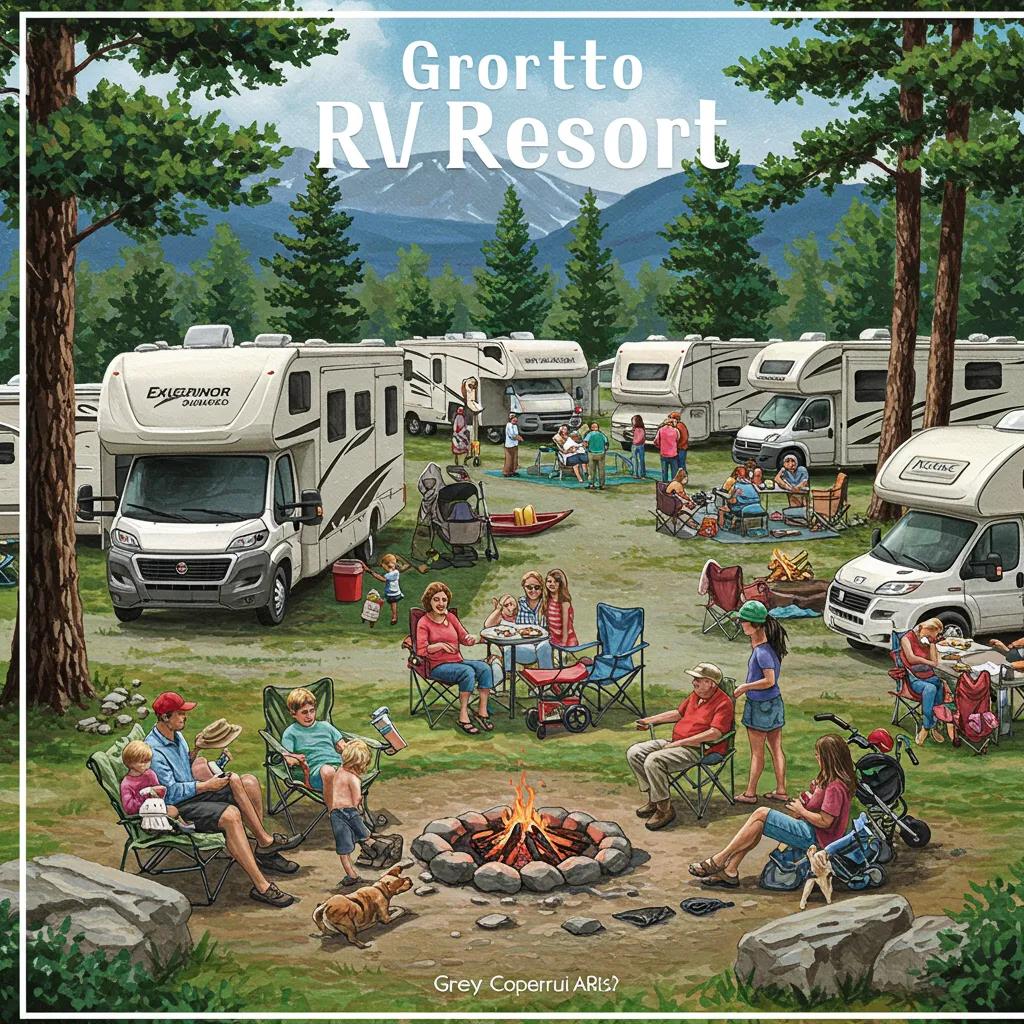
The RV and outdoor hospitality sector continues to attract significant capital and consumer participation through 2025. This growth is fueled by sustained camping interest, evolving travel preferences, and a limited supply of new campsites in many regions. For instance, in Florida, between 2022 and 2024, the state added at least 3,596 new RV campsites across eight newly built resorts and numerous park expansions—the largest net increase of any state.
Increased investor attention is narrowing cap-rate spreads for well-operated parks, driving up per-site valuations and making established parks more valuable compared to new developments. For sellers, this means that demonstrating stable occupancy and reliable revenue streams will lead to strong buyer competition and better pricing power.
By monitoring regional trends and buyer appetite, you can strategically time your property improvements and marketing efforts to capture elevated valuations.
What Makes This the Right Time to Sell Your Campground?
High investor demand, a limited supply of developable campground land, and favorable buyer financing options in certain markets are creating opportunities where seller leverage is improving. When your park boasts stable NOI, documented occupancy, and recent, targeted improvements, prospective buyers will pay a premium to avoid the time and permitting risks associated with new development. Acting when these market signals align with your personal exit goals—your retirement timeline, family readiness, or immediate cash needs—will produce the best balance between sales price and peace of mind during your transition.
How Is Your RV Resort Valued for Maximum Sale Price?
Valuing an RV resort involves converting Net Operating Income into market value using capitalization rates and cross-referencing with comparable per-site sales. Robust documentation and transparent calculations build buyer confidence and strengthen your selling leverage. The valuation mechanism works because buyers forecast future cash flows, use NOI as the cash basis, and apply an appropriate cap rate to reflect risk and market comparables. In practice, maximizing your price means growing NOI, minimizing irregular expenses, enhancing physical appeal, and assembling clean records so buyers can focus on sustainable earnings. Below, we define NOI, explain cap rates, list other value drivers, and show how a transparent valuation process builds seller trust.
What Is Net Operating Income and How Does It Affect RV Park Value?
Net Operating Income (NOI) is your park’s annual revenue minus recurring operating expenses, and it’s the primary income metric buyers use to determine value. NOI is crucial because it represents the property’s cash-generating ability before financing and taxes, forming the numerator in the capitalization formula: Value = NOI ÷ Cap Rate. For example, if your annual revenue is $600,000 and operating expenses are $240,000, your NOI is $360,000. Applying a 7.5% cap rate yields a valuation of $4.8 million. Increasing occupancy, adding high-margin services, or reducing controllable expenses are direct levers to raise NOI and, consequently, your sale price.
How Do Cap Rates Influence Campground Valuation in 2025?
A cap rate represents the buyer’s required return and influences price inversely—small shifts in cap rates can materially change value because Value = NOI ÷ Cap Rate. In 2025, cap-rate ranges vary by region and property quality. Lower-risk, well-located parks trade at tighter caps, while riskier or under-managed properties command higher caps. For instance, a park with $360,000 NOI at a 6.5% cap rate values at approximately $5.54 million, while the same NOI at an 8% cap values at $4.5 million—a difference of over $1 million. Understanding and benchmarking local cap-rate norms will help you set realistic price expectations and prioritize improvements that lower perceived risk.
What Other Factors Impact Your Campground’s Market Worth?
Beyond NOI and cap rates, buyers evaluate physical attributes, operational health, and regulatory status: the number and mix of sites (full hookup vs. primitive), amenity quality, site condition, occupancy trends, staff continuity, permits, and environmental liabilities. Strong management records, documented SOPs, and reliable site-level revenue reporting reduce perceived risk and can lead to lower cap rates. Conversely, deferred maintenance, unclear zoning, or weak financial records increase buyer due diligence costs and depress offers. Addressing these attributes before listing will improve perceived value and accelerate offers.
How Does GatherGrounds Ensure a Fair and Transparent Valuation?
GatherGrounds Resorts‘ acquisition service for campground and RV park owners employs a transparent valuation approach. We review financials, conduct on-site assessments, and compare market comparables to form fair offers while honoring legacy concerns. Our process begins with a data review of P&Ls and occupancy, proceeds to an operational inspection, and concludes with a market-based offer that clearly explains our assumptions and sensitivity to cap rates. This clarity helps sellers understand the drivers behind our offer and decide whether to negotiate, explore alternatives, or accept a thoughtful transition plan. Owners seeking a no-pressure valuation conversation can use this transparent framework as a checkpoint before committing to a path.
This comparison highlights how different valuation lenses converge to establish a market value and why presenting clean NOI and site-level revenue shortens negotiations.
Should You Sell Your RV Resort Through a Broker or Directly to an Acquisition Company?
Deciding between a broker and a direct buyer hinges on your priorities: maximizing gross price through broad market exposure versus minimizing friction, fees, and uncertainty via direct engagement. Brokers offer marketing reach, buyer networks, and potentially competitive bidding, but they also add commissions and can extend selling timelines. Direct acquisition companies provide speed, fewer intermediaries, and certainty, often with lower transactional friction but potentially less competitive price pressure. Below, we compare broker and direct channels, outline the pros and cons, and provide decision criteria to help you pick the channel that aligns with your financial and legacy priorities.
What Are the Pros and Cons of Using RV Park Brokers?
Brokers provide market exposure, professional marketing materials, and access to investor networks that can surface higher offers through competitive bidding, especially for unique or high-value assets. Typical broker advantages include broader marketplace visibility and expertise in negotiating complex deal terms. Drawbacks include commission costs (commonly a percentage of the sale price) and longer selling timelines while the property is being marketed. Brokers are a good fit for sellers seeking the maximum market price and willing to invest time and fees in pursuit of top gross offers. If your priority is the absolute highest listing price and you’re prepared for a marketing period, a broker often makes sense.
This table clarifies the trade-offs between cost and speed to guide your channel decision.
What Are the Benefits of Selling Directly to GatherGrounds Resorts?
Selling directly to GatherGrounds Resorts’ acquisition service for campground and RV park owners eliminates brokerage layers and facilitates direct conversations with the individuals who will own and operate the park, fostering a thoughtful, legacy-preserving transition. Direct sale benefits include avoiding commissions, faster decision timelines, and personalized transition planning that can keep staff and traditions intact. GatherGrounds emphasizes family-owned stewardship, minimal corporate layers, and investment in property and staff post-acquisition, making it a compelling option for owners prioritizing community continuity and a respectful handoff. For many sellers, the trade-off of slightly narrower marketing reach can be offset by certainty, speed, and alignment of values.
How Can You Avoid Fees and Speed Up the Sale Process?
To reduce fees and accelerate a sale, prepare complete financial documentation, resolve title or permit issues in advance, present a prioritized list of improvements, and consider direct offers that eliminate broker commissions. Organizing P&Ls, tax returns, site-level revenue, maintenance logs, and permits shortens due diligence and reduces buyer contingencies. Negotiating key deal points early—such as inclusion of staff transition plans or phased handovers—can speed closing and reduce legal friction. Sellers who combine thorough preparation with openness to direct buyer conversations often close faster and keep more net proceeds.
Preparation steps to avoid fees and delays:
- Organize financial records: Ensure clean P&Ls, tax returns, and site-level revenue files.
- Resolve title and permit questions: Clear any encumbrances and confirm zoning compliance.
- Prioritize quick ROI fixes: Address safety, hookups, and bathhouse cleanliness to minimize buyer objections.
Following these steps reduces negotiation friction and leads to faster closings and lower transactional costs.
How to Prepare Your Campground for Sale to Maximize Value?
Preparing your campground means prioritizing actions that improve NOI, reduce buyer-perceived risk, and increase per-site appeal—financial sanitation, targeted property upgrades, and operational documentation are at the top of the list. A focused preparation plan accelerates due diligence and delivers better offers by highlighting sustainable earnings and reduced capital exposure for buyers. Below, we detail essential financial records to assemble, property enhancements with positive ROI, and operational improvements that boost marketability and valuation.
What Financial Documents Should You Organize Before Selling?
Buyers expect clear historical financials, so assemble Profit & Loss statements, tax returns, site-level occupancy and revenue reports, maintenance logs, vendor contracts, and a list of capital improvements. These records allow buyers to verify NOI, evaluate seasonality, and model future cash flows quickly; missing documents slow down deals and invite discounts. Organize records chronologically and provide summaries that highlight normalized earnings and one-time expenses. Readily available financials shorten due diligence and present your campground as a professionally managed asset.
Compiling these documents increases buyer confidence and reduces requests for price adjustments.
How Can Property Enhancements Increase Your RV Resort’s Appeal?
Targeted improvements that boost per-site desirability and reduce buyer upgrade needs include enhancing electrical hookups, improving drainage, upgrading bathhouses, and enhancing connectivity infrastructure. These investments directly impact occupancy and average daily rate potential, increasing NOI and buyer willingness to accept lower cap rates. Prioritize projects with quick payback and visible guest benefits—clean, well-lit common areas and reliable hookups often influence buyer perception more than cosmetic landscaping. Document costs and expected ROI to justify improvements in your sales narrative.
What Operational Improvements Boost Your Campground’s Marketability?
Operational upgrades such as reliable booking and accounting software, documented SOPs, staff retention programs, and clear guest policies strengthen recurring revenue and signal a lower-risk investment to buyers. Demonstrating stable occupancy trends, repeat guest metrics, and a trained team reduces perceived transition risk and supports tighter cap-rate assumptions. Implementing straightforward operational fixes and assembling an operations manual prepares the park for a smoother handoff and protects staff continuity. These improvements translate into higher valuations by reducing perceived management risk.
Operational checklist to boost marketability:
- Implement or standardize booking/accounting software: Ensures accurate revenue reporting.
- Document SOPs and staffing plans: Demonstrates operational resilience.
- Collect guest satisfaction data: Shows demand and pricing power.
These operational actions enhance buyer confidence and can lead to higher offers by highlighting predictable cash flows.
What Is the GatherGrounds Resorts Acquisition Process for Sellers?
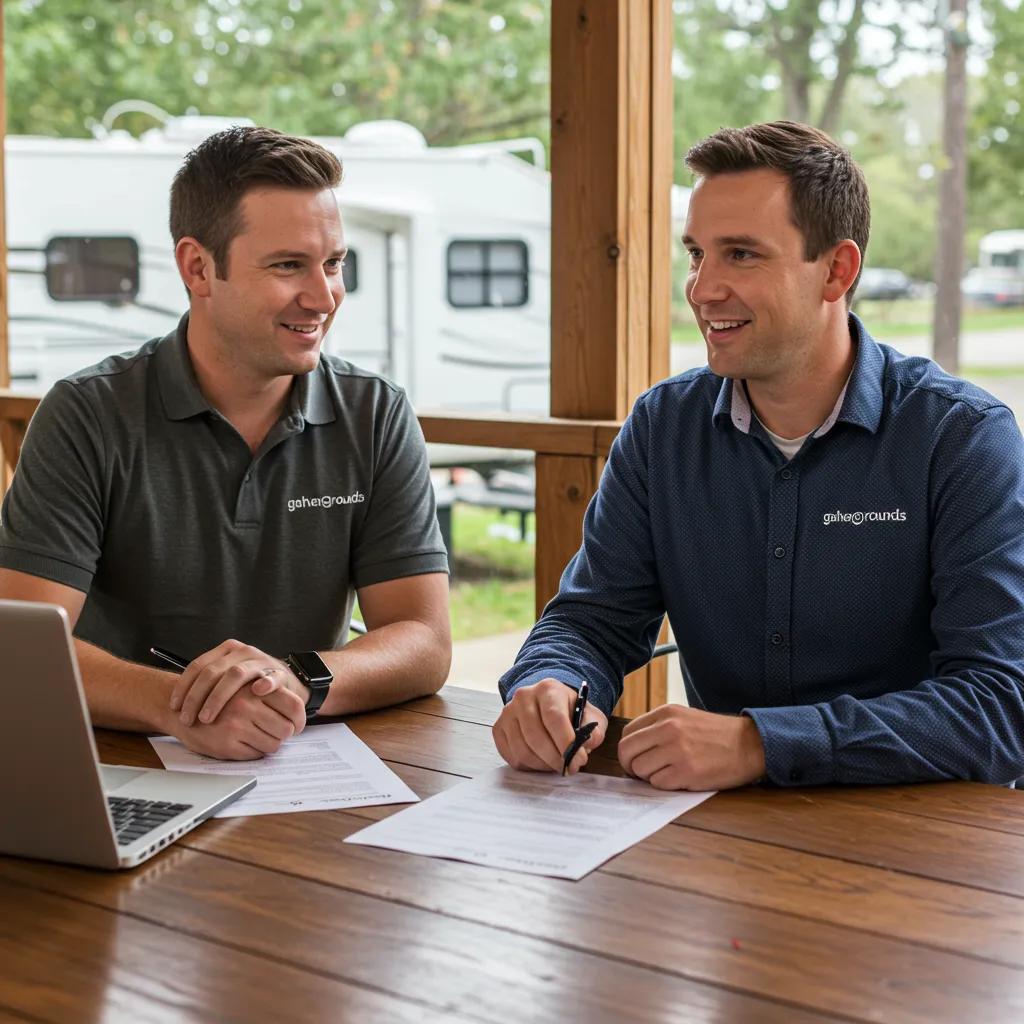
GatherGrounds Resorts approaches acquisitions with a stewardship mindset: a staged, transparent process that begins with a no-obligation conversation and moves through valuation, due diligence, and a flexible transition, all while emphasizing legacy preservation. Our process combines financial review, operational assessment, and open negotiations to reach a fair offer that accounts for site-level performance and community considerations. Sellers can expect direct engagement with the individuals who will operate the park and options for timing that respect owner needs. The steps below describe the practical flow of a thoughtful, no-pressure transition and the investments GatherGrounds prioritizes post-close.
How Does GatherGrounds Preserve Your Campground’s Legacy?
GatherGrounds Resorts’ approach centers on honoring traditions, community ties, and staff continuity while making targeted investments that enhance guest experience and operational stability. Our preservation practices include retaining strong teams where appropriate, keeping community events intact, and maintaining the unique character that made the park valuable. By framing acquisitions as stewardship rather than mere transactions, we aim to preserve the property’s heart while improving its long-term viability. This stewardship focus reassures owners concerned about community disruption after a sale.
What Are the Steps in a Thoughtful, No-Pressure Transition?
The acquisition sequence typically begins with a no-obligation conversation to assess fit, followed by financial review, a site visit, offer presentation with transparent assumptions, due diligence, and a flexible closing and handover schedule. Each step involves clear communication and options for staged handovers or consulting arrangements if owners desire continued involvement post-close. Flexibility on timing and support for staff transitions helps ensure community stability and a respectful handoff.
- Initial no-obligation conversation: Discuss fit, timing, and priorities.
- Financial and operational review: Gather data to inform our offer.
- On-site assessment and offer: Present transparent, market-based terms.
- Due diligence and closing: Complete legal and financial checks with flexible timelines.
Who Will You Speak With During the Sale?
Throughout the sale process, sellers interact directly with GatherGrounds’ acquisition team and owner-operators, not a distant corporate layer, ensuring clear communication and alignment on operational expectations. Direct engagement means sellers can ask practical questions about staff retention, guest experience, and planned investments, receiving concrete answers from those who will manage the property. This clarity reduces negotiation friction and makes transition planning more straightforward. Sellers frequently value speaking with decision-makers who understand campground operations firsthand.
How Does GatherGrounds Invest in Properties and Staff Post-Acquisition?
Post-acquisition, GatherGrounds prioritizes targeted investments where they will most impact guest satisfaction and operational efficiency, such as amenities, maintenance, and staff training, while aiming to keep successful teams in place. Our investment decisions typically focus on improving NOI and guest experience without erasing the park’s identity, ensuring long-term sustainability and community support. By investing in both people and assets, we strengthen the park’s market position and preserve what made it valuable in the first place. This investment philosophy helps protect seller legacy and supports a successful transition for guests and staff.
This EAV-style table illustrates how GatherGrounds maps seller interactions to outcomes during the acquisition lifecycle.
What Exit Strategies Should Campground Owners Consider Beyond Selling?
Owners have multiple exit pathways beyond an outright sale: family succession, management or employee buyouts, phased sales or earn-outs, and full sale to an operator. Each path affects timing, valuation expectations, tax implications, and the degree to which you preserve legacy. Evaluating your personal goals—financial needs, desire for involvement post-transition, and family readiness—will dictate which strategy fits best. Below, we summarize how retirement planning, succession options, and financial planning shape exit decisions and outcomes.
How Can Retirement Planning Influence Your Sale Timing?
Your retirement timelines and income needs should guide when and how you sell, as selling too early or too late can impact net proceeds and your retirement readiness. Structuring a sale with phased payments, consulting agreements, or retained interest can smooth income timing while providing continuity for management. Aligning your sale structure with your retirement cashflow needs—lump sum versus structured payments—helps optimize tax and reinvestment decisions. Early planning with financial advisors ensures your sale timing supports long-term retirement security.
What Are Succession Planning Options for Campground Owners?
Succession options include passing the park to family, a management buyout, selling to key employees, or selling to an outside operator; each path has trade-offs in valuation, continuity, and complexity. Family succession often preserves legacy but requires readiness and skills among heirs. Employee or management buyouts reward internal talent but may require seller financing or earn-outs. Selling to an experienced operator simplifies transition but shifts control away from family or staff. Choosing the right path involves assessing operational capability, family interest, and financial realities.
How Does Financial Planning Support a Successful Exit?
Financial planning before a sale focuses on normalizing earnings, documenting capital expenditures, optimizing tax strategy, and working with advisors to structure the sale for maximum net proceeds. Preparing clean financials and engaging legal and tax professionals early helps you model different sale structures—outright sale, installment sale, or earn-out—and their net outcomes. Good financial planning reduces surprises during due diligence and increases buyer confidence, often translating into better offers. Owners who prepare financially typically secure smoother transactions and better long-term results.
How Can Seller Testimonials and Case Studies Build Trust in Selling Your RV Resort?
Seller testimonials and succinct case-study narratives demonstrate how a respectful sale process and thoughtful post-acquisition investments preserve legacy and deliver fair outcomes, reducing seller anxiety and increasing trust in prospective buyers. While specific endorsements are not included here, structuring case studies around problem, action, and outcome provides a repeatable template for evaluating buyer behavior. Below, we outline success-story templates, common seller experience themes, and the reasons campground owners recommend value-aligned buyers, all of which help distant sellers assess buyer fit.
What Success Stories Highlight GatherGrounds’ Legacy Preservation?
A clear case-study template emphasizes the seller’s initial concern, the buyer’s preservation actions, and the outcome for the community and staff—illustrating stewardship in practice without inventing specifics. For example, a narrative might show an owner worried about community traditions, the buyer committing to retain staff and local events, and the result being sustained occupancy and community satisfaction. These structured stories help other owners envision real-world outcomes and weigh the qualitative value of a sale alongside price. Templates enable sellers to request similar commitments during negotiations.
How Do Sellers Describe Their Experience with GatherGrounds?
Sellers typically highlight themes such as respectful communication, transparent valuation, and collaborative transition planning as markers of a positive sale experience; these themes form the basis of practical testimonial templates sellers can expect. Common descriptors include direct engagement with decision-makers, predictable timelines, and follow-through on post-close commitments to staff and amenities. Summarizing these themes helps prospective sellers know what to ask for and what to expect in terms of communication cadence and operational handover. Clear expectations reduce perceived risk and support smoother deals.
Why Do Campground Owners Recommend Selling to GatherGrounds Resorts?
Owners recommend value-aligned buyers for reasons that map directly to our unique selling propositions: family-owned stewardship, preservation of legacy, thoughtful no-pressure transitions, direct engagement with operators, and targeted investment in property and staff. These factors are paramount when sellers prioritize community continuity and the well-being of long-term employees. When buyers demonstrate these attributes alongside fair, transparent valuation practices, sellers often view the non-financial benefits as equally important to the financial outcome. That balance—fair price plus legacy preservation—defines a highly recommended sale.
Key recommendation points sellers cite:
- Family-owned stewardship: Preserves culture and traditions.
- Thoughtful transition: Flexible timing and clear communication.
- Investment in staff and property: Protects long-term value and guest experience.
These points guide sellers when evaluating offers beyond price and help frame negotiation priorities during discussions with potential buyers.
Frequently Asked Questions
What should I consider when preparing my RV resort for sale?
Preparing your RV resort for sale involves several key steps. First, ensure your financial records are organized and transparent, including Profit & Loss statements and occupancy reports. Next, consider making targeted property enhancements that improve guest experience and increase per-site value, such as upgrading amenities or improving site conditions. Additionally, operational improvements, like implementing reliable booking systems and documenting standard operating procedures, can enhance marketability. These preparations not only boost buyer confidence but also help you achieve a higher sale price.
How can I determine the right asking price for my RV resort?
Determining the right asking price for your RV resort involves a thorough valuation process. Start by calculating your Net Operating Income (NOI) and applying an appropriate capitalization rate based on market conditions and property quality. Additionally, compare your resort to similar properties that have recently sold in your area to gauge market trends. Engaging a professional appraiser or a knowledgeable broker can also provide insights into setting a competitive price that reflects both the current market and your resort’s unique attributes.
What are the potential tax implications of selling my RV resort?
Selling your RV resort can have various tax implications, primarily related to capital gains tax. If you sell the property for more than your purchase price, the profit may be subject to capital gains tax. Additionally, if you have made significant improvements, these costs can be added to your basis, potentially reducing taxable gains. It’s advisable to consult with a tax professional to understand how the sale will impact your tax situation and to explore strategies like 1031 exchanges, which allow you to defer taxes by reinvesting in similar properties.
What role does marketing play in selling my RV resort?
Marketing plays a crucial role in selling your RV resort by increasing visibility and attracting potential buyers. Effective marketing strategies include creating high-quality listings with professional photos, utilizing online platforms, and leveraging social media to reach a broader audience. Additionally, highlighting unique features and amenities of your resort can differentiate it from competitors. Engaging a broker with a strong network can also enhance your marketing efforts, as they can connect you with serious buyers and facilitate competitive bidding, ultimately leading to a higher sale price.
How can I ensure a smooth transition for staff and guests after the sale?
To ensure a smooth transition for staff and guests after the sale, it’s essential to have a clear transition plan in place. Communicate openly with your staff about the sale process and involve them in discussions about their future roles. Consider retaining key employees to maintain continuity and reassure guests. Additionally, introducing the new owners to the community and guests can help foster trust and ease concerns. A well-structured transition plan not only preserves the resort’s culture but also enhances guest satisfaction and operational stability post-sale.
What are the benefits of selling to a family-owned company like GatherGrounds Resorts?
Selling to a family-owned company like GatherGrounds Resorts offers several benefits, particularly for owners concerned about legacy preservation. Family-owned businesses often prioritize community ties and staff continuity, ensuring that the resort’s culture and traditions are maintained. Additionally, they typically provide a more personalized and thoughtful transition process, allowing for direct communication with decision-makers. This approach can lead to a smoother handoff and targeted investments in the property and staff, ultimately enhancing the long-term viability of the resort while respecting the seller’s legacy.
Conclusion
Maximizing the sale price of your RV resort involves understanding valuation mechanics, preparing your property effectively, and choosing the right sales channel. By leveraging insights on market trends and operational improvements, you can enhance your campground’s appeal and attract competitive offers. Consider exploring GatherGrounds Resorts for a seamless, legacy-focused acquisition process that prioritizes your values and community ties. Take the next step towards a successful sale by reaching out to us for a no-obligation conversation today.