
Selling Your RV Resort Online: Unlock Your Campground’s Sales Potential Today
Selling your campground or RV park online is about more than just a transaction; it’s about translating your operational success into a valuable asset. This guide is crafted for campground and RV park owners like you, offering a clear path to sell your RV resort. We’ll walk you through how to pinpoint your property’s true worth, simplify the selling journey, and ensure your legacy continues to thrive. You’ll learn to calculate your Net Operating Income (NOI), understand cap rates, get your financial records in top shape, and decide whether partnering with a broker or connecting directly with buyers is your best move. We’ll explore the upsides and downsides of using brokers, provide a straightforward roadmap for direct acquisitions, and highlight what modern RV park investors are looking for. If you’re ready for a practical, step-by-step approach to selling your RV park—whether to a broker or a direct buyer—this guide is designed to help you make informed decisions, secure a fair deal, and ensure a smooth transition for your staff and guests. Let’s compare the advantages of a direct sale against traditional brokered routes to help you choose the strategy that’s right for you.
Why Choose a Direct Sale to GatherGrounds Resorts Over Using RV Park Brokers?
Opting for a direct sale to a family-owned buyer means you’re talking directly with the people who will own and operate your campground next. This cuts out the middlemen, speeds things up, and keeps the focus on continuing the stewardship and legacy you’ve built. This approach works because we look at your campground’s operational value—your NOI, occupancy trends, and amenities—and often create a transition plan that respects your guests and your team. You get faster decisions and less hassle with marketing, which means less risk and more privacy. Below, you’ll find a quick rundown comparing direct sales to brokered listings, so you can see the practical differences and choose the path that best suits you.
Direct sale vs. brokered listing: a quick look
- No commissions: Direct sales mean no broker fees eating into your profits.
- Faster timeline: Direct buyers typically close deals more quickly than properties on the open market.
- Legacy focus: As a family-owned buyer, we’re committed to continuity for your staff and guests.
- Less marketing: Direct acquisitions require minimal public listing and outreach.
This brief comparison highlights the key trade-offs and leads us into the specific benefits of selling directly to a family-owned buyer.
What Are the Benefits of Selling Directly to a Family-Owned Buyer?
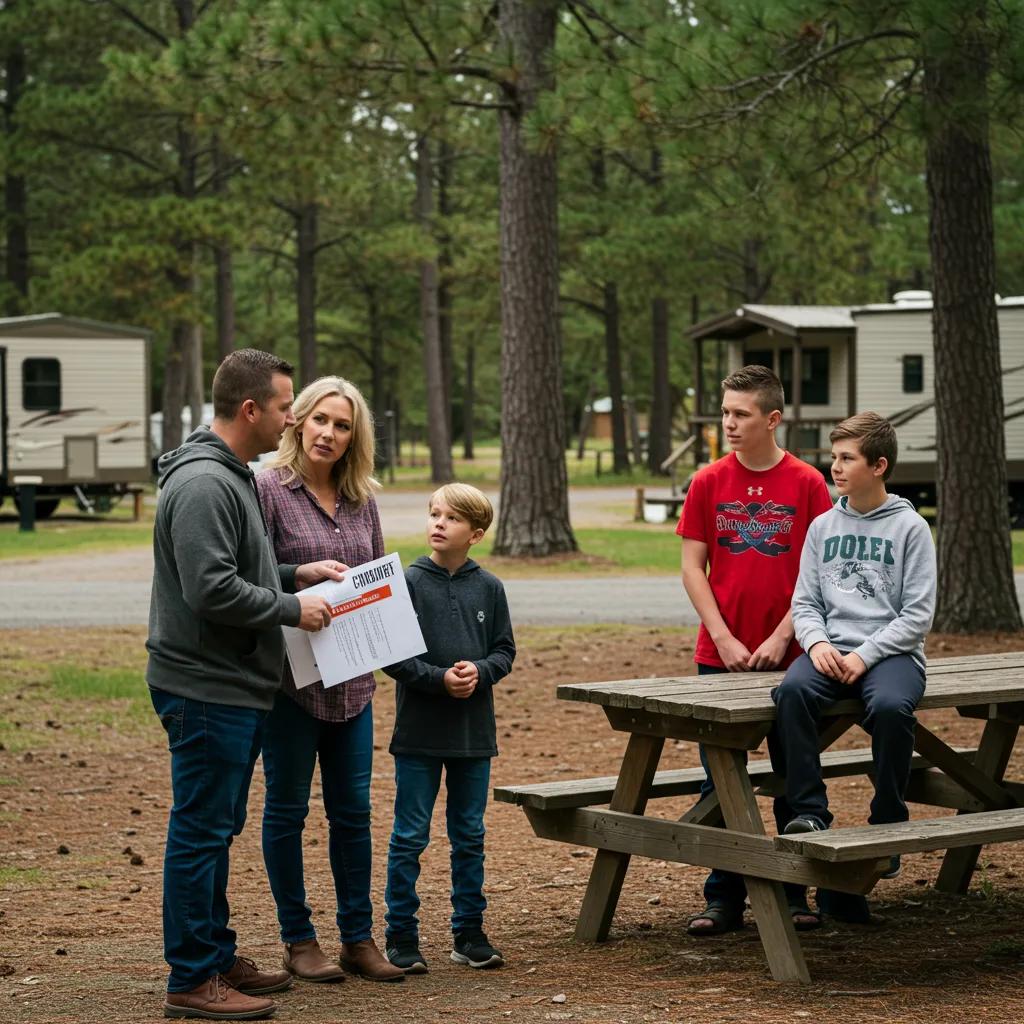
Selling directly to a family-owned buyer means prioritizing stewardship, crafting a personalized transition, and engaging in owner-to-owner communication that safeguards your campground’s unique character. We’re often committed to keeping your staff on board and ensuring your guests continue to have a wonderful experience, minimizing operational disruptions and preserving your hard-earned brand reputation. If you value the long-term care of your property and its culture, you’ll find direct buyers like us are more aligned with those priorities than larger, institutional investors. These stewardship benefits are significant for many sellers and set the stage for understanding how direct sales can also accelerate timelines and reduce transaction complexities.
How Does Selling Directly Save Time and Avoid Broker Commissions?
A direct sale streamlines the entire negotiation process. We bypass the need for extensive listing preparations, broad public marketing, and broker involvement, allowing us to structure offers based on your campground’s NOI and specific needs. You’ll typically save on commissions, which can amount to a significant percentage of the sale price, and often shorten the selling timeline from months to mere weeks. Confidentiality is also enhanced, as fewer parties will see your sensitive operational details, protecting your staff’s morale and your guests’ perceptions. Understanding these time and cost efficiencies will help you compare timelines and net proceeds against brokered alternatives.
What Are the Common Drawbacks of Using Campground Brokers?
While campground brokers can offer broad market exposure and negotiation expertise, they can also extend the time your property is on the market and introduce commissions that reduce your net proceeds. Brokers might focus on a wide range of buyers where stewardship goals aren’t a primary concern, potentially creating a mismatch if you prioritize legacy. The listing process itself often involves public disclosures and marketing efforts that can impact bookings and staff morale, especially with for-sale signs and advertisements. When stewardship and speed are paramount, it’s wise to weigh these broker-related drawbacks against the benefits of wider buyer reach.
How Do You Determine the Value of Your Campground Before Selling?
Valuing your campground begins with understanding your Net Operating Income (NOI)—the cash flow your property generates—and applying a relevant cap rate to translate that NOI into market value. This method provides buyers with a predictable way to underwrite returns. NOI is calculated by subtracting operating expenses from revenue, and the cap rate reflects market risk, demand for outdoor travel, and investor expectations. Other key factors influencing value include your site count, occupancy rates, amenity offerings, and operational efficiencies, all of which impact current cash flow and future growth potential. The table below outlines these core valuation factors and how they influence your offer price and market position.
Key campground valuation factors and their impact:
What Key Factors Influence RV Park and Campground Valuation?
Buyers primarily assess NOI, occupancy rates, site mix, the physical condition of the property, and local demand when valuing campgrounds. NOI provides the financial foundation, occupancy patterns reveal revenue consistency, and the site mix determines revenue potential per site and opportunities for upselling. The physical assets, such as utilities and amenities, influence forecasts for capital expenditures and discount rates. Owners who can demonstrate strength across these areas typically receive more competitive offers, underscoring the importance of preparing detailed records and showcasing growth potential.
How Does Net Operating Income Affect Your Campground’s Worth?

NOI is the bedrock of valuation, as buyers use it with a cap rate to calculate an offer: Value = NOI / Cap Rate. Since NOI reflects your ongoing operational performance, any improvements in rates, ancillary revenue, or reductions in controllable expenses can significantly boost your property’s worth. Buyers will scrutinize NOI under conservative scenarios, so transparent and repeatable revenue drivers enhance credibility and can justify stronger offers. Being prepared to discuss your NOI trends and the factors behind them will empower you to negotiate from a well-informed position.
What Market Trends Should Sellers Consider in 2025?
As of 2025, the market is seeing a normalization of valuations following peak years. Cap rates are adjusting upward, and buyers are conducting more thorough due diligence before committing. Despite this adjustment, the demand for outdoor travel remains robust, supporting the long-term fundamentals for well-managed properties. Sellers should anticipate more disciplined offers and be ready to showcase consistent NOI, stable occupancy, and documented operational strengths to maintain valuation. These trends encourage sellers to prepare strong financial narratives and set realistic timing expectations.
How Can You Prepare Financial Records to Maximize Sale Price?
Well-organized financials can accelerate offers and reduce buyer-driven discounts. Focus on maintaining consistent Profit & Loss statements, tax returns, occupancy reports, vendor contracts, and utility breakdowns. Presenting multi-year P&Ls and clearly reconciling revenue categories (site fees, ancillary sales, rentals) demonstrates stability. Clean records allow buyers to underwrite with confidence, often reducing contingencies tied to extended due diligence. Preparing your records in advance shortens timelines and can lead to firmer, less contingent offers.
What Is the Step-by-Step Process to Sell Your Campground to GatherGrounds Resorts?
Selling directly to a family-owned acquirer like us follows a transparent, owner-centric process: an initial confidential conversation, a preliminary offer based on high-level data, thorough due diligence, a negotiated purchase agreement, and a coordinated closing with transition planning. This streamlined approach accelerates decision-making because we evaluate operational value directly and offer tailored transition options that preserve your legacy and staff continuity. This step-by-step transparency reduces uncertainty for sellers and aligns expectations regarding timelines and outcomes. The numbered process below outlines the typical steps and your role in them, so you can anticipate responsibilities and typical durations.
A clear acquisition process to expect
- Initial confidential conversation: Share high-level site count, revenue figures, and NOI to begin our evaluation.
- Preliminary offer: We’ll issue a non-binding offer based on the metrics and comparables you provide.
- Due diligence: This phase involves financial verification, property inspections, and environmental and title reviews, all within a defined timeline.
- Final agreement and closing: Negotiated terms are finalized, followed by a coordinated transfer and transition planning.
How Do You Start a No-Obligation Conversation with GatherGrounds?
Begin with a confidential outreach that includes basic property facts—your site count, annual revenues, and a high-level NOI estimate—to allow for an initial valuation discussion without any public marketing or obligation. GatherGrounds Resorts is eager to acquire RV resorts and campgrounds directly from owners, and our first call typically focuses on understanding your operational metrics and stewardship preferences. Have concise documents ready that summarize occupancy, P&Ls, and major capital items so we can provide a timely preliminary range. This confidential introductory step is designed to reduce stress and open the door to a direct, legacy-preserving transaction.
What Due Diligence Is Required During the Acquisition Process?
Our due diligence process covers financial verification (P&Ls, tax returns), title and permitting checks, environmental assessments, and site inspections of utilities and amenities. We also review vendor contracts, employment arrangements, and guest reservation systems to evaluate continuity risk and capital needs. Typical timelines vary based on property complexity, but sellers who prepare organized documentation can significantly accelerate this phase. Knowing these common due-diligence items will help you pre-assemble records to avoid delays and minimize contingency-related discounts.
How Are Offers Made and Negotiated?
Offers are typically driven by NOI and include contingencies related to title, environmental findings, and financial verification. Negotiation centers on price, transition terms, and specific contingencies. We encourage sellers to compare offers based on net proceeds after contingencies and timing, not just the headline price. Buyers like GatherGrounds evaluate stewardship outcomes alongside price, which can influence the offer structure, such as earnest-money timelines or seller transition roles. Understanding typical offer mechanics will empower you to negotiate in ways that protect your value while preserving your legacy priorities.
What Happens During Closing and Transition?
Closing involves executing the purchase agreement, transferring title, settling any escrow items, and implementing a transition plan for staff and guest communications. A thoughtful transition preserves operational continuity by retaining key team members, honoring existing bookings, and communicating changes to guests in a way that reassures repeat visitors. GatherGrounds’ acquisition approach emphasizes stewardship and continuity in transition planning, which helps maintain revenue and staff morale immediately after closing. Clear role assignments and communication timelines reduce downtime and protect the guest experience.
What Types of Campgrounds Does GatherGrounds Resorts Acquire?
GatherGrounds Resorts focuses on acquiring campgrounds at a scale that supports operational efficiency, typically favoring properties with substantial site counts and amenity sets conducive to steady NOI and growth projects. Our property-fit criteria include the number of sites, amenity profile, location appeal, and upside potential through operational improvements or site enhancements. This acquisition profile helps owners self-assess whether their property aligns with our model and supports faster, more targeted conversations. The table below outlines common property attributes and why each matters for acquisition fit.
Property-fit criteria and rationale
Why Focus on Campgrounds with 130+ Sites?
A threshold of 130+ sites creates operational scale that stabilizes cash flow and spreads fixed costs across more revenue-generating units, improving NOI predictability. Larger parks often offer diversified site mixes—RV, cabins, glamping—which reduce seasonality risk and appeal to broader guest segments. Scale also makes capital improvements and amenity investments more economically justified, producing clearer ROI for buyers. Owners of parks near this threshold should highlight operational efficiencies and revenue diversification when positioning for sale.
Which Locations and Amenities Are Preferred?
We prefer locations with consistent regional demand, access to outdoor attractions, and limited competition. High-impact amenities include reliable utilities, waterfront or scenic access, upgraded bathhouses, and lodging alternatives. Amenities that drive guest spend—on-site food, rentals, or premium experiences—improve revenue per visit and appeal to investors. Owners should document amenity performance and guest feedback to demonstrate value and identify where modest investments could yield outsized valuation gains.
How Does GatherGrounds Assess Growth and Value-Add Potential?
Our assessment of growth potential focuses on low-cost site conversions, pricing optimization, ancillary revenue additions, and infrastructure improvements that increase occupancy or ADR. We analyze market demand, operational capacity, and capex needs to forecast incremental NOI. Simple projects—upgrading hookups, adding glamping units, or introducing seasonal programming—can materially raise valuation if backed by demand. Sellers who can present clear, low-risk value-add options strengthen their negotiation positions and attract buyers interested in both stewardship and upside.
How Can You Sell Your Campground Business Successfully Without a Broker?
Selling without a broker means you’ll manage marketing, buyer vetting, and negotiation yourself. This reduces fees but increases time and complexity. Success hinges on accurate valuation, strong documentation, and disciplined buyer qualification. You’ll need to be prepared to present organized financials, anticipate due diligence requests, and manage confidentiality while marketing to qualified direct buyers. The checklist and steps below guide you through seller-led exits and show where a direct buyer like GatherGrounds can offer a simpler alternative if you’re seeking a broker-free path. Thorough preparation reduces the risk of undervaluation and accelerates sale timelines.
Key seller checklist for broker-free sales:
- Prepare multi-year P&Ls, tax returns, and occupancy reports.
- Assemble property documents: site maps, permits, leases, vendor contracts.
- Create an executive summary with site count, NOI, and recent capital investments.
- Pre-qualify buyers and require confidentiality agreements to protect operations.
What Are the Challenges of Selling a Campground Without Professional Help?
Common pitfalls include limited buyer reach, difficulty vetting financial qualifications, underestimating negotiation complexity, and managing due diligence logistics. You might unintentionally expose operational weaknesses or mishandle confidentiality, which can harm bookings and staff morale. Pricing mistakes are also frequent when owners lack objective market context or comparable sales data. Recognizing these challenges will help you decide whether to proceed independently or engage a direct buyer who can alleviate many of these burdens.
How Does GatherGrounds Support Owners Seeking a Smooth Transition?
GatherGrounds Resorts offers direct acquisition options that prioritize tailored transition timelines, operational continuity, and staff retention commitments to preserve your property’s identity. For owners who prefer a broker-free route, our direct buyer model simplifies negotiation and minimizes public marketing, allowing for confidential, owner-to-owner conversations. GatherGrounds Resorts is committed to acquiring RV resorts and campgrounds directly from owners, providing an alternative to traditional brokerage processes and enabling legacy-focused outcomes. This direct support reduces your workload and aligns transfer goals with stewardship.
What Documents and Preparation Are Needed for a Direct Sale?
Prepare a compact due diligence packet that includes Profit & Loss statements, recent tax returns, occupancy and reservation reports, site maps, major contracts, and a list of capital expenditures and deferred maintenance. Presenting consistent revenue categorization and clear utility cost breakdowns helps buyers underwrite offers quickly and accurately. You should also assemble title and permitting documentation to avoid last-minute issues. Organized documentation helps buyers make firmer offers and shortens the path from initial conversation to closing.
What Are Current RV Park Market Trends and How Do They Affect Sellers?
Current 2025 trends indicate a market adjusting from peak valuation years toward more disciplined underwriting, with cap rates moving modestly higher and buyers placing greater emphasis on verified NOI and risk management. Simultaneously, demand for outdoor travel remains resilient, supporting the long-term investment thesis for many buyers despite near-term valuation pressure. Sellers should anticipate more conservative offers and plan to substantiate revenue streams with clear records and realistic growth plans. Understanding these trends will allow you to time your sale effectively and present evidence that supports stronger valuation.
How Is the 2025 Market Normalizing After Peak Valuations?
Normalization in 2025 means cap rates are widening from their lowest historical levels, and buyers are shifting from optimism to conservative underwriting that rigorously stress-tests NOI. This may reduce headline multiples for many parks but rewards properties with clean, documented financial performance and demonstrable upside. Sellers who adjust their expectations and prepare compelling documentation are better positioned to attract competitive offers. Awareness of normalization trends will help you calibrate price expectations and negotiation strategies.
Why Is Demand for Outdoor Travel Still Strong?
Persistent consumer interest in outdoor experiences, growth in RV rentals, and diversified guest demographics all contribute to stable demand for campgrounds. These demand drivers create revenue resilience, particularly for properties with varied site types and attractive amenities. Strong demand underpins the long-term investment thesis for many buyers, even amidst near-term valuation pressures. Highlighting demand metrics and guest data in your sales materials will reinforce confidence in future revenue prospects.
How Are Cap Rates and Buyer Caution Impacting Sale Prices?
Buyers are building in reserves and stress-testing revenue projections, which impacts offers through both cap-rate selection and contingency sizing, often leading to more conservative purchase prices. Sellers can counterbalance buyer caution by providing multi-year NOI evidence, demonstrating low volatility in occupancy, and presenting credible value-add plans. Strategic pricing and a willingness to negotiate structure—such as partial seller financing or earn-outs in limited cases—can bridge valuation gaps while preserving seller goals. These tactics help sellers respond to buyer caution without accepting unnecessary discounts.
What Do Other Campground Owners Say About Selling to GatherGrounds Resorts?
Owner experiences with direct, family-owned buyers often highlight smoother transitions, retained staff, and confidentiality that protects bookings during the sale process. While specific testimonials and case studies are available through documented success stories, the consistent themes are speed, stewardship, and fewer intermediaries. Summaries of seller outcomes consistently show shorter timelines compared with public listings and positive staff retention rates following coordinated transition planning. These owner perspectives build trust for sellers considering a direct sale route.
What Success Stories Highlight Smooth Sales and Legacy Preservation?
Brief success summaries typically emphasize how family-owned buyers preserved property traditions, retained long-serving employees, and implemented phased transitions that maintained guest satisfaction. Sellers often report quicker closings and reduced stress compared to extended listing processes, with transitions planned to respect legacy and community ties. These vignettes help prospective sellers envision a path that balances financial outcomes with non-financial priorities such as staff continuity and guest experience.
How Have Previous Sellers Benefited from a Direct Sale?
Sellers report tangible benefits including lower transaction friction, reduced or no broker commissions, and ownership conversations that respect legacy objectives alongside fair valuation. Direct sales also tend to deliver clearer transition plans and fewer public disclosures, preserving bookings and local reputation during the transfer. These advantages frequently appeal to owners who prioritize the long-term care of their property and team.
Where Can You Read Detailed Case Studies of GatherGrounds Acquisitions?
Detailed case studies and acquisition summaries are organized in repositories that document our valuation approach, transition steps, and outcomes for sellers who chose a direct sale. These case studies illustrate practical examples of how direct acquisitions preserve staff and guest continuity while achieving timely closings. Reviewing these examples will help you evaluate whether a direct conversation aligns with your goals and prepare you to share the right materials during an initial discussion.
Frequently Asked Questions
What should I consider when preparing my campground for sale?
When preparing your campground for sale, focus on enhancing its appeal to potential buyers. This includes improving the physical condition of the property, upgrading amenities, and ensuring that all operational systems are functioning smoothly. Additionally, gather and organize financial records, including multi-year Profit & Loss statements and occupancy reports, to present a clear picture of the campground’s performance. Highlighting unique features and local attractions can also make your property more attractive to buyers.
How can I effectively market my campground without a broker?
To market your campground effectively without a broker, leverage online platforms and social media to reach potential buyers directly. Create a detailed listing that includes high-quality images, a comprehensive description of the property, and key financial metrics. Networking within industry groups and forums can also help you connect with interested buyers. Additionally, consider creating a website or landing page dedicated to the sale, providing all necessary information in one accessible location.
What are the key financial documents needed for a successful sale?
Key financial documents for a successful campground sale include multi-year Profit & Loss statements, tax returns, occupancy reports, and detailed records of any capital expenditures. It’s also important to prepare vendor contracts, utility breakdowns, and any other relevant operational documents. Having these organized and readily available not only speeds up the due diligence process but also instills confidence in potential buyers regarding the campground’s financial health.
How can I ensure a smooth transition for staff and guests after the sale?
To ensure a smooth transition for staff and guests after the sale, develop a comprehensive transition plan that includes clear communication strategies. Retaining key staff members can help maintain operational continuity and reassure guests. Schedule meetings with staff to discuss changes and address any concerns. Additionally, communicate with guests about the new ownership and any changes they can expect, emphasizing continuity in service and experience to maintain their trust and loyalty.
What are the potential tax implications of selling my campground?
Selling your campground can have various tax implications, including capital gains tax on the profit from the sale. It’s essential to consult with a tax professional to understand how the sale will affect your tax situation, including any potential deductions or credits you may qualify for. Additionally, consider the timing of the sale, as it may impact your tax liabilities. Proper planning can help you minimize tax burdens and maximize your net proceeds from the sale.
What are the benefits of selling to a family-owned buyer compared to an institutional buyer?
Selling to a family-owned buyer often provides benefits such as a focus on stewardship, continuity, and a personalized transition plan. Family buyers typically prioritize maintaining the campground’s legacy and staff roles, which can lead to a smoother transition for both employees and guests. In contrast, institutional buyers may prioritize financial returns over operational continuity, potentially leading to changes that could disrupt the campground’s established culture and guest experience.
How can I assess the growth potential of my campground before selling?
To assess the growth potential of your campground, analyze current occupancy rates, revenue streams, and market demand for outdoor experiences in your area. Identify opportunities for improvement, such as upgrading amenities, expanding site offerings, or enhancing marketing strategies. Conducting a competitive analysis can also provide insights into how your campground compares to others in the region. Presenting a clear growth strategy to potential buyers can enhance your campground’s appeal and justify a higher sale price.
Conclusion
Selling your campground directly to a family-owned buyer can streamline the process, preserve your legacy, and enhance operational continuity for staff and guests. By understanding the valuation methods and preparing your financial records, you can maximize your sale price while minimizing transaction friction. Embrace the opportunity to engage in a confidential conversation with GatherGrounds Resorts to explore a tailored acquisition that aligns with your goals. Take the first step towards a smoother transition today.