

Why Local Campground Brokers Matter: Your Guide to Selling with Confidence
Selling a campground is a big decision, touching on property value, community, and your personal legacy. This guide breaks down why local campground brokers are key, how they work, and how you can confidently choose between a broker-assisted sale or a direct buyer. Campground brokers act as your marketplace connection, marketing your listing, finding the right buyers, and managing the deal to help you get the best value while keeping things running smoothly. Many owners worry about balancing price, protecting staff and community, and how long it will take to sell. This article gives you a clear way to think about those priorities. You’ll find practical insights on what brokers do, the advantages of local market know-how, how valuations differ between brokers and direct buyers, checklists for getting your property ready, and how family buyers like GatherGrounds Resorts compare. We’ll weave in terms like “find campground brokers near me,” “sell my campground,” and “direct campground buyer” to help you find the next steps.
What’s the Role of Local Campground Brokers When Selling Your RV Park?
Local campground brokers manage the entire sale process: marketing your property, screening buyers, and guiding negotiations all the way to closing. They offer specialized services like setting a pricing strategy based on local sales, reaching out to buyers discreetly, and handling the due diligence steps so you have less paperwork. Brokers also act as negotiators and project managers, coordinating with attorneys, accountants, and lenders to smooth out the transaction and speed things up. Understanding these core functions helps you decide if a broker’s network and process fit your exit strategy and what matters most to you.
How Do Campground Brokers Help Facilitate Sales and Find the Right Buyers?
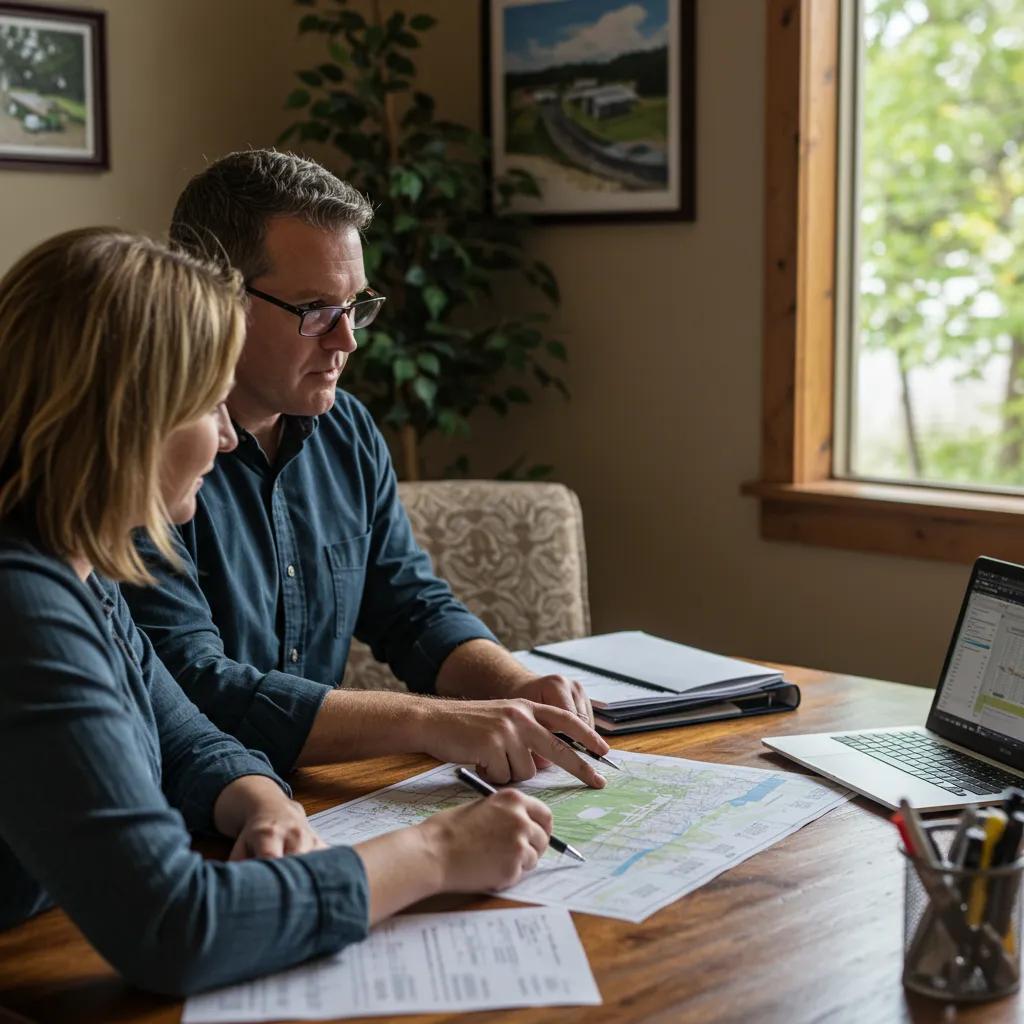
Campground brokers make sales happen by listing properties on targeted channels, tapping into private investor networks, and pre-qualifying buyers to ensure offers are serious and timely. They create marketing materials—financial summaries, offering memorandums, and professional photos—that highlight what makes your property valuable, like site count, occupancy rates, and amenities, to attract the right buyers. Brokers then use screening steps like verifying proof of funds and checking operational experience to focus on serious prospects, saving you time on unqualified inquiries. This buyer-matching process naturally leads to discussing a broker’s fee structure and what you can expect to pay.
What Fees and Commissions Do Campground Brokers Typically Charge?
Broker fees are usually a percentage of the sale price, sometimes with an upfront retainer or a success fee. These costs cover marketing, negotiation, and managing the transaction. Commission rates can vary based on the deal’s complexity and market conditions. You should ask what services are included—like listing exposure, buyer vetting, and closing coordination—to accurately compare your net proceeds. Fees can sometimes be negotiated, especially for strong seller leverage or pre-qualified buyers. Understanding the fee breakdown helps you weigh the cost against the broker’s value. Clear fee disclosure and a written agreement prevent surprises and keep you in control.
How Do Brokers Market Campgrounds to Potential Buyers?
Brokers market campgrounds through targeted outreach to investor and operator networks, listings on specialized platforms, and industry channels like trade publications and conferences. Typical marketing materials include an offering memorandum with financial snapshots, occupancy trends, site breakdowns, and professional photography to showcase operational quality and investment potential. Brokers often use discreet, confidential marketing if you prefer less exposure, balancing broad reach with staged disclosure to protect staff and guest relationships. The marketing approach influences the type of buyers you attract and ultimately affects how long it takes to sell and the final sale price.
What Are the Benefits of Selling Your Campground Through a Local Broker?
Selling with a local broker can lead to greater market visibility, more competitive offers, and expert handling of the legal and financial complexities involved in commercial property sales. Local brokers bring knowledge of the regional market, which helps refine pricing expectations and target buyers more effectively, potentially leading to better final terms. Their networks of qualified buyers and institutional contacts can often speed up due diligence and increase the chances of full-price offers from operators or investors who understand the campground business. Recognizing these benefits helps you match broker services to your strategic goals and decide if a broker-led sale is the best path.
How Does Local Market Knowledge Improve Sale Outcomes?
Local market knowledge improves outcomes by grounding price expectations in recent, region-specific sales data, zoning regulations, and buyer preferences that impact valuation and future performance. Brokers familiar with areas like the Upper Midwest can highlight attributes buyers value—like seasonality, nearby attractions, and local regulations—that directly affect revenue projections. This insight reduces appraisal surprises and positions the property to attract buyers looking for immediate operational upside or steady long-term returns. The ability to anticipate local buyer concerns can shorten negotiation cycles and lead to smoother closings.
Why Is Access to a Network of Qualified Buyers Important?
Access to a qualified buyer network shortens the time your property is on the market by connecting you with operators and investors who have the funds and experience in campground or RV park ownership. Brokers’ networks offer a mix of buyer types—institutional investors, private operators, and strategic acquirers—so you receive offers reflecting diverse motivations and potential premiums for operational fit. Pre-qualified buyers increase the certainty of a transaction, reducing the likelihood of late-stage financing or operational issues derailing the sale. This network advantage influences whether you prioritize maximum reach or a confidential, curated marketing approach.
How Do Brokers Support Sellers Through Legal and Financial Processes?
Brokers support sellers by coordinating due diligence packages, helping you connect with trusted legal and accounting professionals, and managing timelines for inspections, title work, and closing documents. They often compile financial statements, occupancy histories, and permit records in formats buyers expect, reducing back-and-forth communication and speeding up review cycles. Brokers can also help negotiate contingencies and closing terms, organizing communications among all parties to keep the momentum going toward closing. This structured support reduces your workload and mitigates common risks associated with commercial property sales.
How Does Selling Directly to a Family-Owned Buyer Like GatherGrounds Resorts Compare?
Direct sales to family-owned buyers differ from brokered sales in cost, communication, and what’s prioritized during the transition, often focusing on stewardship and continuity over just financial gains. Family-owned buyers can streamline decision-making because owners negotiate directly with the acquiring family, cutting out multiple approval layers common with corporate buyers and speeding up responses. GatherGrounds Resorts aims to be a thoughtful transition partner that values legacy, community continuity, and operational preservation, which can be very important to sellers who prioritize staff retention and tradition. Comparing direct acquisition to a broker-assisted path clarifies the trade-offs between potential commission savings and exposure to competitive bidding.
What Are the Advantages of a Direct Sale Without Broker Commissions?
A direct sale can lower transaction costs by eliminating broker commissions, potentially increasing your net proceeds and simplifying fee negotiations. Direct negotiations often shorten decision cycles because you speak directly with the buyer decision-makers, reducing back-and-forth approvals and allowing for more tailored deal terms. Savings on commissions can be significant, but you should weigh those savings against the possibility of missing out on market-driven competitive bidding that could increase the final sale price. Understanding these trade-offs helps you assess your financial and non-financial priorities when evaluating offers.
How Does GatherGrounds Preserve Your Campground’s Legacy and Community?

GatherGrounds Resorts focuses on stewardship by treating acquisitions as thoughtful transitions that preserve a property’s identity, traditions, and staff whenever possible. Their approach prioritizes keeping great teams in place and maintaining community connections rather than imposing a corporate operational overhaul, which supports continuity for guests and employees. This stewardship mindset appeals to owners who value long-term legacy over purely transactional outcomes and want assurance that the campground’s local character will be respected. Sellers seeking this preservation-first approach will find direct communication and a commitment to continuity central to the value proposition.
Why Is Direct Communication with Owners Important for Sellers?
Direct communication with buyer owners reduces information loss and speeds up the resolution of substantive questions about operations, transition support, and future plans for the campground. When owners speak directly with incoming operators, they can negotiate specific transition terms—like staff retention agreements, continuity of guest programs, and phased operational handovers—that provide reassurance to stakeholders. This clarity often leads to more personalized terms that align with your priorities and community expectations, increasing the chance of a smooth post-sale transition. Direct dialogue also builds trust, which can be critical when your reputation and legacy are at stake.
What Is the Typical Timeline for a Direct Acquisition?
A direct acquisition typically involves an inquiry, preliminary valuation, due diligence period, agreement negotiation, and closing. Timelines can vary depending on the complexity of operations and how ready your documentation is. Direct buyers may shorten certain phases by conducting focused due diligence tailored to strategic fit rather than broad market comparison, which can reduce the overall calendar time. You should expect clear milestones—initial offer, exclusivity period, financial review, and closing—and agree on realistic durations for each phase to maintain momentum. Setting a conservative timeline and communicating deadlines ensures all parties stay aligned through to closing.
How Do Local Campground Brokers and Direct Buyers Differ in Valuing Your RV Park?
Valuation differences stem from methodology: brokers typically use market-driven comparables and cap-rate assumptions, while direct buyers may assign strategic premiums for operational synergy or stewardship value. Brokers focus on recent sales, cap-rate norms, and income capitalization, seeking price benchmarks that appeal to a broad investor base. Direct buyers, like family-owned acquirers, may consider non-financial factors—legacy preservation, management continuity—and operational fit that can justify different valuation adjustments. Recognizing these methodological differences helps you interpret offers and request valuation details to compare them fairly.
Before the table below, this EAV comparison highlights how brokers and direct buyers approach common valuation attributes and what you should expect in proposed offers.
This table shows brokers emphasize market comparables and discounting rules, while direct buyers may incorporate strategic or stewardship premiums into their valuation calculations.
What Key Factors Influence Campground and RV Park Valuation in 2025?
Key valuation drivers in 2025 include location desirability, site count, occupancy trends, diversified revenue streams, amenity quality, and the regulatory or zoning environment affecting operational potential. Current market dynamics also reflect shifts in demand, with buyers valuing resilient revenue from diverse offerings like seasonal cabins, hookups, and ancillary services. You should present clear P&L statements, occupancy histories, and amenity inventories because these components directly influence buyer valuation. Clear documentation of these elements helps buyers—whether brokers or direct purchasers—model future cash flows and justify their offers.
How Do Brokers Determine Market Value Compared to Direct Buyers?
Brokers determine market value by synthesizing regional comparables, typical investor cap rates, and adjusted net operating income to establish a competitive listing price. Direct buyers assess value through a strategic lens, considering how the property complements their existing portfolio, potential cost synergies, and their willingness to preserve non-financial aspects that a conventional investor might overlook. These differing approaches can lead to different numerical offers even when reviewing identical financial statements, so you should request a breakdown of the assumptions behind each offer. Transparency in assumptions allows you to reconcile differences and choose the path that aligns with your priorities.
How Can Sellers Ensure They Receive a Fair Offer?
You can ensure fairness by obtaining multiple opinions—a broker valuation, an independent appraisal, and direct buyer term details—and by asking for a written breakdown of valuation assumptions. Requesting comparative market data, cap-rate logic, and revenue normalization methods clarifies how each party arrived at its figures. You should also verify buyer credentials, request proof of funds, and consult trusted advisors before accepting terms to protect your financial and operational interests. These verification steps create a solid framework for comparing broker-mediated offers and direct acquisition proposals.
What Should Campground Owners Consider When Choosing Between Brokers and Direct Buyers?
You should align your selling method with your core priorities: maximizing price, preserving legacy, maintaining confidentiality, or achieving a fast close. Brokers often excel at market exposure and price discovery, while direct buyers may be a better fit for sellers emphasizing stewardship, staff retention, and a controlled transition. Your risk tolerance, desired timeline, and sensitivity to community impact should guide your choice of selling route, rather than just following convention. Mapping your goals to selling channels simplifies evaluation and clarifies which trade-offs each path involves.
How Do Seller Priorities Affect the Choice of Selling Method?
If your primary objective is maximizing price, a broker-led, wide marketing approach with competitive bidding is usually the best fit because it expands buyer reach. Sellers prioritizing legacy preservation, staff continuity, or a personal handover may prefer direct buyers who explicitly commit to stewardship and community continuity. For owners needing confidentiality and speed, a curated broker campaign with limited marketing or a direct sale to a vetted family-owned buyer can achieve faster, quieter results. Matching your priorities to the method streamlines negotiations and helps set realistic expectations for outcomes.
What Are the Risks and Drawbacks of Using Brokers?
Using brokers can introduce risks such as commission costs, potential loss of confidentiality through broad marketing, and longer exposure that may affect staff morale or guest perception. You might also find that broker pricing strategies miss niche buyers willing to pay strategic premiums for continuity or operational fit. To mitigate these risks, you should negotiate exclusivity terms, staged disclosure protocols, and clear marketing parameters with your broker. Understanding these drawbacks empowers you to work with brokers in ways that preserve your key non-financial priorities.
When Is Selling Directly to a Family-Owned Buyer the Best Option?
Selling directly to a family-owned buyer is often best when you prioritize stewardship, want to retain legacy elements, seek direct negotiation with decision-makers, and want to manage transitions that keep staff and traditions intact. This route is particularly suitable for parks meeting specific acquisition criteria, such as scale or operational complexity, where an aligned family operator can add value with hands-on ownership. Sellers who value a thoughtful transition over maximizing exposure may find direct buyers offer tailored terms and a more personal process. Clear criteria—like a target of parks with 130+ sites—help you identify when a direct sale aligns with your goals.
How Can Sellers Prepare Their Campground for a Successful Sale Through Brokers or Direct Buyers?
Preparation involves gathering accurate financials, occupancy records, legal permits, and professional marketing materials to present a confident, verifiable case to buyers or brokers. Organizing your P&L statements, tax records, site inventories, and permits reduces due diligence friction and shortens transaction timelines. Operational improvements that address deferred maintenance and present the campground as a turnkey operation often increase buyer confidence and the offers you receive. Maintaining confidentiality through staged disclosures and NDA use protects operations while buyers evaluate the opportunity.
Before the table below, this checklist outlines required documents and the typical details buyers and brokers evaluate during diligence.
What Financial and Legal Documents Are Needed?
You should prepare multi-year P&L statements, occupancy reports, tax returns, site-count inventories, copies of leases, and relevant permits to facilitate buyer review and streamline diligence. Clear documentation reduces buyer uncertainty and helps both brokers and direct buyers model revenue and expense assumptions accurately. Organizing these files in a shareable, staged manner under NDA control preserves confidentiality while enabling timely buyer evaluation. Well-prepared records often translate into faster offers and stronger negotiating positions.
Before the next list, sellers will benefit from a short checklist of high-impact actions to enhance market readiness.
- Gather clear multi-year financial statements that reconcile to tax returns.
- Prepare occupancy and reservation data segmented by site type and season.
- Compile permits, licenses, and site maps that demonstrate regulatory compliance.
How Can You Enhance Your Campground’s Appeal to Buyers?
Enhancing appeal focuses on operational and cosmetic improvements that provide visible ROI, such as repairing high-impact infrastructure, upgrading amenity areas, and improving cleanliness and signage. Presenting a tidy, well-documented operation signals strong stewardship and reduces perceived risk for buyers, increasing their willingness to submit competitive offers. Investing in professional photos, clear amenity descriptions, and verified occupancy data improves marketing traction whether you’re selling through a broker or directly. These tangible preparations support both price discovery and a smoother transition for the incoming operator.
Before the final checklist table, sellers should adopt confidentiality practices to protect staff, guests, and business continuity during marketing.
How Should Sellers Maintain Confidentiality During the Sale Process?
Maintaining confidentiality requires NDAs, limited-disclosure marketing strategies, and clear communication plans for staff and guests to prevent operational disruption or speculation. Brokers can manage anonymous listings and vet buyers before revealing identifying details, while direct buyers can agree to strict disclosure protocols to protect the property’s reputation. You should plan internal messaging and a transition timeline that addresses staff concerns and preserves guest experience during the sales process. These practices reduce risk and maintain operational stability as offers are evaluated.
What Do Campground Owners Say About Working with Local Brokers Versus Direct Buyers?
Owners frequently report that broker-led sales produced greater market exposure and competitive bidding, while direct sales to family-owned buyers yielded smoother cultural transitions and preservation of staff and traditions. Testimonial themes often contrast transactional outcomes—higher sale price through broader marketing—with relational outcomes—trust, stewardship, and community continuity under family ownership. Evaluating both outcome sets against your priorities clarifies which route best serves your legacy, financial, and timing goals. Considering these owner perspectives informs realistic expectations and decision-making.
What Success Stories Highlight the Benefits of Local Broker Sales?
Local broker sales often deliver measurable price improvements and shorter market times when brokers leverage networks to create competitive bidding environments for well-prepared properties. Sellers who prioritized maximum exposure typically received multiple offers that validated asking prices and sometimes produced above-market outcomes through auction-style dynamics. These seller experiences underscore the value brokers add when you seek broad buyer reach and price discovery. Understanding this pattern helps you decide whether to prioritize market-driven pricing or other non-financial objectives.
How Have Sellers Benefited from Selling Directly to GatherGrounds Resorts?
Sellers who opted for GatherGrounds Resorts’ direct acquisition model report that the family-owned approach emphasizes thoughtful transitions, staff retention, and preservation of campground identity. This model provides owners direct access to decision-makers, enabling tailored transition arrangements and assurances about operational continuity that matter to communities and long-tenured staff. For sellers focused on preserving legacy and minimizing upheaval, direct sale outcomes weigh heavily in favor of stewardship and personal handoff. These benefits illustrate why some owners choose a direct buyer over a broker-facilitated market process.
What Common Seller Concerns Are Addressed by Each Selling Option?
Common seller concerns include achieving a fair price, preserving confidentiality, retaining staff, and ensuring a timely close. Each selling route addresses these concerns differently. Brokers typically address price and exposure concerns through broad marketing and negotiation expertise but may require careful confidentiality management. Direct buyers address stewardship, staff retention, and streamlined communication but may not achieve the highest competitive price without market bidding. You should ask targeted questions—about valuation assumptions, transition support, and confidentiality practices—to validate claims and align the process with your priorities.
- Ask each party for a written breakdown of valuation assumptions, including cap rates and revenue normalization.
- Request proof of funds and relevant experience to confirm buyer capability.
- Confirm transition commitments around staff retention and community continuity in writing.
Frequently Asked Questions
What Should Campground Owners Do to Prepare for a Sale?
Campground owners should focus on organizing their financial documents, including multi-year profit and loss statements, occupancy records, and site inventories. Additionally, ensuring that all legal permits are in order is crucial. Preparing a comprehensive marketing package that highlights the campground’s strengths, such as amenities and occupancy trends, can also attract potential buyers. By presenting a well-documented and operationally sound property, sellers can enhance buyer confidence and streamline the due diligence process, ultimately leading to a smoother sale.
How Can Sellers Maintain Confidentiality During the Sale Process?
To maintain confidentiality during the sale process, sellers should implement non-disclosure agreements (NDAs) and limit the disclosure of sensitive information. Utilizing staged marketing strategies that protect the identity of the campground until a buyer is vetted can also help. Clear communication plans for staff and guests are essential to prevent speculation and operational disruption. By managing how and when information is shared, sellers can safeguard their business reputation while still attracting serious buyers.
What Are the Key Differences Between Selling to a Broker and a Direct Buyer?
Selling to a broker typically involves broader market exposure and competitive bidding, which can lead to higher sale prices. Brokers leverage their networks to attract multiple offers, enhancing price discovery. In contrast, selling directly to a family-owned buyer often emphasizes stewardship and continuity, allowing for more personalized negotiations. This route may result in smoother transitions and a focus on preserving the campground’s legacy. Understanding these differences helps sellers align their selling method with their priorities, whether financial or relational.
What Factors Should Sellers Consider When Choosing a Broker?
When selecting a broker, sellers should evaluate the broker’s local market knowledge, track record of successful sales, and fee structure. It’s important to assess how well the broker understands the unique aspects of campground operations and their ability to connect with qualified buyers. Additionally, sellers should inquire about the broker’s marketing strategies and how they plan to maintain confidentiality during the sale. A good fit between the seller’s goals and the broker’s approach can significantly impact the sale’s success.
How Do Market Conditions Affect Campground Valuation?
Market conditions play a crucial role in campground valuation, influencing factors such as buyer demand, interest rates, and economic trends. In a strong market, campgrounds may command higher prices due to increased competition among buyers. Conversely, in a weaker market, valuations may decline as buyers become more cautious. Sellers should stay informed about local market trends and economic indicators to set realistic price expectations and adjust their selling strategies accordingly, ensuring they maximize their property’s value.
What Are Common Mistakes Sellers Make When Selling Their Campground?
Common mistakes include underestimating the importance of thorough preparation, such as failing to organize financial documents or neglecting necessary repairs. Additionally, some sellers may set unrealistic price expectations based on emotional attachments rather than market data. Overlooking the need for effective marketing strategies can also hinder the sale process. To avoid these pitfalls, sellers should conduct thorough research, seek professional advice, and approach the sale with a clear understanding of their goals and the market landscape.
How Can Sellers Ensure a Smooth Transition After the Sale?
To ensure a smooth transition after the sale, sellers should establish clear communication with the new owners regarding operational practices, staff roles, and guest relations. Providing comprehensive training and support during the handover period can help maintain continuity and reassure employees and guests. Additionally, drafting a transition plan that outlines key responsibilities and timelines can facilitate a seamless changeover. By prioritizing these elements, sellers can help preserve the campground’s legacy and foster positive relationships with the new owners.
Conclusion
Choosing local campground brokers can significantly enhance your selling experience by maximizing property value while ensuring community continuity. Their expertise in the local market and access to qualified buyers streamline the sales process, making it more efficient and less burdensome for sellers. By understanding the benefits of both broker-assisted sales and direct buyers, you can make an informed decision that aligns with your priorities. Start exploring your options today to find the best path for your campground sale.